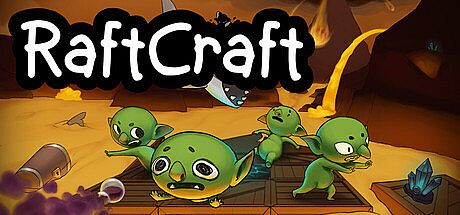


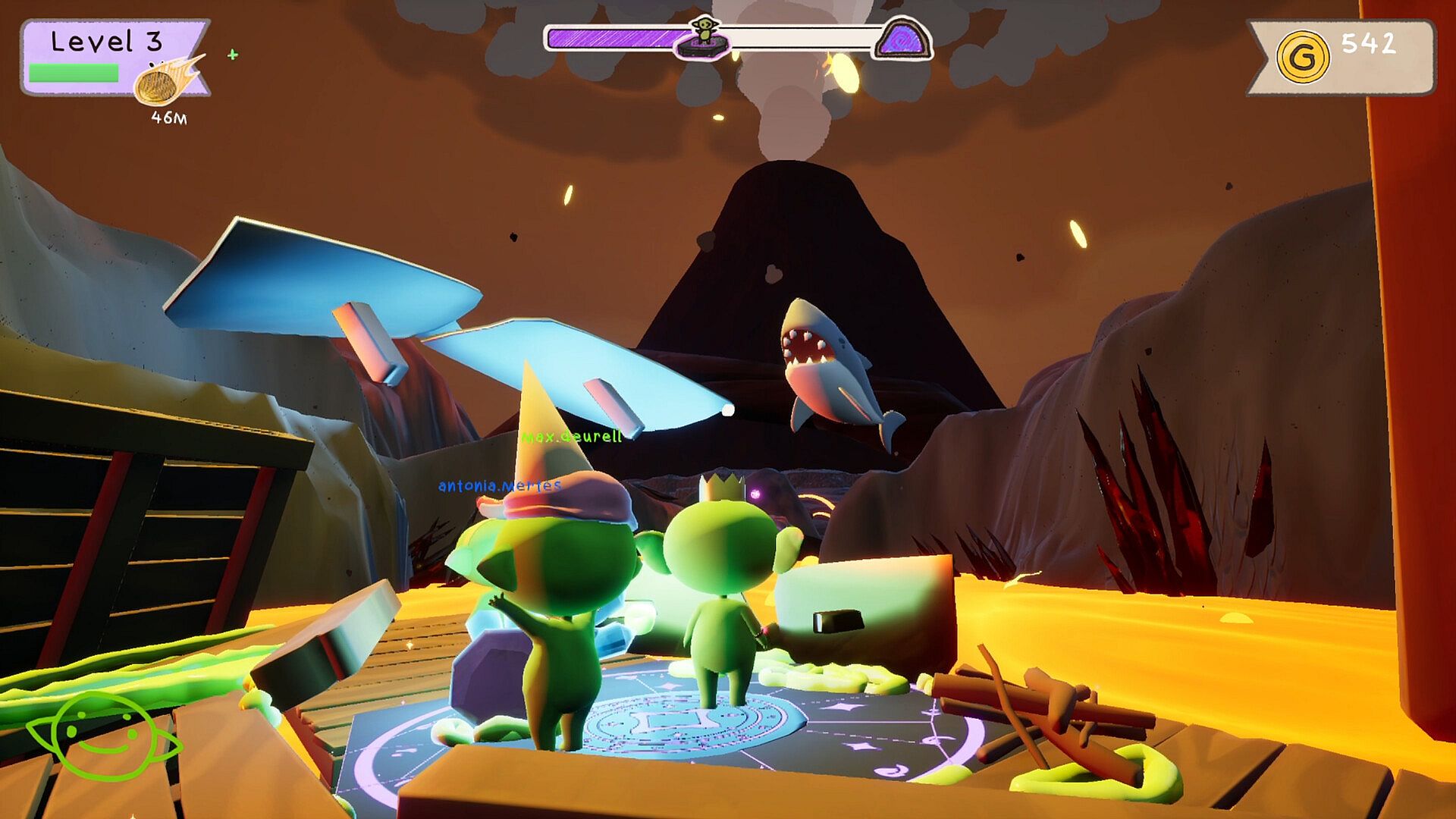
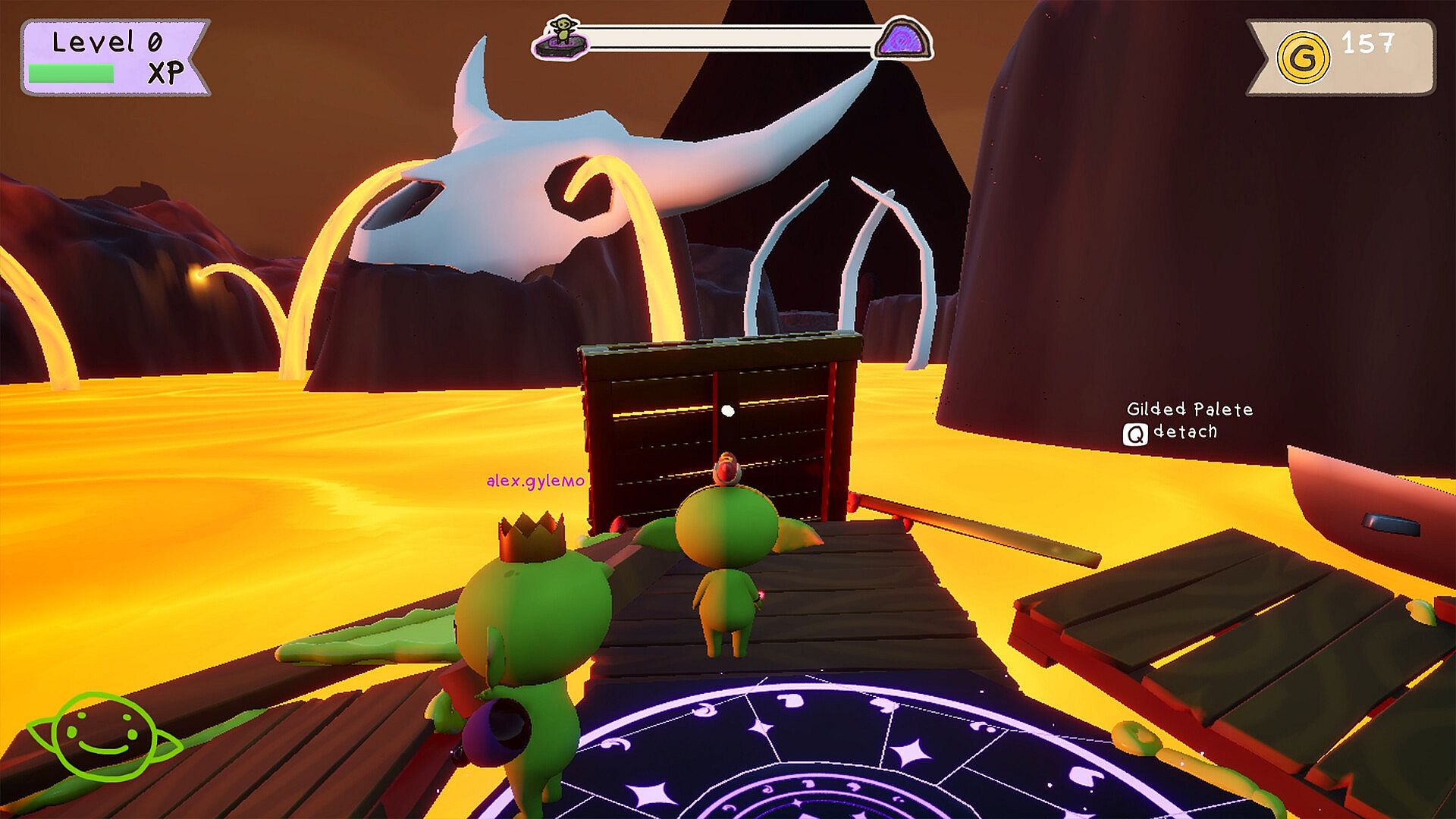
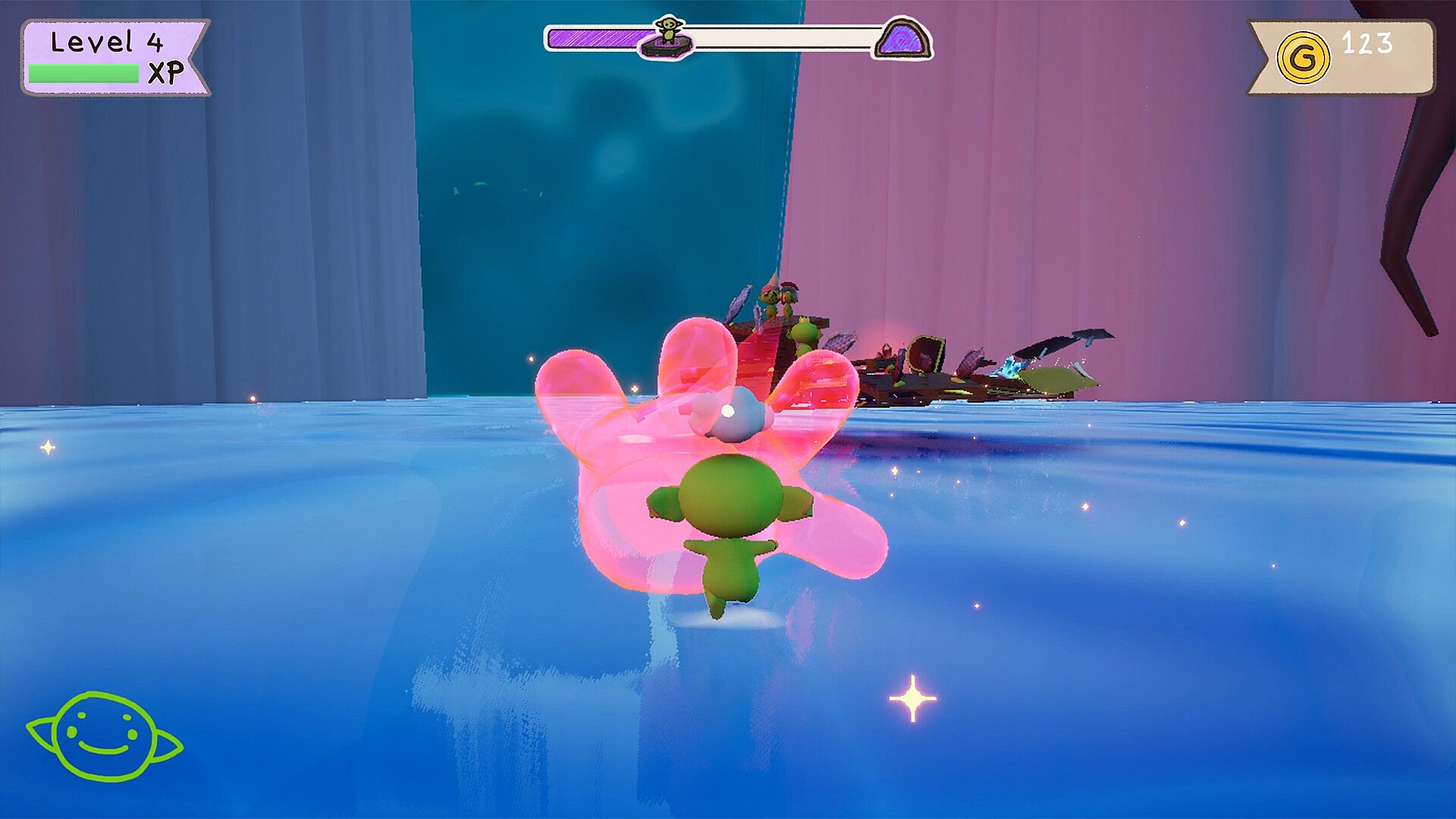
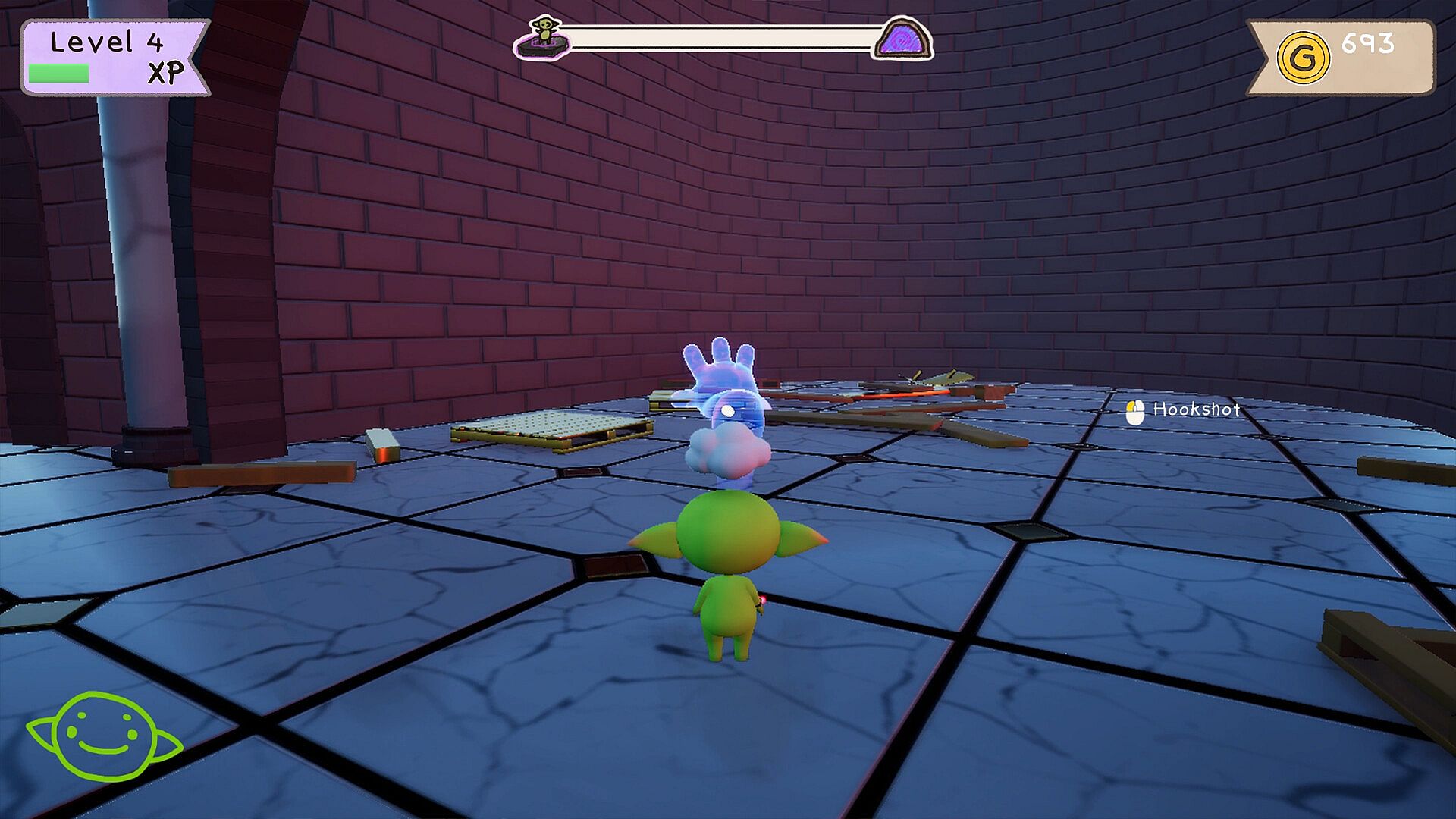
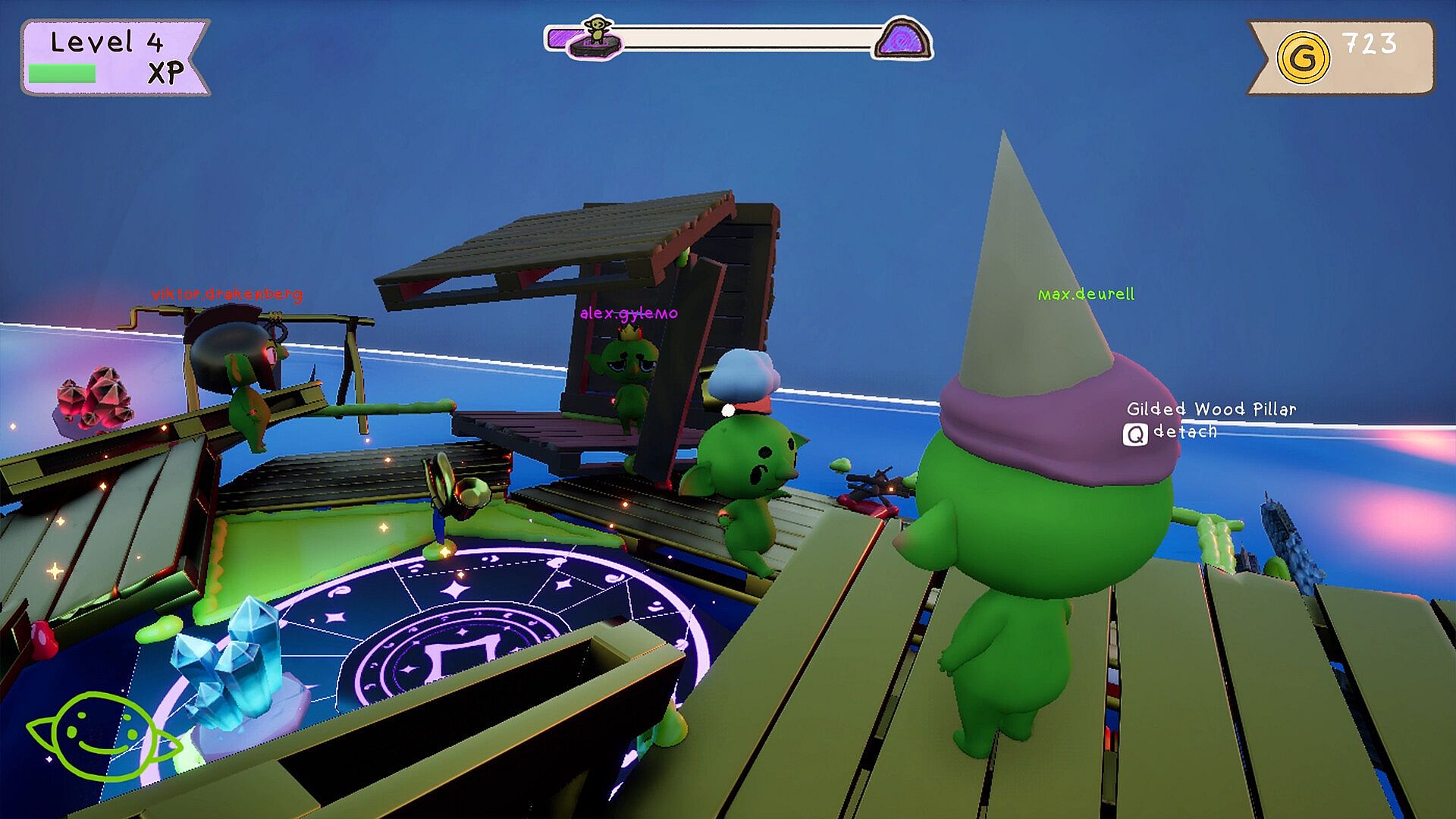
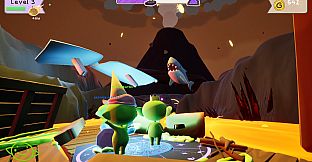
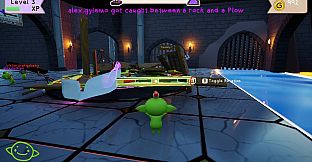
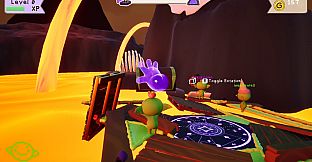
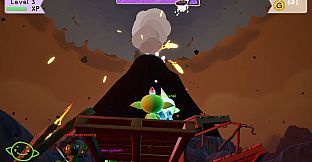
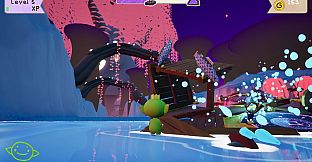
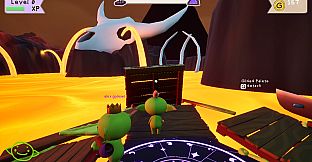
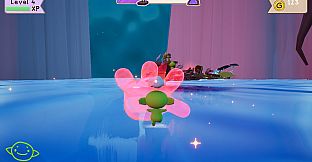
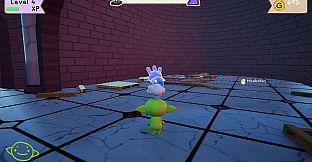
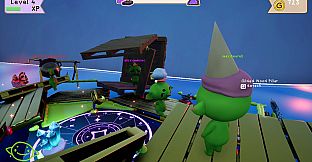
Raftcraft is a casual adventure game for PC that places players in the role of four goblins on a mission to collect loot for their demanding boss. The core experience revolves around constructing and piloting a makeshift raft through unpredictable environments while managing resources, hazards, and the antics of goblin teammates.
Gameplay
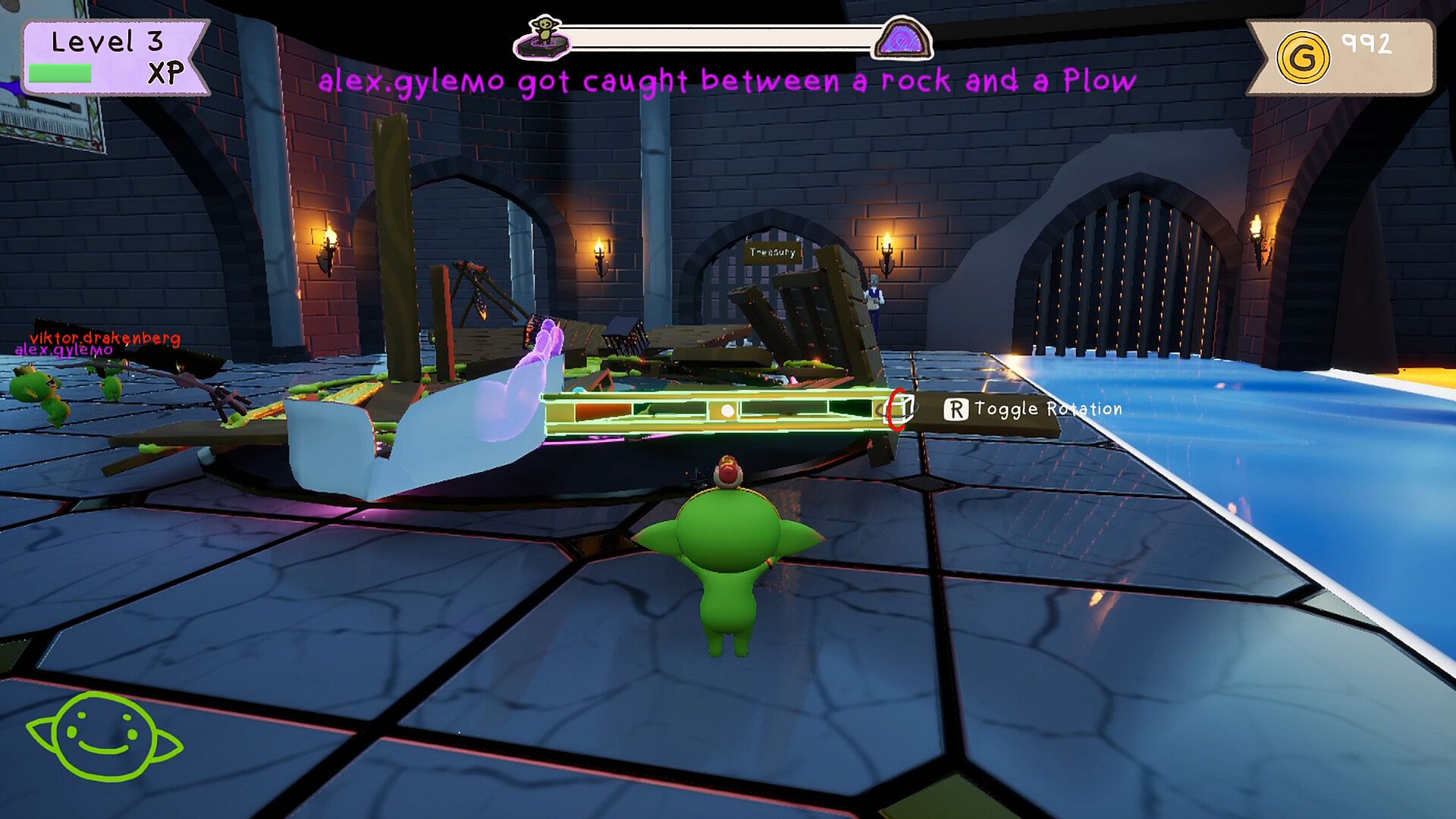
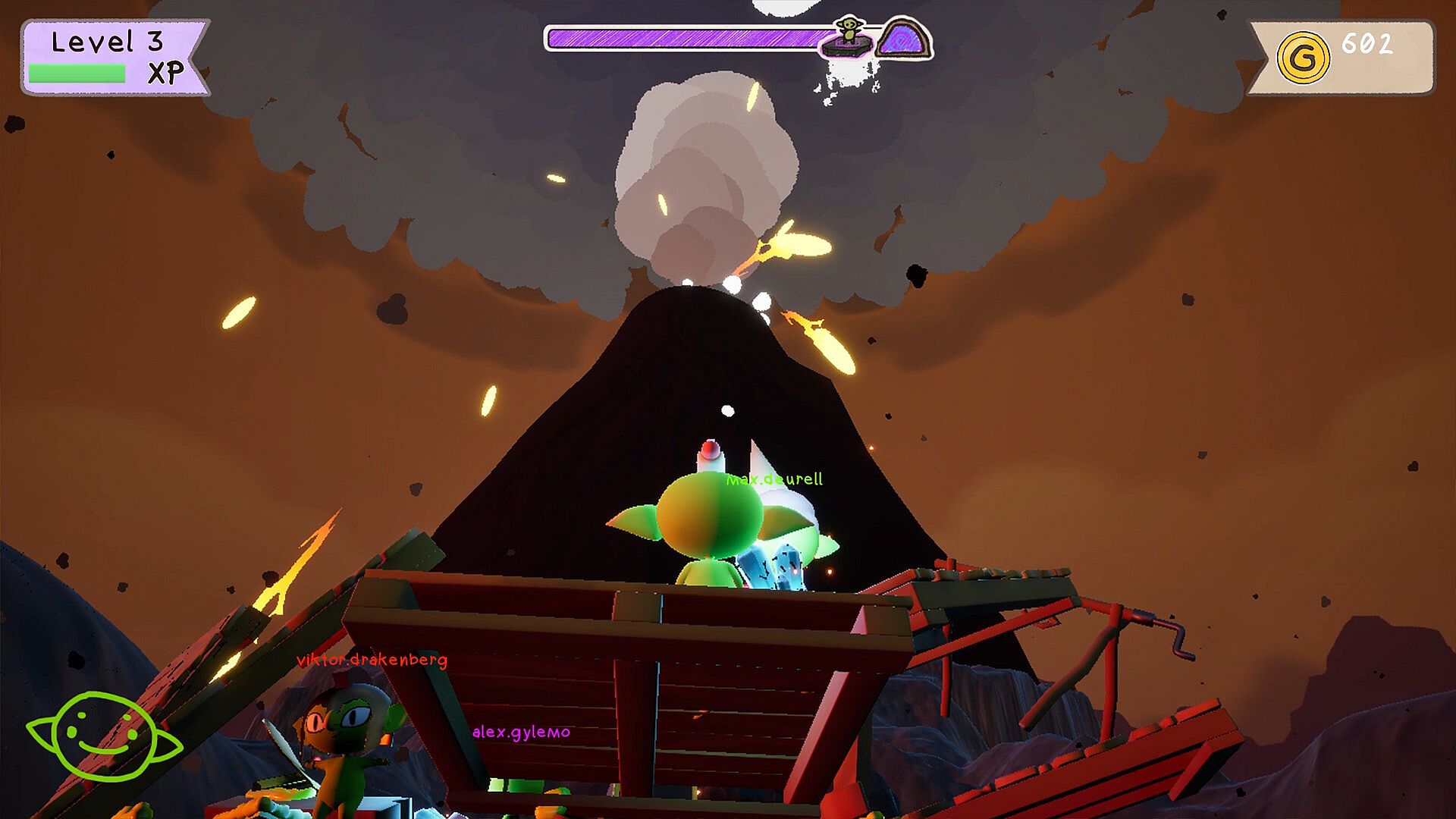
Players begin each expedition by attaching scavenged parts to a central magical Keystone that serves as the structural anchor for the entire vessel. This system allows flexible assembly of platforms, storage, and defensive elements, though the resulting craft remains vulnerable to damage from obstacles and collisions. Parts detach or break under stress, and any goblin who loses footing risks falling into dangerous waters or terrain below.
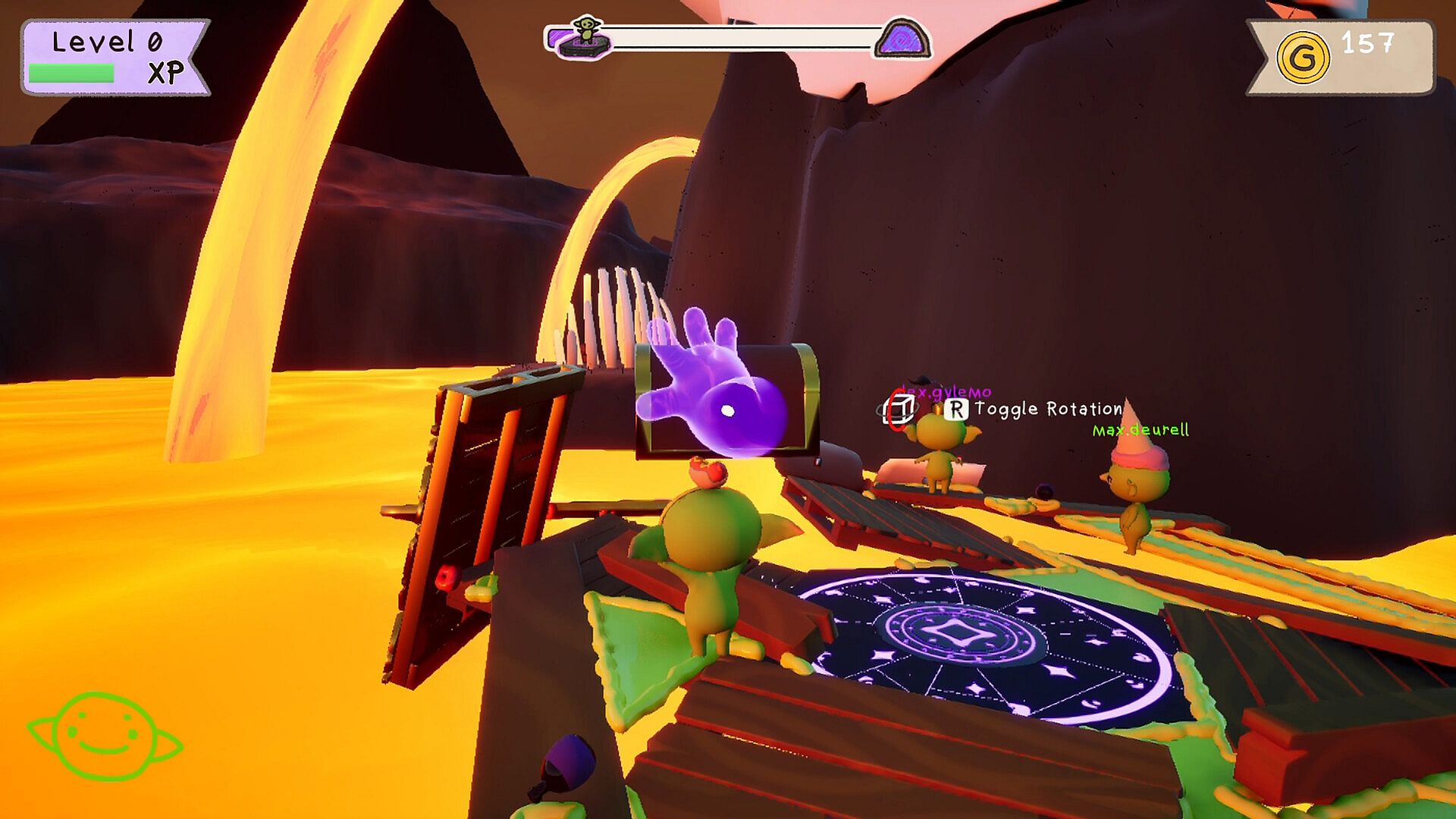
Each goblin possesses the ability to summon a Mage Hand, a versatile tool for retrieving floating debris, securing loot, or interacting with the environment. The hand proves essential for pulling in valuable items during travel, yet it also enables playful interference among the crew, such as yanking a teammate off balance or snatching a prized piece of cargo mid-run. Navigation demands constant attention to balance and momentum, as the raft responds to physics and the weight distribution of collected goods.
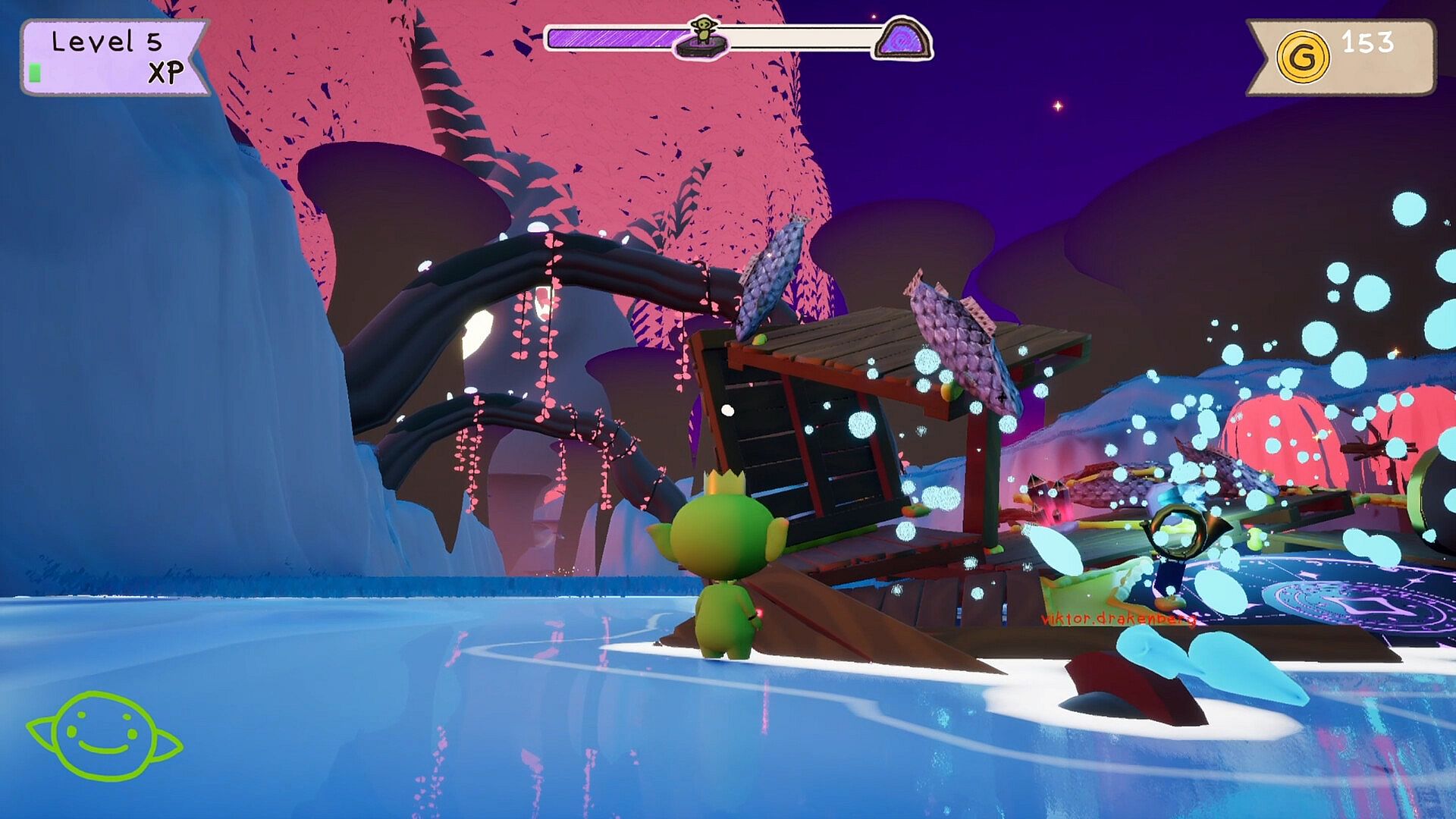
Biomes generate with fresh layouts on every attempt, introducing shifting routes, environmental threats, and scattered treasures. Success hinges on adapting the raft design on the fly, prioritizing protection for the Keystone while maximizing cargo capacity. The loop emphasizes quick thinking and coordination rather than long-term base building.
Game Modes
The primary structure consists of repeatable expeditions that send the goblin crew into procedurally varied lands in search of riches. Each run ends upon return to the lair or failure if the Keystone is destroyed, with performance measured by the quantity and quality of loot recovered. There are no separate single-player or competitive modes confirmed at this stage; the experience centers on shared sessions where four players collaborate or compete in minor ways through their actions.
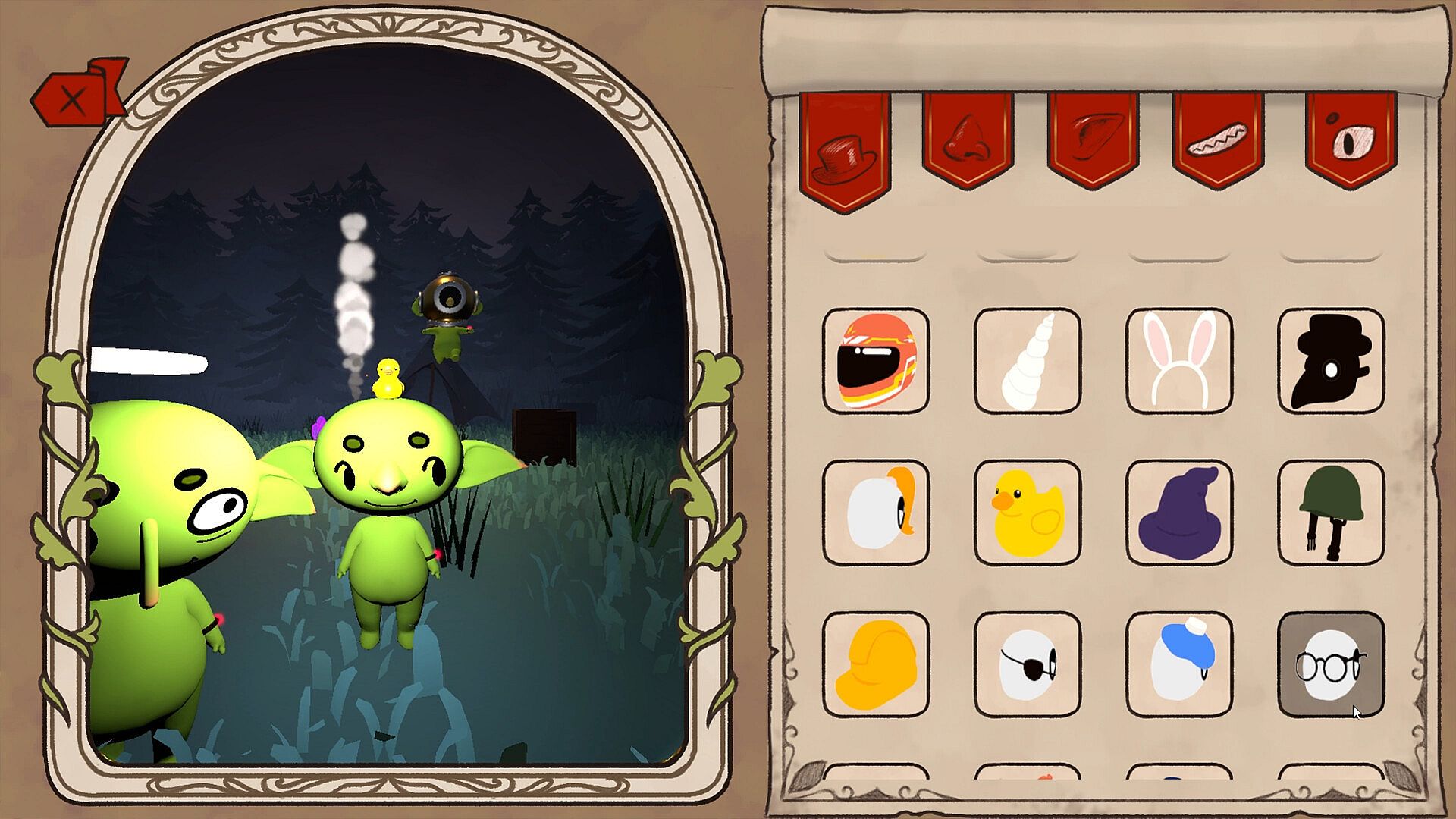
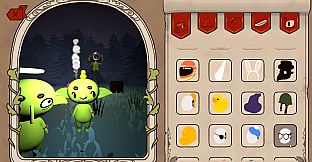
Progress carries over between runs in the form of earned gold that funds new raft components and tools. Achievements tied to specific feats unlock cosmetic options for the goblins, encouraging repeated attempts to experiment with different builds and strategies across changing biomes.
Building and Loot Collection
Construction focuses on practicality and improvisation. The Keystone acts as the fixed point around which players layer boards, containers, and reinforcements gathered from the surroundings. Effective designs balance speed, stability, and defensive coverage to withstand the journey's challenges while accommodating as much haul as possible.
Loot serves dual purposes: immediate value for the boss and long-term investment. Higher yields translate directly into more gold for upgrades, creating a clear incentive to push farther and recover more on each outing. The system rewards efficient teamwork in spotting, securing, and protecting valuable items amid the chaos of travel.
Multiplayer Dynamics
With four goblins sharing one vessel, sessions highlight both cooperation and friendly sabotage. Teammates must coordinate to keep the raft intact and moving forward, yet the Mage Hand mechanic introduces opportunities for lighthearted disruption that can derail plans in amusing ways. The setup suits groups that enjoy chaotic, physics-driven interactions over strictly competitive or solitary play.
Communication becomes key when hazards appear or when one player's actions affect the entire crew's progress. The goblin theme reinforces a tone of mischief and improvisation, where bad decisions contribute as much to memorable moments as successful hauls.
Is It Worth Playing?
Raftcraft remains in a pre-release state with a coming-soon listing and no player reviews available yet. The described systems point to an accessible entry point for fans of casual co-op adventures that blend light construction, resource gathering, and group-driven unpredictability. Those who appreciate short, replayable sessions centered on creative problem-solving and teammate interactions may find the core loop engaging once it launches.
Potential buyers should monitor development updates for confirmation on final features and release timing. The emphasis on four-player cooperation and procedural variety aligns well with players seeking a fresh take on raft-based exploration without heavy simulation demands.