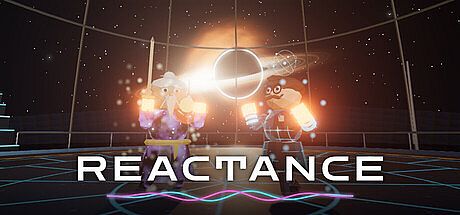



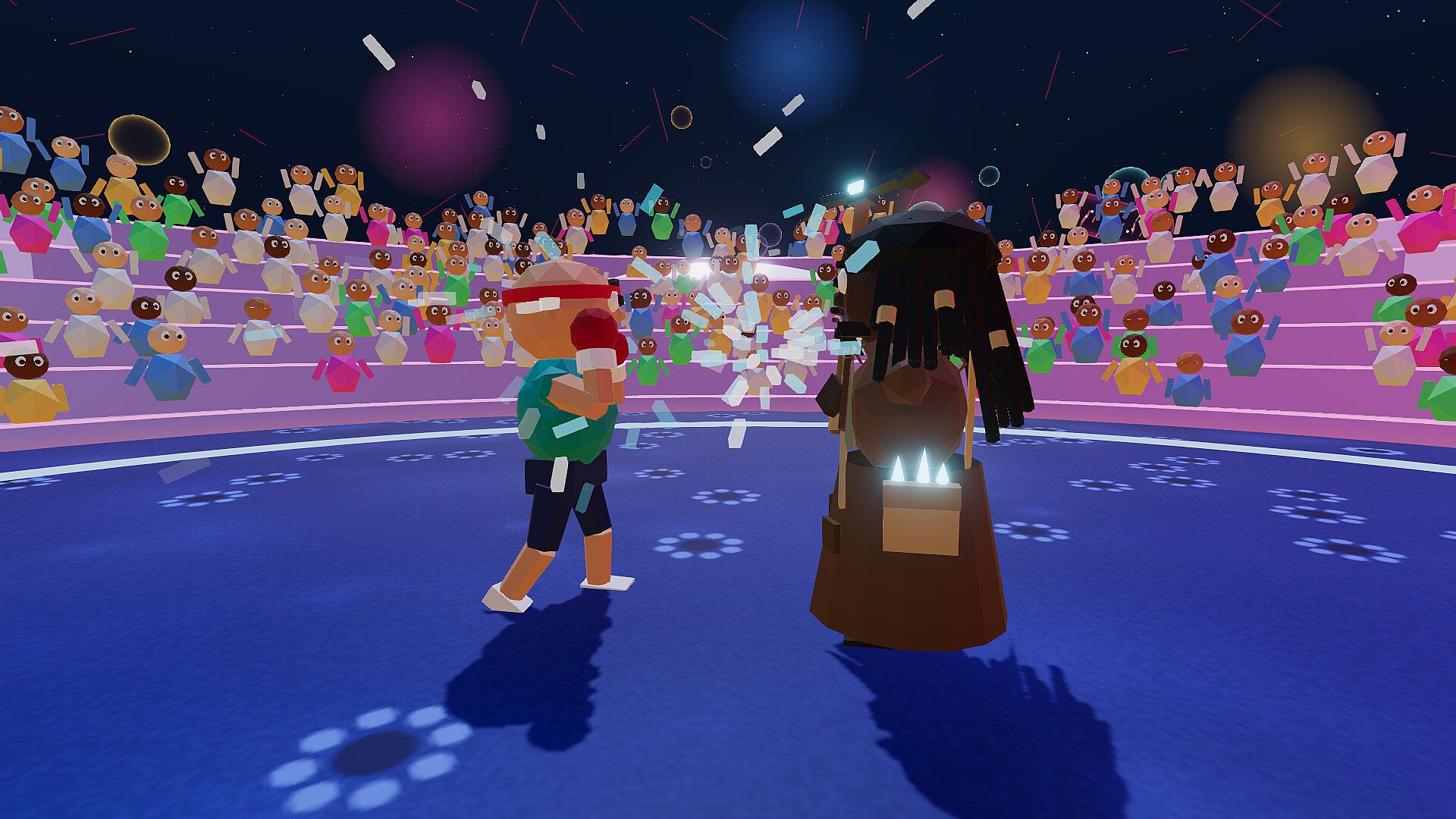
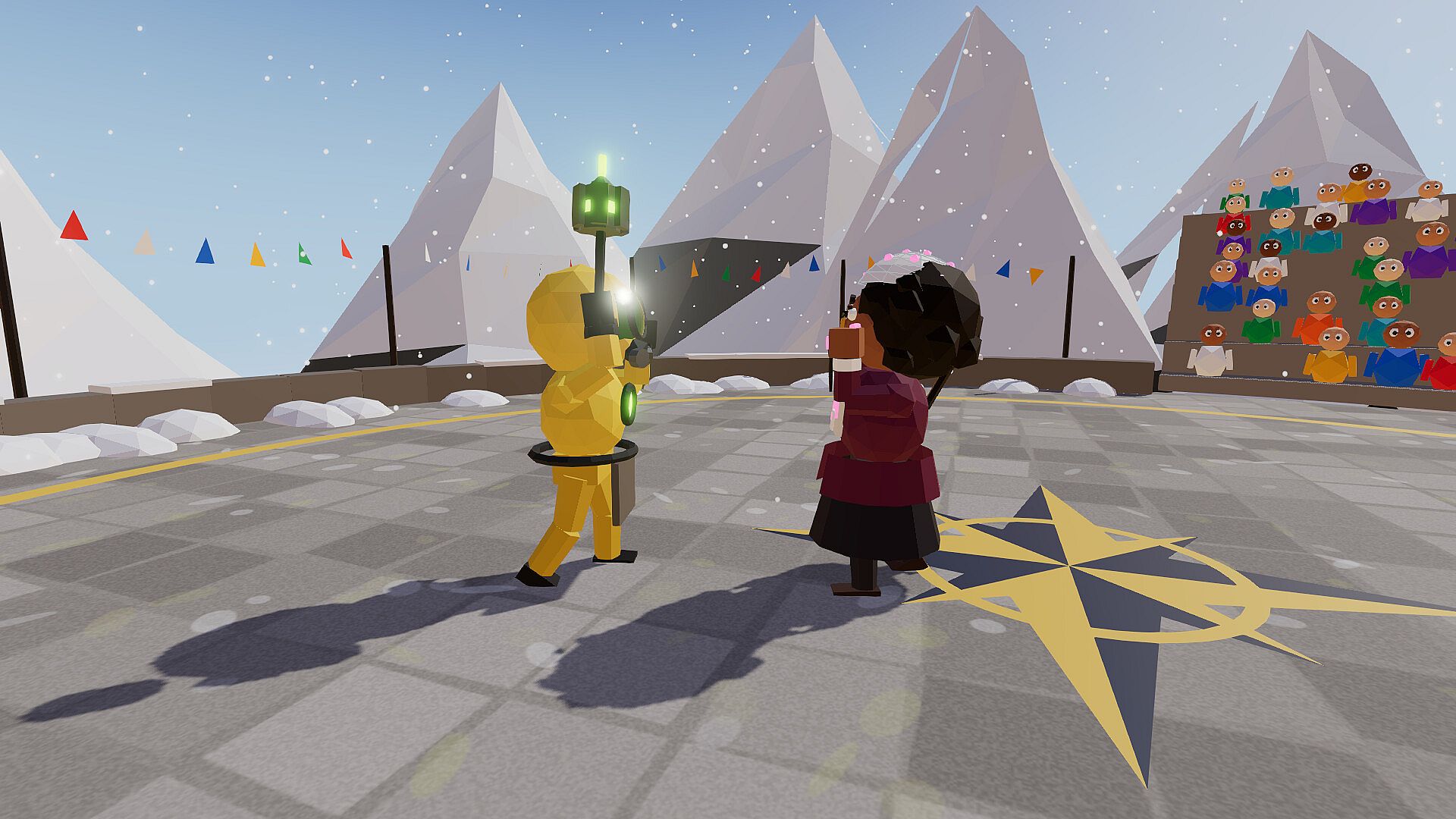
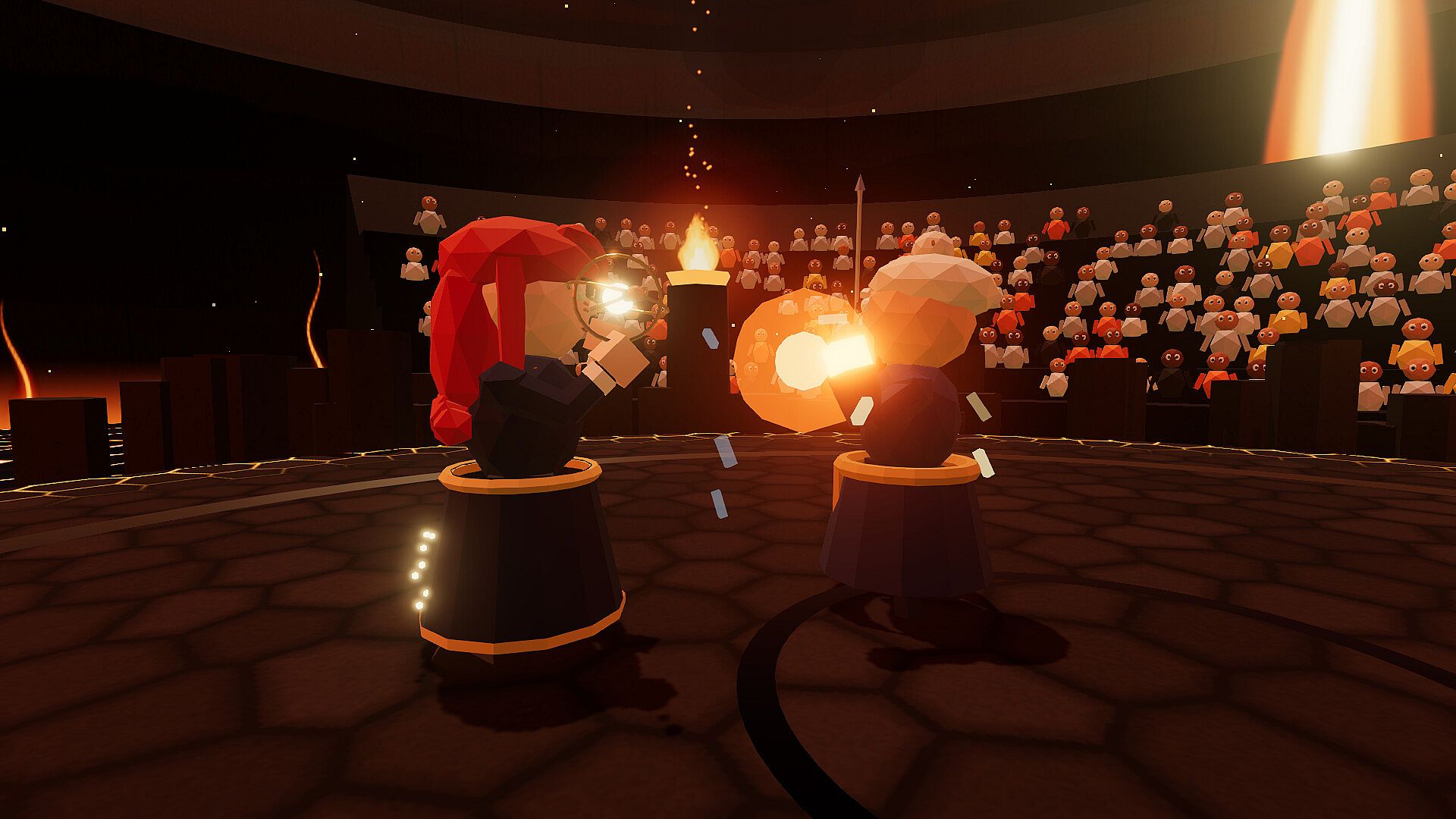
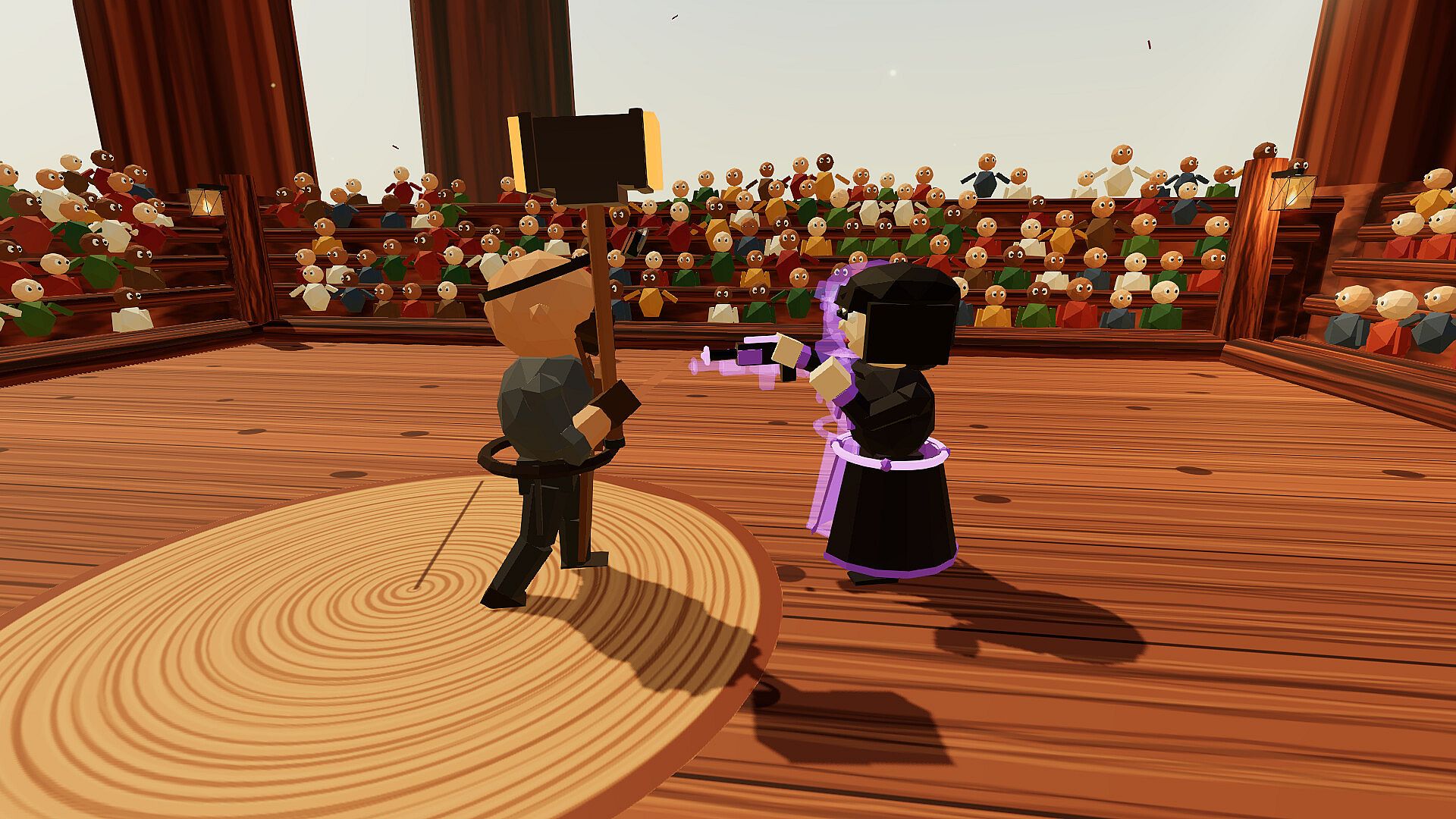
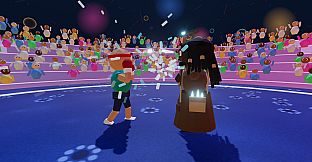
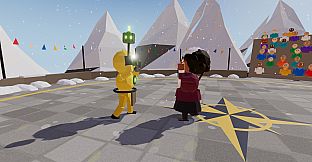
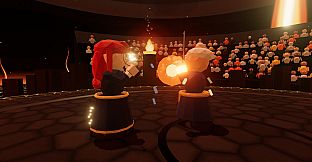
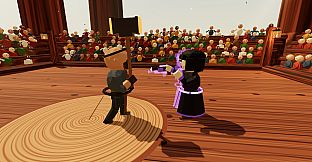
Reactance is a free to play action game developed as an indie title for PC. It centers on first person duels between twelve scientists who wield abilities drawn from their scientific fields. Players settle disputes in arenas by reading opponent guards, executing blocks, parries, and dodges while building toward powerful finishers.
Gameplay
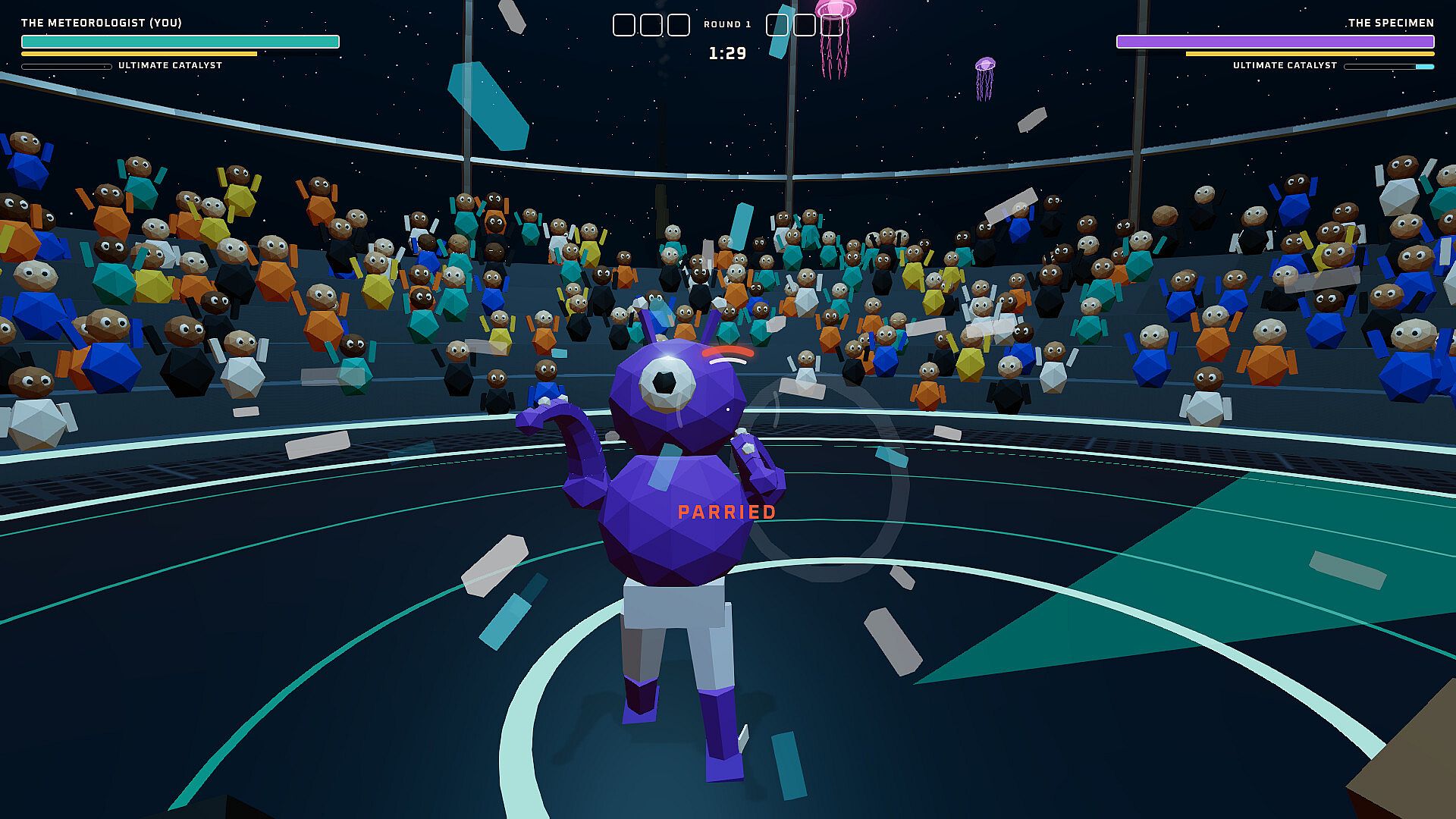
The core loop revolves around precise timing and positioning in one on one or two on two confrontations. Fighters lock on to opponents, then direct their guard left, right, or upward using mouse flicks. Successful blocks stop incoming strikes from the matching side, while well timed parries disrupt the attack entirely. Players can also break through a static guard or maneuver their fighter out of harm's way. Each match features a unique ultimate system called the Ultimate Catalyst that charges during combat and enables stylish finishing moves once filled.
Twelve distinct scientists bring specialized tools to every fight. The Meteorologist summons lightning and harnesses wind currents. The Radiochemist applies radiation effects. The Mycologist deploys rooting mechanics to immobilize foes. The Astrophysicist manipulates gravity fields around targets. Additional fighters expand the roster with further thematic abilities. Every character, arena, and cosmetic skin includes an accompanying real world scientific fact for added depth.
Combat emphasizes skill over progression advantages. Four fighters start unlocked for all players. The remaining eight require Research points earned through victories. Skins obtained via the Synchrotron or shop alter appearance only and leave all numerical values unchanged. The netcode runs rollback on a peer to peer basis where both participants host the match, transmitting only button inputs to maintain responsive play regardless of connection quality.
Game Modes
Several modes support different play styles and skill levels. Science vs. Machine pits players against AI opponents on three difficulty settings in either one versus one or two versus two formats, complete with a tutorial for newcomers. Casual matches allow relaxed sessions, while Mayhem introduces random rule breaking modifiers to every fighter every fifteen seconds for unpredictable chaos.
Ranked play uses a ladder themed around the periodic table. Participants begin at Hydrogen and advance one proton per victory on separate solo and two player queues. Private matches support direct invites or five letter codes, with spectators permitted to observe. The Laboratory serves as a social hub modeled after a beach field station that accommodates up to twenty participants. Visitors walk freely, chat, emote, and issue public duel challenges under the watch of others.
All modes remain available without additional cost. The design keeps every option accessible from launch, focusing competition on mechanical execution rather than unlocks or purchases.
Arenas and Presentation
Ten arenas provide varied backdrops that influence visual spectacle without altering core rules. Locations range from Syracuse at sunset and a particle collider to a volcano caldera, coral atoll, lunar dome, mountain summit, seafloor station, redwood court, black hole station, and the interior of a living cell. Future additions may expand this selection. Each environment pairs with thematic scientific details that reinforce the game's focus on real concepts.
Visuals and audio stay grounded in the scientific theme. Movement and effects reflect the fighters' disciplines, such as wind trails or gravitational distortions, while maintaining clear readability for guard directions and attack timings.
Is It Worth Playing?
Reactance targets players who enjoy skill based dueling with unique thematic twists. The free to play structure, rollback netcode, and absence of pay to win elements make it accessible for those seeking competitive action without upfront investment. Modes cater to solo practice against bots, casual experimentation in Mayhem, serious ladder climbing, and social interaction in the Laboratory. Because the game launches with every mode unlocked and balanced around player input rather than acquired advantages, it suits individuals who value mechanical depth and fair matchmaking over extensive customization or progression systems. Early access to four fighters and the tutorial supports quick entry for new players, while the ranked ladder and modifier driven Mayhem provide ongoing variety for experienced duelists. Those drawn to first person timing combat and science flavored abilities will find the described systems align closely with that preference.