

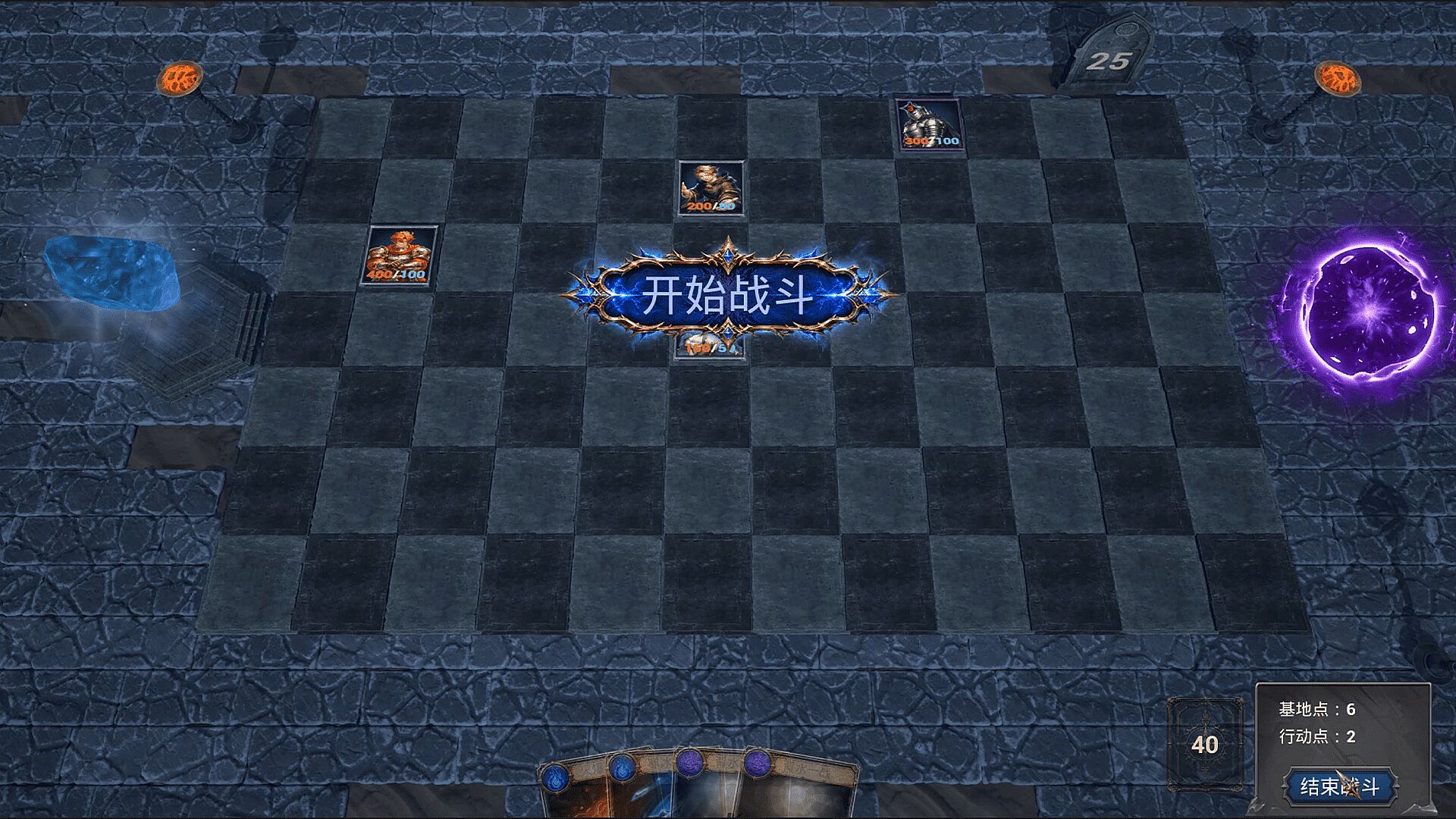
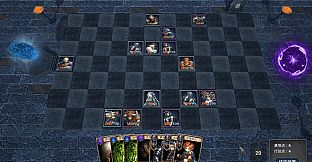
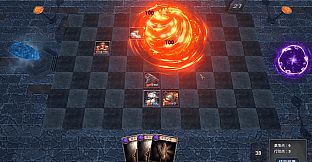
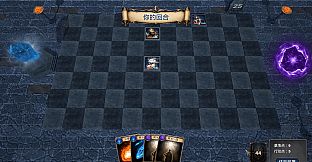
RiftBlade: WarCards is a strategy game that blends deckbuilding with tower defense elements on PC. Players construct armies from cards and manage a defensive line against waves of enemies in a fantasy setting. The core loop involves drawing cards, spending action points, and positioning units on a grid to stop invaders before they reach a base crystal.
Gameplay
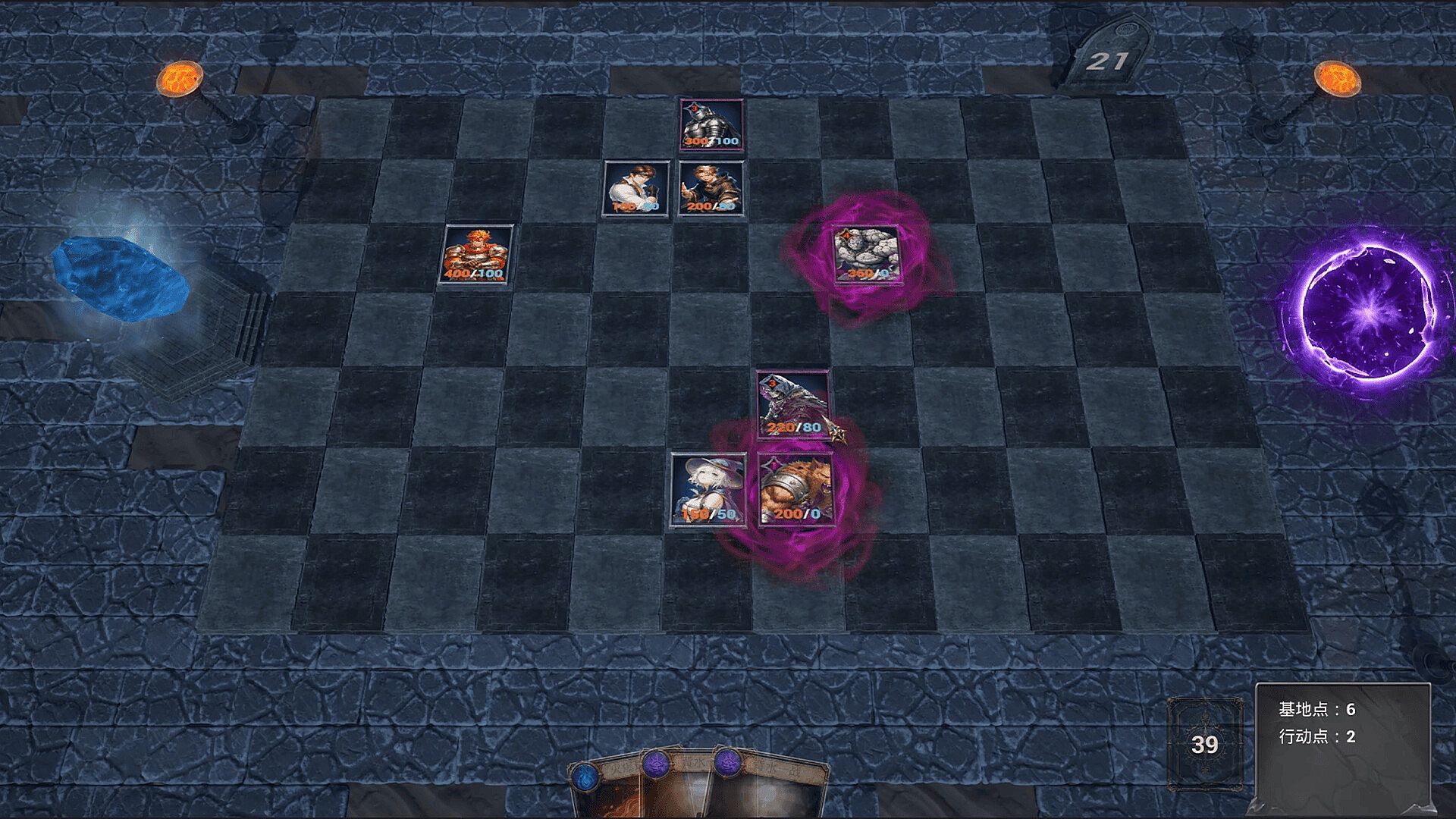
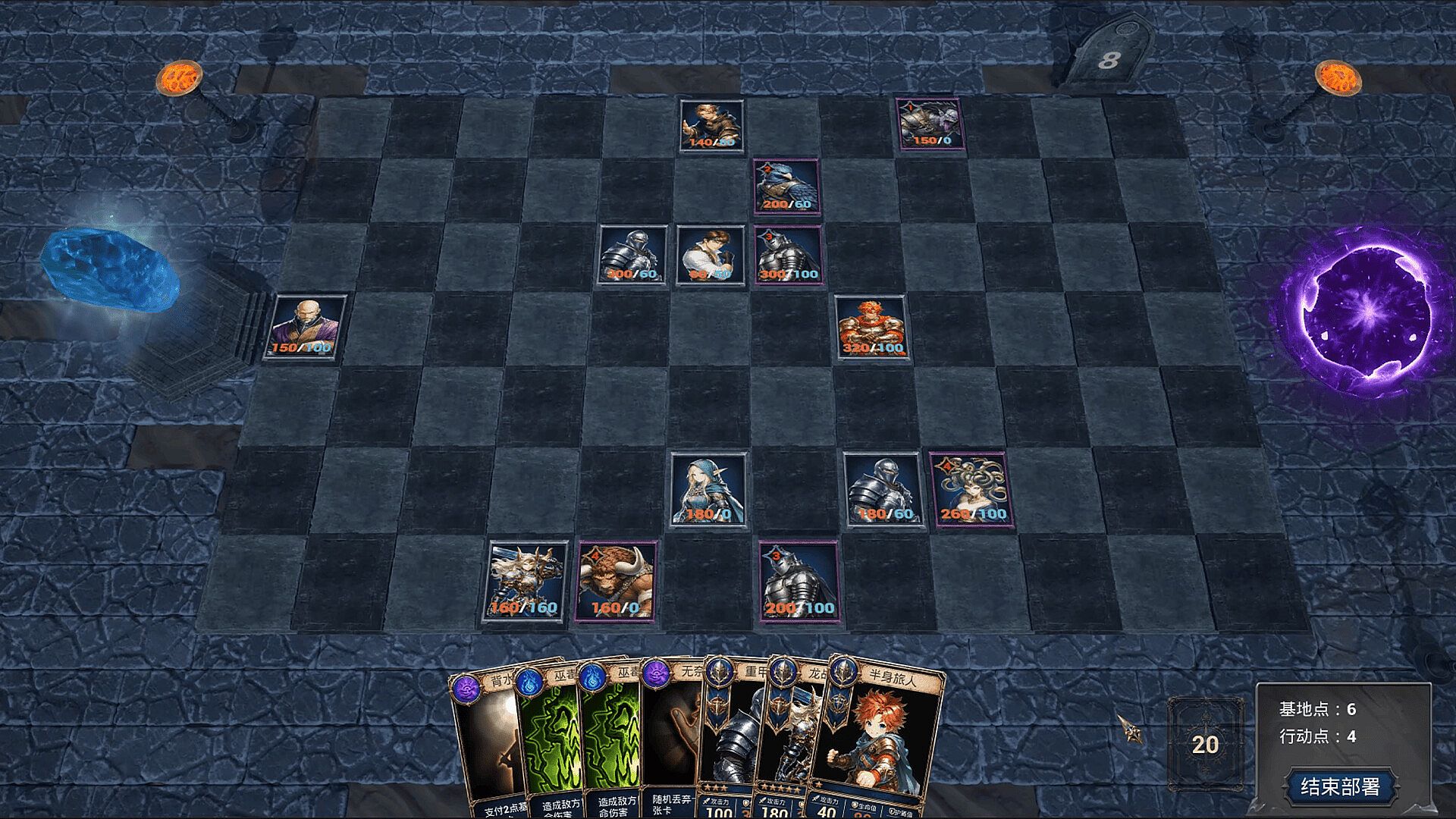
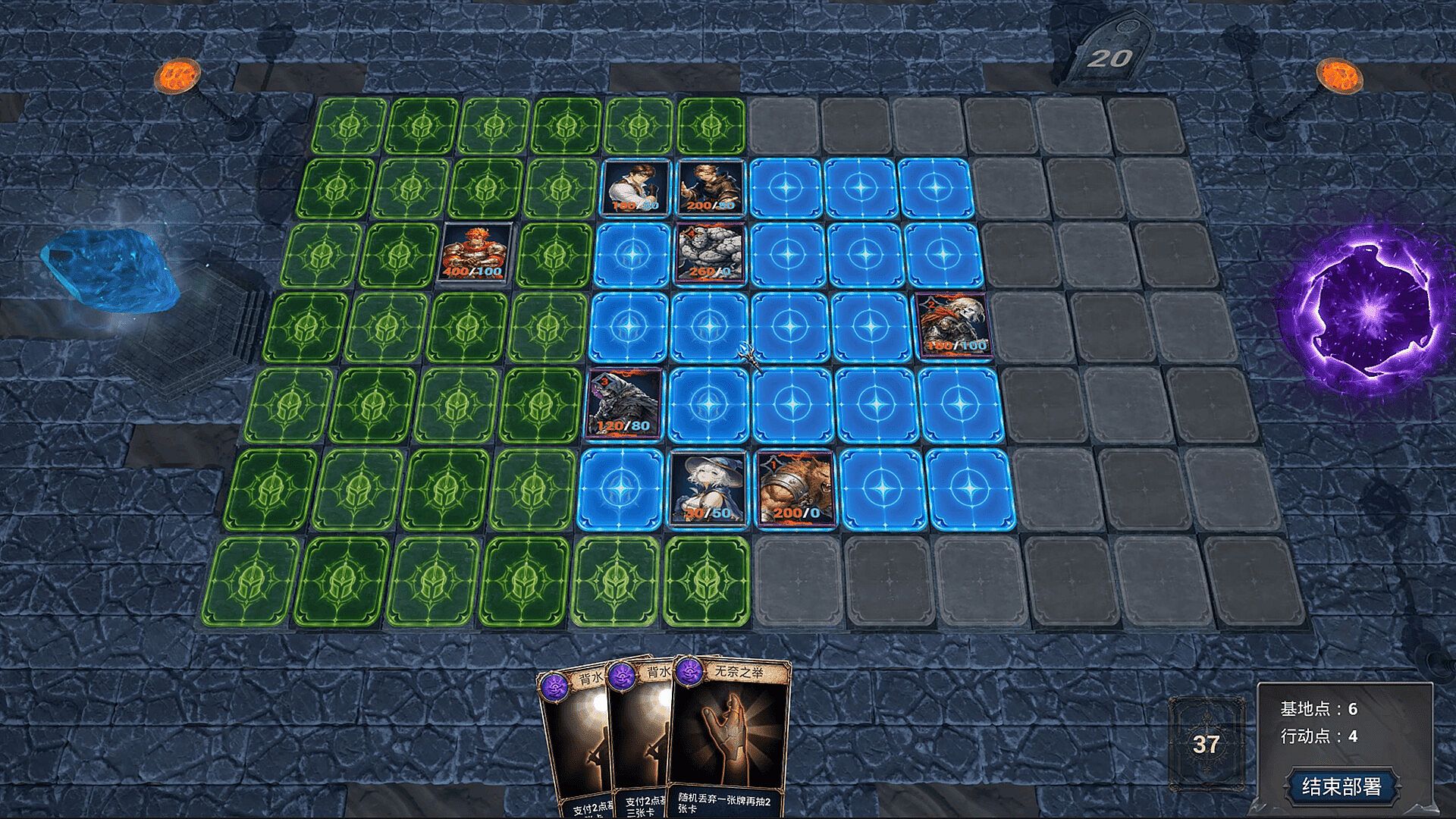
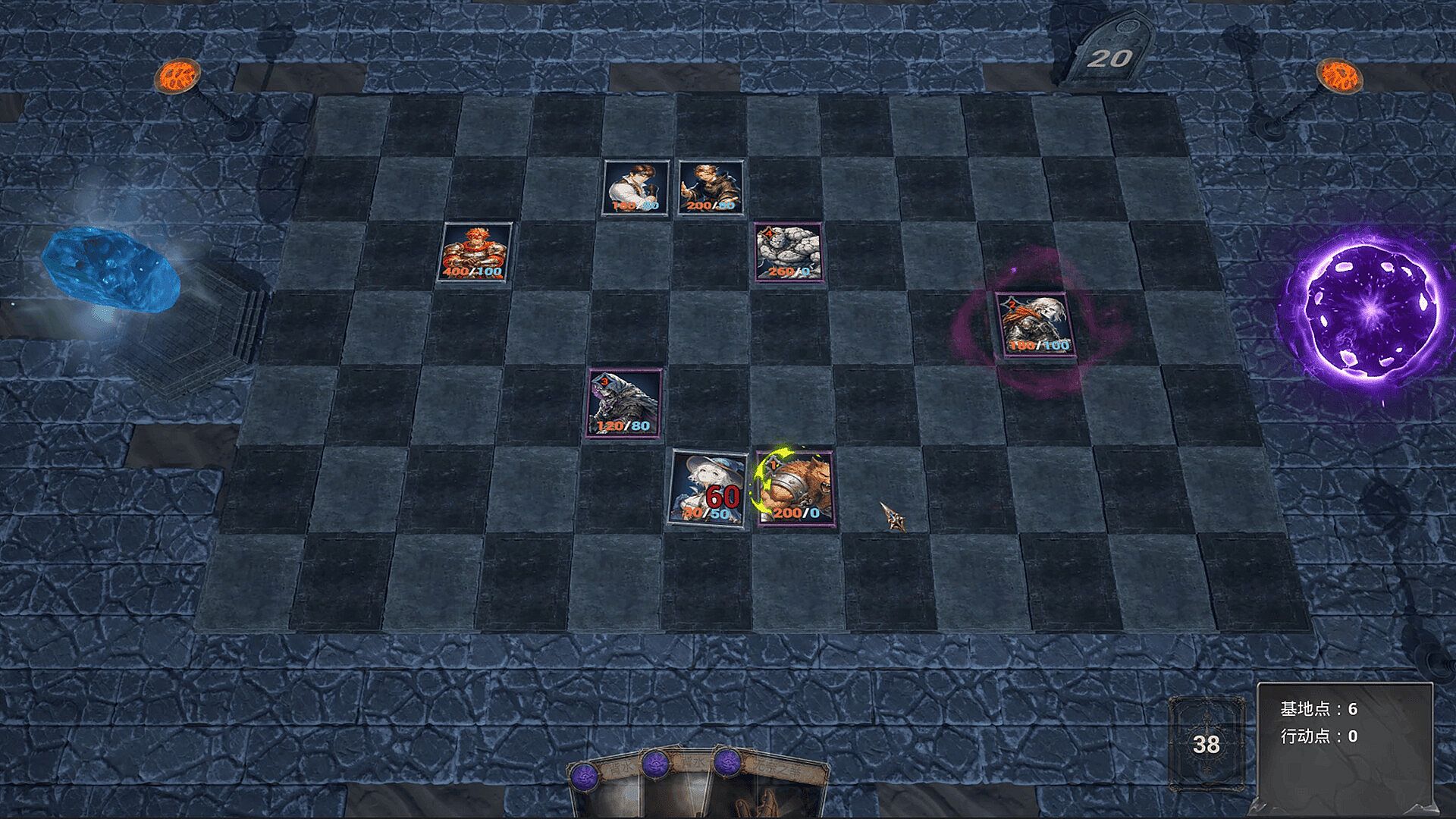
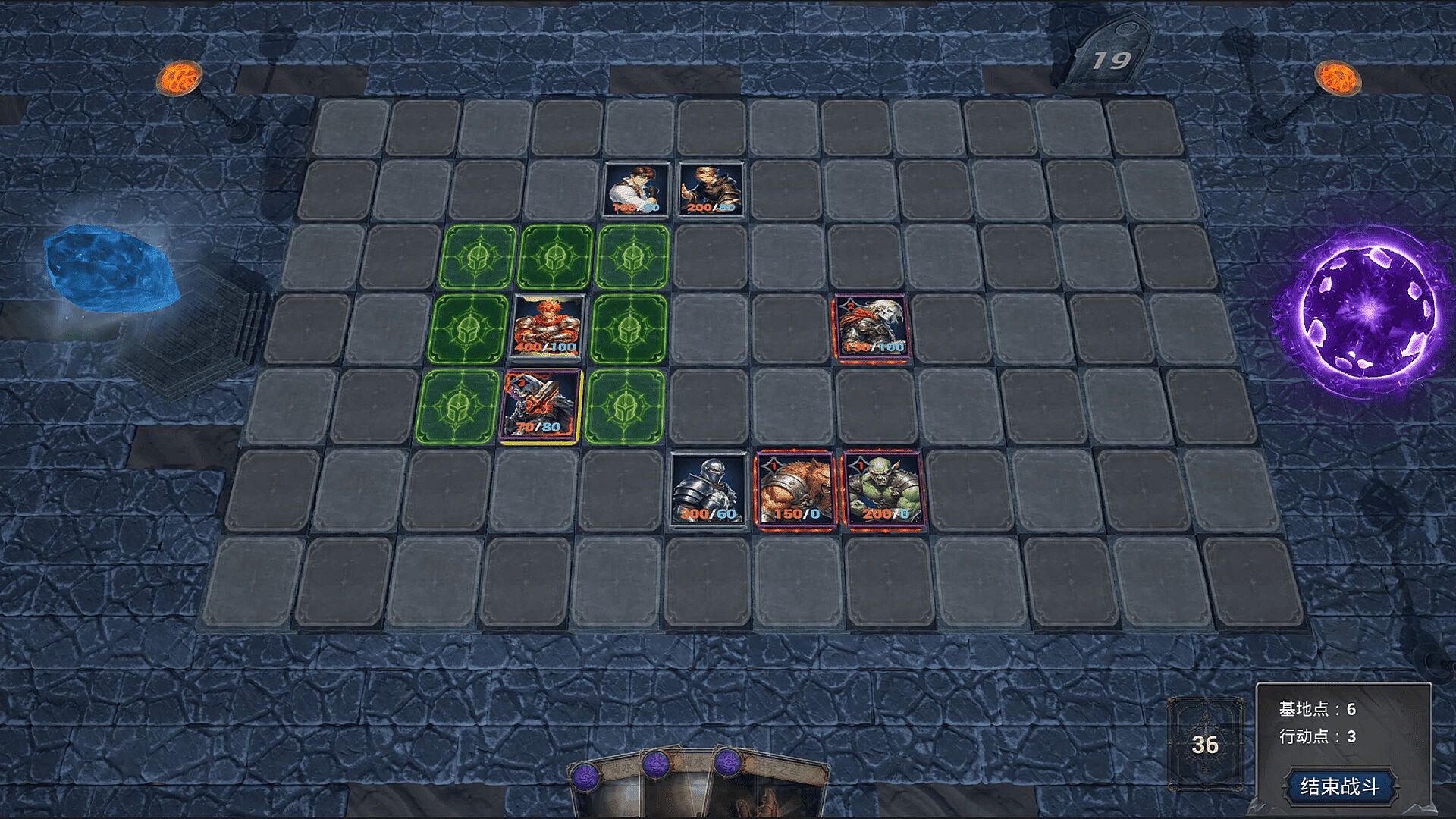
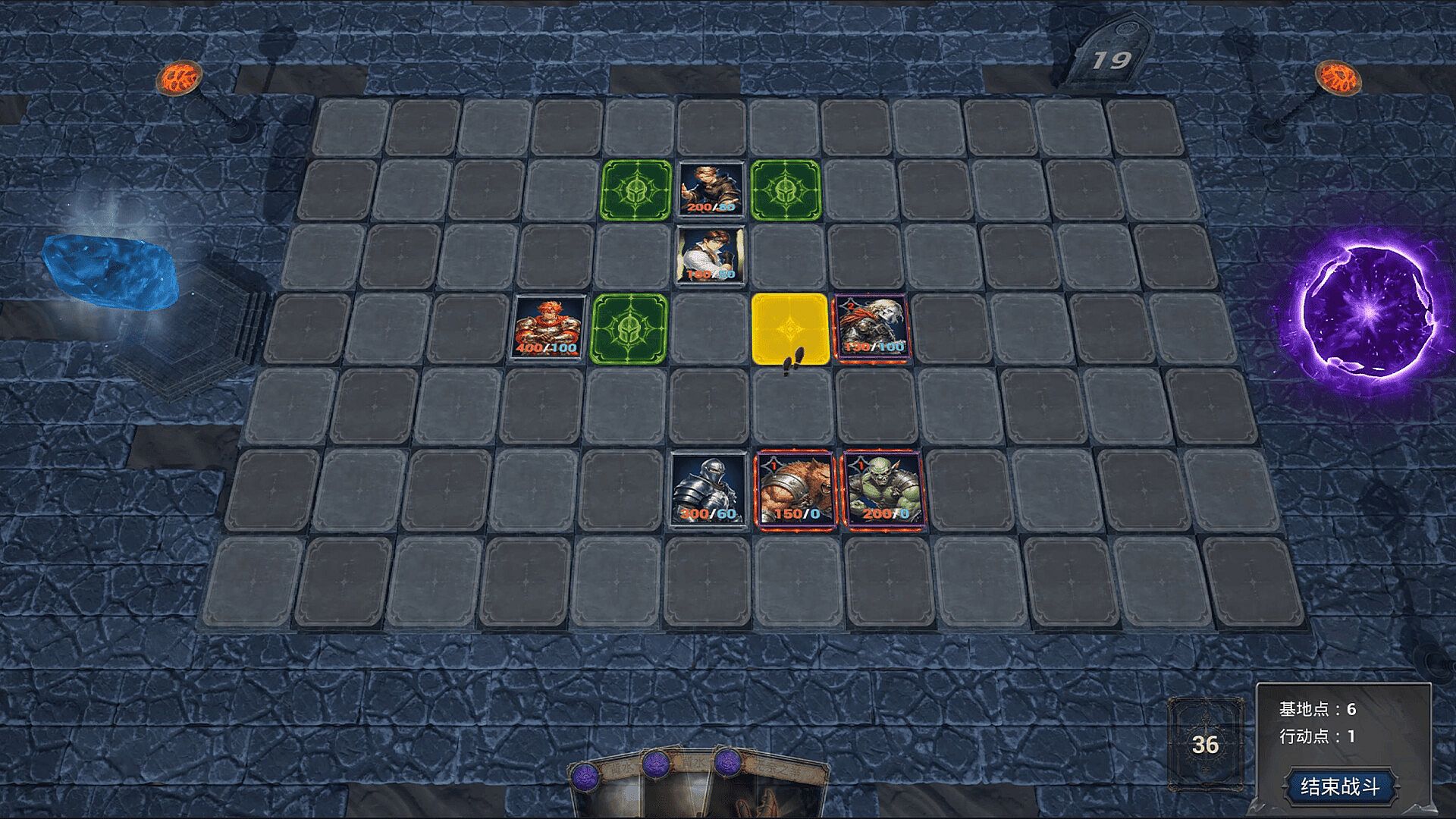
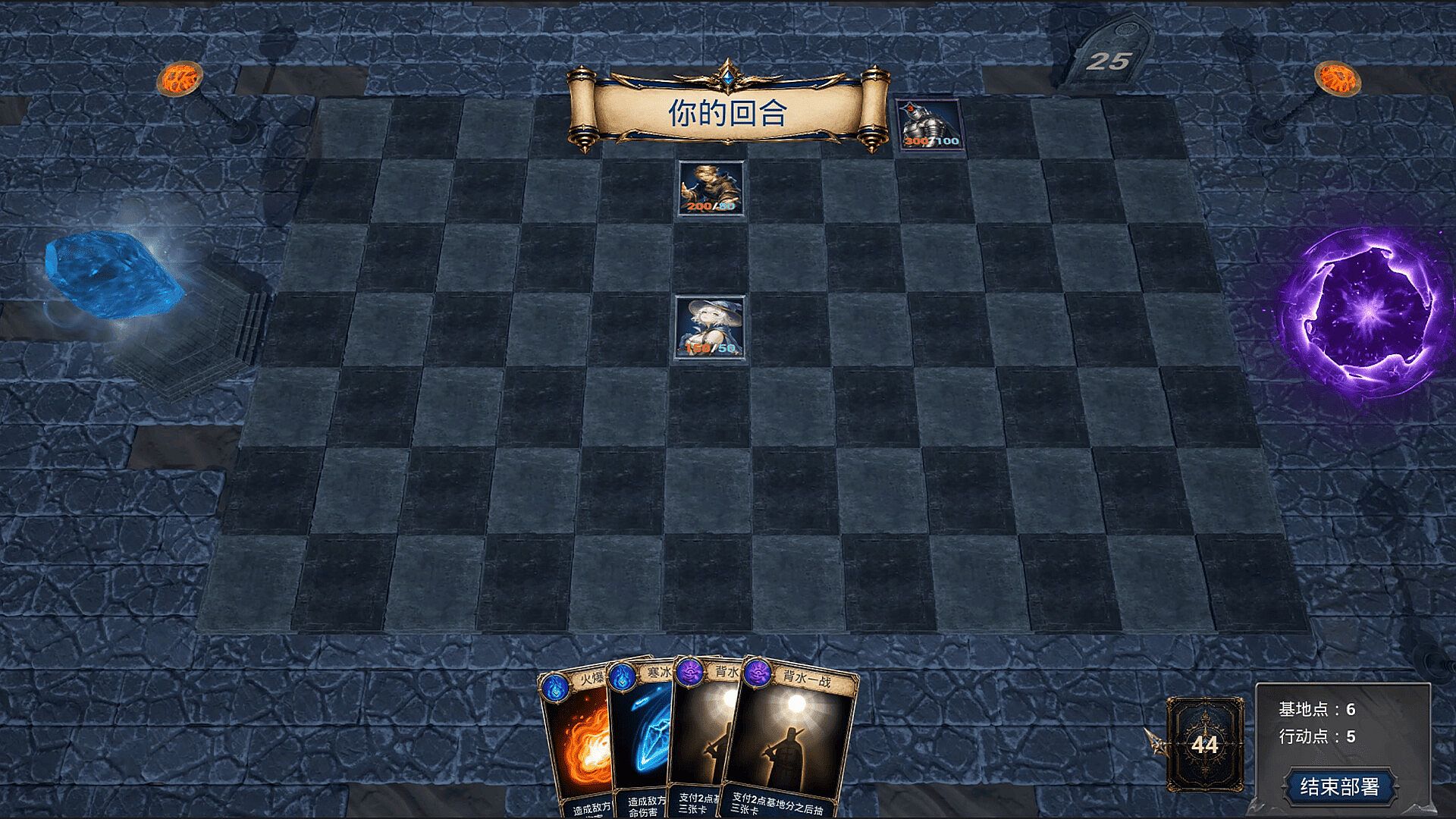
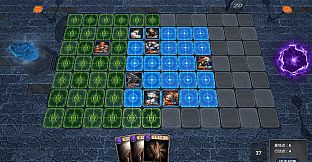
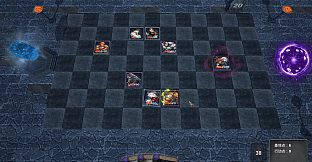
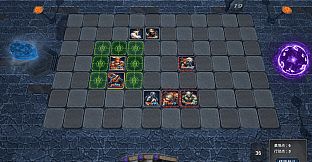
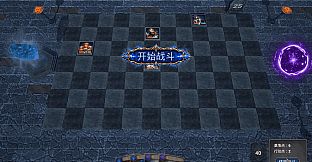
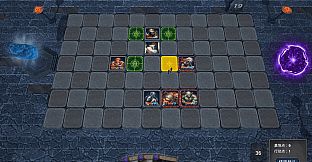
The battlefield stretches horizontally, with portals spawning enemies on the right that advance steadily toward the crystal on the left. Each turn follows a clear sequence: draw cards, summon or activate effects using limited action points, move characters across the grid, and resolve attacks. Character cards function as mobile units with class-specific movement rules, attack ranges, and roles that determine how they interact with incoming threats.
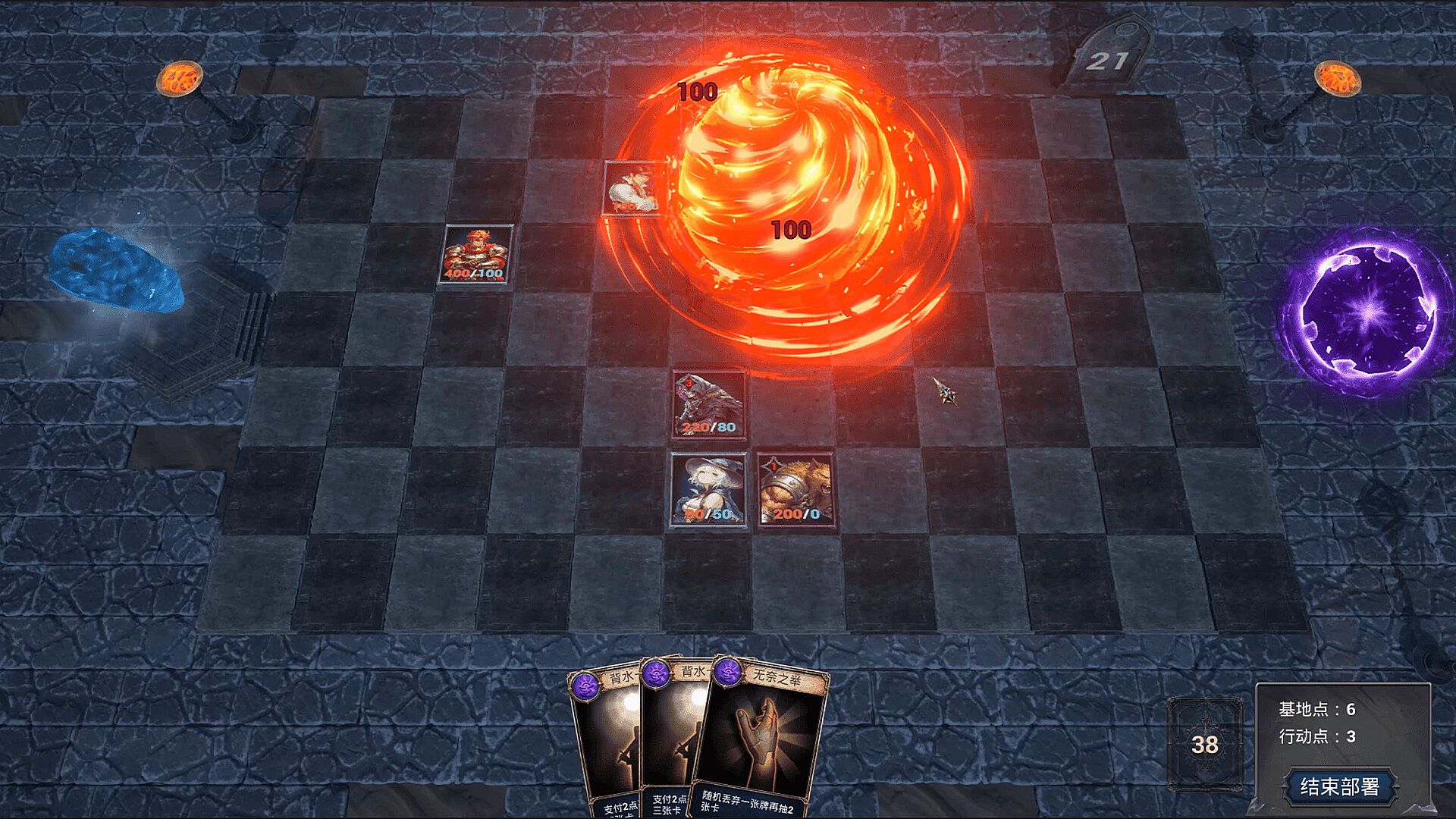
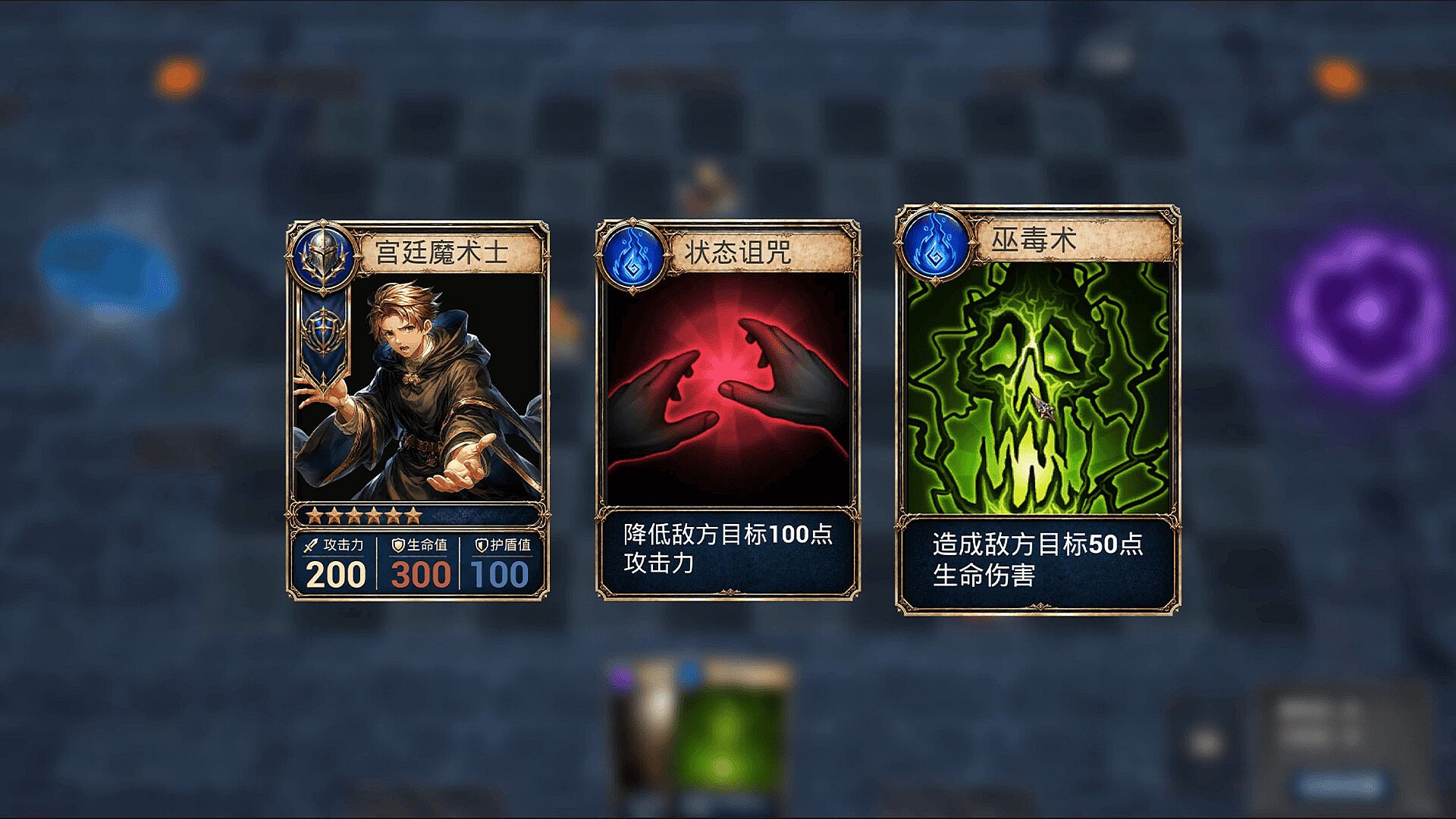
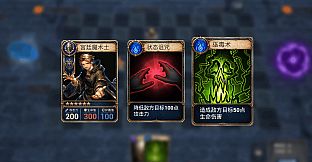
Four card types shape every decision. Character cards deploy units that block paths and strike at range. Trap cards create hazards on the grid. Magic cards deliver direct effects, while Arcane cards provide specialized powers. Energy limits per stage force careful choices about which units to field, as stronger characters demand more resources. Units can be destroyed in combat, requiring players to weigh retreat options or plan replacements through the shop system.
Positioning adds tactical layers. Characters move like pieces on a grid, creating chokepoints or flanking opportunities. Enemies advance predictably but in increasing numbers, so timing summons, traps, and spells becomes essential to maintain control. The crystal's health serves as the failure condition, turning every wave into a test of resource management and battlefield awareness.
Game Modes
The game centers on a single-player campaign structure where stages present escalating enemy waves and environmental constraints. Each stage limits available energy and introduces new enemy types that demand adjustments to deck composition. Victory requires eliminating all invaders while keeping the crystal intact, with no separate multiplayer or versus options described in the core experience.
Progression ties directly to deckbuilding across stages. Players analyze upcoming threats, purchase replacement cards when powerful ones are lost, and refine strategies based on stage conditions. This creates a loop of preparation, execution, and adaptation without additional modes layered on top.
Deckbuilding and Resource Systems
Deck construction revolves around balancing the four card categories while accounting for card weight and destruction risks. Lost character cards return to a shop for repurchase, encouraging efficient use of action points and timely repositioning to preserve key units. Limited action points each turn mean every summon or activation carries weight, pushing players toward synergistic combinations rather than spamming high-cost options.
The turn structure keeps decisions focused. Drawing feeds options into the hand, summoning places units or effects, movement repositions them for optimal coverage, and attacks resolve damage. Both player units and enemies operate under similar card-based rules on the shared grid, creating direct interactions that reward foresight over raw power.
Is It Worth Playing?
RiftBlade: WarCards suits players who enjoy deliberate strategy games that combine card collection with real-time spatial awareness on a grid. The mix of deckbuilding depth and defensive pressure appeals to those who like planning multiple turns ahead while reacting to advancing threats. Its indie and casual tags suggest accessibility for newcomers to the genre, yet the tactical positioning and energy constraints add layers that reward repeated playthroughs.
Without widespread player data or ongoing seasonal updates confirmed, the experience stands on its core mechanics alone. Those drawn to turn-based combat with tower defense pacing and customizable armies will find a focused package here. The emphasis on protecting a single objective while managing a growing battlefield makes it a solid choice for sessions that prioritize thoughtful defense over fast action.