






Runecaster's Grimoire is a single-player turn-based roguelite that blends strategy and RPG elements on PC. Players draw elemental runes each turn and arrange them into poker-style patterns to cast spells, while managing a grid-based collection of living spellbooks that amplify those spells through careful placement and synergies.
Gameplay
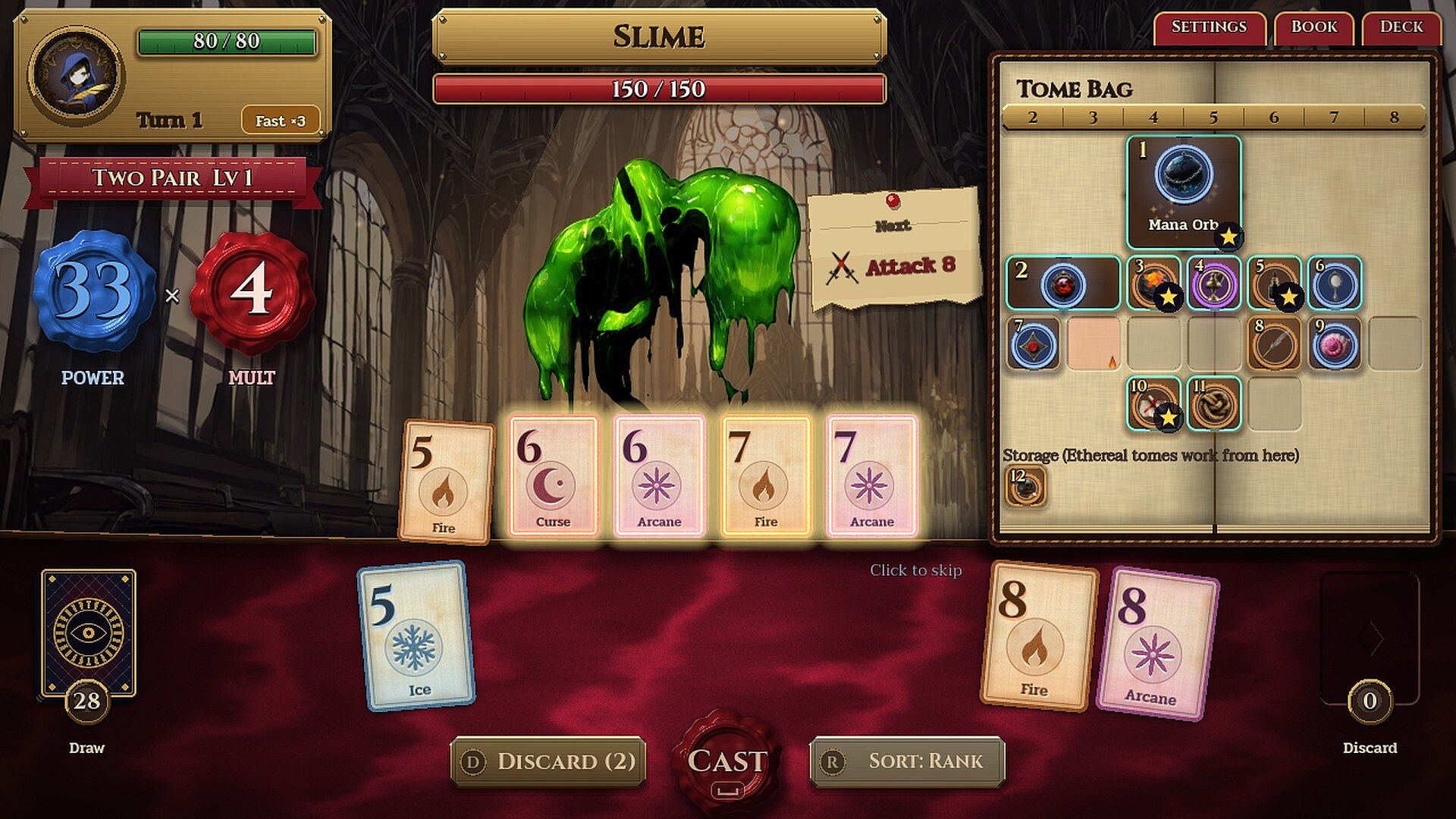
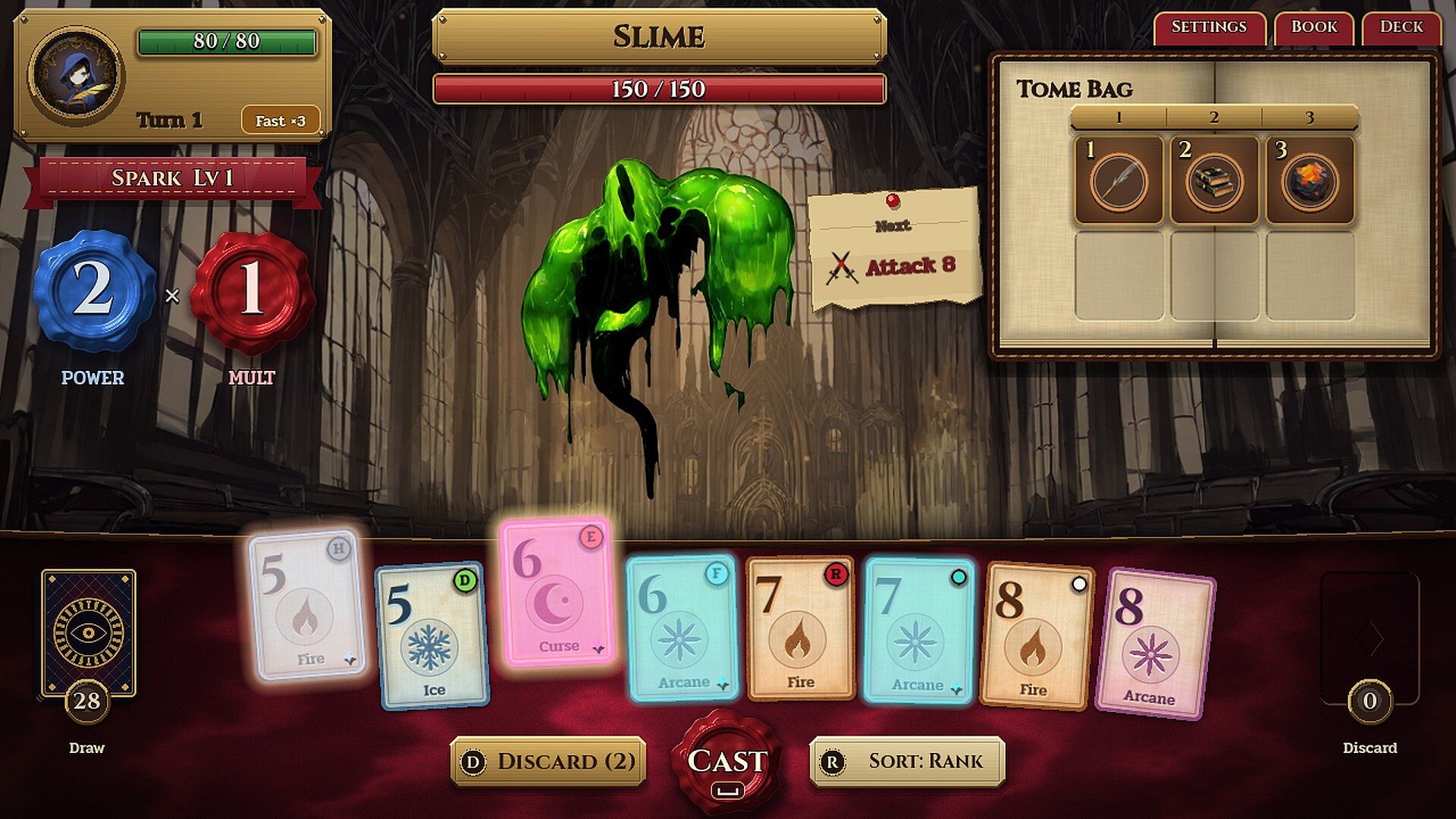
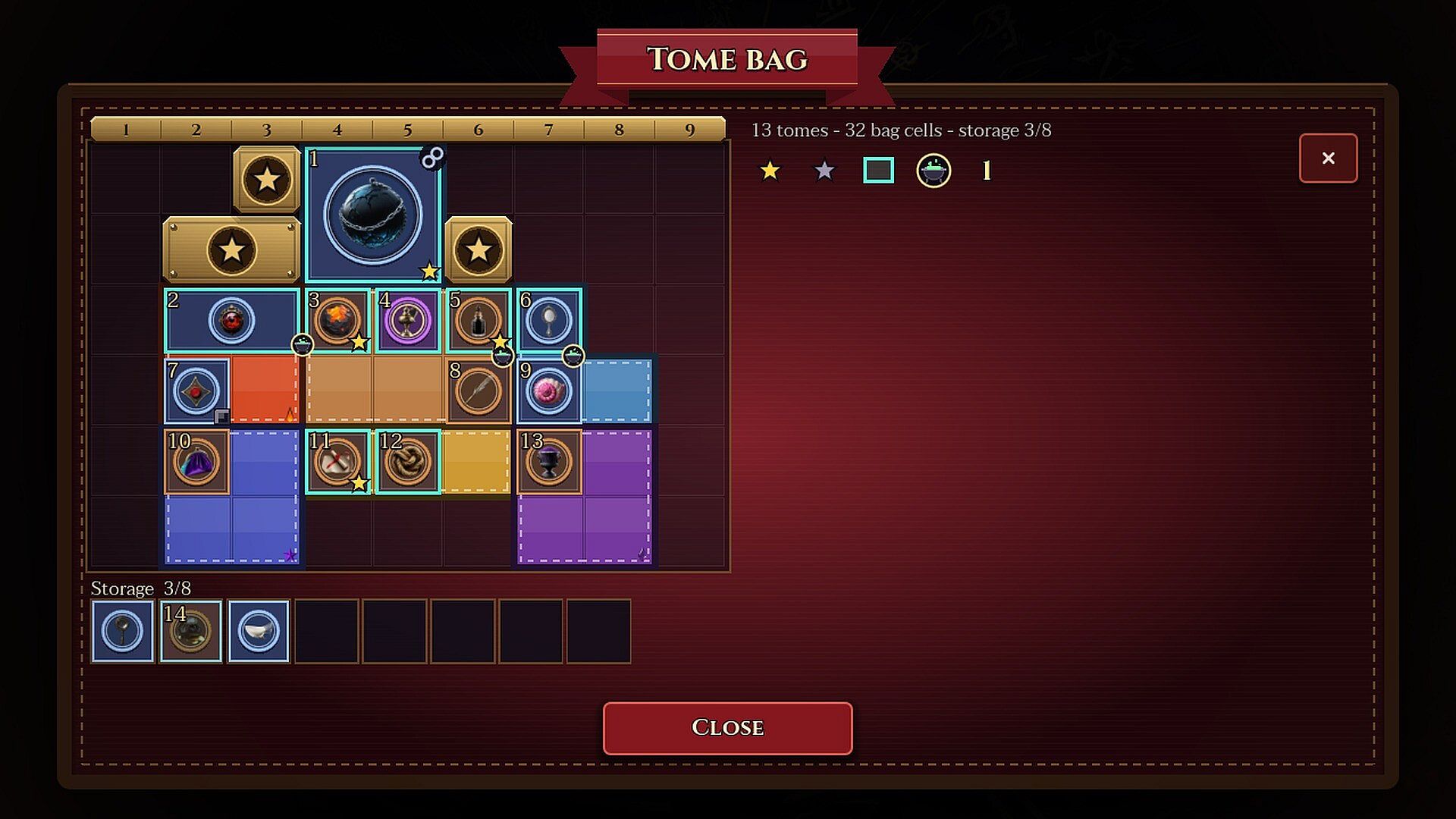
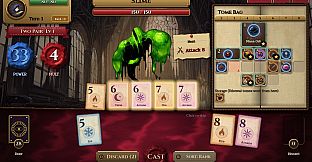
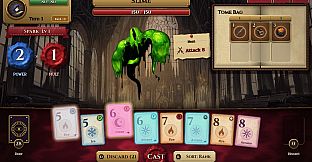
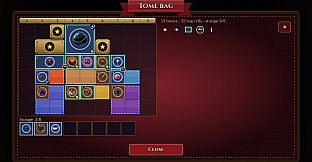
The core loop centers on drawing a hand of runes ranked 1 to 9 across four elements: Fire, Ice, Curse, and Arcane. Up to five runes form patterns such as pairs, straights, flushes, or full houses, with spell damage calculated as Power multiplied by a multiplier. Each cast rune activates the matching column in the Tome Bag, triggering tomes placed there at full strength. Positioning, rotating, and expanding the bag with up to 71 tomes creates ongoing puzzles around shapes, columns, and building synergies across runs.
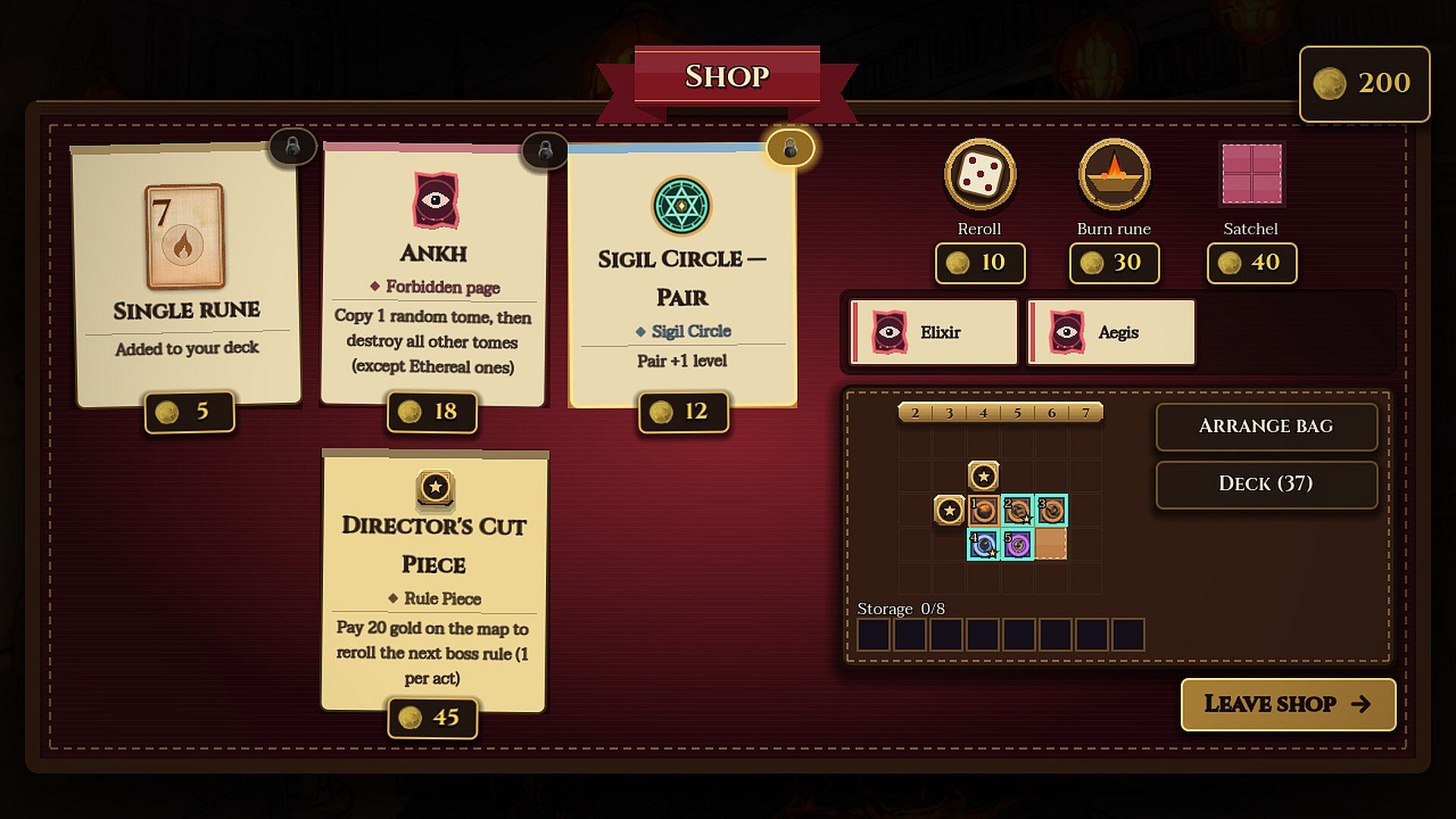
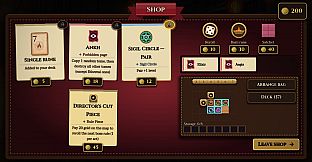
Elemental effects add layers to combat. Fire applies burns, Ice provides shields, Curse reduces enemy attack strength, and Arcane grants extra rune draws. Runes themselves can be enhanced, sealed, or gilded, while additional items like scrolls, sigil circles, and forbidden pages allow rule-bending during play. The entire experience supports full mouse control without requiring keyboard input.
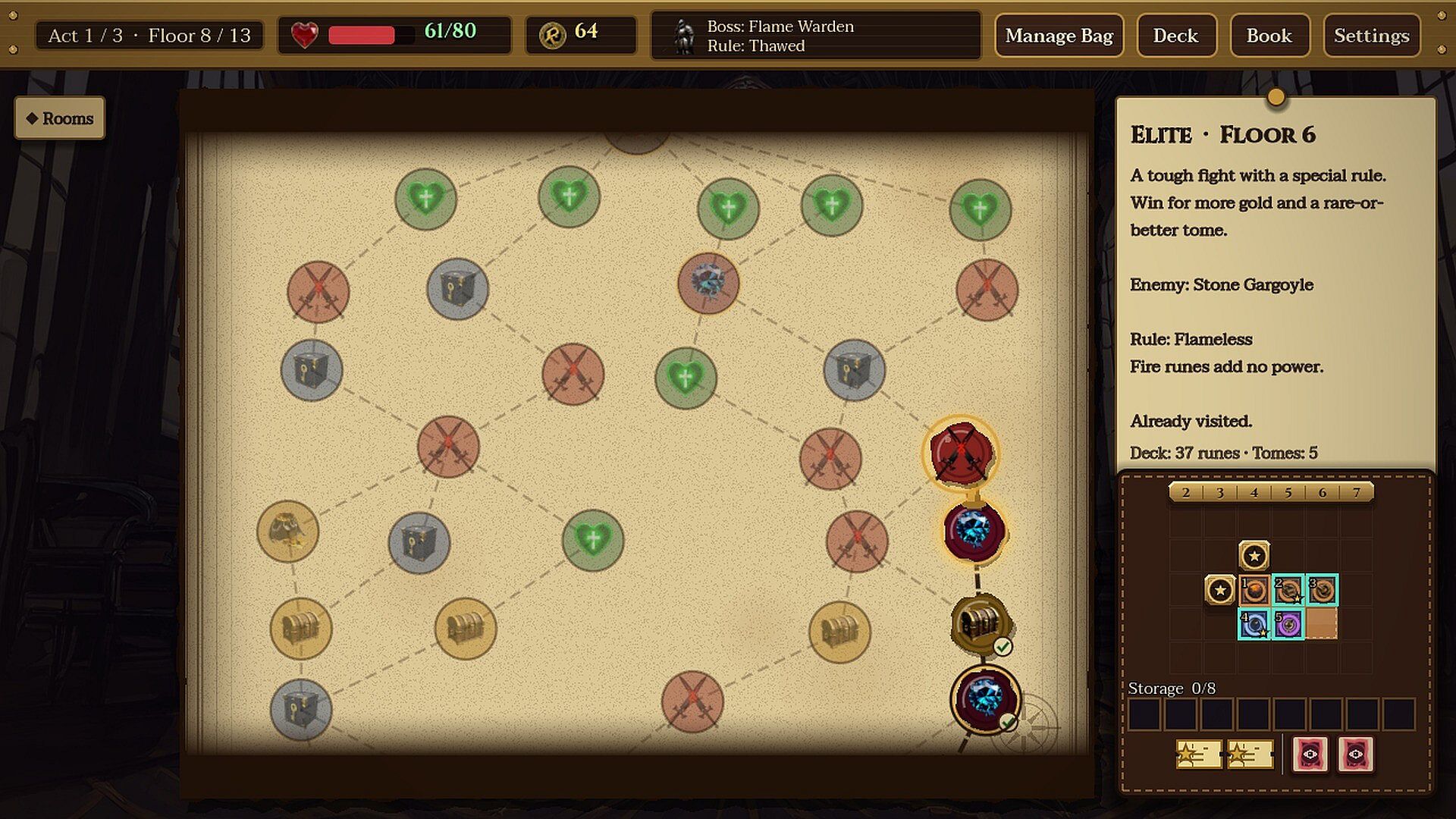
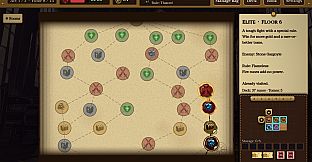
Progression involves unlocking six schools, each offering a distinct starting tome, satchel, and playstyle. These include Apprentice, Pyromancer, Cryomancer, Hexer, Scribe, and Bookbinder. Runs unfold across three acts on branching maps that include fights, elite encounters, shops, rest sites, treasure locations, and random events. Boss encounters introduce variable restrictions each run, such as bans on certain runes or patterns, a muted column, or other limitations that demand adaptation or rerolls.
Game Modes
The game operates as a single-player roguelite with runs structured around three acts on branching maps. These maps present a mix of combat encounters, elite challenges, resource stops, and unpredictable events that shape each attempt differently. Boss rules shift per run, forcing players to adjust strategies around changing constraints while pursuing upgrades and synergies through the Tome Bag and rune enhancements.
Replayability stems from the procedural nature of rune draws, bag arrangements, school unlocks, and boss variations rather than separate named modes. Every run functions as a self-contained puzzle of pattern building and spatial management within the shared framework of acts and map choices.
Key Mechanics and Progression
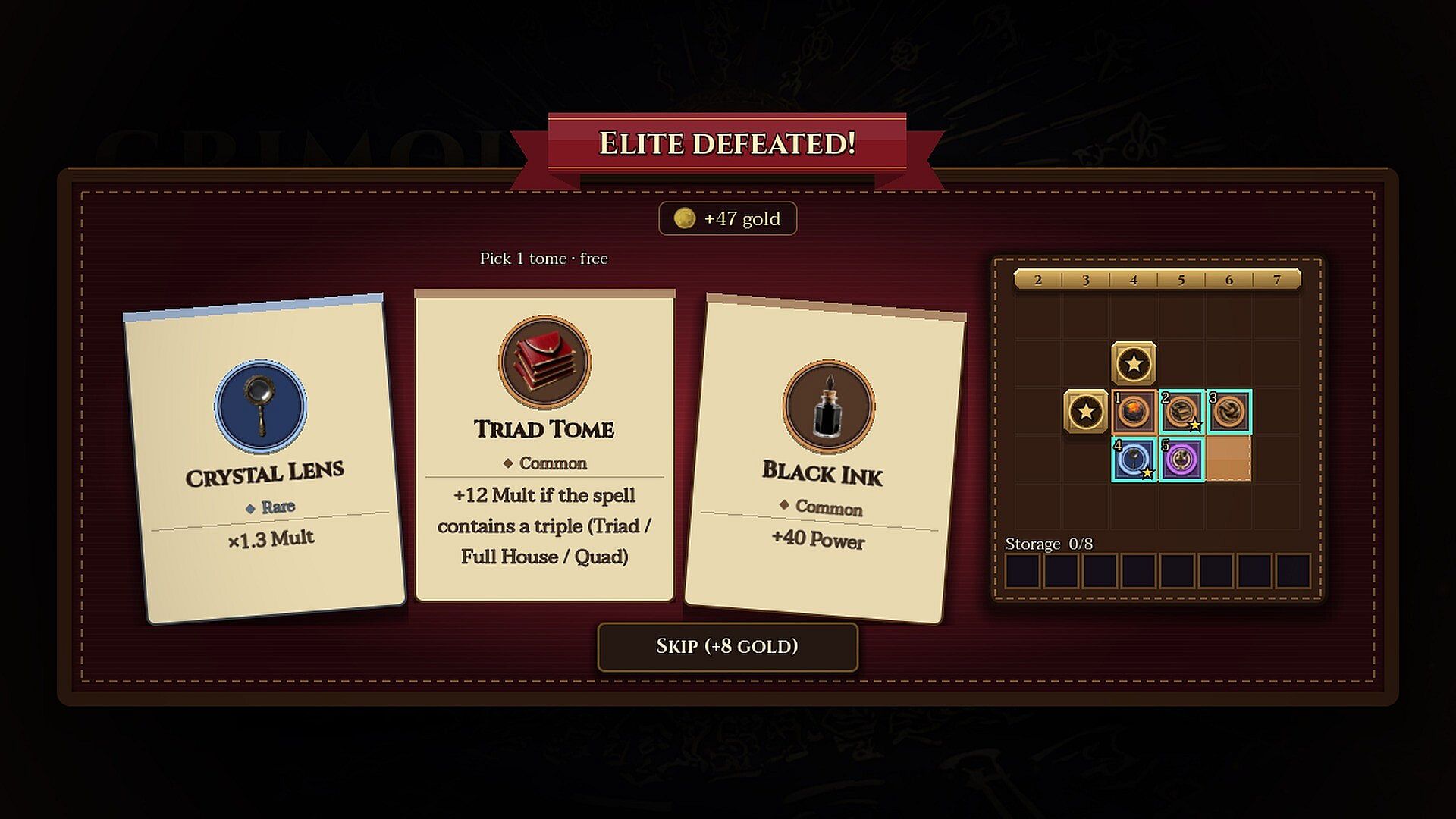
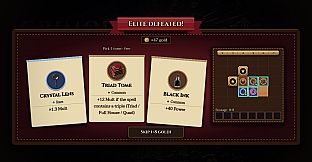
Pattern leveling lets players strengthen preferred combinations over time, while the Tome Bag serves as the central growth system. Dragging and arranging tomes builds stacks that interact with rune columns, enabling merges, recipe combinations, and bag expansion through new pieces acquired during runs. This spatial element turns spellcasting into a planning exercise where placement decisions compound across multiple turns and encounters.
Schools provide starting variety that influences long-term builds. Each one alters the initial tools and approach, encouraging different synergies with the four elements and pattern types. The private closed beta status means these systems continue to receive development attention based on wishlist interest.
Is It Worth Playing?
Runecaster's Grimoire suits players who enjoy turn-based strategy roguelites that emphasize puzzle-like decision making over fast action. The combination of poker-pattern spellcasting and grid-based tome management creates a distinctive loop focused on planning, adaptation, and incremental optimization within each run. Those drawn to indie RPGs with deep mechanical interplay between elements, positioning, and restrictions will find the systems rewarding to explore.
With the game still in private closed beta and no public reviews available yet, interest depends on appreciation for the verified mechanics described on its store page. Wishlisting allows following further updates as development progresses toward release. The single-player focus and mouse-driven interface keep the experience accessible for those seeking deliberate, thoughtful sessions rather than competitive or multiplayer formats.











