





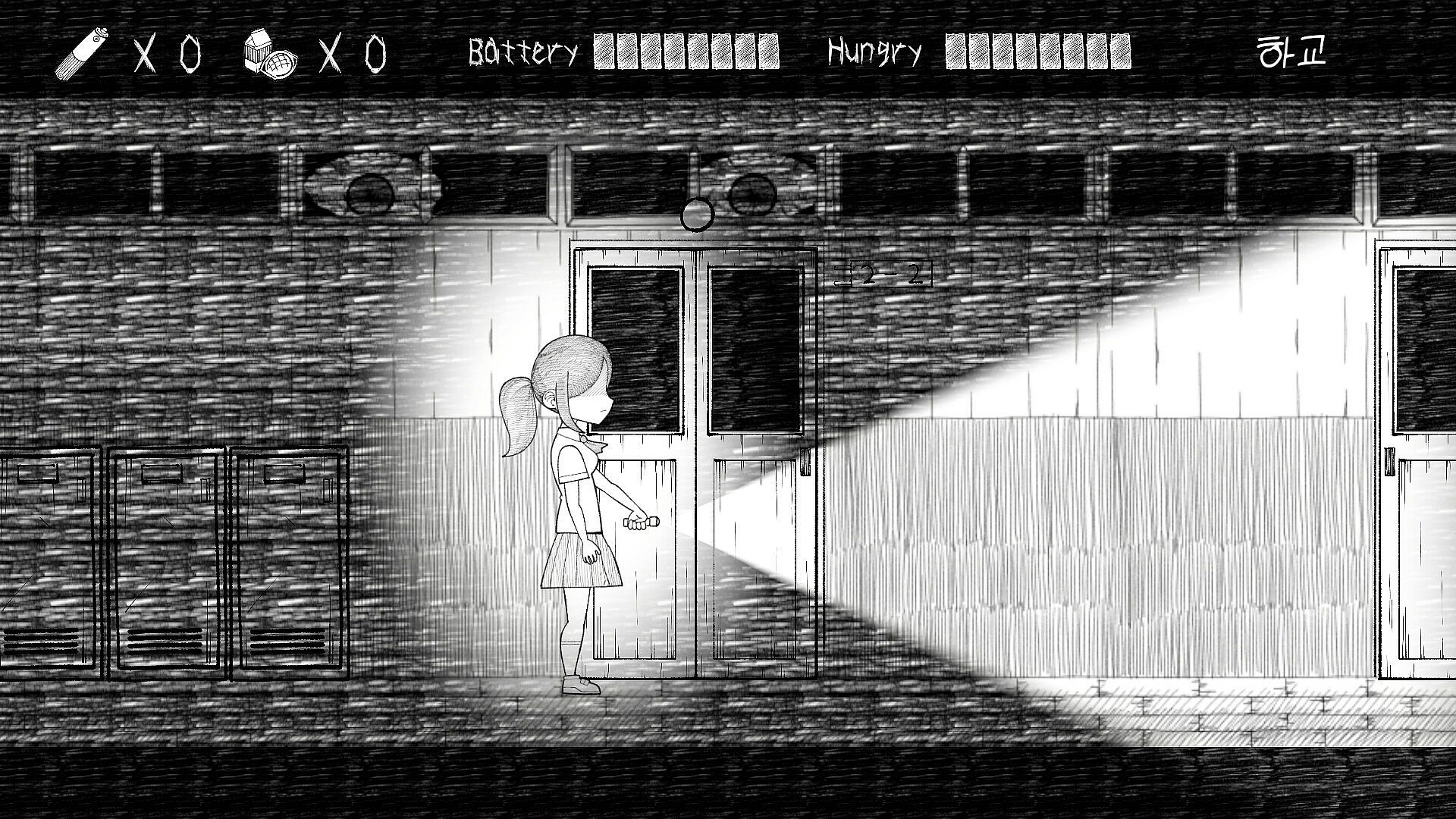
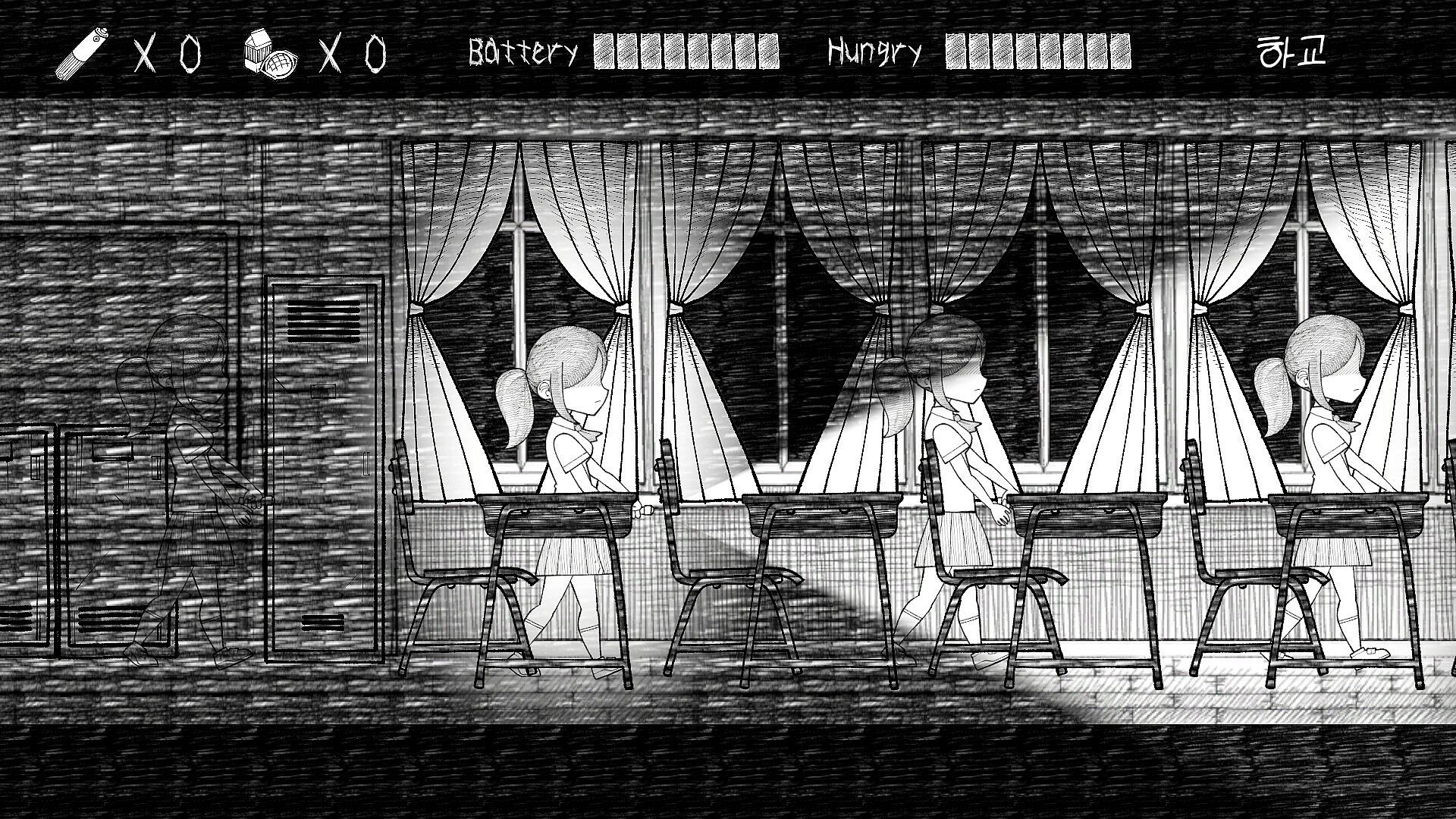
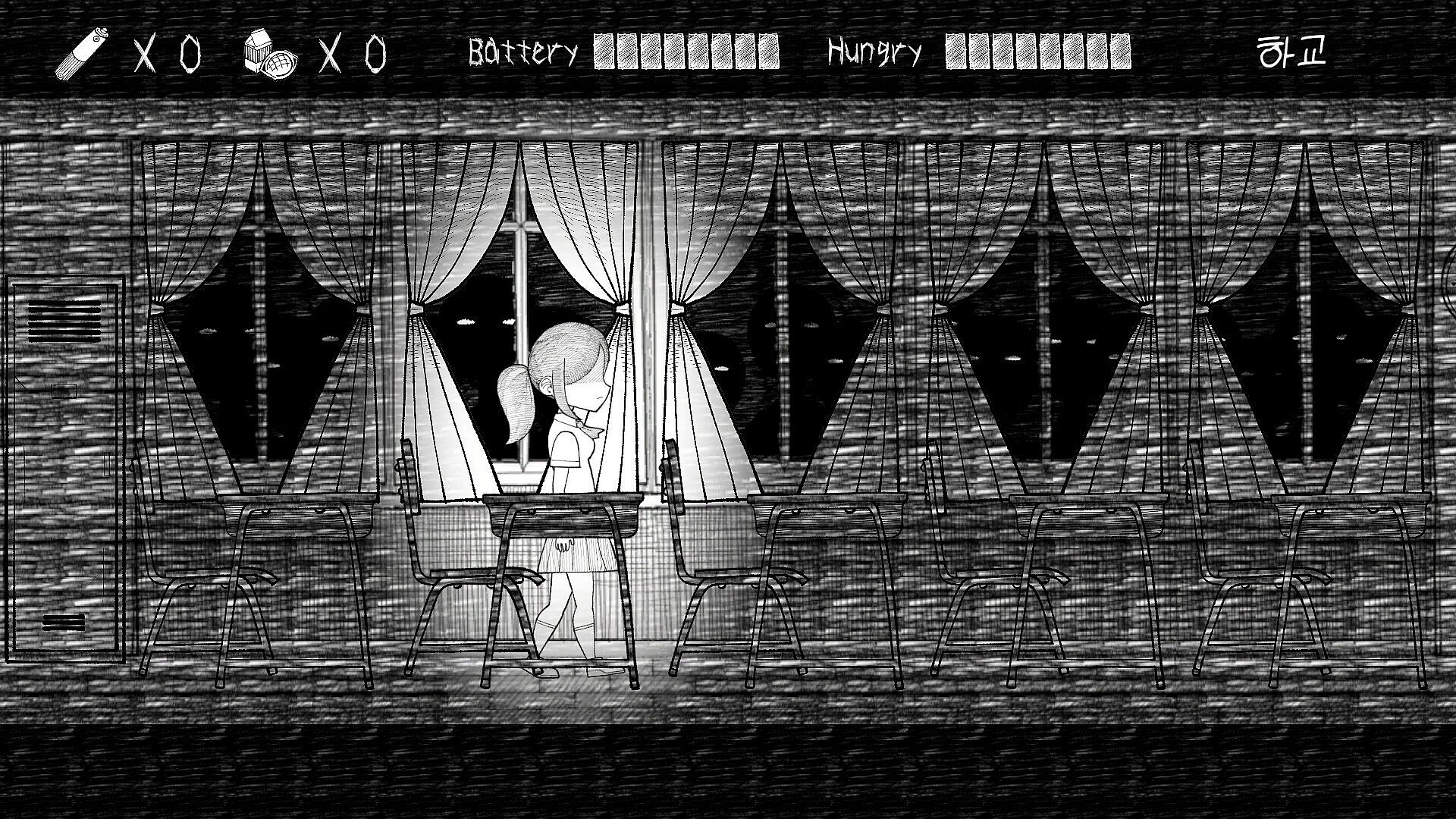
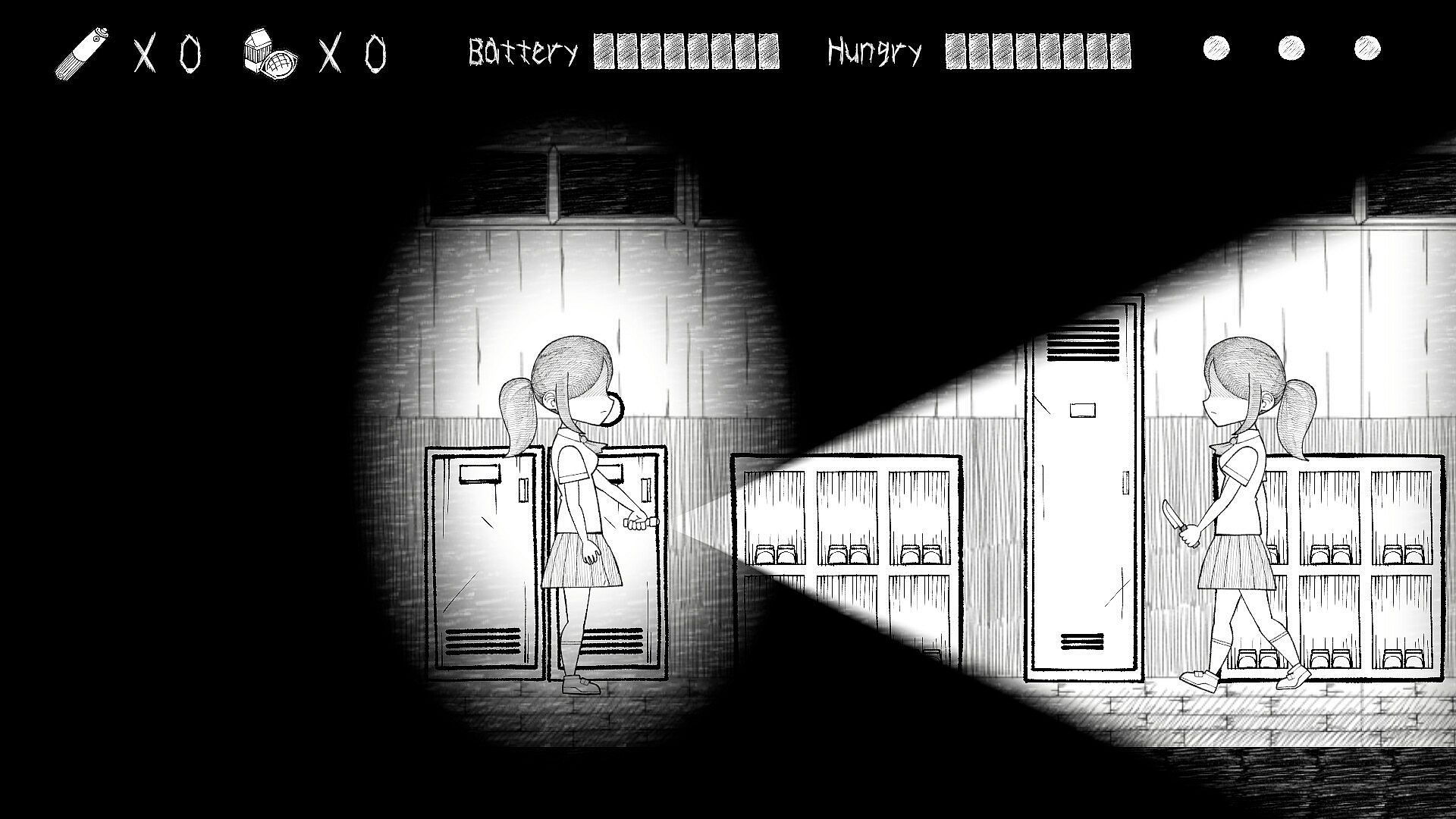
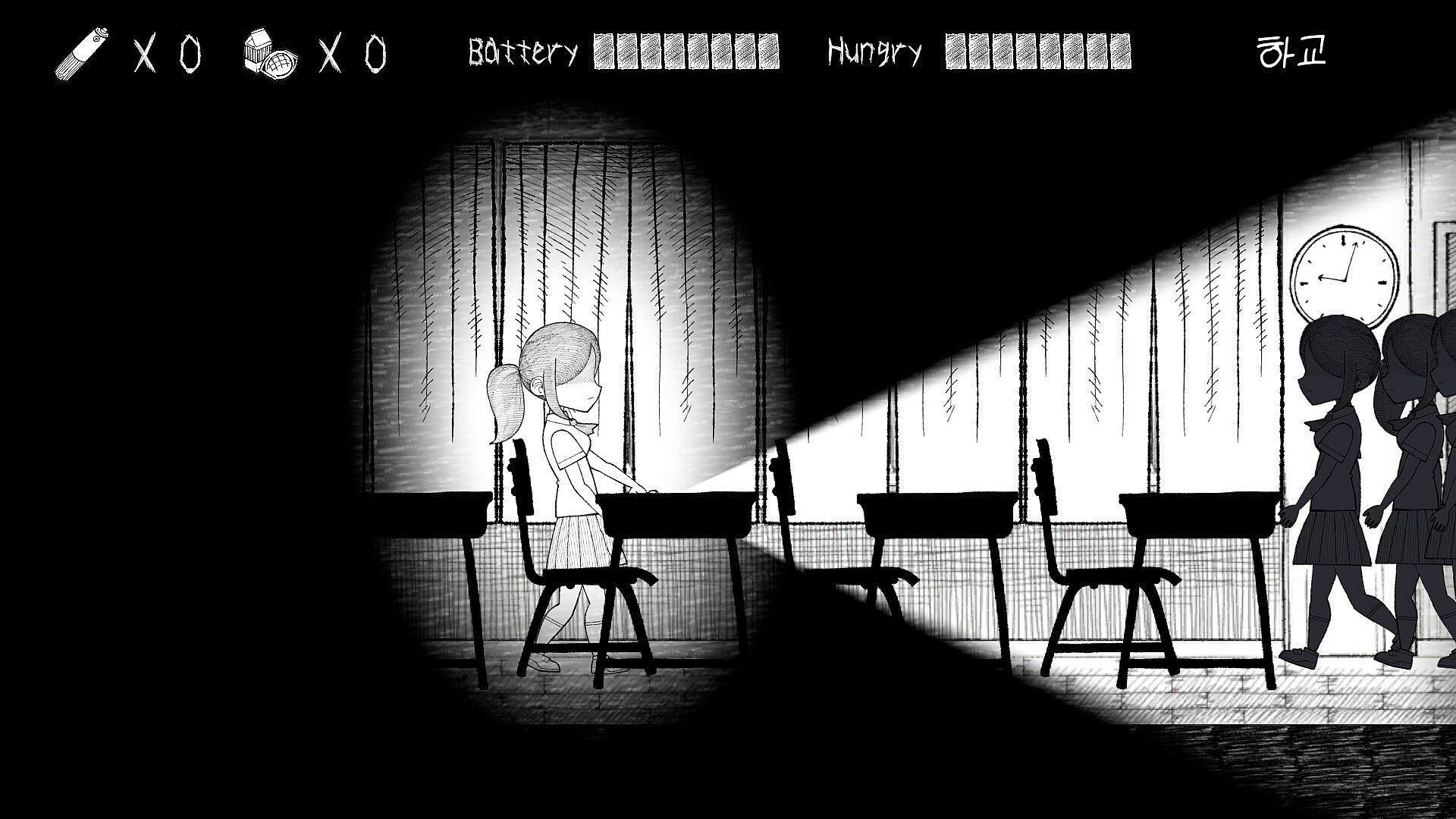

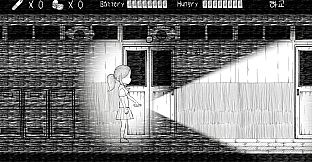
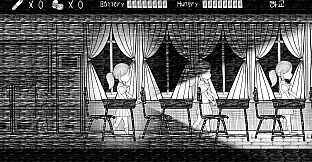
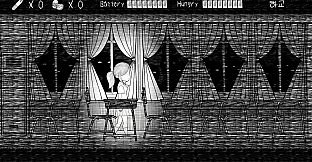
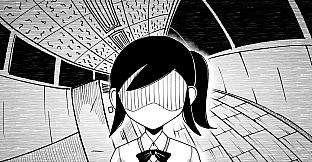
Samsara Hallway is a single-player indie adventure game set entirely within the confines of an endless school hallway. Players wake up in this looping environment and must navigate its repetitive layout by spotting subtle changes during the day phase before facing a more direct threat once night arrives. The core experience revolves around careful observation, quick decisions, and evasion tactics that determine whether progress continues or resets to the starting point.
Gameplay
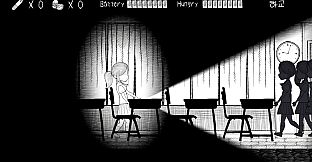
The day phase focuses on exploration of the main hallway, two classrooms, and a restroom. Players examine the surroundings for any anomaly that breaks the pattern of previous loops. A correct identification allows forward movement, while an incorrect one returns the player to the beginning of the sequence. Hiding briefly in the final restroom stall serves as one option when uncertainty arises. This phase emphasizes attention to detail and pattern recognition across repeated traversals.
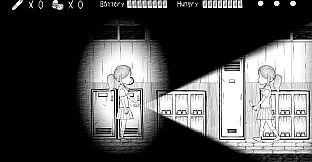
At night the dynamic shifts to survival. A killer begins active pursuit through the same spaces, forcing players to use available cover such as lockers and restroom stalls. The objective becomes locating three specific keys scattered through the environment to reach an exit. The killer adjusts its behavior based on prior player actions, creating a responsive threat that rewards varied strategies and awareness of previous encounters.
Overall movement stays linear within the hallway loop, with no branching paths outside the listed rooms. Keyboard controls handle navigation and interactions, and the experience remains strictly single-player with no online components.
Game Modes
The game structures its challenges around two distinct phases that alternate based on in-game time. The daytime segment prioritizes anomaly detection and safe progression through observation. The nighttime segment introduces active pursuit and requires key collection alongside evasion. These phases form the complete cycle players repeat until an ending is reached.
Progression depends on consistent success across both phases. Failure in either sends the player back to the initial room, reinforcing the looping structure. Multiple endings become available depending on how anomalies are handled and which keys are secured during night sections.
Key Features
Thirty-five anomalies appear throughout the loops, with some positioned in less obvious locations that reward thorough checking of the classrooms and restroom. The adaptive killer changes patrol routes and response times according to how the player has moved and hidden in earlier attempts. Multiple endings provide replay incentive by altering outcomes based on choices made during both day and night segments.
The setting remains confined to the school hallway and its attached rooms, creating a tight focus on environmental storytelling and mechanical repetition. No additional areas or external locations expand the playable space.
Is It Worth Playing?
Samsara Hallway targets players who enjoy single-player adventure experiences built around observation, repetition, and tension. The day phase appeals to those who like spotting differences in familiar scenes, while the night phase suits fans of evasion-based survival within limited spaces. With a planned release in November 2026 and no reviews available yet, the game offers a contained indie package centered on its described loop mechanics and adaptive threat.
Those drawn to puzzle-like decision making combined with light horror elements may find the structure engaging, particularly if they appreciate games that reset progress on mistakes to encourage precision. The limited room set and phase-based cycle keep the focus narrow, which suits short sessions or repeated attempts to uncover different endings. Availability will be on PC through standard digital storefronts once released.











