


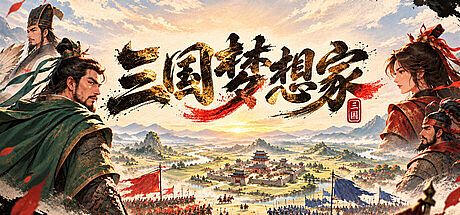


三国梦想家 is a strategy indie RPG set in the Three Kingdoms era, where players build and lead their own campaigns through a blend of city governance, officer management, and real-time battlefield decisions on PC.
Gameplay
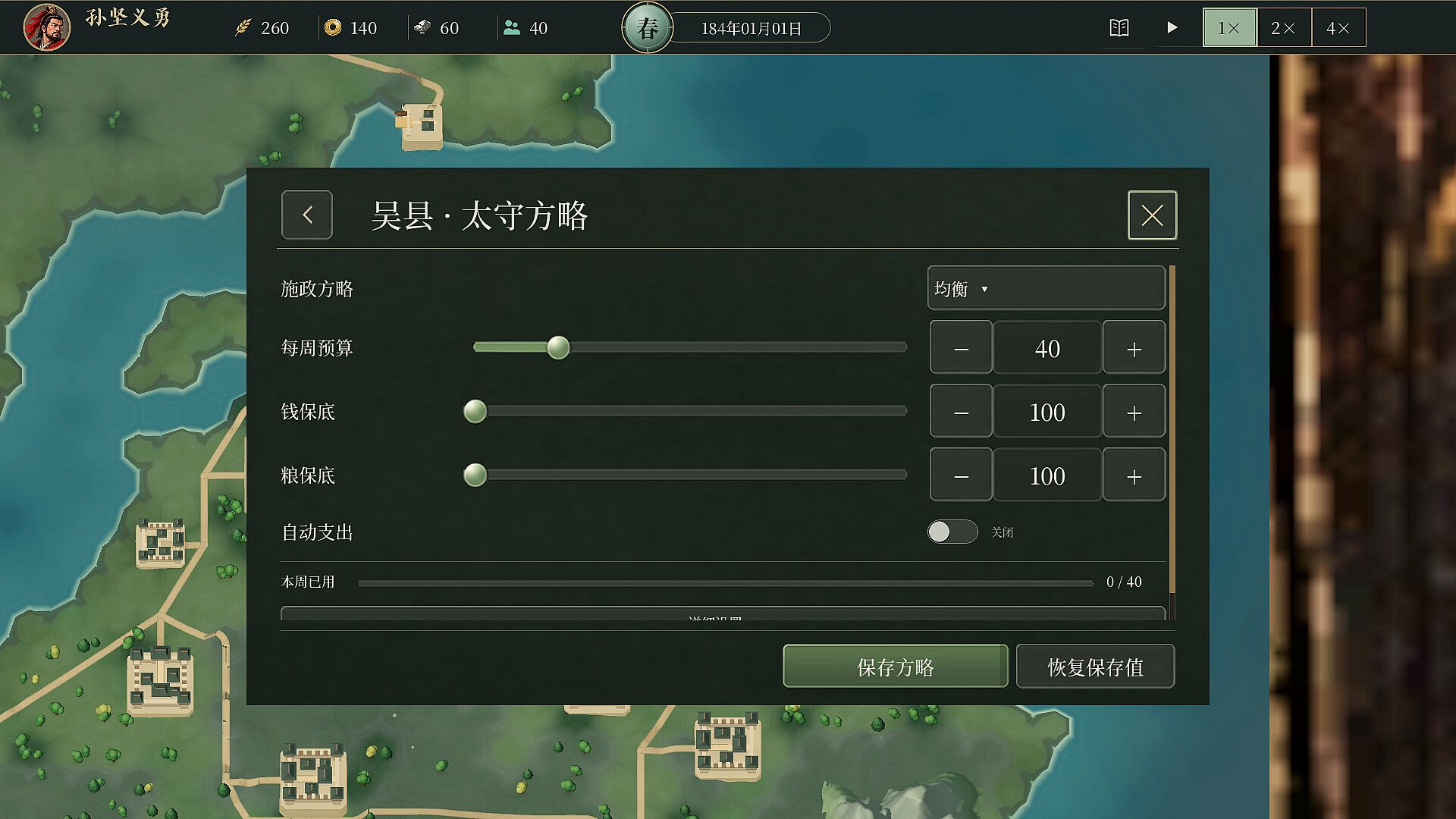
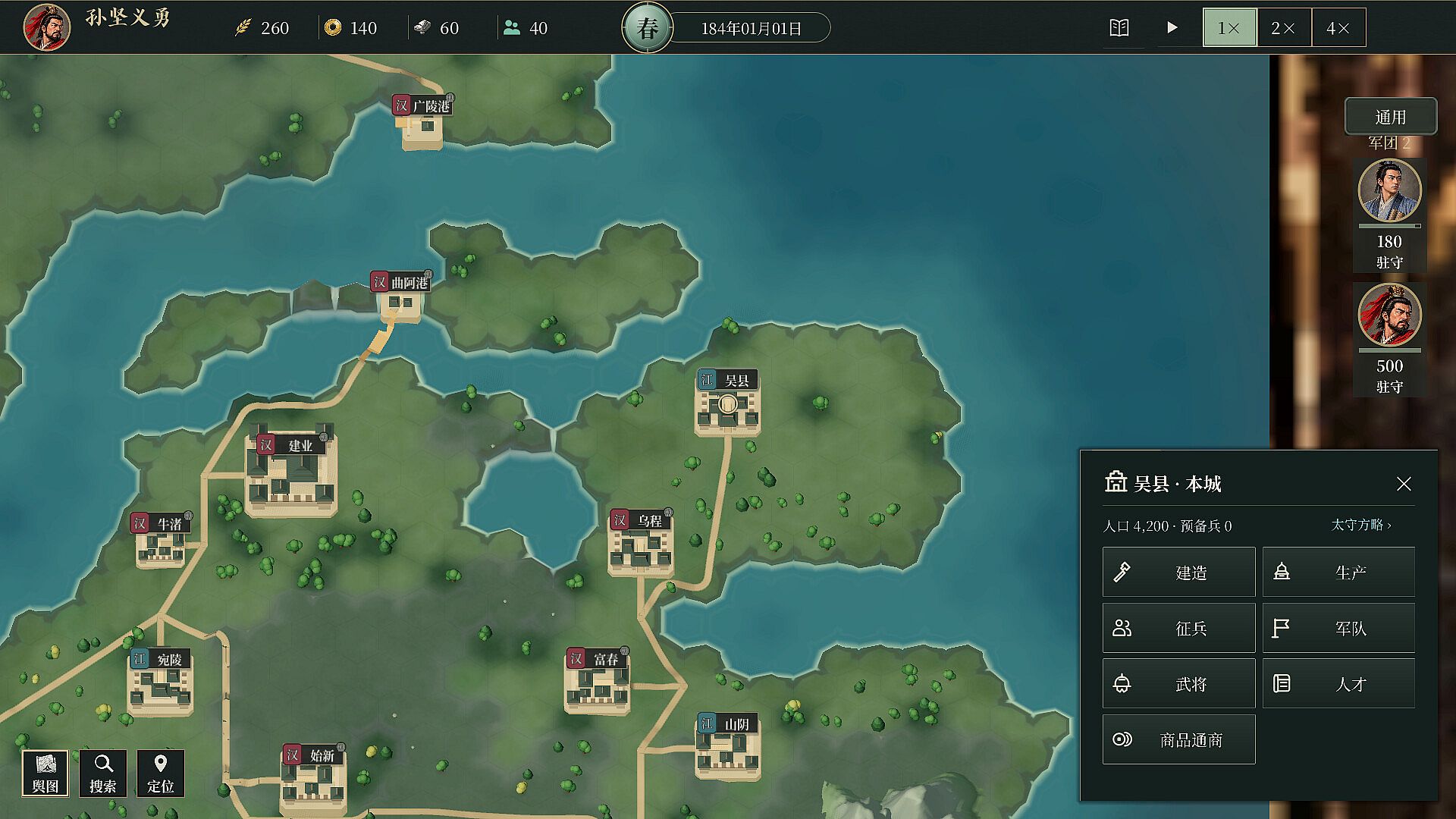
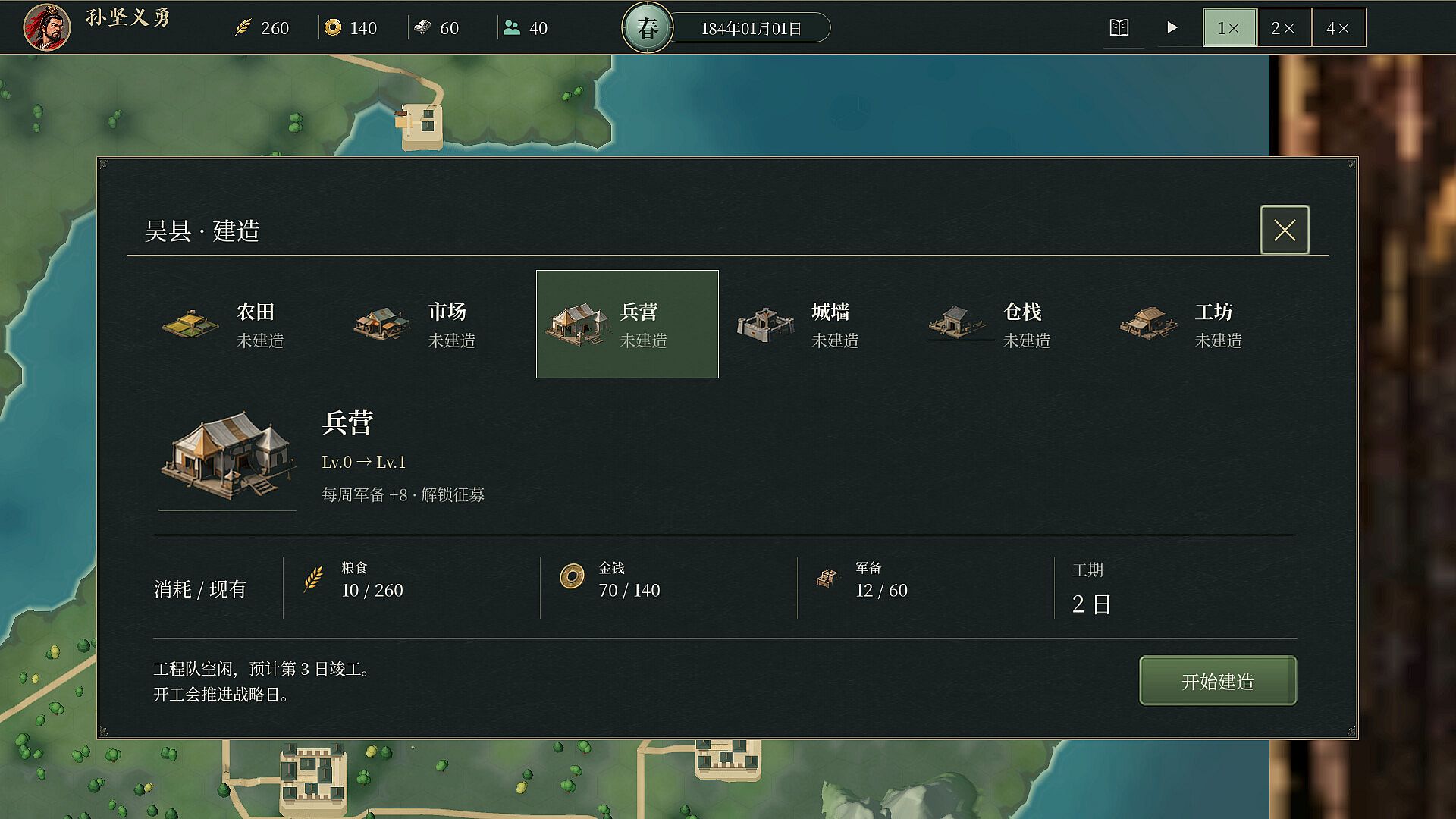
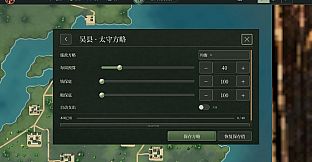
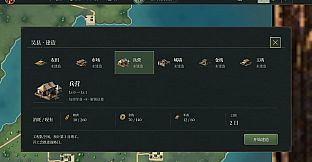
The core loop centers on developing settlements while preparing forces for conflict. Players begin by selecting a historical starting point or designing a custom officer, then expand influence across a shifting map of factions and territories. City oversight involves directing construction projects, assigning capable officers to key roles, and balancing essential supplies such as food stocks, equipment production, and defensive structures to sustain ongoing operations.
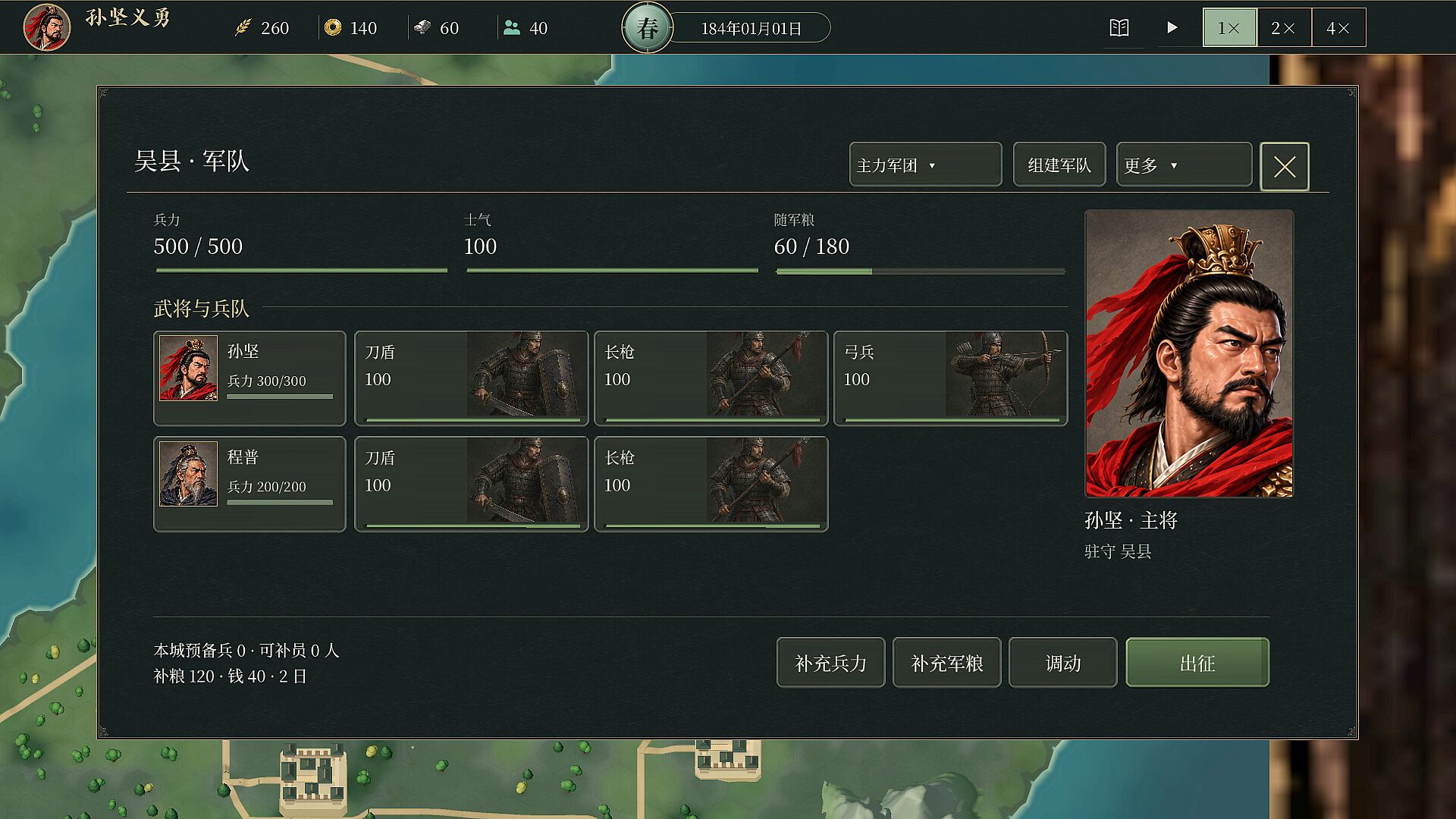
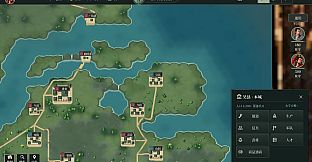
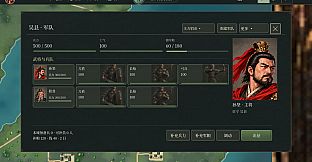
Army organization requires careful planning of unit compositions and logistics. Different troop types are assigned to formations, with attention paid to supply lines and chosen routes before any movement across the strategic map. Officer skills integrate with these preparations to shape overall force effectiveness.
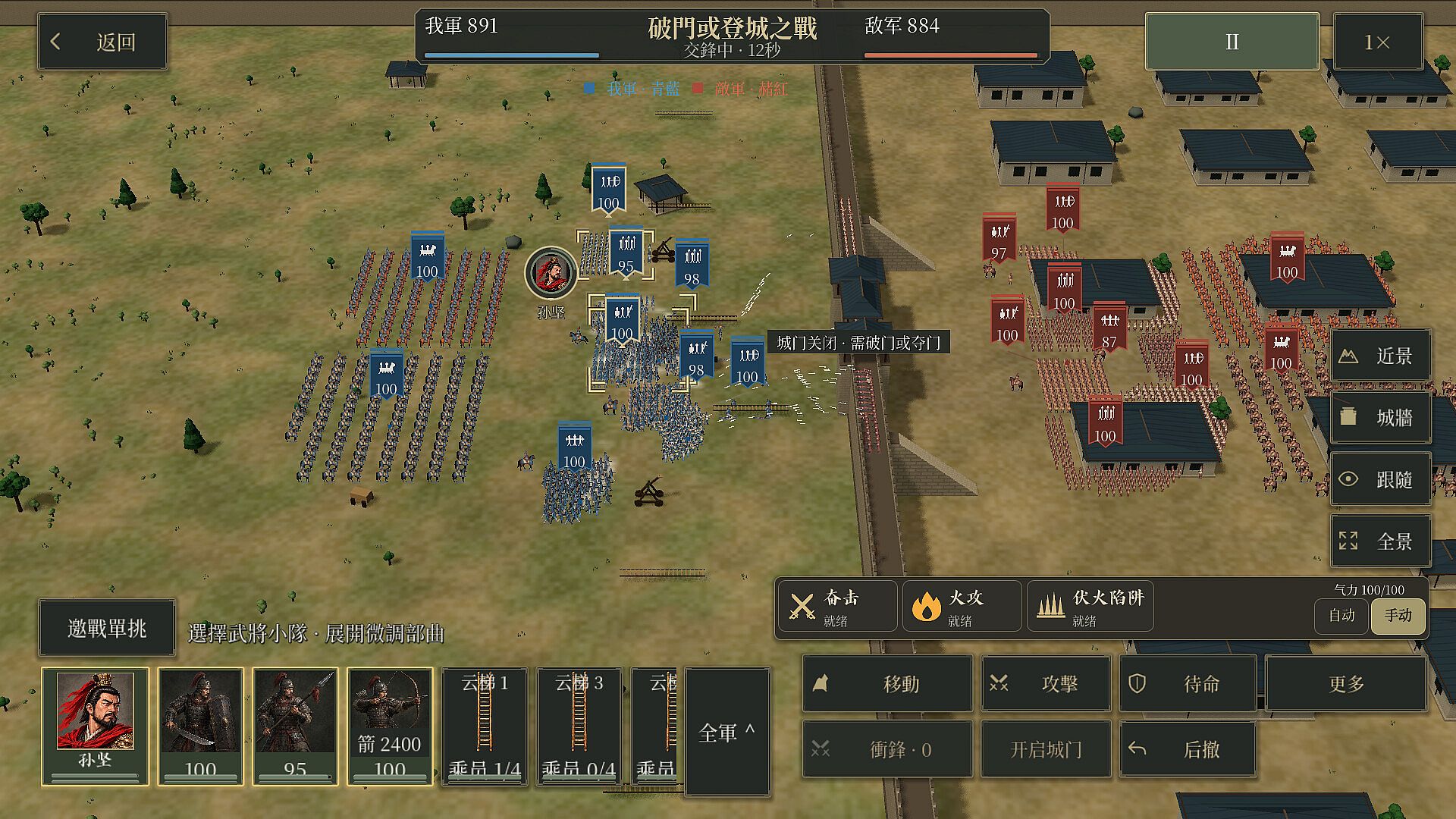
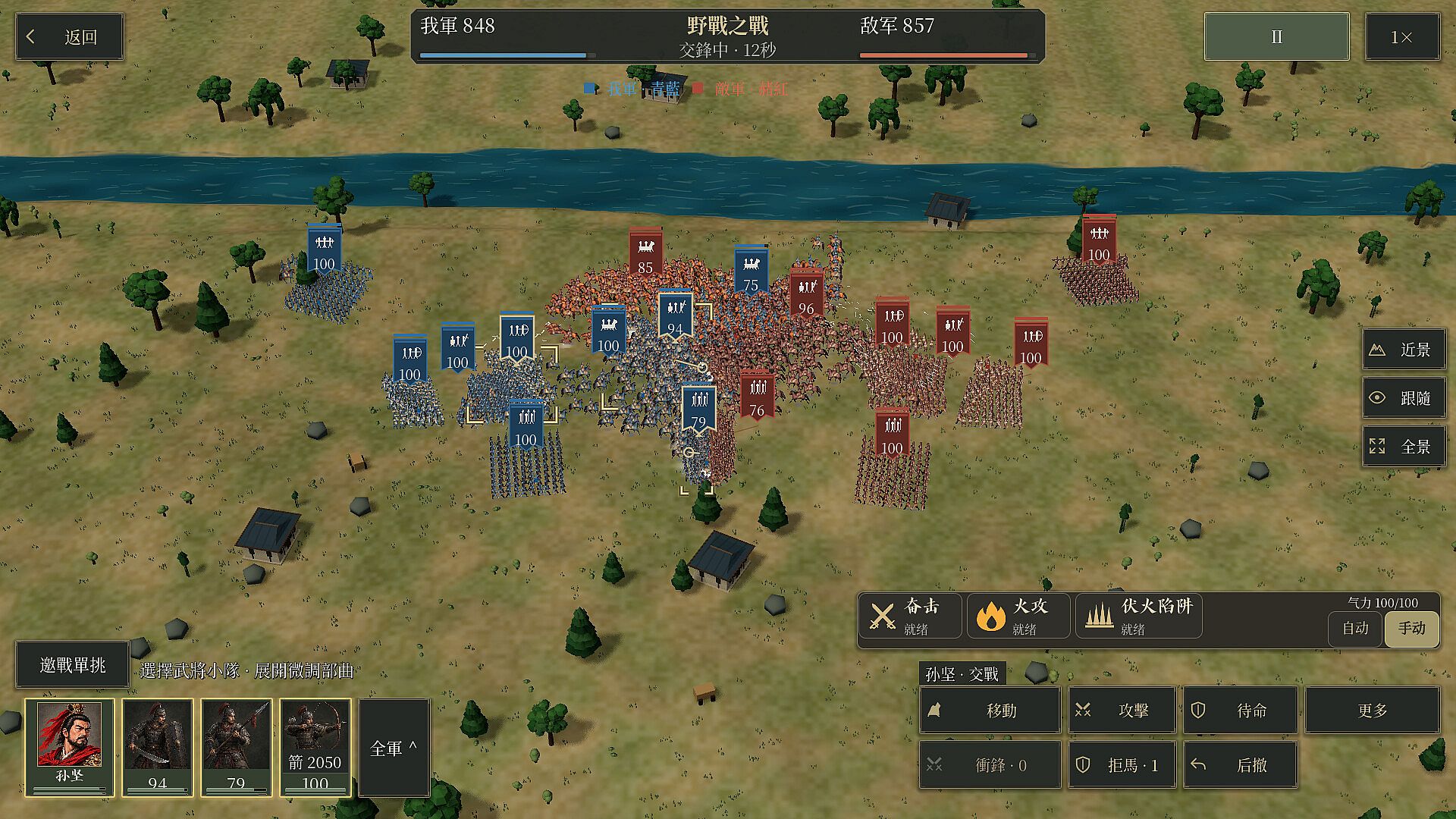
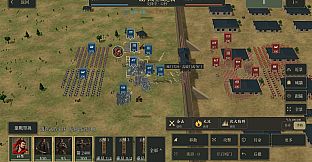
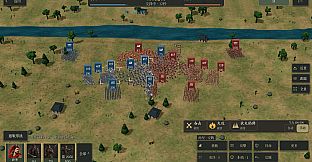
Combat unfolds in real time during field encounters and sieges. Players issue direct orders for unit movement, attacks, defensive holds, or withdrawals, adjusting based on enemy positioning, morale levels, and terrain factors. Timing and coordination between troop roles become decisive in turning engagements.
Game Modes
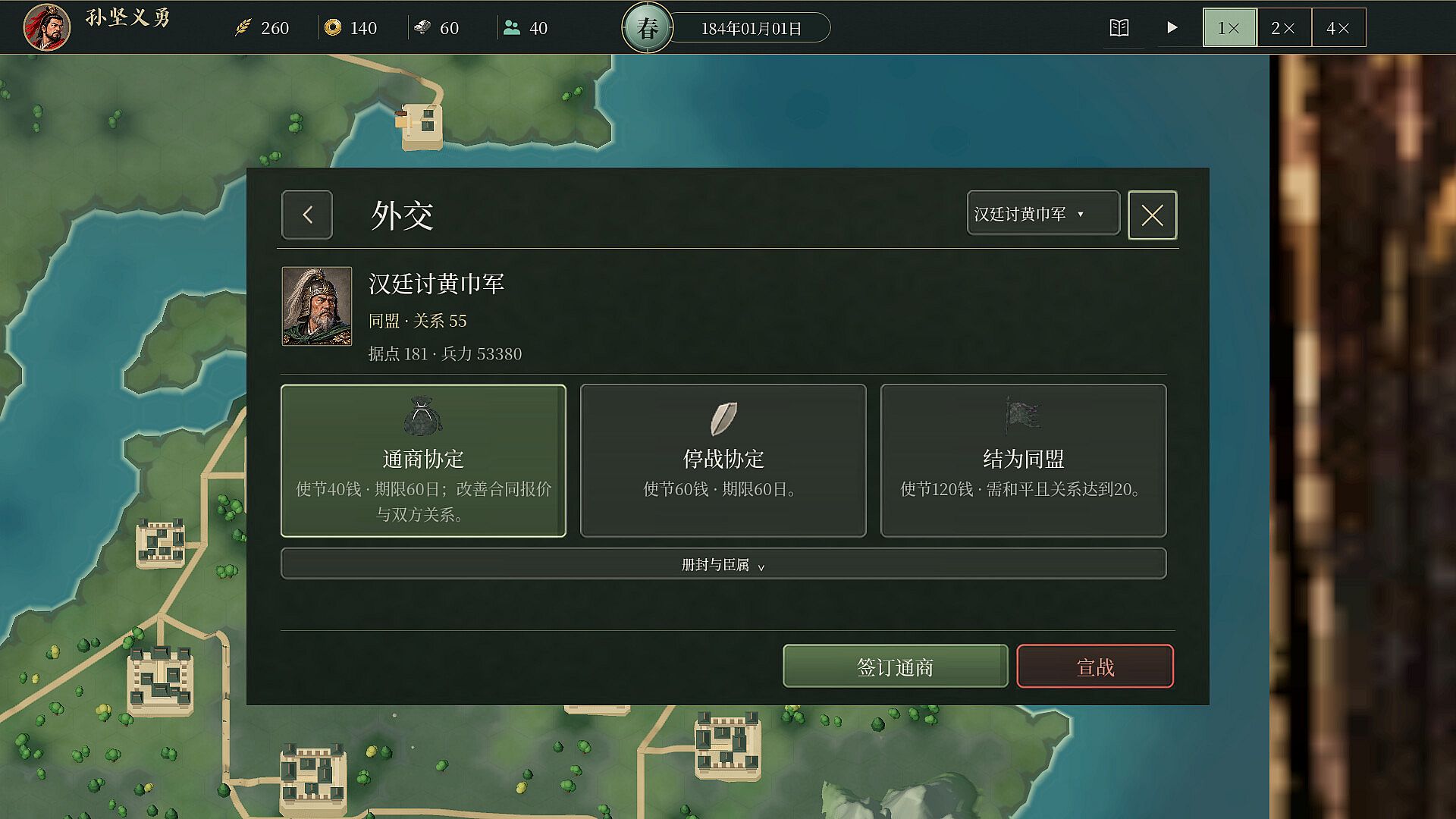
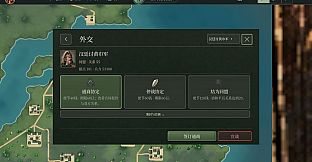
The experience revolves around a persistent single-player campaign that evolves according to player choices. A strategic overview layer handles faction relations, diplomatic negotiations, and decisions on expansion or consolidation. These elements feed directly into battlefield scenarios, creating a connected flow from long-term planning to immediate tactical execution without separate multiplayer or standalone modes confirmed at this stage.
Three Kingdoms Setting and Systems
The game draws from the historical backdrop of the late Eastern Han period, allowing starts with figures such as Sun Jian or Zhang Jiao alongside fully custom characters. Realm events unfold dynamically, influenced by resource allocation, officer appointments, and diplomatic maneuvers. Players monitor broader power shifts on the map to identify opportunities or threats, with city development directly impacting available recruits and field sustainability.
Real-time command emphasizes responsive decision-making over scripted sequences. Formations and skill usage must adapt to live battlefield conditions, while marching routes and supply considerations add layers of preparation before committing troops.
Is It Worth Playing?
三国梦想家 remains in active testing as of late 2026, with ongoing updates addressing performance, interface elements, and core systems. Early player feedback highlights the appeal of merging city-building depth with direct battlefield control in a Three Kingdoms context, though some note areas like text sizing and certain AI behaviors still require refinement. The title suits those drawn to deliberate strategy titles that reward long-term planning alongside tactical flexibility in historical settings. Its current development status means prospective players may benefit from following patch notes for improvements before committing, particularly if they value integrated management and command mechanics over polished presentation at launch.











