

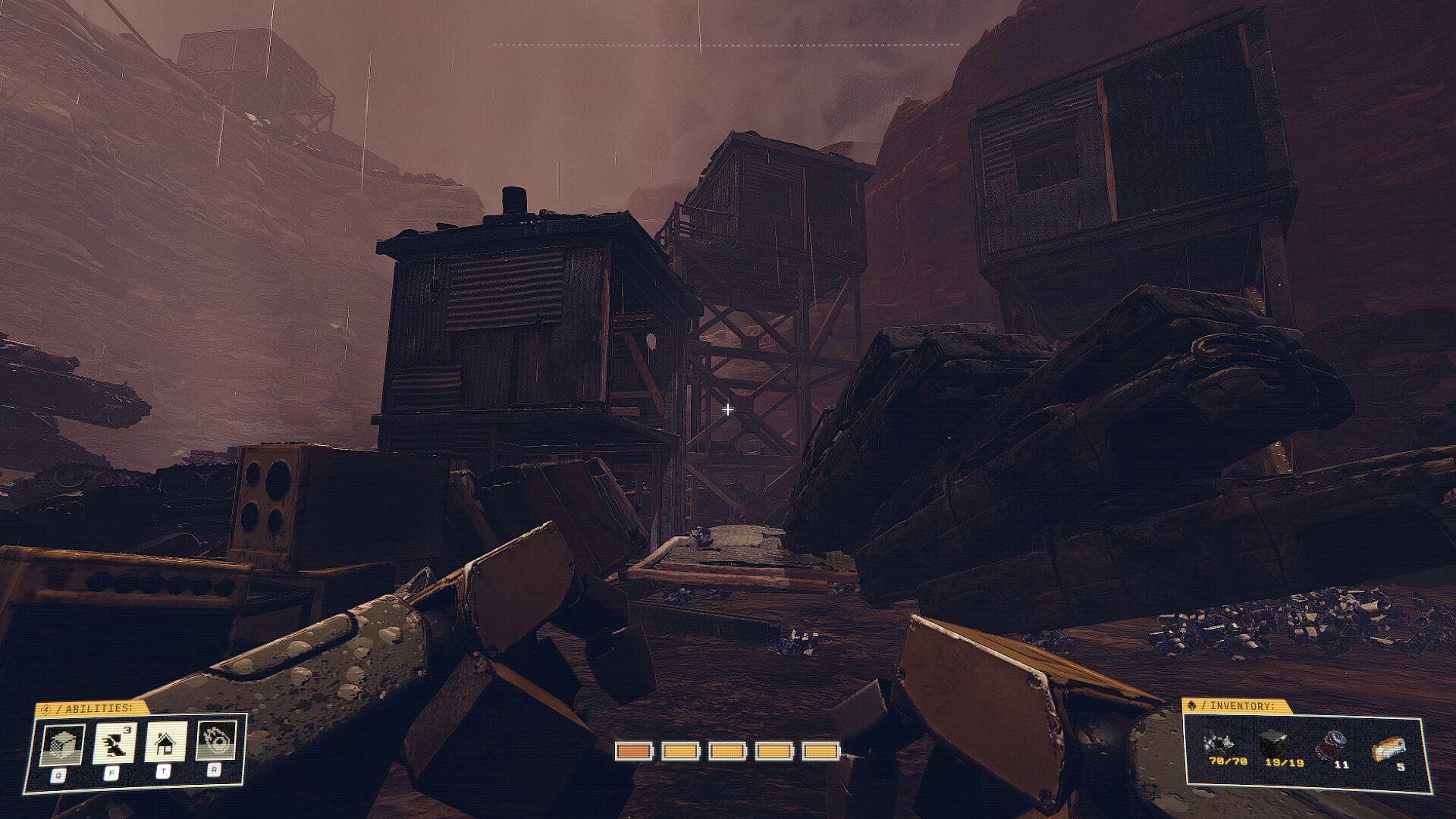
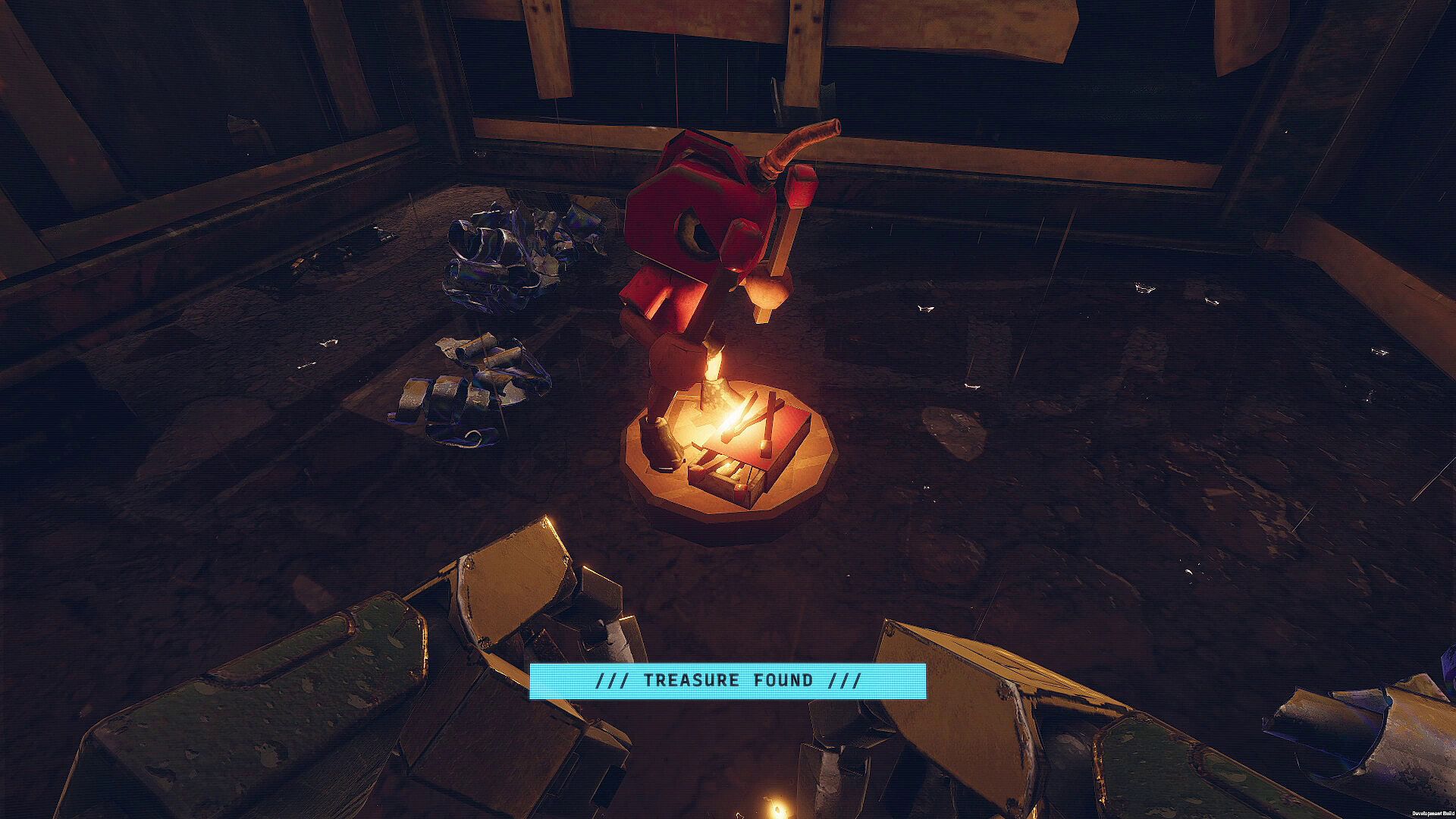
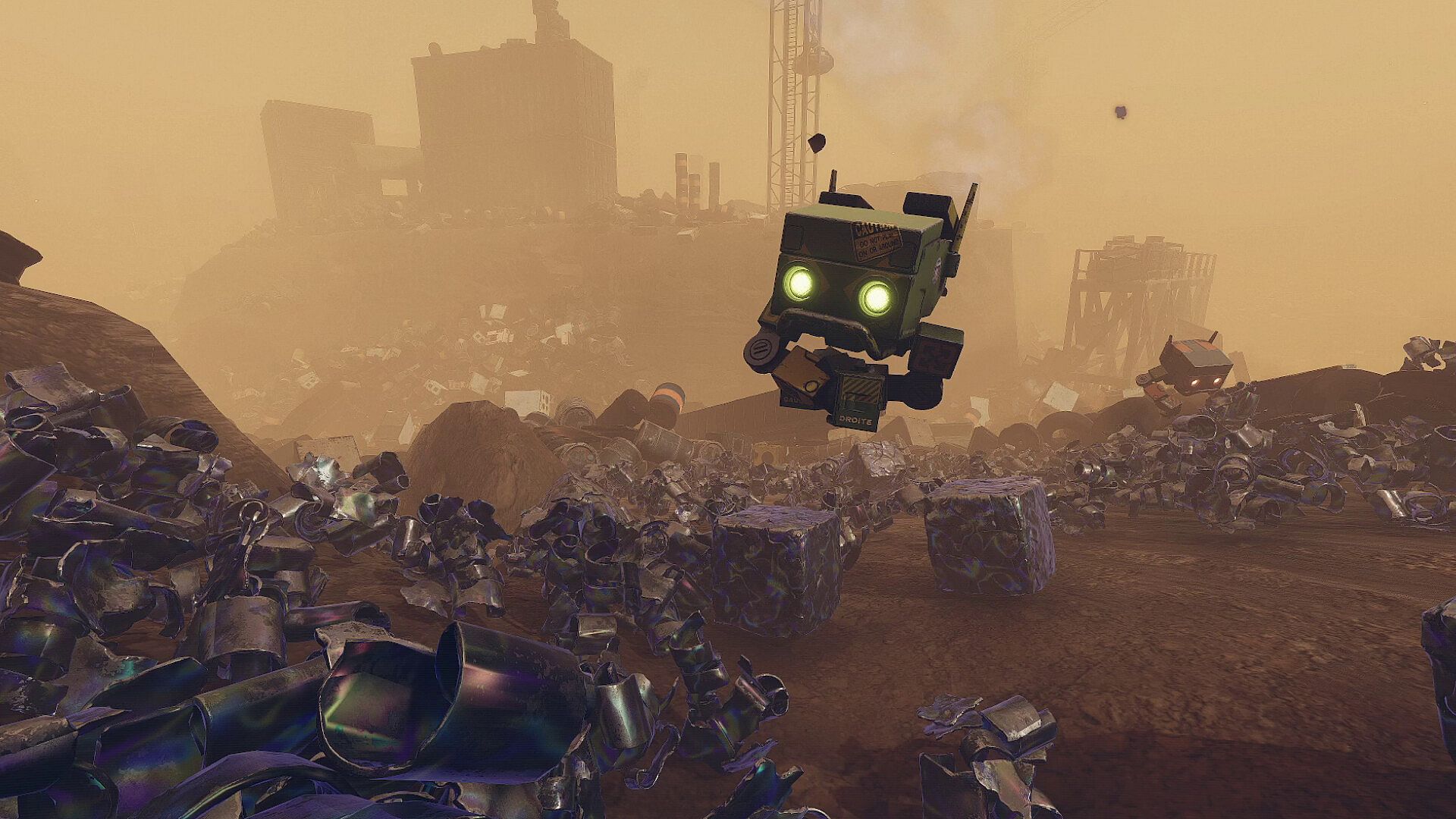
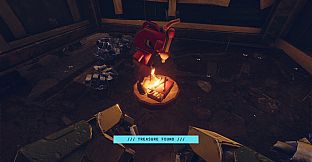
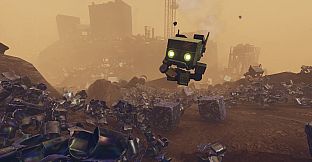
SCRAPSCRAP is a simulation game set on a deserted planet where a single robot handles the cleanup of massive amounts of abandoned waste. Humans departed long ago and left behind heaps of junk, from burned-out cars and rusted tanks to old stoves and dead electronics. The robot activates with one clear task: process and remove it all through hands-on mechanics that emphasize real physics and destruction.
Gameplay
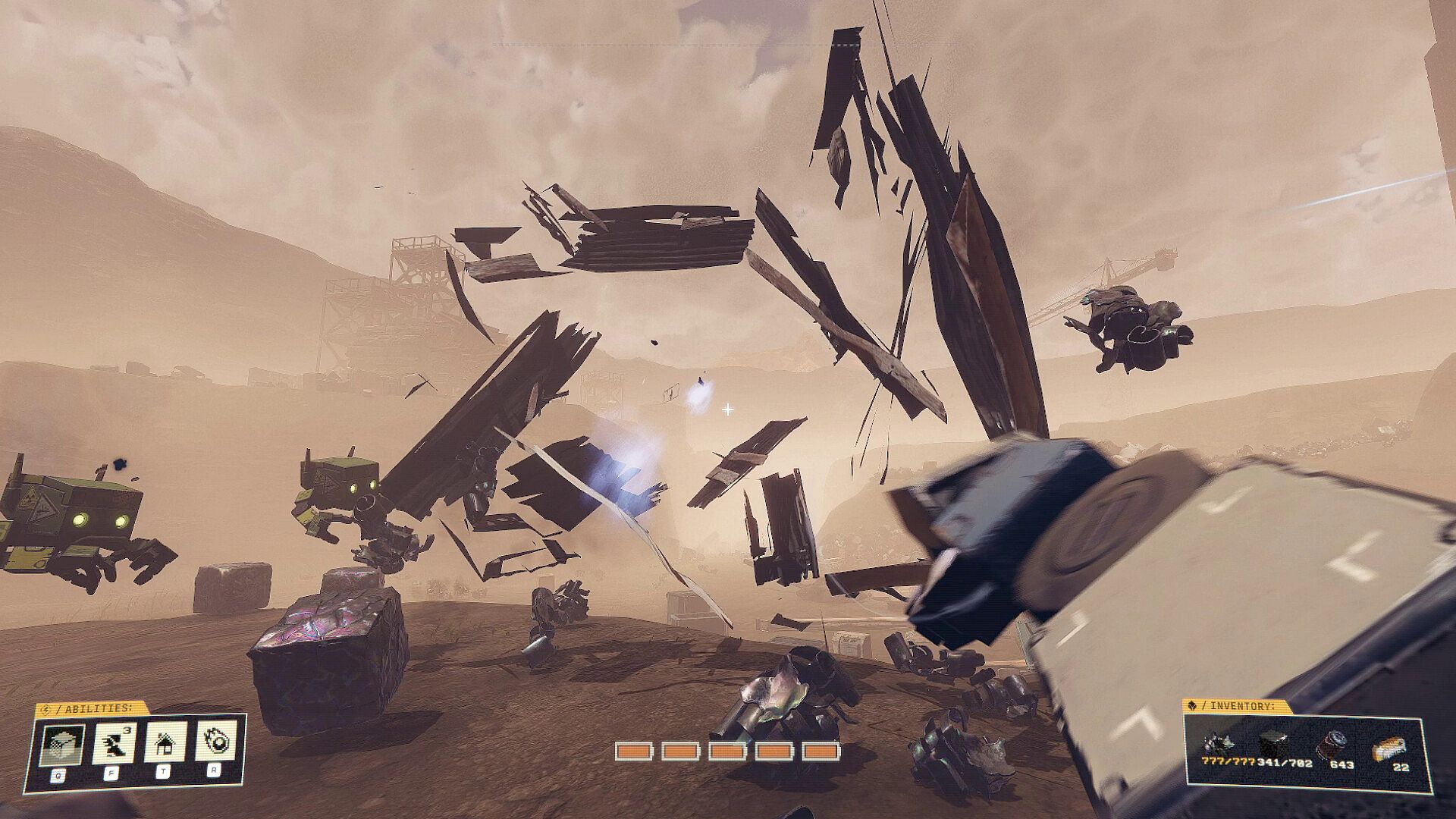
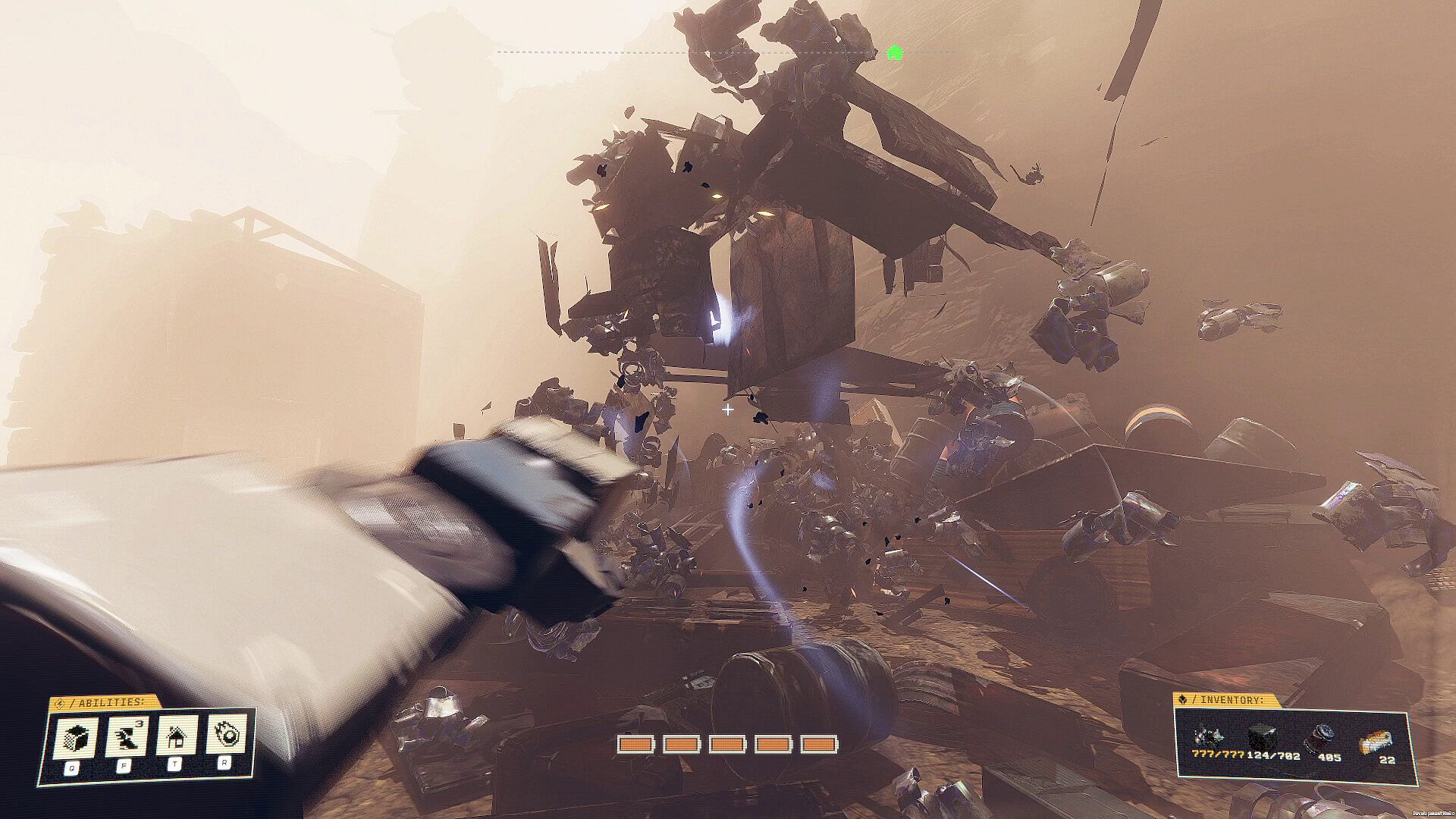
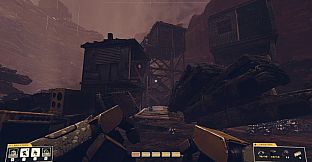
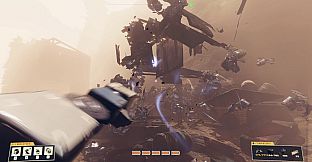
The central activity revolves around smashing junk into manageable pieces. Burned-out cars, rusted tanks, old stoves, dead computers, and TVs that will never turn on again respond to physical forces, breaking apart in realistic ways as the robot works through the piles. Every interaction relies on accurate physics, so objects deform and shatter based on how they are struck or manipulated.
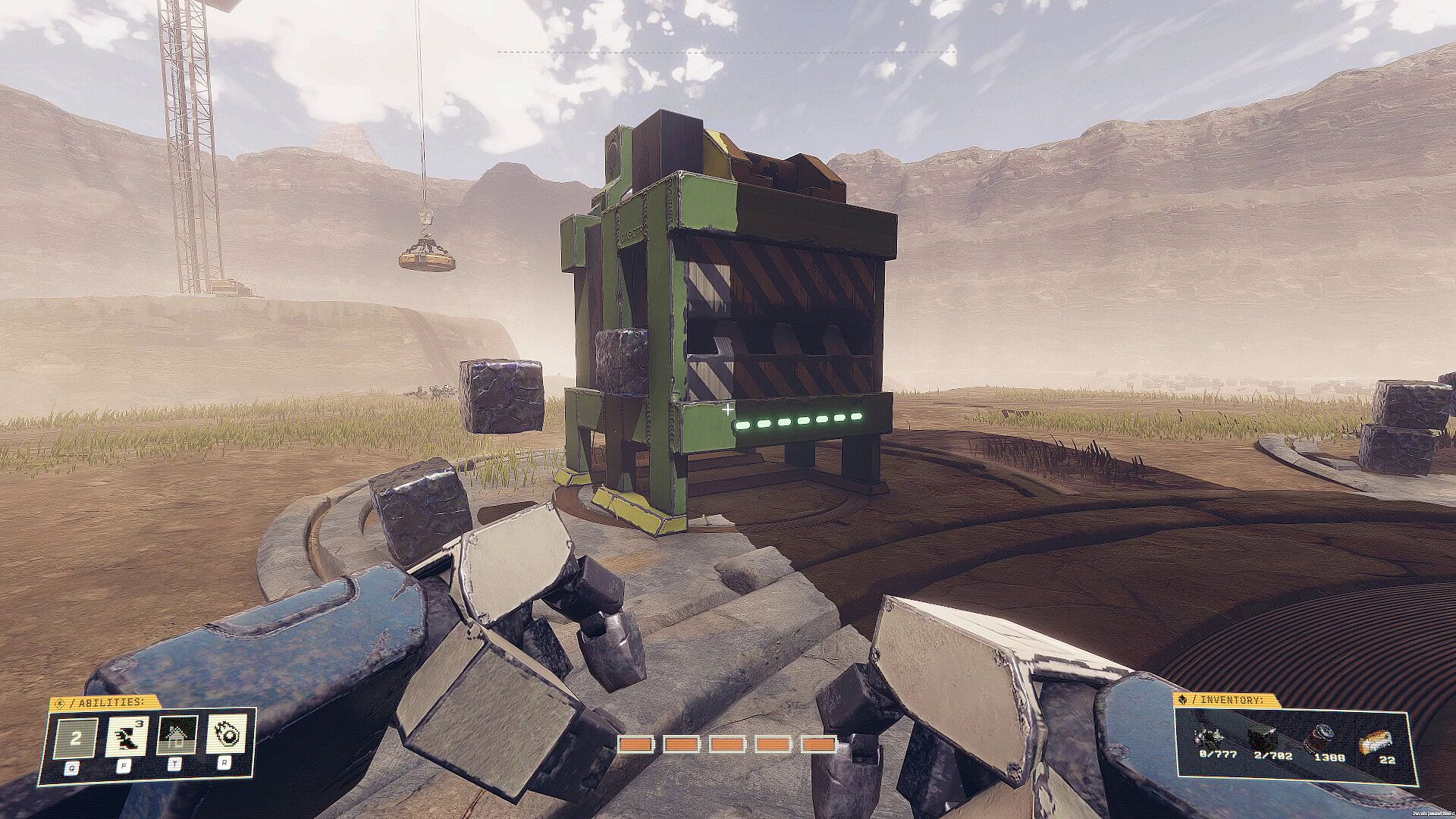
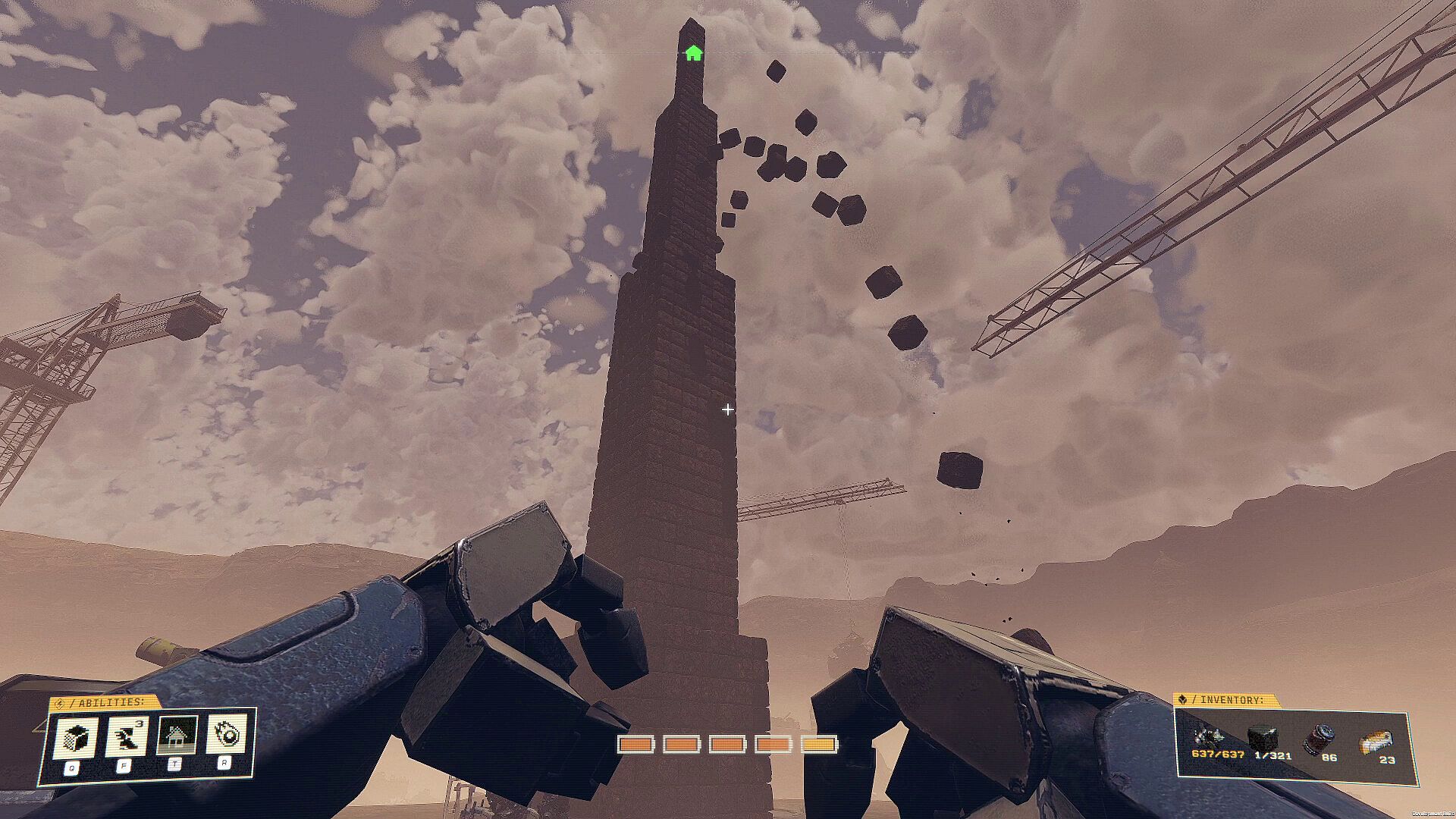
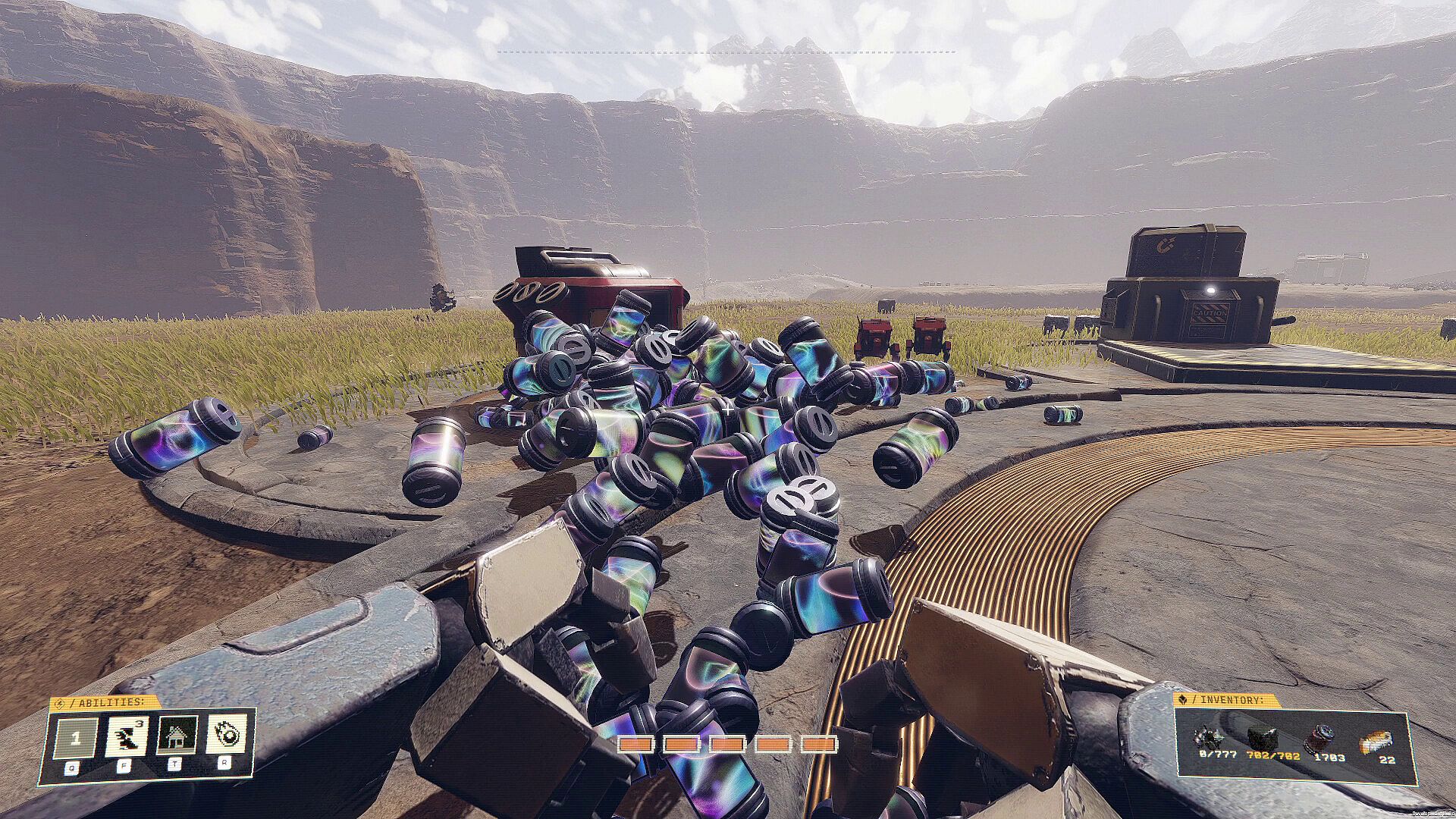
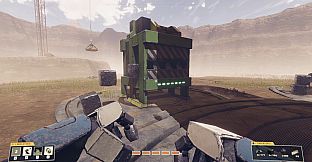
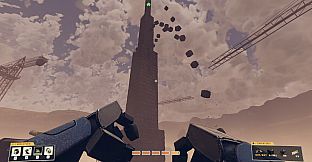
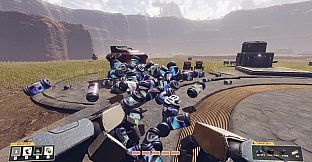
Once broken down, the scrap moves into a production cycle. Players feed the material into a press that crushes it into solid trash blocks. These blocks then stack onto the Power Press, where each addition increases the height of a growing tower. The structure expands upward with every successful block placement, gradually clearing the ground level below while generating resources that support further progress.
Progression ties directly to the tower's growth. Taller structures unlock access to more materials, which in turn enable system improvements. The loop stays focused on repeated cycles of collection, crushing, stacking, and expansion, all within a single-player environment on PC.
Game Modes
SCRAPSCRAP operates as a focused single-player simulation without separate named modes or multiplayer options. The experience centers on one continuous campaign of cleanup and construction, where the robot advances through escalating volumes of trash by refining the core smashing and stacking process. All activity remains tied to the same physics-driven systems and upgrade paths, allowing steady advancement through the same set of mechanics from start to finish.
Upgrades and Progression
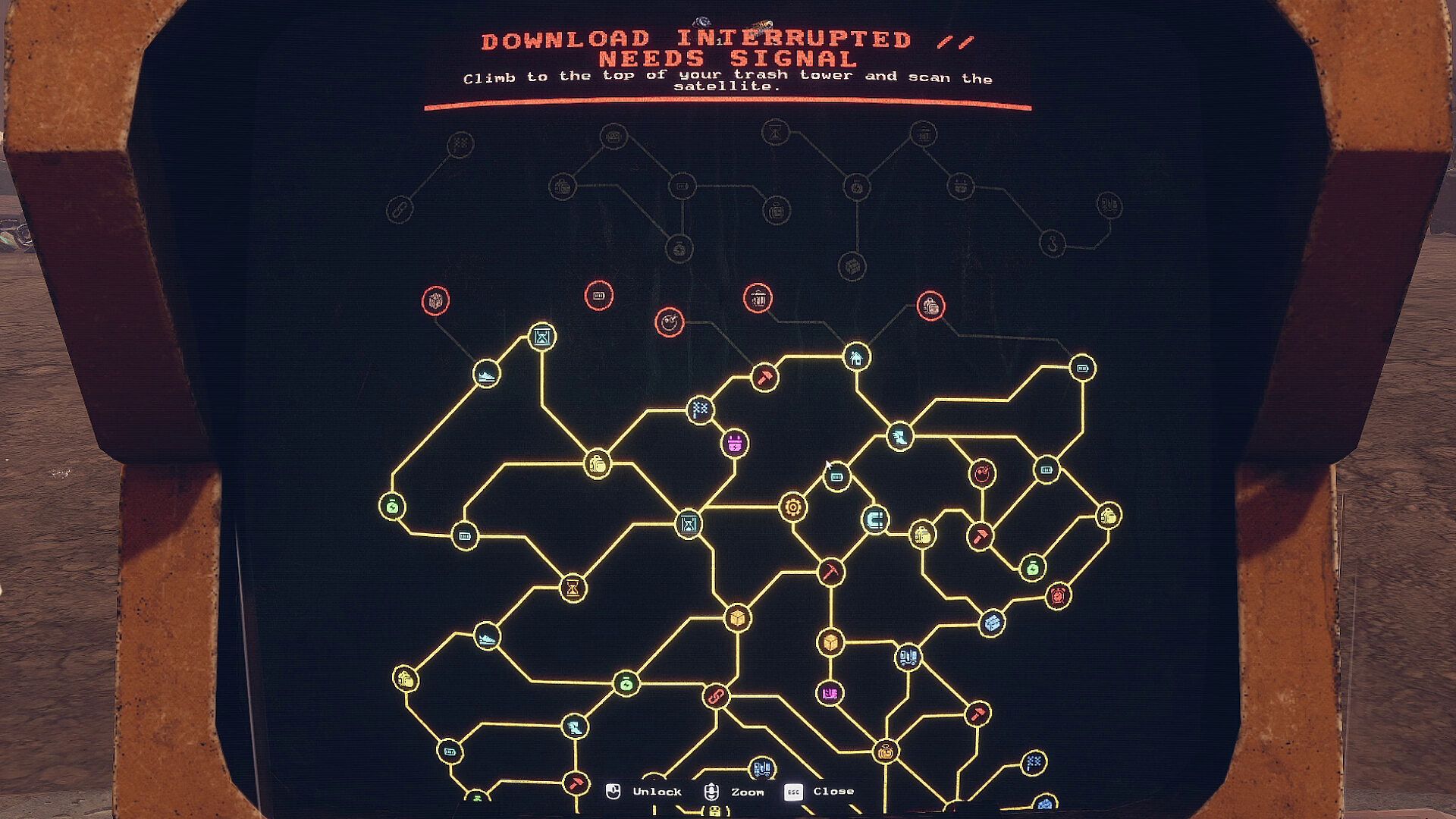
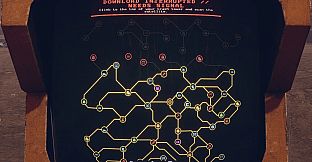
More than 100 upgrades become available as the tower rises and resources accumulate. These improvements cover a range of systems, including increased carry capacity for hauling larger loads of scrap and greater scrap strength for more efficient breaking. Later options introduce active abilities such as blasting waves of pure kinetic energy, operating a scrapyard heavy-duty magnet for bulk collection, and assembling teams of additional scrapping robot workers to handle parallel tasks.
Each upgrade integrates into the existing workflow, expanding what the robot can accomplish in a single session. Players discover and unlock these enhancements through continued play, with the tower height serving as the primary driver for new opportunities. The result is a steady expansion of capabilities without shifting away from the foundational physics and building elements.
Is It Worth Playing?
SCRAPSCRAP suits players who enjoy simulation titles built around incremental growth and physical interaction. The combination of smashing junk with realistic physics, converting it into stackable blocks, and layering upgrades creates a self-contained loop that rewards consistent effort. Those drawn to games where a single character manages expanding operations through repeated refinement will find the systems align closely with that preference. The absence of additional modes or external content keeps the focus narrow but complete within its described scope. Availability on PC supports direct access to the full set of mechanics without platform-specific limitations noted in the core design.