









Shady Contractor to strategiczna gra symulacyjna z elementami indie i casual, w której gracz prowadzi firmę budowlaną opartą na nie do końca legalnych praktykach i kreatywnym rozwiązywaniu problemów. Główna mechanika polega na przyjmowaniu zleceń, wznoszeniu konstrukcji z dostępnych materiałów i dostarczaniu efektów, które zadowolą klienta, niekoniecznie zgodnie z przepisami. Fizyka odgrywa tu kluczową rolę - bloki i elementy oddziałują na siebie w nieprzewidywalny sposób, a każdy projekt staje się balansowaniem między stabilnością a improwizacją.
Rozgrywka
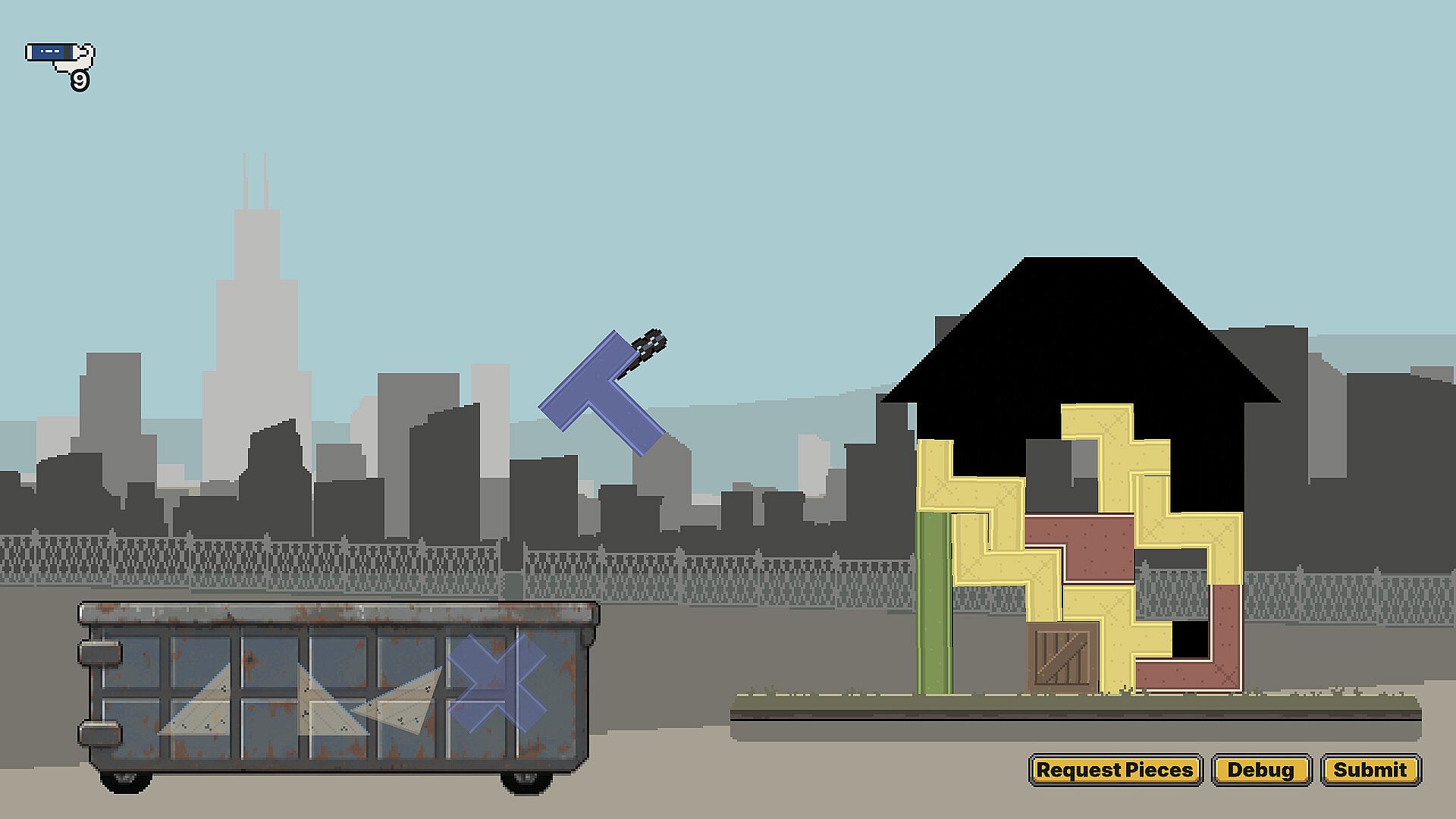
Gracz zaczyna od niewielkich zleceń mieszkaniowych, a wraz ze wzrostem reputacji otrzymuje coraz większe i bardziej wymagające zadania. Budowanie opiera się na układaniu nieregularnych kształtów i przedmiotów znalezionych na złomie, gdzie o powodzeniu decydują grawitacja i stabilność konstrukcji. Materiały często przypominają przypadkowe śmieci, które trzeba ułożyć tak, by powstała z nich rozpoznawalna budowla - stąd zachęta do eksperymentowania z kątami i podporami zamiast trzymania się sztywnych planów.
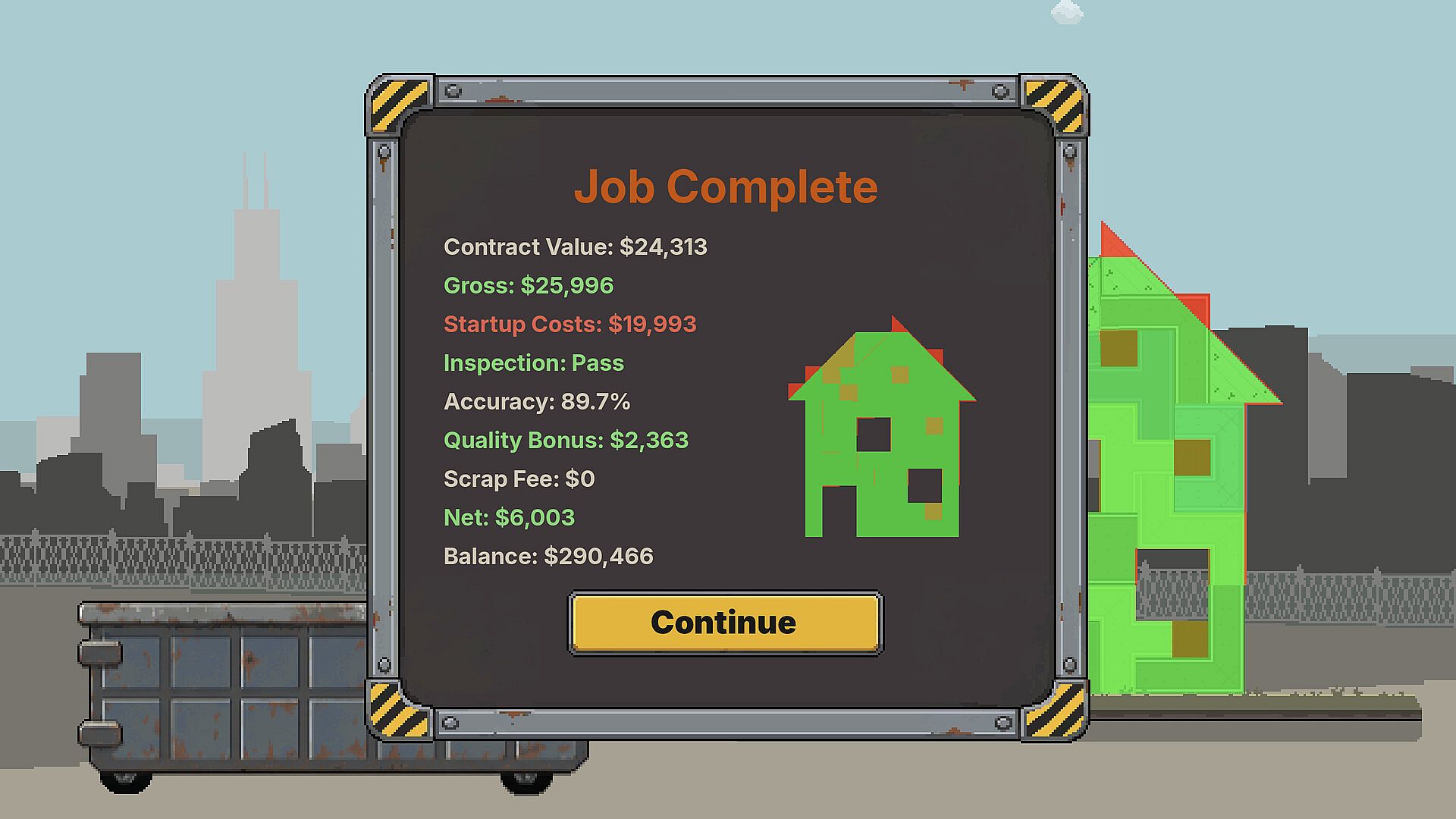
Każde zlecenie ma określone cele, ale sposób ich realizacji pozostawia sporo swobody. Na wysokość wypłaty wpływają szybkość i dokładność, a trafny dobór kontraktów pozwala rozwijać firmę w dłuższym okresie. Wraz z postępem odblokowywane są nowe schematy, wprowadzające inne wyzwania i możliwości kreatywnego układania elementów.
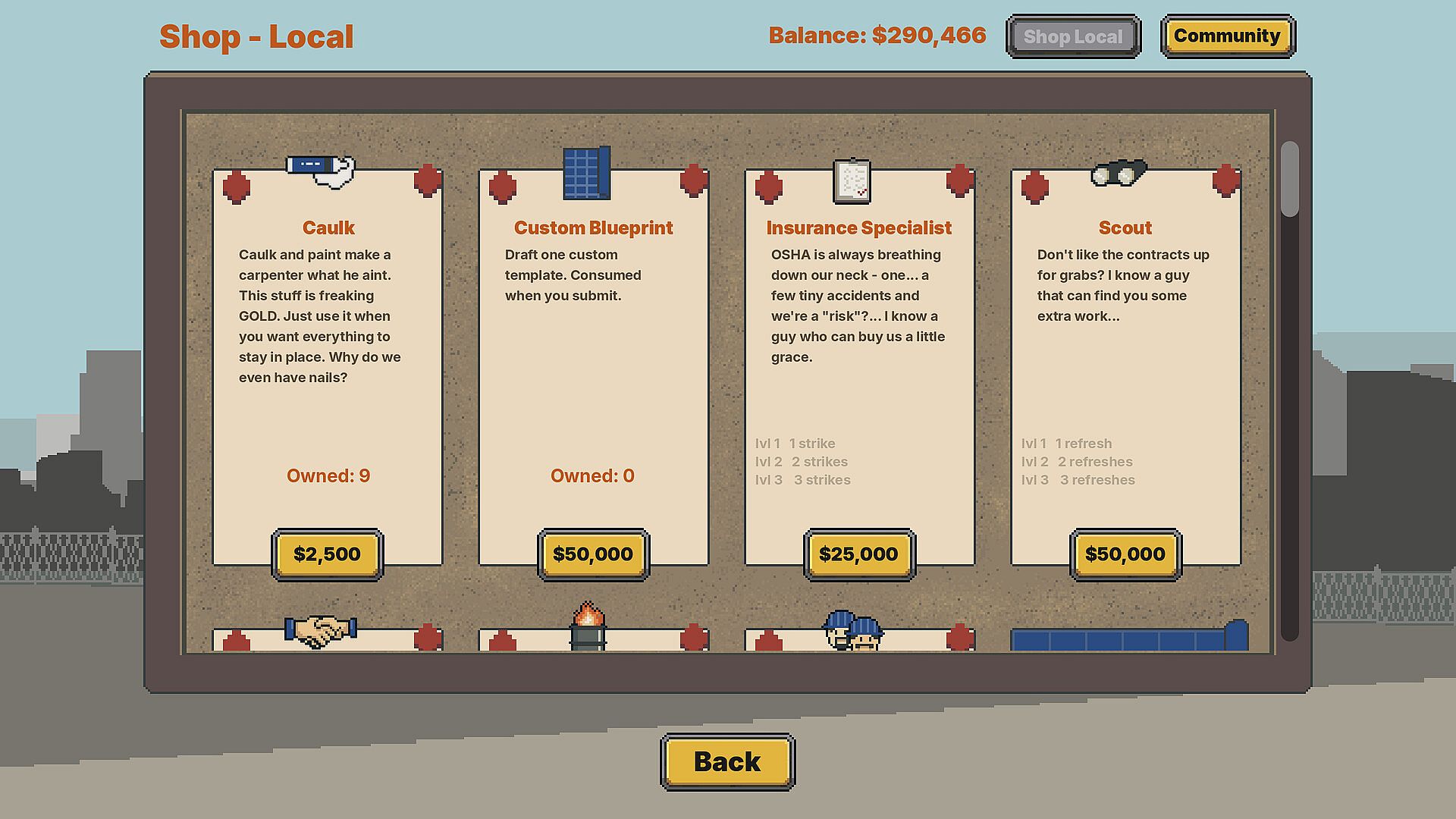
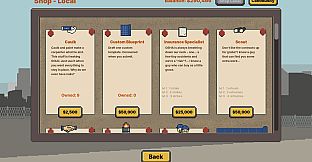
Pracownicy dodają kolejną warstwę strategii, oferując specjalistyczne wsparcie. Mogą negocjować lepsze warunki umów, zajmować się sprzątaniem po nietypowych budowach lub znajdować lepiej płatne zlecenia. Ulepszanie zespołu zwiększa efektywność i otwiera nowe sposoby zarządzania pracą bez konieczności nadzorowania każdego szczegółu.
Tryby gry
Podstawowym trybem jest Kariera, w której rozgrywka koncentruje się na serii kontraktów i stopniowym rozwoju firmy. Postęp polega na wykonywaniu zleceń, zarabianiu pieniędzy, odblokowywaniu nowych opcji i budowaniu reputacji poprzez konsekwentne dostarczanie wyników. Tryb ten kładzie nacisk na długoterminowe decyzje - gracz musi balansować między natychmiastowym zyskiem a inwestycjami w załogę i możliwości.
W ramach Kariery poszczególne zlecenia różnią się skalą i stopniem trudności - od prostych po rozbudowane konstrukcje wymagające precyzyjnego układania pod większą presją. Tryb umożliwia wielokrotne podejście do tych samych zadań, a wynik zależy od składu ekipy i wyboru materiałów.
Rozwój firmy i zarządzanie załogą
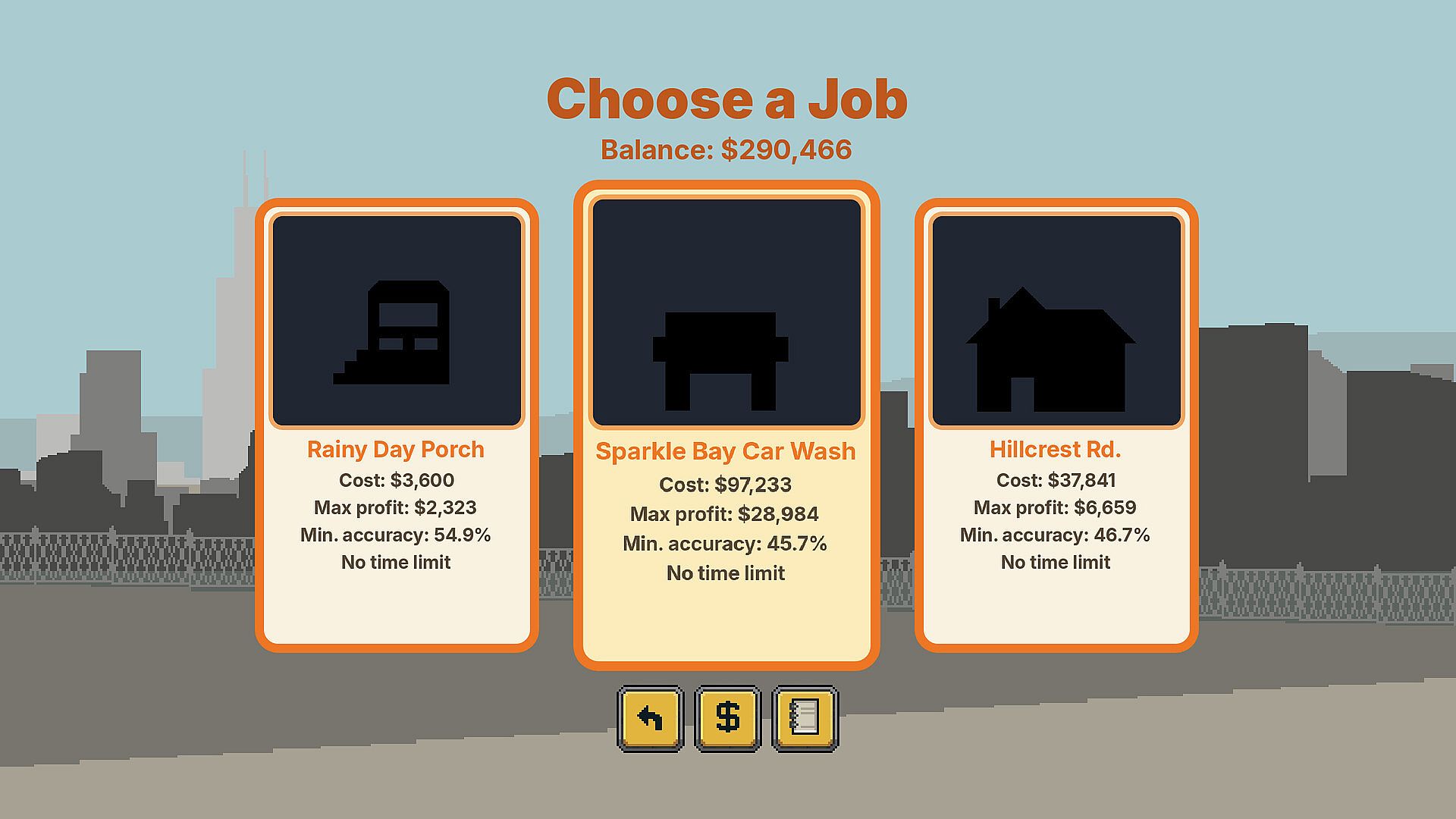
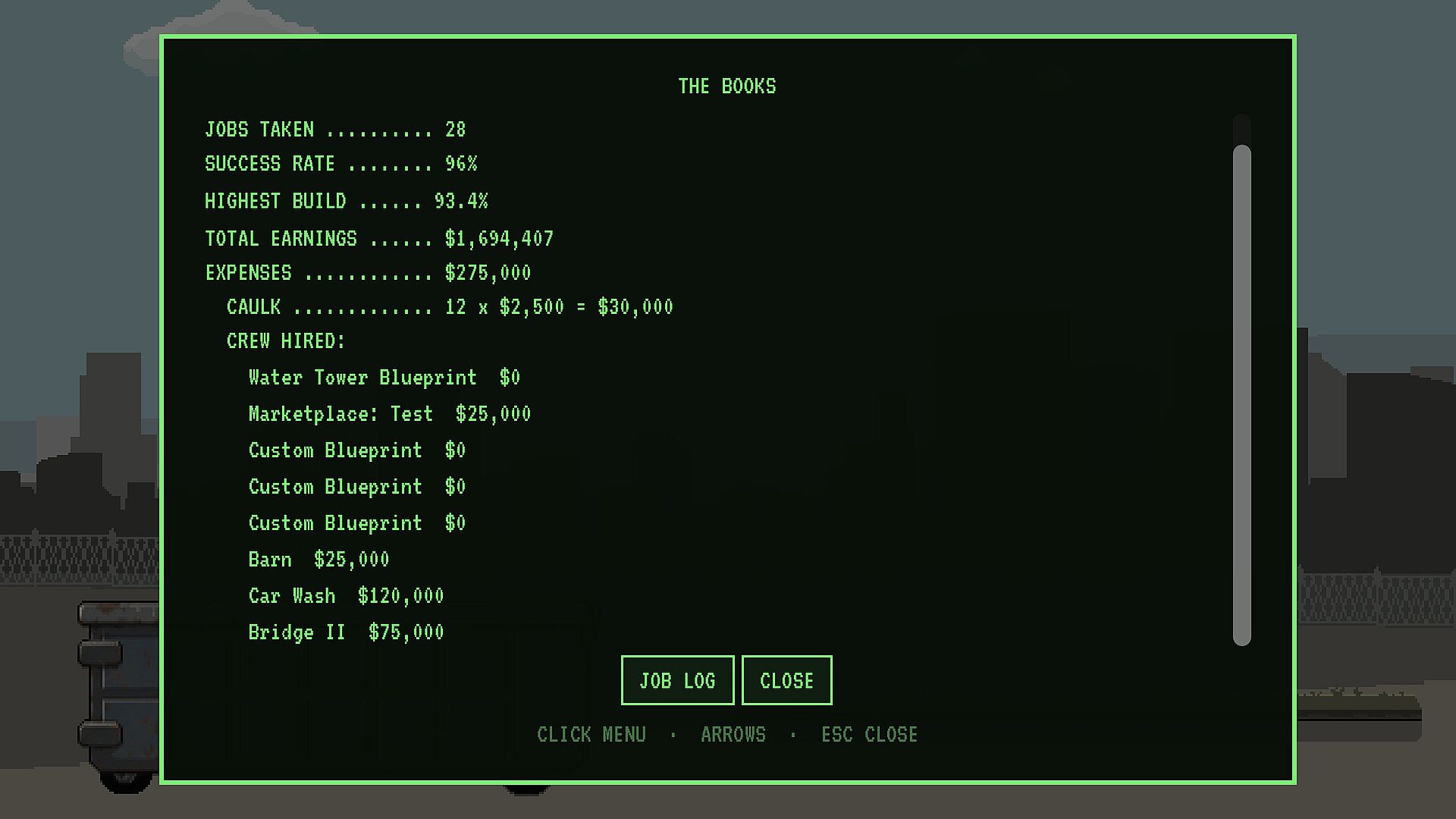
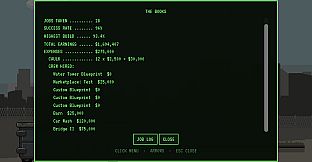
Reputacja jest głównym czynnikiem awansu - otwiera dostęp do bardziej wymagających projektów i lepszych zasobów. Zarobki ze zrealizowanych kontraktów finansują te rozszerzenia, tworząc cykl, w którym udane budowy prowadzą do większych możliwości. Wybór, które zlecenia realizować, bezpośrednio wpływa na tempo rozwoju i rodzaj wyzwań pojawiających się później.
Rekrutacja pracowników skupia się na umiejętnościach wspierających budowę opartą na fizyce. Specjalistyczni członkowie zajmują się m.in. wyszukiwaniem zleceń czy poprawkami po zakończeniu prac, zmniejszając ryzyko nieudanego dostarczenia. Ulepszanie ich kompetencji wzmacnia ich wkład, pozwalając skalować działalność bez proporcjonalnego zwiększania osobistego zaangażowania w każdy szczegół.
Czy warto zagrać?
Shady Contractor przypadnie do gustu graczom, którzy lubią symulacje oparte na fizyce, połączone z lekkimi elementami strategii i humorystycznym spojrzeniem na zarządzanie firmą. Nacisk na chaotyczne układanie elementów i elastyczną interpretację umów tworzy angażującą rozgrywkę dla osób ceniących eksperymentowanie z niestabilnymi konstrukcjami bardziej niż ścisłe trzymanie się reguł. Tryb Kariery zapewnia wyraźny postęp bez nadmiernej złożoności, co sprawia, że gra nadaje się zarówno do krótkich, jak i dłuższych sesji.
Tytuł jest skierowany do fanów niezależnych symulacji, w których liczy się kreatywne rozwiązywanie problemów, a nie dopracowany realizm. Skupienie na trybie jednoosobowym pozwala w pełni skoncentrować się na budowie i decyzjach biznesowych, bez elementów wieloosobowych komplikujących rozgrywkę. Aktualizacje stale udoskonalają mechaniki, takie jak wspomaganie przyciągania elementów, zachowując jednocześnie nieprzewidywalność stanowiącą o charakterze gry.
Ogólnie Shady Contractor oferuje nietypowe podejście do budowania, skierowane do osób szukających luźnej strategii z nutą nielegalności. Dla tych, którzy cenią projekty o średniej długości i satysfakcję z działania wątpliwych rozwiązań inżynieryjnych, kontraktowa struktura gry zapewnia sporo możliwości do eksploracji.











