


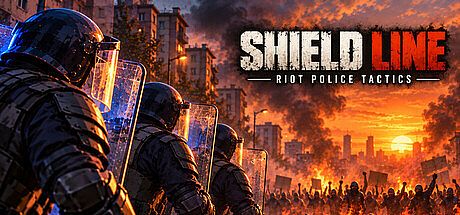


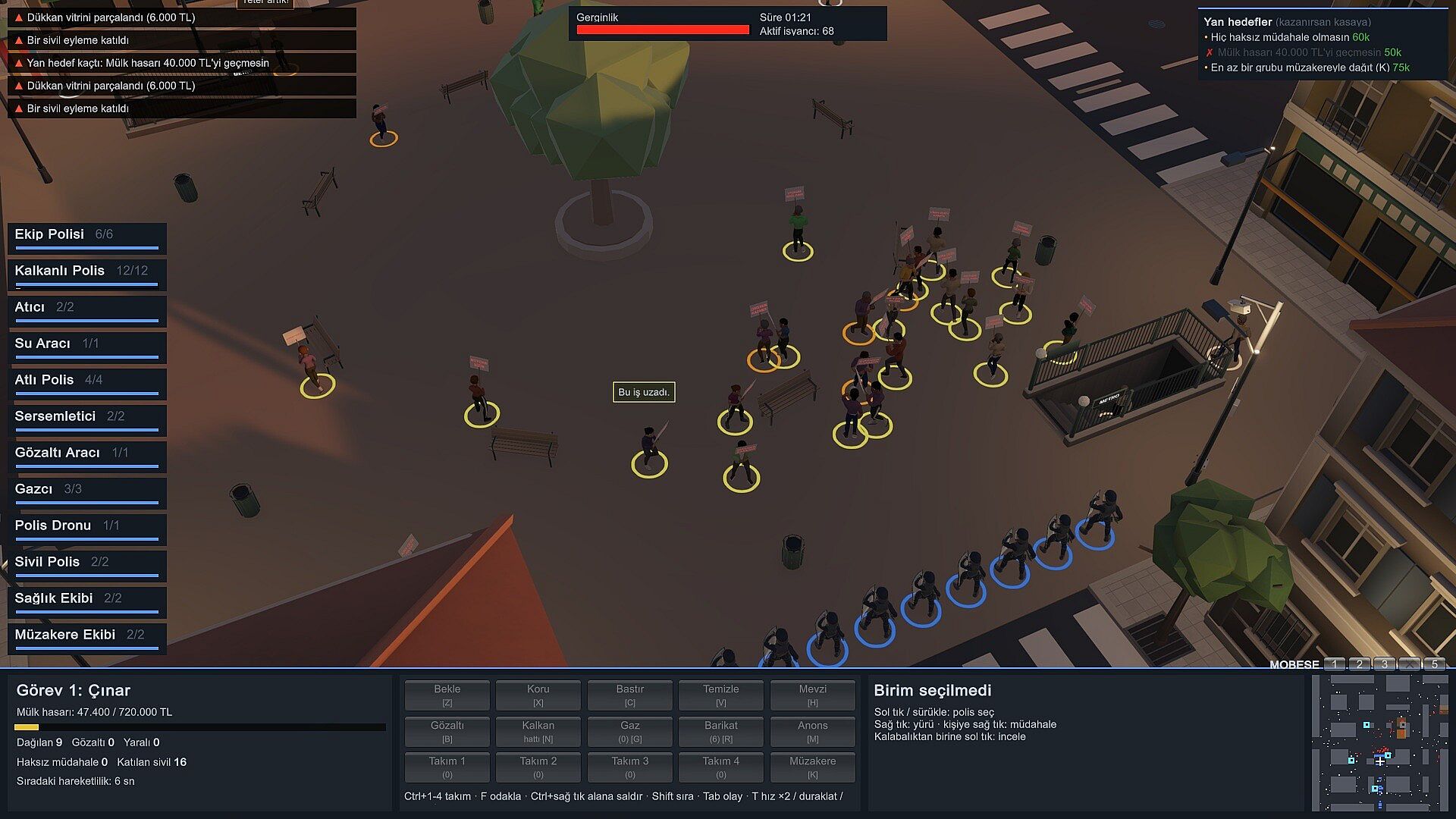
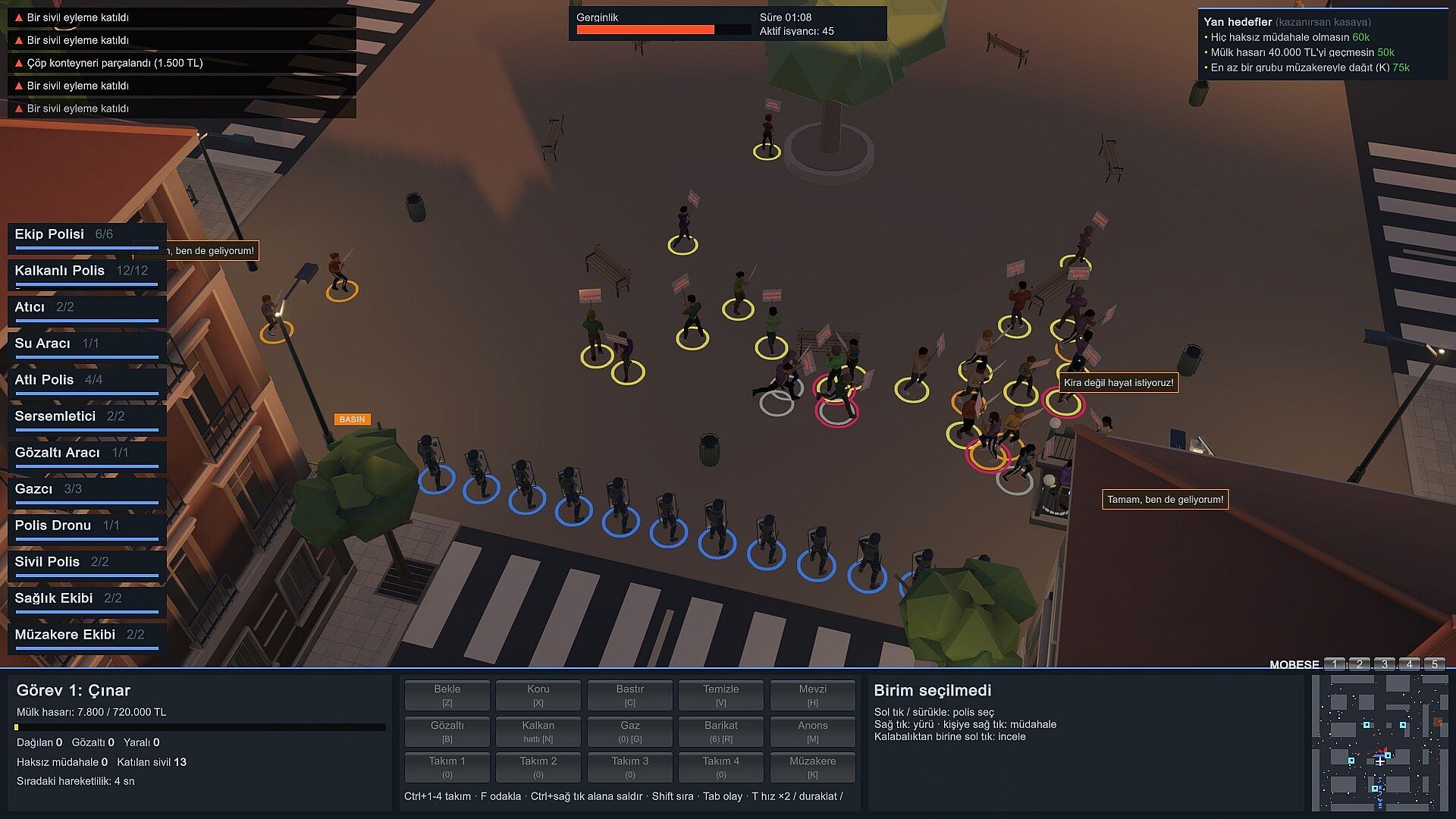
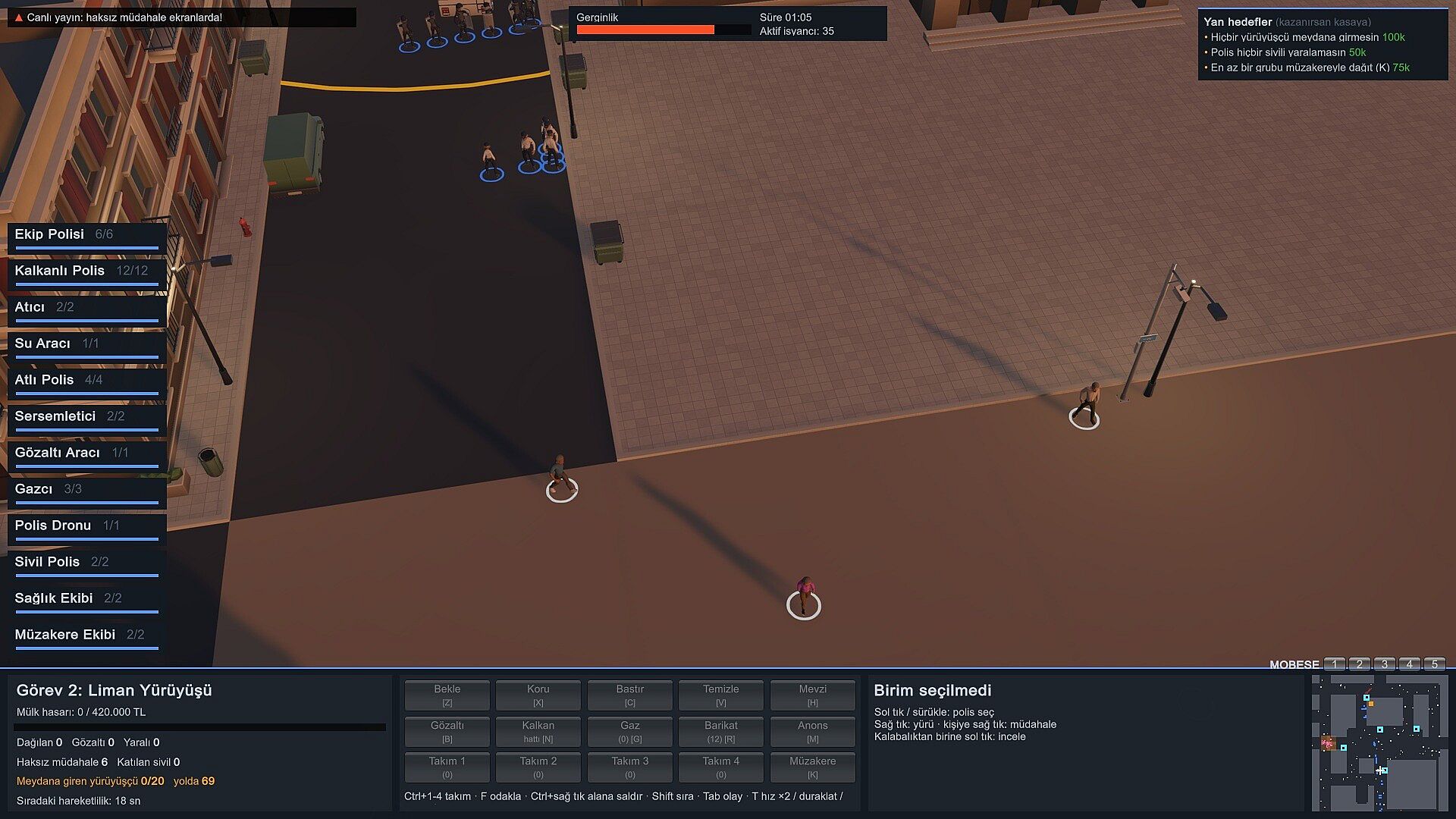
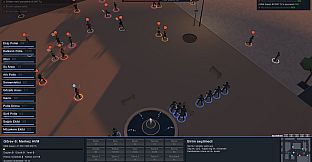
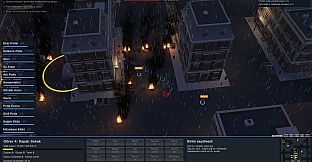
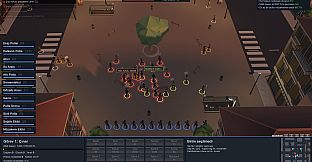
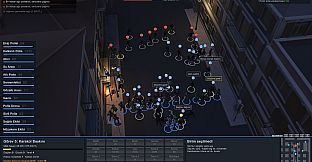
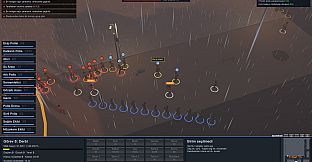
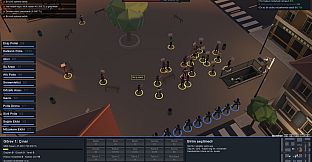
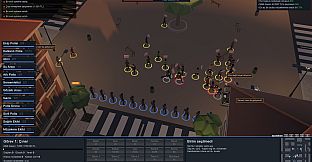
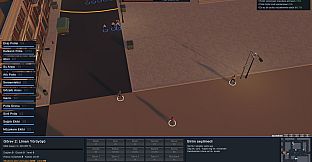
Shield Line: Riot Police Tactics is a real-time tactics game in which players command a riot police unit tasked with maintaining order across an urban environment. The title blends action, strategy, indie, and simulation elements on PC, placing emphasis on decision-making during crowd control operations that range from orderly demonstrations to chaotic post-event disturbances.
Gameplay
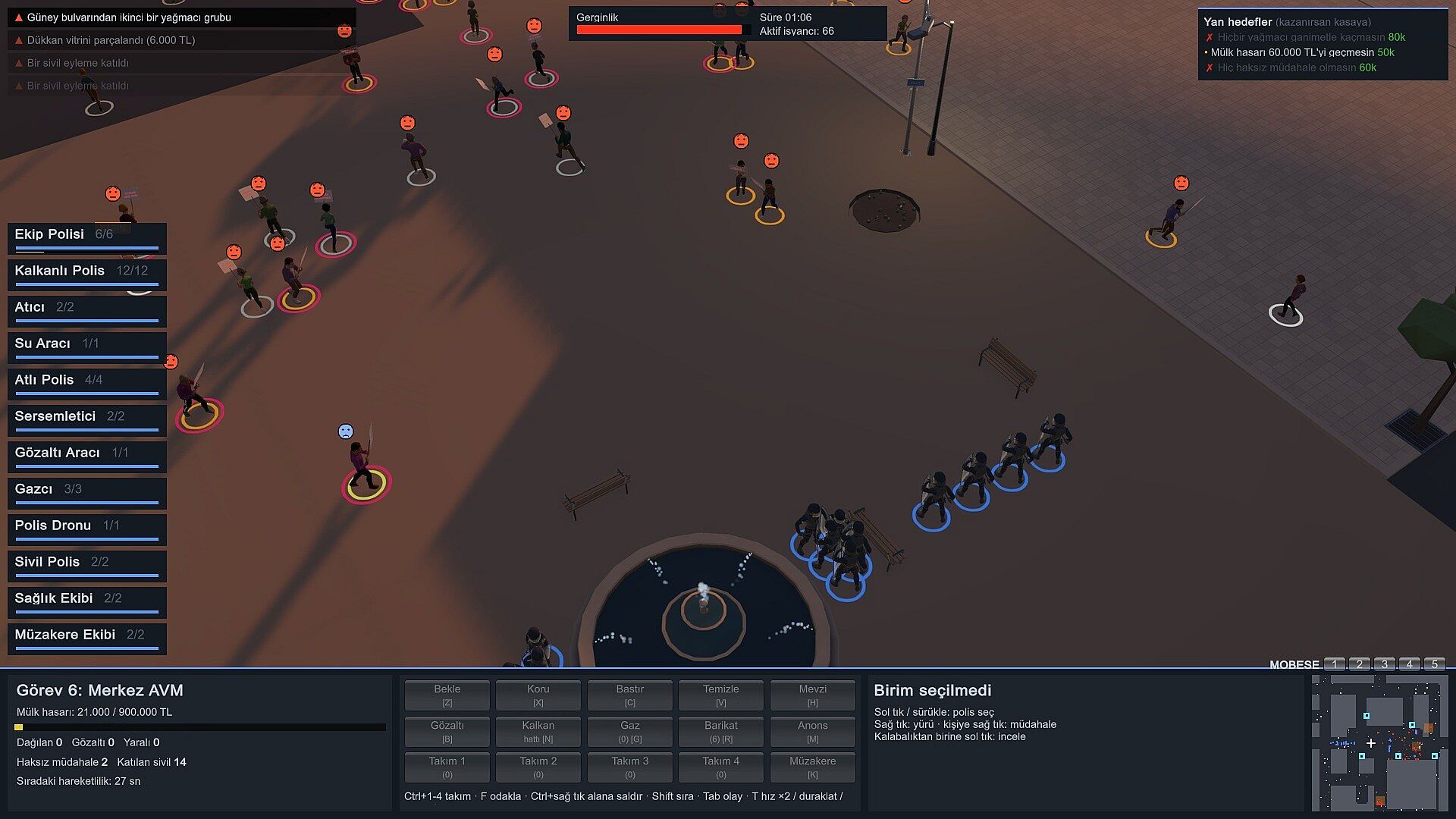
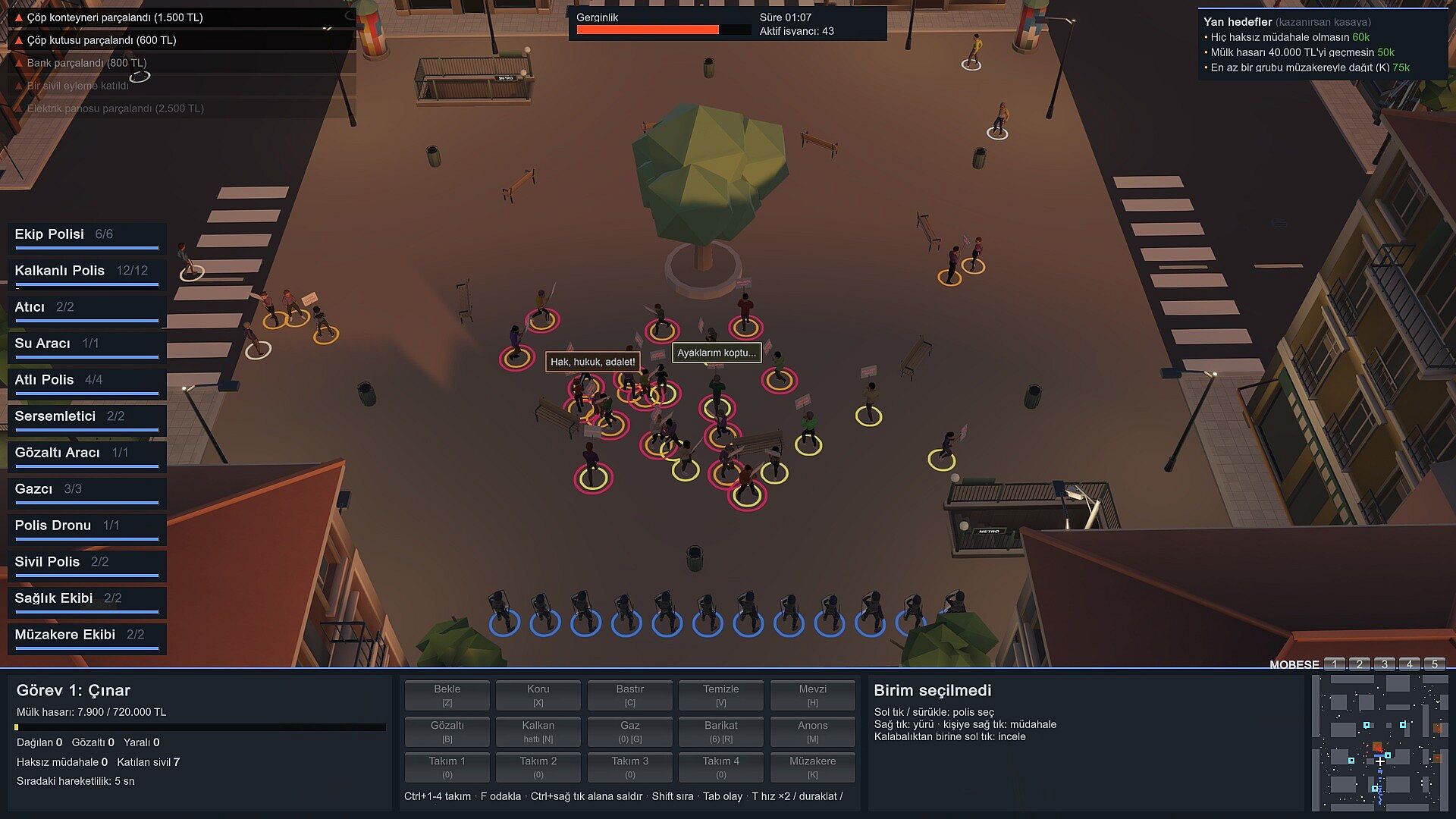
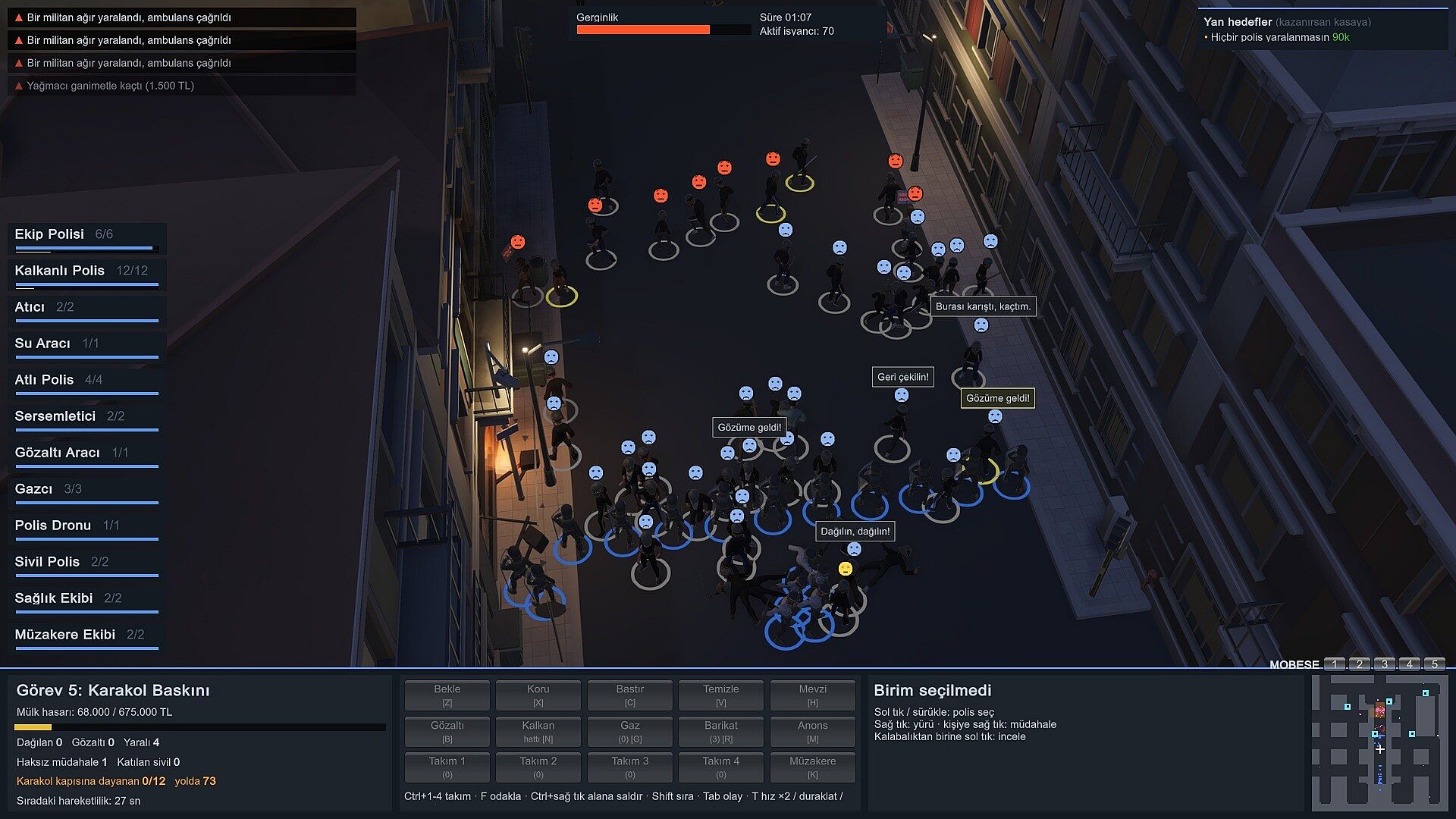
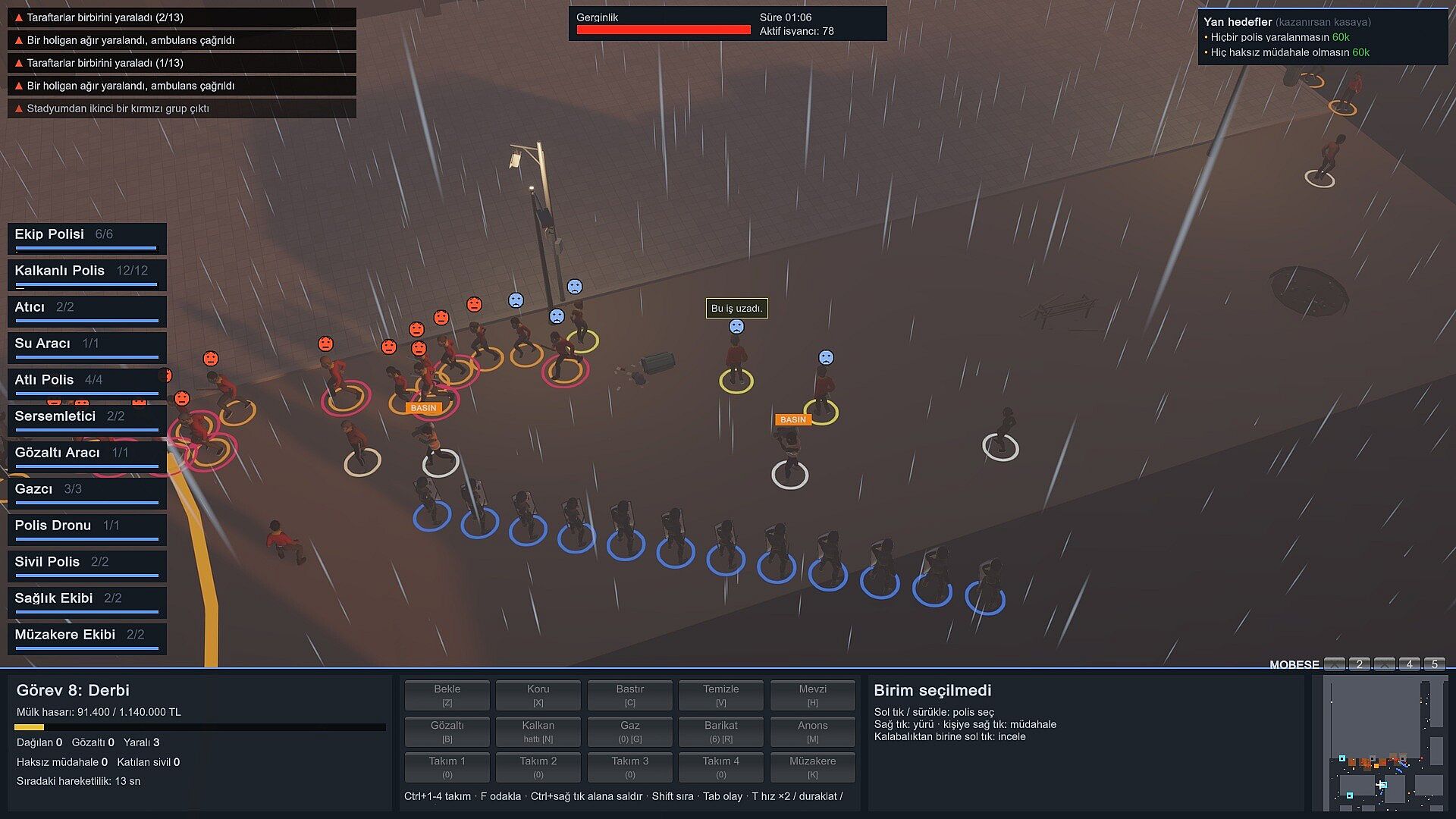
Players direct officers through a series of missions set in different city districts. Each protester operates with individual levels of anger, fear, and patience, leading to varied behaviors among peaceful marchers, ringleaders, militants, hooligans, and looters. Force applied too aggressively can escalate tensions and swell the crowd, while timely announcements or negotiations may resolve situations without violence.
Crowds reach sizes of 250 to 300 individuals per mission. Panic can spread rapidly, and narrow streets risk becoming dangerous crushes. Officers form shield lines, protective rings, and evacuation corridors at flexible angles that adapt to terrain. Front ranks rotate out when fatigued, allowing second ranks to step forward and maintain the formation.
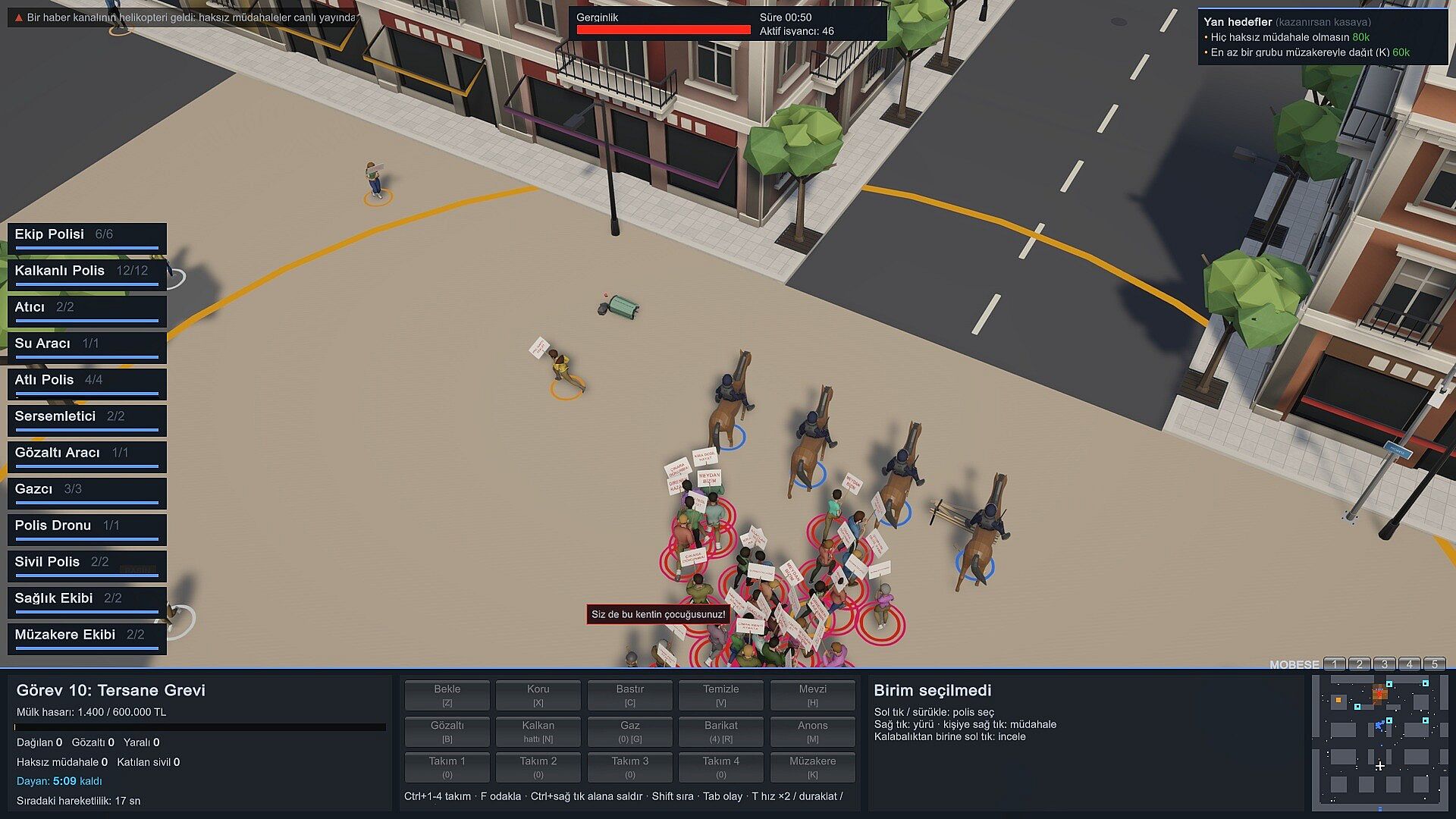
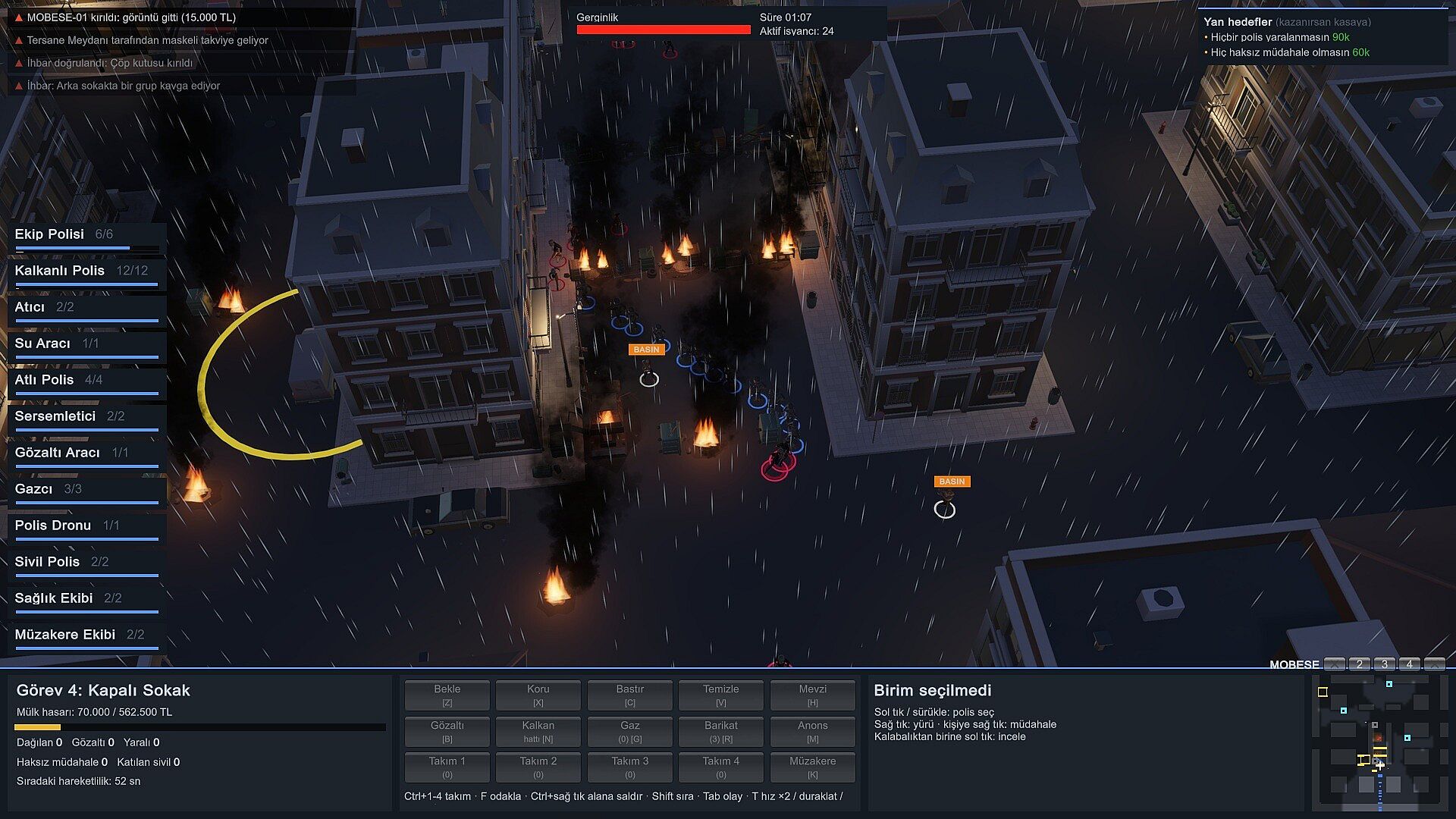
Twelve unit types support operations, including shield officers, patrol officers, gas grenadiers, water cannon crews, mounted police, flash-bang teams, undercover officers, medics, negotiators, police drones, and prisoner vans. Visibility remains limited by fog of war, with incidents reported through emergency calls that may or may not prove accurate. CCTV and drone feeds provide additional reconnaissance. Environmental factors such as night conditions, rain, and fog alter visibility, affect tear gas and fire behavior, and influence crowd mood.
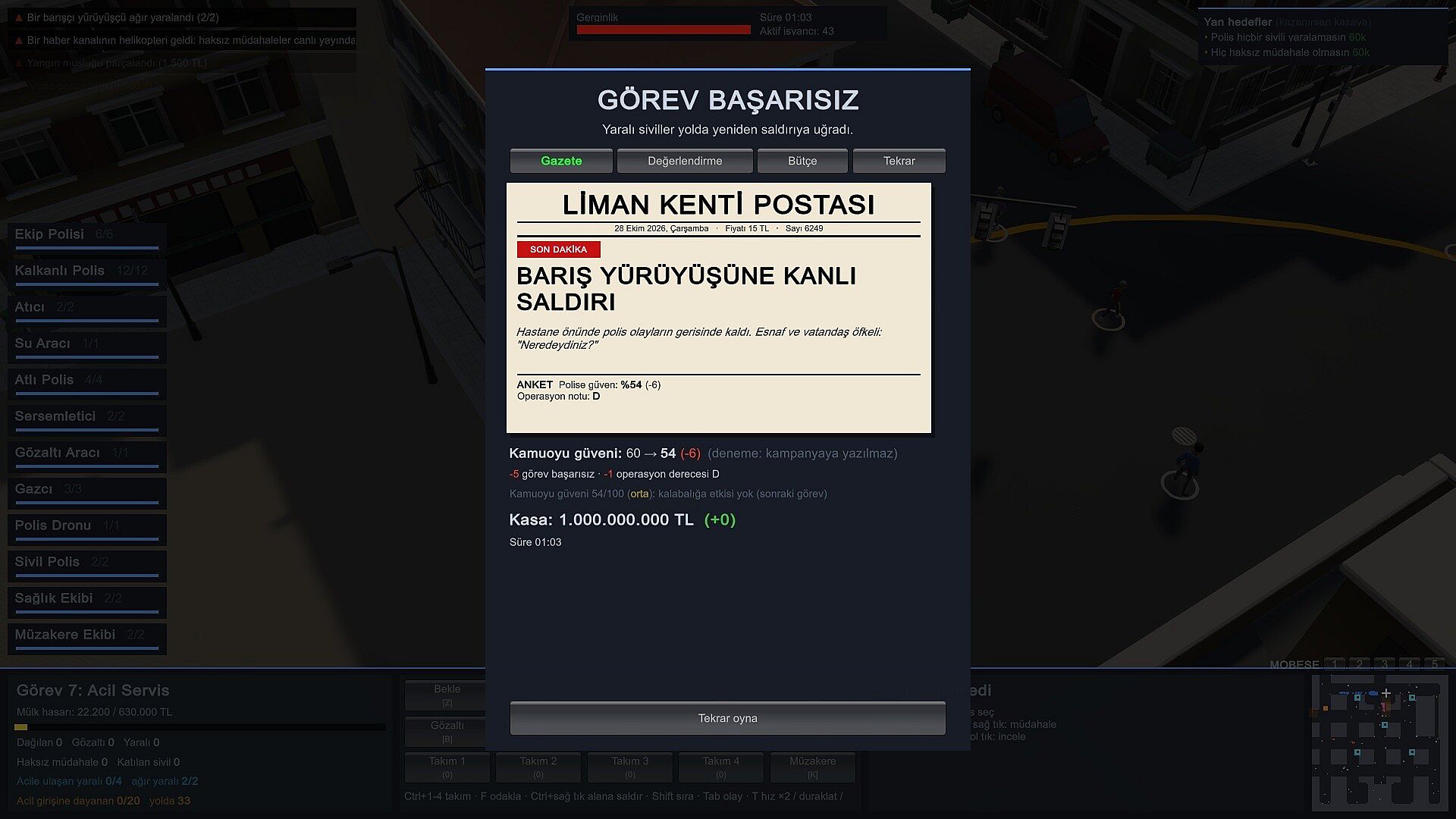
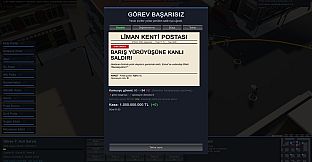
Public opinion shifts based on press coverage of each intervention. Missions conclude with newspaper headlines that reflect outcomes and alter public trust. The crowd itself retains memory of prior events, which can influence future encounters.
Game Modes
The core experience centers on a campaign structure where funds carry over between missions. Players allocate resources toward specialist units and equipment upgrades while making detention and intelligence decisions. Poor performance increases difficulty for subsequent missions.
Replayability stems from randomized waves, weather variations, and surprise events that differ with each playthrough. A mission editor allows creation of custom scenarios, extending the strategic options beyond the main campaign.
Core Mechanics and Systems
Command relies on positioning units effectively within the environment rather than direct control of every individual. Terrain influences line formations, and fatigue management requires rotating personnel during prolonged engagements. Intelligence gathering through drones and cameras helps counter the limited line of sight, while false calls test the ability to prioritize threats accurately.
Resource management ties directly to mission success. Budget constraints force choices between immediate response tools and long-term upgrades. Detention outcomes affect both immediate crowd control and future public perception.
Is It Worth Playing?
Shield Line: Riot Police Tactics suits players interested in real-time tactics that reward careful planning and adaptive responses over fast reflexes. The simulation of individual crowd member behaviors and the consequences of force escalation create a distinct strategic layer. Those who enjoy managing limited resources across linked missions and experimenting with unit compositions will find depth in the campaign progression and custom scenario tools. The emphasis on non-violent resolution options alongside tactical formations offers variety for players who prefer thoughtful approaches to conflict management in a simulation setting.












