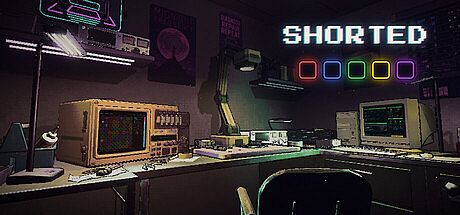


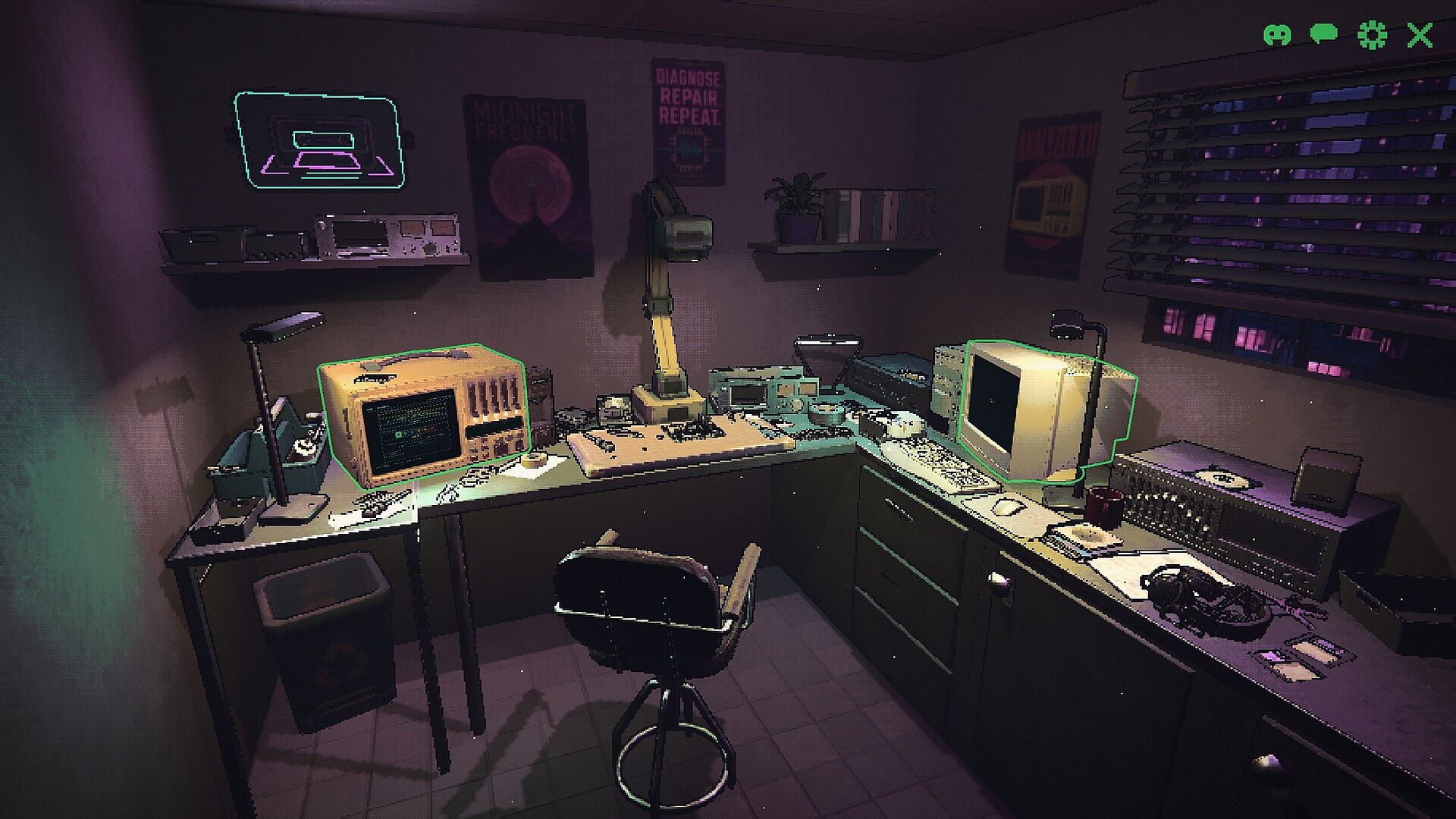
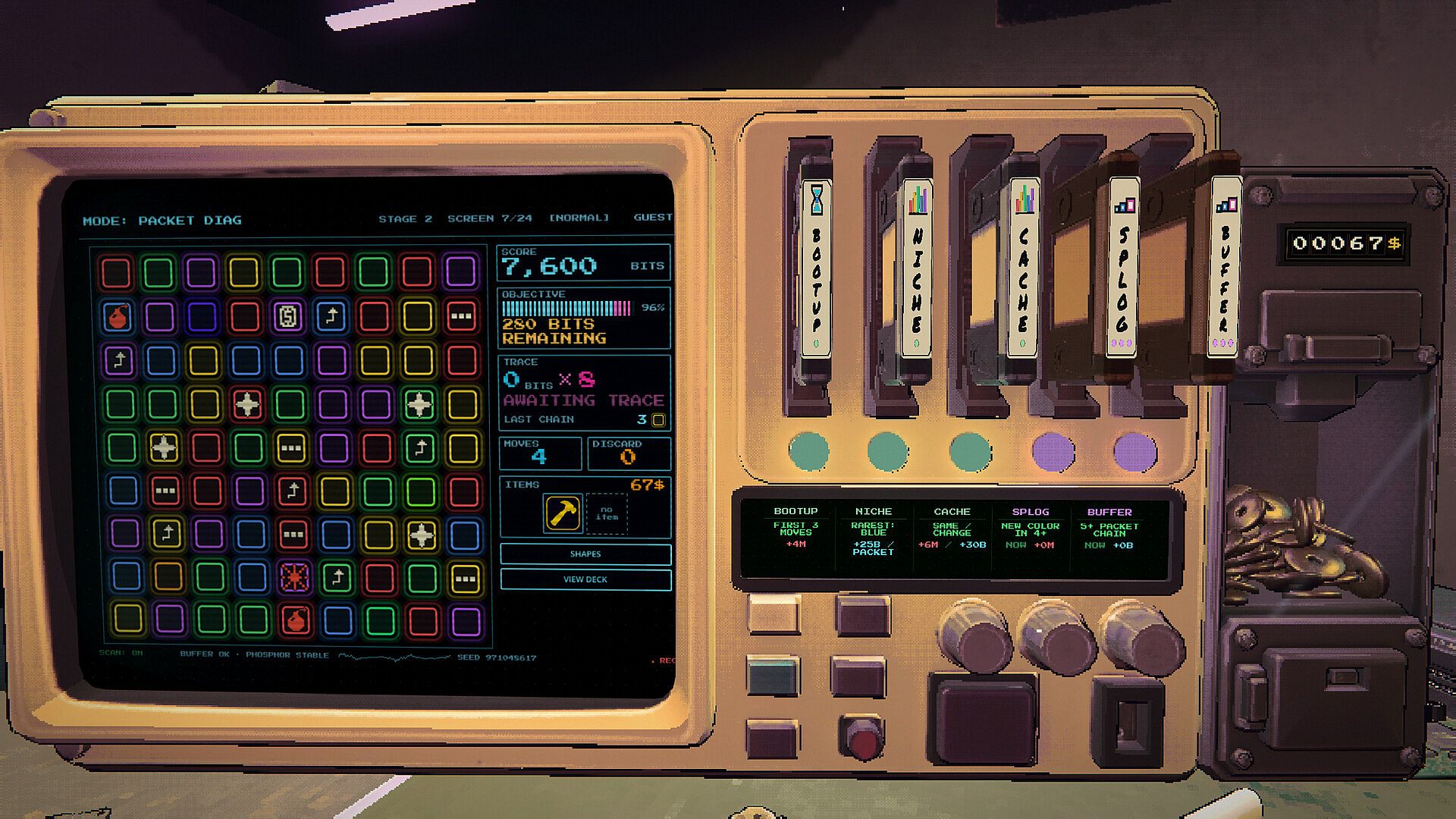
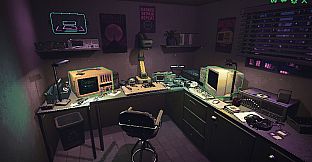
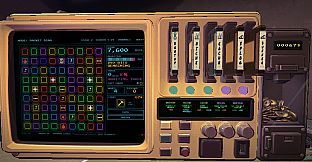
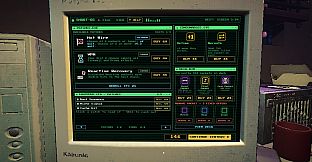
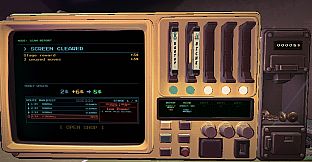
Shorted is a strategy indie game for PC that blends puzzle mechanics with roguelike deckbuilding. Players arrange cards on a grid to form scoring combinations while adapting their deck and layout over multiple runs. The core loop centers on placing Packets onto a 9x9 board, tracing matching colors for points, and then rebuilding the deck that repopulates the grid for the next turn.
Gameplay
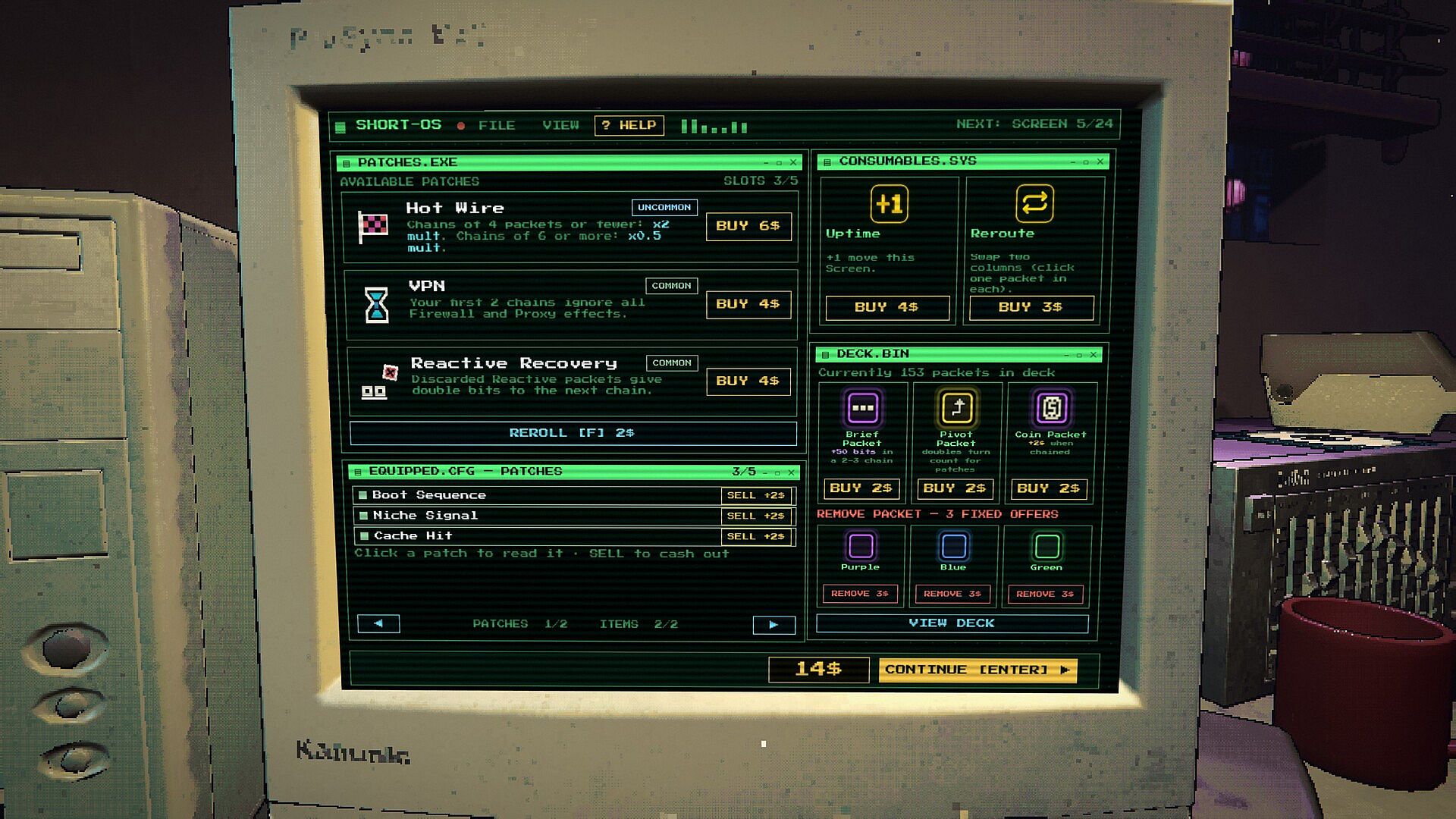
The central system involves dealing cards directly onto the grid rather than into a hand. Same-color Packets connect to create scores, after which the player reshapes the remaining deck to influence future boards. This creates a feedback loop where each decision affects both immediate points and long-term board state. Up to five Patches can be installed to modify how Packets behave or score, and their placement order matters because it determines the sequence of effects during play.
Deck tuning forms another key layer. Players adjust the mix of Packet types before each run to favor certain connections or scoring patterns. Different combinations alter optimal moves on the same grid layout, encouraging experimentation across attempts. The process rewards careful reading of board states and foresight in how modifications will interact with incoming cards.
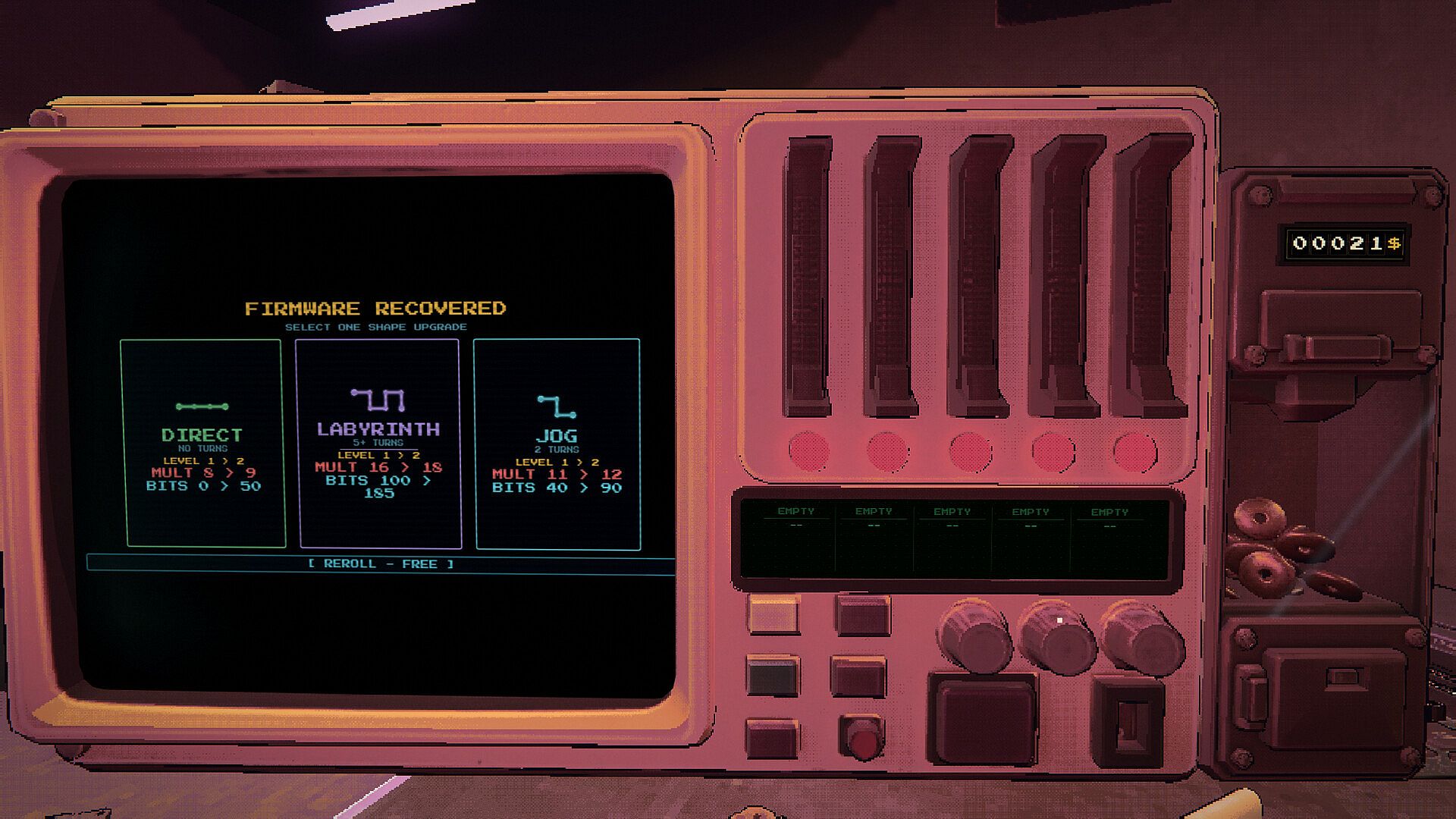
Progression ties into upgrades called Firmware. After clearing a stage, one scoring shape receives an enhancement that carries forward. This system lets builds evolve gradually while introducing new variables through rule-bending elements at stage ends.
Game Modes
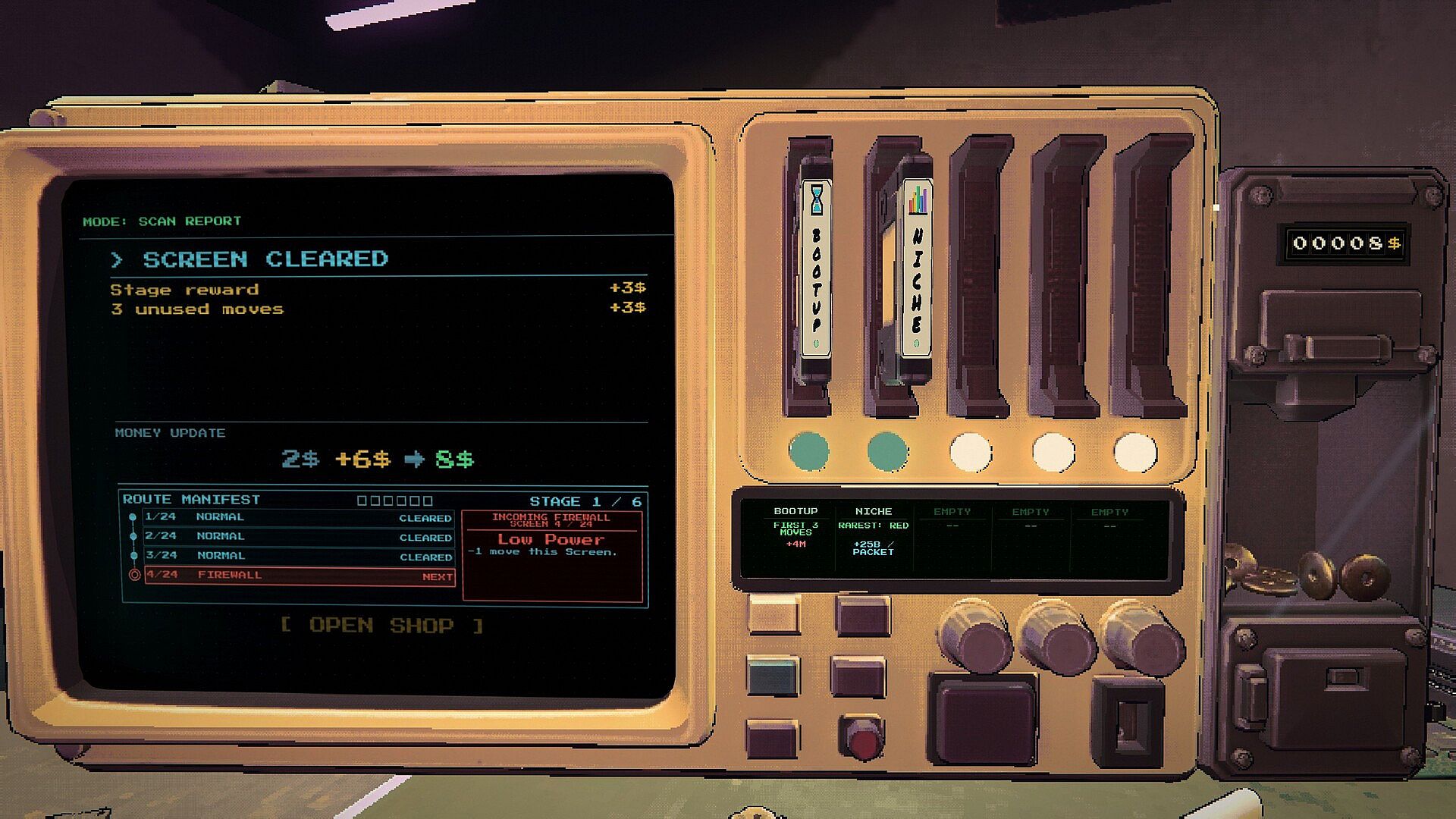
The main structure consists of six stages, each concluding with a Firewall encounter. These encounters introduce Corrupted Packets that alter standard rules and force adaptation. Clearing a Firewall allows a Firmware upgrade before moving to the next stage. Completing all six unlocks the subsequent difficulty tier.
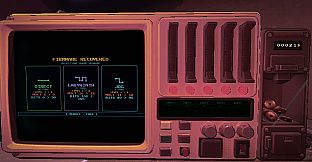
Difficulty tiers range from GUEST through to ZERO-DAY. Each tier increases challenge while preserving the same core systems, so players refine strategies across escalating runs. A winning build can continue into Endless mode, where the goal shifts to sustaining performance until the setup eventually fails under accumulating pressure.
These modes emphasize singleplayer progression over repeated attempts rather than competitive or cooperative play. The roguelike elements ensure each run presents fresh grid configurations and deck interactions even within the same tier.
Core Mechanics and Strategy
Packet tracing and grid reshaping form the tactical foundation. Players must balance immediate scoring opportunities against positioning for stronger future connections. Patches add customization that can amplify specific shapes or mitigate drawbacks, but their limited slots require prioritization based on the current deck composition.
The interplay between deck building and grid management distinguishes the experience. A strong deck may still underperform if Patches are poorly sequenced, while a weaker mix can succeed through precise arrangement. This depth suits players who enjoy iterative optimization in puzzle formats.
Firewall stages add variety by injecting Corrupted Packets that disrupt expected patterns. Overcoming them not only advances the run but also provides permanent upgrades, creating a sense of build evolution across the six-stage sequence.
Is It Worth Playing?
Shorted targets fans of strategy indie games who appreciate roguelike deckbuilders with a strong puzzle component. The grid-based card placement and deck reshaping offer a distinct loop compared to traditional card combat titles. Runs involve deliberate planning around board states and upgrade choices rather than fast reflexes.
Those who enjoy refining a build over multiple attempts will find value in the tiered progression and Endless option. The six-stage structure with rule-altering Firewalls provides clear milestones while keeping each play session focused on grid decisions and deck adjustments.
Availability on PC makes it accessible for players with modest hardware. The game suits solo sessions where experimentation with Packet mixes and Patch arrangements can occupy focused playtime without requiring online features or large communities.