

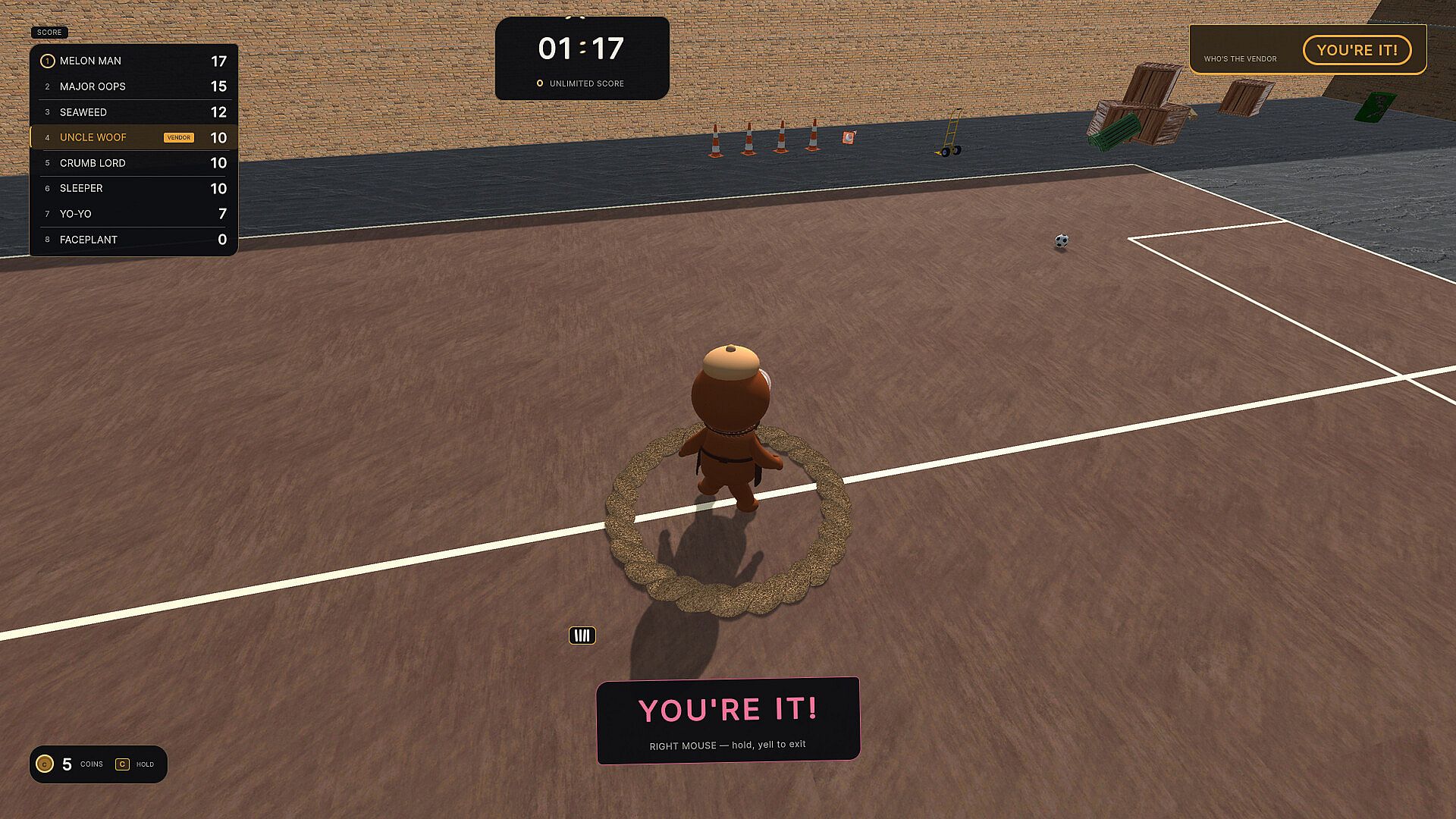
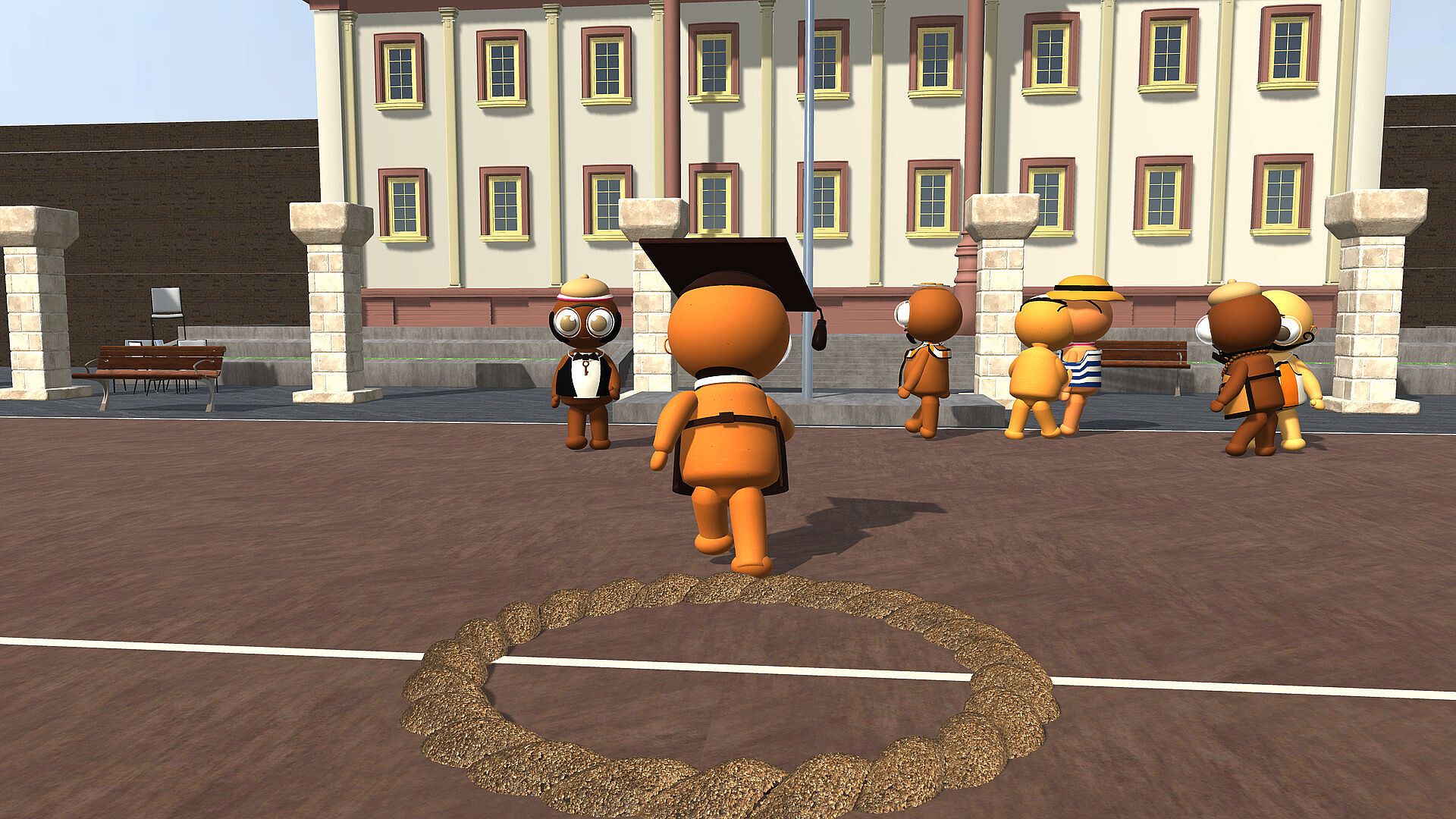
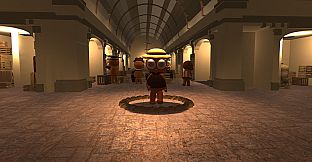
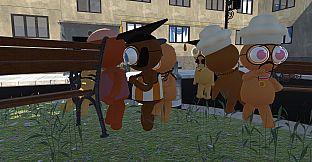
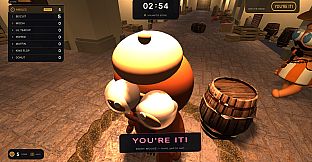
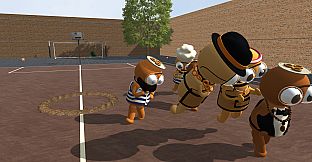
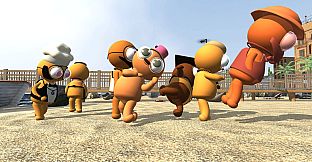
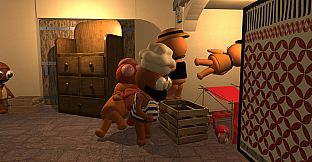
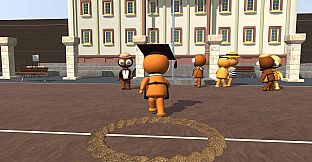
Simith is a physics-based party game that blends action and casual multiplayer elements into a chaotic online experience for up to eight players on PC. Players control small dough-like characters called Hamurcuk in matches centered around yelling, tagging, and evading pursuit inside themed environments. The core loop revolves around one player starting as the VENDOR trapped inside a giant sesame-bread ring, using sustained yelling to break free and tag others while managing limited breath.
Gameplay
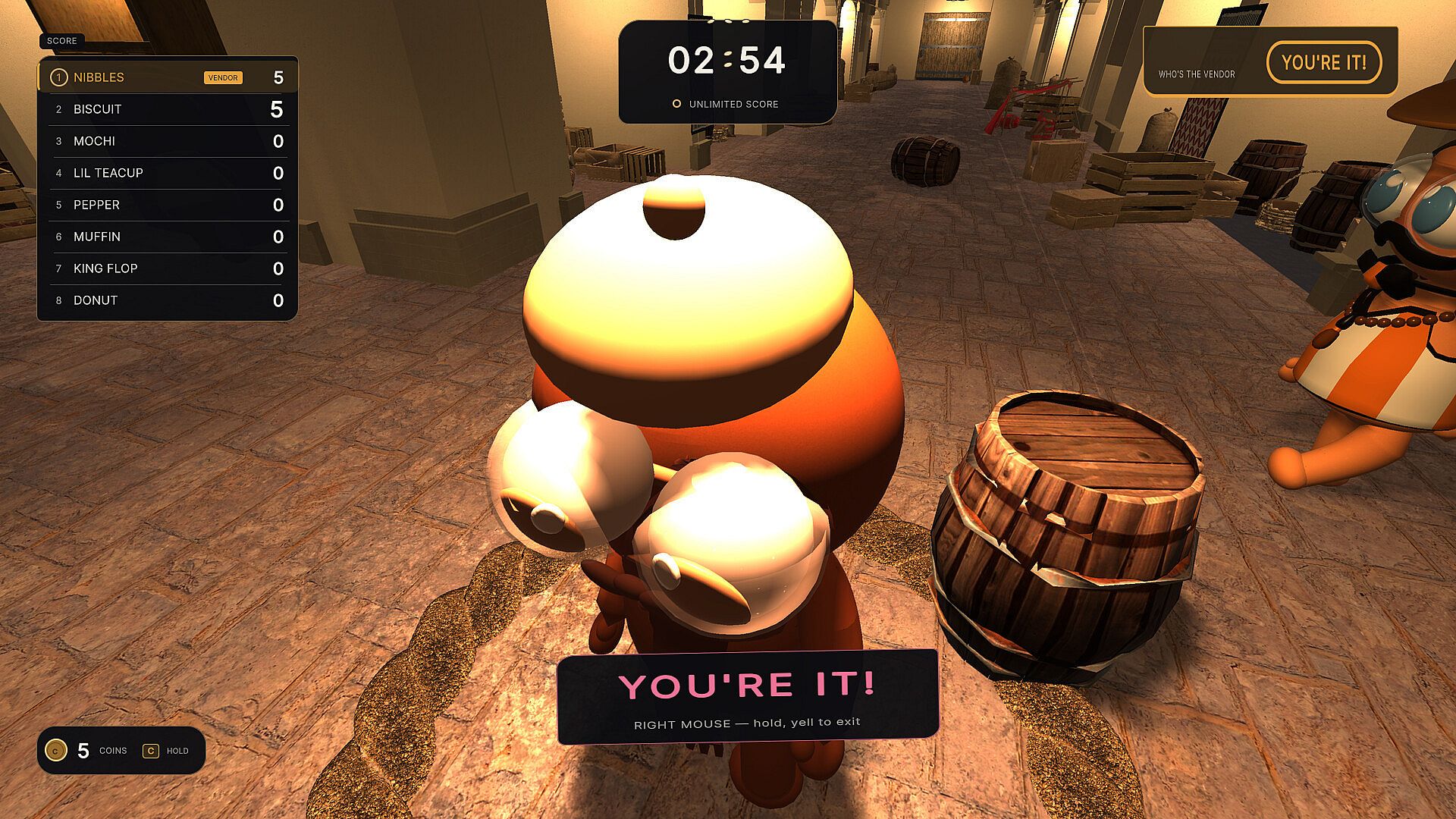
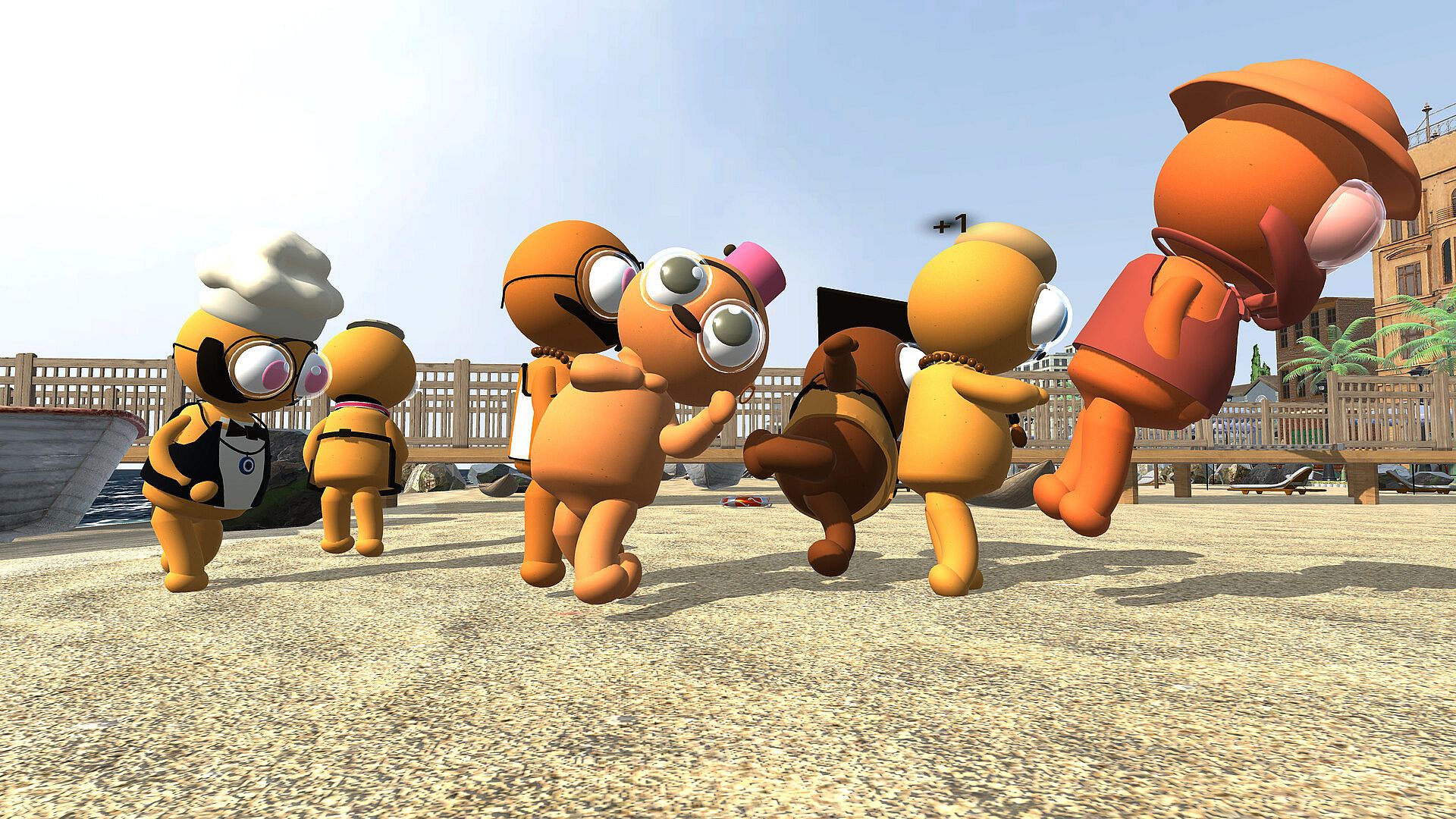
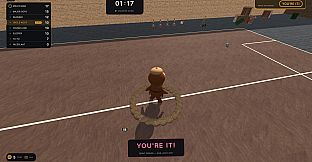
The central mechanic requires the VENDOR to hold a yell to exit the circle, which acts as a personal barrier. Yelling allows tagging opponents to pass the role, but it drains a visible breath meter that depletes faster during sprints. Once breath runs out outside the circle, the player loses the ability to tag and becomes vulnerable to attacks from the rest of the lobby. Hits send characters flying in ragdoll arcs across the map, with no health systems or permanent damage, only temporary dough dents that fade quickly.
Combat relies on melee options including punches, kicks, and jumping headbutts drawn from a large selection of animation styles. Players earn coins mid-match to purchase throwable items such as slippers, soda bottles, or a full simit tray from an in-game shop. These tools add layers of disruption without altering core balance. Proximity voice chat supports live interaction, and players can record custom yells that transmit between matches in private rooms. Bots with humorous names fill lobbies to maintain full matches even with fewer human participants.
Game Modes
Four distinct modes shape the experience. CLASSIC follows the standard vendor tag rules with breath management and group chases. TEAM divides players into two sides with separate circles, where tagging an opponent forces them to their own team's area. FLAG removes the vendor entirely and tasks players with grabbing and carrying a flag for points while yelling independently. KNIFE introduces a throwable toy saw that bounces harmlessly off a yelling vendor but slices other players in half, with dough bodies that reconnect automatically.
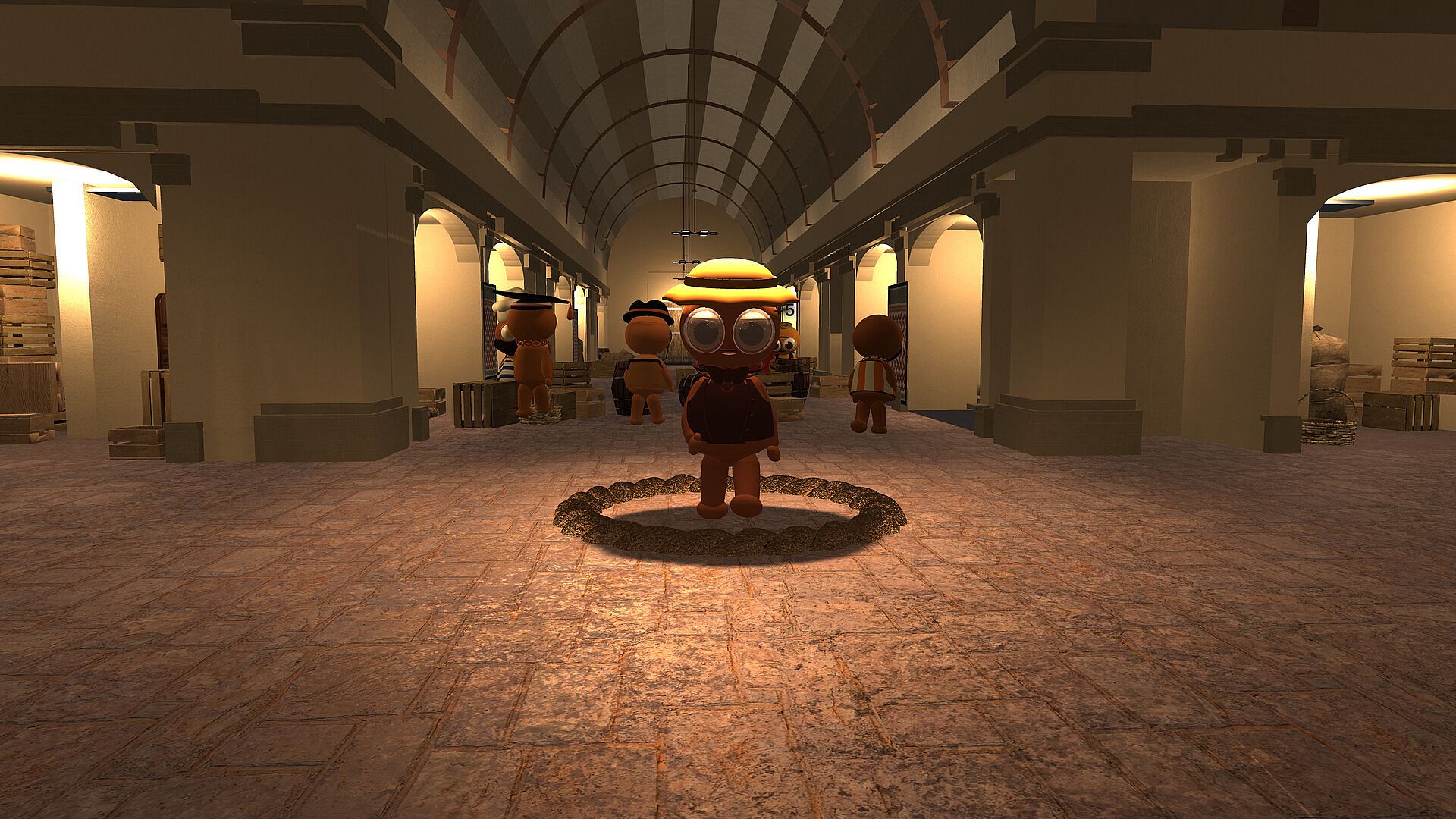
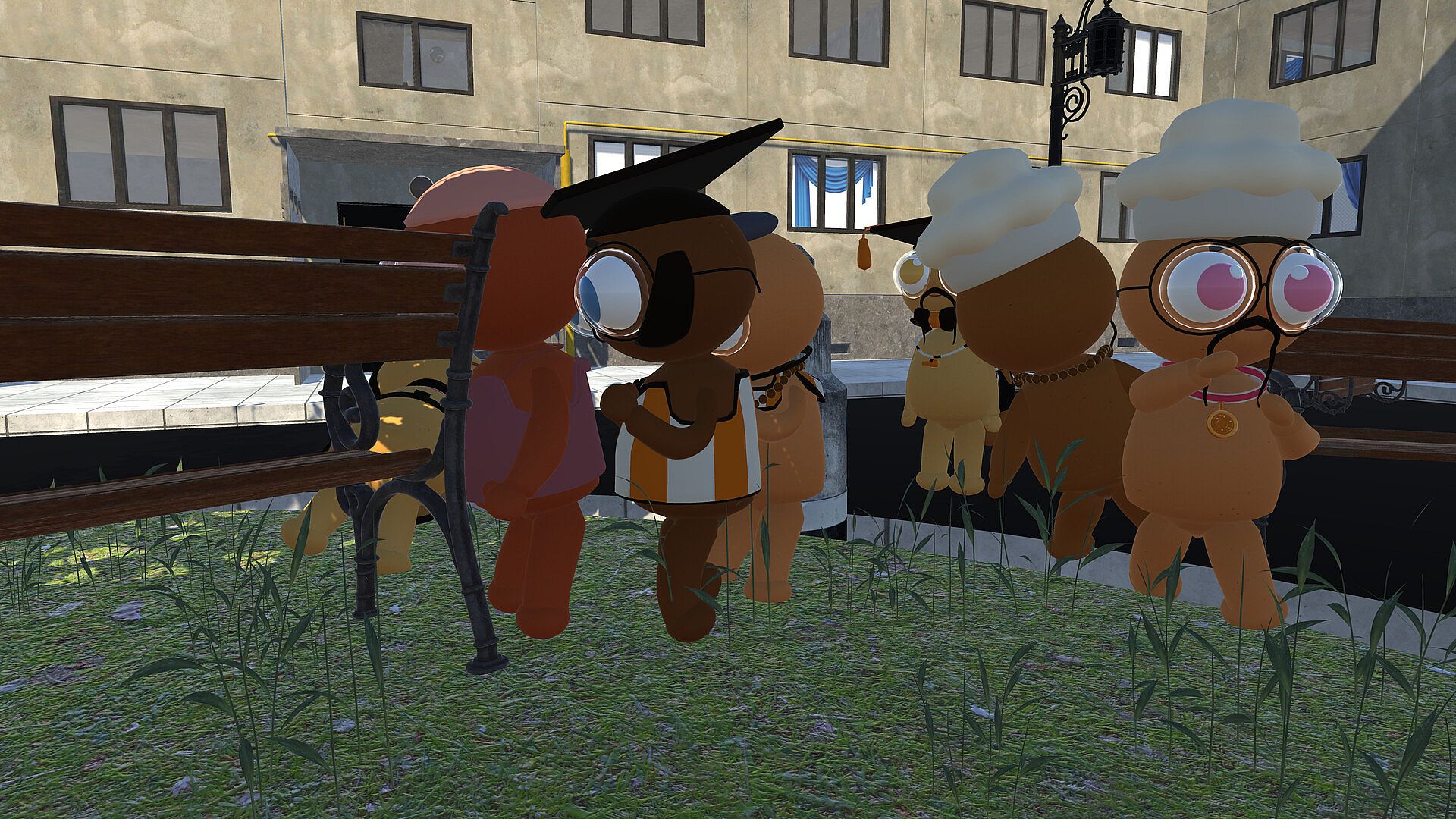
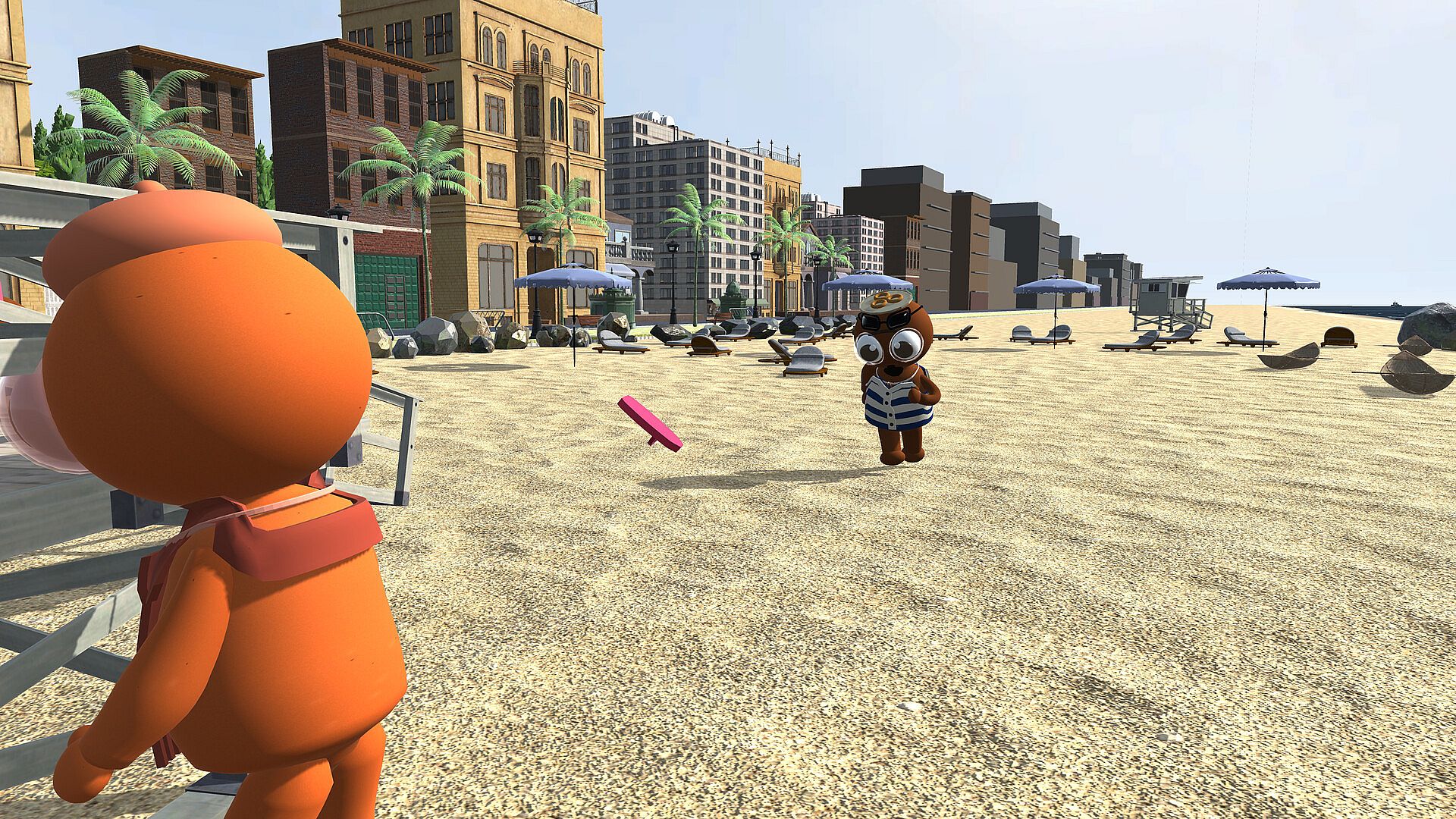
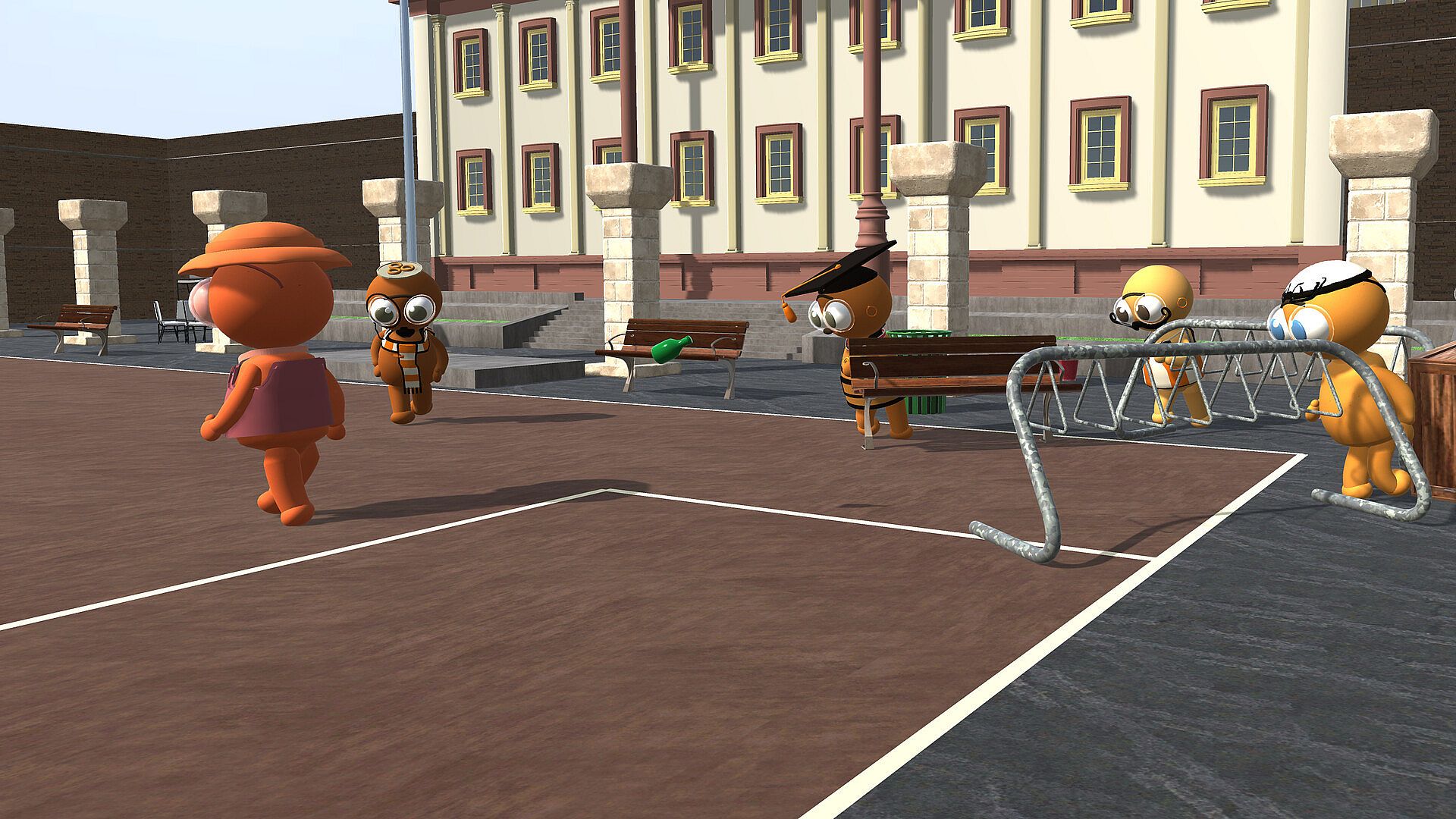
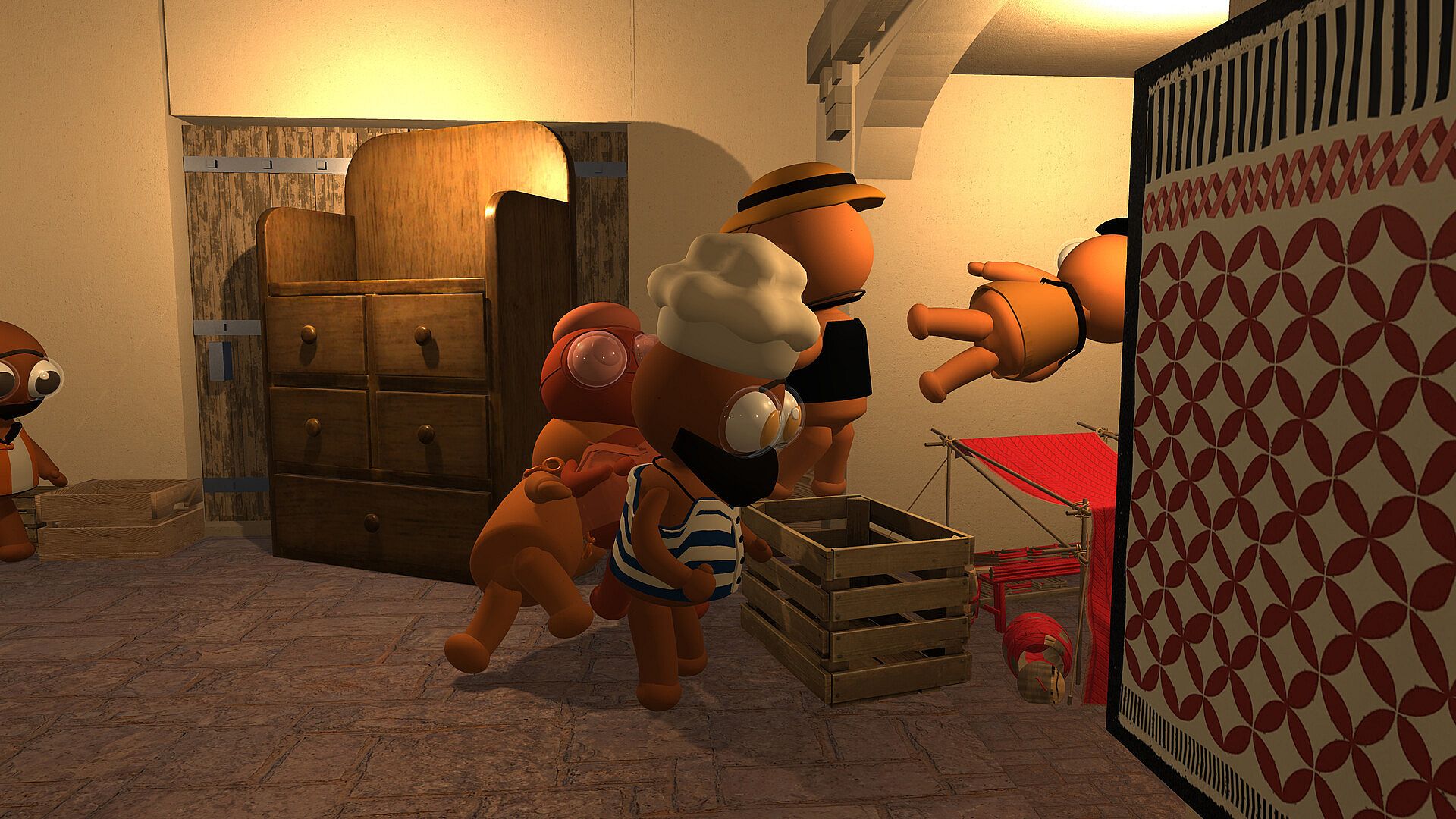
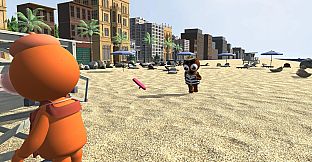
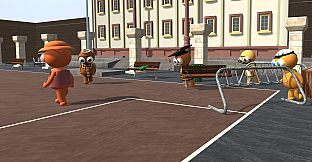
Four maps provide varied backdrops for these rules. Neighborhood features apartment blocks and parked cars around a garden roundabout. Schoolyard includes painted lines, goalposts, and periodic bell rings. Bazaar offers vaulted stone arcades and market stalls under warm lighting. Seaside presents sand, boardwalks, and boats near a lifeguard tower.
Customization and Features
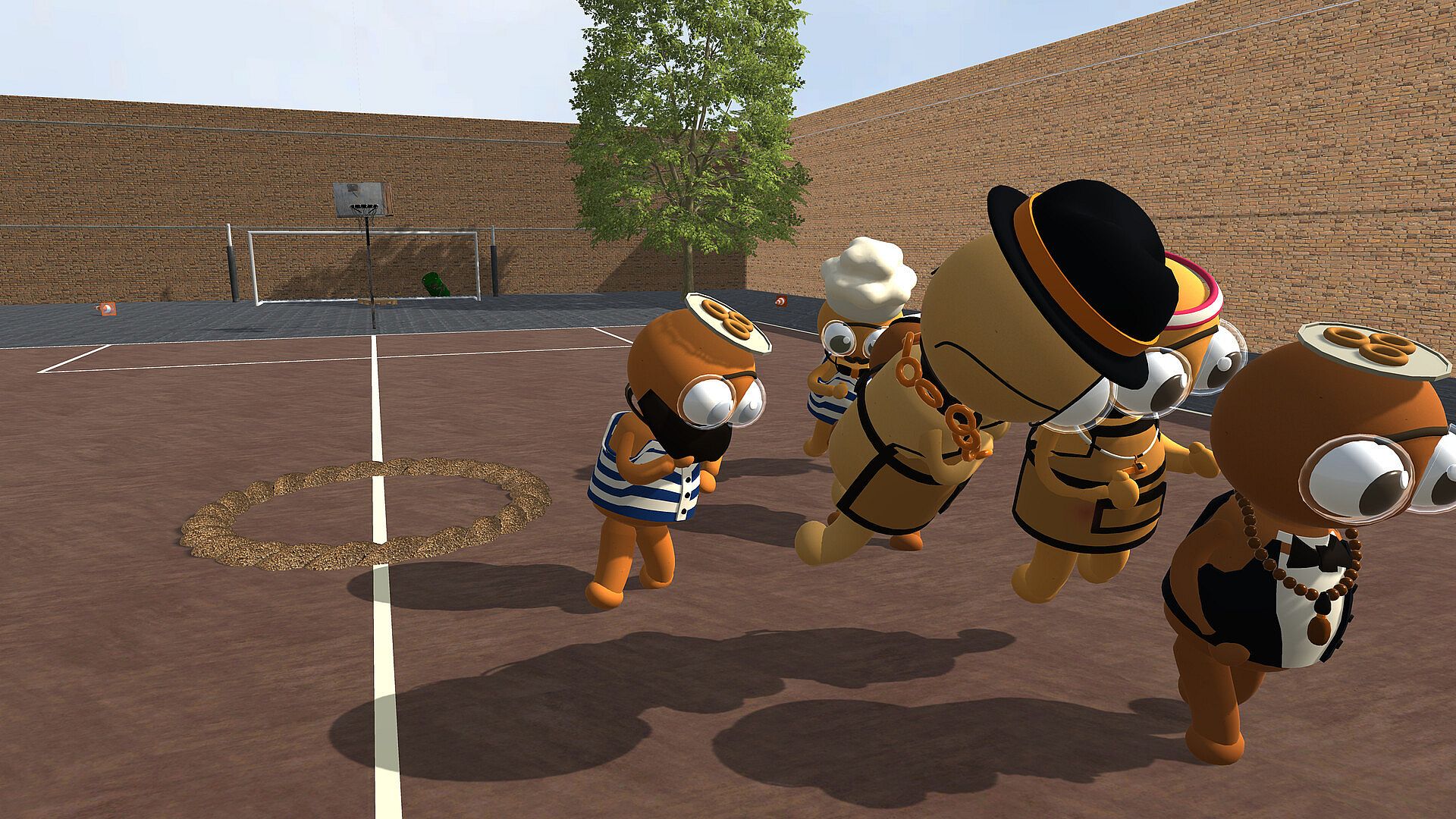
Character creation covers eight slots including dough tone, eyebrow style, eye color, facial hair, hats, necklaces, accessories, and clothes, with all options available immediately. No progression grind or real-money purchases exist, as coins reset each match and serve only for temporary throws or minor pickups. An offline tutorial covers movement, attacks, purchasing, and tagging. Voice customization includes built-in options or personal recordings, plus filters that alter pitch and tone during chat. Server options range from open public rooms to friends-only or password-protected sessions, with vote kicks available in larger groups.
Is It Worth Playing?
Simith targets players who enjoy short, silly multiplayer sessions with friends or strangers in a lighthearted physics sandbox. The absence of violence or complex systems makes it accessible for casual groups, while the breath and anti-camping mechanics keep rounds dynamic. Since the game remains in a pre-release state with no user reviews available yet, its appeal depends on how well the described systems translate to actual play. Those drawn to tag-style chases, voice-driven chaos, and simple controls without long-term commitments will likely find the most value once it launches. Keyboard and mouse support only, with Windows as the sole platform and an optional microphone for full voice features.