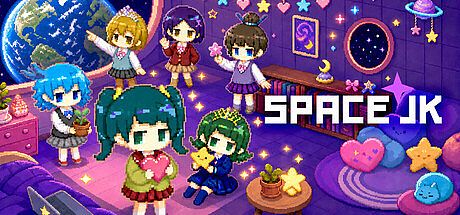



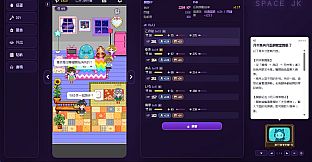
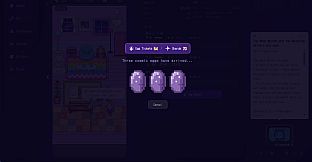
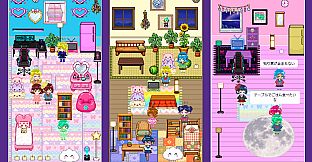
SPACE JK is a free to play indie casual simulation game centered on a relaxed pixel art life sim experience. Players manage a small room at the edge of space while caring for unique pixel art roommates known as JKs that hatch from cosmic eggs. The core appeal lies in quiet daily routines that build a personal collection without pressure or timers that demand constant attention.
Gameplay
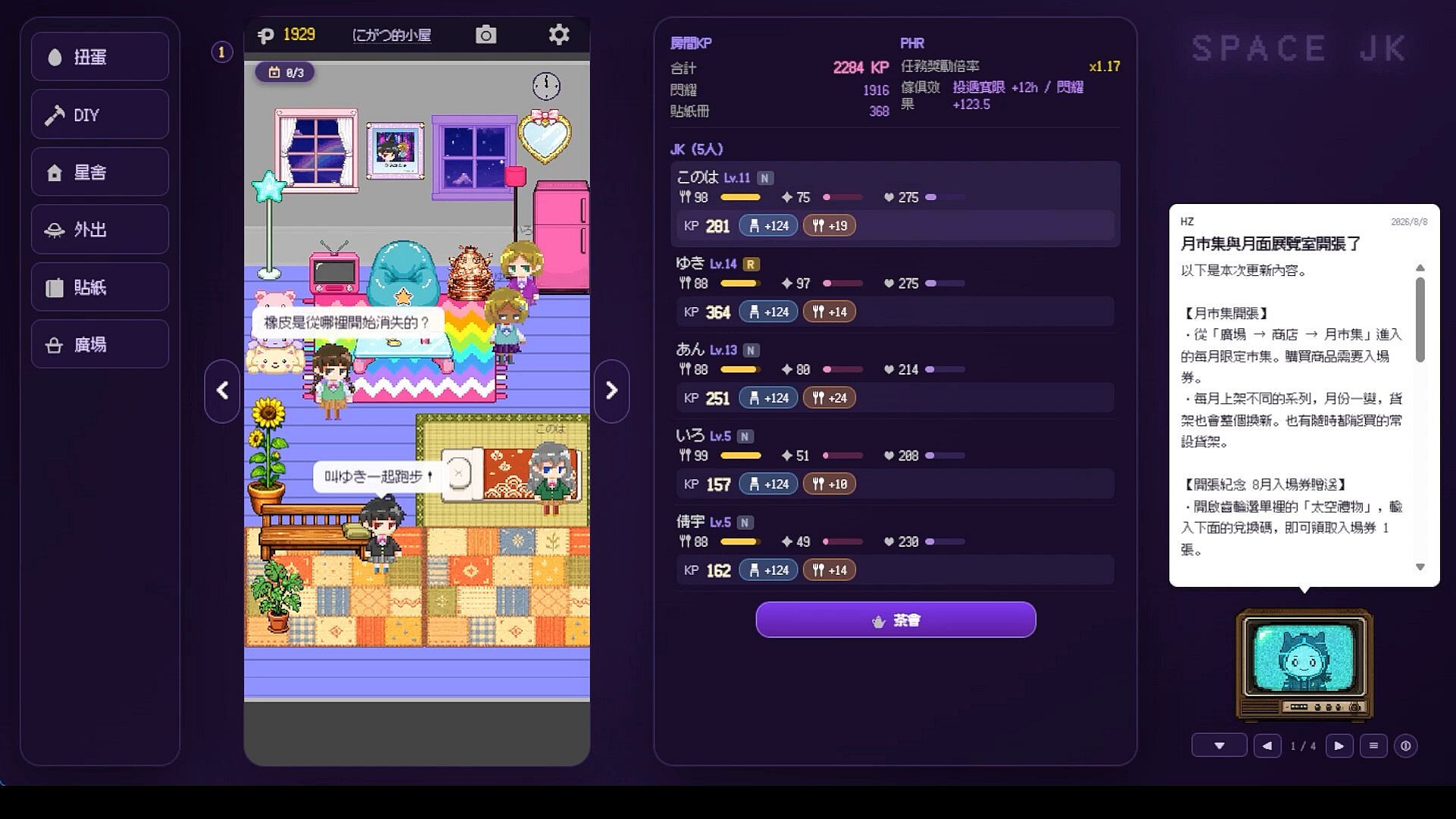
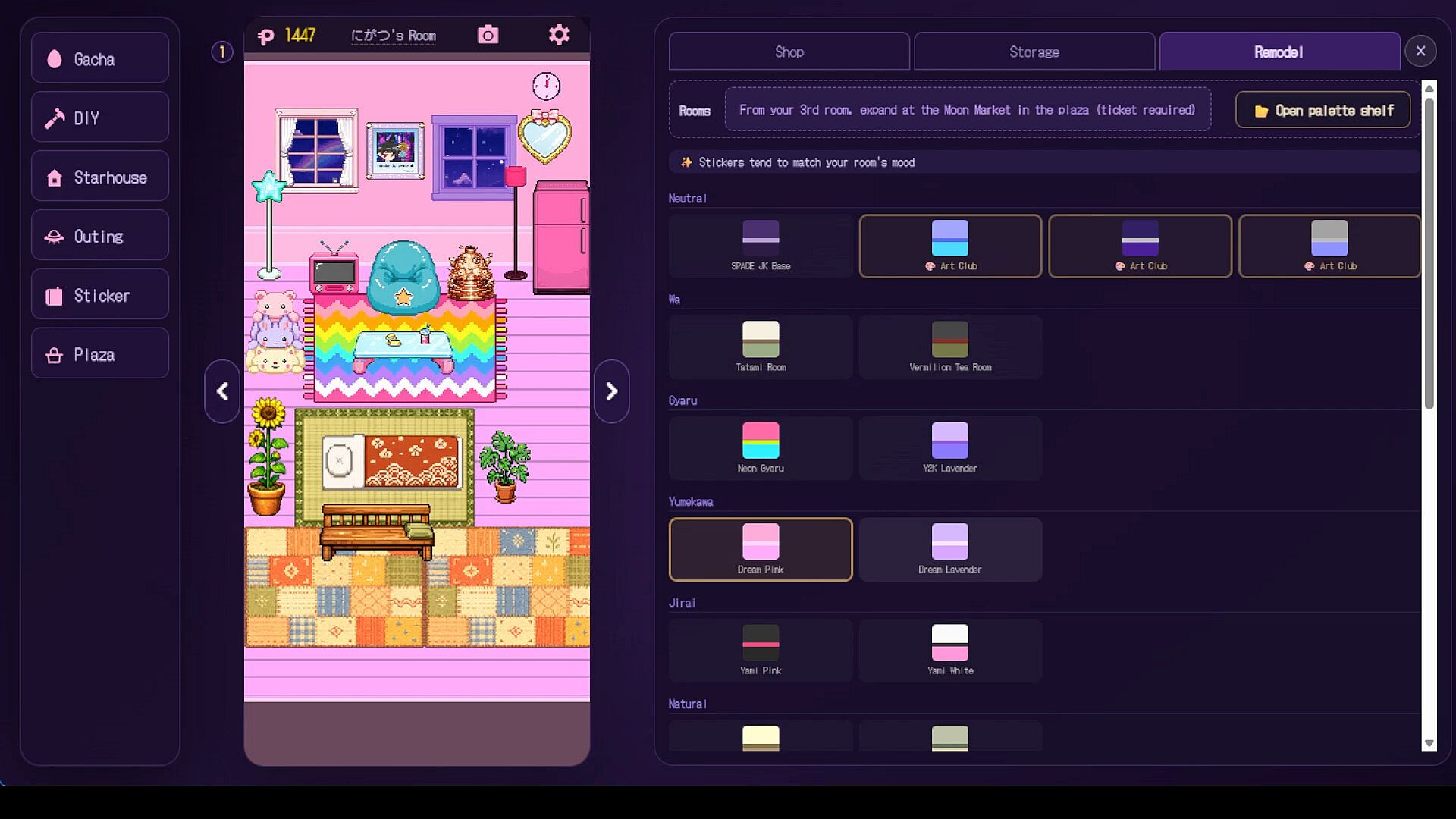
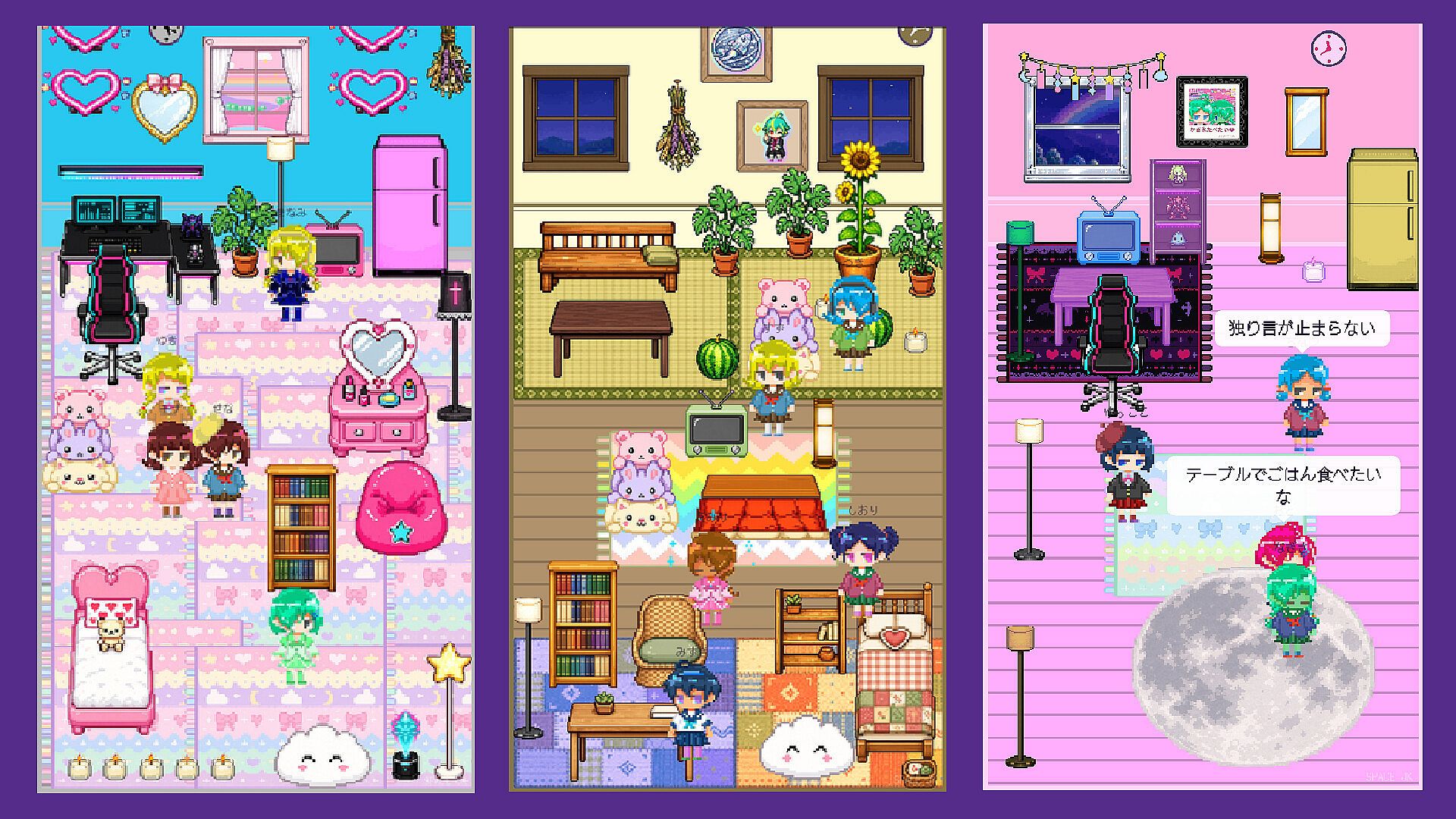
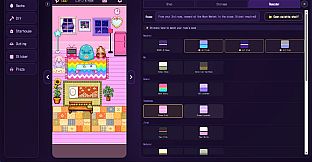
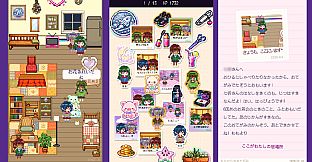
The gameplay revolves around a simple daily loop of observation and light interaction. Each JK hatches with one of ten distinct personalities that influence how they respond to the same events, from affectionate cuddly types to cool or airheaded ones. Players decorate the room using six different moods that alter furniture placement, wall colors, and the view outside the window. Furniture can be repainted for variety, allowing the same pieces to fit entirely different themes.
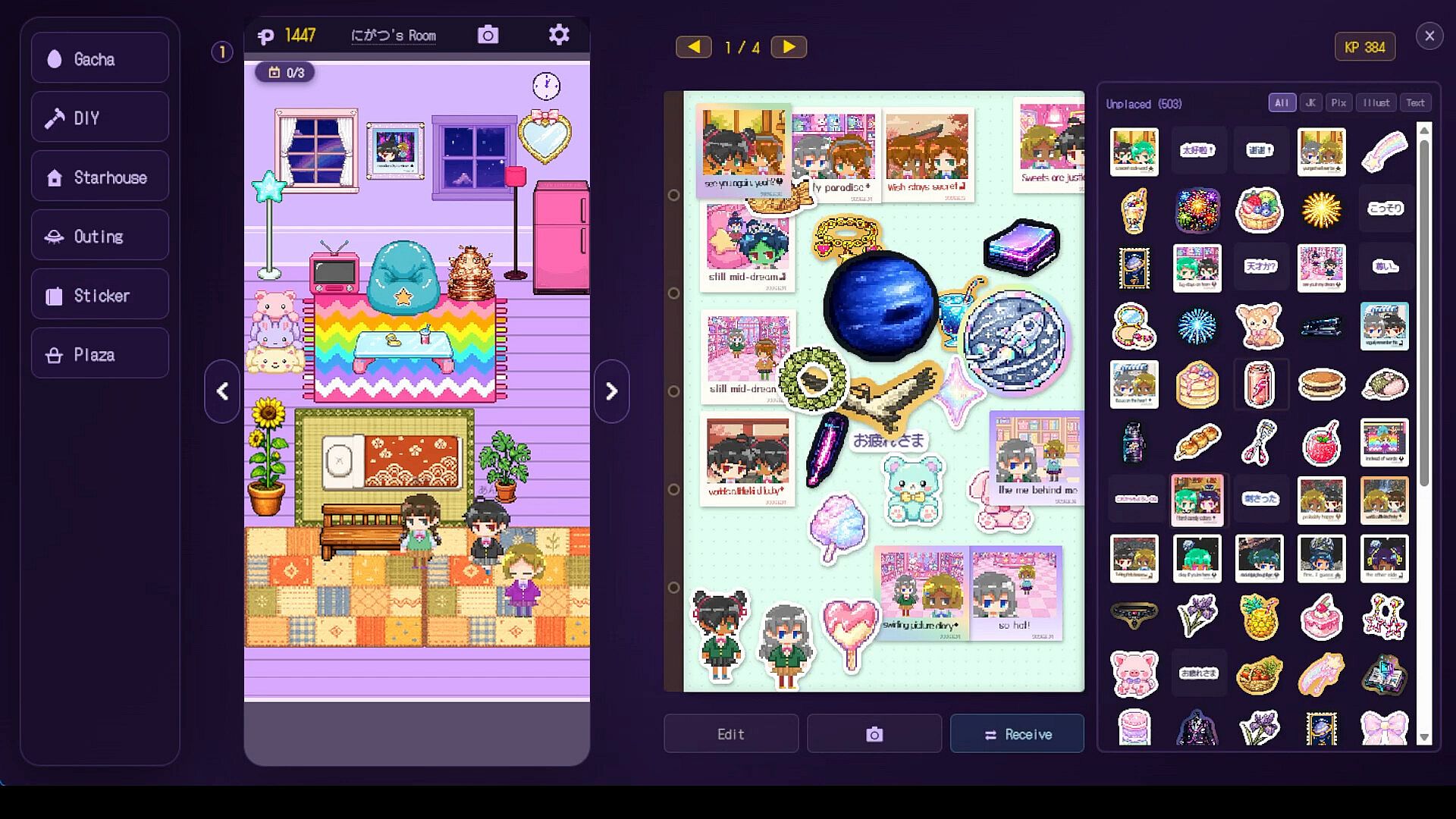
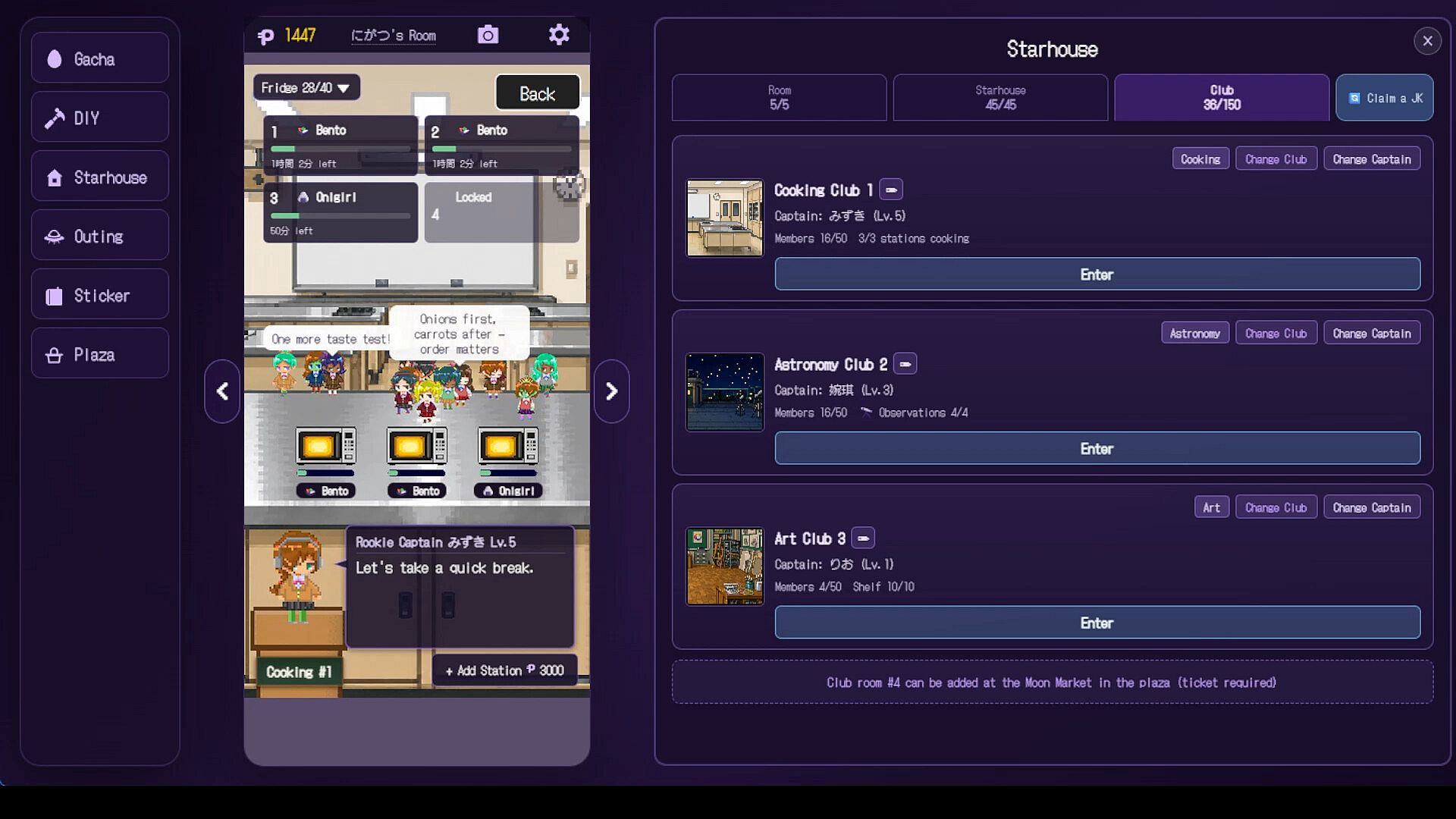
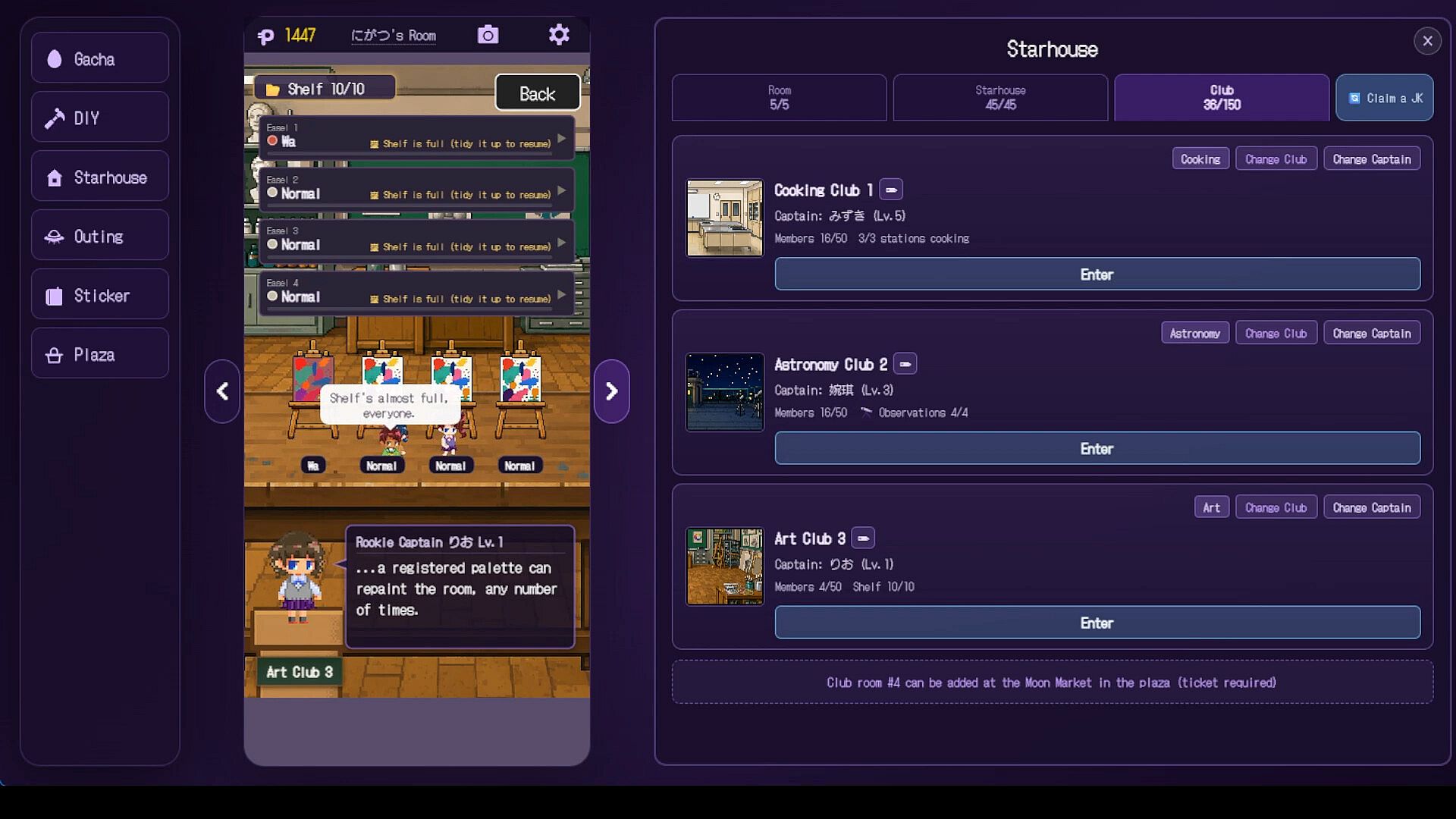
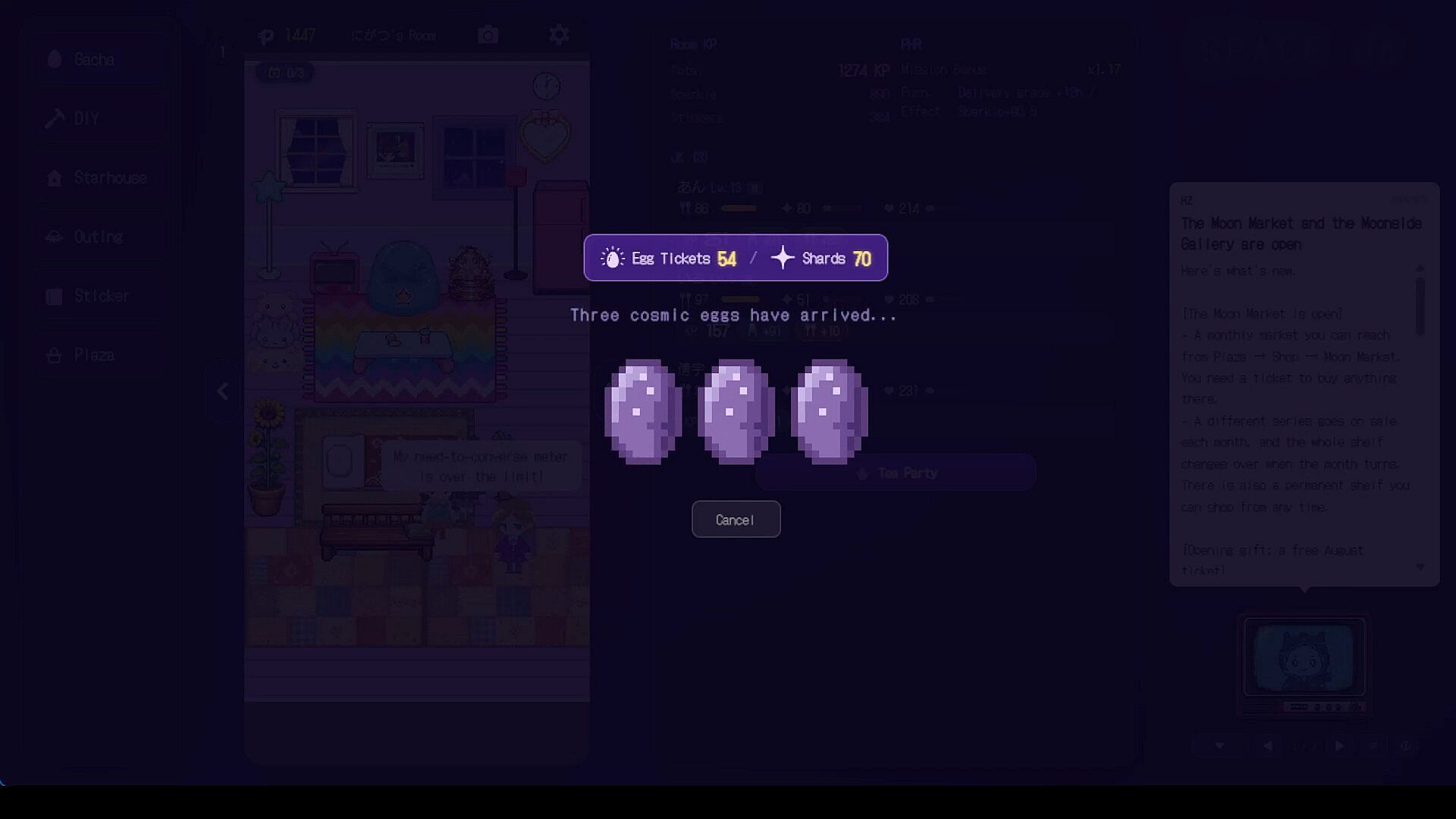
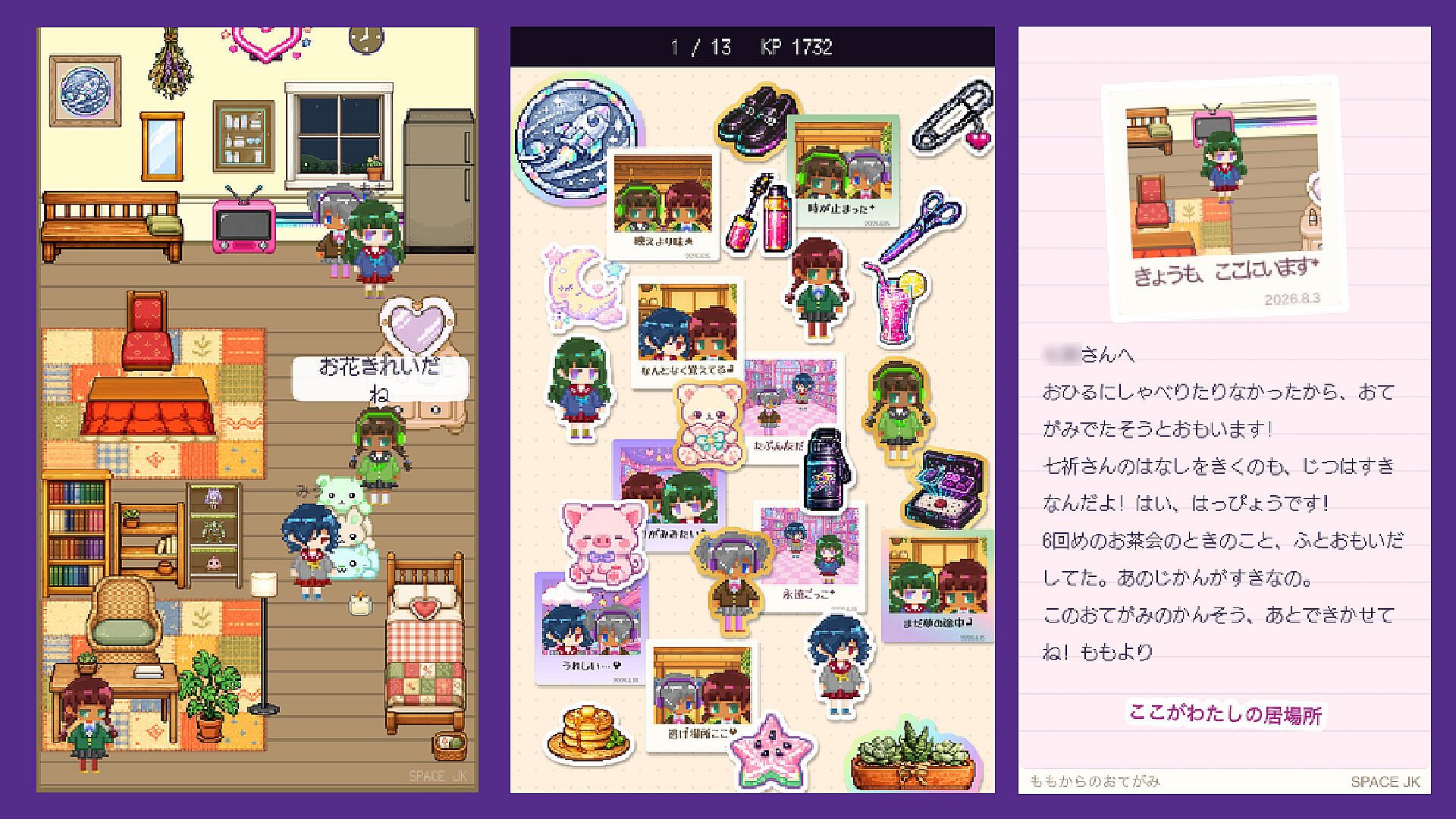
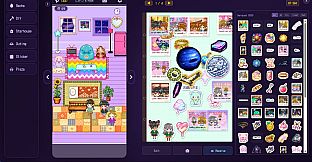
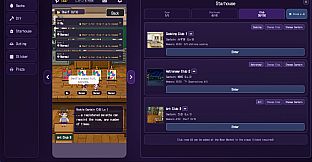
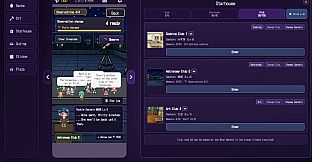
Interactions include placing food, patting heads, and sending JKs on errands or club activities. These actions gradually increase affinity, leading to more personal responses and the daily delivery of one pixel art sticker per JK. Stickers come from twelve series totaling 144 base designs, with additional seasonal and event artwork added over time. Collected stickers go into a customizable sticker book that players arrange freely.
The game requires a constant internet connection and a free account for server based progress. A browser version runs directly without downloads, and the same account carries progress forward. Sessions can last five minutes or longer depending on how much time a player wants to spend adjusting the room or reviewing the sticker book.
Game Modes
Single player room management forms the foundation, where players focus on decoration, JK care, and sticker collection at their own pace. Social features expand the experience through shared systems that connect players without requiring real time coordination.
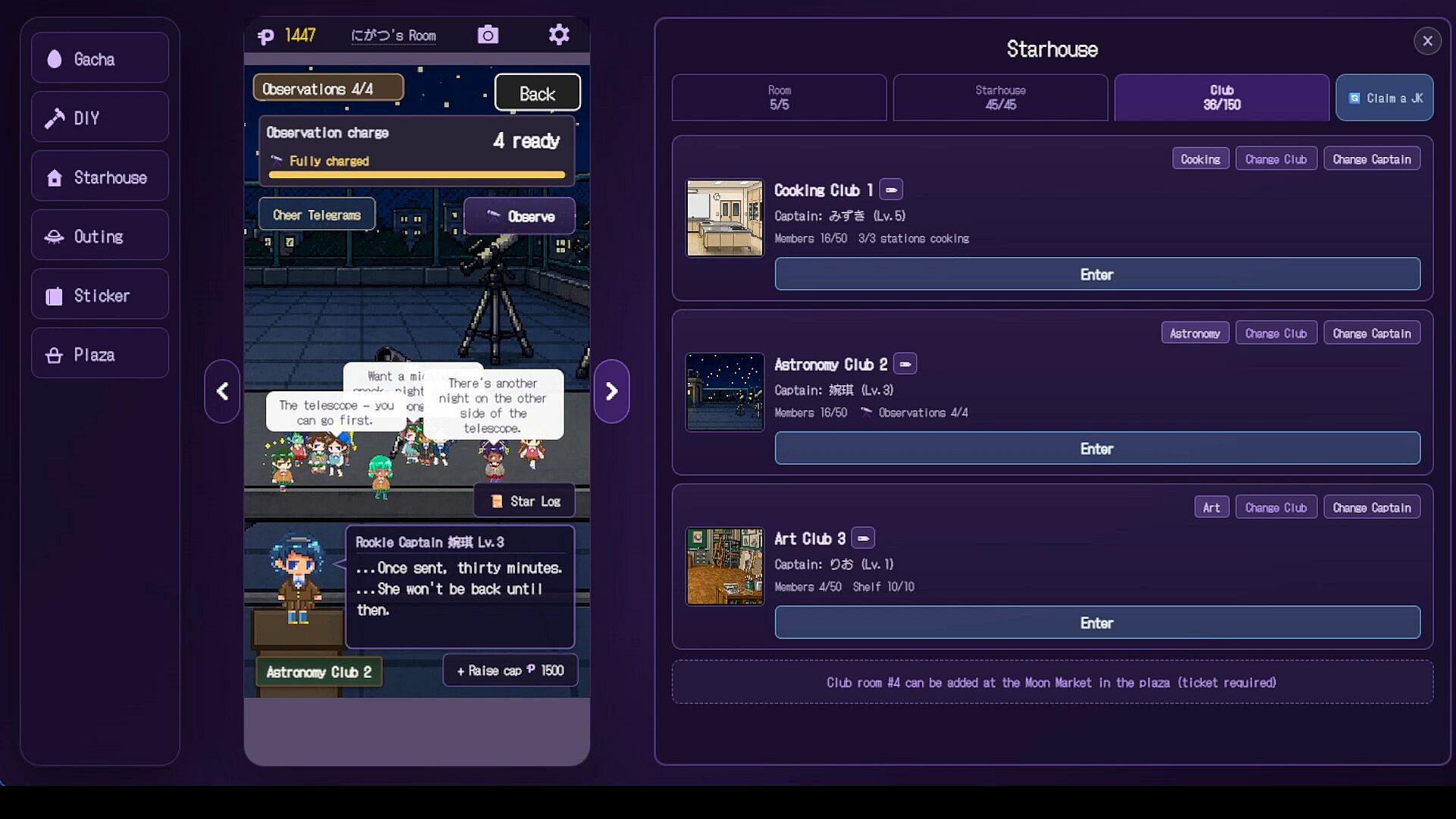
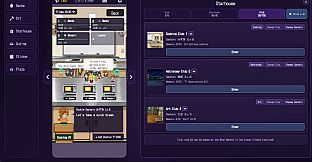
Cooperative elements include raids where the community works together to handle troublesome visitors from space. Trading happens through dedicated exchange tools that let players swap stickers for desired designs. Public display options allow sharing sticker arrangements and room setups for others to view.
Recruitment tools let players welcome JKs raised by others into their own rooms. These systems blend personal collection goals with light community participation, keeping the overall pace relaxed while offering optional ways to expand the sticker book beyond solo play.
Sticker Collection and Room Building
Sticker collection drives long term engagement. Each JK produces one unique design daily, and the full set spans multiple themes with ongoing additions. Players organize stickers into personal books and can trade duplicates or gaps with others to complete pages exactly as desired.
Room building emphasizes customization through color choices, furniture arrangement, and mood settings that change the atmosphere and exterior view. Repainting options increase variety without needing new purchases. The system supports gradual expansion as more JKs join and contribute their own stickers.
Is It Worth Playing?
SPACE JK suits players who enjoy idle collection mechanics and low key simulation without competitive pressure. The free to play model includes optional purchases mainly for expanded storage of stickers and JKs, with no advertisements. Progress carries across browser sessions and planned platform versions through account login.
The game remains in active development following its open beta launch, with regular updates adding features such as new errands, second room support, and community tools. Reception centers on its calm atmosphere and the charm of pixel art JKs with varied personalities. Those seeking quick sessions or a relaxing collection hobby will find the daily routines rewarding, while players wanting intense action or complex systems may prefer other genres.
- Ideal for fans of pixel art life sims and sticker collecting
- Best experienced in short daily check ins rather than long play sessions
- Community features enhance collection without forcing interaction