

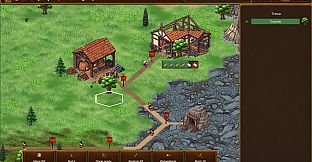
SPQR: Panem et Lignum is an economic strategy game set in a Roman province where players construct and manage settlements from the ground up. The title centers on transforming raw resources into a functioning economy through careful planning of production, transport, and construction. On PC, the experience emphasizes logistics as the backbone of growth, with every decision about building placement and road networks shaping how efficiently goods move across the map.
Gameplay
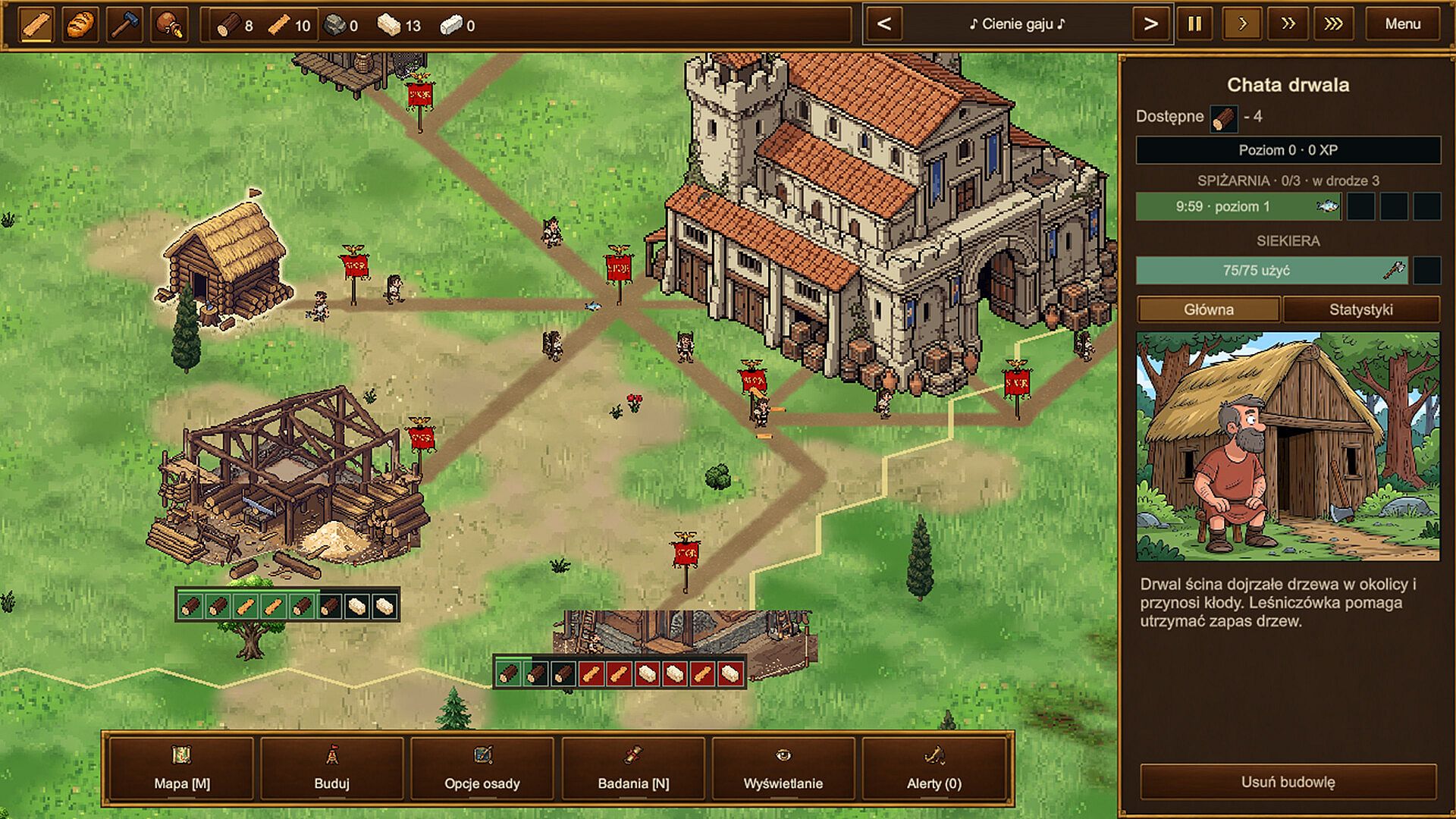
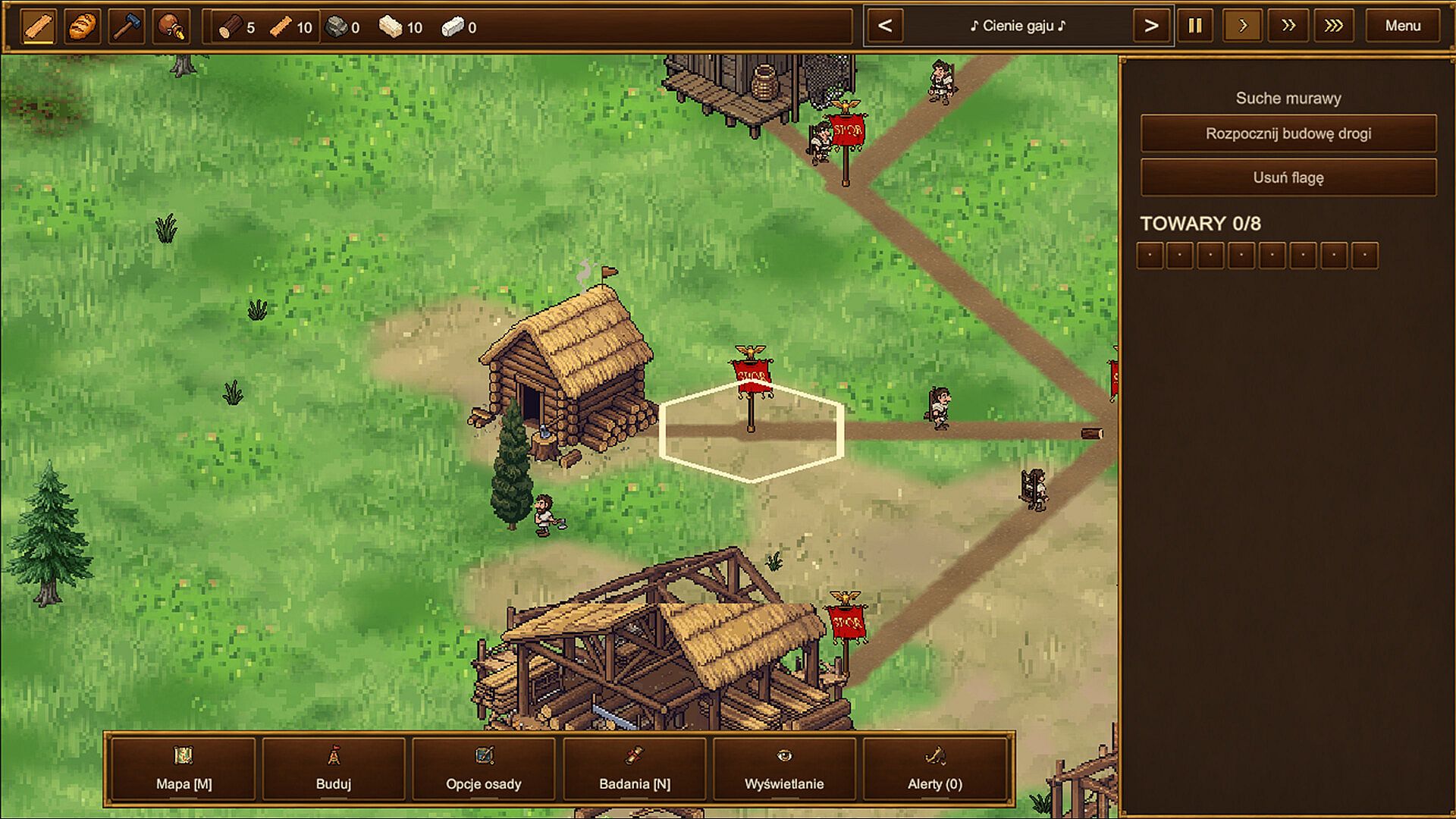
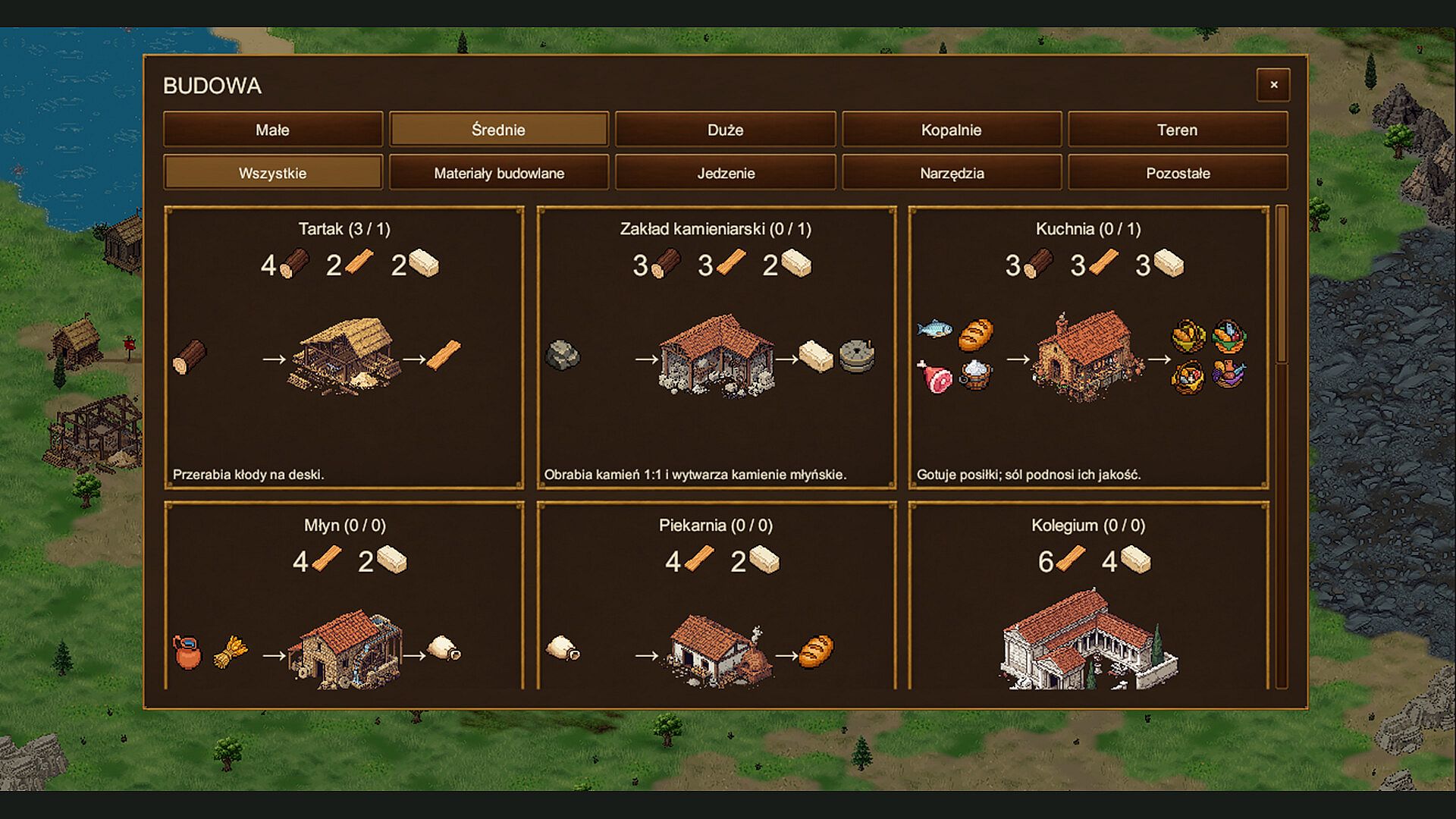
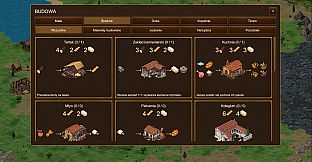
Players begin with basic resource gathering and expand by placing workshops that process materials into usable goods. Timber, stone, food, and tools form the core of the economy, each requiring a clear path from source to destination. Settlers handle transport autonomously once roads and connections are established, but the layout of sawmills, warehouses, and junctions determines whether deliveries arrive on time or create bottlenecks.
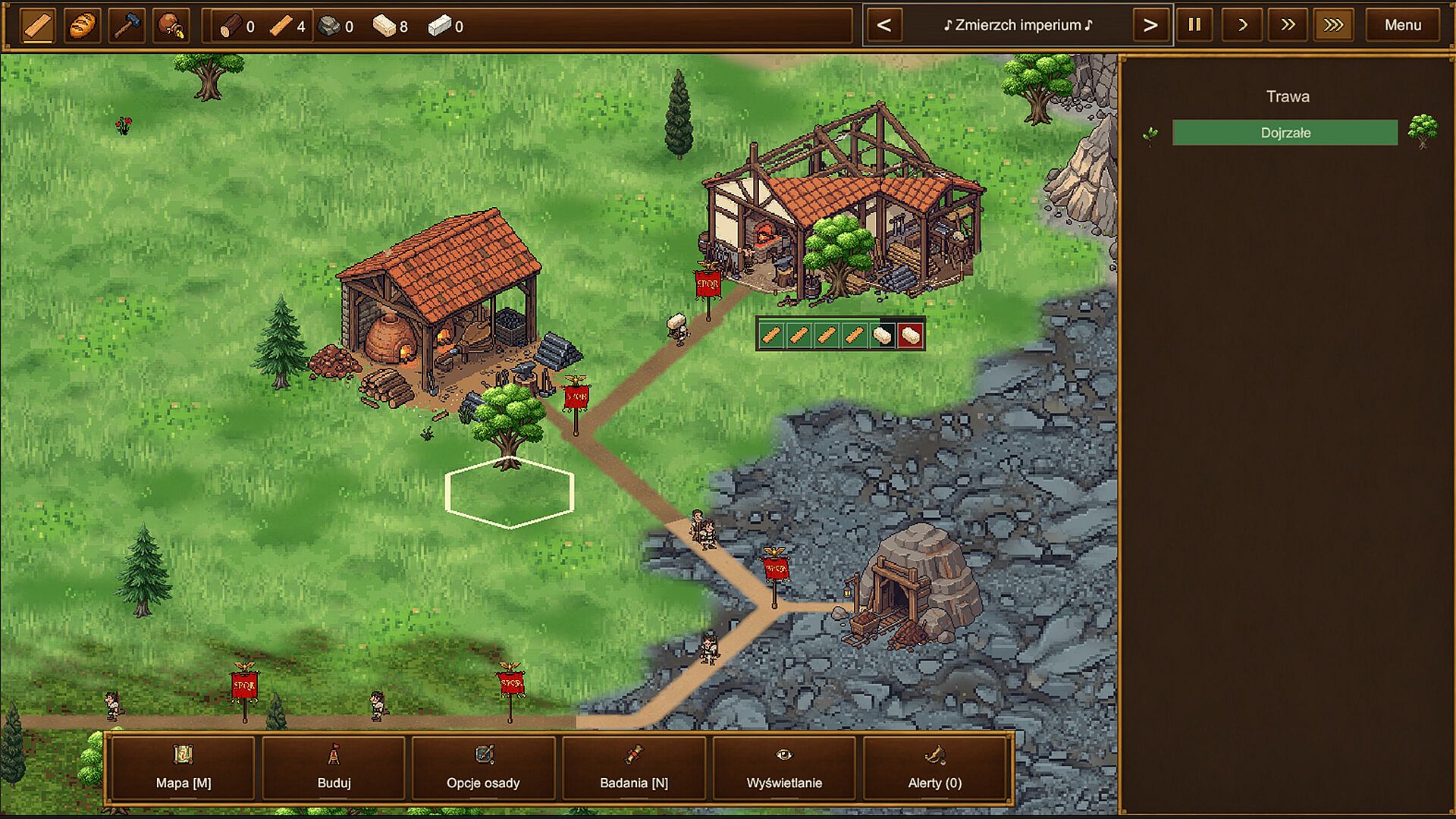
Production chains demand ongoing attention. Gathering raw materials feeds into processing steps, which in turn supply construction sites and keep workers equipped with food and tools. Adding a new workshop increases output capacity while introducing fresh demands on the transport network, forcing players to monitor flow and adjust routes before delays compound. Stockpiles must be managed to prevent shortages or overflow at key points.
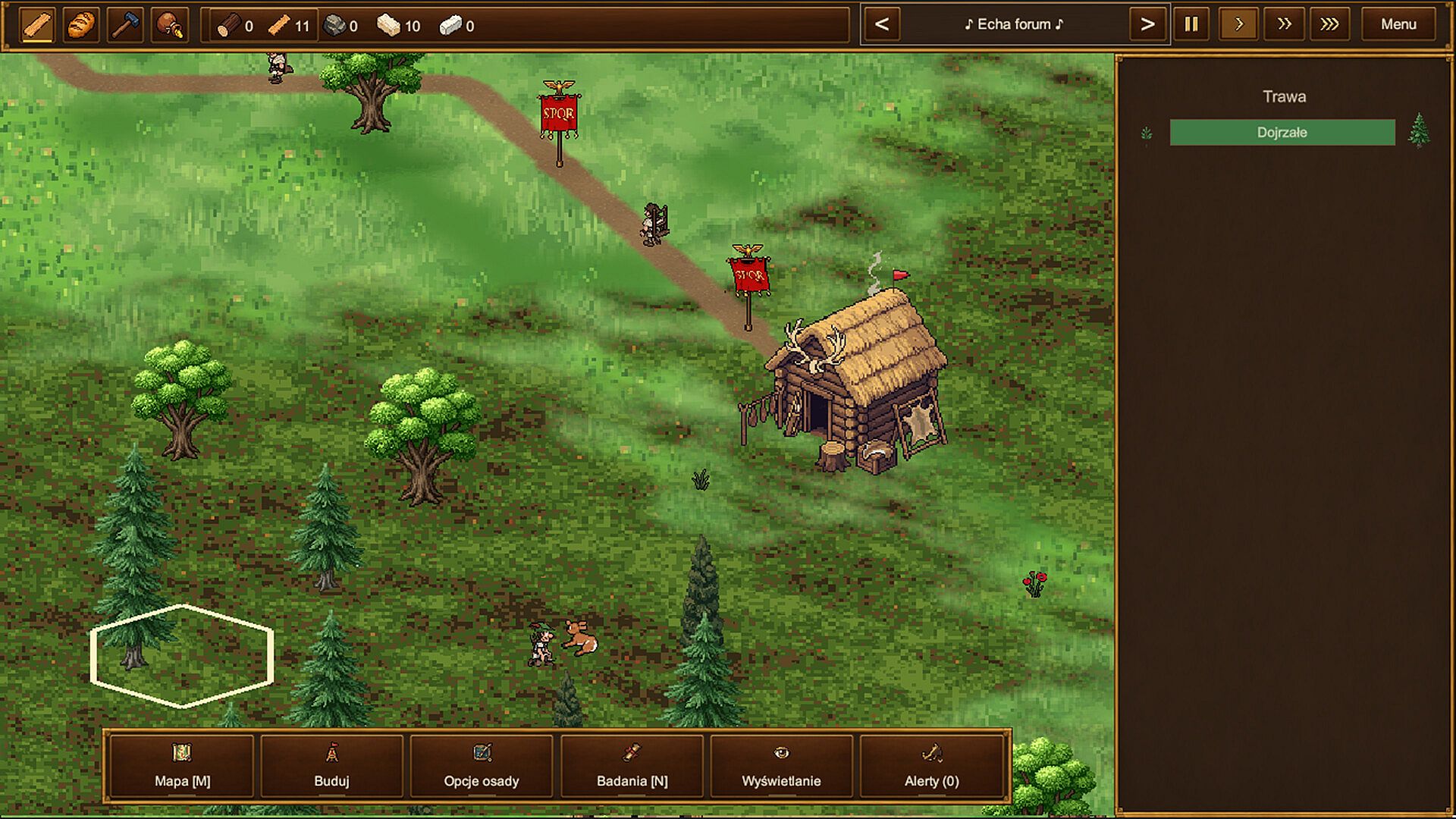
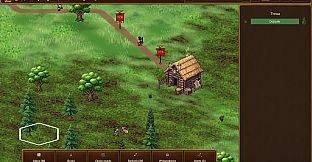
Visual feedback comes through 2D graphics that show animated settlers moving along roads, allowing observation of daily operations without direct control over individual units. The focus remains on high-level planning: positioning buildings, connecting infrastructure, and refining delivery priorities to maintain steady progress.
Game Modes
The game supports settlement development across multiple randomly generated maps, each featuring unique terrain, forests, and mineral deposits that influence optimal building locations and road layouts. Players adapt their strategies to these varying conditions rather than following a fixed sequence of levels.
Core play revolves around iterative expansion and refinement. Early efforts concentrate on establishing basic supply lines, while later stages involve scaling up production and resolving congestion in more complex networks. This structure encourages repeated sessions on different maps to test alternative approaches to resource flow and settlement growth.
Core Mechanics and Settlement Building
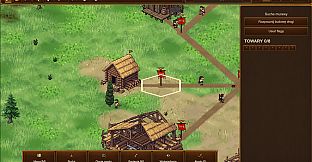
Road networks serve as the central system, with junction capacity and warehouse placement directly affecting how quickly goods reach their targets. Players lay out connections to balance distance, traffic volume, and storage needs, then observe how changes ripple through the entire economy. Adjusting priorities at warehouses or expanding overloaded routes provides immediate ways to improve performance without rebuilding from scratch.
Every good follows a journey that players can track to identify problems. A sawmill positioned far from its timber source or a warehouse lacking sufficient connections can stall progress, prompting targeted fixes. This emphasis on cause-and-effect keeps the loop focused on observation and incremental optimization rather than constant micromanagement.
Is It Worth Playing?
SPQR: Panem et Lignum appeals to players who enjoy detailed economic strategy and logistics management in a single-player setting. The autonomous settler behavior combined with player-driven infrastructure design creates a satisfying loop of planning, watching results, and making adjustments. Those interested in Roman-themed city building with a strong emphasis on transport networks will find the systems rewarding, especially when experimenting with different map layouts and production priorities. The game suits sessions where thoughtful layout decisions lead to visible improvements in settlement efficiency over time.