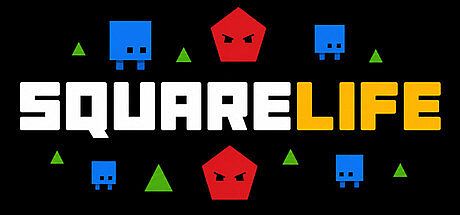




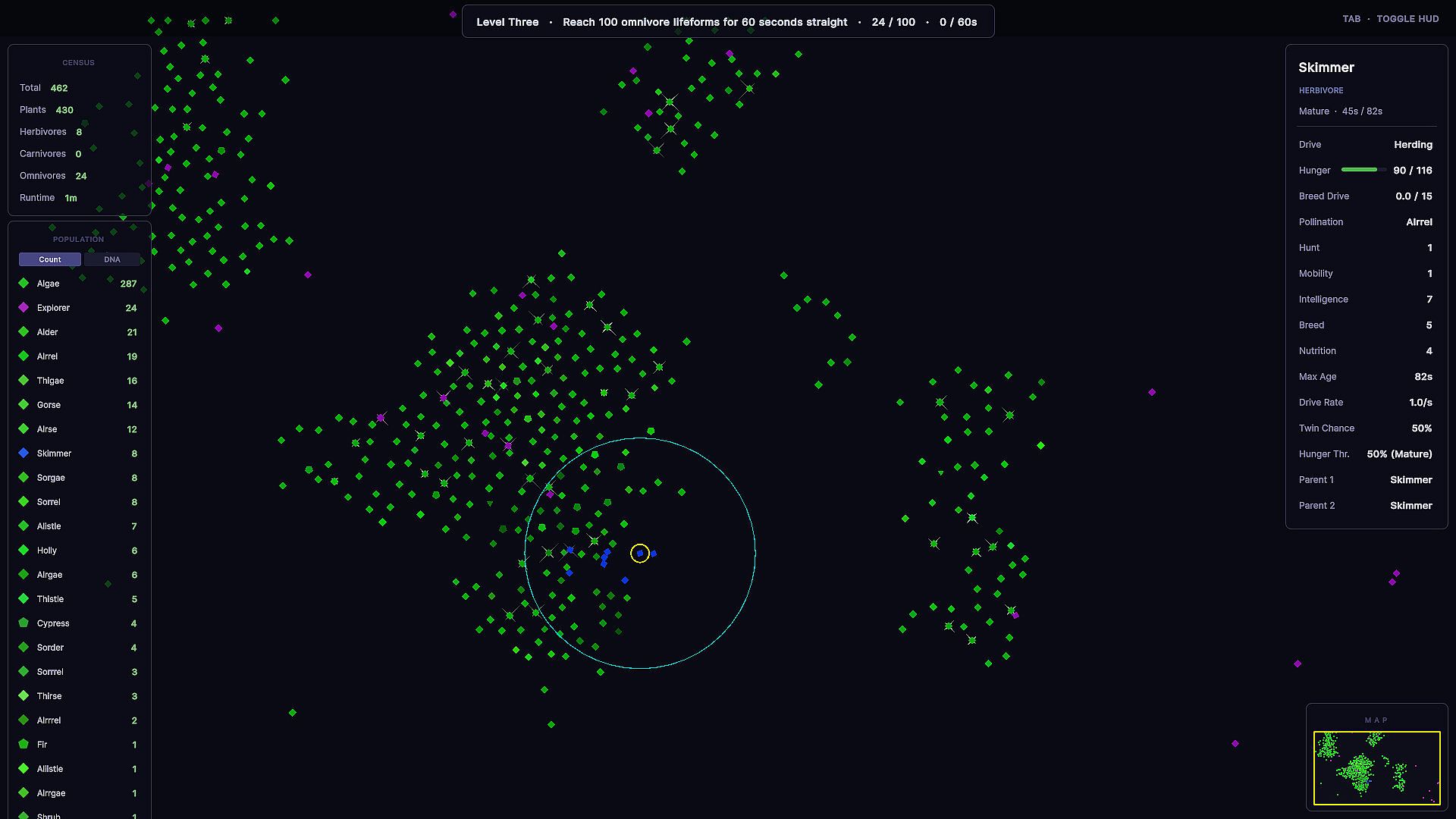
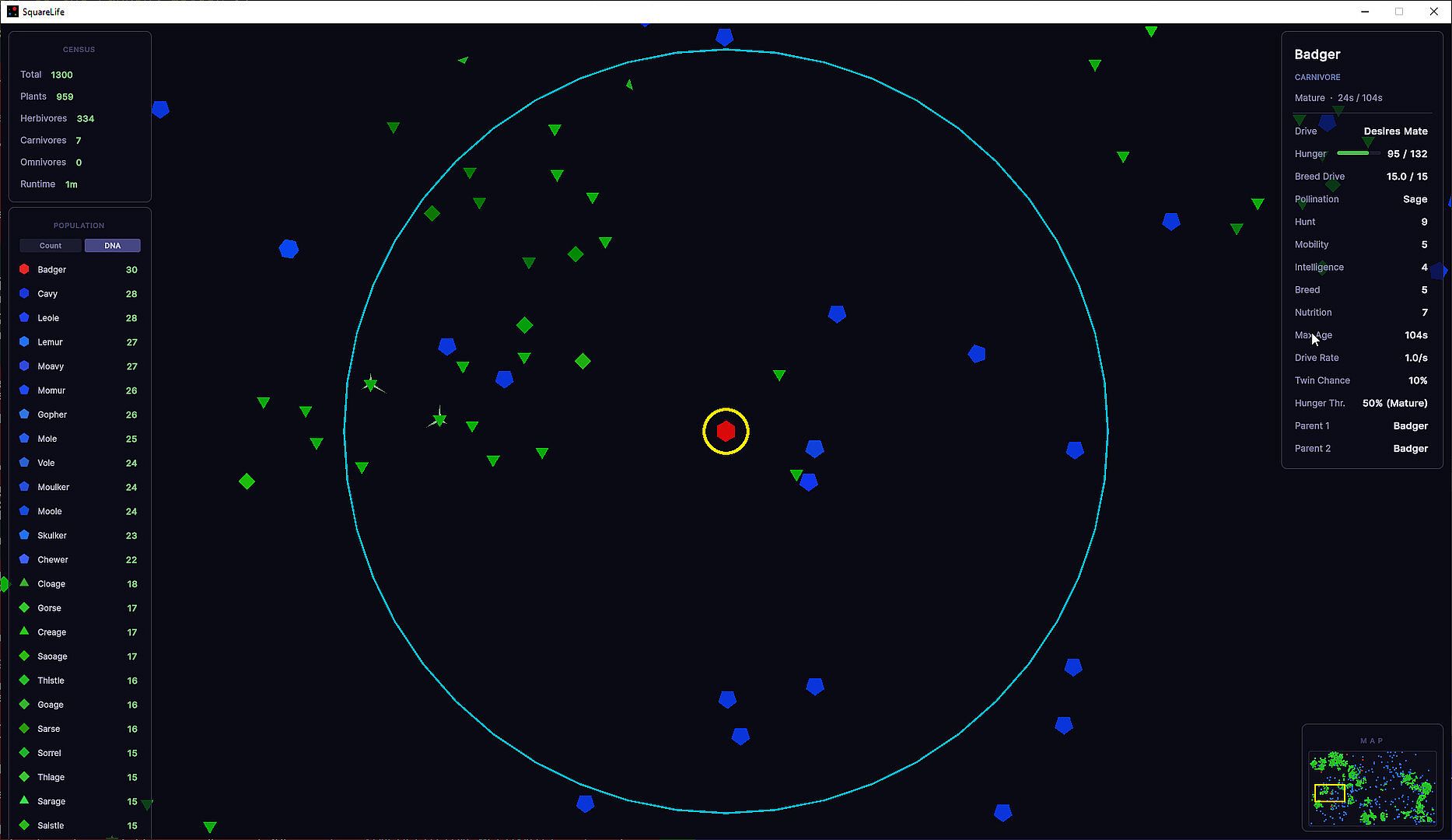
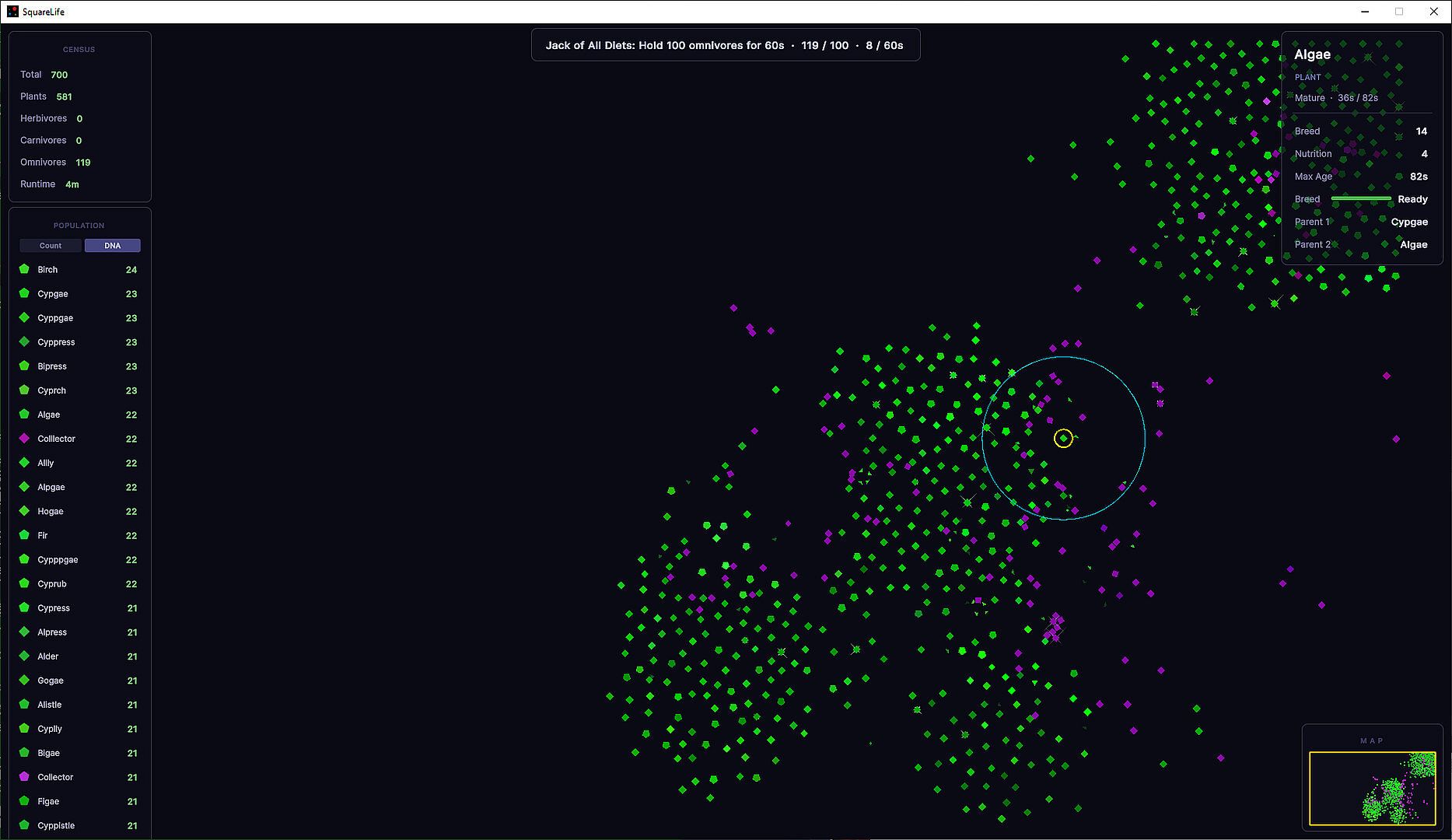


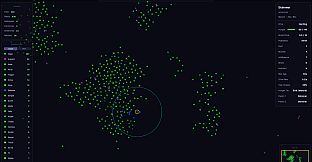
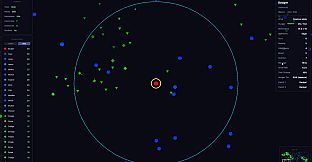
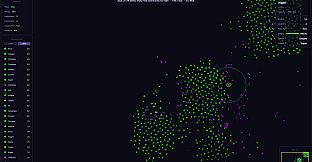
SquareLife to darmowa symulacja życia w 2D dla PC, w której gracz nie steruje światem bezpośrednio, lecz pełni rolę architekta ekosystemu. Tworzysz proste stworzenia z ograniczonego zestawu cech i puli punktów, przypisujesz im rolę rośliny, roślinożercy, mięsożercy lub wszystkożercy, a następnie wypuszczasz je do żyjącego świata. Symulacja działa bez dalszej ingerencji, pozwalając na naturalne zachowania takie jak wędrówka, polowanie, wypas, ucieczka, łączenie się w pary czy rozmnażanie.
Rozgrywka
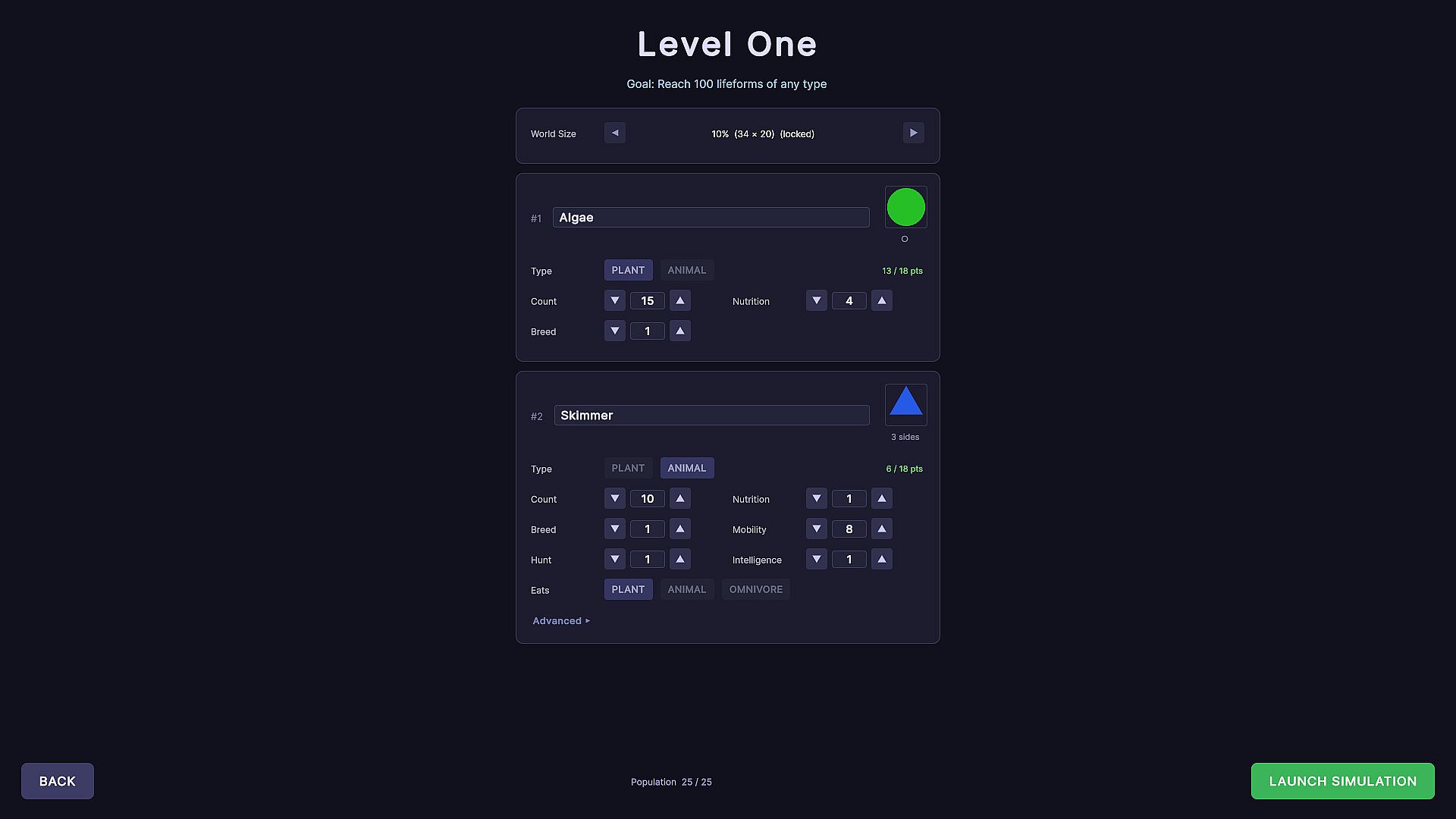
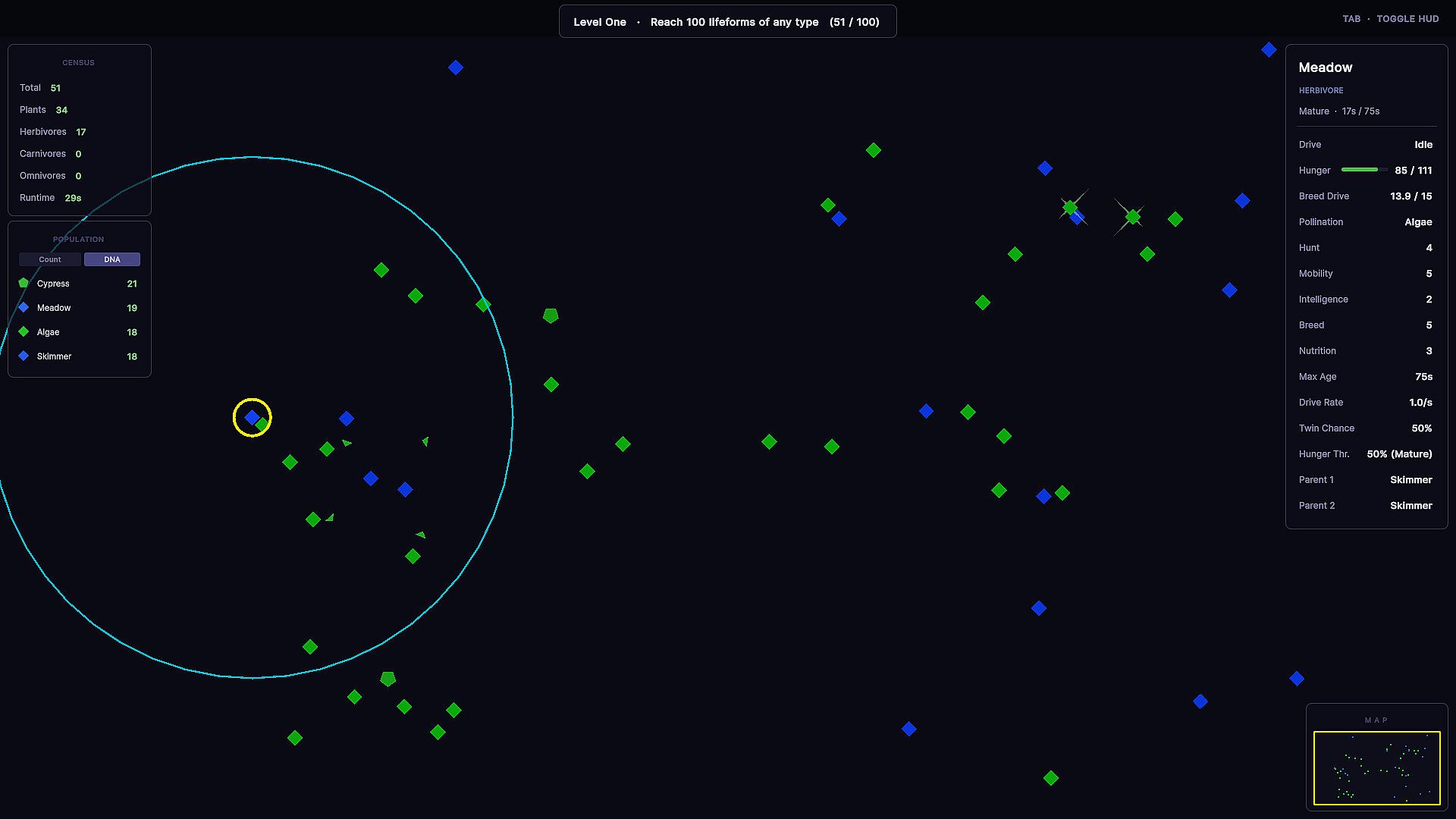
Podstawowy cykl polega na projektowaniu stworzeń i obserwowaniu ich losów. Każde stworzenie zaczyna jako podstawowa forma zbudowana z dostępnych cech. Po umieszczeniu w środowisku działa samodzielnie, zgodnie z przypisanym typem i odziedziczonymi właściwościami. Żerowanie, poruszanie się i rozmnażanie odbywają się automatycznie, prowadząc do stopniowego rozwoju populacji.
Potomstwo dziedziczy cechy po rodzicach, a mutacje wprowadzają czasem nowe warianty. Zmiany te wpływają na zachowanie, wygląd i szanse przeżycia kolejnych pokoleń. Kształty i złożoność organizmów rosną wraz z adaptacją linii rodowych, przez co kolejne formy różnią się od pierwotnych projektów. Proces ten powoduje widoczne zmiany w ekosystemie bez scenariuszy czy ingerencji gracza po początkowej fazie.
Tryby gry
SquareLife działa jako jedna ciągła symulacja sandboxowa. Gracz projektuje kilka stworzeń, wprowadza je do świata i pozwala systemowi rozwijać się przez naturalne cykle przetrwania i rozmnażania. Nie ma osobnych trybów ani elementów rywalizacji. Całość skupia się na jednym, trwałym świecie, w którym zmiany pokoleniowe wynikają z początkowego składu populacji i kombinacji cech.
Projektowanie stworzeń i ewolucja
Projektowanie opiera się na puli punktów, która ogranicza wybór cech. Podstawowe atrybuty określają kategorię diety oraz początkowe możliwości. Po wypuszczeniu stworzeń symulacja samodzielnie zarządza interakcjami, w tym wpływem różnych diet na dynamikę populacji i zużycie zasobów. Udane linie rodowe utrzymują się i różnicują dzięki dziedziczeniu, podczas gdy mniej przystosowane kombinacje mogą zanikać.
Mutacje dodają kolejną warstwę zmienności poza bezpośrednim dziedziczeniem. Losowe elementy mogą skierować linię rodową ku nieprzewidzianym adaptacjom, takim jak nowe wzorce ruchu czy strategie przetrwania. Po wielu pokoleniach efekt kumulacyjny tworzy populacje będące wynikiem zarówno pierwotnych projektów, jak i emergentnych reguł symulacji.
Czy warto zagrać?
SquareLife przypadnie do gustu osobom szukającym symulacji, w których główny nacisk leży na przygotowaniu scenariusza i długoterminowej obserwacji, a nie na bieżącym sterowaniu. Model free to play na PC ułatwia rozpoczęcie gry osobom zainteresowanym emergentnym zachowaniem ekosystemu opartego na prostym systemie cech i dziedziczeniu pokoleniowym.
Styl indie casual simulation przyciąga graczy lubiących obserwować samodzielny rozwój systemów, podobnie jak w innych sandboxach, gdzie po fazie tworzenia następuje autonomiczny postęp. Dostępność na PC umożliwia wielokrotne sesje, w których można testować różne konfiguracje początkowe i śledzić ich wpływ na ścieżki ewolucyjne. Osoby oczekujące bezpośredniej kontroli lub wyraźnych celów mogą uznać pasywny charakter rozgrywki za mniej angażujący, natomiast ci zainteresowani zmianami wynikającymi z mutacji i dynamiką populacji znajdą w mechanice stałą głębię.