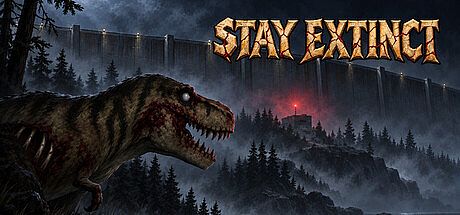


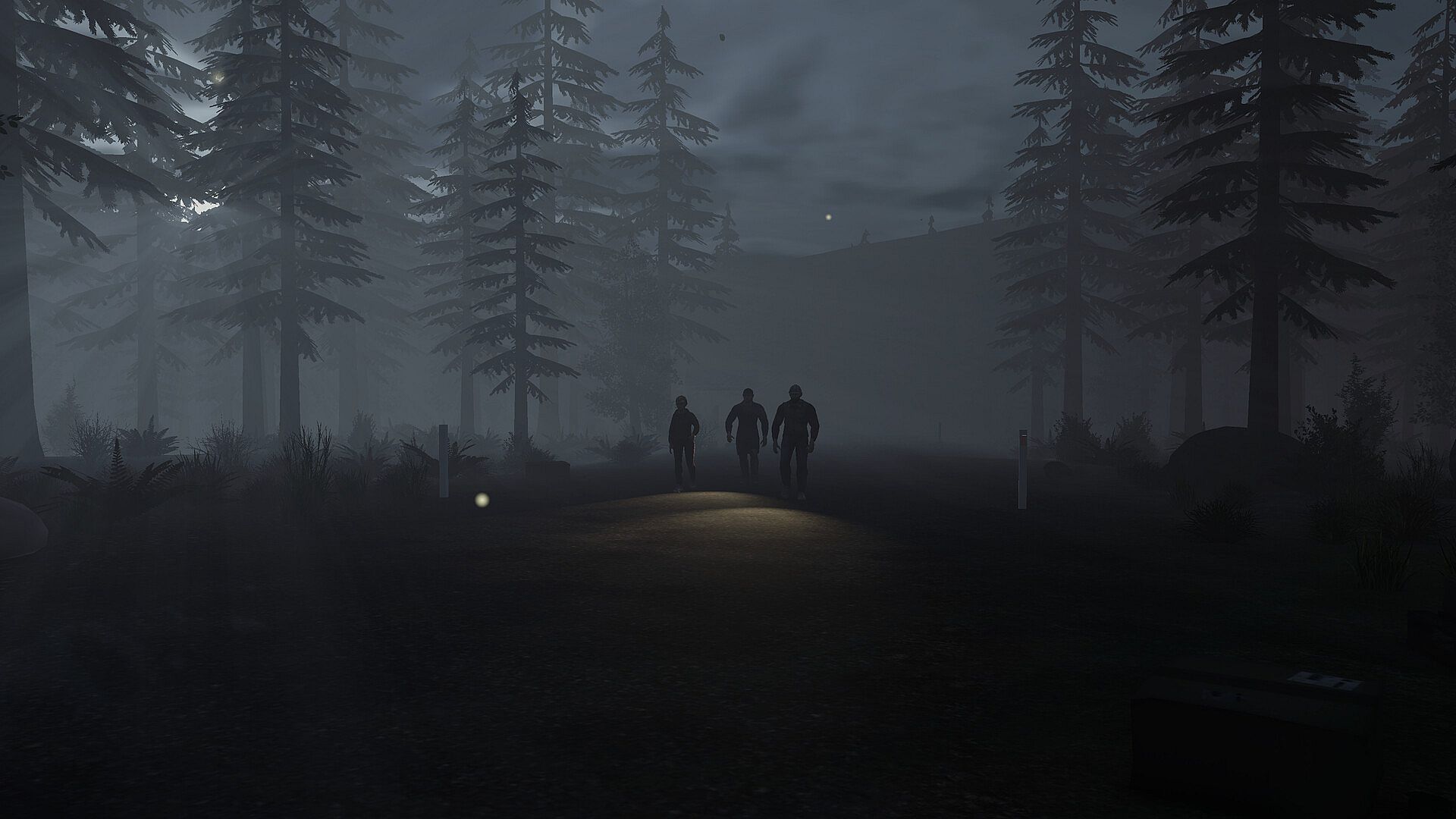
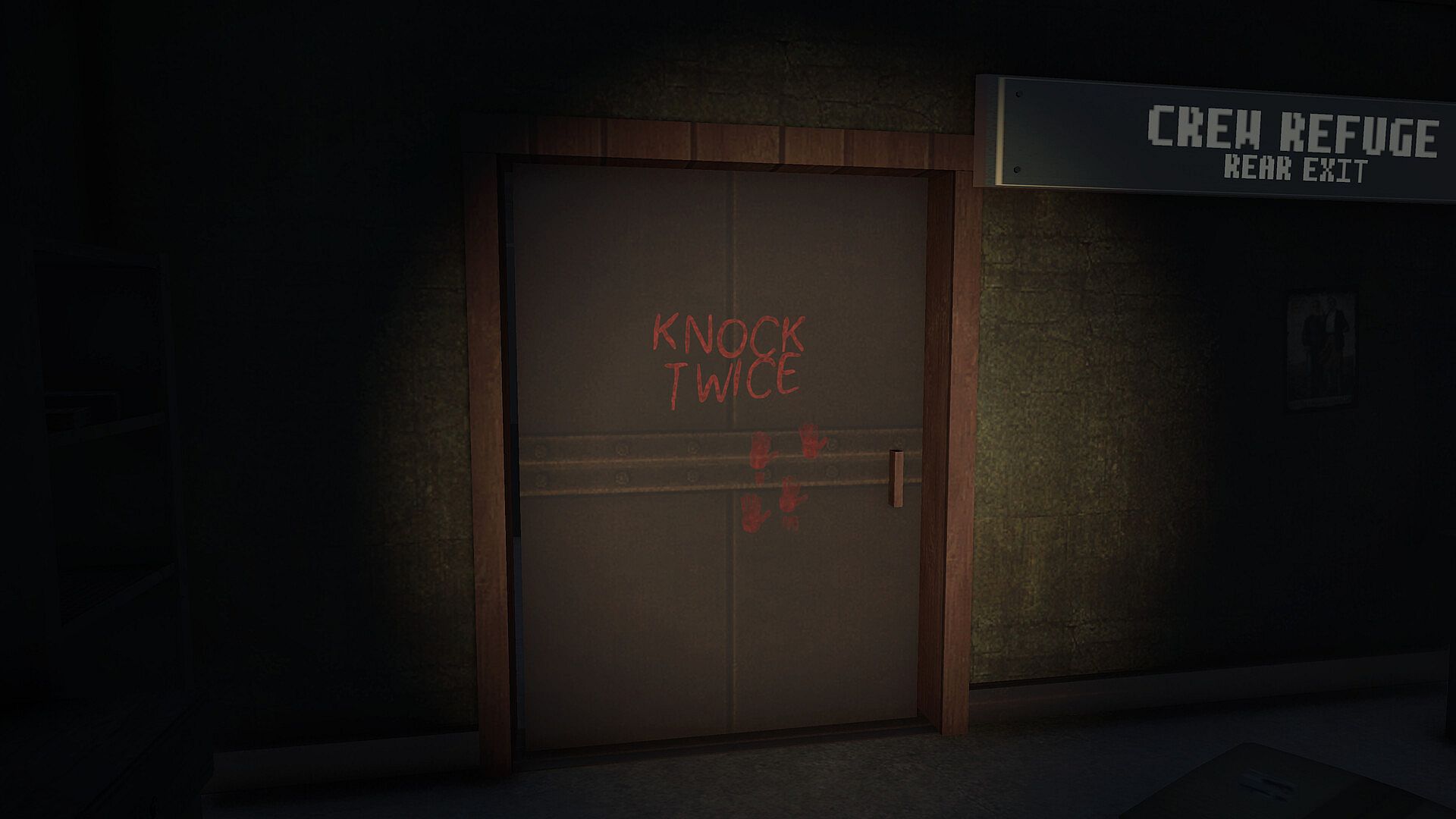
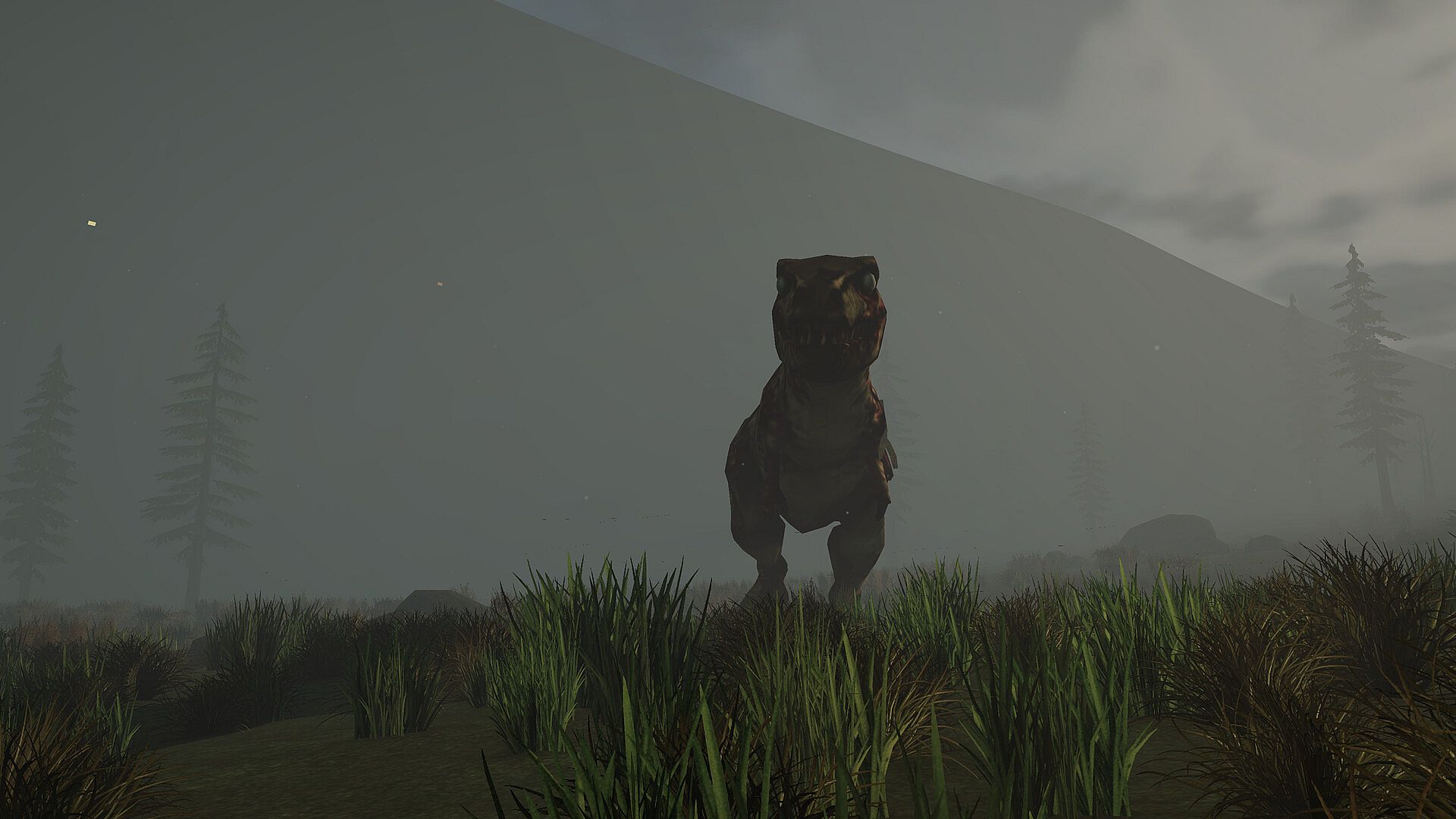
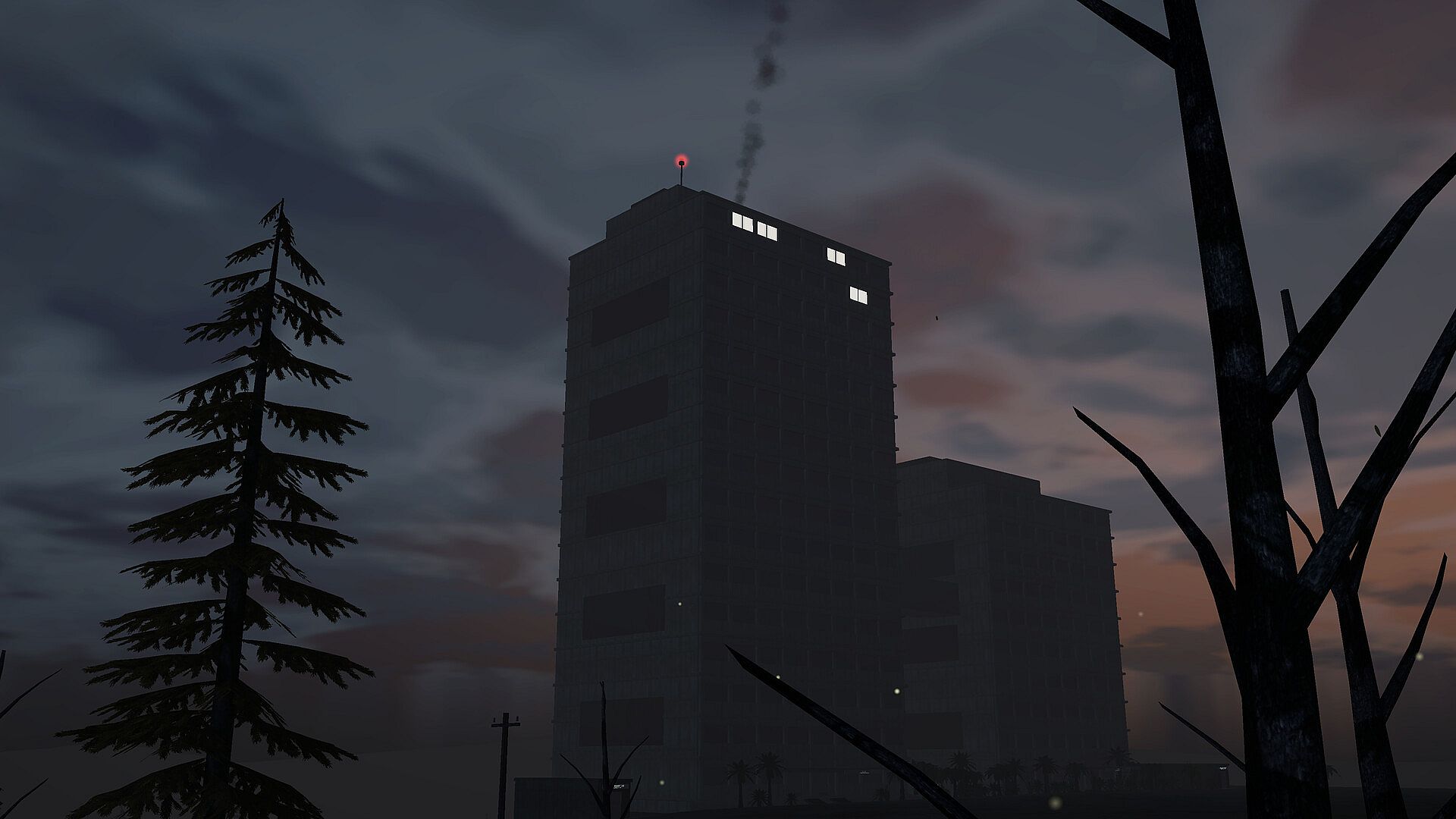

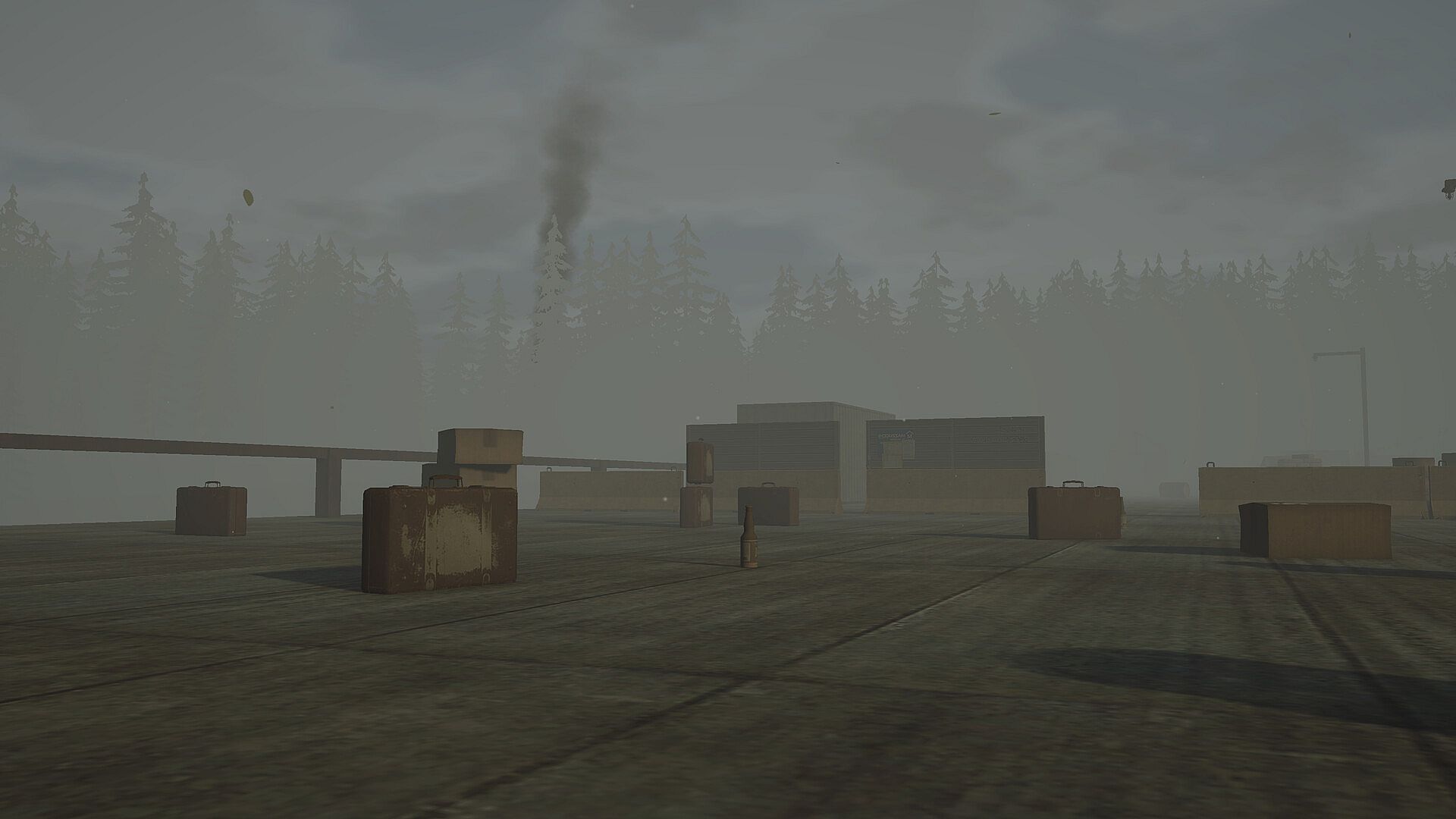
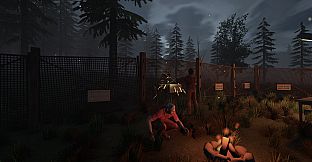
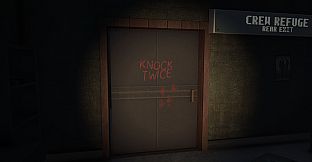


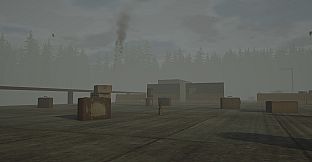
Stay Extinct is a survival action adventure game set on a remote research island where dinosaurs have turned hostile after an infection spreads among the carnivores. Players arrive as relief crew only to find the facility sealed and the preserve in chaos, with the task of uncovering what happened while staying alive amid infected hunters and living herds. The experience blends exploration, resource management, crafting, and base building in a low-poly visual style reminiscent of classic console eras, supported by modern lighting and atmospheric sound design.
Gameplay
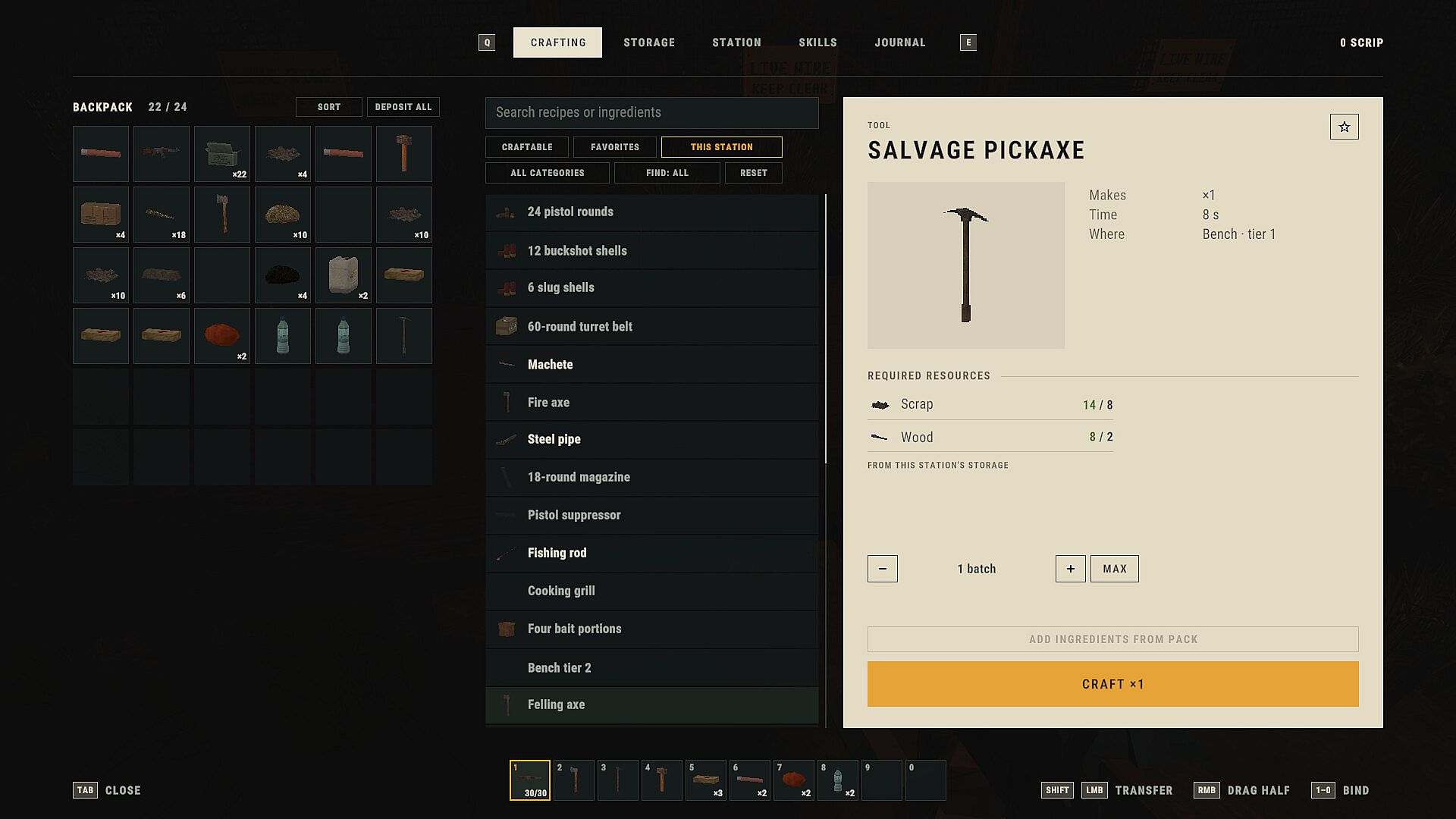
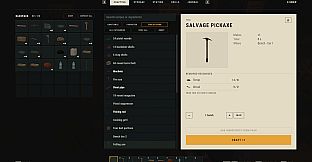
Core survival systems revolve around managing hunger, thirst, bleeding, and infection while scavenging supplies, hunting, fishing, and processing water. Players mine stone, iron, and coal, then smelt and craft tools, weapons, and repairs at workbenches. Day and night cycles matter because darkness favors the infected, though storms can provide brief advantages by disorienting them. Outbreaks trigger chain reactions across the island when crier alarms sound, drawing packs along roads if power systems fail and fences drop.
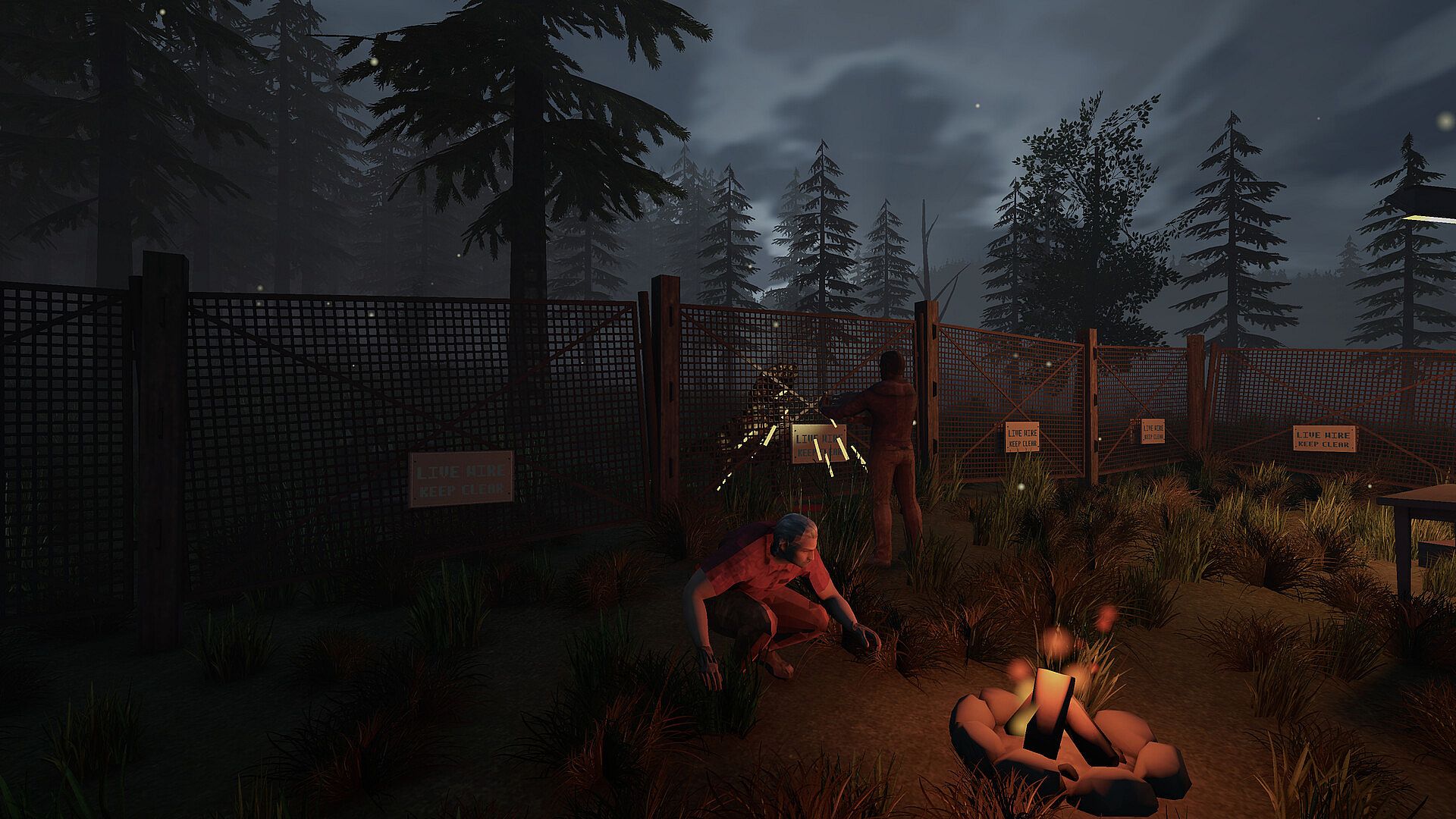
Building allows settlement anywhere with foundations, walls, doors, roofs, storage, and generators. Electric fences shock threats and redirect dinosaurs but also emit a hum that attracts attention, while trip alarms, spike pits, lure stations, motion lights, and turrets add layered defenses at the cost of noise. Vehicles like vans and flatbeds require fuel and maintenance for transport, with passengers able to shoot from windows during travel.
Skill progression uses six classless trees featuring keystones that alter playstyles, such as shoving infected aside, silent takedowns from behind, wiring live fences, hotwiring vehicles, or reviving teammates without a medkit. Field cameras capture species for a field guide that reveals weak points, ranges, and charge-breaking tactics once entries advance. Sedation and sampling at lab benches produce dossiers, serums, and species-specific scent lures.
Game Modes
The game supports solo play or online co-op for up to four players. The host maintains the persistent world state, allowing friends to join ongoing sessions and resume as the same character. Proximity voice chat carries naturally from the player's position, while crafted walkie-talkies extend communication across distances through static. Shared carrying lets two players move heavy loads, downed teammates can be dragged to cover, and pings highlight incoming threats for the group.
Exploration and Encounters
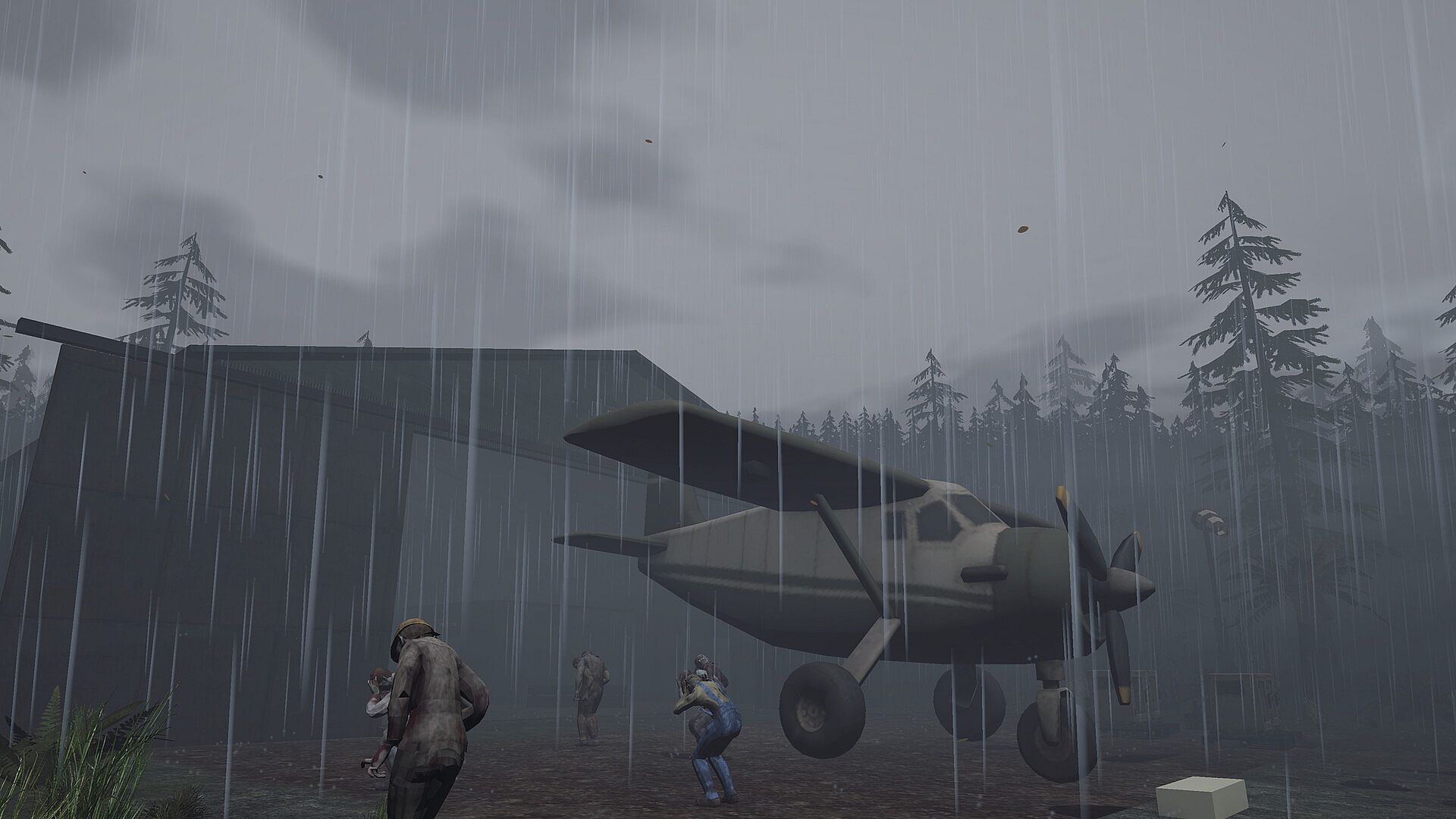
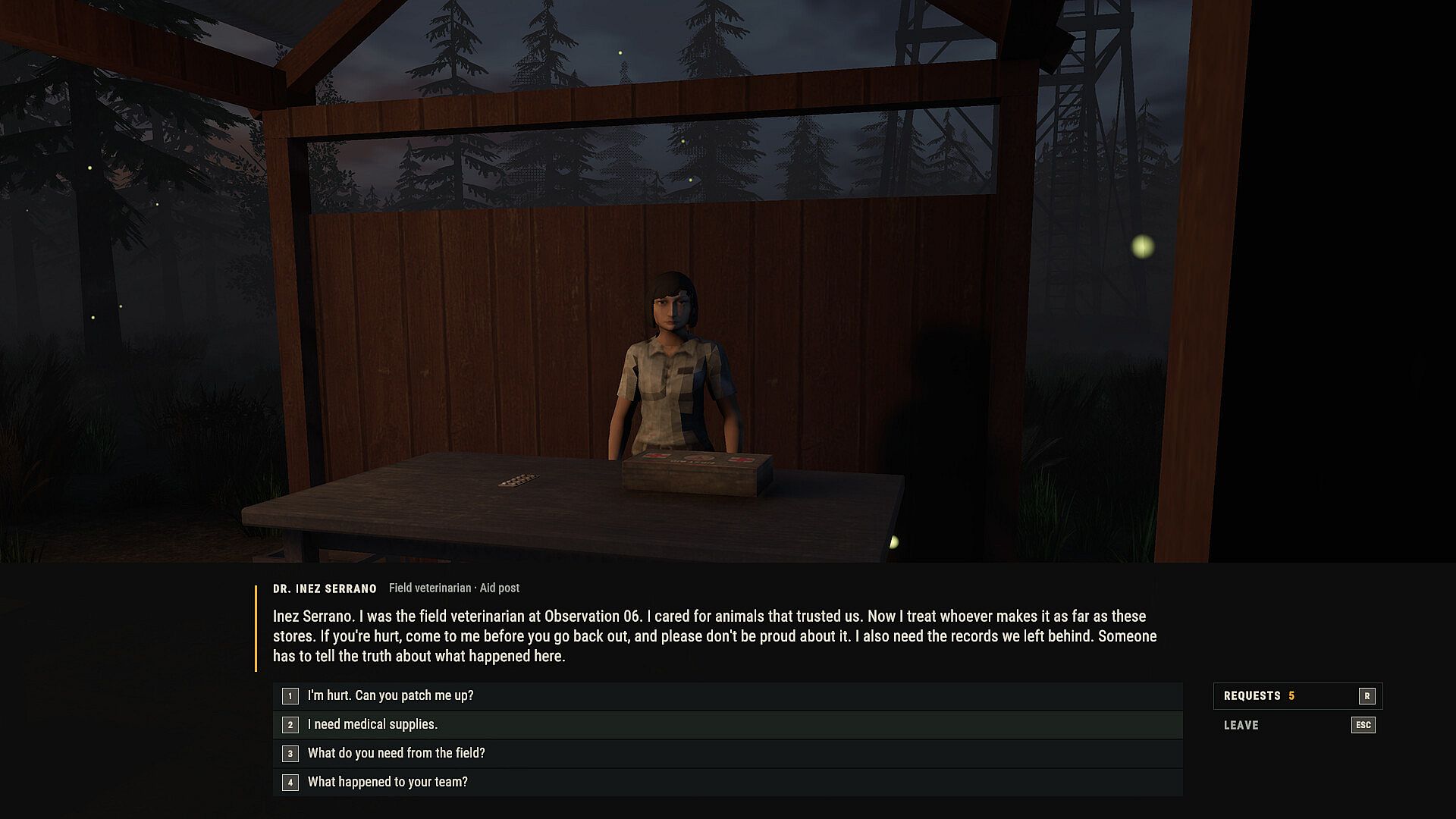
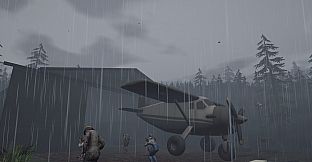
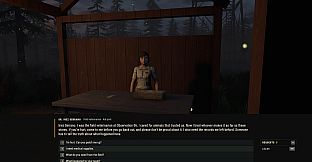
More than thirty distinct locations span the four-kilometre island, including a research campus, colliery, airstrip with an abandoned cargo plane, fuel farm, disposal works, fire lookout, welded north gate, and multiple underground sections. No objective markers guide progress; players place their own pins on the map. Seven survivors remain in isolated pockets, each with personal dilemmas that players may choose to assist or ignore through escort missions, crate hauls, or pump maintenance under pressure.
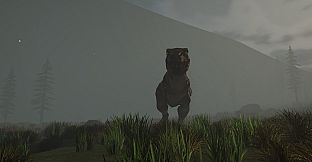
Infected dinosaurs include coordinated raptor packs that flank from multiple angles, territorial T-rexes drawn to engine noise, and ambushing Spinosaurus beneath reservoir marshes. Healthy herbivores pose separate risks, with domehead bulls charging through structures and crested criers summoning hunters. Larger sauropods migrate through valleys, while Ice Age paddocks house mammoths, giant elk, and ground sloths behind live wire. Infected human staff still occupy labs, housing, and tunnels, some sprinting or emerging from the ground.
Is It Worth Playing?
Stay Extinct suits players who enjoy deliberate co-op survival loops that combine dinosaur encounters, base construction, and open-ended investigation without hand-holding objectives. The emphasis on shared tasks like dragging teammates, splitting heavy loads, and coordinating via proximity chat rewards groups that communicate and plan defenses, while solo runs test individual resourcefulness and timing around day-night cycles. Those drawn to atmospheric exploration of abandoned facilities, field documentation of wildlife, and incremental skill customization will find consistent depth in the systems described. The game remains in active development, with all listed features present in its current build.