






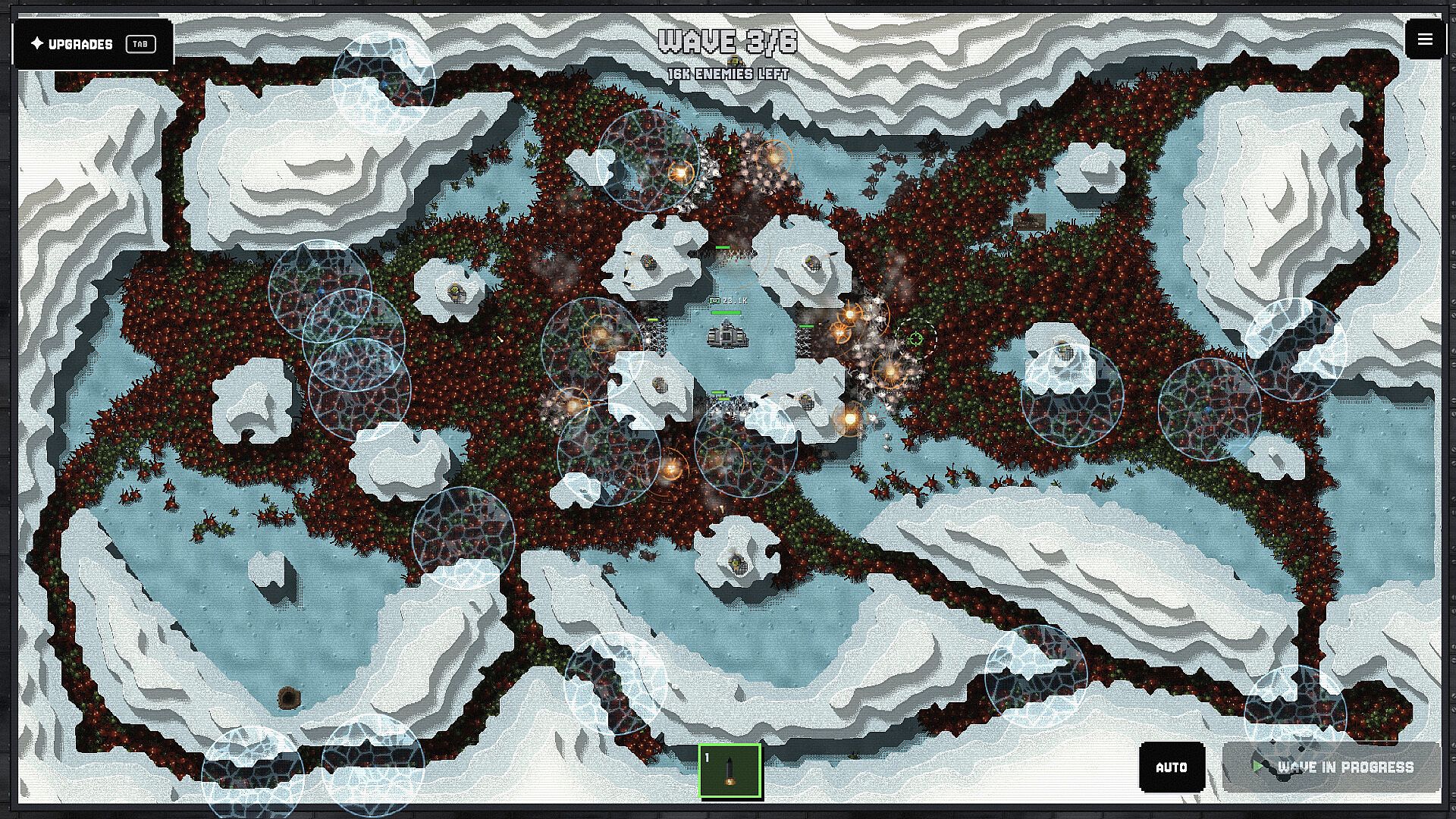
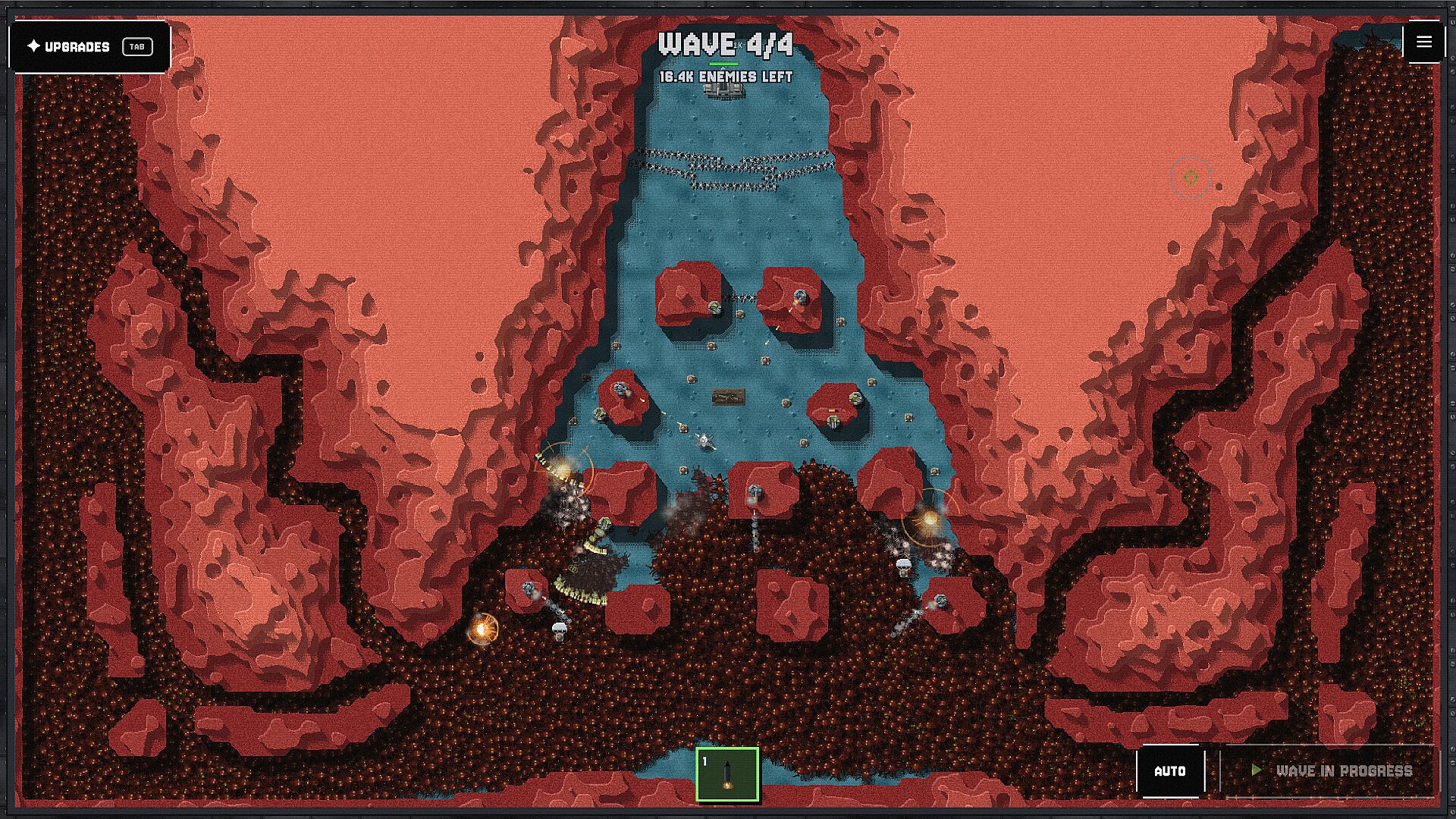
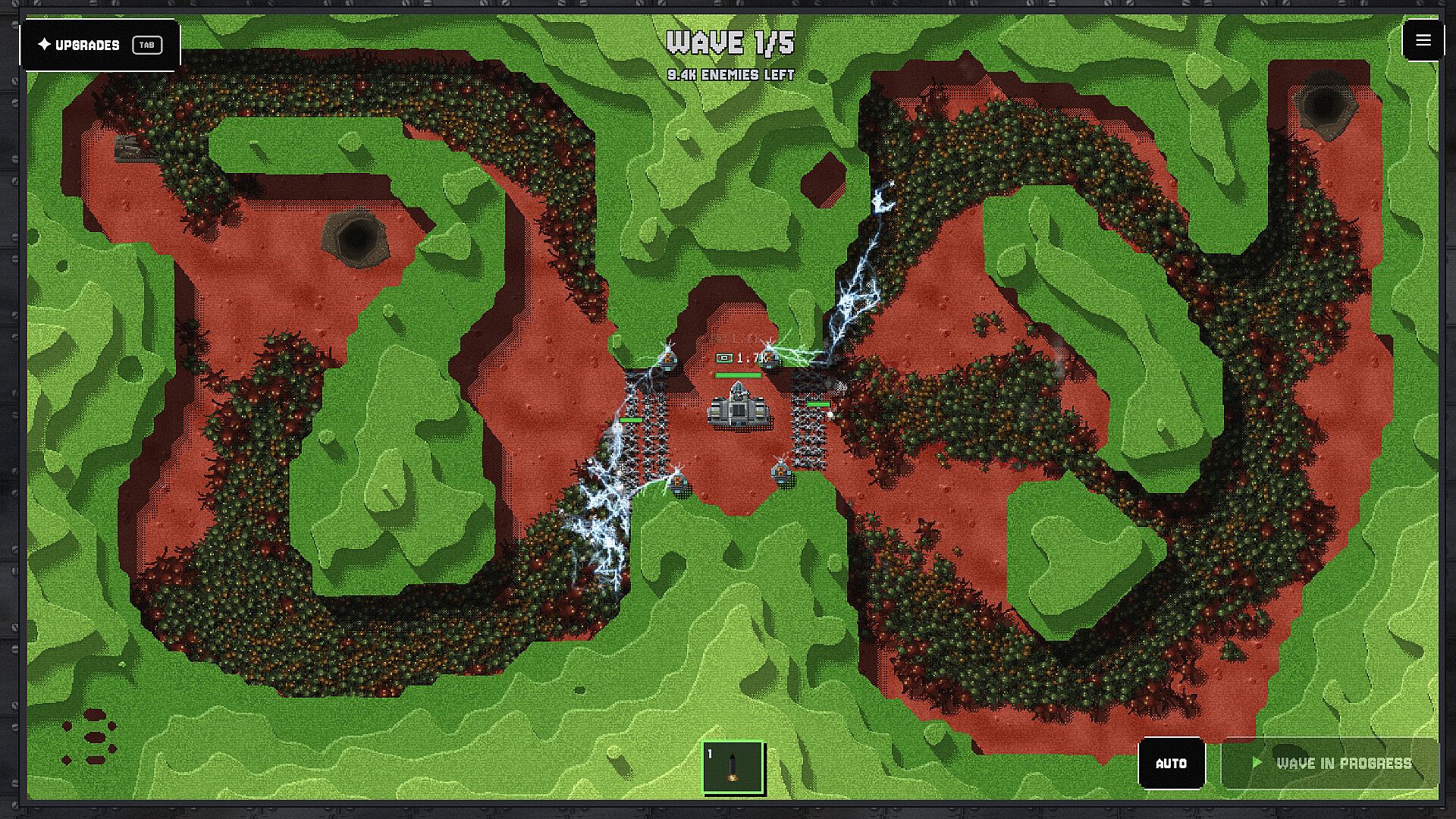
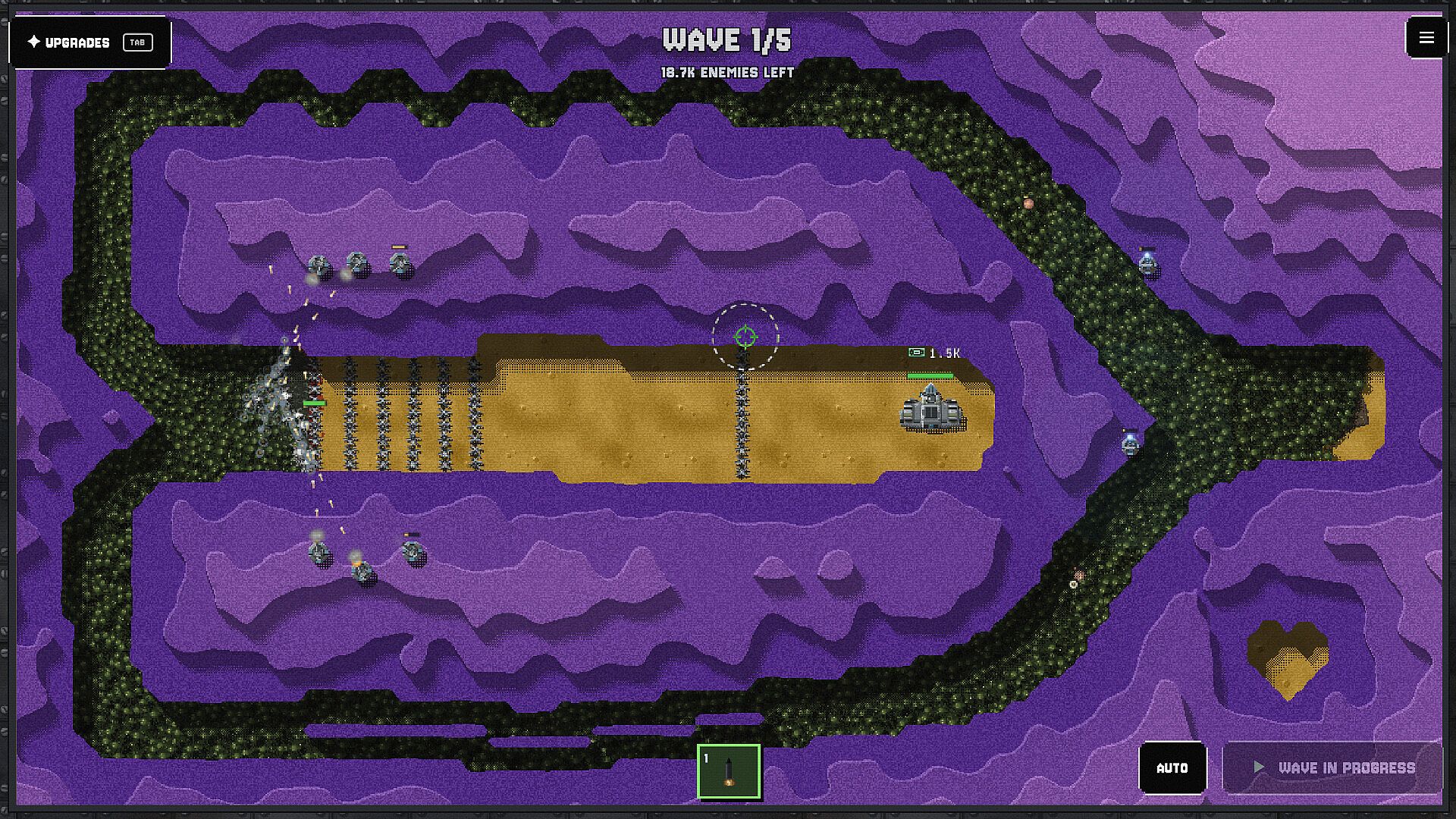
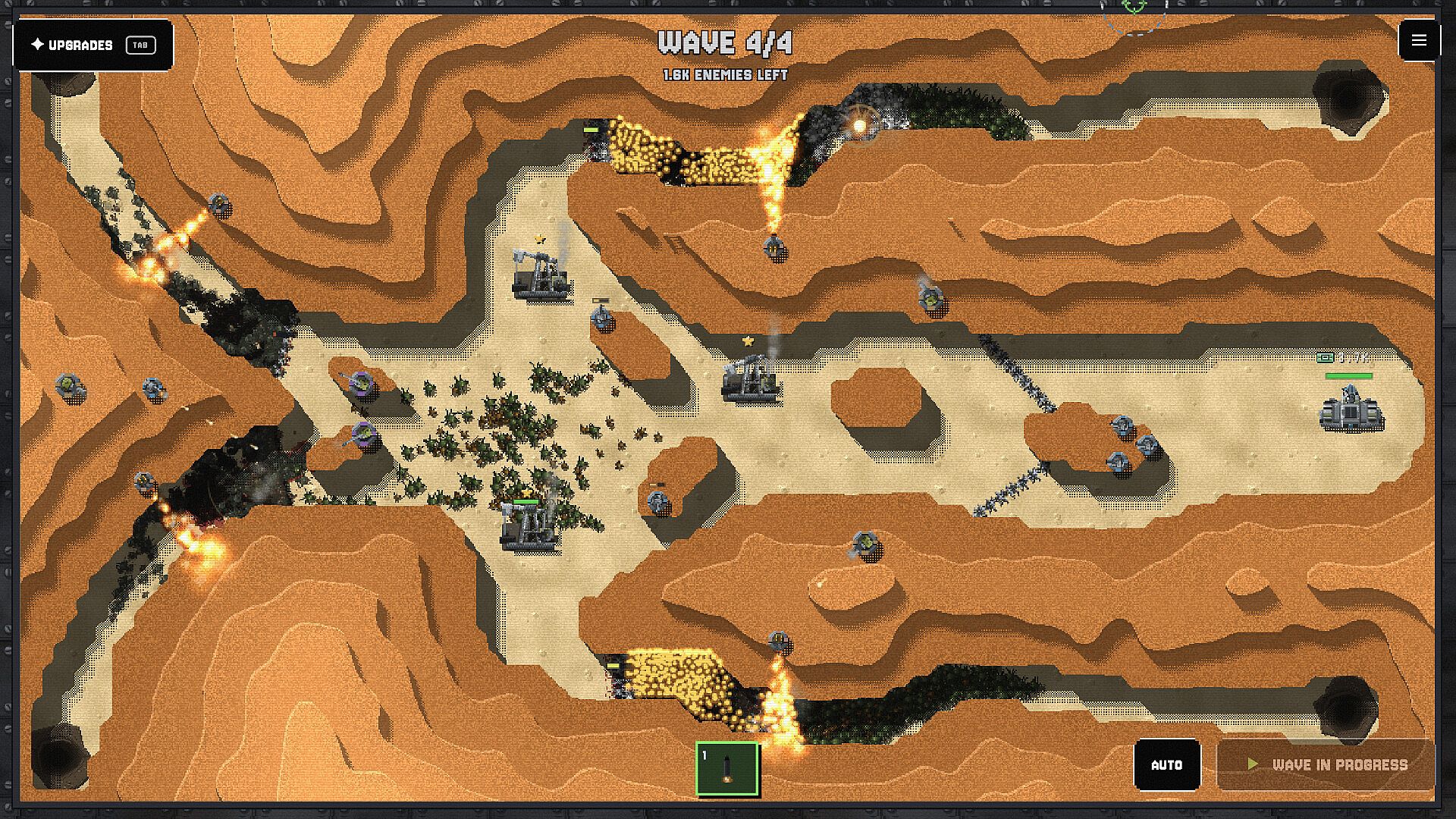
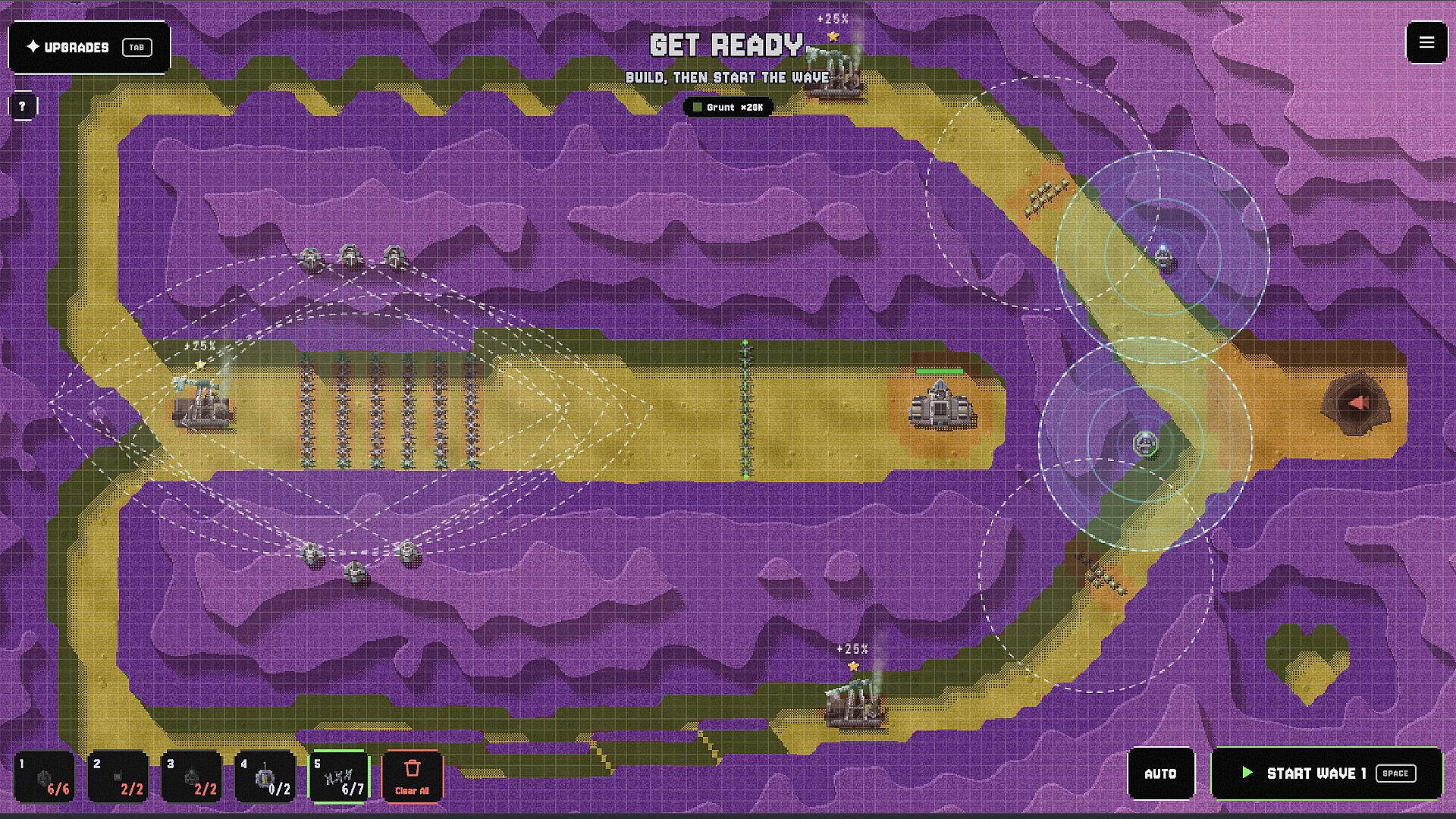
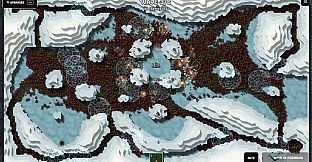
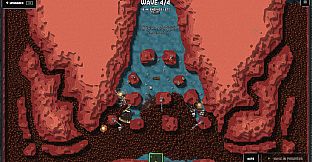
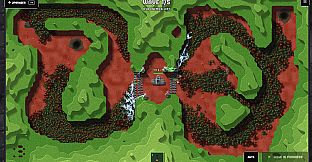
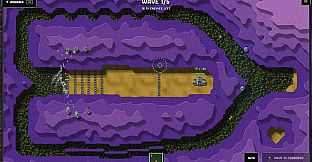
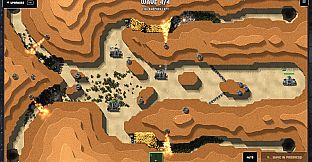
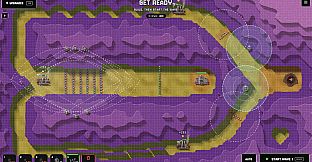
Swarmbreaker is an incremental tower defense strategy and simulation game for PC that puts players in command of defenses against massive, physics-driven swarms of insects. The core experience centers on managing thousands of individual enemies that interact realistically with the environment and each other, rather than following predictable paths. This creates fluid, unpredictable advances that demand constant adaptation through placement of turrets, walls, soldier squads, and traps.
Gameplay
The gameplay loop revolves around building and refining defenses while the swarm behaves as a dynamic, physics-based system. Individual bugs collide, pile up against barriers, squeeze through gaps, and flow around obstacles, turning the battlefield into a living simulation. Players shape the terrain by positioning turrets on elevated rocks for better angles or placing walls and squads on open ground to funnel threats into kill zones. This interplay allows control over swarm movement instead of relying solely on raw damage output.
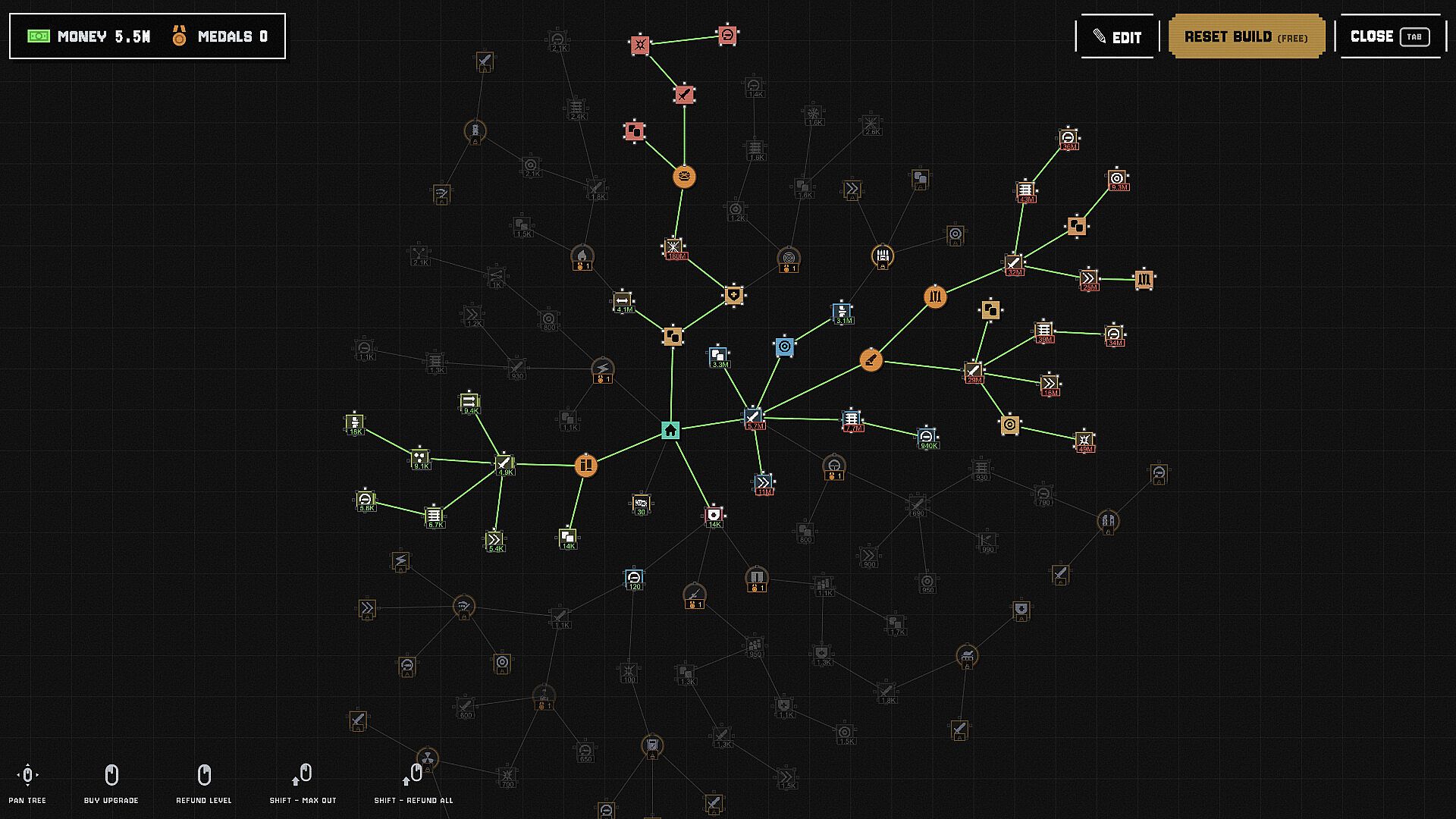
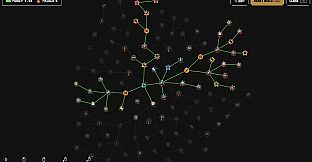
Enemy variety adds tactical depth. Basic Grunts form the bulk of assaults, while speedy Runners test reaction times, armored Brutes require focused fire, and deadly Elites demand priority handling. Flyers bypass ground defenses entirely, forcing mixed setups, and the Warden stands out as a key threat because it generates large shields that protect nearby insects. Upgrades from a tech tree with over 100 nodes apply instantly, enabling immediate adjustments to turret performance, trap effects, or soldier capabilities during a level.
With more than 20 unique turrets and traps available, options include chaining effects like Tesla coils that arc between targets and gravity fields that manipulate enemy positioning. Soldier squads can be deployed and directed to hold specific lines, complementing static defenses. The incremental nature means resources and upgrades accumulate across sessions, encouraging experimentation with combinations that alter how swarms navigate and cluster.
Game Modes
Swarmbreaker focuses on a single-player campaign structure built around conquering more than 20 distinct levels. Each level presents unique tactical challenges through varied terrain layouts, swarm compositions, and environmental constraints that test different defensive approaches. Progression involves surviving relentless waves while refining builds on the fly, with the physics simulation ensuring no two attempts unfold identically even on the same map.
Levels scale in complexity, introducing new enemy types and requiring players to balance static fortifications with mobile elements like soldier squads. The emphasis remains on real-time decision making as the swarm reacts dynamically to obstacles and chokepoints created by the player. This format supports repeated playthroughs to optimize strategies and unlock further tech tree advancements that carry forward.
Key Mechanics and Features
Physics-based swarms form the foundation, with thousands of individual units that cluster, collide, and behave like a fluid rather than scripted waves. Battlefield shaping through walls, turrets, and squads lets players dictate swarm flow and create advantageous engagements. A broad arsenal supports specialized roles, from area denial traps to precision targeting tools, all enhanced by live upgrades that take effect without pausing the action.
The tech tree encourages deep customization, with nodes that directly influence turret chaining, gravity manipulation, soldier effectiveness, and defensive durability. Enemy-specific counters, such as prioritizing Wardens to remove shields or accounting for Flyers, integrate into every decision. These systems combine to reward thoughtful placement and adaptive responses over simple attrition tactics.
Is It Worth Playing?
Swarmbreaker suits players who enjoy strategy and simulation titles that emphasize systems interaction and incremental progression over traditional wave-based tower defense. The physics-driven swarm and battlefield manipulation provide a distinct layer of depth, appealing to those interested in emergent behaviors and creative defensive setups. With its focus on single-player level progression and extensive upgrade options, the game offers substantial replay value for experimenting with different turret and trap combinations across its levels.
Availability on PC makes it accessible for those with an interest in indie strategy experiences that blend simulation elements with tower defense fundamentals. The absence of multiplayer components keeps the emphasis on personal optimization and survival against escalating threats. For fans of games where positioning and environmental control matter as much as firepower, it delivers a focused, mechanics-heavy experience without unnecessary complexity.











