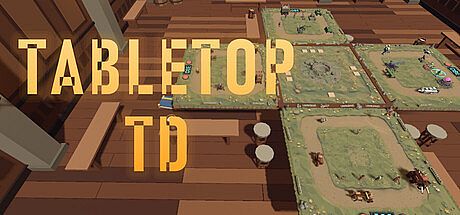


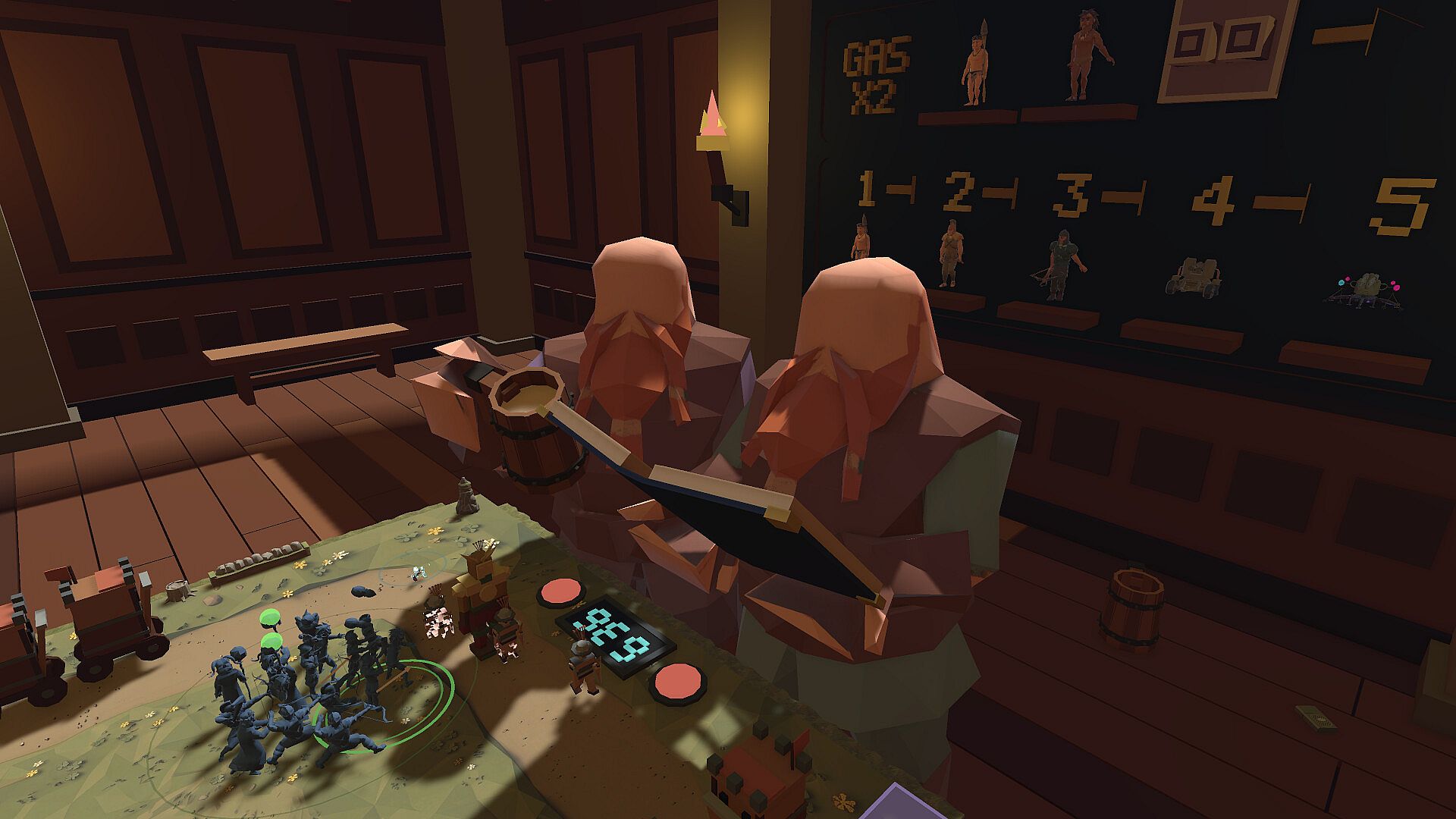
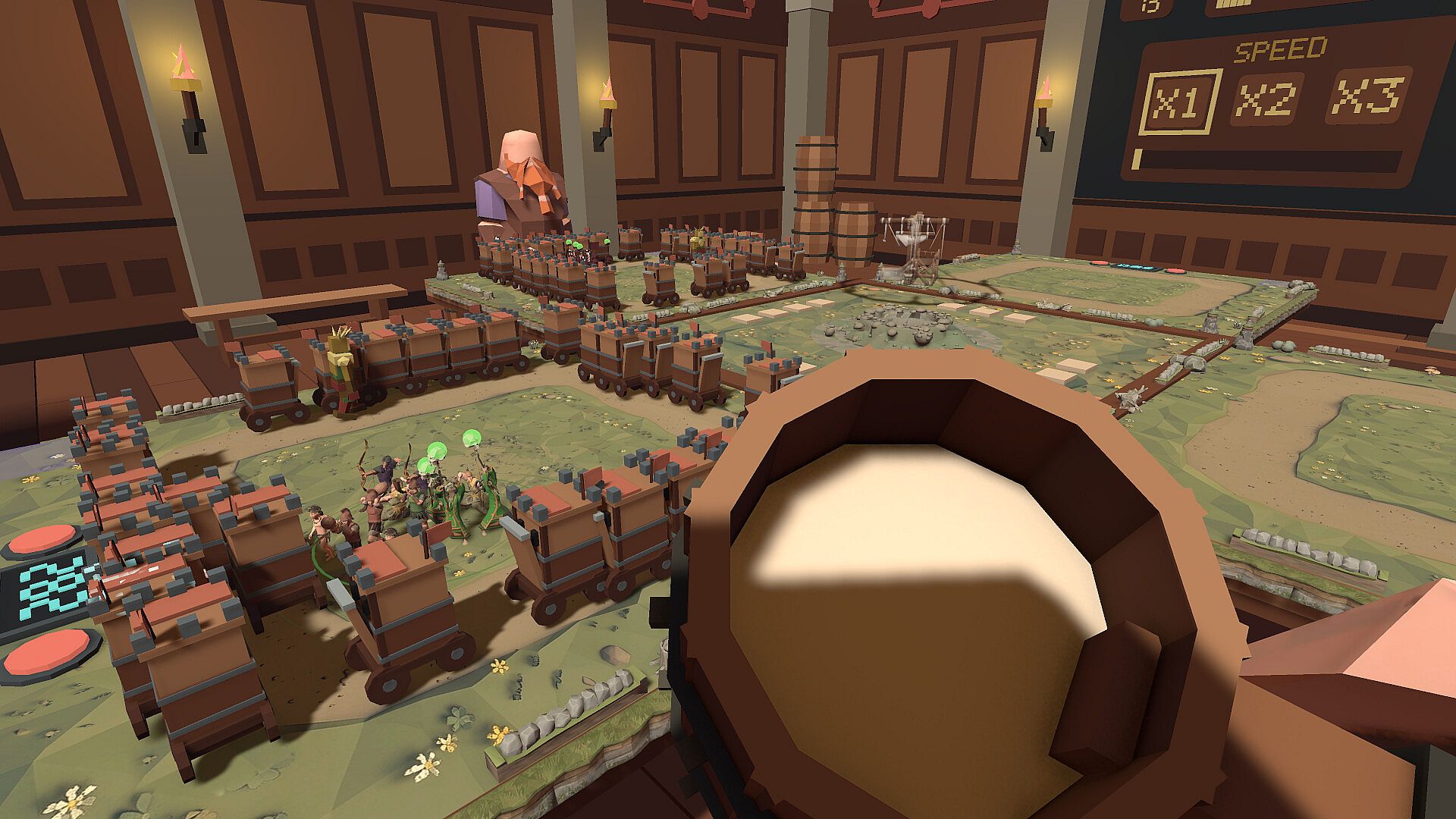
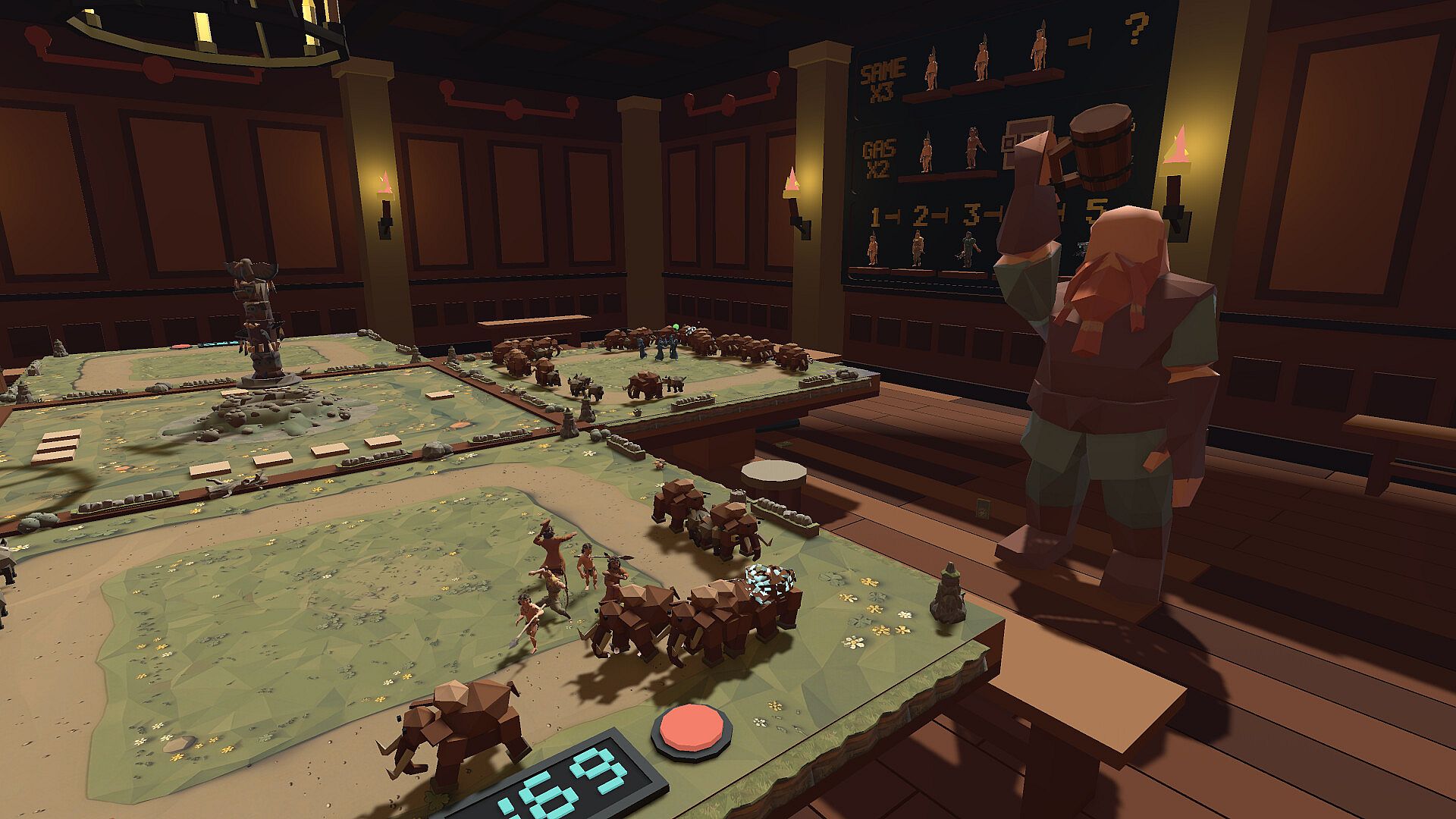
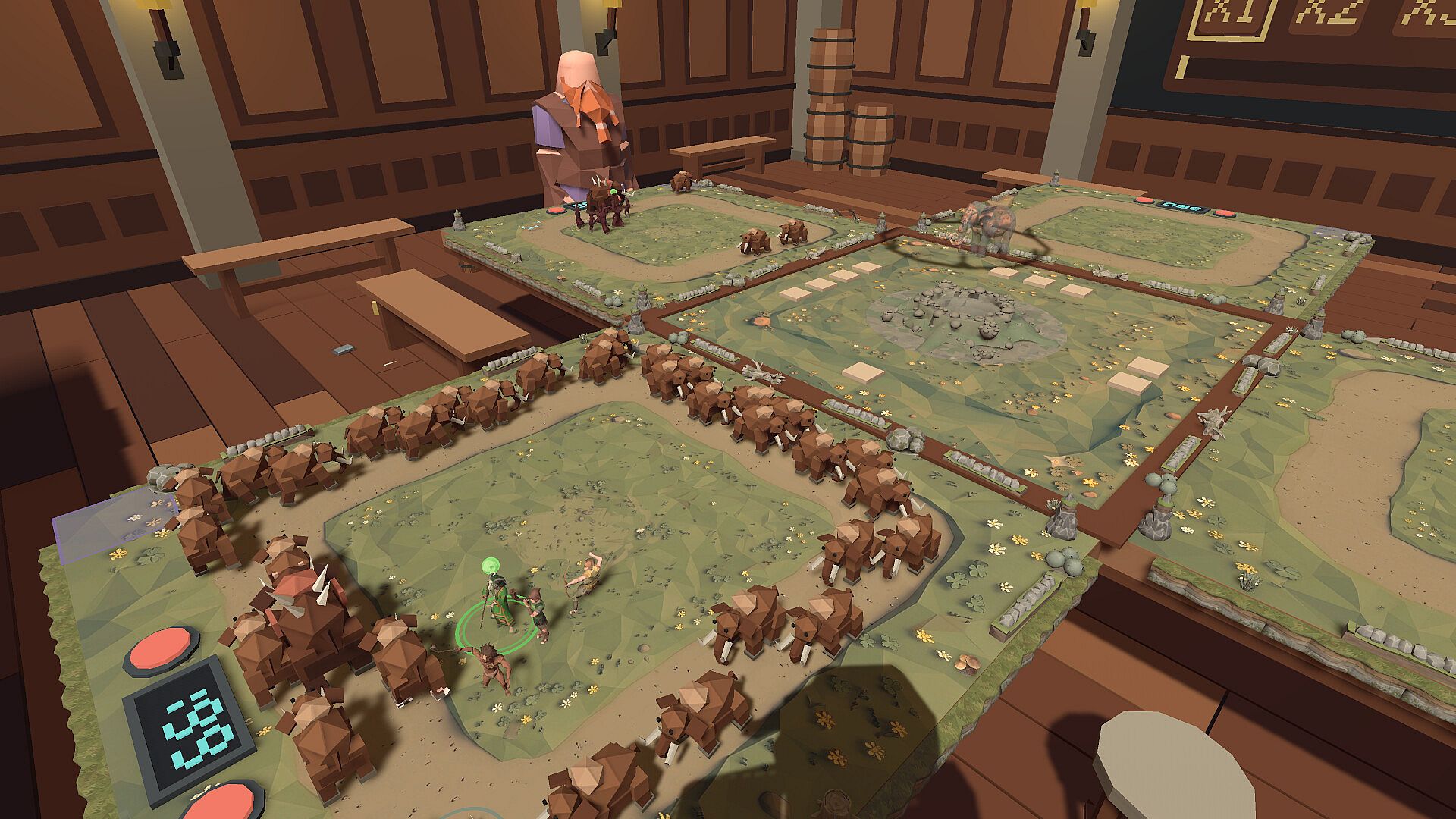
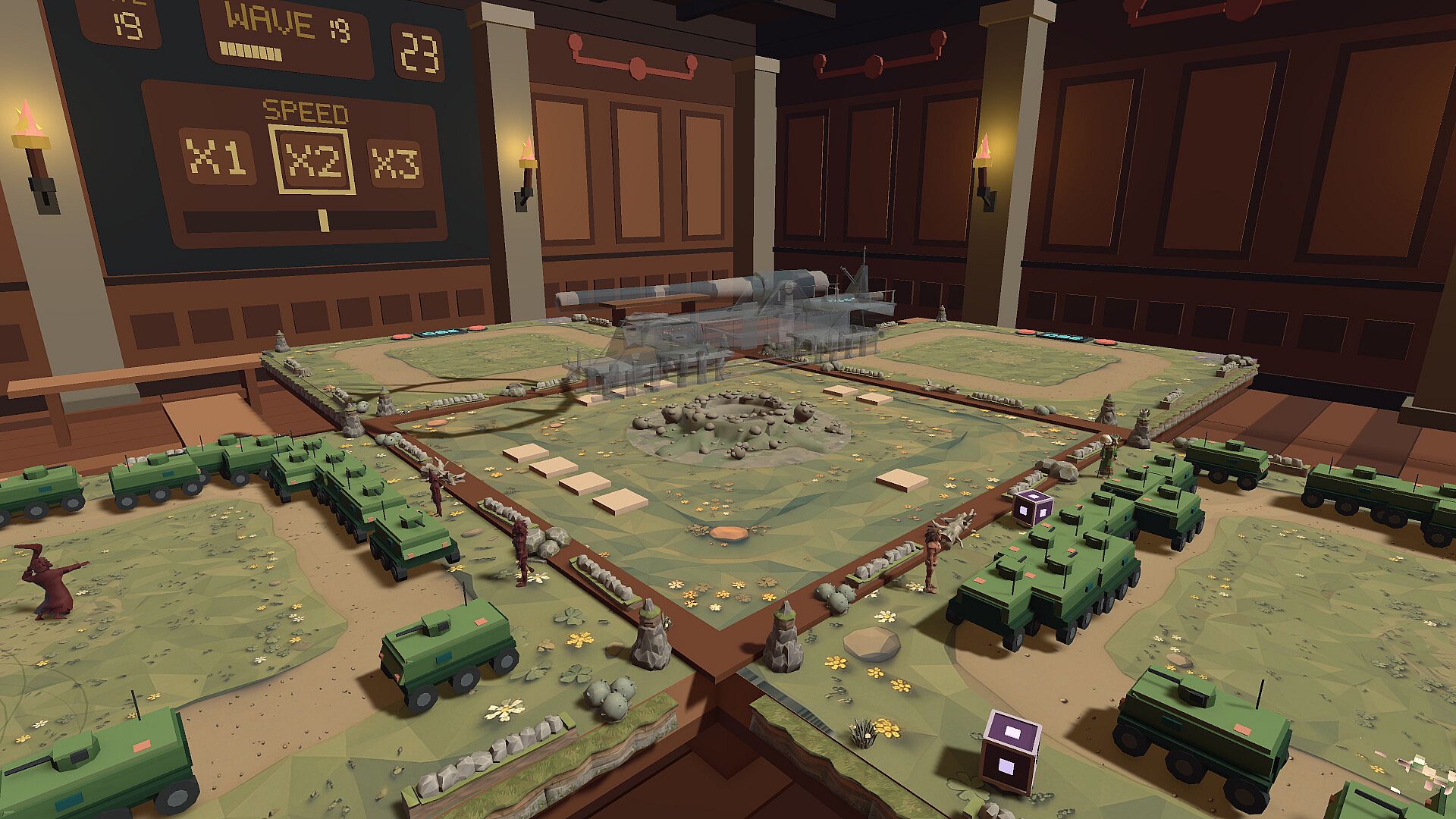
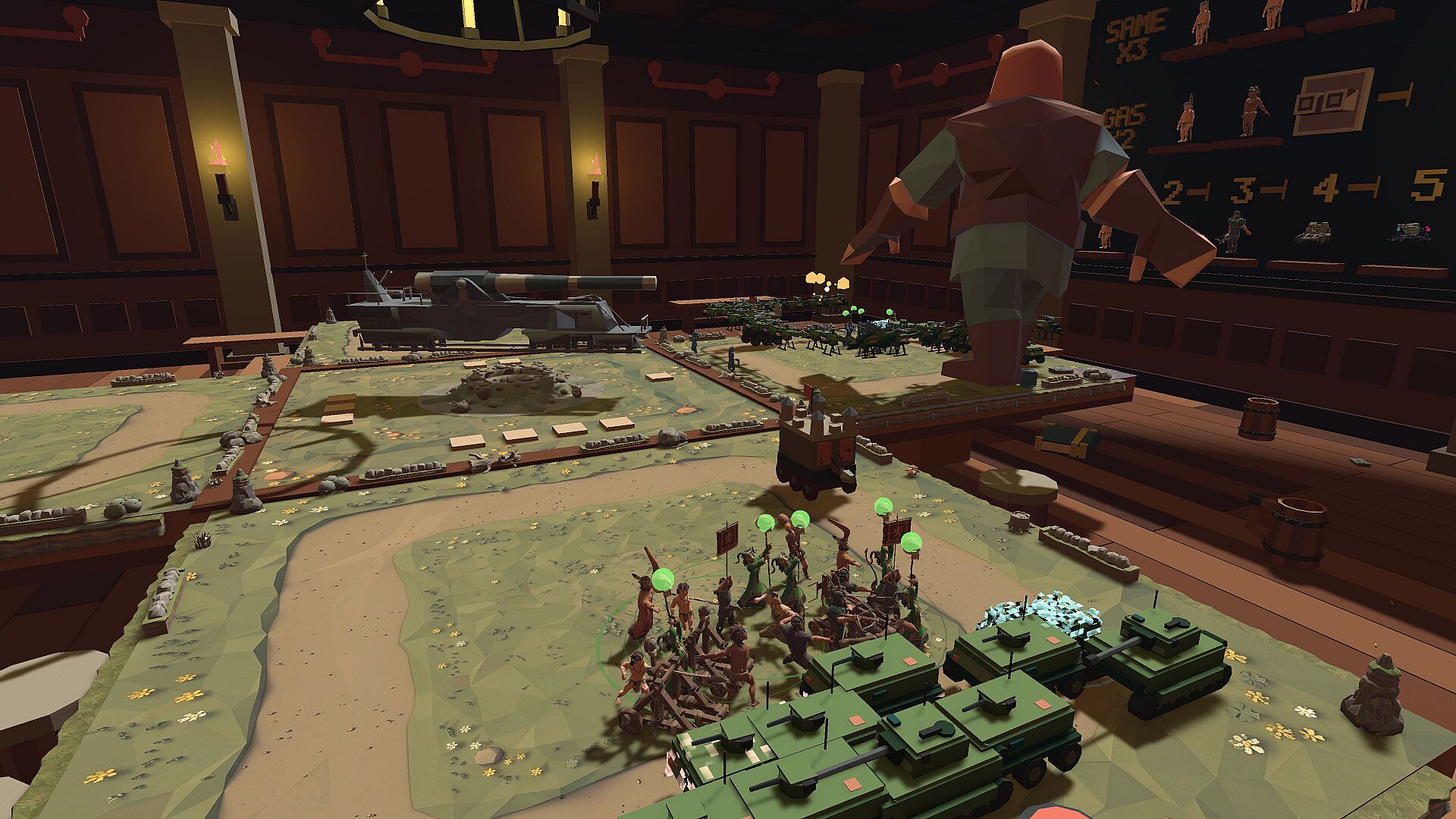
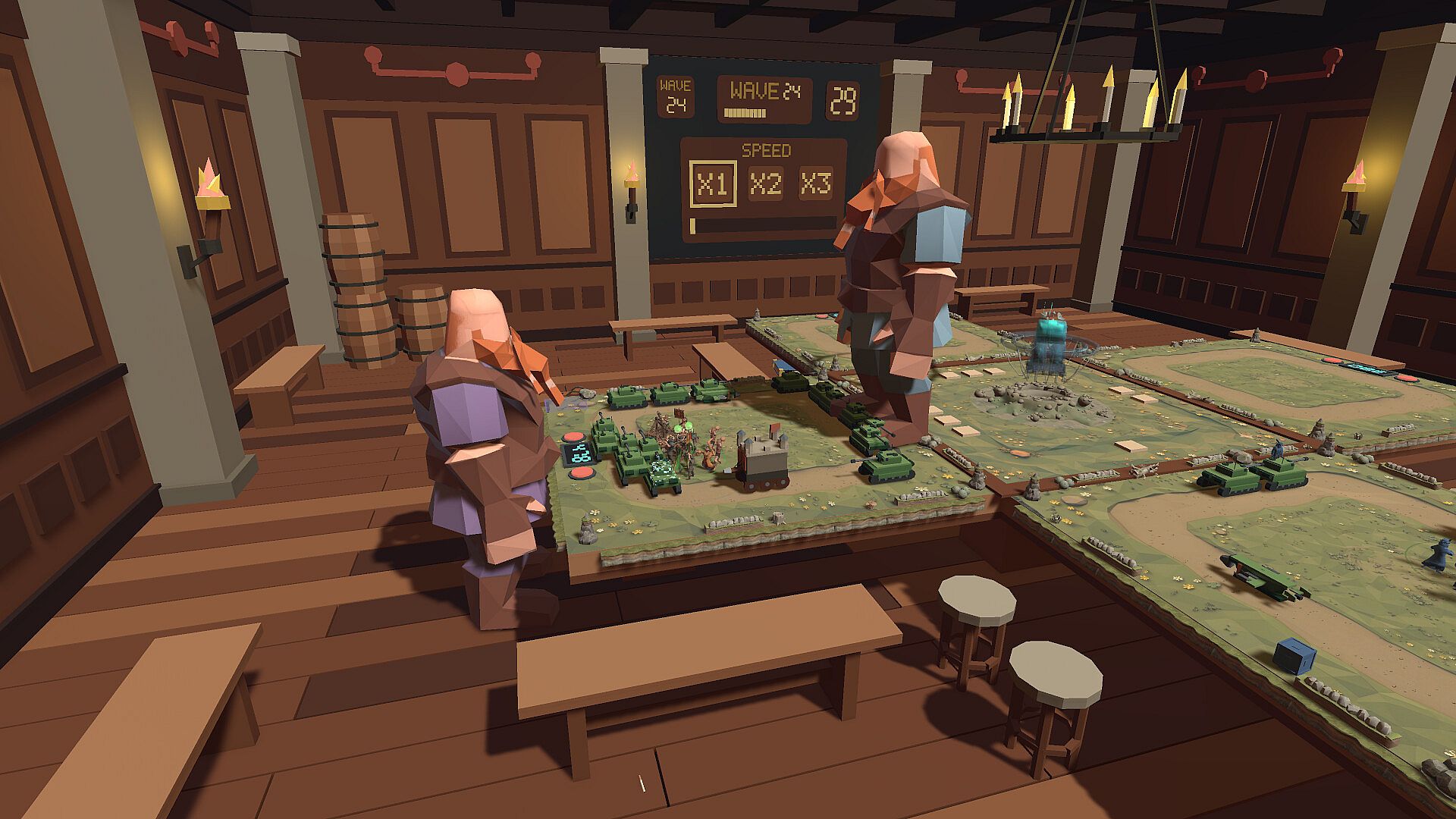
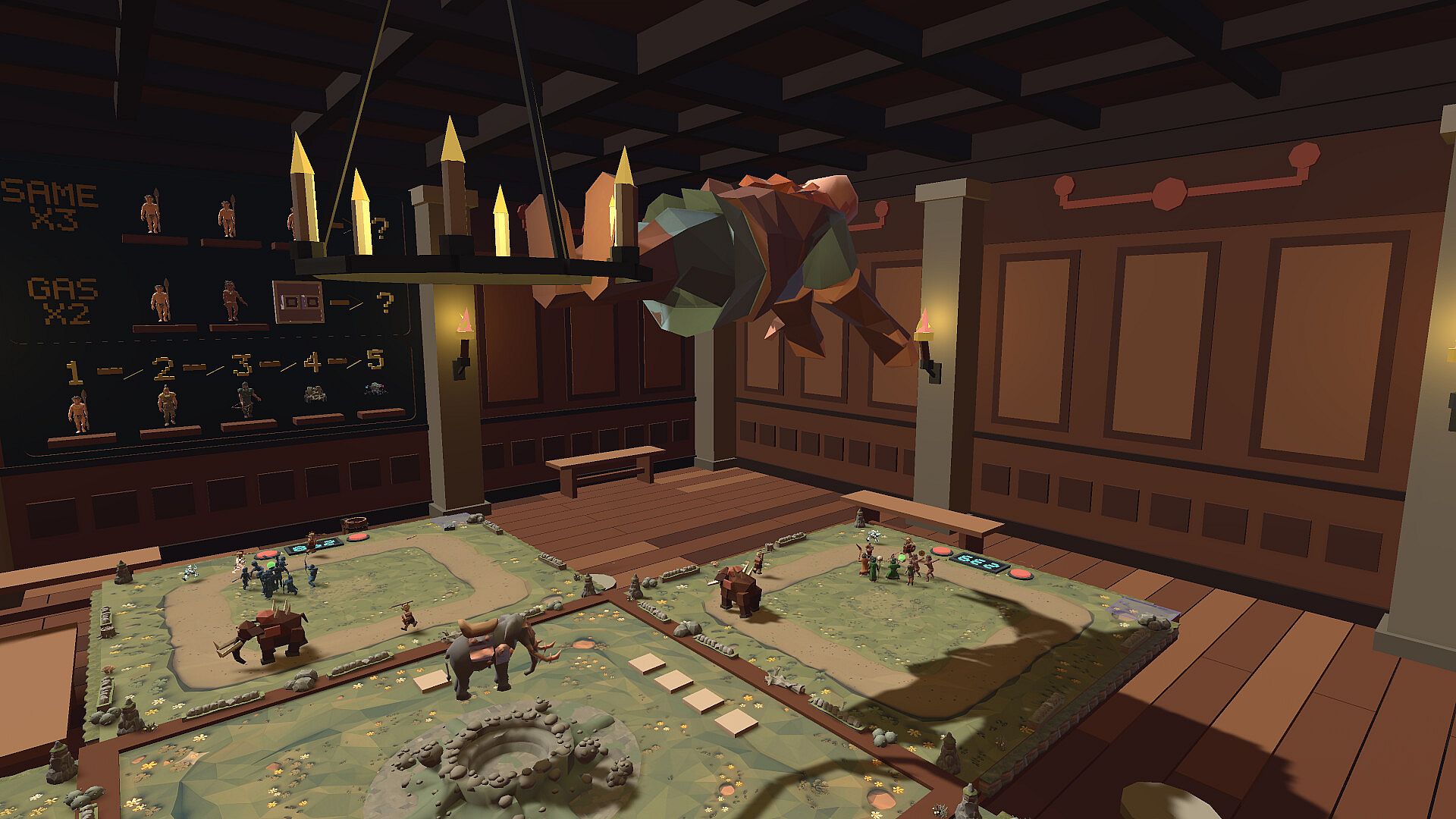
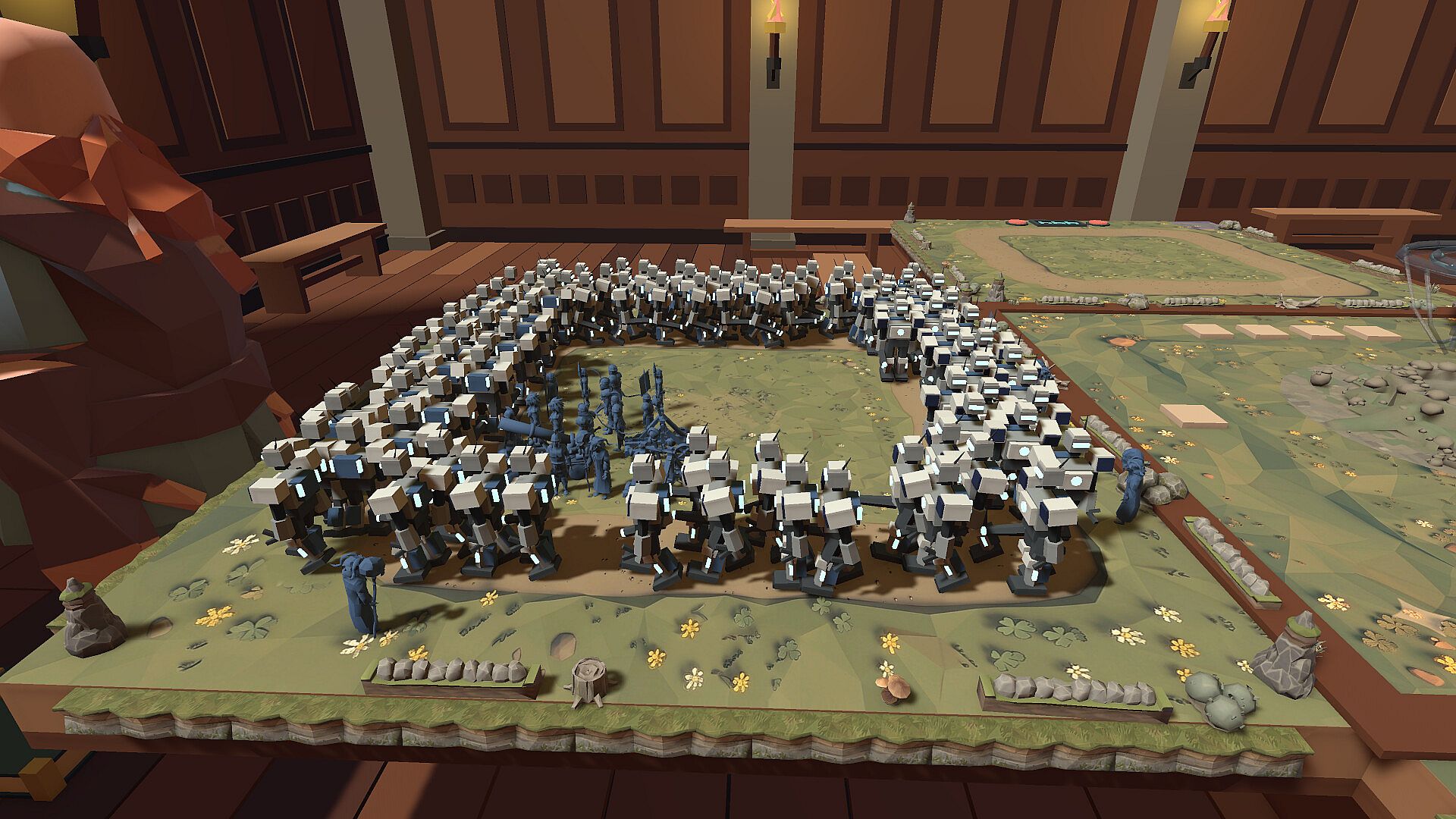
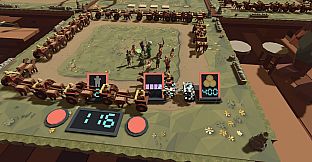
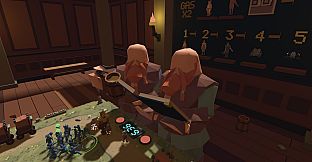
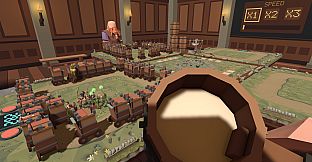
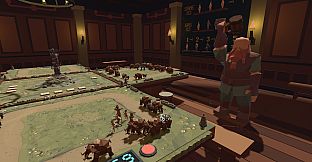
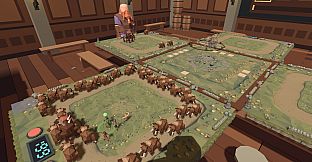
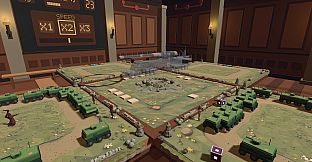
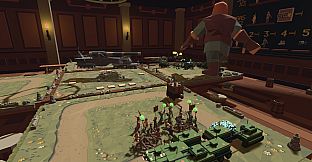
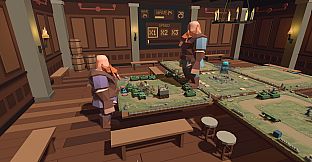
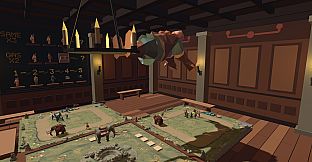
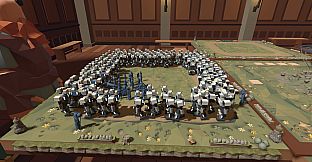
Tabletop TD is a strategy indie game for PC that blends tower defense with random draw and merge mechanics. Players build defenses across multiple eras by spending coins on random towers and combining matching ones to progress to stronger options. The core loop emphasizes luck management alongside tactical placement on a shared board where enemies advance in waves.
Gameplay
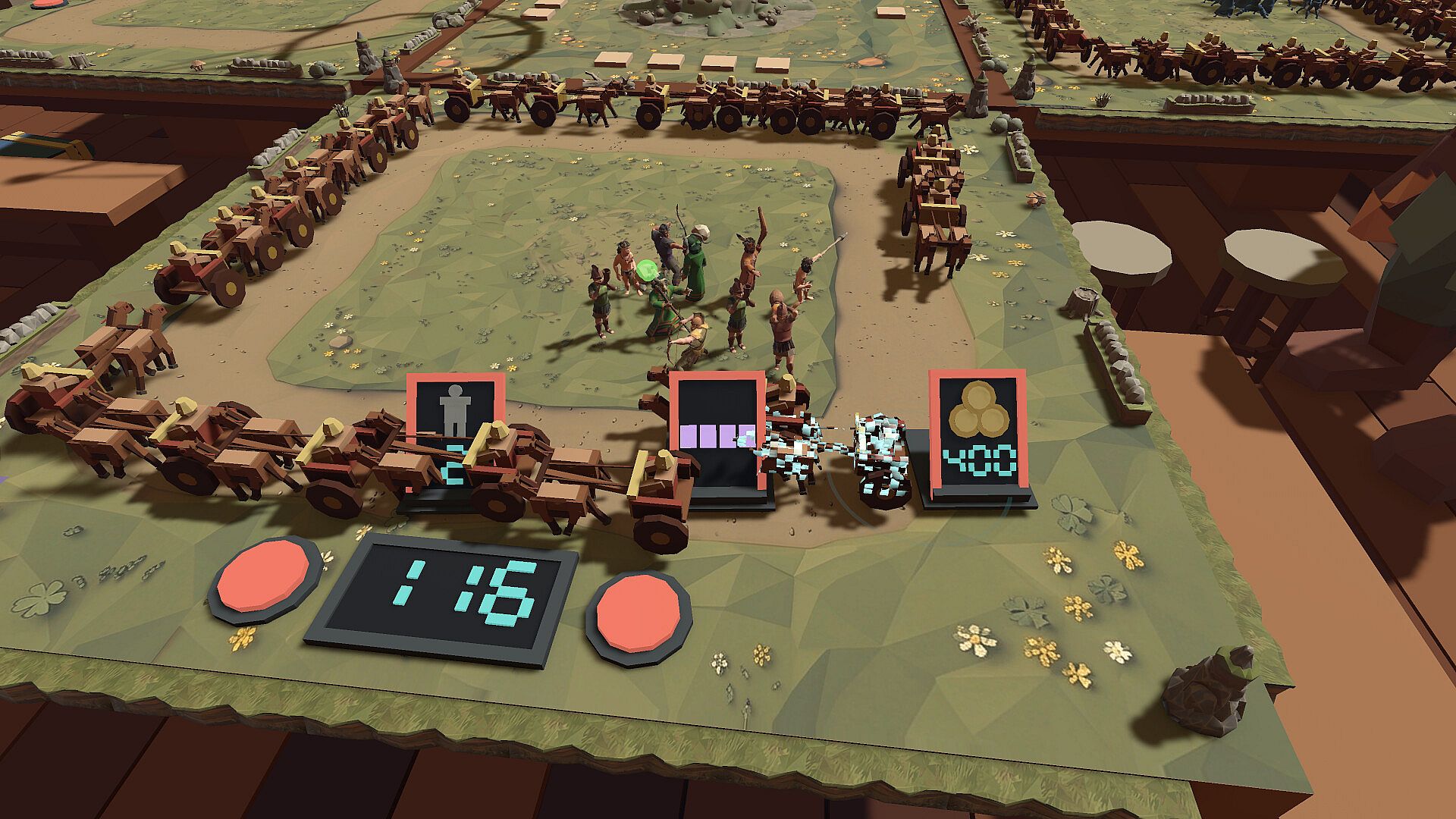
The central system revolves around drawing towers with coins and merging duplicates. Each draw pulls a random tower from the current era and type pool. Merging two identical towers produces a random tower from the next era, creating a progression path that spans five eras and twenty distinct tower types. This takes players from basic stone-age spearmen through to advanced laser turrets. Enemies move continuously around the board edges, and failure occurs if they accumulate without sufficient defense coverage. A single high-era tower can clear large groups, rewarding strong draws while punishing repeated poor luck.
Boss encounters provide a choice of three rewards that can address specific weaknesses in a run. Missions offer an outlet for excess low-era towers, converting them into useful progress rather than leaving them as dead weight. The random nature of draws and merges means every session requires adaptation, with positioning and timing determining whether a run survives the full sequence of threats.
Game Modes
Standard runs consist of thirty waves that last roughly thirty minutes. Completion unlocks Endless mode, where players test how far their tower combinations and luck can carry them against increasing pressure. The structure supports both solo attempts and shared sessions.
Multiplayer supports up to four players seated around the same table. Each player manages their own lane, but the entire group fails if any single seat is overrun. Players can reinforce allies' positions to stabilize weaker boards and maintain overall defense integrity. This cooperative setup turns individual draws into team resources, with communication helping to cover gaps created by unlucky merges.
Core Mechanics and Progression
Tower placement focuses on covering the circular path enemies follow. Early eras rely on basic units that require careful positioning, while later eras introduce specialized capabilities that can handle clustered threats. The merge system encourages holding onto pairs rather than spending every coin immediately, adding a layer of resource timing to the defense strategy. Missions integrate surplus towers into the loop, ensuring that even suboptimal draws contribute to long-term advancement.
The five-era structure provides clear milestones, with each advancement unlocking new tower possibilities through the random merge outcomes. Twenty tower types across these eras give variety in roles, from frontline blockers to area-clearing options, though exact synergies depend on what the draws provide in any given run.
Is It Worth Playing?
Tabletop TD suits players who enjoy strategy games that incorporate randomness and cooperative elements. The short run length makes it accessible for quick sessions, while Endless mode extends replayability for those seeking deeper challenges. The four-player co-op emphasizes teamwork over individual performance, appealing to groups that like shared defense setups. Those who prefer deterministic builds or solo-only experiences may find the luck-dependent merges less satisfying. The indie approach keeps focus on the core draw-merge-defense cycle without additional layers, making it a direct option for fans of tower defense with roguelike progression twists.