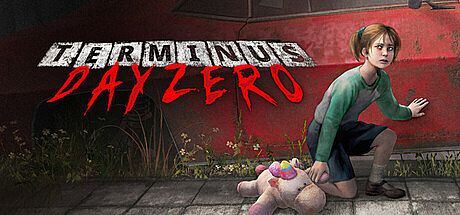



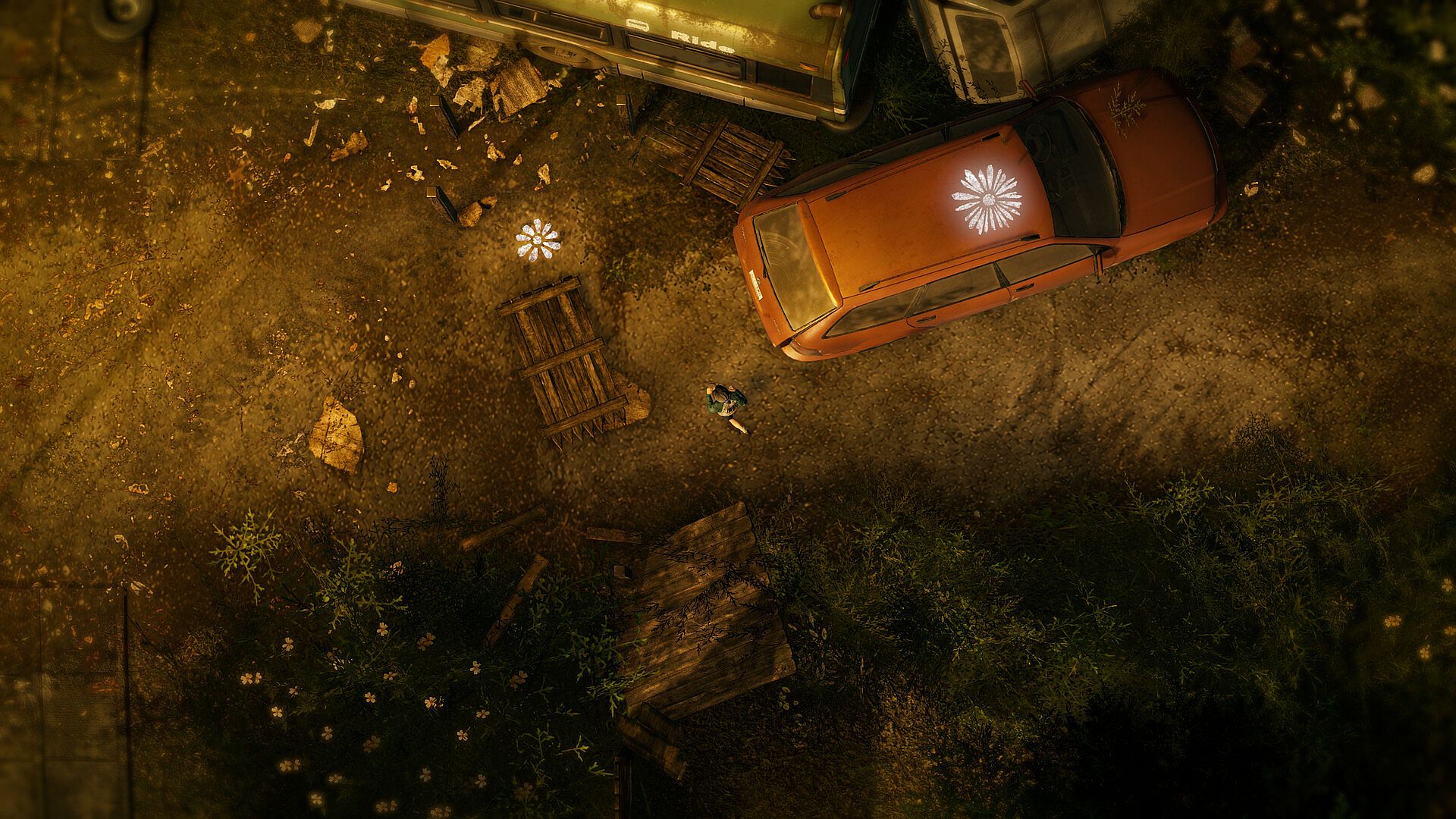

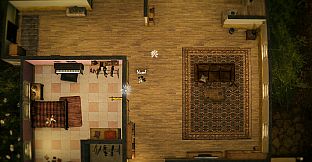
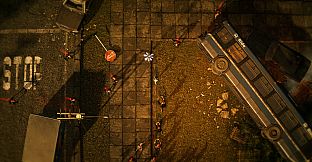
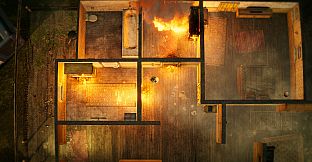
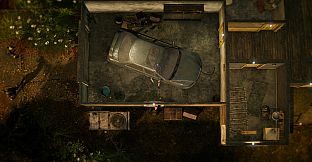
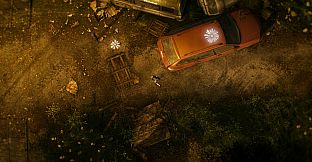
Terminus: Day Zero is a short zombie survival adventure set on the opening day of an outbreak. Players follow Daisy, a young girl who wakes alone in her house as the world outside begins to change. The experience blends action, adventure, and indie sensibilities on PC, focusing on tension built through limited resources and a child's perspective rather than combat prowess or long campaigns.
Gameplay
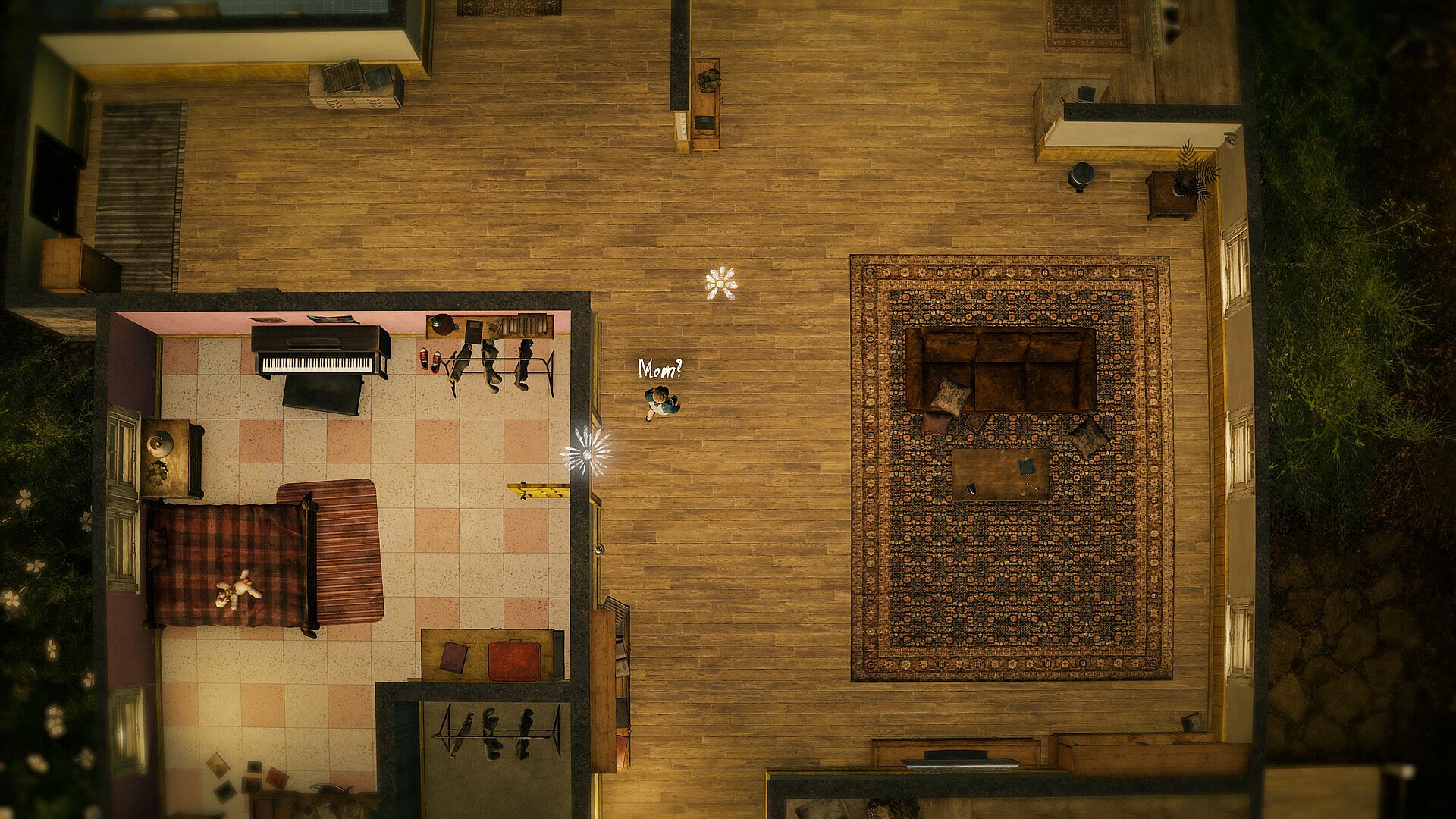
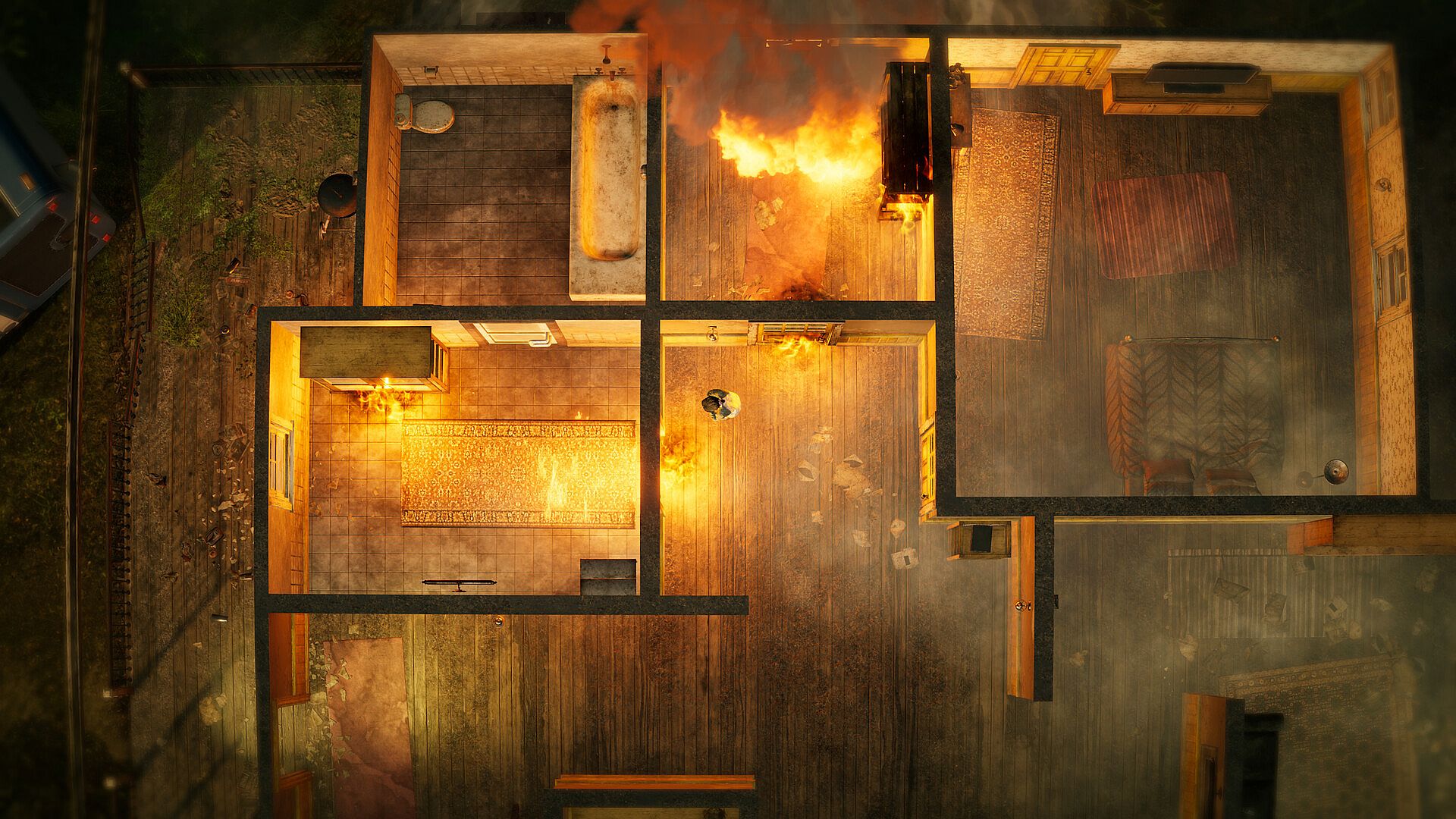
The core loop centers on exploration and evasion inside a familiar neighborhood turned hostile. Daisy starts by searching her empty home, calling out for family members who do not answer. Quiet rooms give way to sudden threats as the dead find entry points, forcing players to rely on hiding spots under beds, behind furniture, or in closets that still latch shut. Movement feels deliberate because every shuffle or breath risks drawing attention from something passing just out of sight.
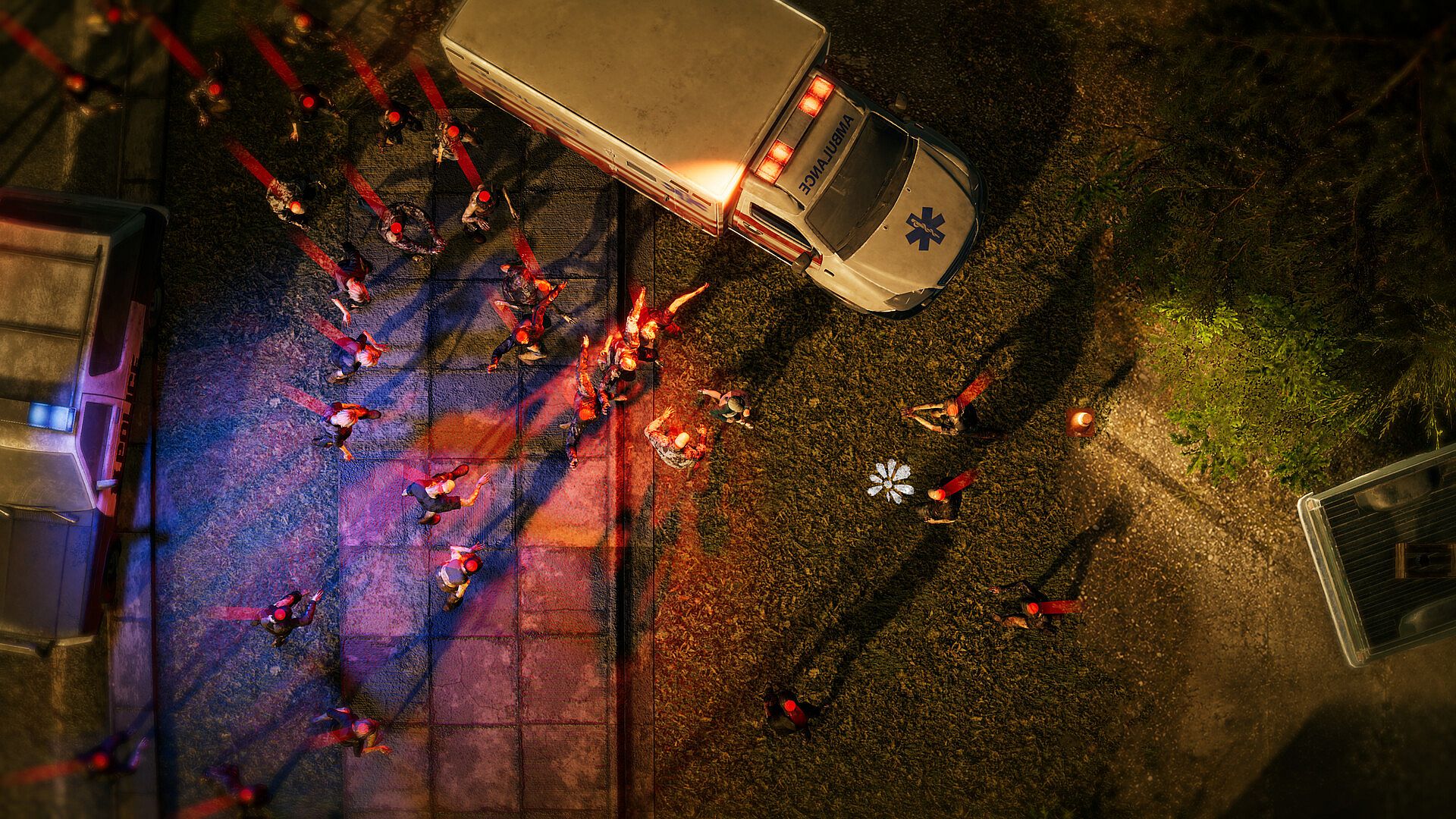
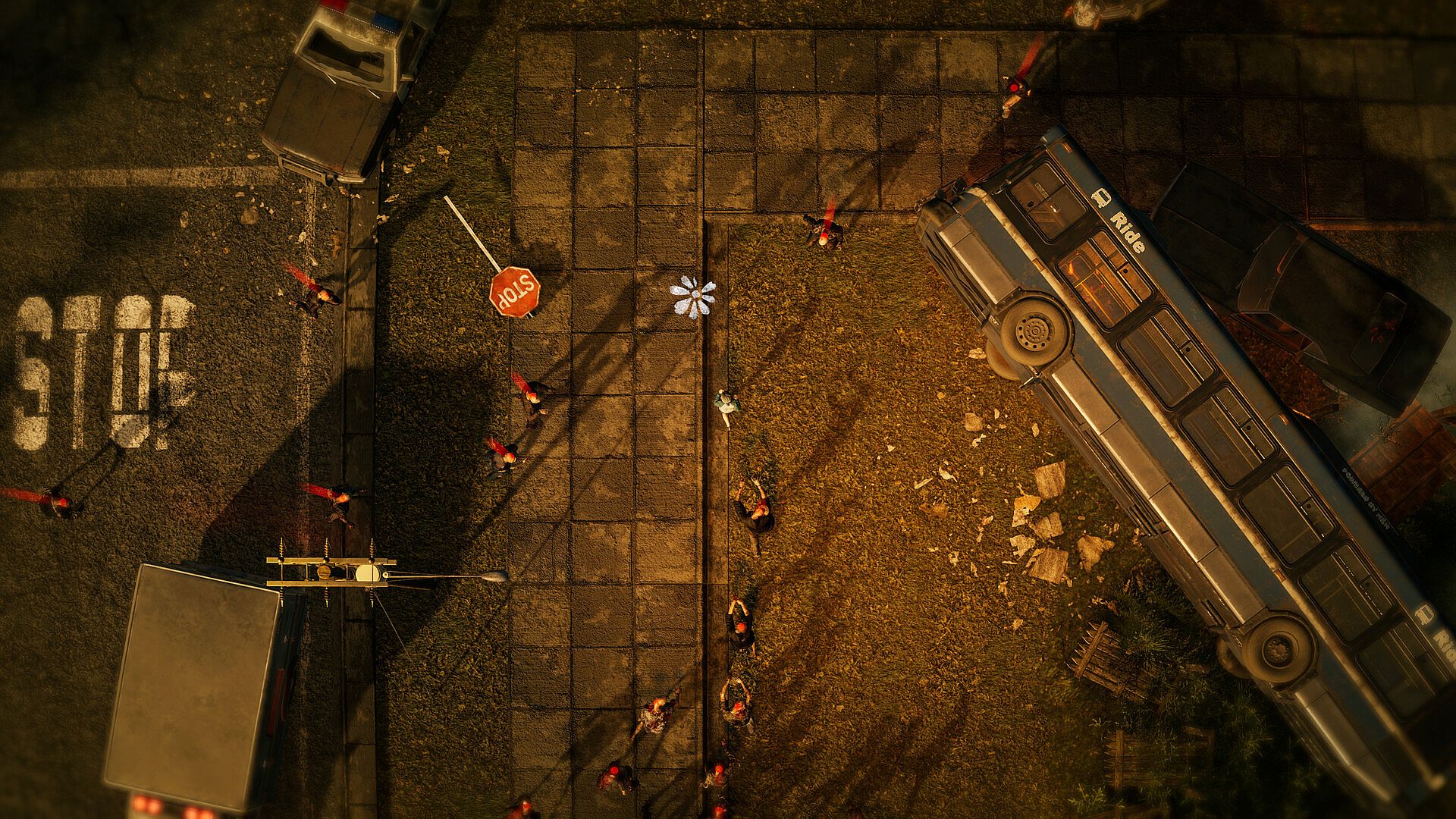
Stealth takes precedence over direct confrontation. Daisy lacks weapons or training, so the emphasis falls on timing, sound awareness, and using the layout of yards, fences, and streets she already knows. Running becomes necessary once hiding proves insufficient, turning familiar paths into escape routes across a fog-shrouded block where abandoned cars and motionless figures create constant unease. The narrative unfolds through Daisy's internal monologue, capturing the way a child talks herself through fear while weighing whether to wait for help or flee.
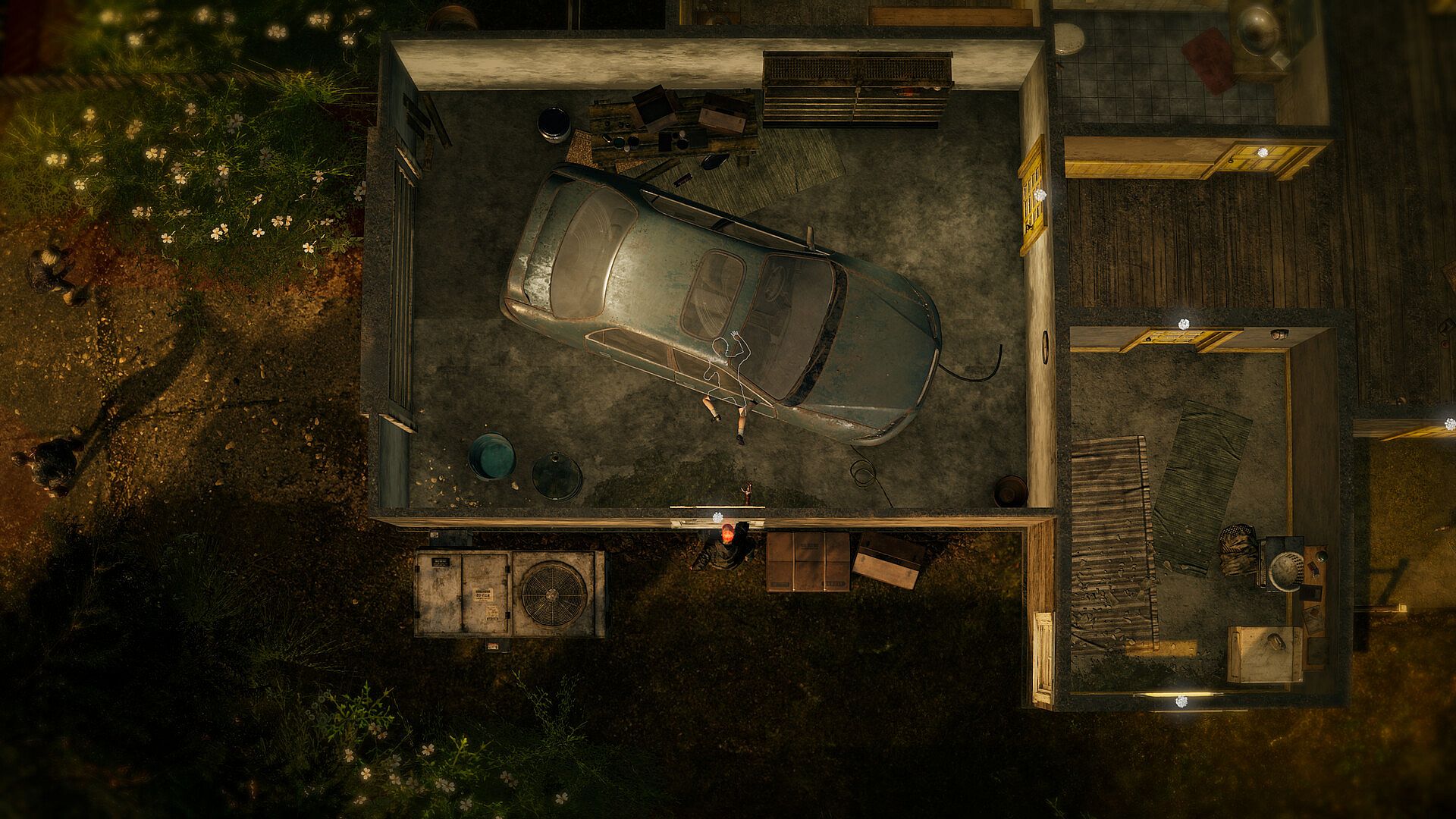
Environmental details reinforce the personal scale of the crisis. Neighbors appear as strangers now, some frozen in place and others occupied with what remains of the fallen. The short length keeps the focus tight on one street and one day, building atmosphere through restraint rather than sprawling maps or complex systems.
Game Modes
Terminus: Day Zero presents a single linear adventure without separate modes or branching campaigns. The entire experience unfolds as one continuous sequence from the moment Daisy wakes until she must decide her next step. There are no multiplayer options, roguelike runs, or customizable scenarios, keeping the emphasis on the story of that first day.
Progression follows Daisy's choices in a straightforward manner, with tension arising from environmental interactions rather than layered difficulty settings or competitive elements. The design suits players seeking a focused, self-contained session rather than repeated playthroughs or varied formats.
Story and Setting
The narrative stays grounded in Daisy's limited understanding of events. She senses that people outside behave wrongly but lacks context for the full scope of the outbreak. Conversations with herself serve as the primary voice, expressing bravery mixed with uncertainty about her parents' whereabouts and the safety of staying put versus venturing out.
The neighborhood itself acts as both playground and threat. Everyday locations like porches, school routes, and yards now carry new weight, populated by figures who were once ordinary residents. Thin fog and static vehicles heighten the sense of isolation, making the short distance across the street feel vast and dangerous. This intimate setting distinguishes the game from broader apocalypse tales centered on soldiers or prepared survivors.
Is It Worth Playing?
Terminus: Day Zero appeals most to players interested in short, atmospheric adventures that prioritize emotional perspective over action intensity. Its strength lies in the restrained approach to zombie survival, where vulnerability and clever use of hiding places drive the experience instead of firepower or base-building. Those who enjoy narrative-driven indie titles with a child's viewpoint will find the focused scope refreshing.
Because the game is brief and self-contained, it fits sessions where a complete story can unfold without commitment to longer campaigns or repeated runs. Availability on PC aligns with its indie roots, and the connection to Longplay Studios suggests it serves as an entry point into their zombie-themed work. If the premise of navigating the outbreak's first hours through limited means resonates, the title delivers a distinct take worth considering once released.