


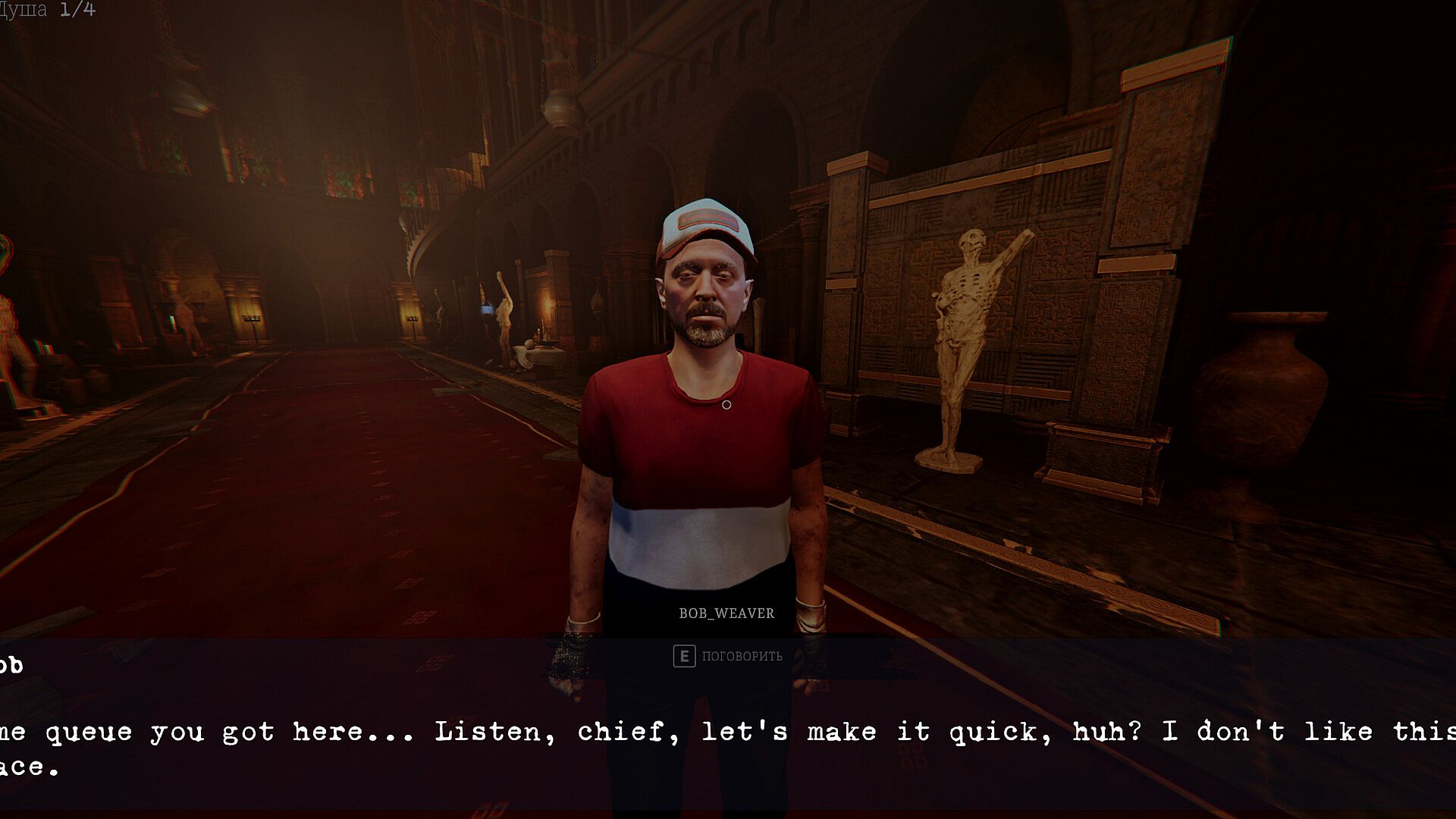
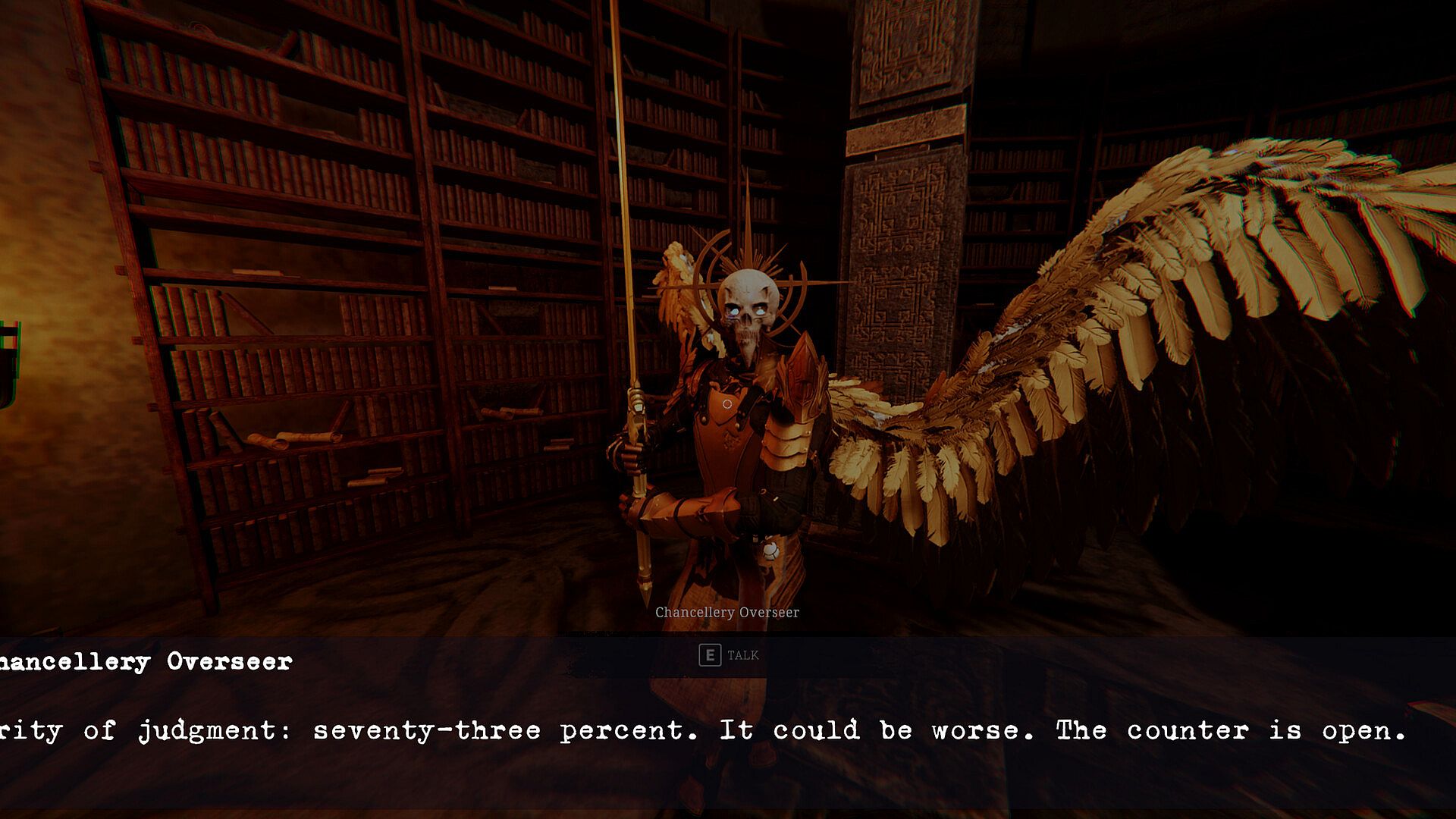
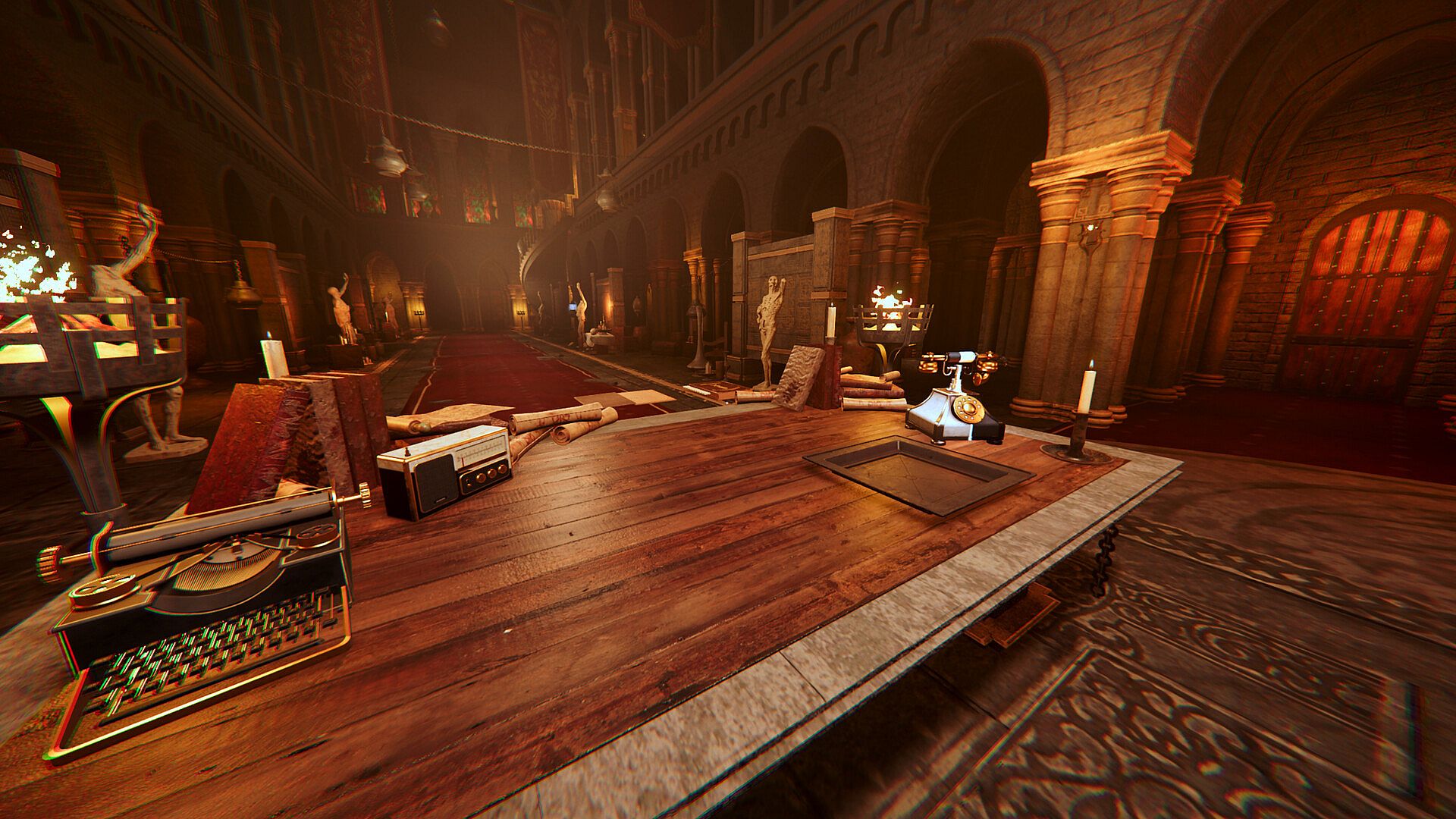




The Final Stamp is a first-person indie simulation adventure game available on PC. Players take on the role of a clerk tasked with judging souls in an otherworldly bureaucratic setting that blends noir aesthetics with dark humor. The experience centers on examining case files, uncovering hidden truths through specialized tools, and delivering verdicts that carry lasting weight for both the deceased and the judge.
Gameplay
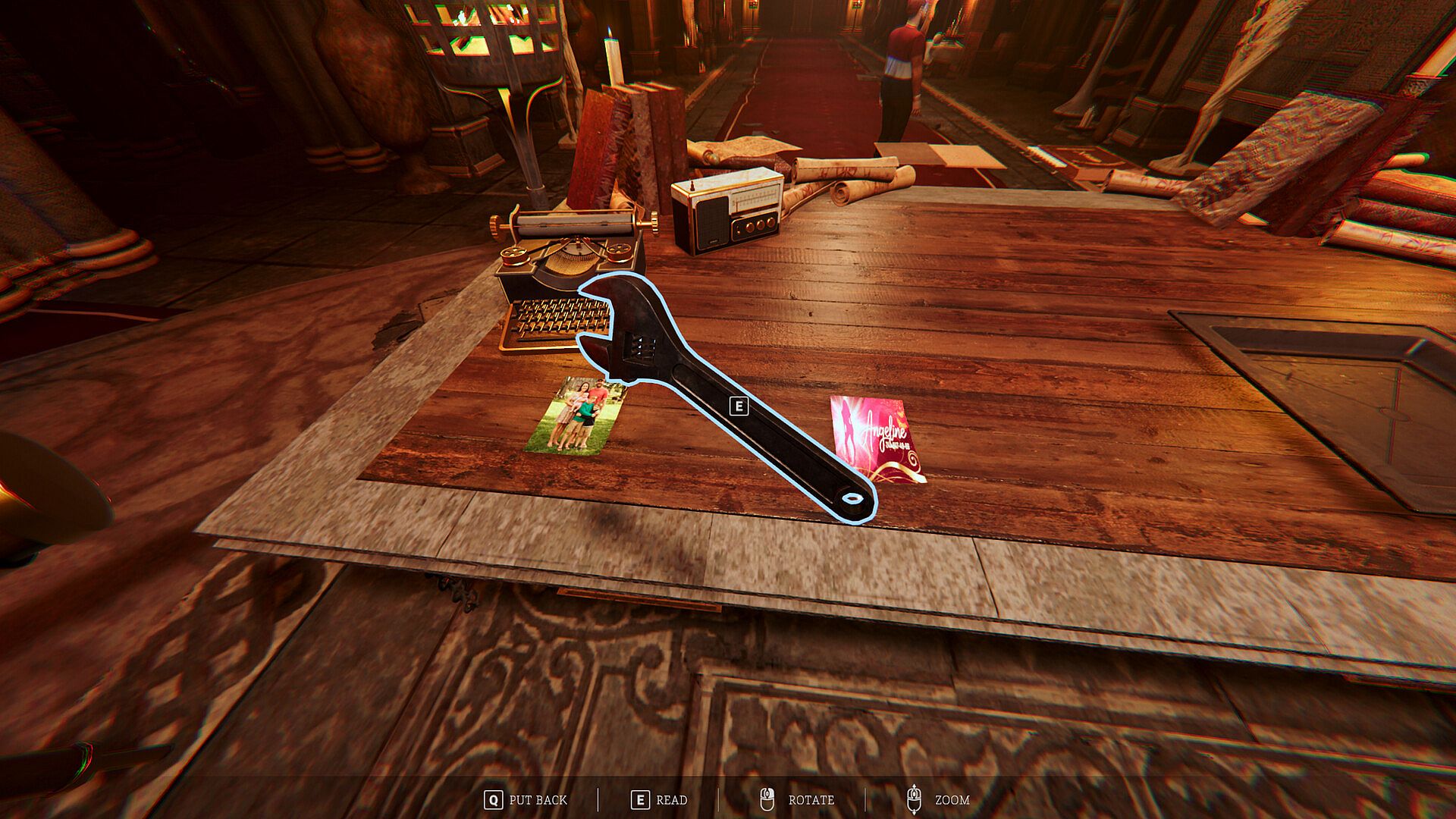
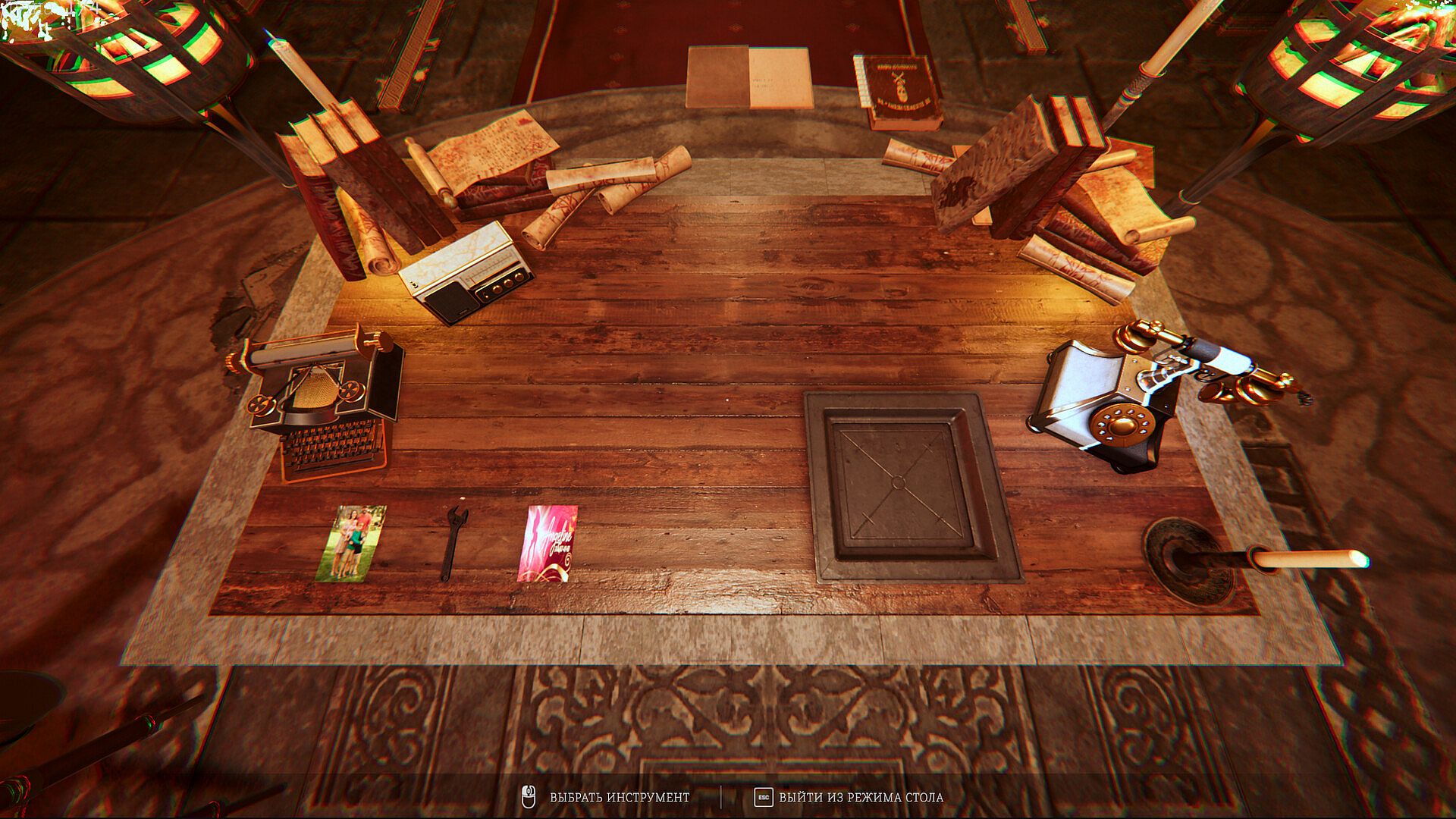
Core gameplay revolves around a desk-bound investigation process. Each case begins with reading documents that often contain inconsistencies or outright lies. Players then apply instruments to reveal concealed details about the deceased. The Candle exposes sins on the skin when passed over the body, while the Lens uncovers truths hidden in photographs and other personal items. Additional tools include the Camera for documentation, the Radio for audio evidence such as 911 calls, and a direct connection to Hell for further verification.
Interrogation forms a key part of each session. Presenting evidence at precise moments peels away layers of deception during conversations across the desk. A polite stranger might transform into a fully realized individual with a distinct history once the right proof surfaces. Choices in how to interpret and apply the revealed information determine the outcome, with the file itself sometimes pushing toward an easy path that carries hidden costs.
The process builds tension through careful timing and observation. Instruments do not pass judgment on their own but instead surface facts that demand a personal decision. Mistakes cannot be undone, as the system records every action permanently through the flame's response in the urn.
Game Modes
The game operates as a singleplayer narrative experience built around individual cases. Each case presents mutually exclusive truths that shift upon replay, allowing the same individual to conceal different sins depending on the path taken. This structure encourages multiple playthroughs to explore alternate interpretations without altering the fundamental desk-based workflow.
Progression follows a case-driven format where verdicts accumulate consequences. Players name the sin and assign it to one of three destinations: Hell's nine circles, Heaven's seven skies, or Purgatory's seven steps. The ternary choice system ensures that every decision brands the player in addition to affecting the soul under review.
Replay value stems from the hand-authored nature of each soul. Different evidence combinations and interrogation approaches lead to varied gut reactions ranging from disgust to betrayed trust. The overall loop remains consistent across sessions while the underlying details evolve.
Atmosphere and Themes
The setting places the action on the tenth floor of an office building where windows were never installed. This creates a confined workspace atmosphere where procedure meets the supernatural. Writing adopts a clerk's perspective filled with gallows wit, treating Hell as an ordinary workplace complete with its own bureaucratic absurdities.
Themes explore personal responsibility in judgment. Players confront their own potential file hidden in a drawer, raising questions about who holds the authority to decide eternal fates. The narrative unfolds through accumulated verdicts rather than traditional cutscenes, with each stamp carrying implications that extend beyond the immediate case.
Is It Worth Playing?
The Final Stamp suits players who appreciate deliberate, choice-heavy simulation experiences with strong narrative focus. Its case-by-case structure rewards attention to detail and willingness to reconsider initial assumptions during replays. Those drawn to moral dilemmas presented through investigative mechanics will find the ternary verdict system and its personal repercussions engaging.
The game emphasizes thoughtful pacing over action or rapid progression. Its noir tone and workplace satire provide a distinctive flavor within the indie simulation and adventure genres. Availability on PC makes it accessible for those seeking a contained story that unfolds through paperwork and revelation rather than exploration or combat.
Two distinct endings emerge based on adherence to procedure versus personal conscience, each carrying its own cost. This structure supports players interested in seeing how accumulated decisions shape the larger outcome without requiring extensive time investment per case. The experience stands as a self-contained title centered on the weight of judgment in a bureaucratic afterlife.