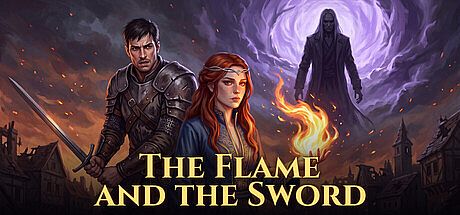




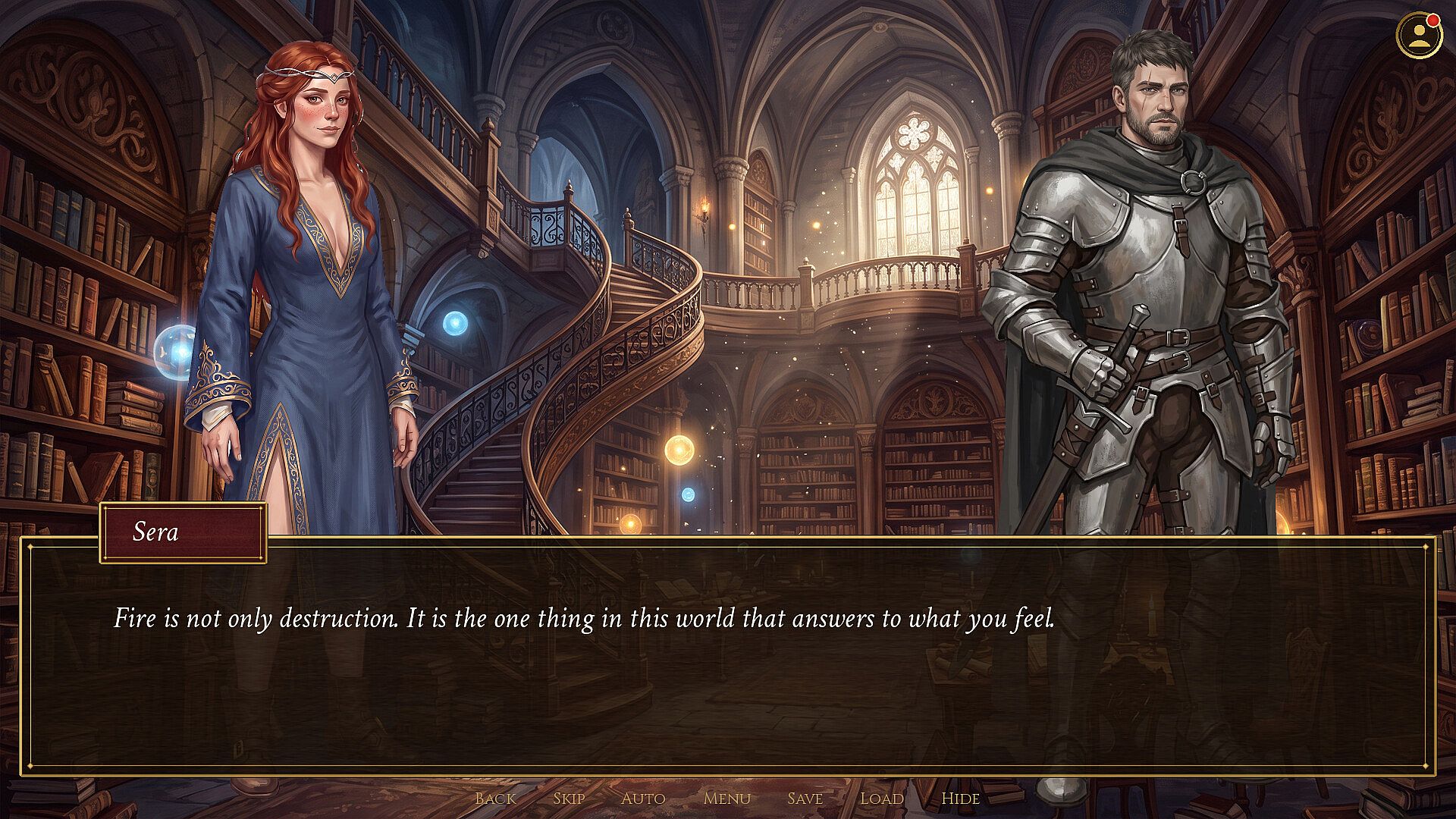
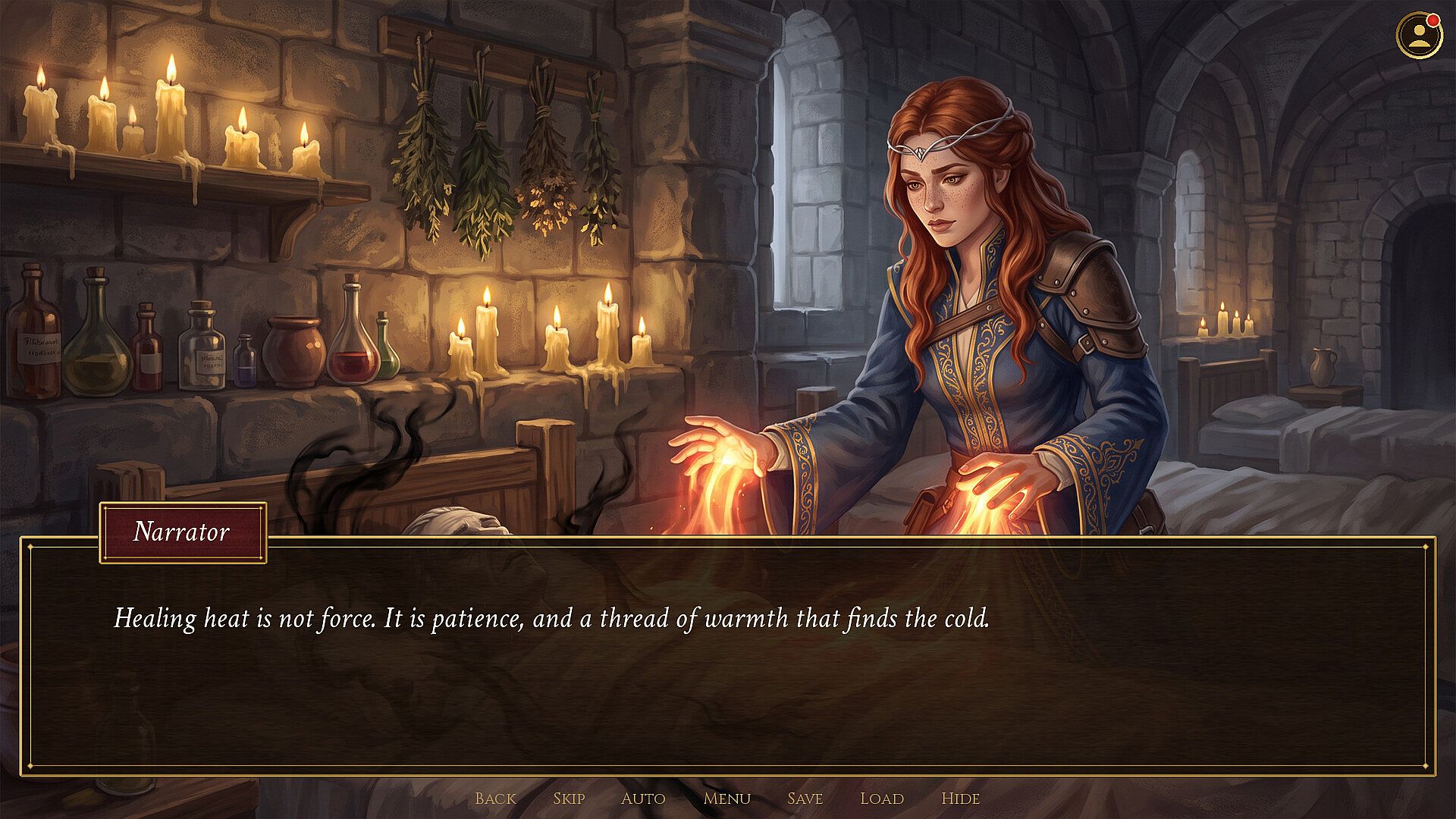
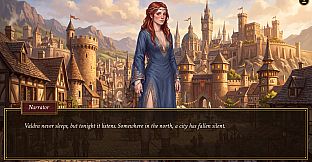
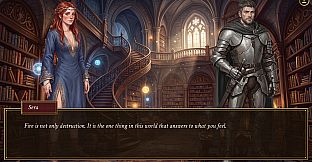
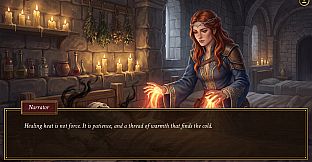
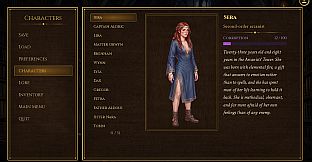
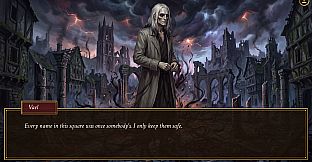
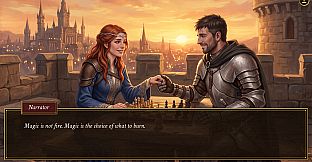
The Flame and the Sword is an indie visual novel that blends casual adventure elements with a choice-driven fantasy narrative on PC. Players follow Sera, a second-order arcanist whose uncontrollable inner fire ties into themes of memory, emotion, and hidden power as events unfold around the emptied city of Storn and a conflict tied to older forces in the kingdom.
Gameplay
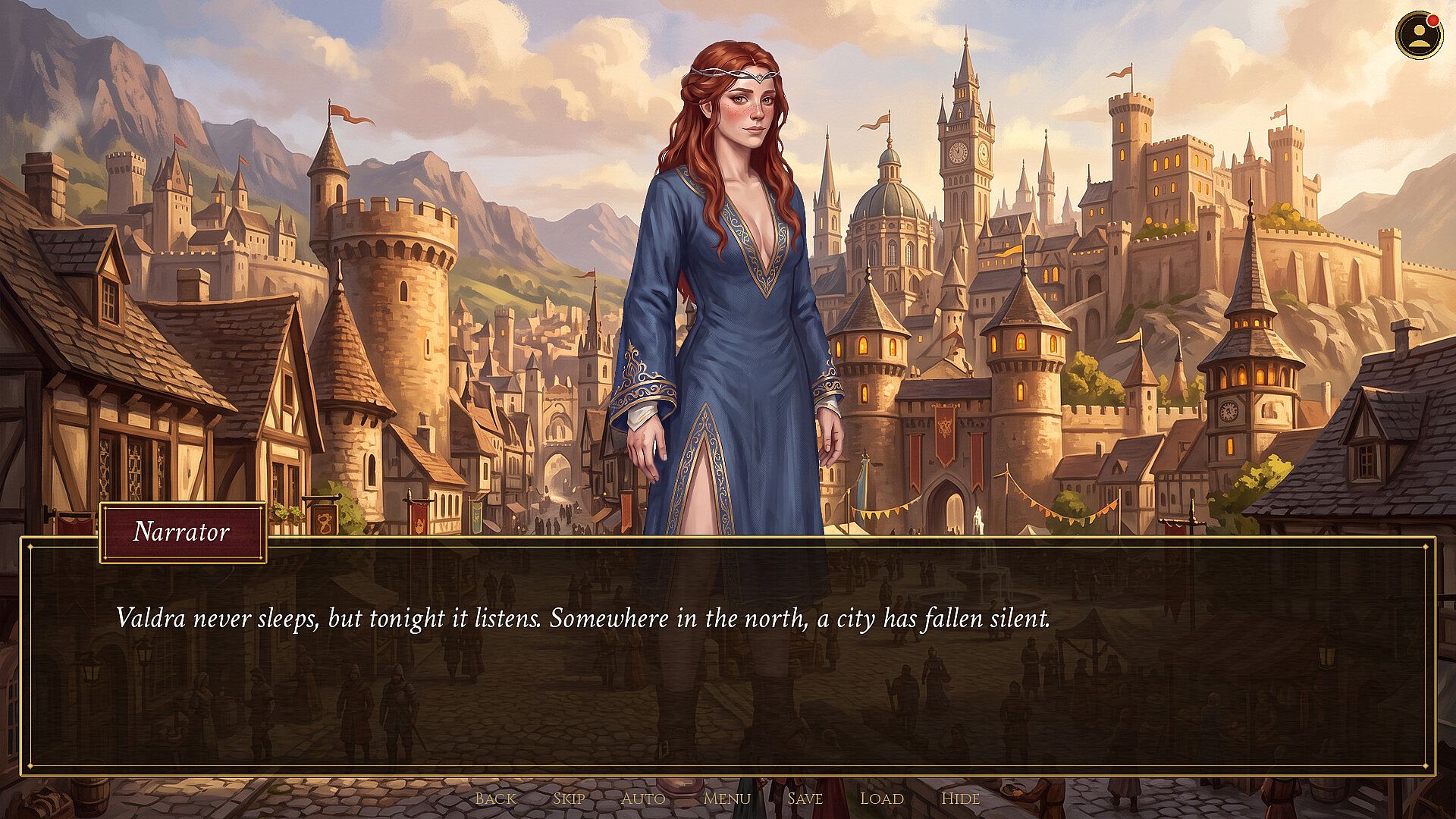
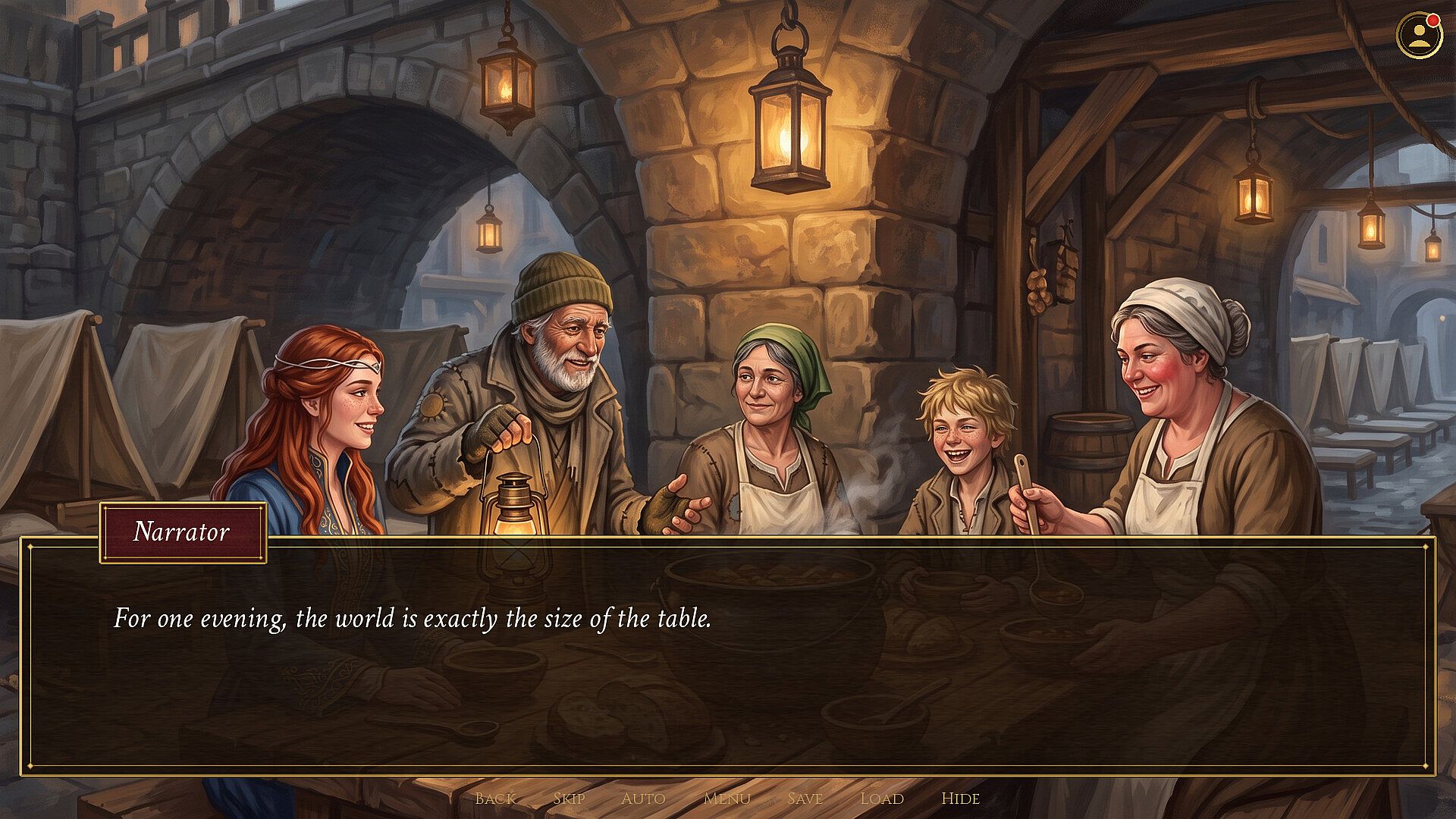
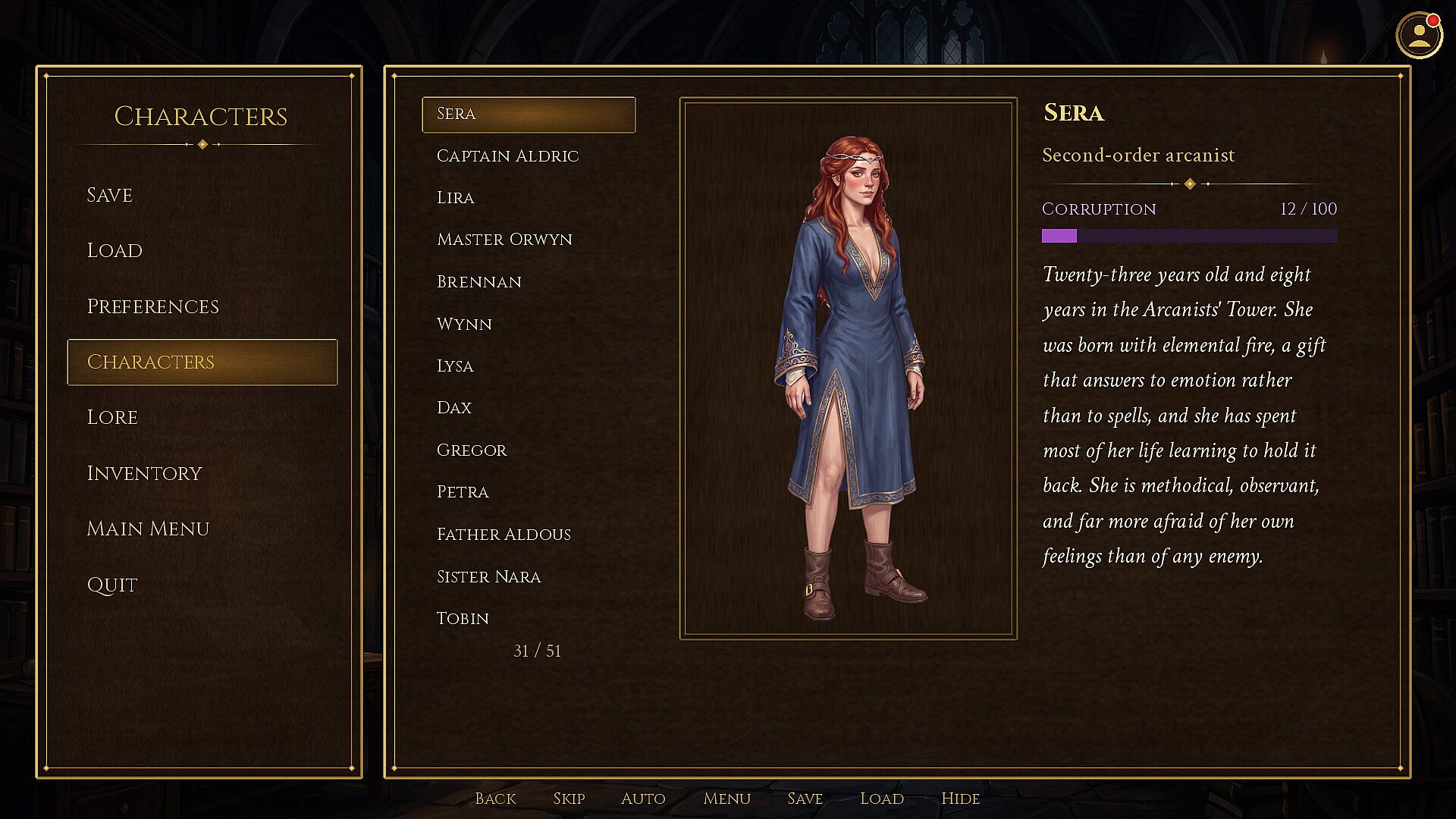
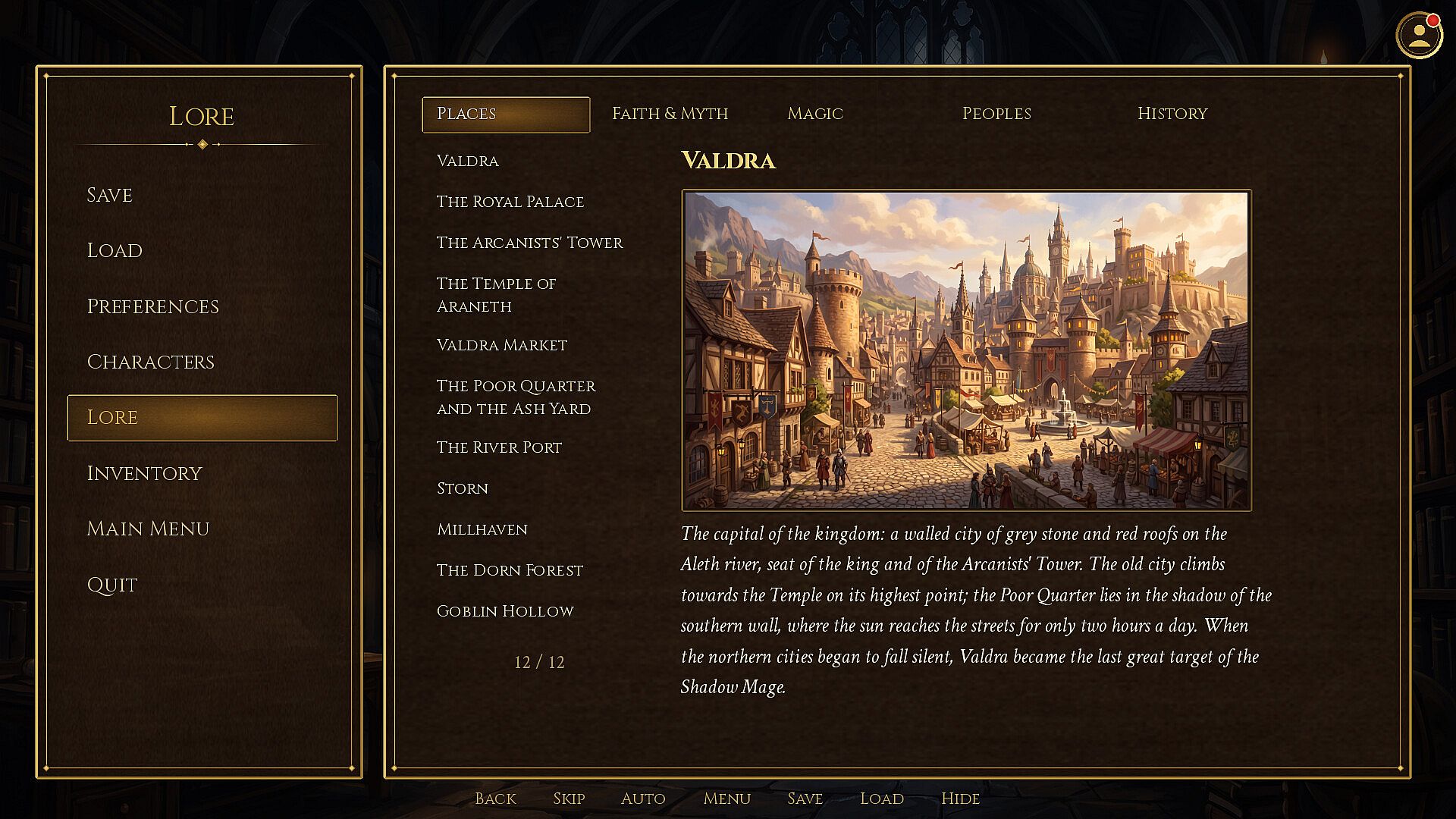
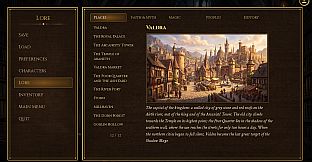
Core play centers on dialogue choices and exploration across a series of hubs. Decisions influence relationships with companions, available resources, and a corruption meter that alters Sera's appearance, voice lines, and available options over time. Side quests and ally recruitment occur in locations such as the capital Valdra, the Arcanists' Tower, the Temple of Araneth, the River Port, the Poor Quarter, the Ash Yard, Millhaven, the Dorn Forest, and the ruins of Storn. Resource management includes coins, potions, and mounts, with visits to shops and preparation items like Ember Elixir before key confrontations. An infirmary project under a bridge lets players support a group of overlooked characters whose individual stories feed into larger outcomes. Romance options develop gradually through character interactions and resolve with fade-to-black scenes. Two codex systems track progress: one for over fifty characters and another for thirty-nine lore entries covering places, faith, myth, magic, peoples, and history, including details on the void, the Weaver, and repeating eighty-year cycles.
Game Modes
The experience remains single-player throughout, supported by keyboard, mouse, or controller input. Standard visual novel tools include skip, auto-forward, rollback, and the ability to save at any point. Story progression branches through player choices that reshape relationships, resources, and the corruption system, leading to varied conclusions without separate competitive or multiplayer formats.
Story and World
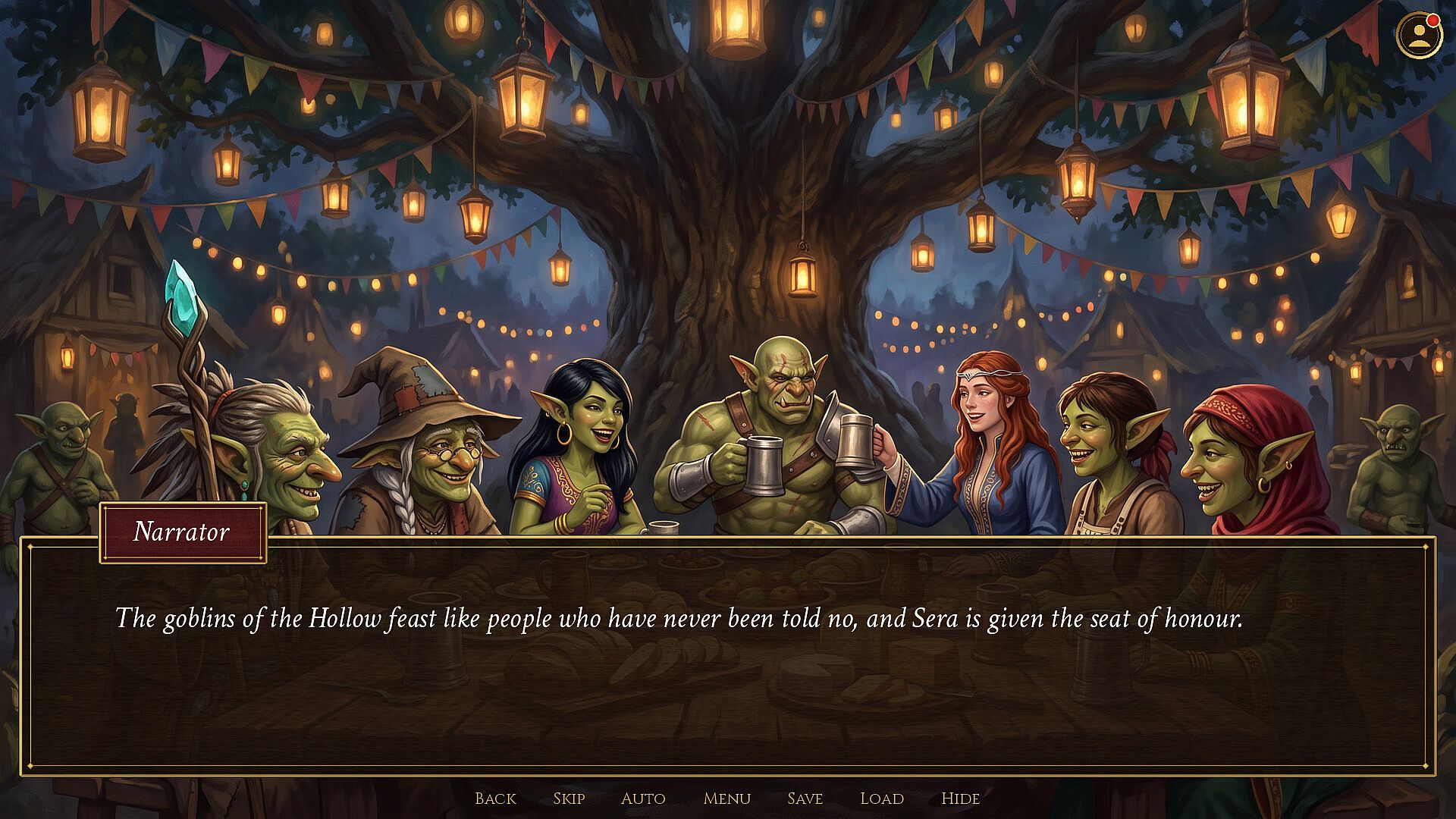
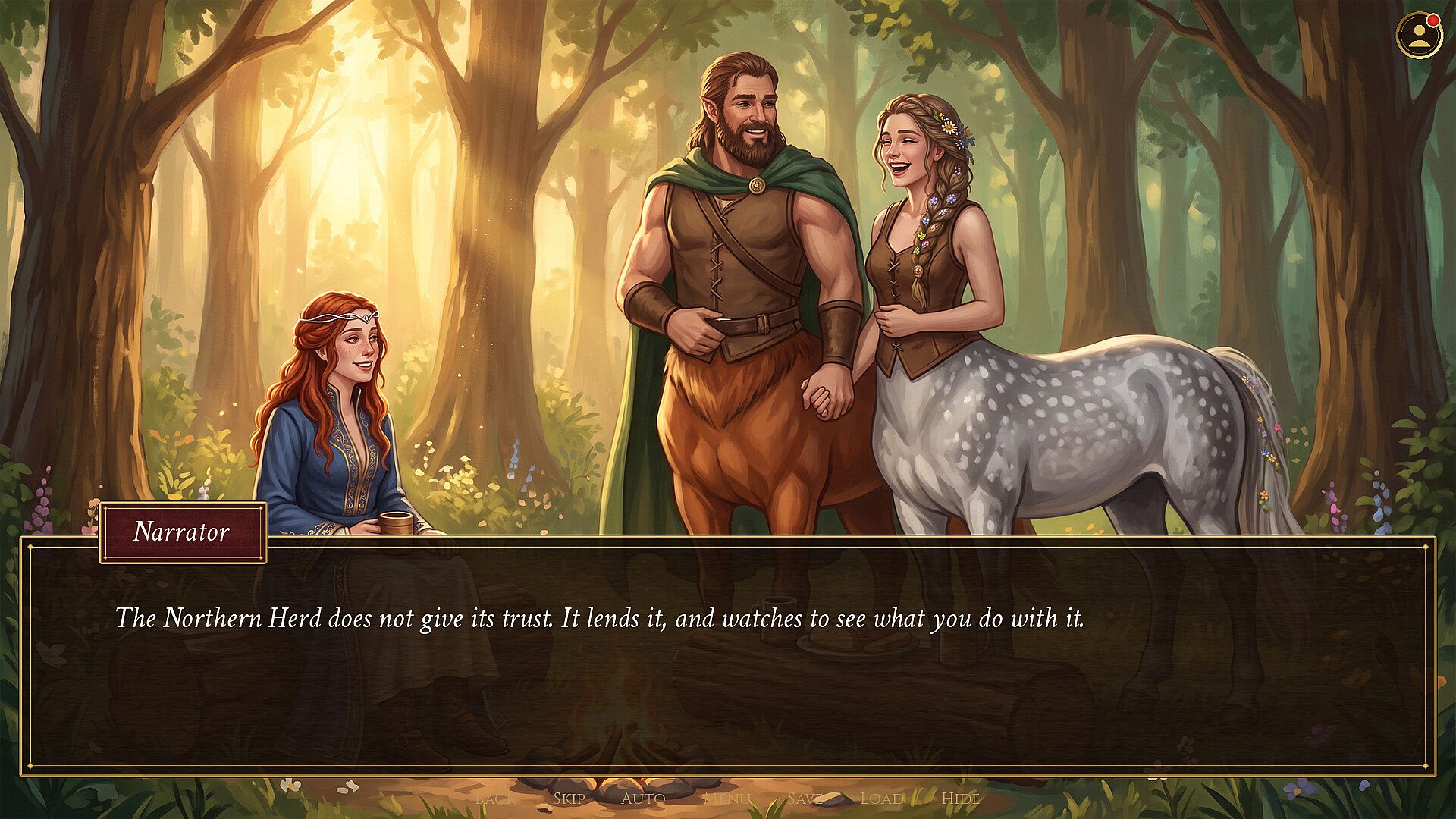
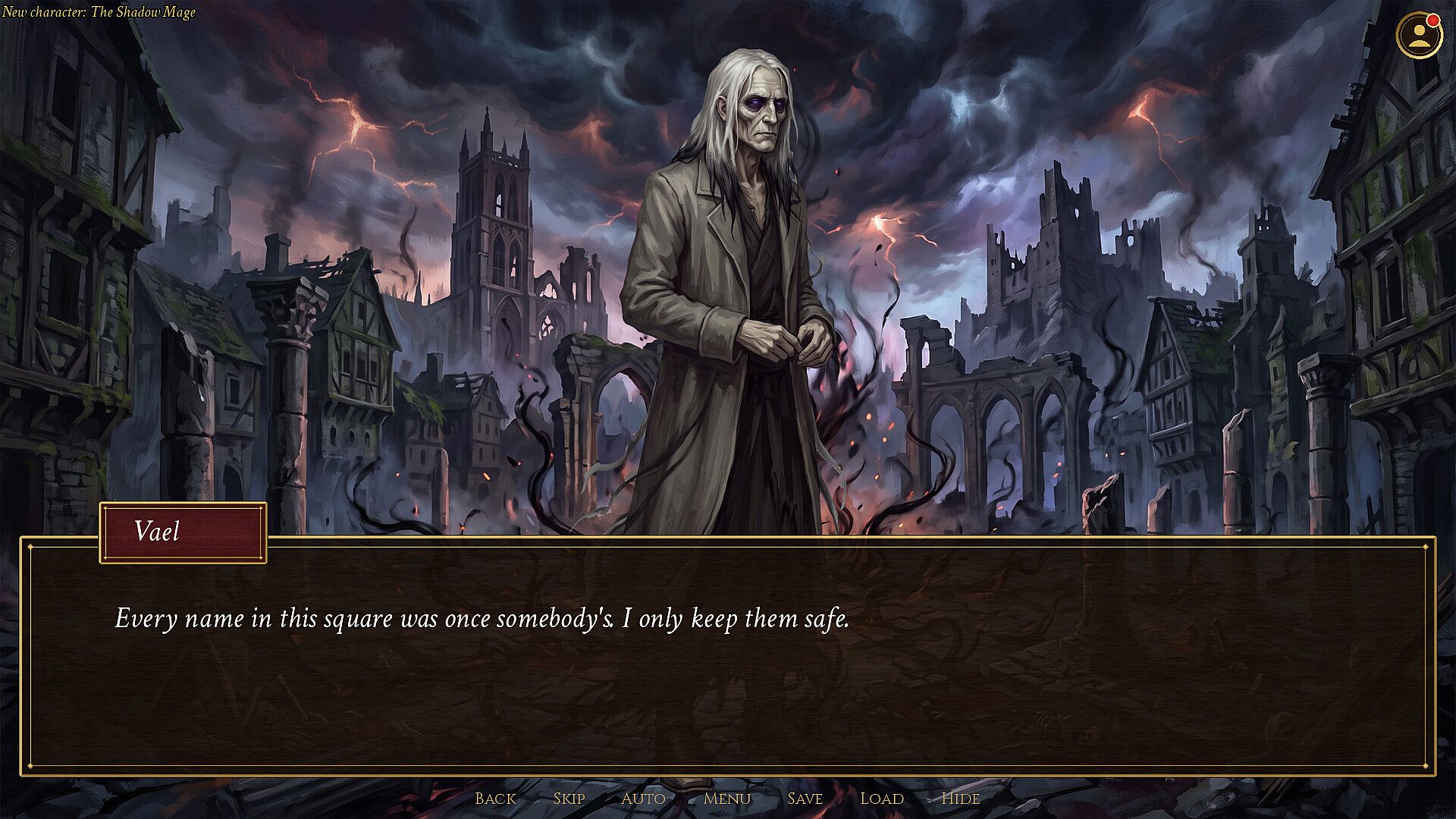
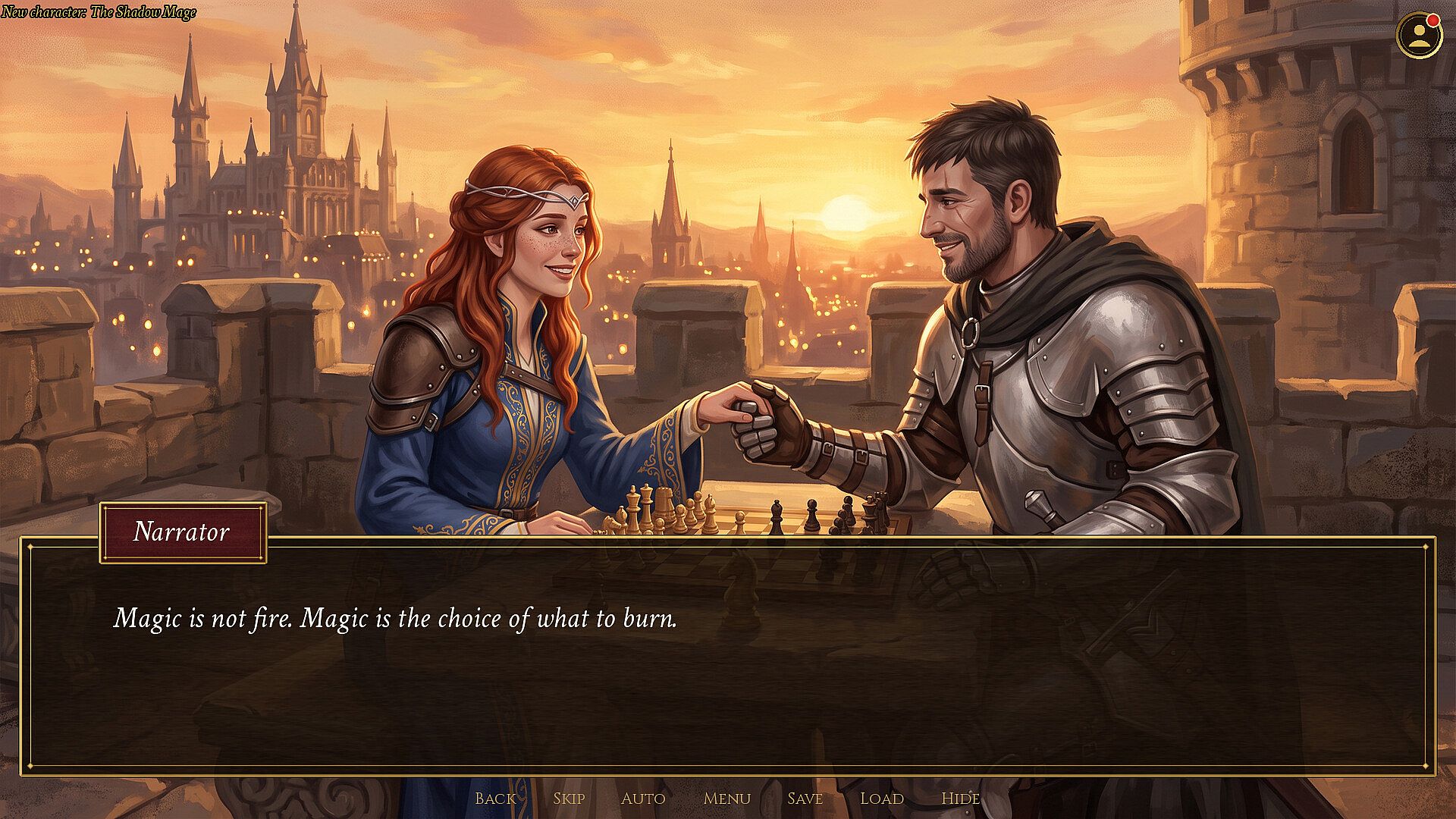
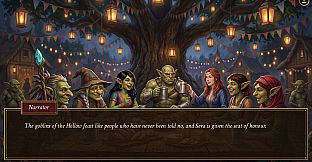
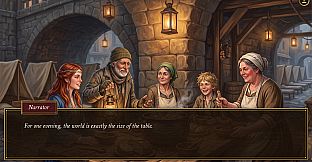
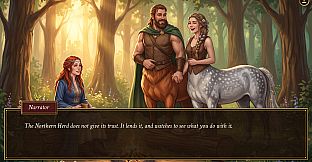
The narrative follows Sera as she leaves the Tower of Valdra after a wounded knight brings word of Storn's silence. The Shadow Mage responsible uses a lullaby that begins to affect those who hear it. Exploration reveals a living setting where hubs connect to side content, and unlikely allies range from a goblin village in a giant tree to centaur herds, forest witches, scholars, smugglers, dockers, healers, and a washerwoman whose song carries healing properties. Seven main endings exist alongside numerous small epilogues that reflect saved characters and prior decisions. The art features more than one hundred fifty painted-style backgrounds, sprites, and full-screen illustrations, while an original soundtrack provides distinct themes for cities, forests, romance sequences, the void, and the finale.
Early Access and Development
Released in Early Access, the title continues to expand with additional locations, quests, and illustrations added over time. The complete story grows through these updates while maintaining its focus on a single narrative arc. Artwork and music were created with generative AI tools followed by developer selection, editing, and assembly, with an AI disclosure available on the store page.
Is It Worth Playing?
Players who enjoy story-rich visual novels with branching paths, relationship mechanics, and resource elements will find a focused single-player experience here. The corruption system and multiple endings encourage repeated playthroughs to explore different outcomes and ally combinations. Those seeking quick sessions benefit from the skip and rollback features, while the hub-based exploration suits longer sittings. The game suits fans of character-driven fantasy narratives that emphasize personal choice over action sequences. Current Early Access status means the title is still receiving content additions, making it suitable for those comfortable with ongoing development.