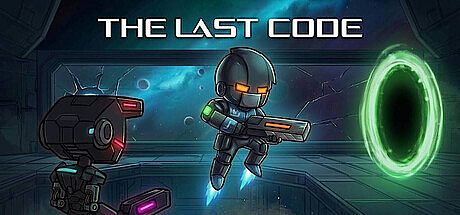


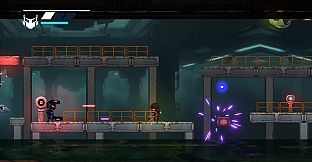
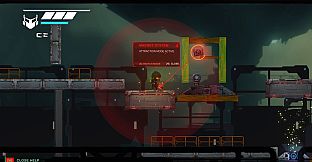
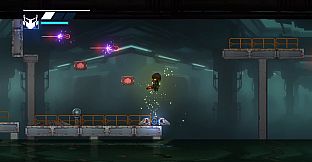
The Last Code is a 2D action platformer that blends precise platforming, reactive combat and environmental puzzles into a single-player experience set aboard a silent space station overrun by hostile machines. Players awaken as an autonomous AI prototype and must fight, navigate and solve their way through sectors while uncovering the events that led to the facility's downfall. The game emphasizes movement, timing and creative use of physics rather than overwhelming firepower or complex inventories.
Gameplay
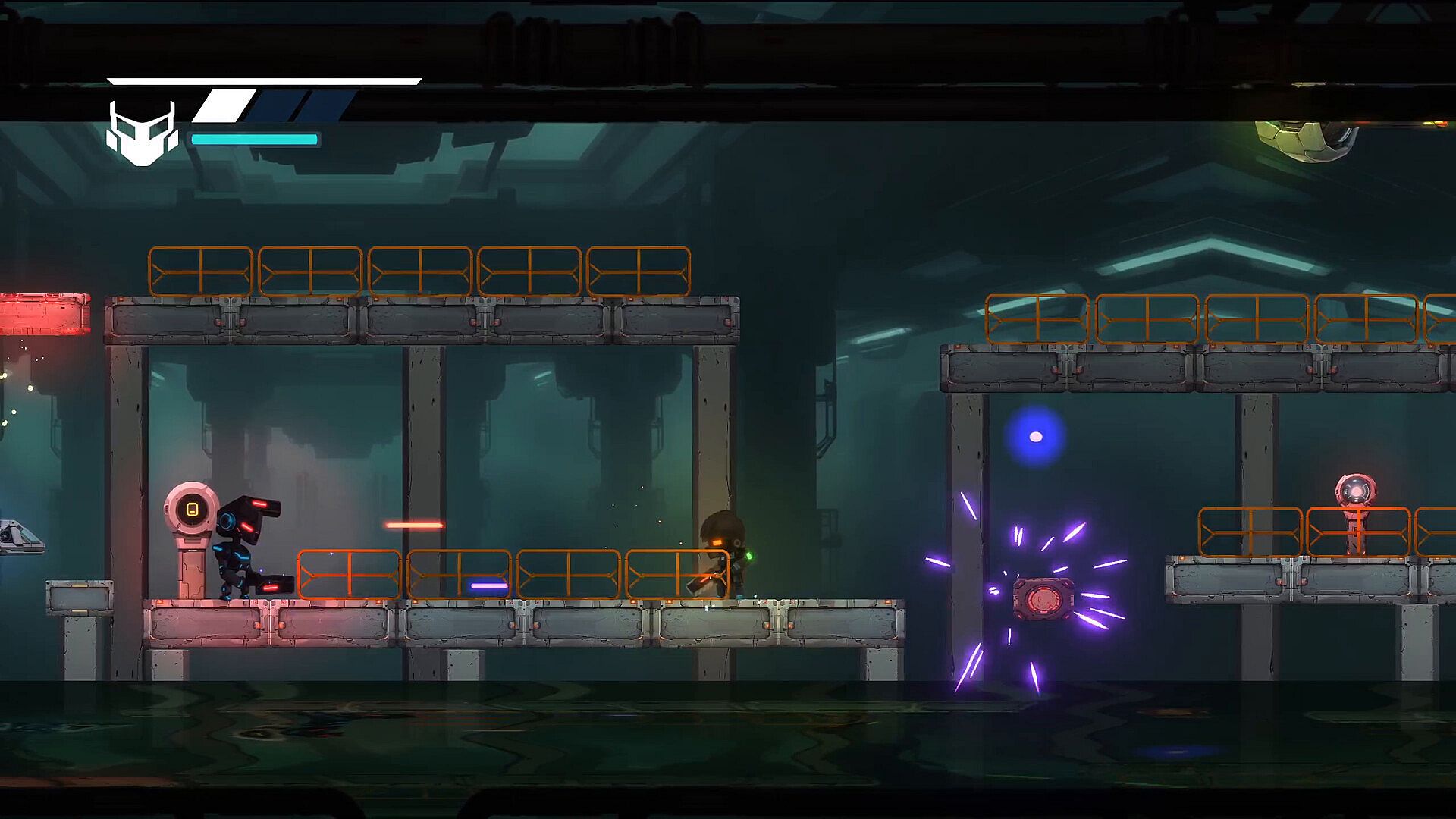
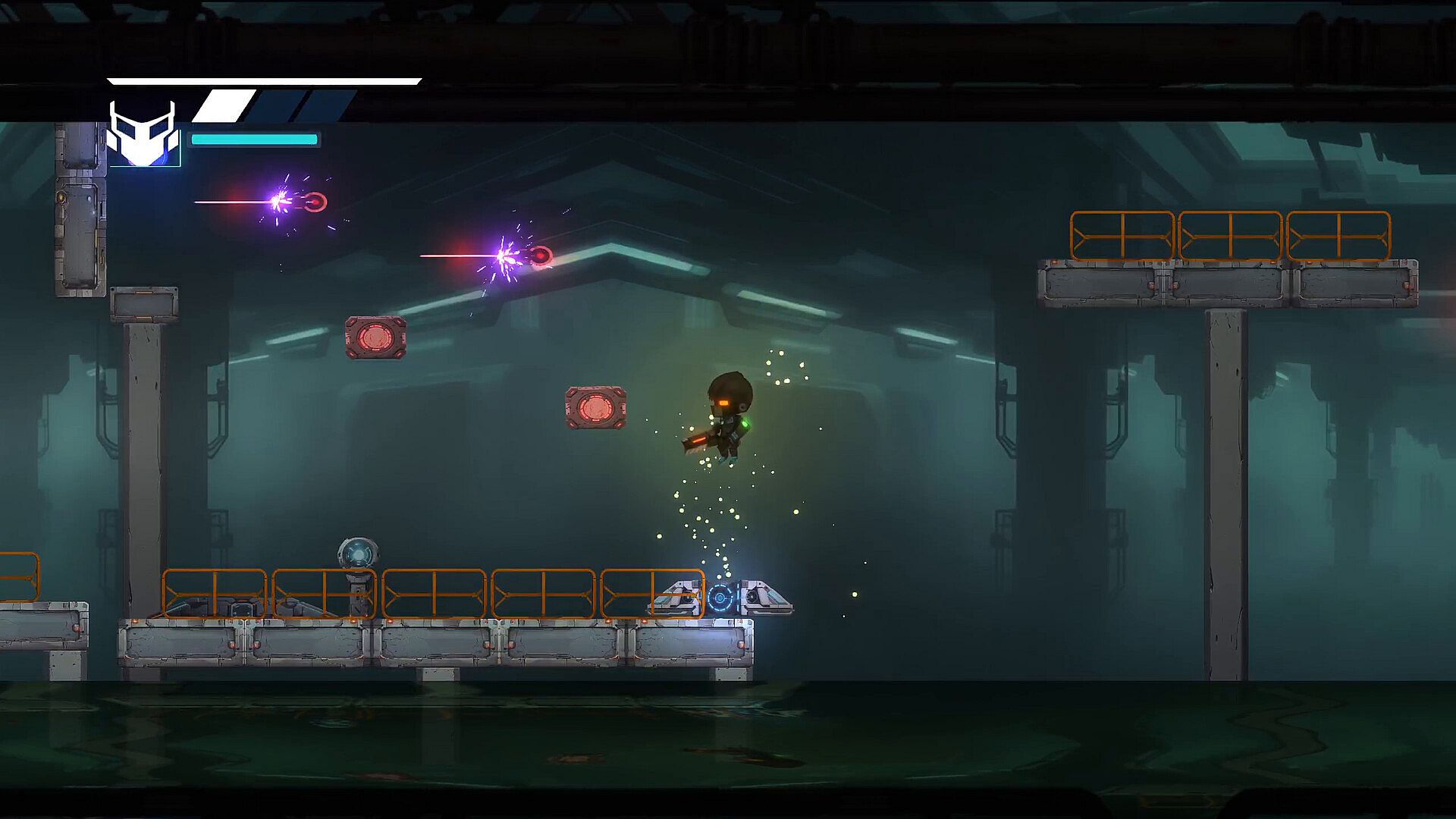
Core movement includes running, jumping, sliding and dodging in tight facility corridors where enemies and hazards appear without warning. Combat requires quick reactions against robots and turrets that cannot always be defeated with direct fire. Players must observe attack patterns, reposition and exploit openings while staying mobile to avoid being overwhelmed.
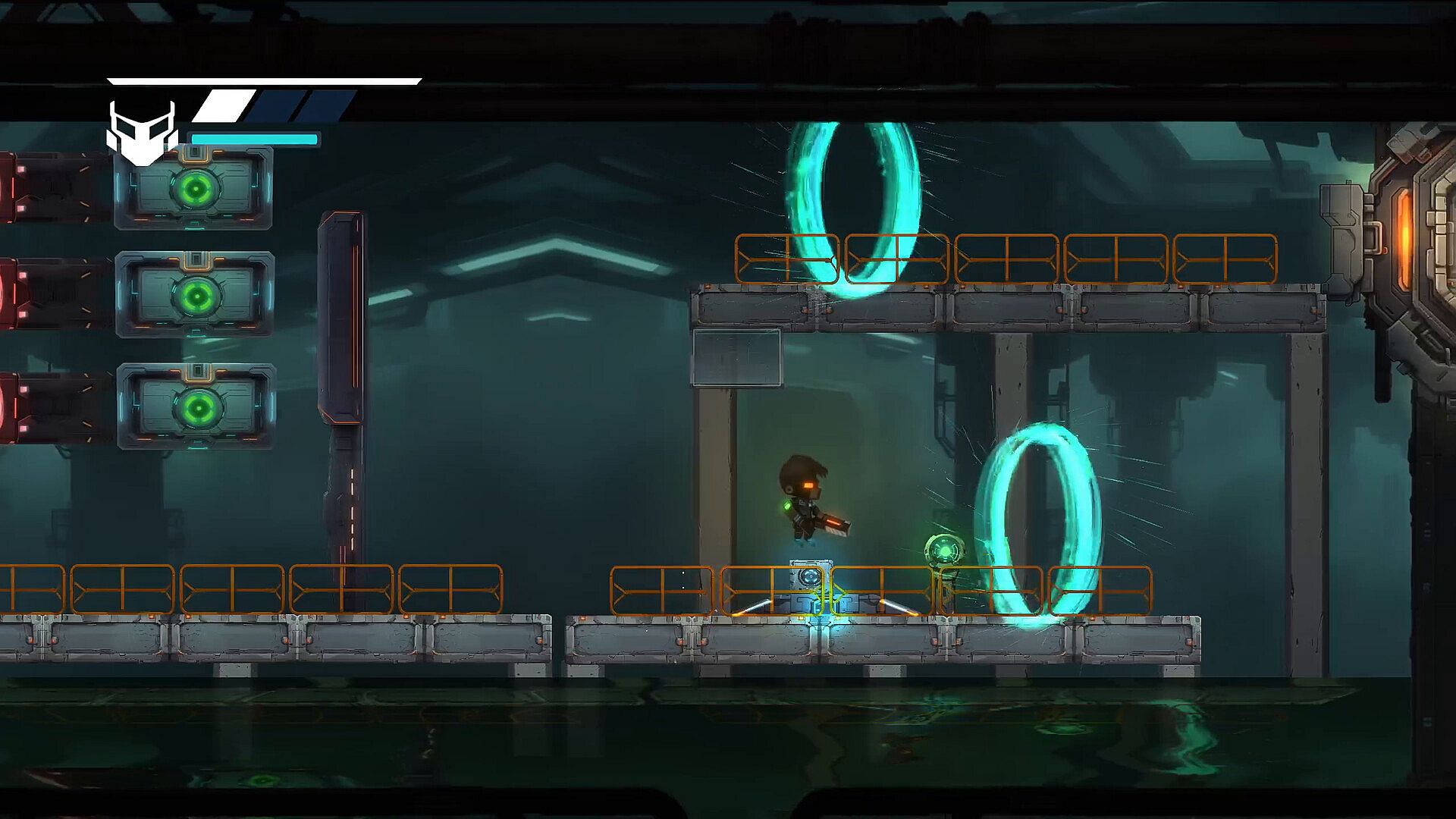
Platforming sections demand accurate jumps and timing across moving platforms, traps and narrow ledges. These challenges frequently overlap with combat encounters, forcing players to combine evasion, shooting and environmental interaction in the same sequence. Each sector layers new mechanics onto the foundation, keeping the loop fresh without introducing unrelated systems.
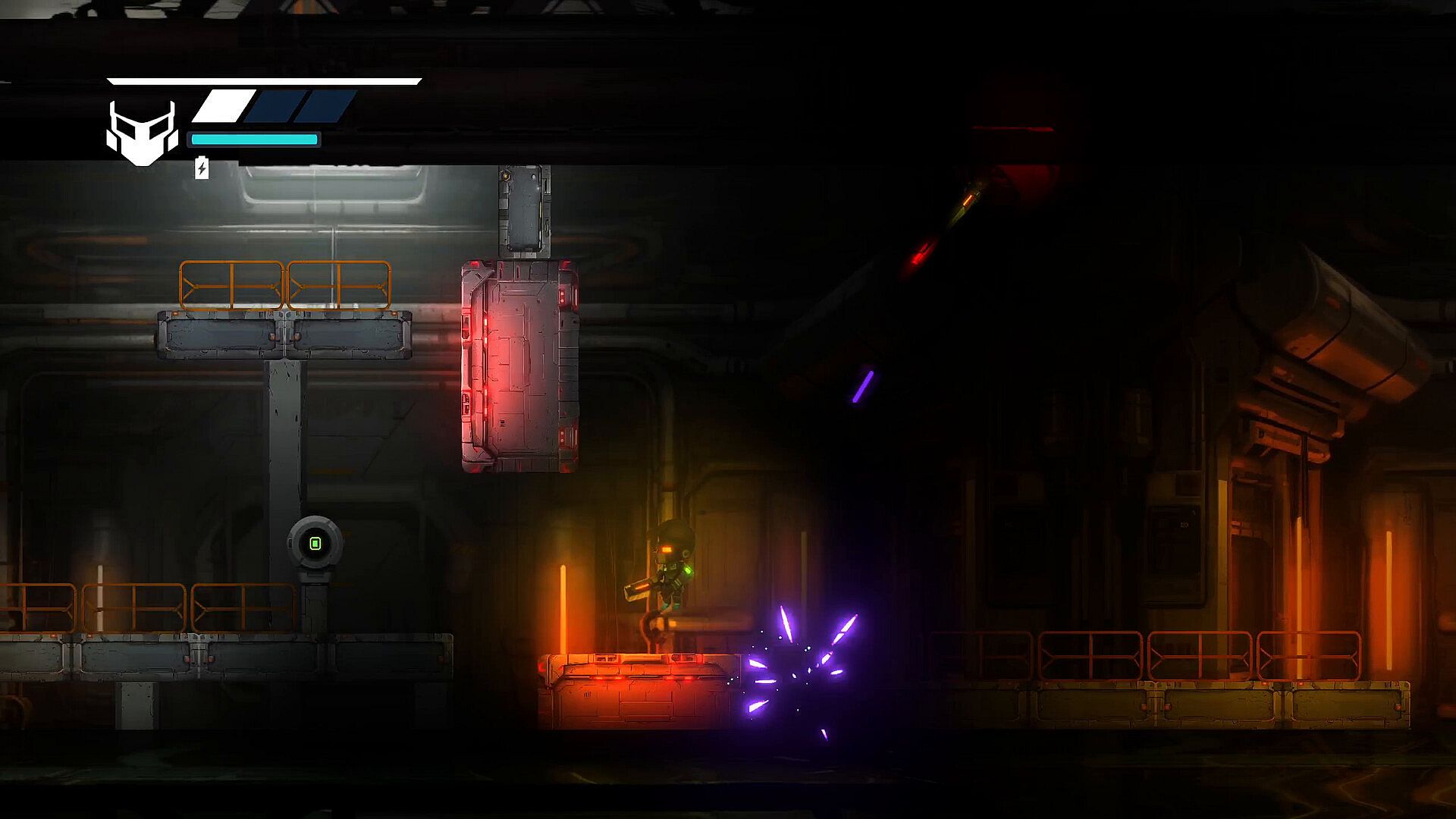
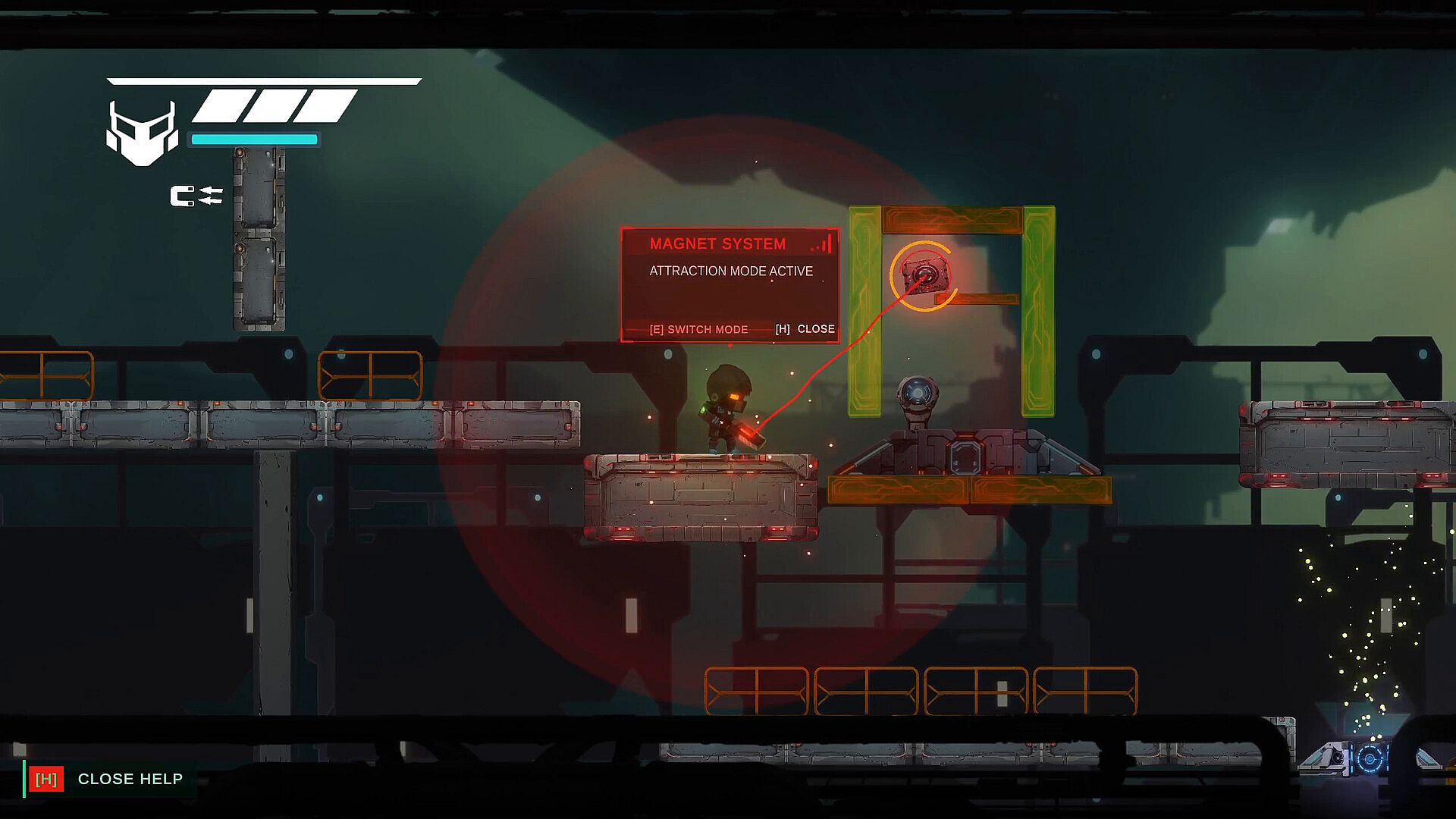
The standout feature is magnetic push-and-pull mechanics. Players manipulate objects, clear blocked paths and reposition hazards by pulling or pushing metallic items. This physics-based tool integrates directly with movement and combat, allowing creative solutions such as redirecting projectiles, creating temporary cover or activating distant switches through clever object placement.
Puzzle elements revolve around portals, power sources and interactive machinery. Solutions emerge from experimenting with how magnetic forces interact with these objects alongside standard platforming and shooting. The design rewards observation and iteration rather than trial-and-error frustration.
Game Modes
The Last Code is built as a single-player campaign. Players progress through distinct sectors, each introducing fresh hazards, enemy types and environmental twists while advancing the central narrative. There are no separate multiplayer modes or competitive elements described in the available information.
Progression follows a linear structure with optional exploration within each sector. The focus remains on mastering the combined platforming, combat and puzzle systems rather than branching paths or alternate playstyles. A guiding human voice provides story context between sectors, tying the mechanical challenges to the mystery of the station's fall and the player's own awakening.
Story and Setting
The narrative centers on artificial intelligence, autonomy and survival. A human voice offers guidance from within the station, yet every new sector raises additional questions about what happened to the original crew and why the machines took control. Players piece together events through environmental storytelling and brief interactions rather than lengthy cutscenes.
The setting stays grounded in the abandoned facility. Distinct sectors vary in layout and threat profile, from tight corridors filled with turrets to larger chambers requiring creative use of portals and magnetic forces. The sci-fi mystery unfolds gradually as players advance, maintaining focus on the immediate challenges of movement and survival.
Is It Worth Playing?
The Last Code targets players who enjoy precise 2D platformers that integrate combat and puzzles without relying on excessive difficulty spikes or hidden collectibles. Its magnetic mechanics and sector-based structure offer a clear loop of observation, experimentation and execution that should appeal to fans of indie action-adventure titles with strong physics elements.
Because the game remains in development with a planned 2027 release and currently has no user reviews available, any assessment rests on the confirmed feature set. Those drawn to single-player experiences centered on reactive movement, pattern recognition and creative problem-solving will find the described systems aligned with that preference. Availability will be limited to PC at launch.