

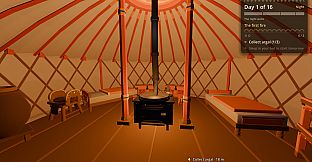
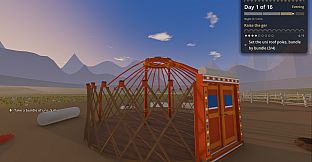
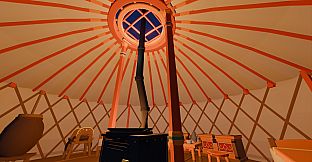
The Last Summer Holiday is an indie simulation adventure game set on the Mongolian steppe. Players take on the role of a child spending the summer at their grandparents' camp, where the central focus lies in constructing a traditional ger and engaging with authentic cultural practices drawn from real-world herding life.
Gameplay
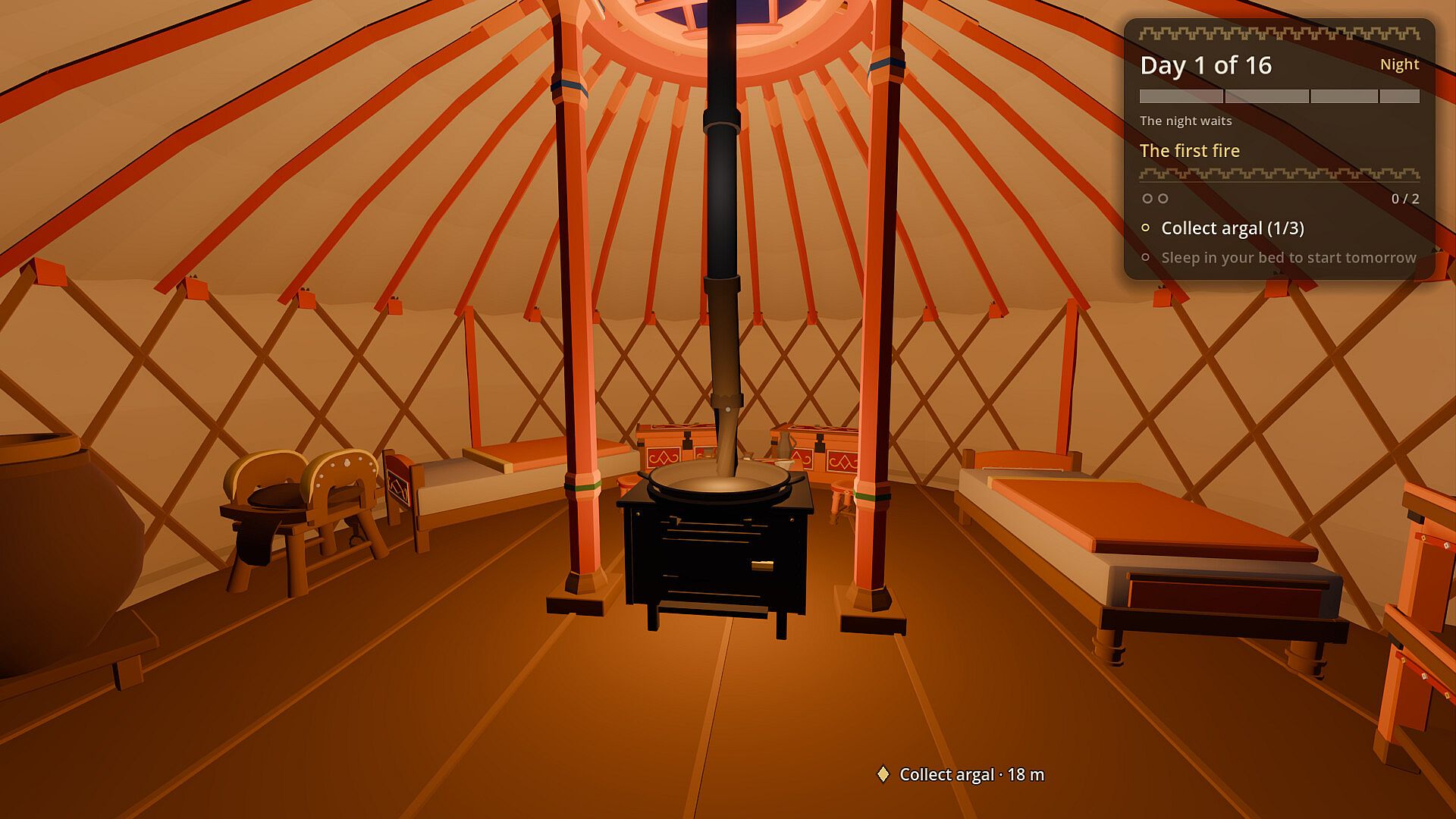
The core loop revolves around daily routines in the camp. Each morning begins with learning one new white food preparation under the guidance of a family member. Players light the stove with dried argal, milk animals from the right side, and prepare dishes in the wide pan on the stove top. Processes like simmering milk for öröm require patience across multiple in-game days, involving specific techniques such as lifting the cream from a height before leaving it to set overnight.
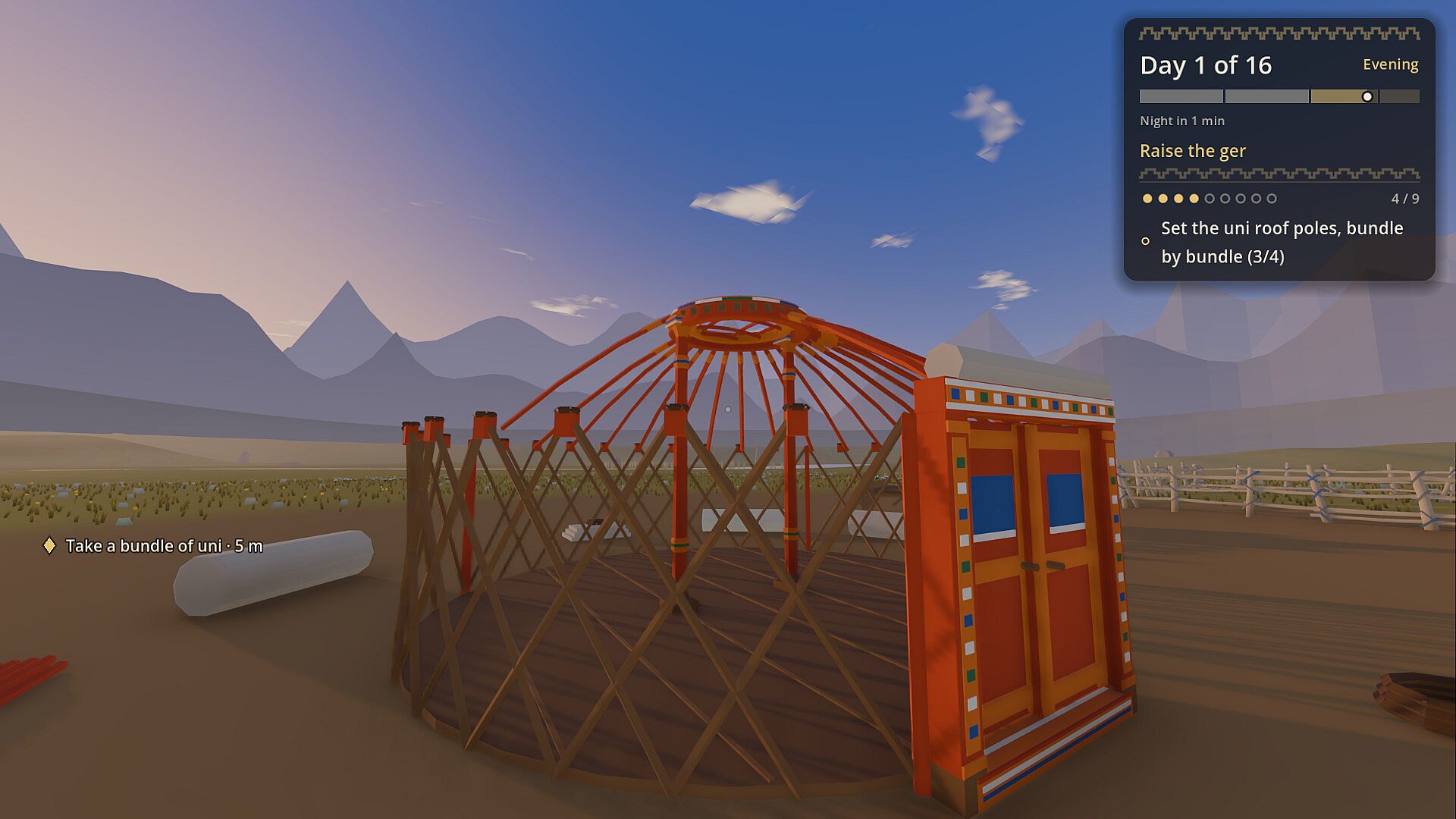
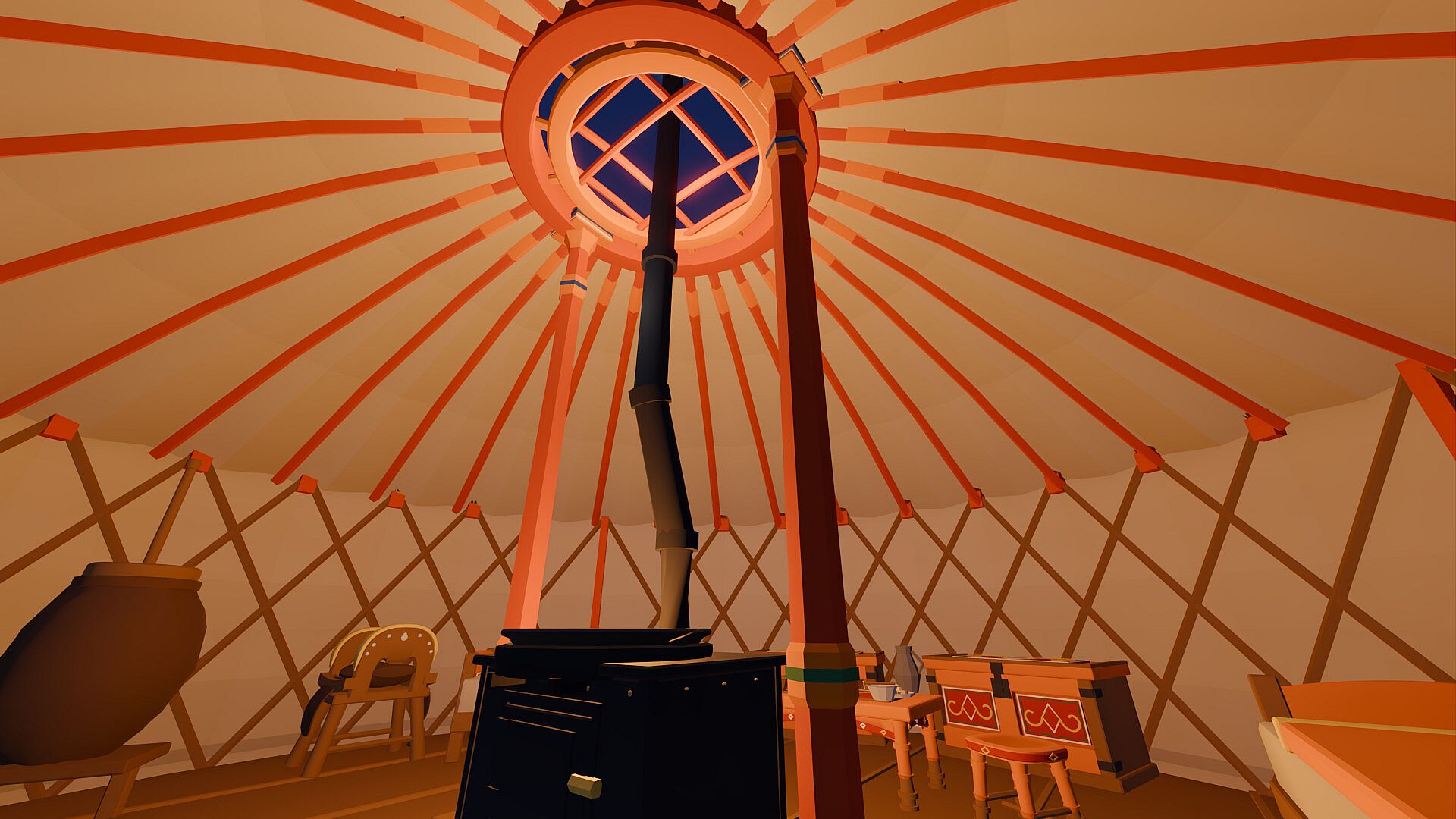
Building the ger itself forms a hands-on sequence. Components arrive on an ox-cart and must be assembled piece by piece: floor boards, the south-facing door, lattice walls, the crown ring, roof poles, felts, and ropes. Players carry and position each element, tying the belts themselves by walking around the structure. Once complete, stepping over the raised threshold marks entry into the finished space.
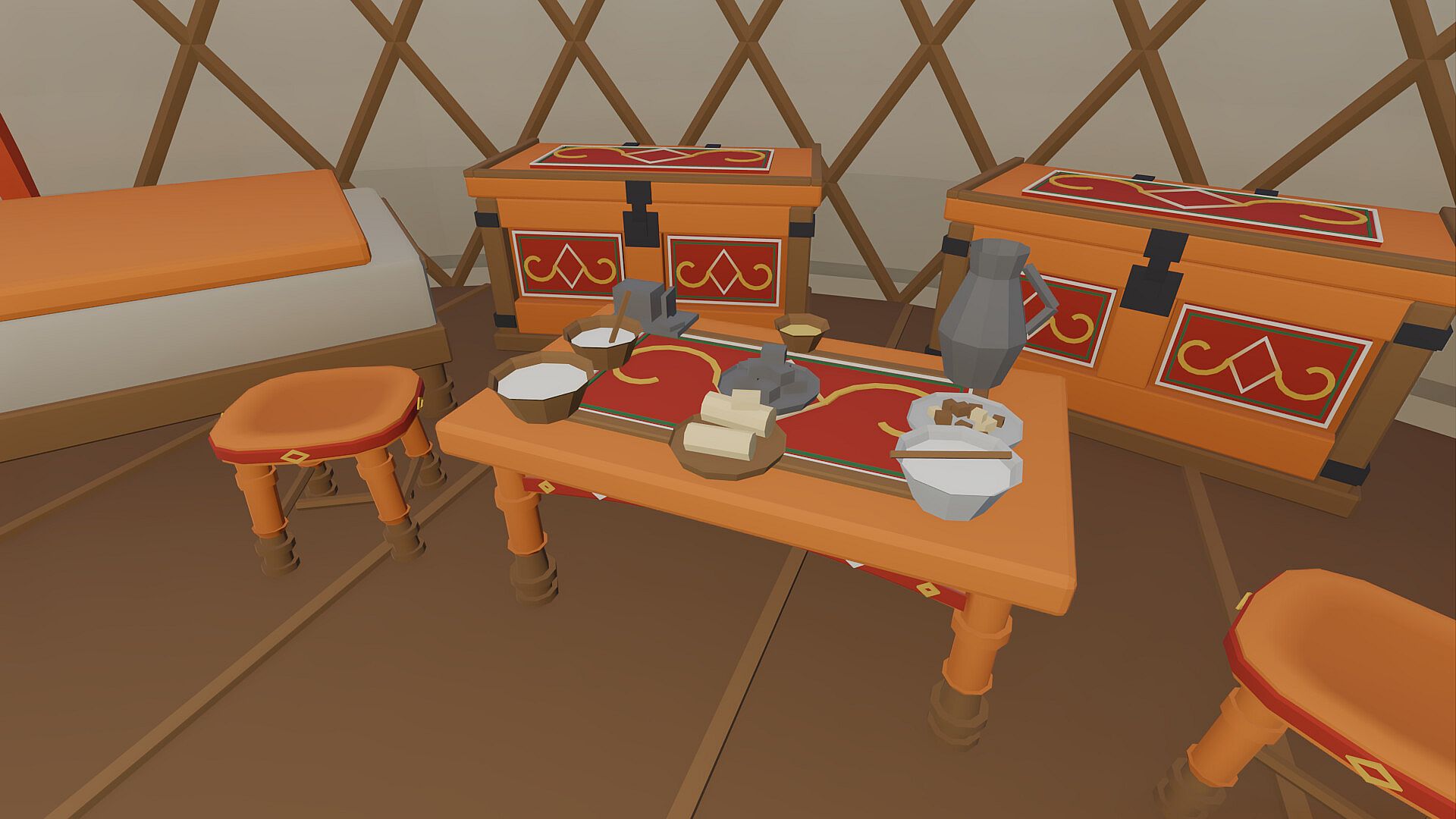
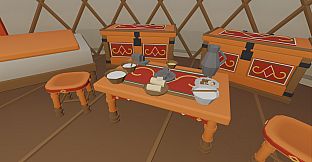
Progress appears visually on the low table in the place of honor, where completed dishes stand in color while unfinished ones remain grey. A notebook records completed tasks and stories in the child's own words. The valley uses real elevation data from the developer's family herding grounds, grounding the environment in authentic topography rather than invention.
Game Modes
The experience unfolds as a single continuous single-player narrative without separate modes or multiplayer elements. Days advance through sleep rather than timers, allowing players to work at their own pace on camp tasks. Nights transition into folktale sequences where a grandparent recounts traditional stories word for word.
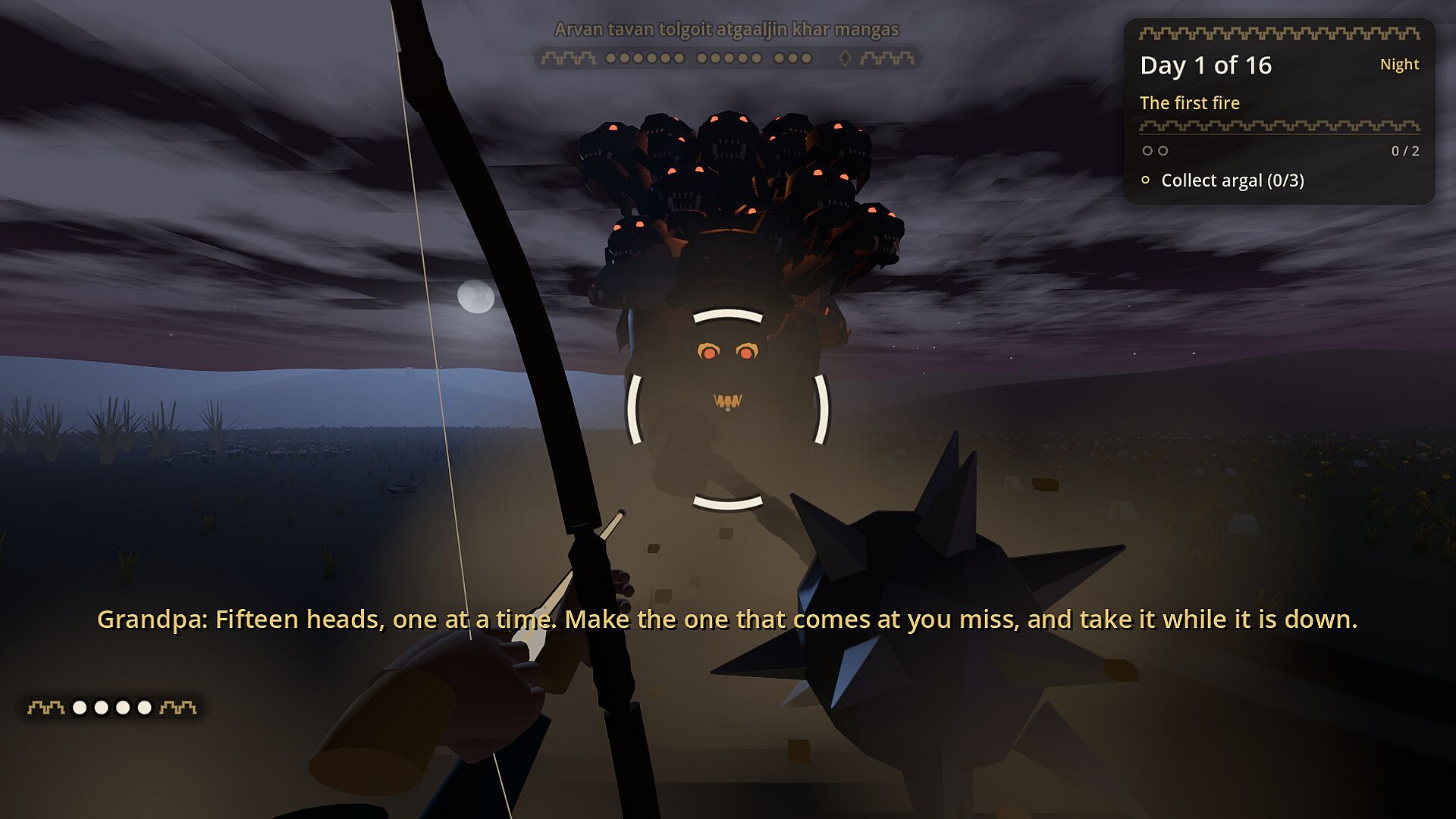
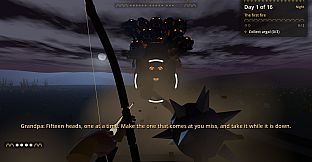
These tales lead directly into dream sequences set in the same camp but altered by fog and violet skies. The fifteen-headed black monster appears with fourteen talking heads that know the player's name. Combat takes the form of evasion and counting opportunities rather than traditional health systems, with fifteen chances available and no permanent consequences for failure.
Is It Worth Playing?
This title suits players seeking a deliberate, low-pressure simulation rooted in cultural practices and storytelling. The absence of fail states or combat outside dreams creates a safe space for exploration and repetition. Real folktales are preserved verbatim in the journal, and every practice carries its original Mongolian terminology explained through context.
Those drawn to quiet, methodical gameplay with strong ties to heritage and folklore will find the mechanics rewarding. The focus on patience in food preparation and assembly tasks rewards careful attention over speed. Availability remains limited to PC, with the full summer experience contained in one cohesive playthrough.
- Authentic ger construction using traditional components and tying methods
- Progressive white food making across multiple days with specific techniques
- Folktale-driven dream encounters featuring the fifteen-headed monster
- Notebook system documenting tasks and stories in the protagonist's voice
- Real-world elevation data and preserved oral traditions