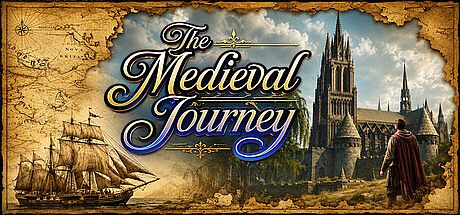


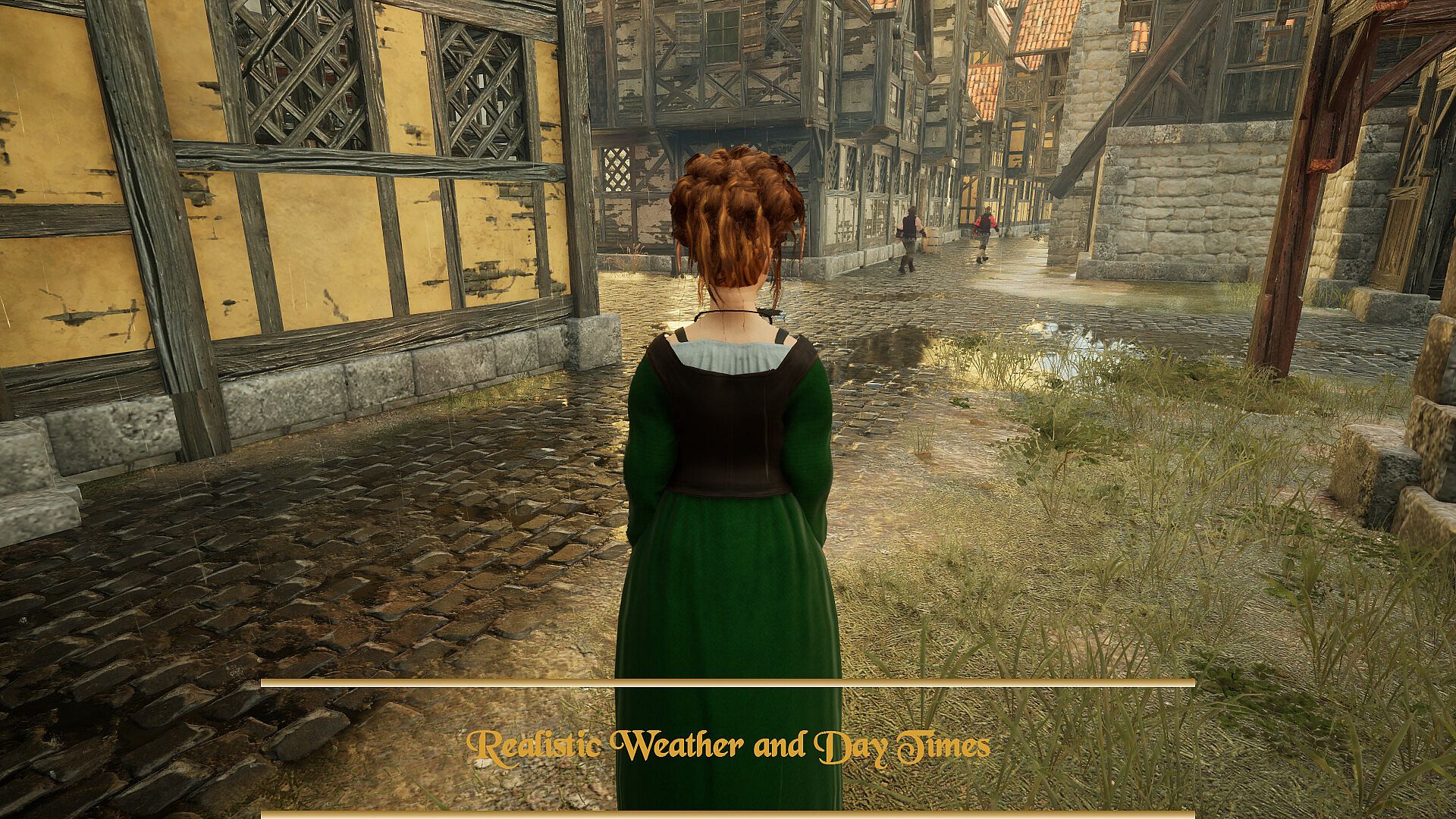
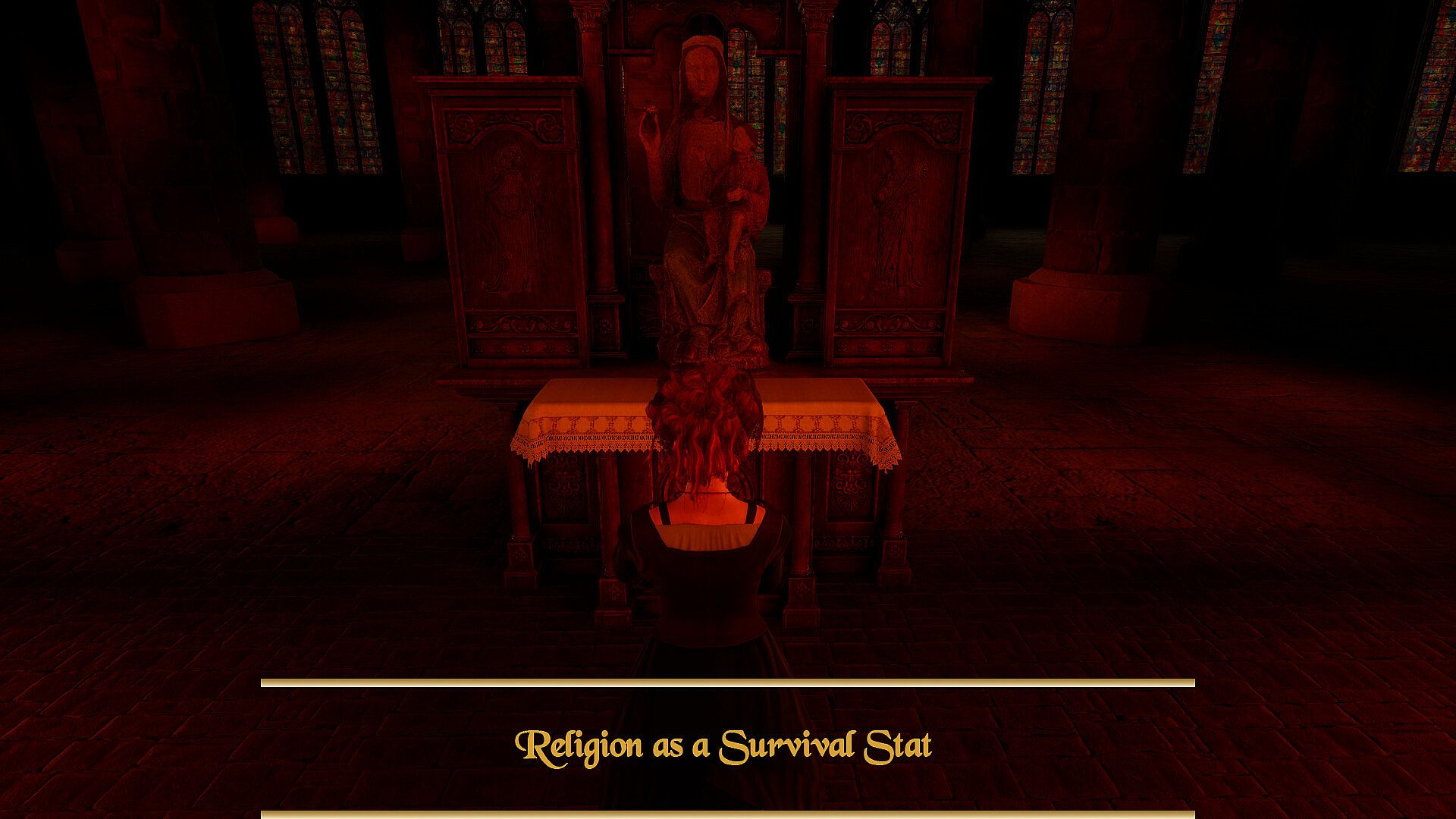
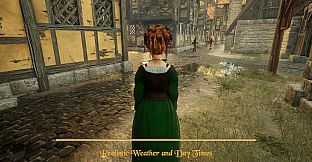
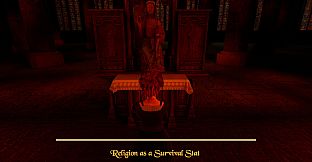
The Medieval Journey is a massively multiplayer online role playing game set in a persistent world inspired by medieval Germany. Players shape their own dynasties across multiple generations rather than focusing on a single character. The experience centers on building relationships, pursuing professions, managing businesses and trading goods between cities while the world evolves through collective player actions.
Gameplay
Core gameplay revolves around living a full life in a simulated medieval society. Characters age over time, form partnerships, marry and raise children who inherit wealth, reputation and skills. This multi-generational system allows players to continue as descendants once the original character passes away, creating ongoing family stories that span centuries.
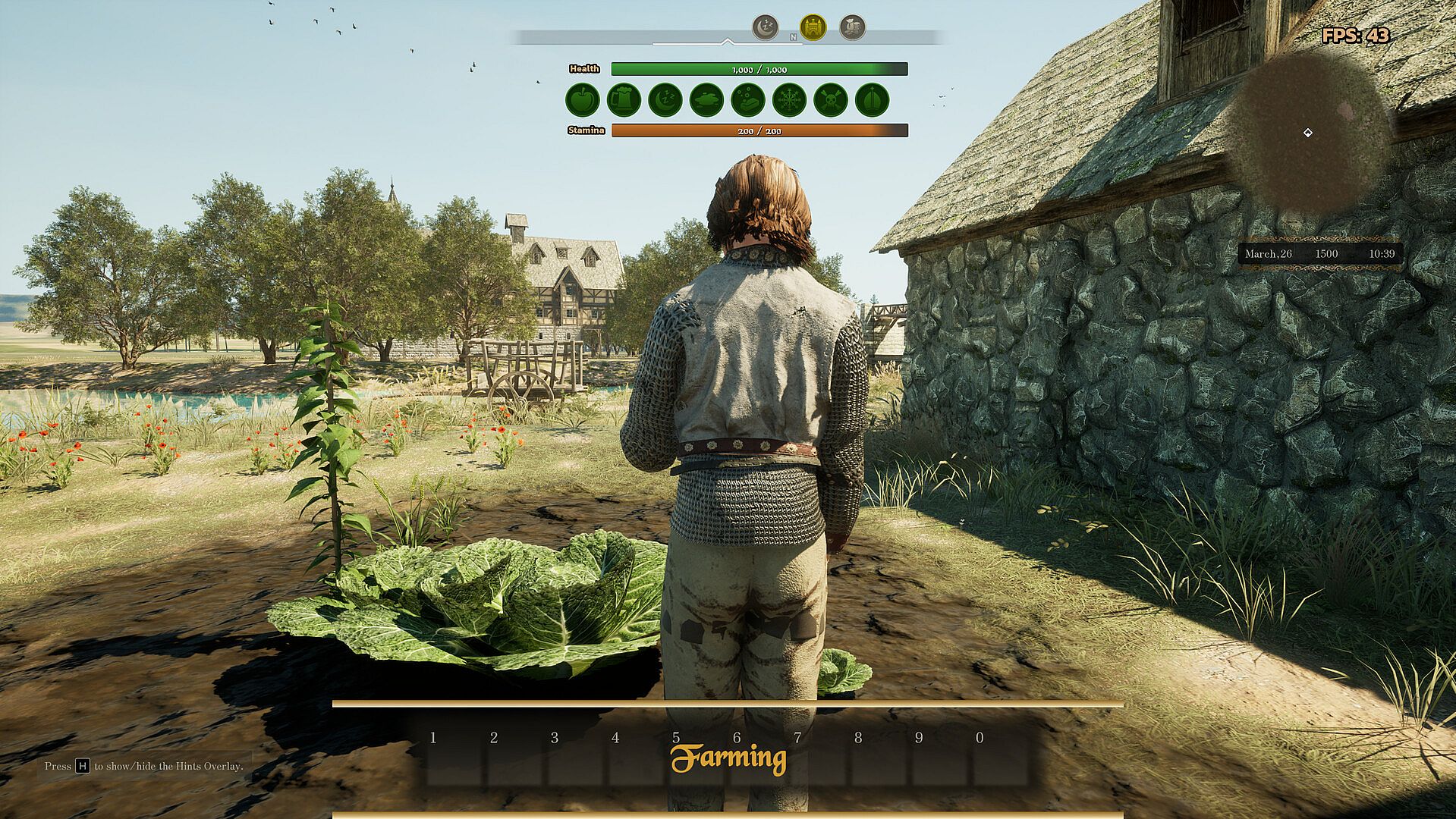
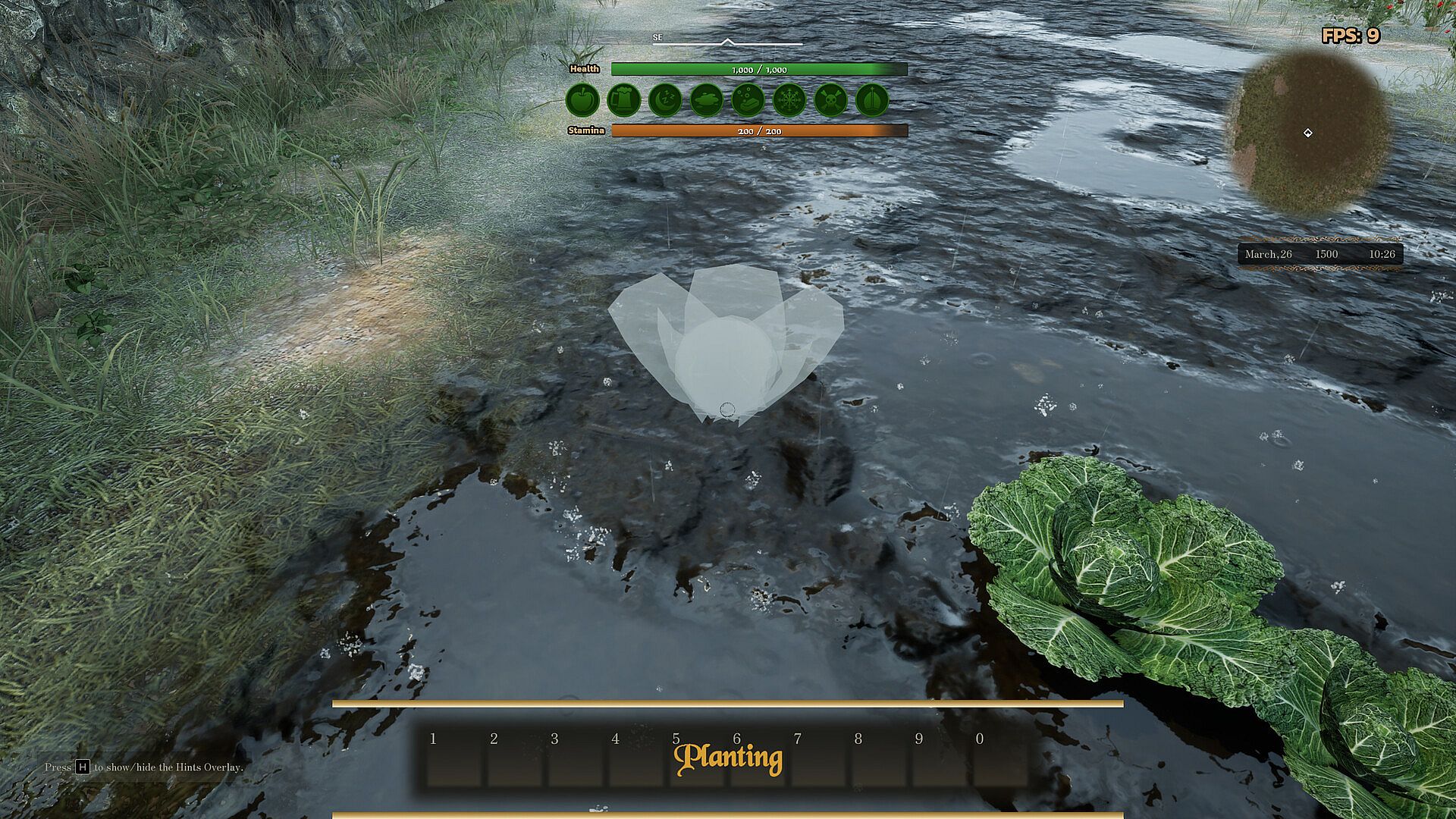
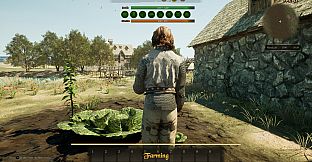
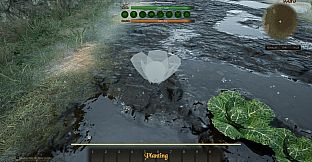
Resource gathering forms the foundation of progress. Players explore forests, mines and fields to collect materials such as timber, ore, crops and game. These raw goods feed into crafting systems where individuals master specific trades including blacksmithing, tailoring, brewing, baking and masonry. Finished products then enter a player-driven economy where supply, demand and regional differences determine value.
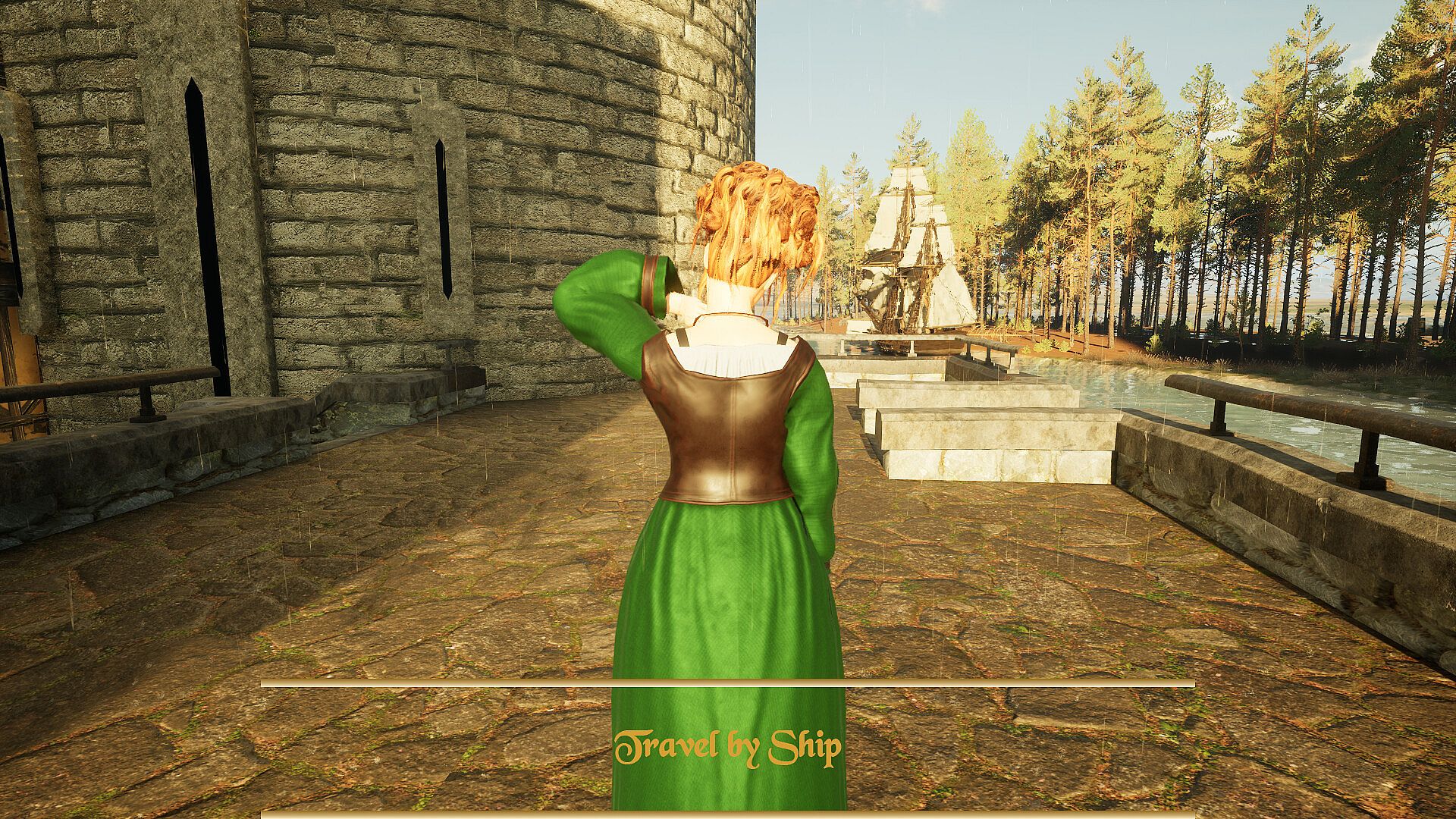
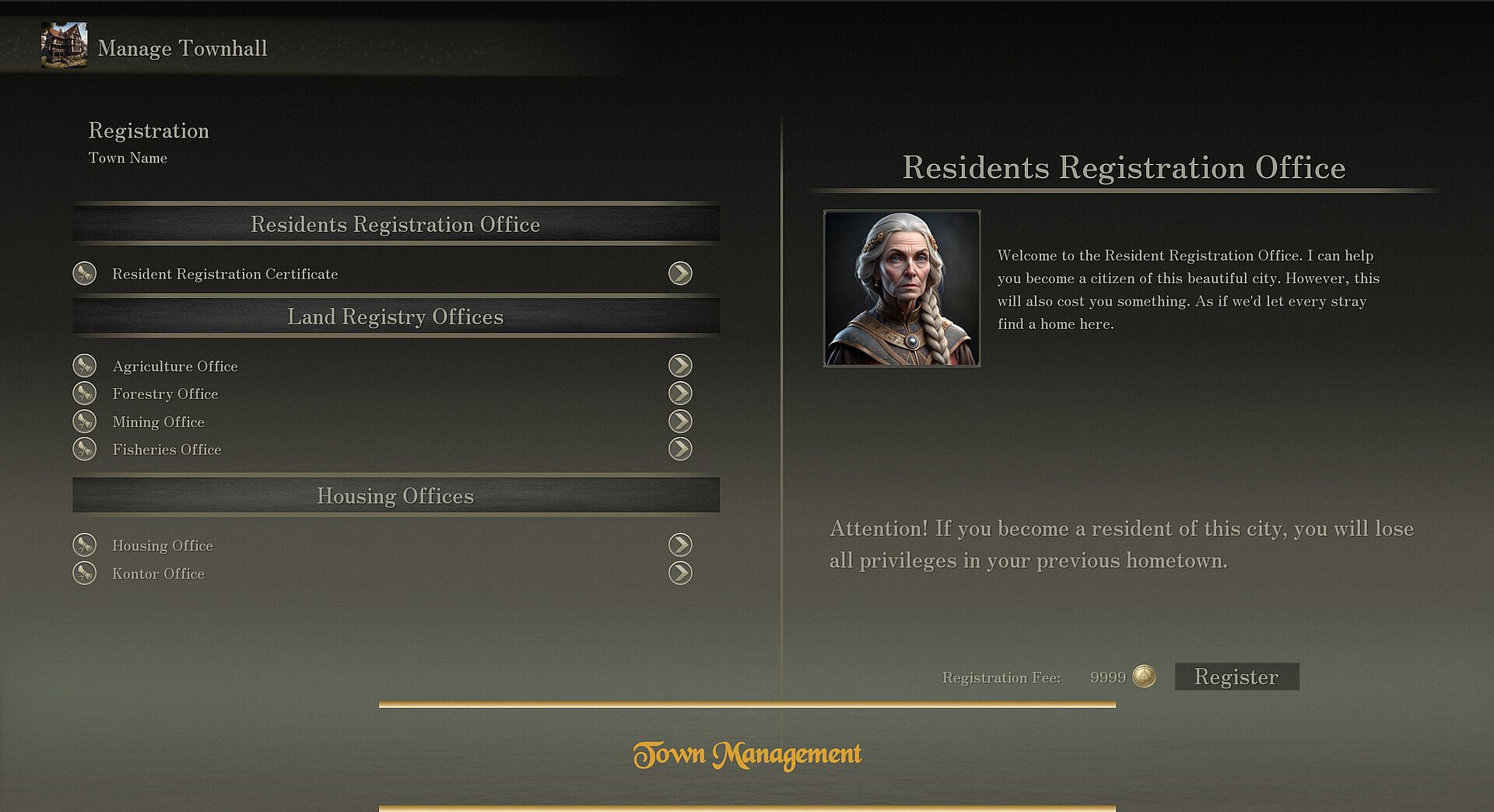
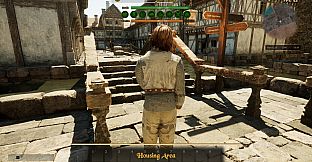
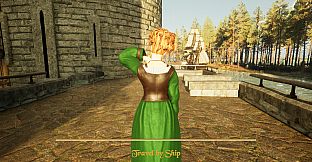
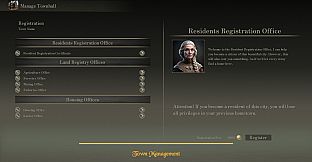
Trade routes connect distinct cities including Magdeburg, Lübeck, Hamburg and Lüneburg, each with unique industries and opportunities. Merchants transport goods between locations to capitalize on price variations. Property ownership, workshop management and business expansion provide additional paths to wealth and influence that persist across generations.
Social elements integrate directly into progression. Players build alliances, form guilds and participate in cooperative activities that affect local economies and regional dynamics. Reputation and family legacy influence interactions with both non-player characters and other players in the shared world.
Game Modes
The game operates as a single persistent online world that supports cooperative multiplayer. Players collaborate on crafting, trading and exploration while competing for market influence and social standing. Guilds and alliances allow groups to coordinate trade networks and shape economic conditions across multiple cities.
Character progression occurs through profession mastery and family development rather than traditional combat-focused leveling. Every participant contributes to the living economy, where individual decisions on production and trade ripple through the community. The absence of separate instances means all actions take place in one shared environment that evolves continuously.
World and Professions
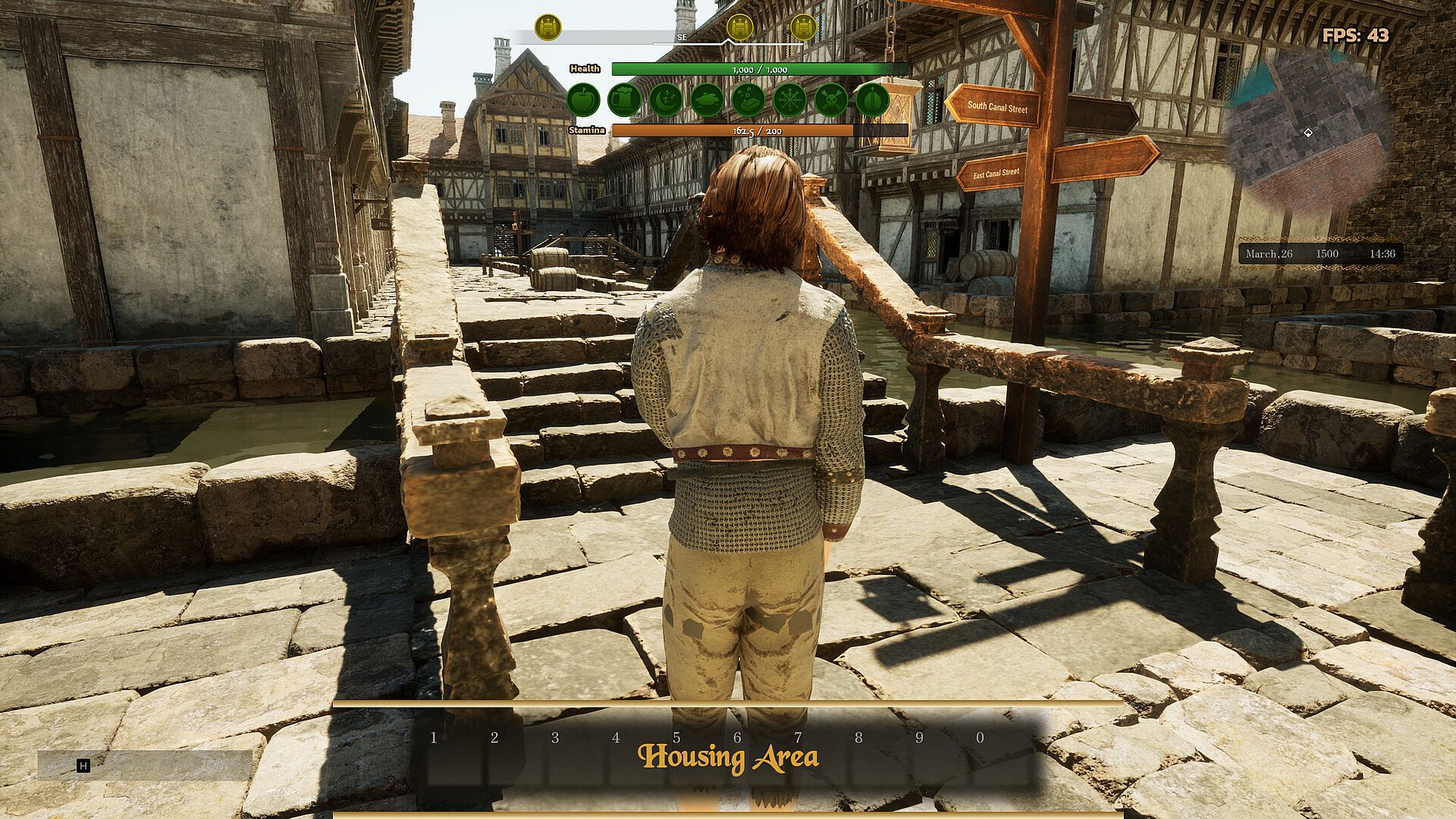
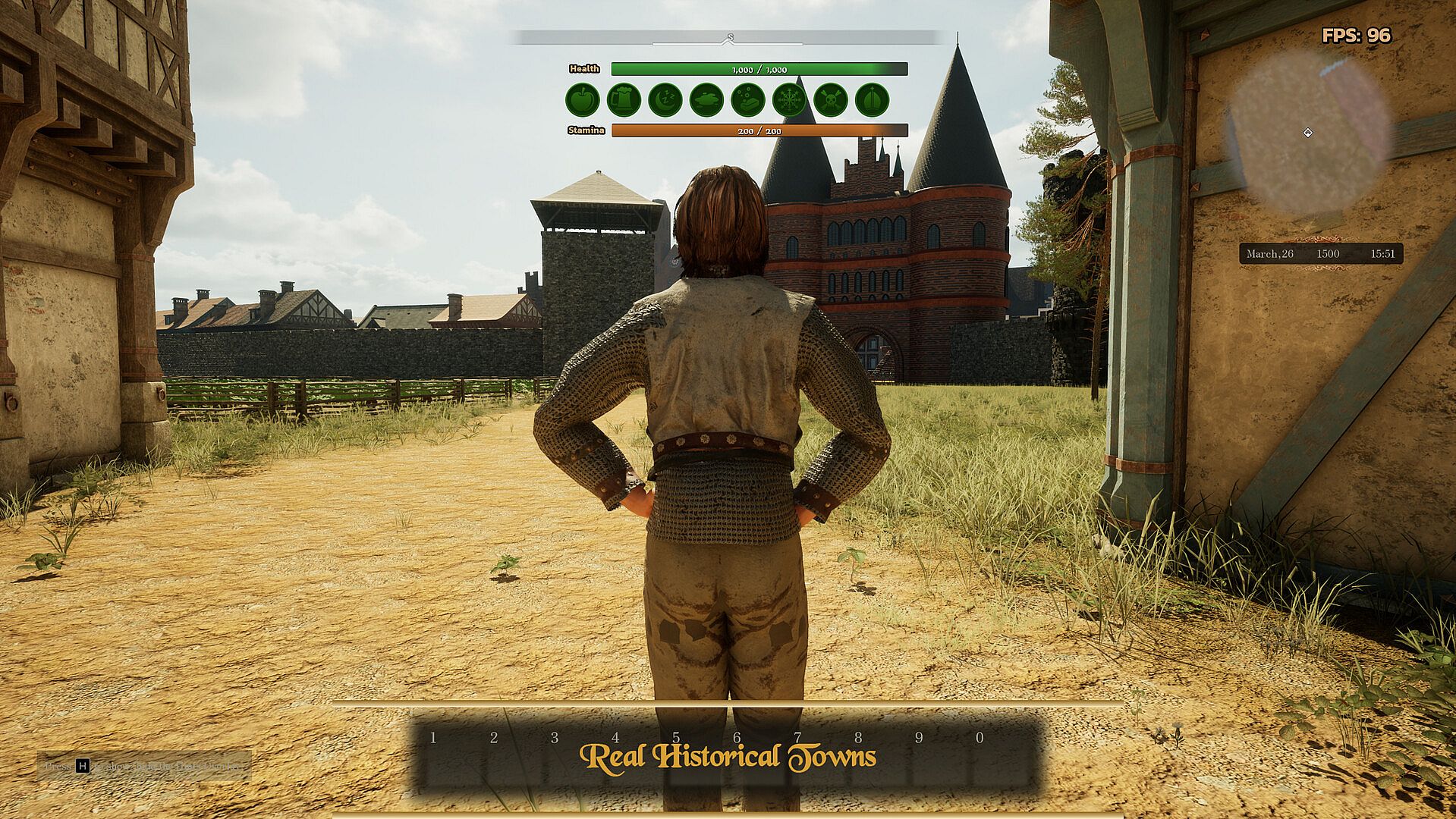
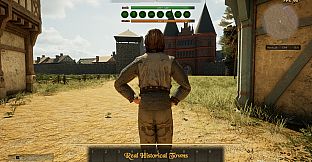
The setting draws from historical German locations, beginning with four major cities that each emphasize different economic strengths. Future expansions are planned to add regions such as Cologne, Trier and Nuremberg, introducing new trade routes and opportunities. Authenticity in architecture and industries helps ground the experience in a believable medieval context.
Professions extend beyond basic crafting. Gathering roles include farming, mining, forestry, hunting and fishing. Production covers weaponsmithing, goldsmithing, stonemasonry, barrel binding, furriery and food preparation. Commerce involves managing livestock, fabrics, luxuries, seasonings, sundries and alcohol among other categories. Each path offers distinct routes to reputation and generational wealth.
Character aging and inheritance mechanics ensure that no single play session represents the full experience. Success depends on planning for successors who carry forward accumulated assets and standing. This structure rewards long-term strategy over short-term gains.
Is It Worth Playing?
The Medieval Journey targets players interested in simulation-style MMORPGs that emphasize economic systems, social relationships and multi-generational progression over fast-paced combat. Its focus on dynasty building and player-driven trade distinguishes it from many other titles in the genre.
Because the game remains unreleased with a date still to be announced, current details rest on the developer's outlined features and systems. Those drawn to deep crafting loops, regional trading and legacy mechanics may find the described framework appealing once it launches. Cooperative elements and guild features suggest value for groups seeking shared economic goals rather than solo hero narratives.
Prospective players should monitor official channels for updates on release timing and any refinements to core systems before committing. The emphasis on persistent world interactions and family continuity offers a distinct alternative within the medieval MMORPG space for those who value simulation depth and long-term planning.