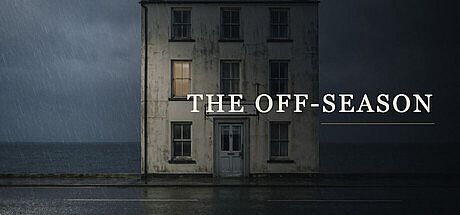


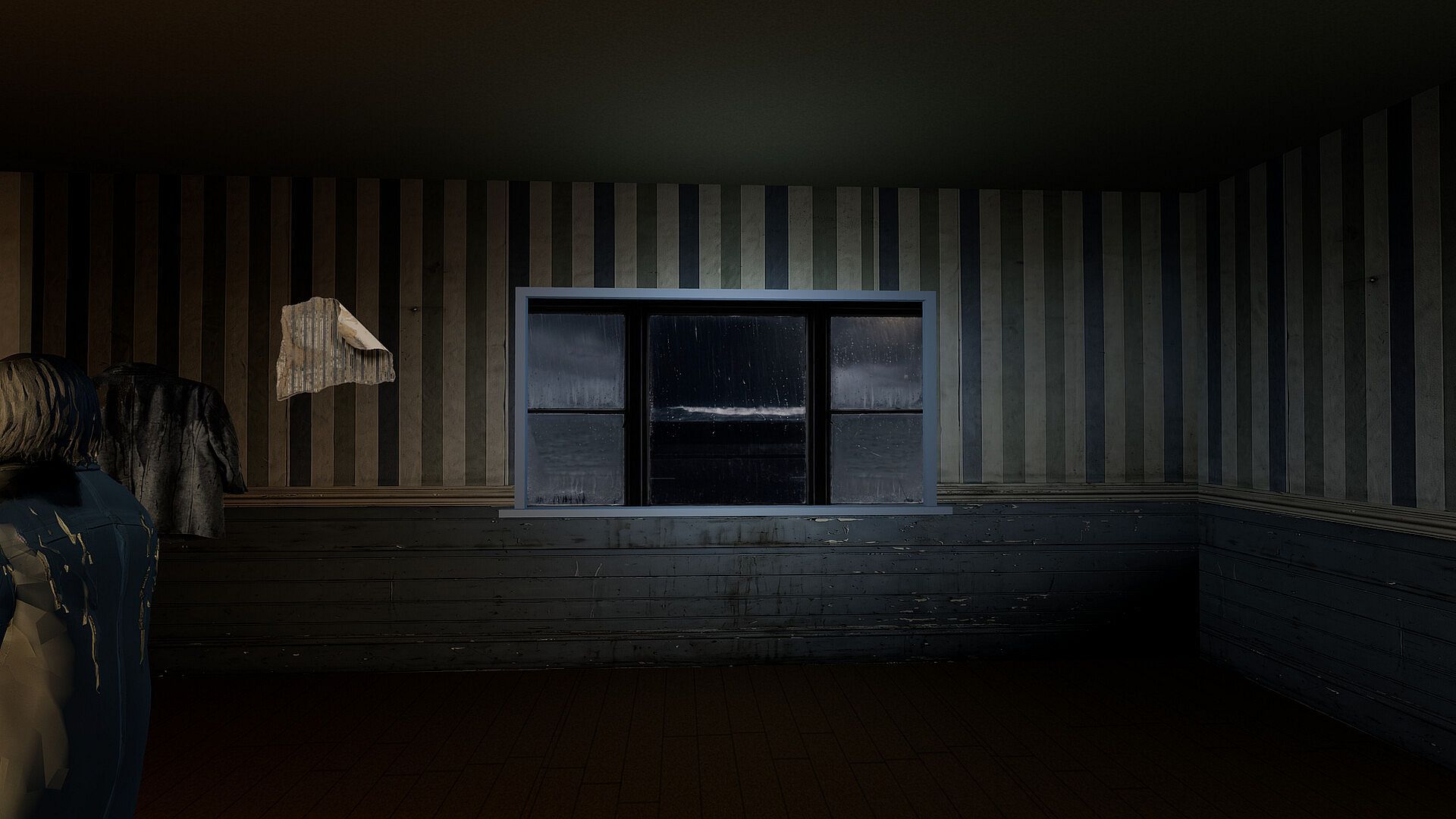
The Off-Season is an indie adventure game set in a seaside hotel during the quiet winter months. Players take on the role of a caretaker who must decide which strangers to admit after hours, balancing the need for income against the risks that come with each arrival. The experience unfolds through a series of nights where choices about keys and rooms shape the story that emerges by spring.
Gameplay
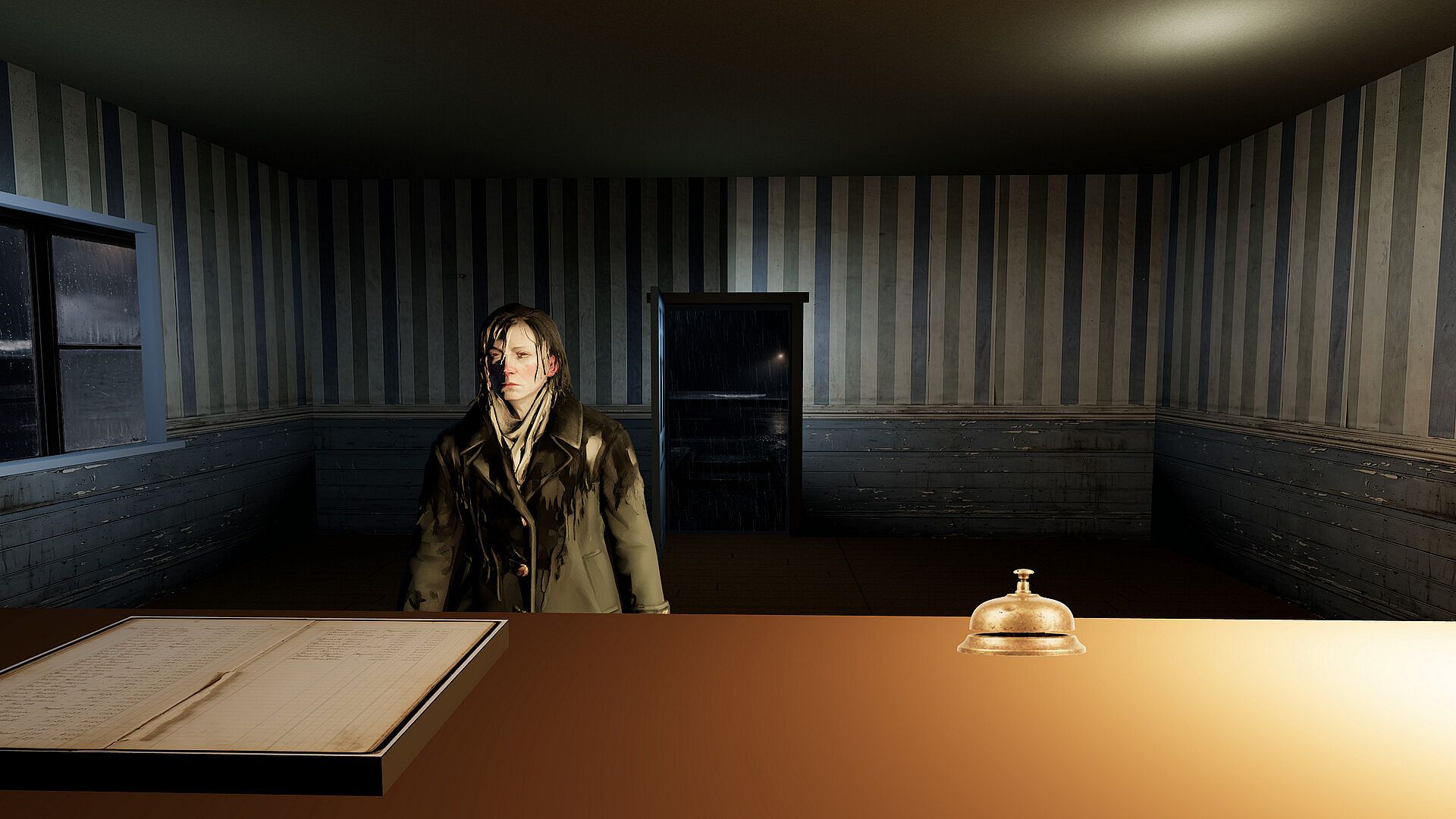
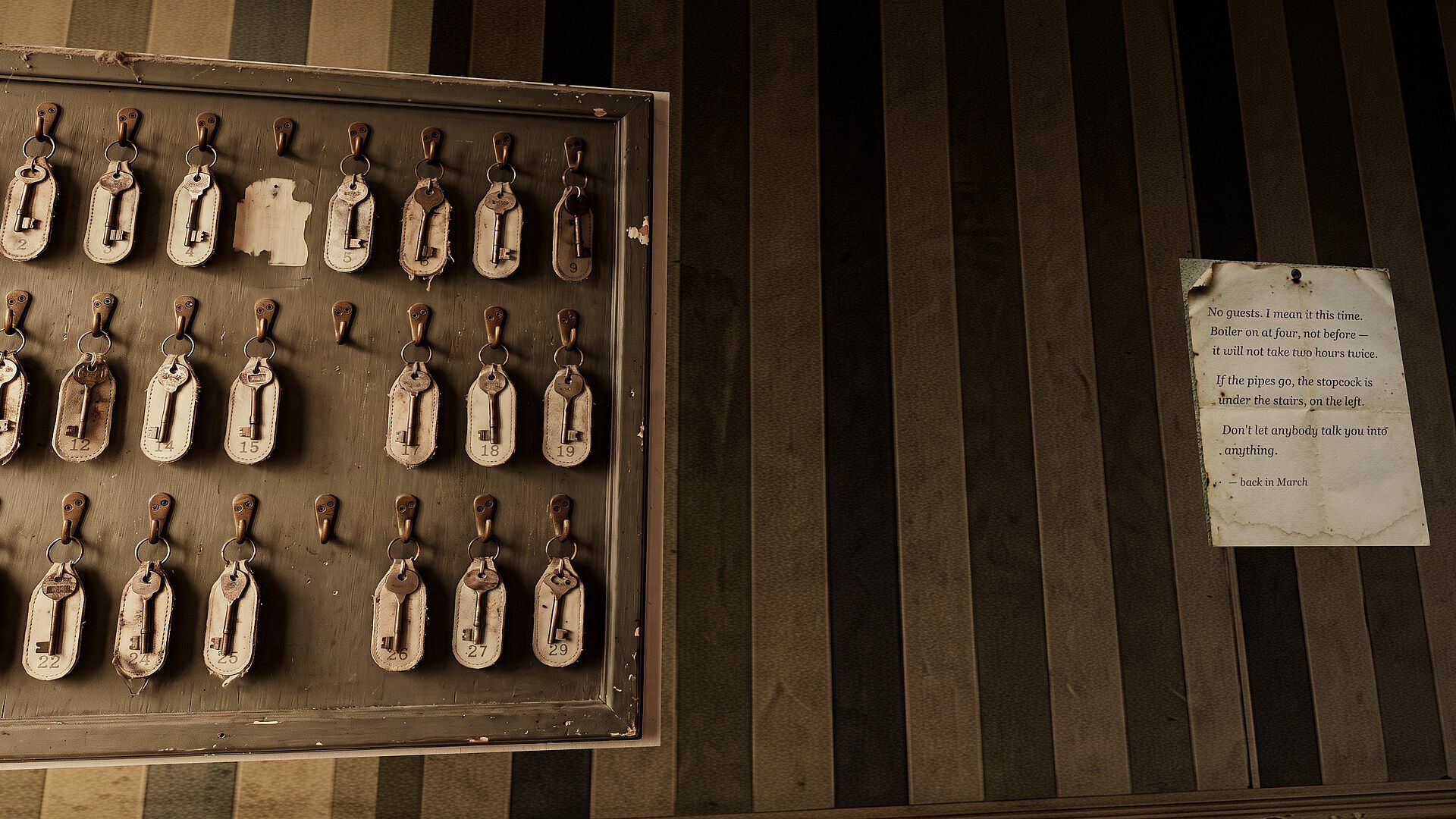
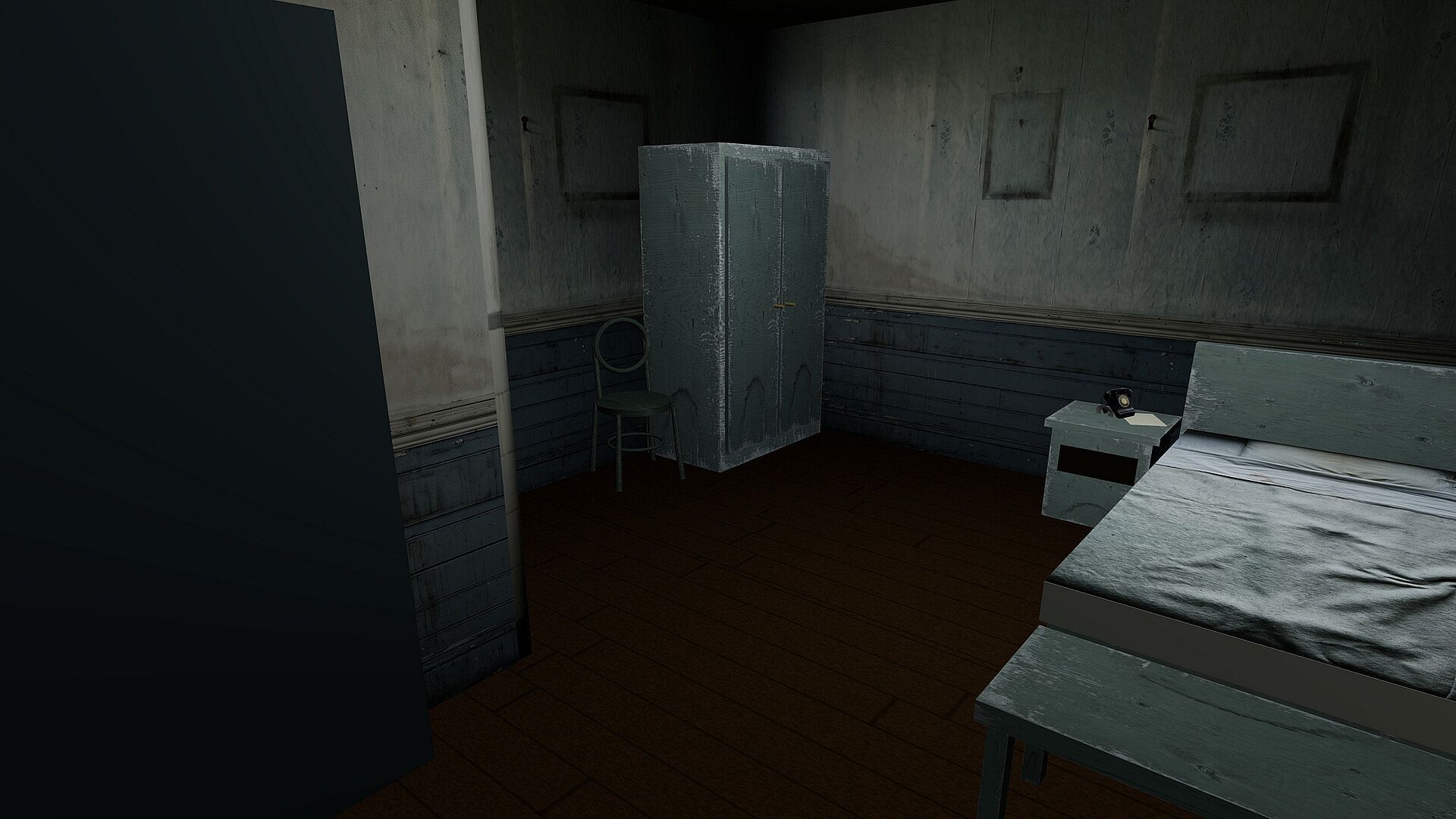
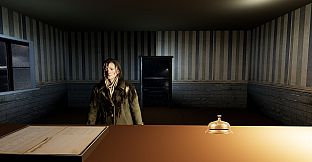
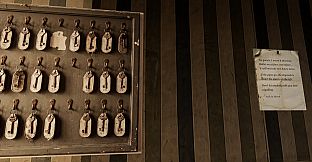
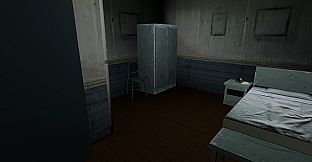
Core gameplay centers on managing arrivals at the front desk. Each night brings a knock from someone seeking a room, often with cash in hand and a story they prefer not to share. Players listen to requests, weigh the details offered, and choose whether to grant entry. When a guest is accepted, the next decision involves assigning one of the available rooms, each with distinct features that influence what happens next. Room 3 overlooks the road and reveals who comes and goes. Rooms 7 and 8 share a wall, allowing sounds to carry between them. Room 12 has a telephone line, while room 19 sits isolated on the top floor. These details turn a simple key handoff into a deliberate sentence written into the night.
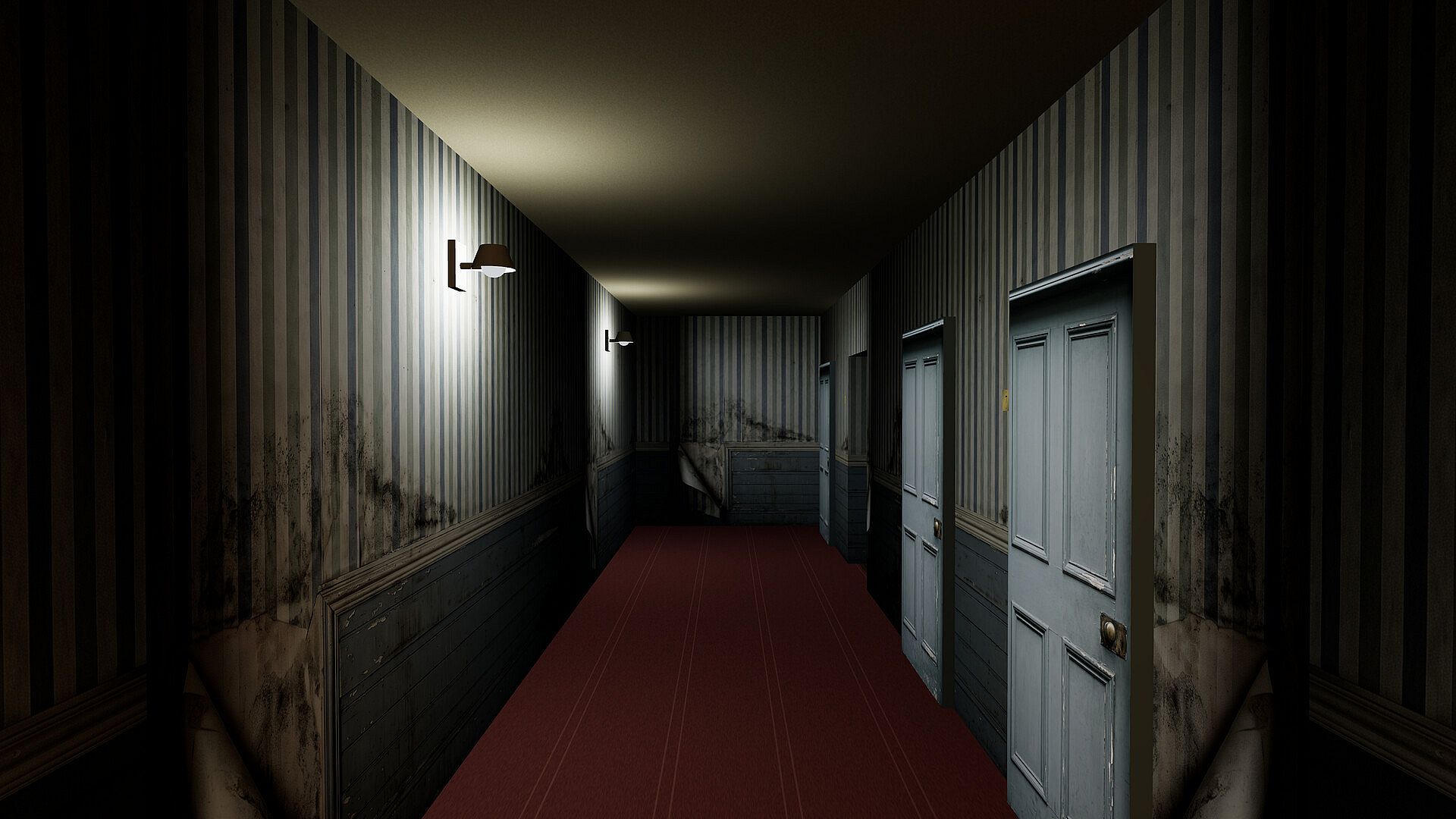
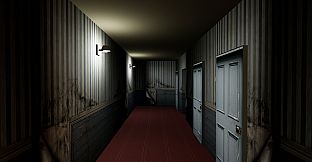
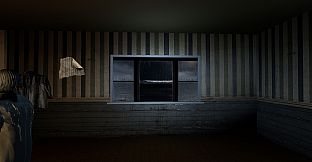
The hotel itself is explored in first-person perspective. Players walk the desk area, corridors, and the rooms they choose to open. A register tracks every decision, and pages from previous seasons can be compared against the town list to spot discrepancies. One particular room, number 24, holds items left by the prior caretaker. Opening it early alters how later knocks are interpreted without ending the run. Cash collected stays with the player when rules are bent, but every deviation carries potential consequences that surface later in the season.
Game Modes
The Off-Season offers a single continuous narrative experience rather than separate modes. There is one season to complete, built around a thread of arrivals, room assignments, and ledger entries that resolve at the end. Players cannot reload to erase outcomes, yet no single choice leads to outright failure or death. The story closes based on the cumulative record kept in the register, with the final page reflecting who stayed, what was omitted, and how the house changed. This structure keeps the focus on one cohesive playthrough where the same knocks arrive but the interpretation and results shift according to prior decisions.
Narrative Structure and Consequences
Story elements assemble gradually through the choices made at the desk. A refusal provides one piece of information, while a specific room assignment adds another layer that the house remembers. Guests who receive keys remain in the building, and their presence can interact with the layout in ways that affect later nights. The rules posted above the desk serve as a starting point rather than absolute law, and the game shows how those guidelines were written for a season the owner will not witness. Missing pages in the register and mismatches with the town list encourage careful observation across multiple nights. The experience rewards attention to detail without requiring puzzle solving or combat.
Is It Worth Playing?
The Off-Season suits players who enjoy narrative adventures built around meaningful choices and delayed consequences. The mechanics of deciding who enters and where they stay create a personal record that determines the ending without punishing experimentation. Because the season always concludes and the register preserves every decision, each playthrough feels distinct yet contained. Those drawn to atmospheric exploration in a single location and stories that emerge from small interactions will find the hotel a compelling space to revisit. The game remains available on PC for those interested in its focused approach to decision-driven storytelling.