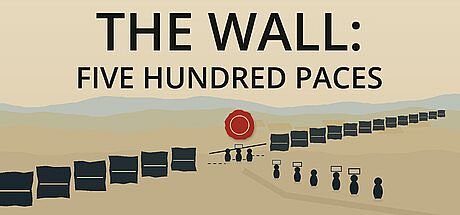


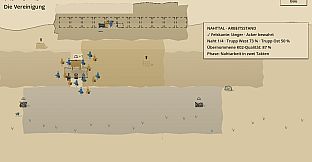
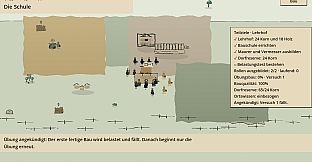
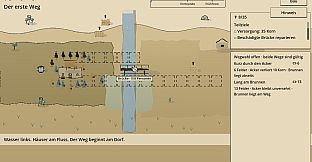
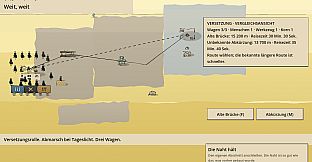
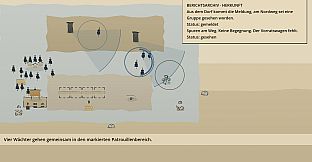
The Wall: Five Hundred Paces is a strategy indie simulation game set in a distant empire drawn from Franz Kafka's 1917 story "The Great Wall of China." Players lead a small crew across ten chapters, constructing roads, wells, bridges, and five hundred paces of wall while managing the flow of knowledge and labor in a world where purpose remains unquestioned. The experience unfolds as a calm builder with active pause, emphasizing deliberate planning over speed or conflict on PC in single-player mode.
Gameplay
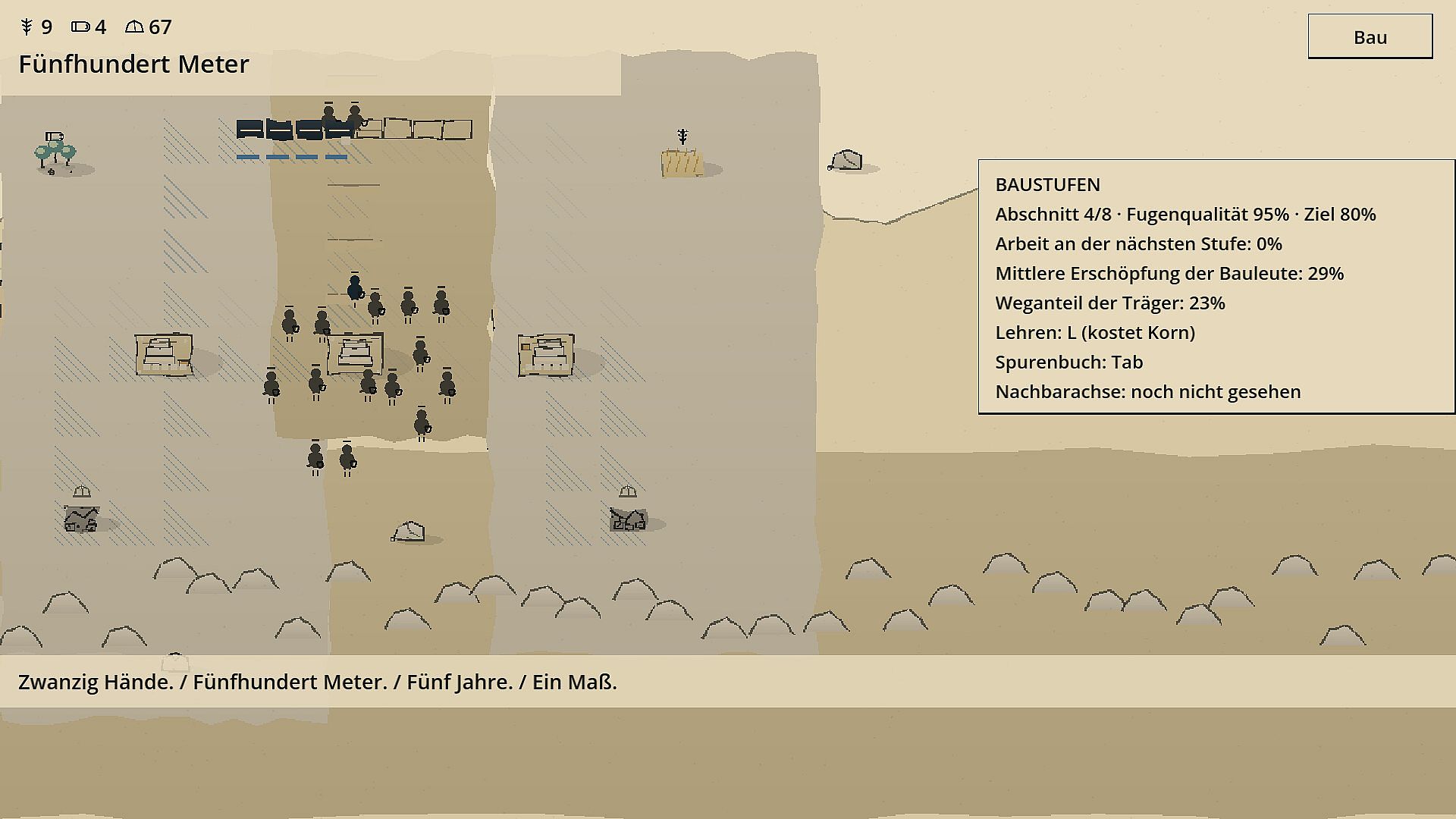
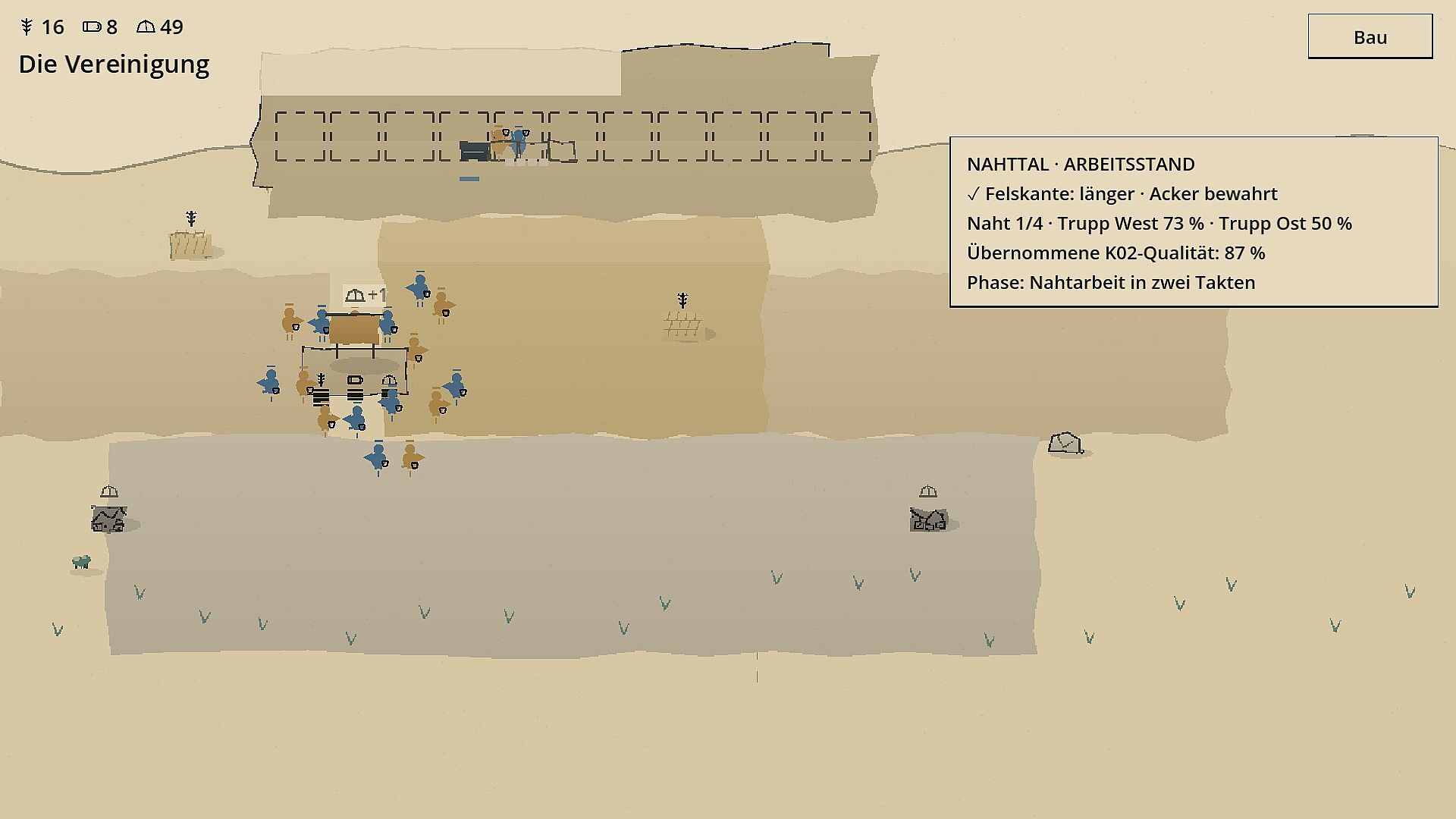
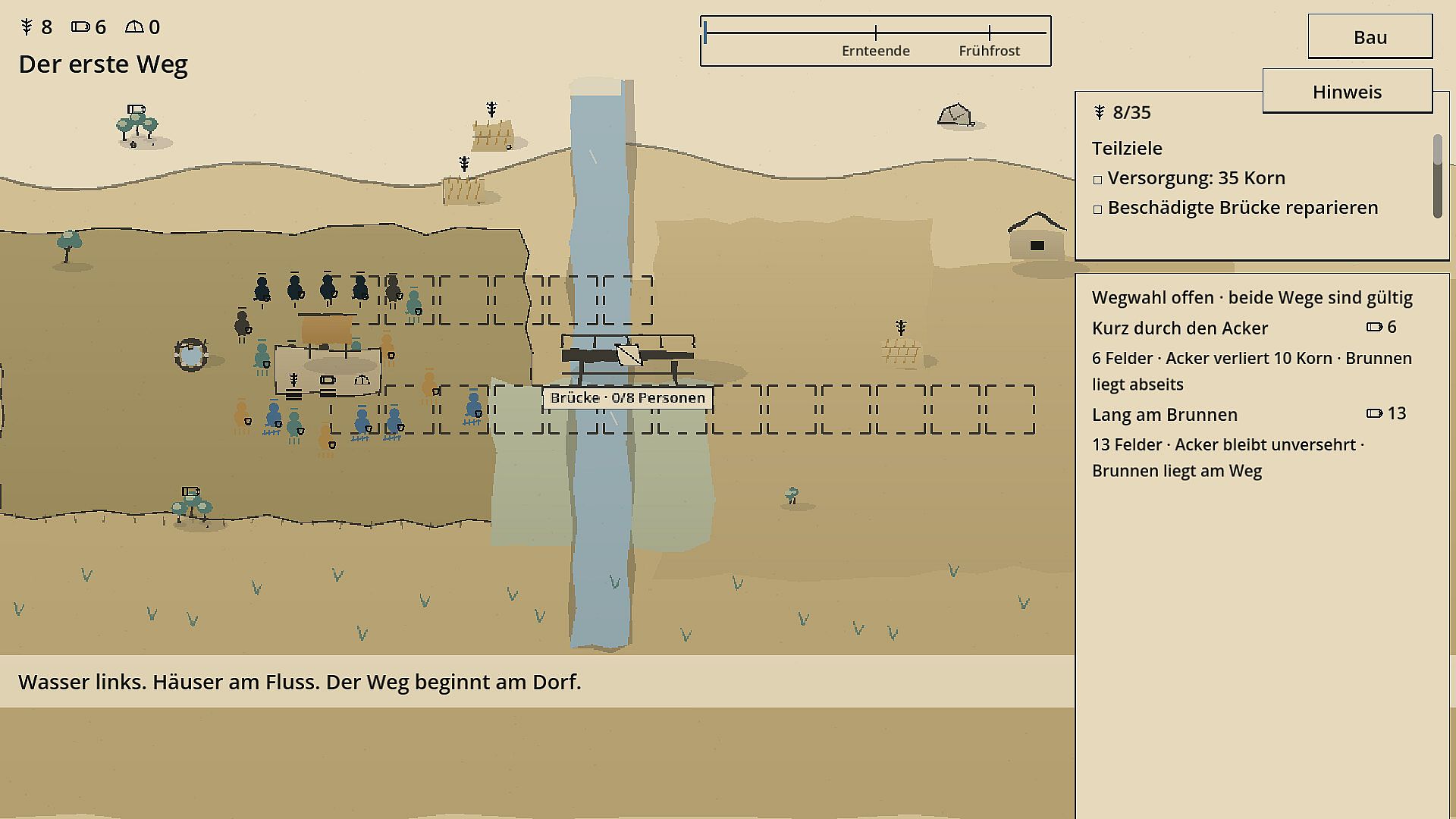
Core systems revolve around three named resources tied to households, with carriers moving visibly along actual roads to deliver materials. Every structure appears only where workers can physically reach it, creating a grounded approach to placement and logistics. Active pause allows players to halt time at any moment for careful route planning or assignment adjustments without external pressure.
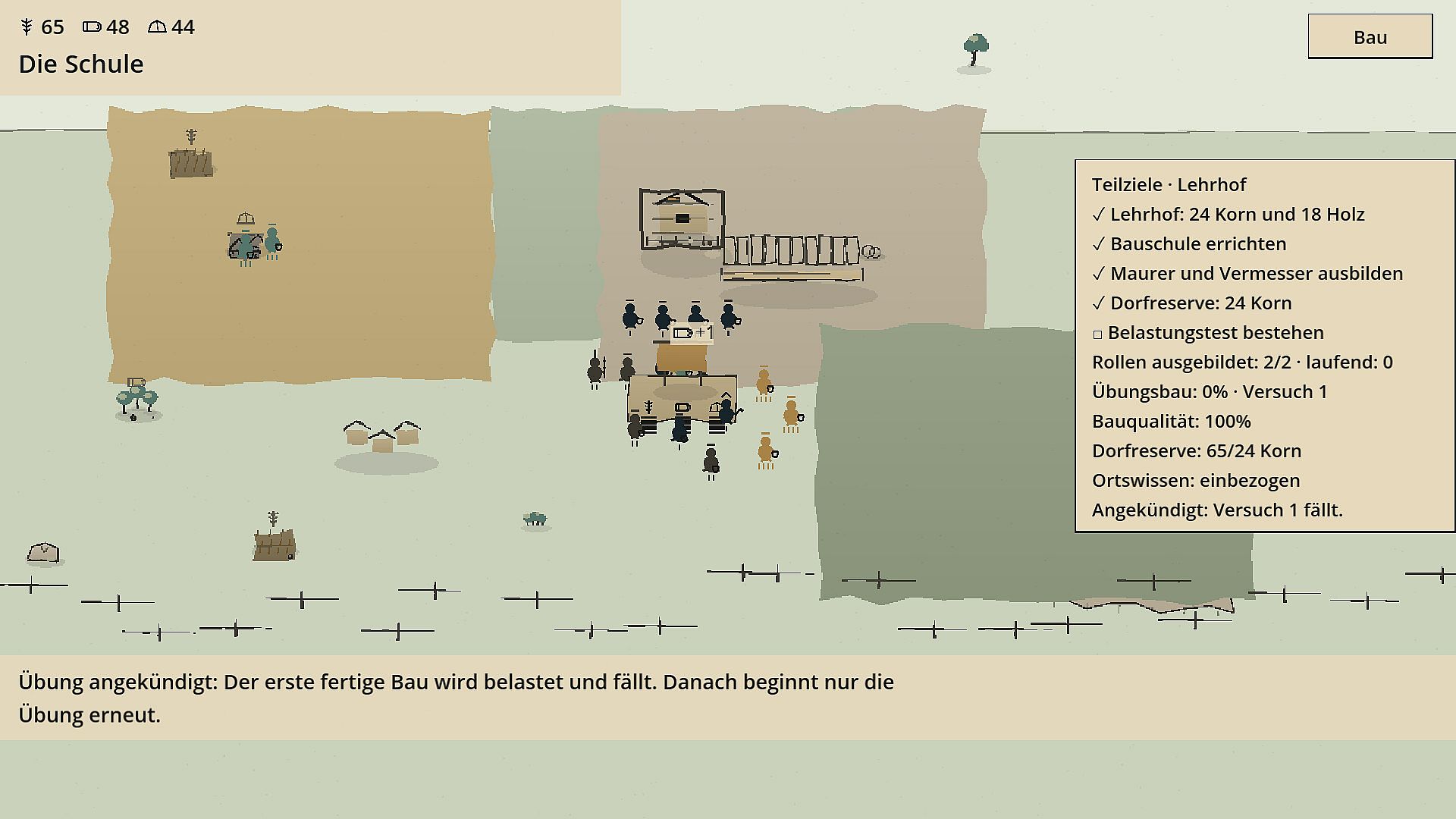
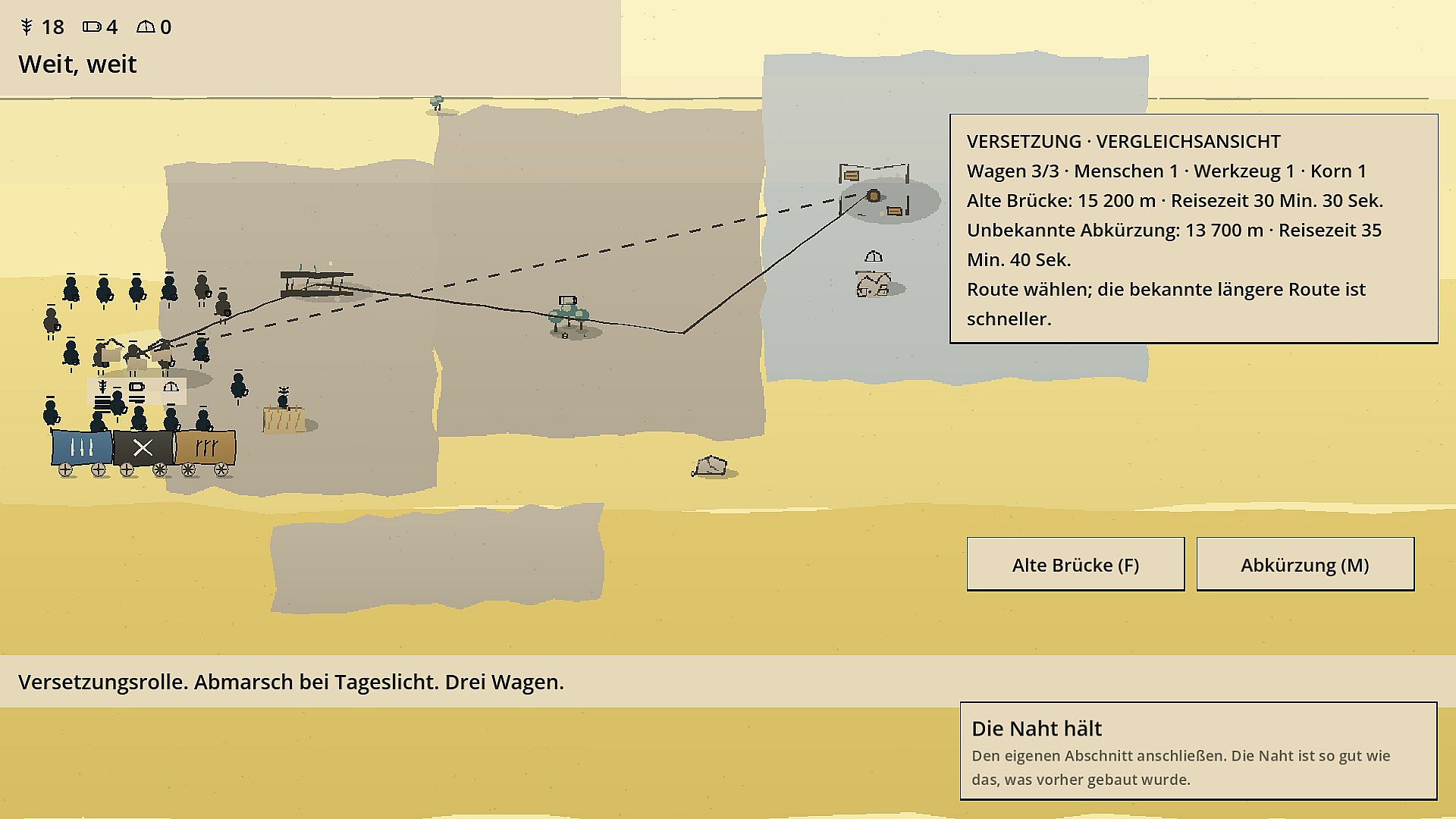
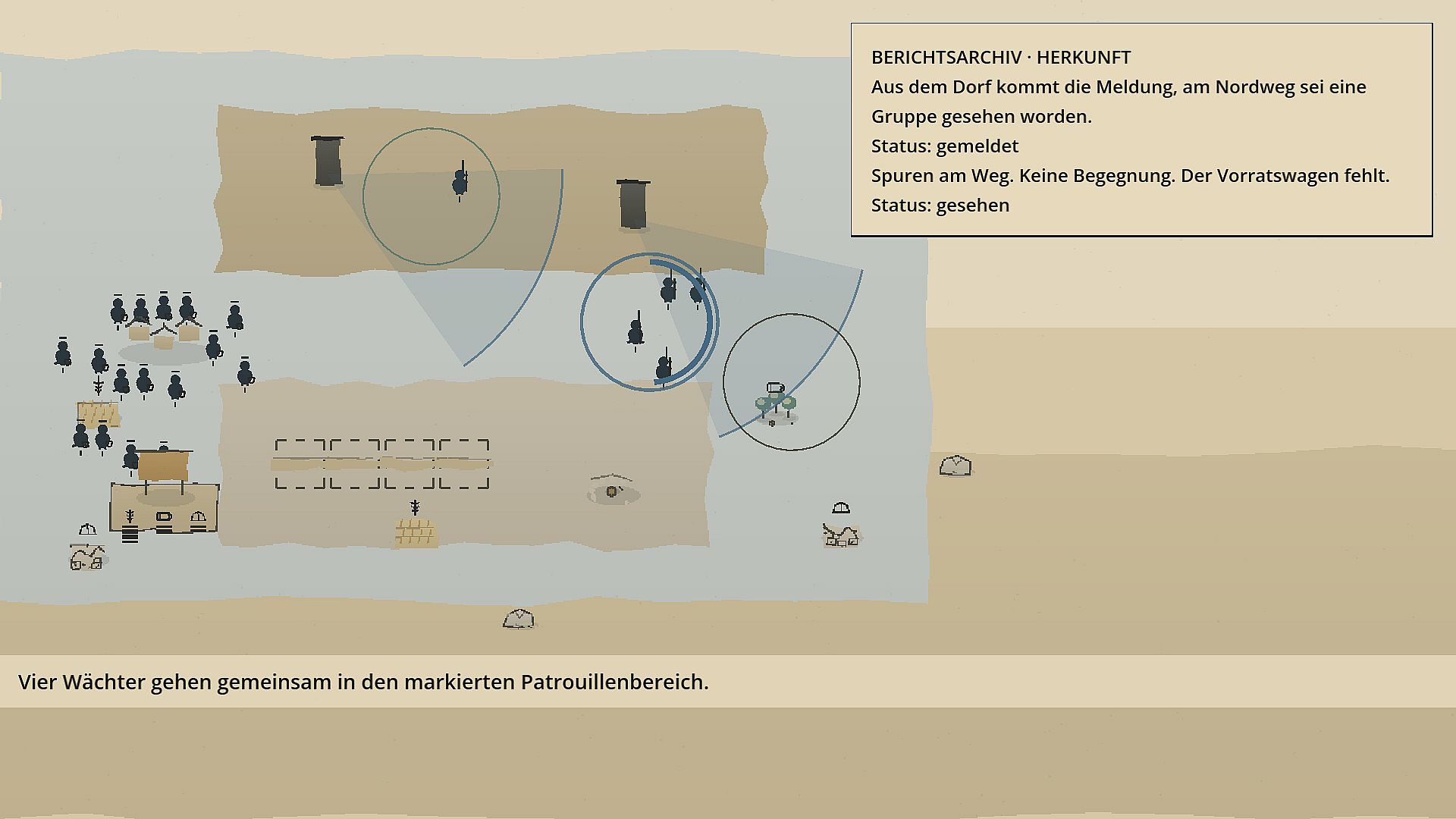
Knowledge functions as a mobile element carried exclusively by trained individuals. Decisions about who receives training and where they travel directly shape the crew's capabilities over time. The imperial map displays officially declared progress, while a separate book of traces logs personal observations, leaving visible discrepancies between the two records as part of the experience.
Visual presentation uses ink-on-paper aesthetics reminiscent of handscrolls that advance chapter by chapter. Red seals appear solely for administrative markings on the map and wall sections, echoing historical East Asian scroll practices that Kafka encountered in his own bureaucratic work. The game supports mouse and keyboard controls with optional controller input, runs fully offline with autosave, and contains no advertisements or additional purchases.
Game Modes
The title offers a single-player campaign structured around ten sequential chapters. Progression begins in a village with a damaged road and advances through stages that include connecting to a neighboring crew and handling a distant transfer assignment. Each chapter builds on the previous through layered construction tasks and knowledge distribution.
No separate modes such as competitive, cooperative, or endless variants exist. The campaign stands alone as the complete experience in its current Early Access state, where all ten chapters remain playable. Music elements are noted as provisional pending further development.
Narrative and Setting
The world follows Kafka's parable of an expansive empire where shared labor continues without open debate over its ultimate purpose. Chapters explore the tension between reported completion and lived reality through the contrast between the official map and the personal book of traces. This setup mirrors themes of administration and asserted progress without depicting any specific historical China or introducing combat elements.
Northern peoples never appear as threats, and no defensive or aggressive mechanics enter the systems. The focus stays on construction, movement of people and knowledge, and the quiet accumulation of wall sections across the ten chapters.
Is It Worth Playing?
The game suits players who prefer thoughtful, low-pressure strategy and simulation experiences centered on logistics, resource movement, and incremental building. Its active pause system and emphasis on visible worker paths reward careful observation and planning rather than rapid execution.
Early Access status means all ten chapters are accessible now, though music remains provisional with further refinements planned. The title delivers a focused single-player experience without multiplayer components or external requirements. Those drawn to literary-inspired mechanics and deliberate pacing in an indie strategy simulation will find the core loop consistent with the described systems.