

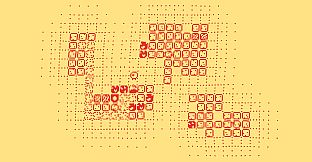
Tile Former is a strategy indie game built around grid-based puzzles on PC. The core experience revolves around a 1-bit visual style that directly influences how the mechanics function across different color palettes.
Gameplay
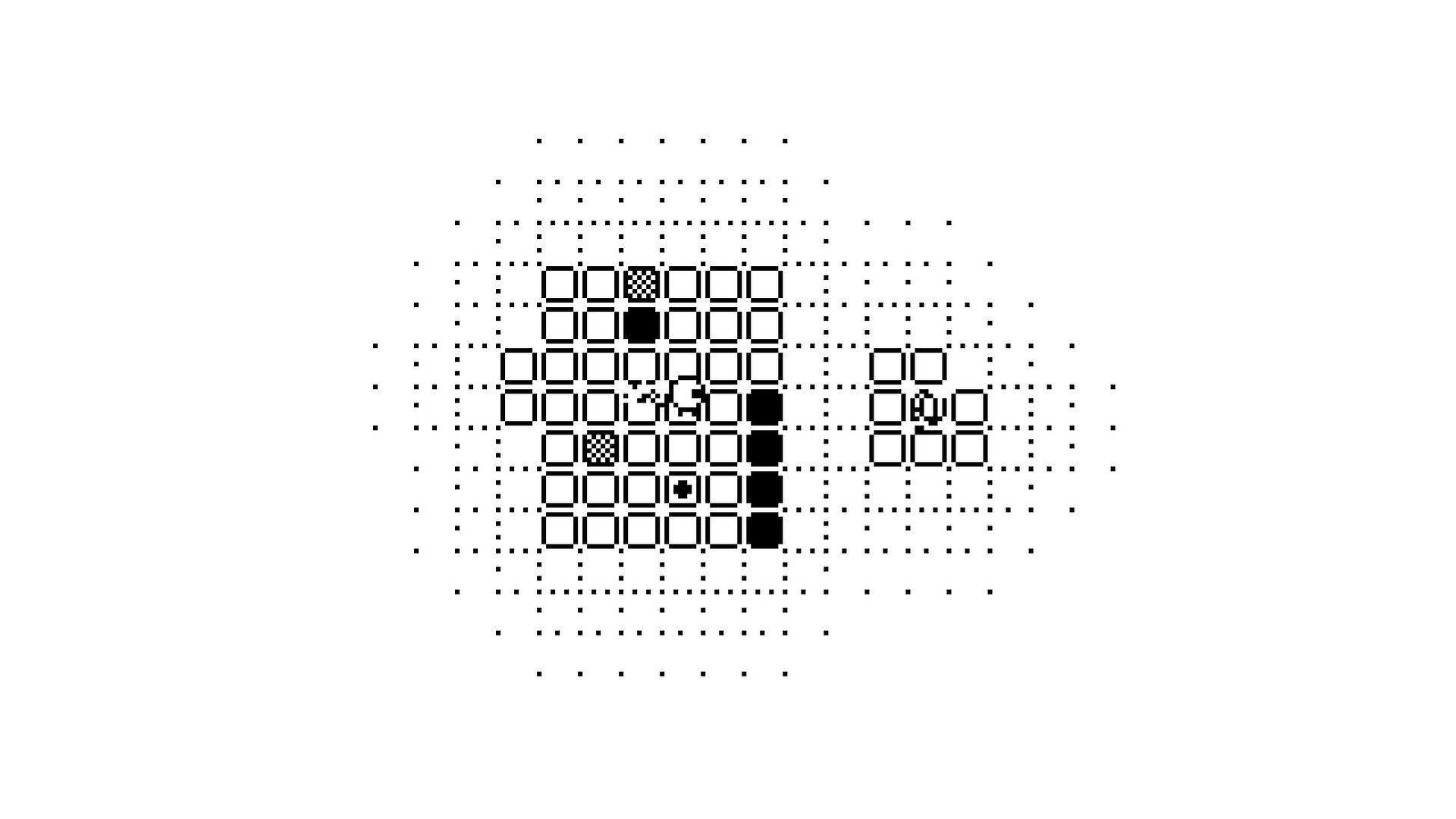
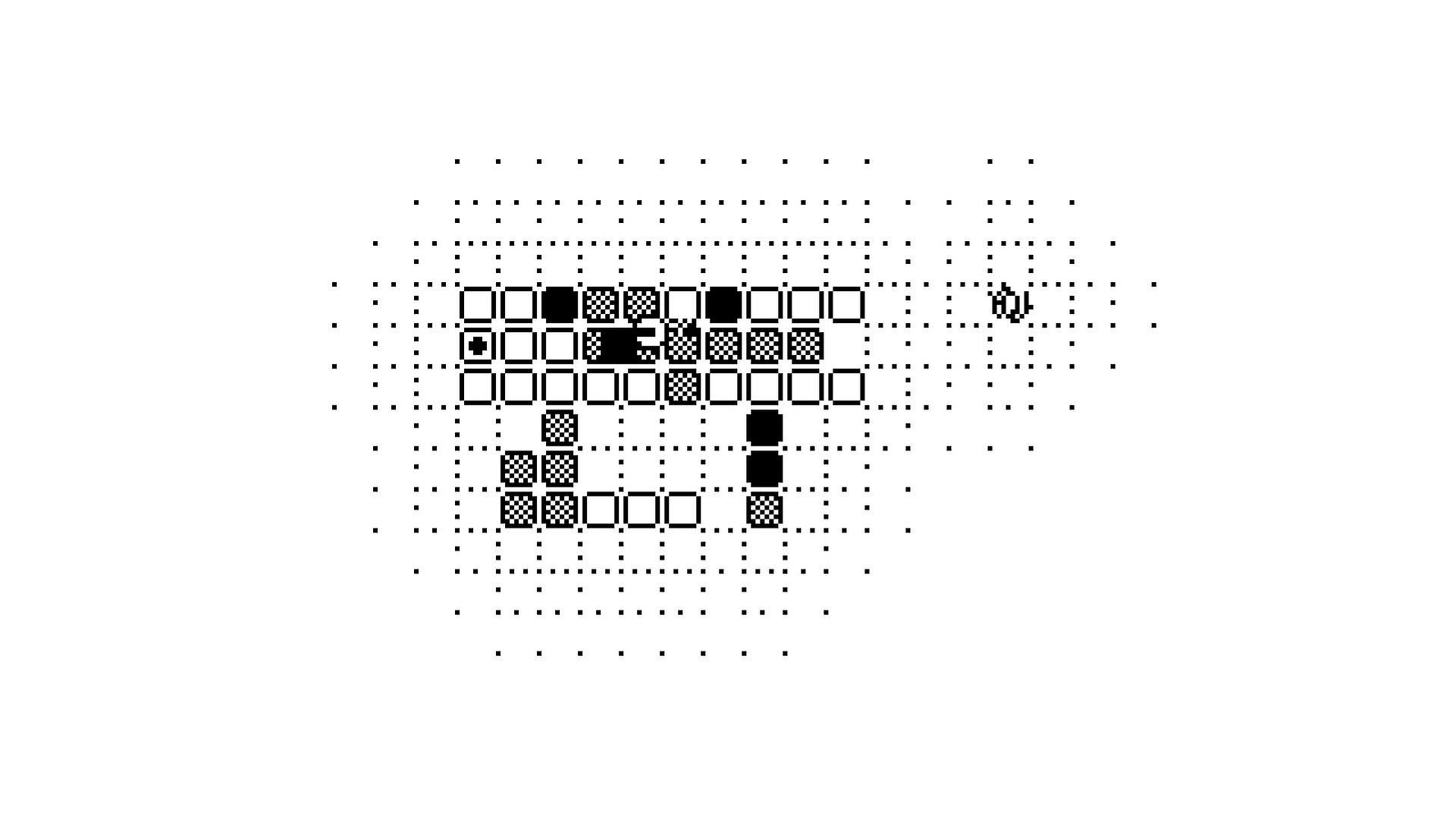
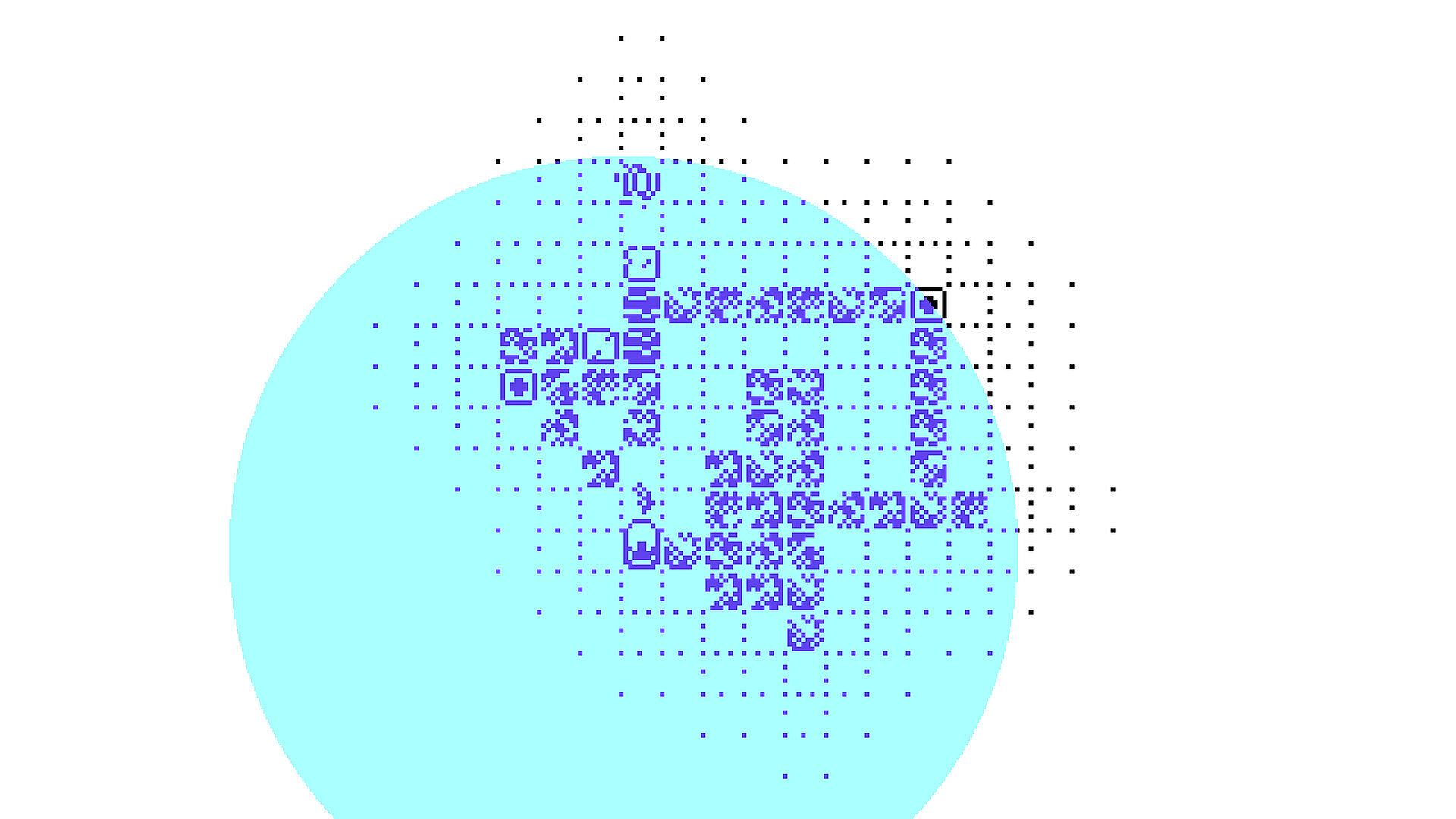
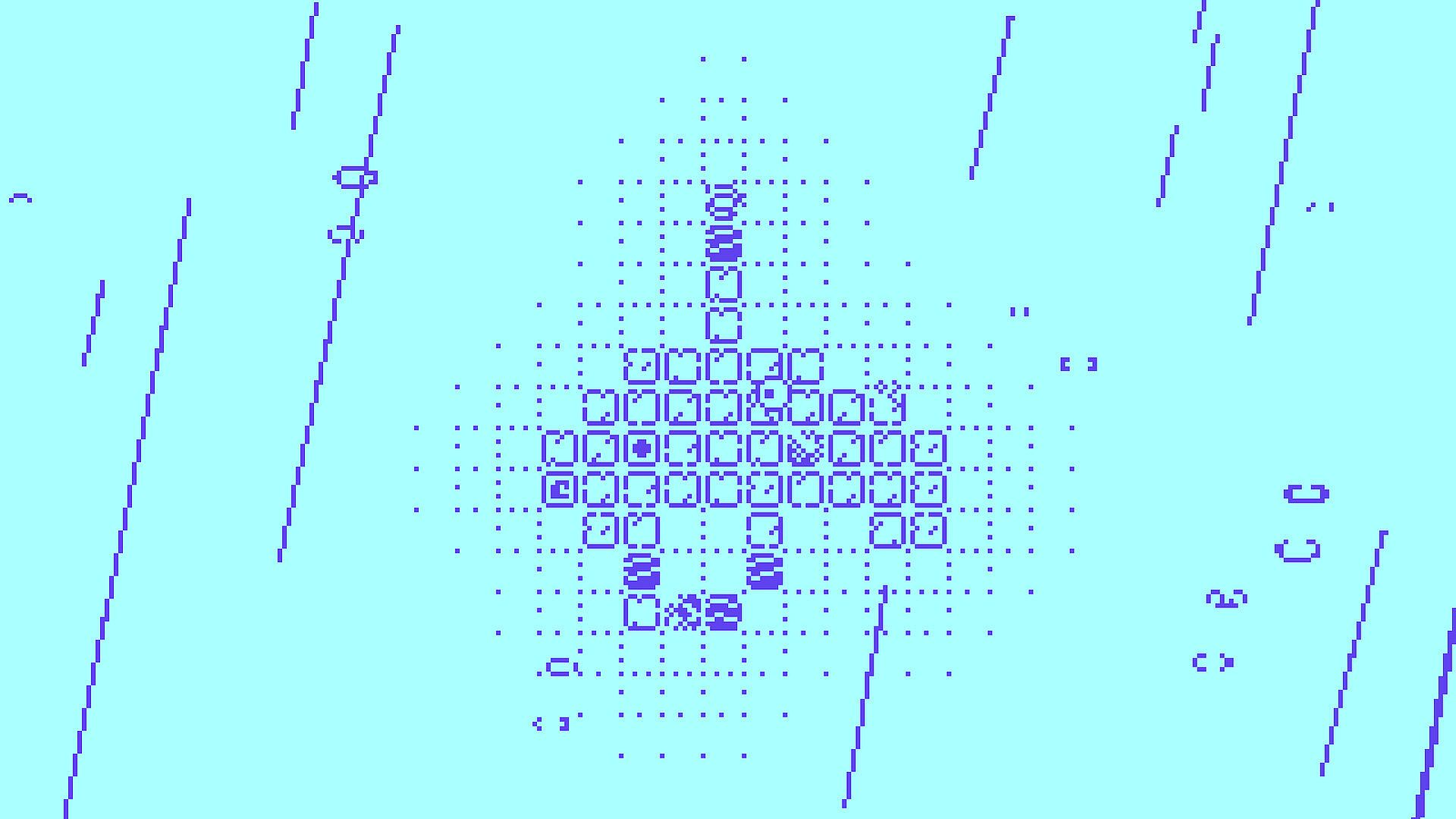
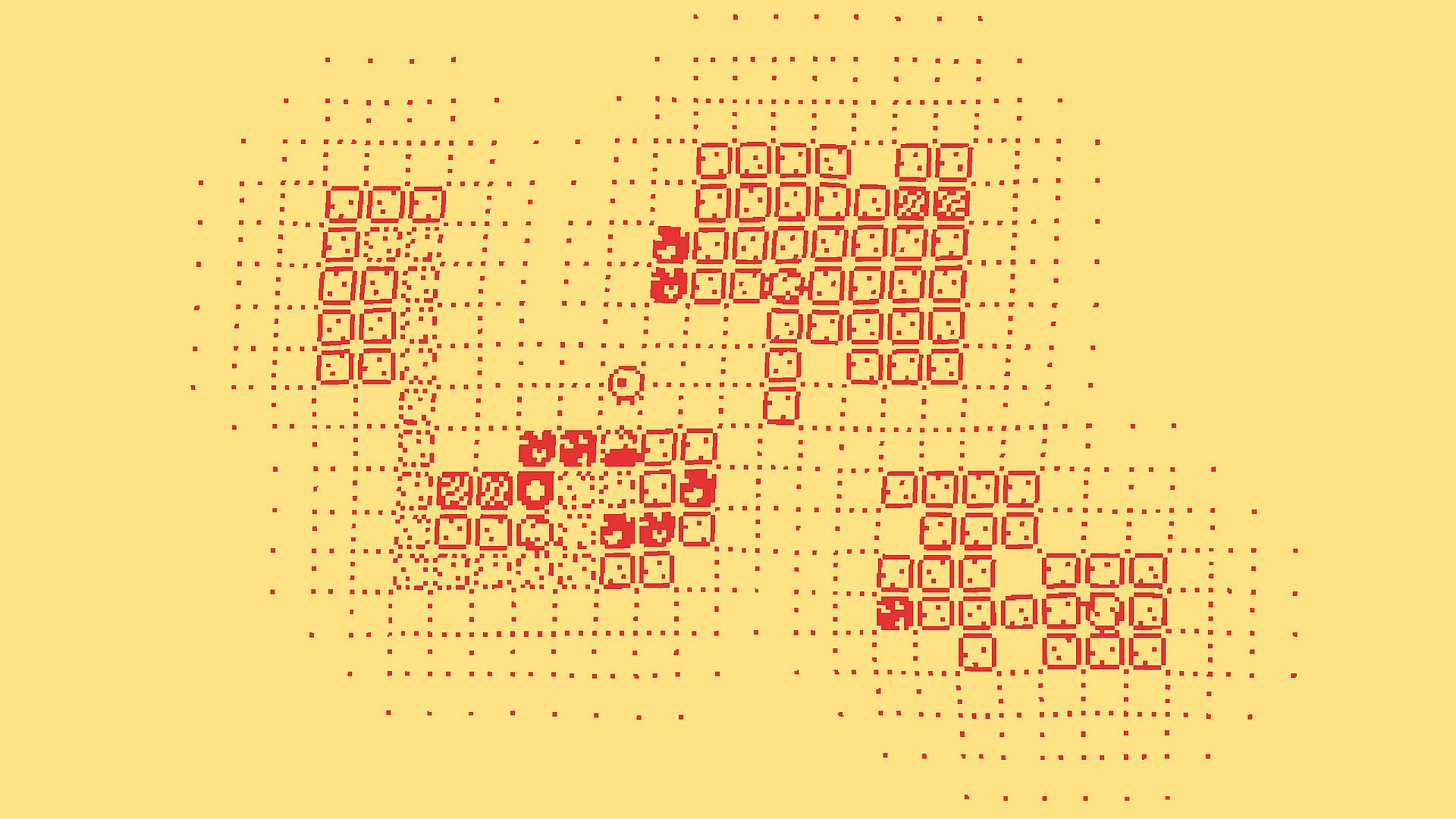
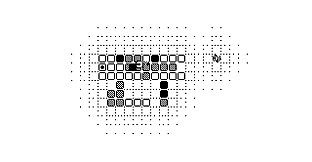
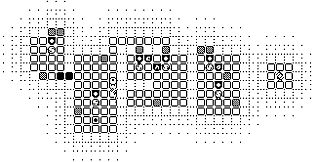
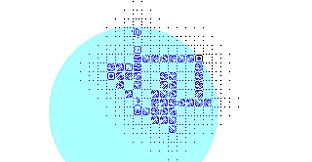
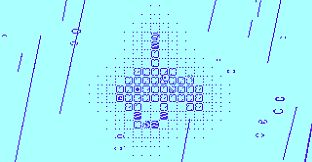
The game places players on a grid where three distinct tile types respond differently depending on the active color palette. Each palette alters the environment and tile behaviors in specific ways. One palette might create solid barriers that block movement entirely, while another allows passage through what appears to be the same space by treating it as water or open terrain. Players must plan transformations in one palette to set up solutions in another, then swap palettes to execute the next step. This creates layered challenges that require foresight and precise sequencing rather than trial-and-error alone.
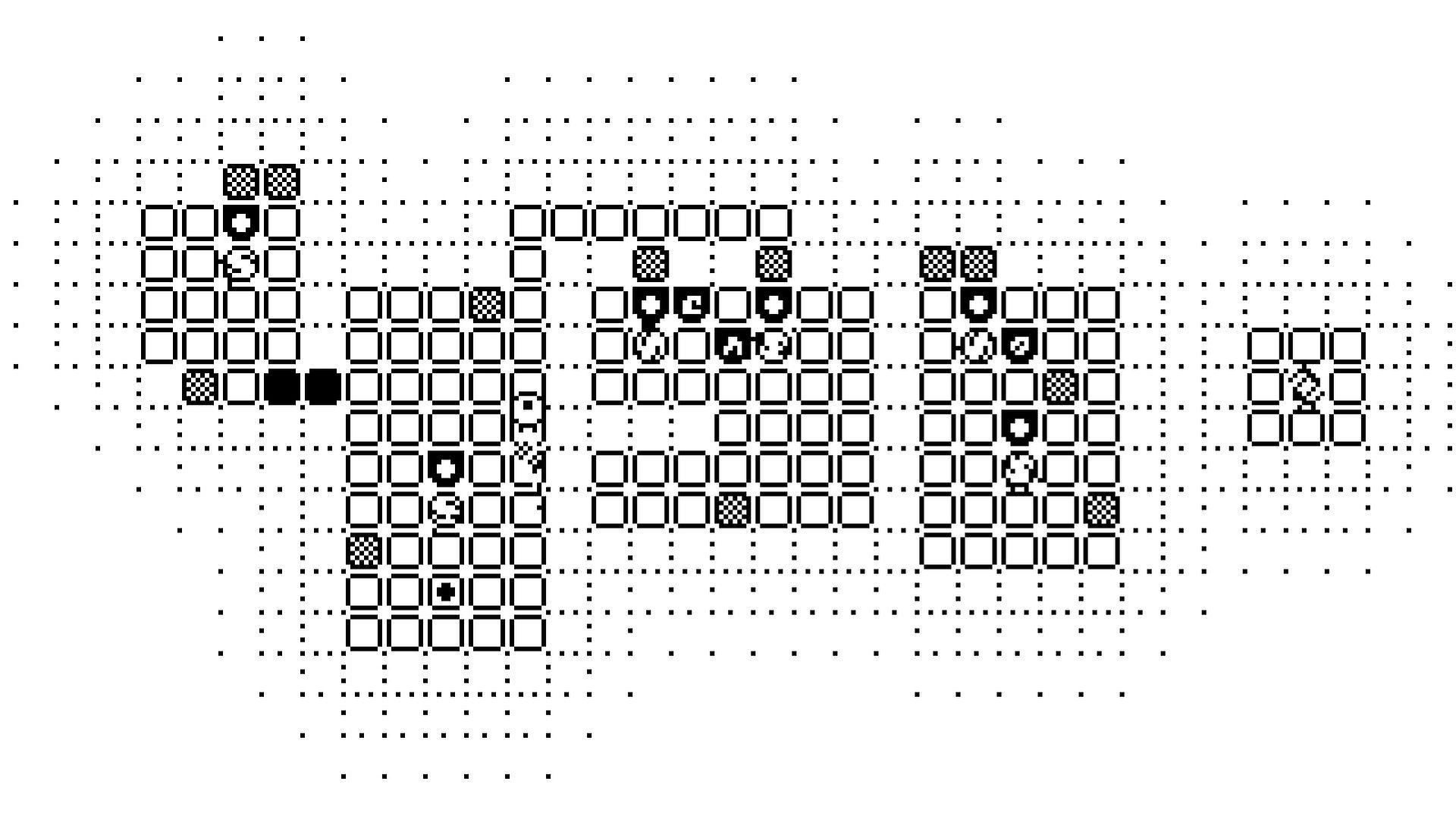
The 1-bit aesthetic reinforces the rules without unnecessary visuals, keeping focus on spatial relationships and palette interactions. Puzzles grow more complex when multiple palettes become available at once, forcing players to manage several states of the same grid simultaneously. Every action in one palette carries consequences that only become clear after a swap, rewarding careful observation of how tiles change properties across palettes.
Game Modes
Tile Former centers on single-player puzzle solving without separate named modes or competitive elements. Progression comes through a series of grid challenges that introduce new palette combinations and tile interactions gradually. Each puzzle demands transforming the layout in one palette to enable solutions after switching, with no additional layers such as time trials or alternate objectives confirmed at this stage.
The structure emphasizes mastery of the core swapping system rather than variety in format. Players encounter increasingly intricate setups where the same three tiles produce different results across palettes, building on prior solutions without introducing unrelated mechanics.
Core Mechanics and Puzzle Design
Three unique tiles form the foundation, each tied to the current palette for its function. Interactions remain consistent within a palette but shift meaningfully when colors change, turning familiar obstacles into pathways or vice versa. Preparation in one state often involves repositioning or altering tiles so they align correctly after a swap. This back-and-forth approach distinguishes the game from static grid puzzles, as the environment itself becomes fluid through palette changes.
Difficulty stems from the need to hold multiple configurations in mind at once. A walled-off section in one palette might connect distant areas in another, requiring players to anticipate both the immediate move and the follow-up state. The system encourages methodical testing of small changes before committing to larger transformations.
Is It Worth Playing?
Tile Former targets players who enjoy demanding logic puzzles that reward planning across changing rulesets. Its single-player focus and emphasis on palette swapping provide a focused challenge without extraneous features. As an upcoming release with no reviews available yet, its appeal rests on the described mechanics matching the preference for precise, multi-state grid puzzles. Those who appreciate indie strategy titles that tie visuals directly to gameplay rules will find the concept aligned with that style.