






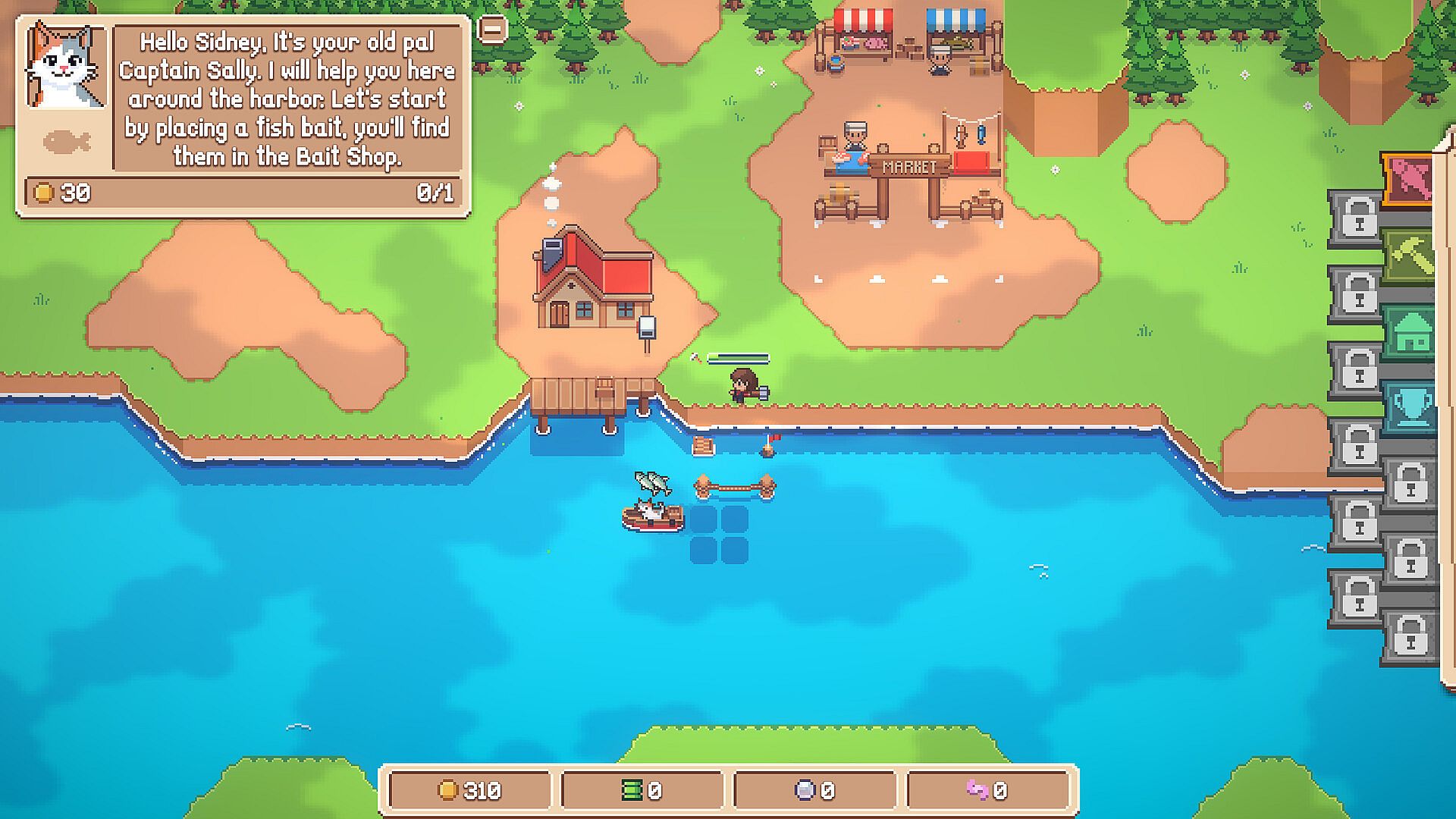
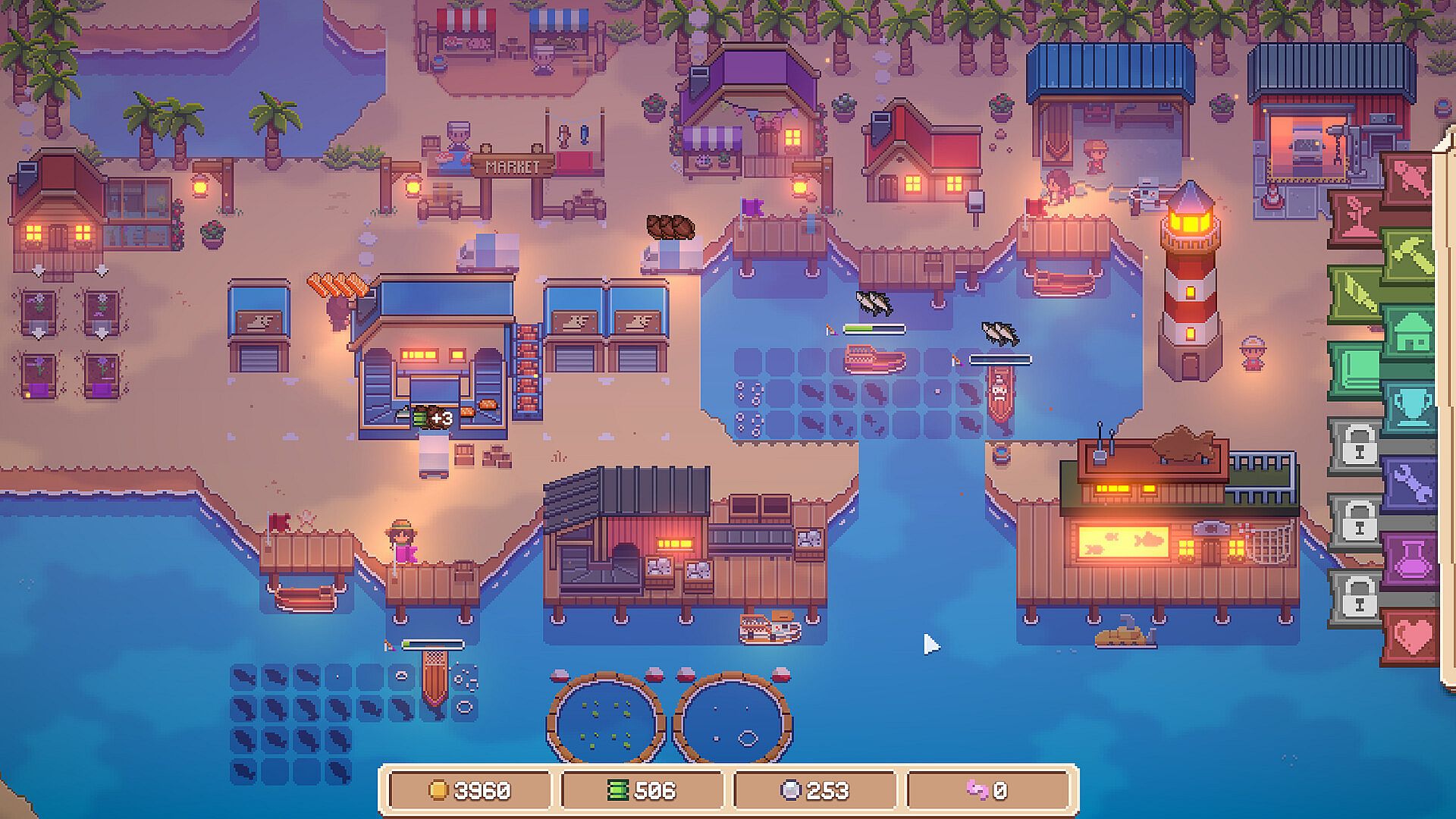
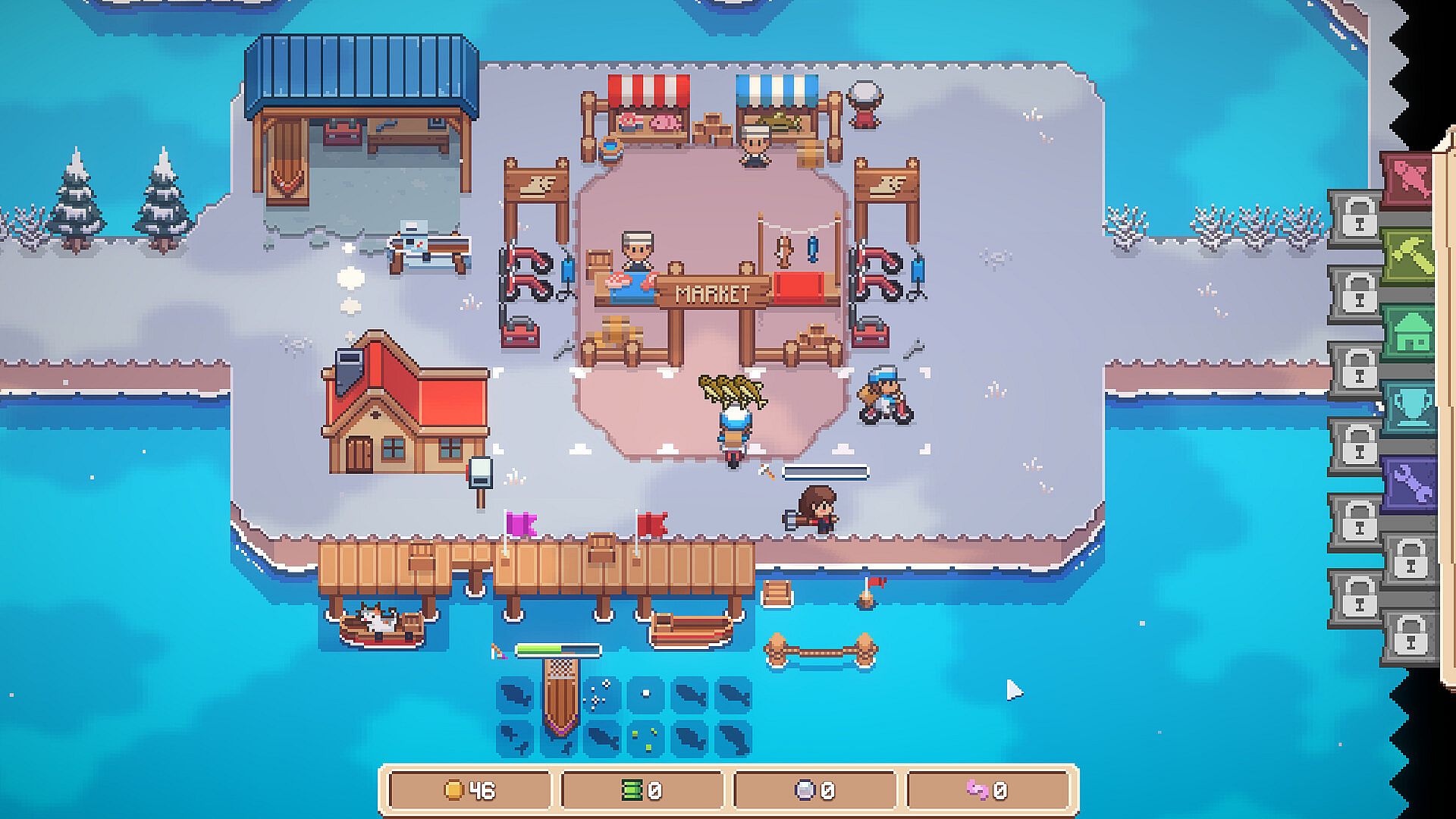
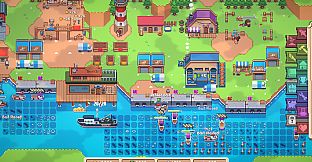
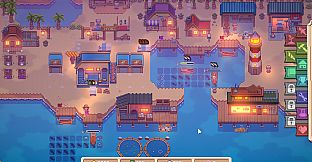
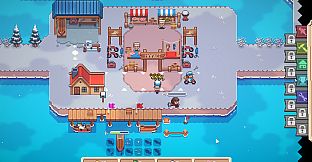
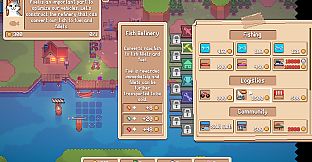
Tiny Harbor is a strategy, indie, casual, and simulation game set on PC that centers on building and managing a small seaside fishing village. Players follow Sidney and her cat Captain Sally as they return to a quiet coastal spot from their childhood, starting with just one dock and a single fishing boat. The experience emphasizes steady growth through fishing expeditions, fleet expansion, and incremental development of production facilities, all at a pace the player controls.
Gameplay
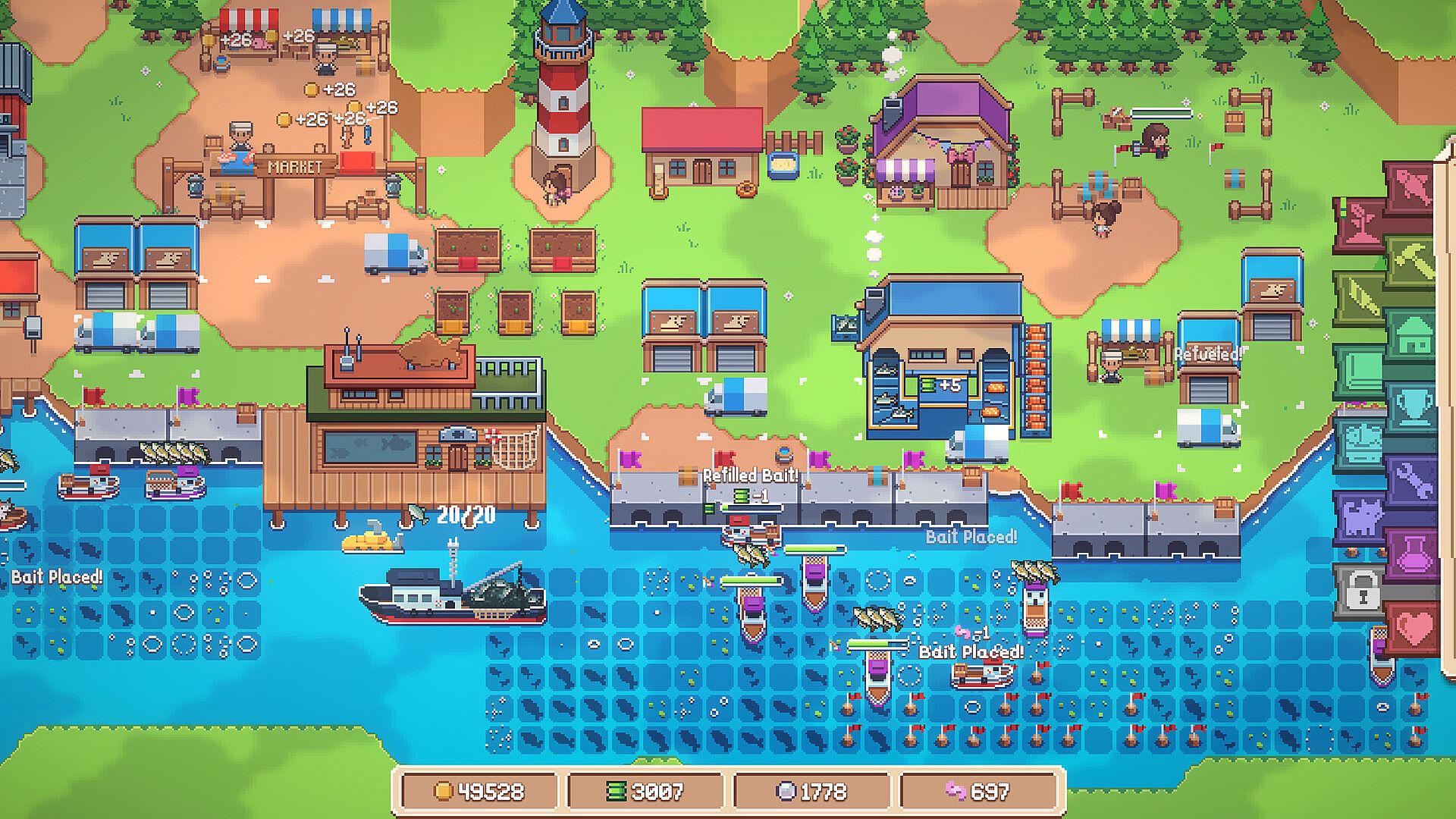
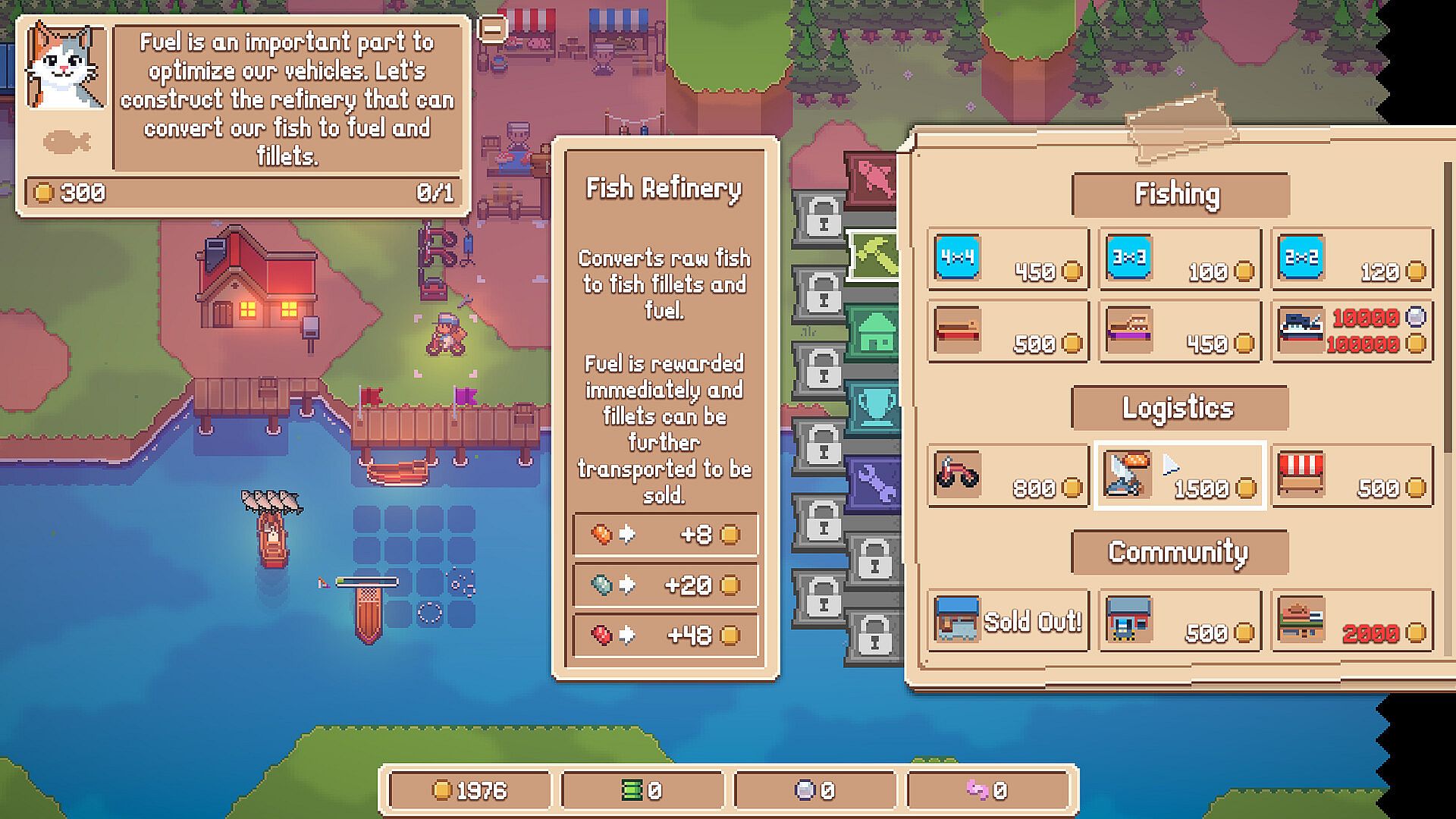
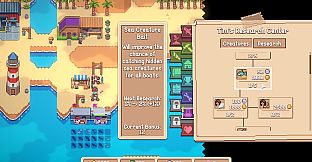
The core loop revolves around sending boats out to sea to gather catches, which then support upgrades and new buildings along the shore. Discoveries of different fish species feed into further progress, allowing the harbor to expand organically from its modest beginnings. Upgrades improve efficiency across the operation, while new boats and structures add layers to the daily rhythm of collection and processing. The system rewards thoughtful planning around resource flow without demanding constant attention.
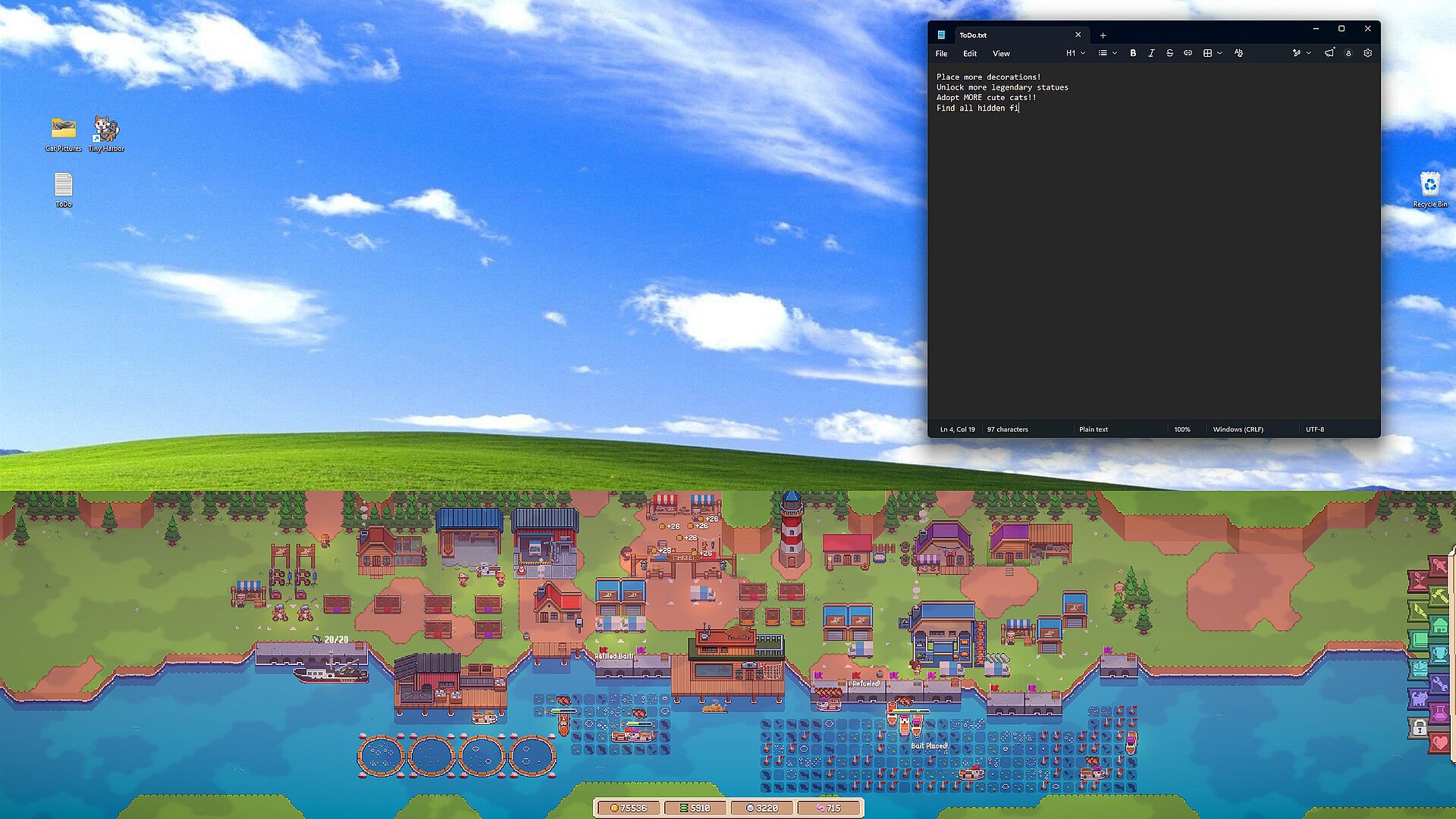
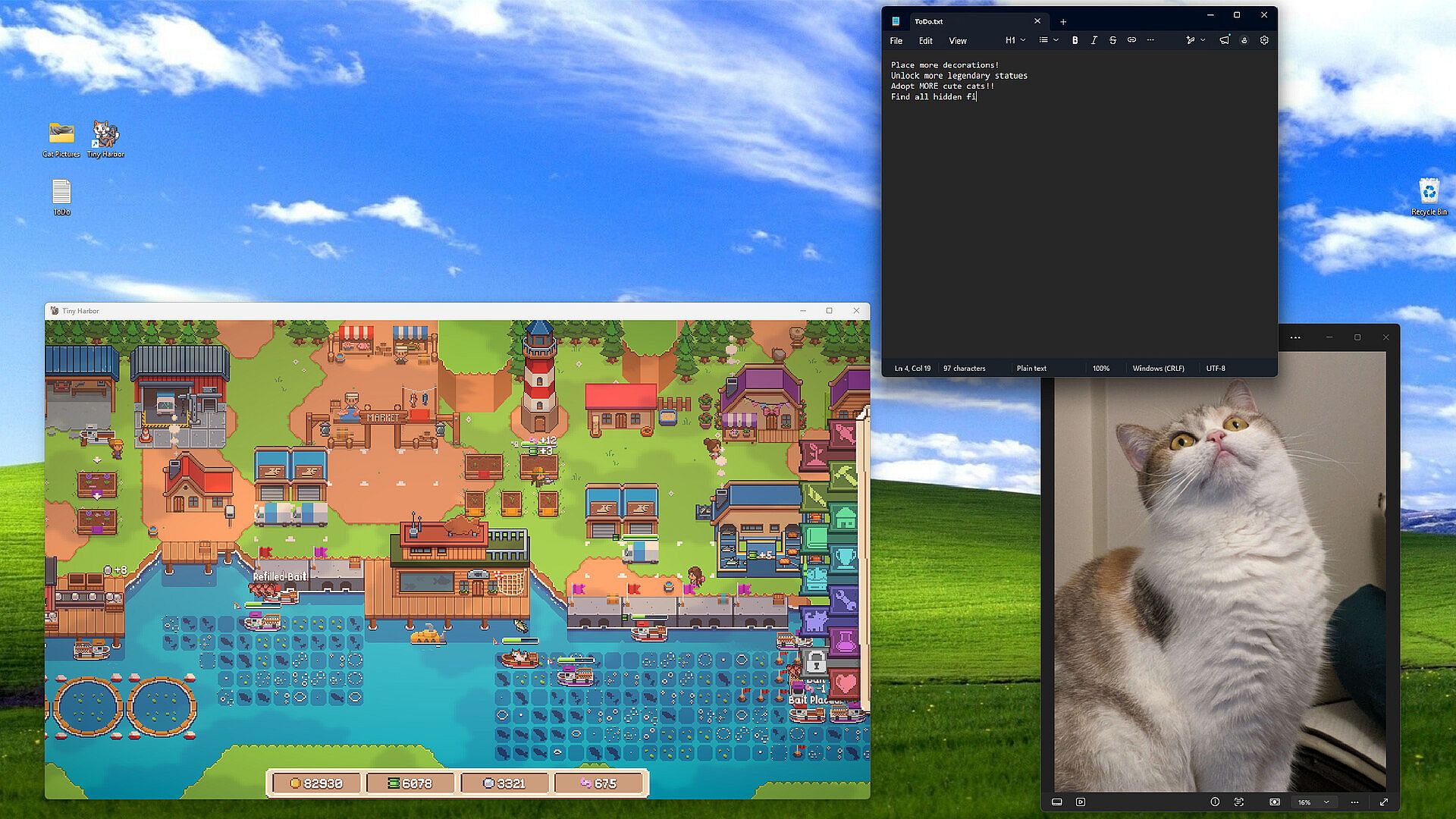
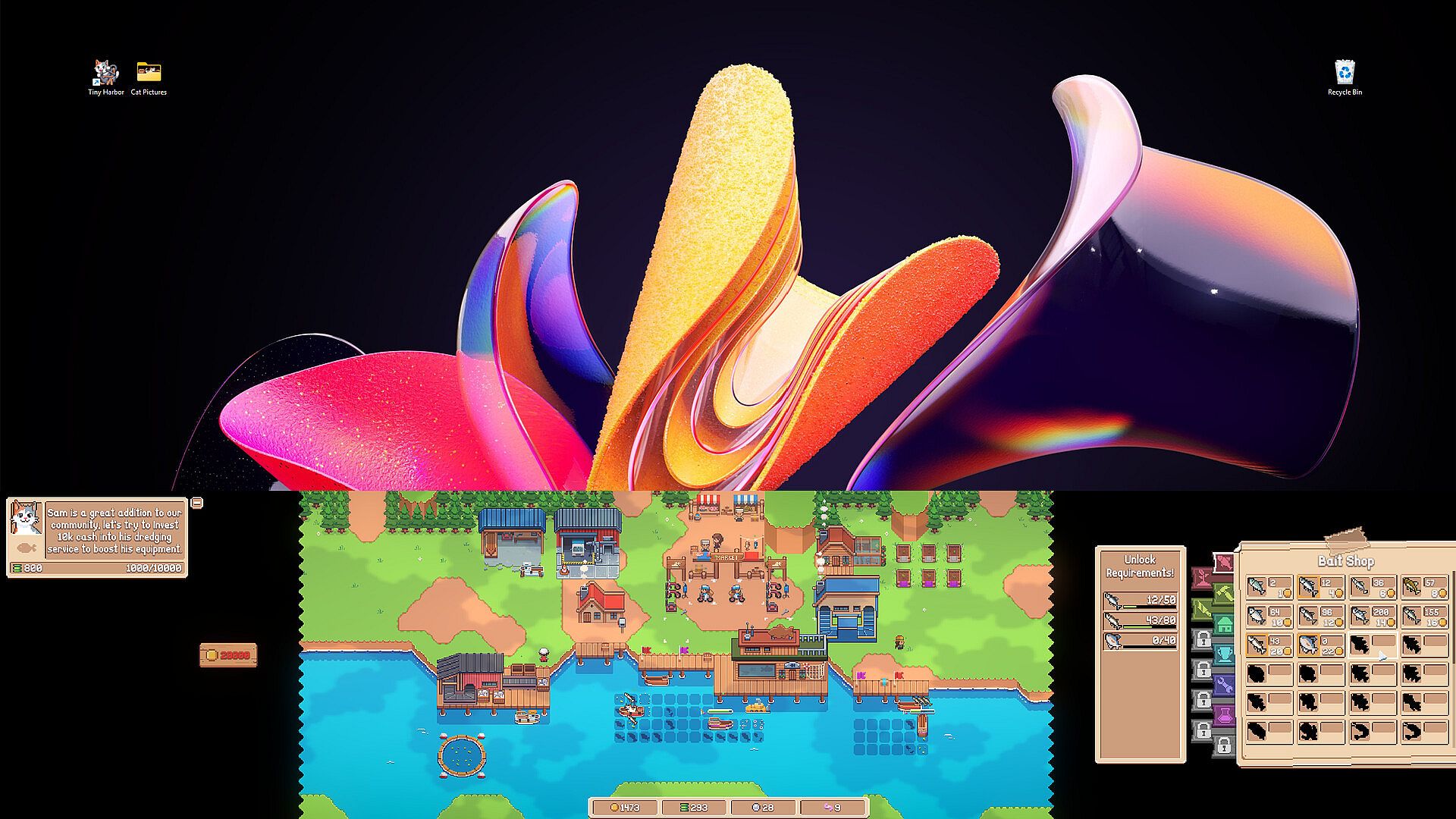
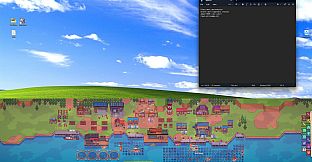
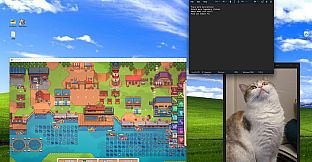
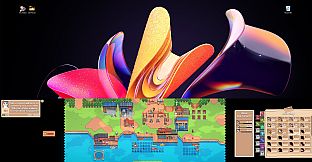
Automation plays a central role. Players can intervene directly to optimize routes or tasks for faster results, or set systems to run independently so the village continues developing in the background. This flexibility suits different play sessions, whether someone wants to focus on the harbor for a short stretch or let it progress while handling other activities on the desktop. Returning later reveals the accumulated changes, reinforcing the sense of ongoing, low-pressure advancement.
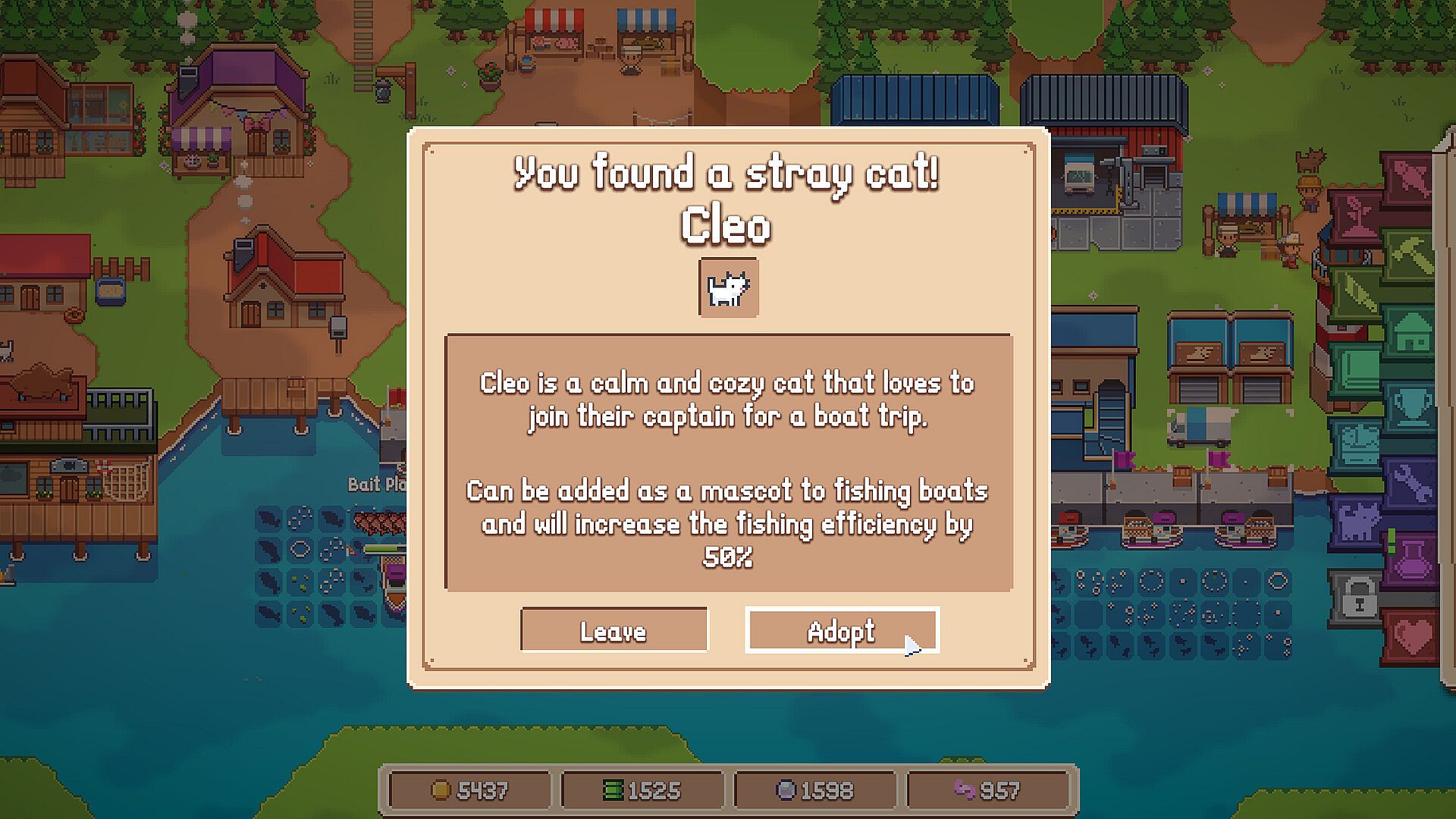
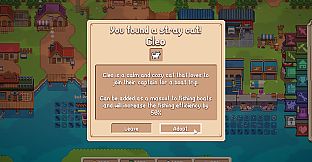
Community elements emerge naturally as the village grows. New residents appear, including additional cats that join the harbor setting, contributing to a lived-in atmosphere. Customization choices let players balance practical efficiency against personal touches that make the coastal area feel distinctive and comfortable.
Game Modes
Tiny Harbor operates as a single-player experience without separate competitive or multiplayer modes. The main distinction lies in the level of player involvement rather than distinct named modes. One approach keeps the player actively engaged, directing boats, managing tasks, and refining operations for quicker development. The alternative leans fully into idle mechanics, where automation handles the majority of progress and the game can run minimized or in the background.
This design creates a spectrum of engagement within the same core systems. Short, focused sessions allow hands-on adjustments to fleet composition or building priorities, while longer absences still yield visible results upon return. No time-limited events or seasonal structures have been confirmed, keeping the emphasis on personal pacing and steady harbor evolution.
Building and Progression
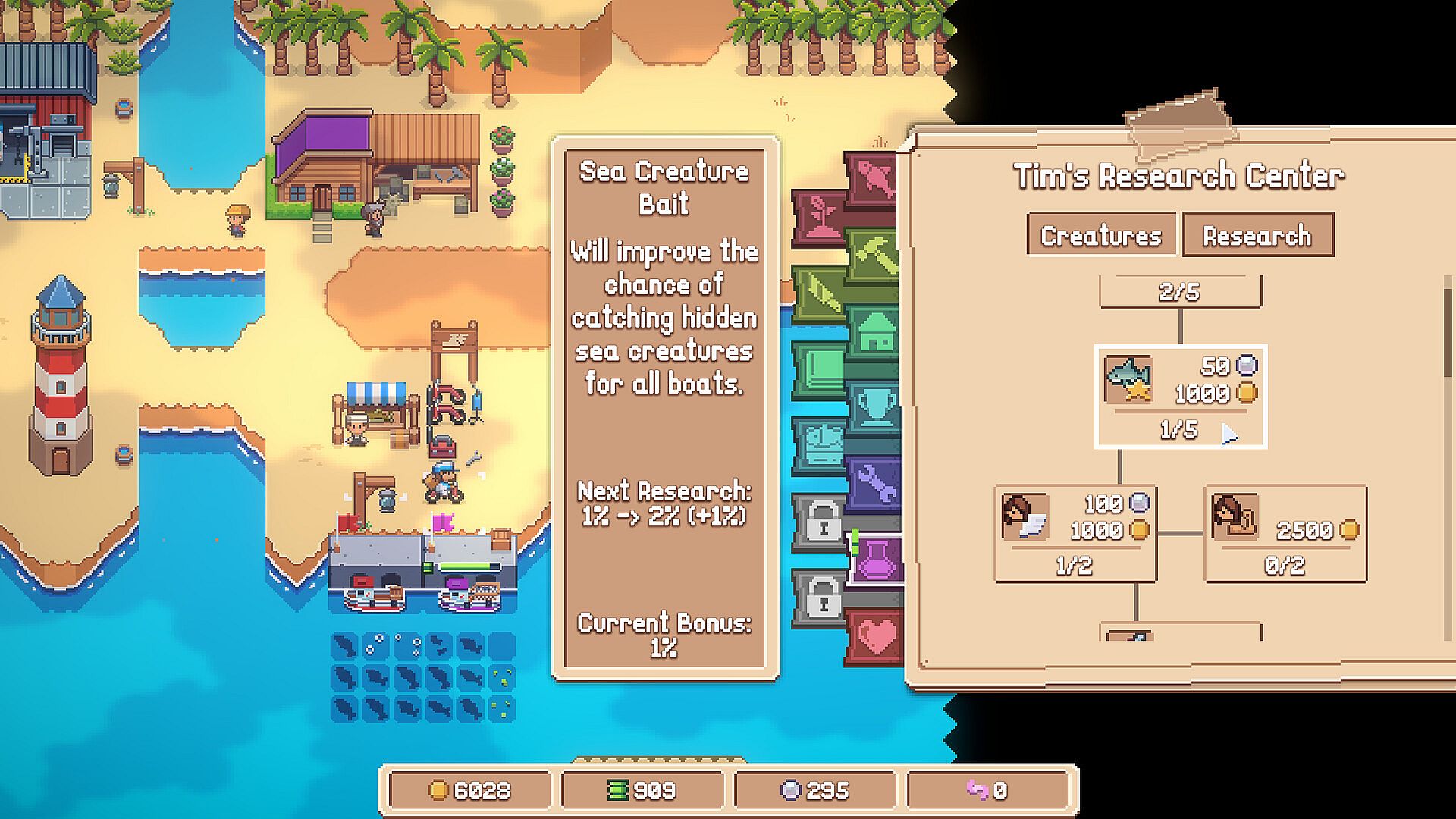
Progression follows a clear sequence of small steps that compound over time. Early efforts focus on basic fishing returns and the first expansions beyond the initial dock. Later stages introduce more complex production chains as the fleet grows and new species contribute additional value. Each addition, whether a boat, upgrade, or structure, integrates into the existing layout to support further growth without overwhelming the player.
The visual and mechanical feedback reinforces this incremental style. The shoreline gradually fills with activity as buildings appear and boats come and go. Players decide the emphasis between streamlined output and aesthetic or thematic choices that suit their vision of the harbor. This freedom supports repeated returns without a fixed endpoint or competitive pressure.
Is It Worth Playing?
Tiny Harbor suits players who enjoy relaxed management simulations and idle-style progression in a cozy setting. The combination of active oversight and background automation provides options for varied schedules, making it accessible whether someone prefers short daily check-ins or longer building sessions. The pixel-art presentation and emphasis on a peaceful coastal village align with the described genres of strategy, casual, and simulation.
A demo is currently available for those interested in trying the systems firsthand. With no full release date announced yet, the current version offers a taste of the harbor-building loop and automation features. For anyone seeking a low-stress alternative to more demanding strategy titles, the game's focus on steady, personal growth without deadlines or external competition makes it a fitting choice. Those who value flexibility in play style and incremental coastal development will likely find the experience rewarding.












