

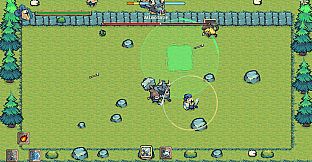
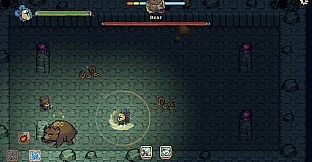
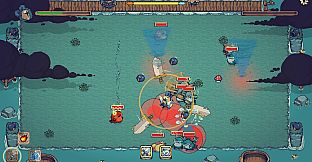
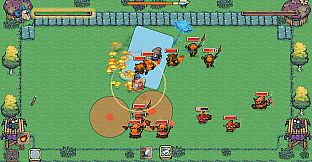
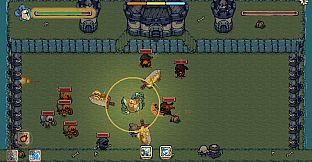
Tiny Knight and the Corrupted Crystal is a survivor roguelite that blends action, indie, RPG, casual, and adventure elements into a focused singleplayer experience on PC. The core premise places the player as a novice knight entering a corrupted crystal to rescue a master fighter, with every run centered on movement, elemental sword customization, and survival against waves of enemies.
Gameplay
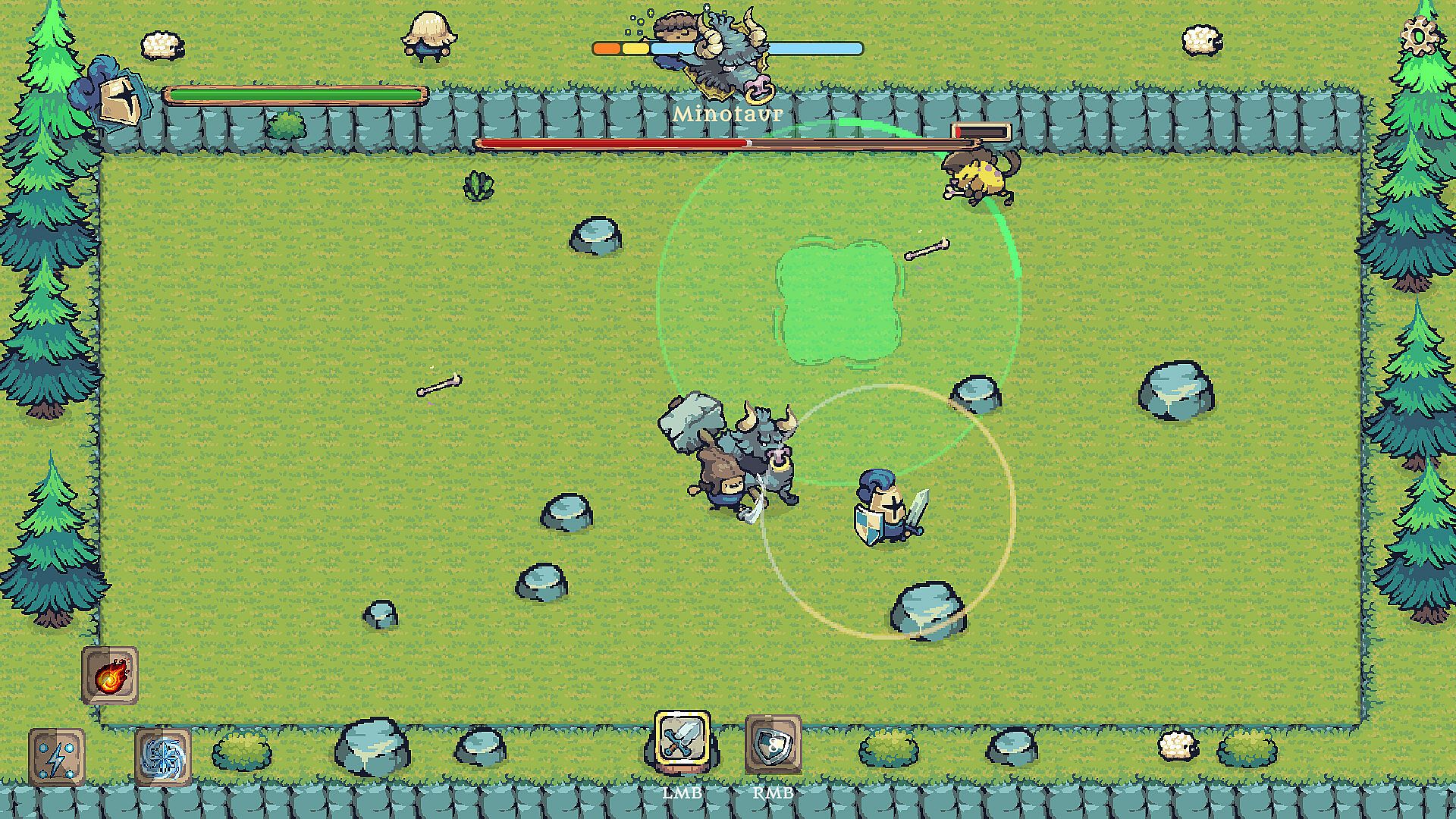
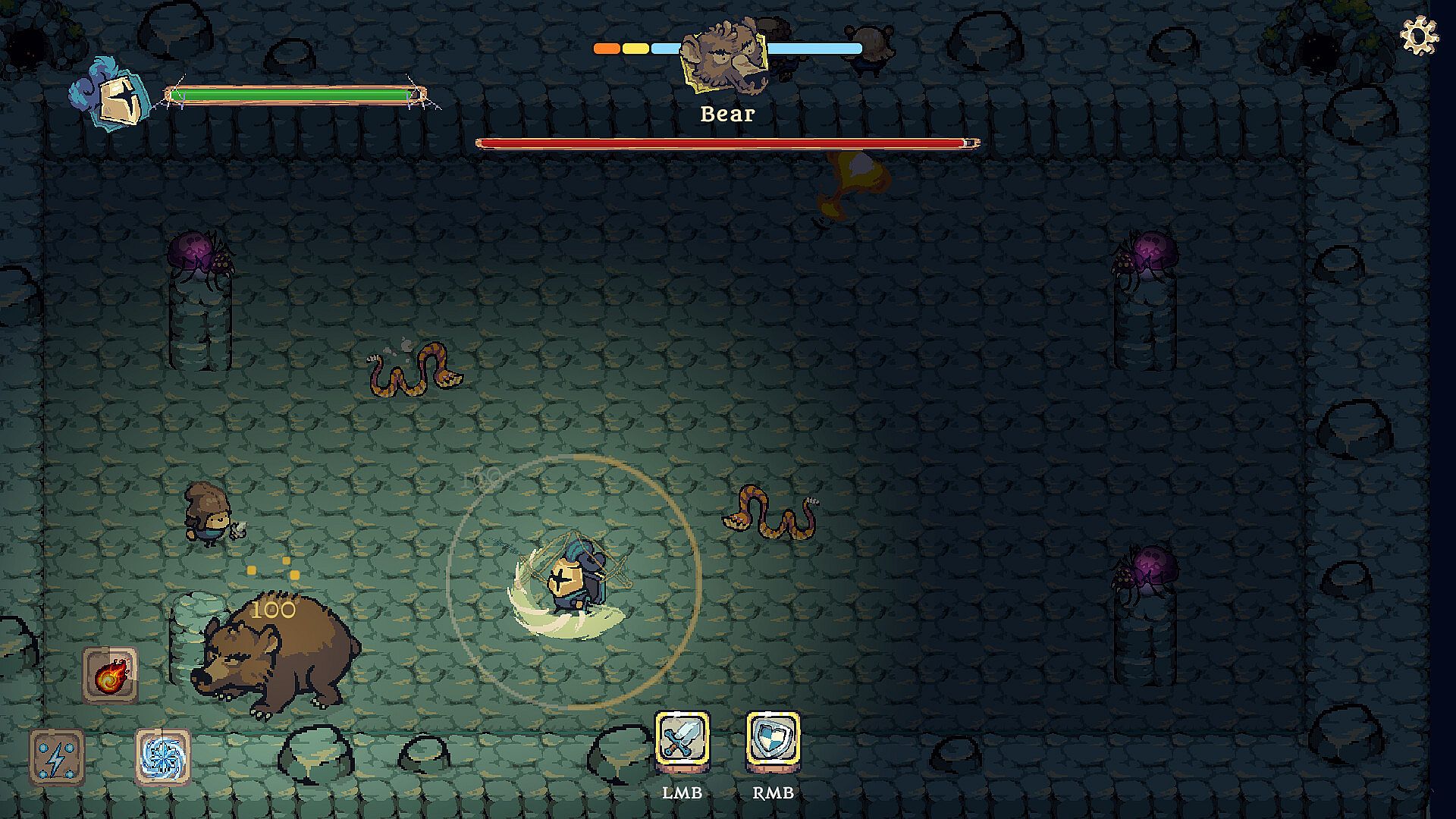
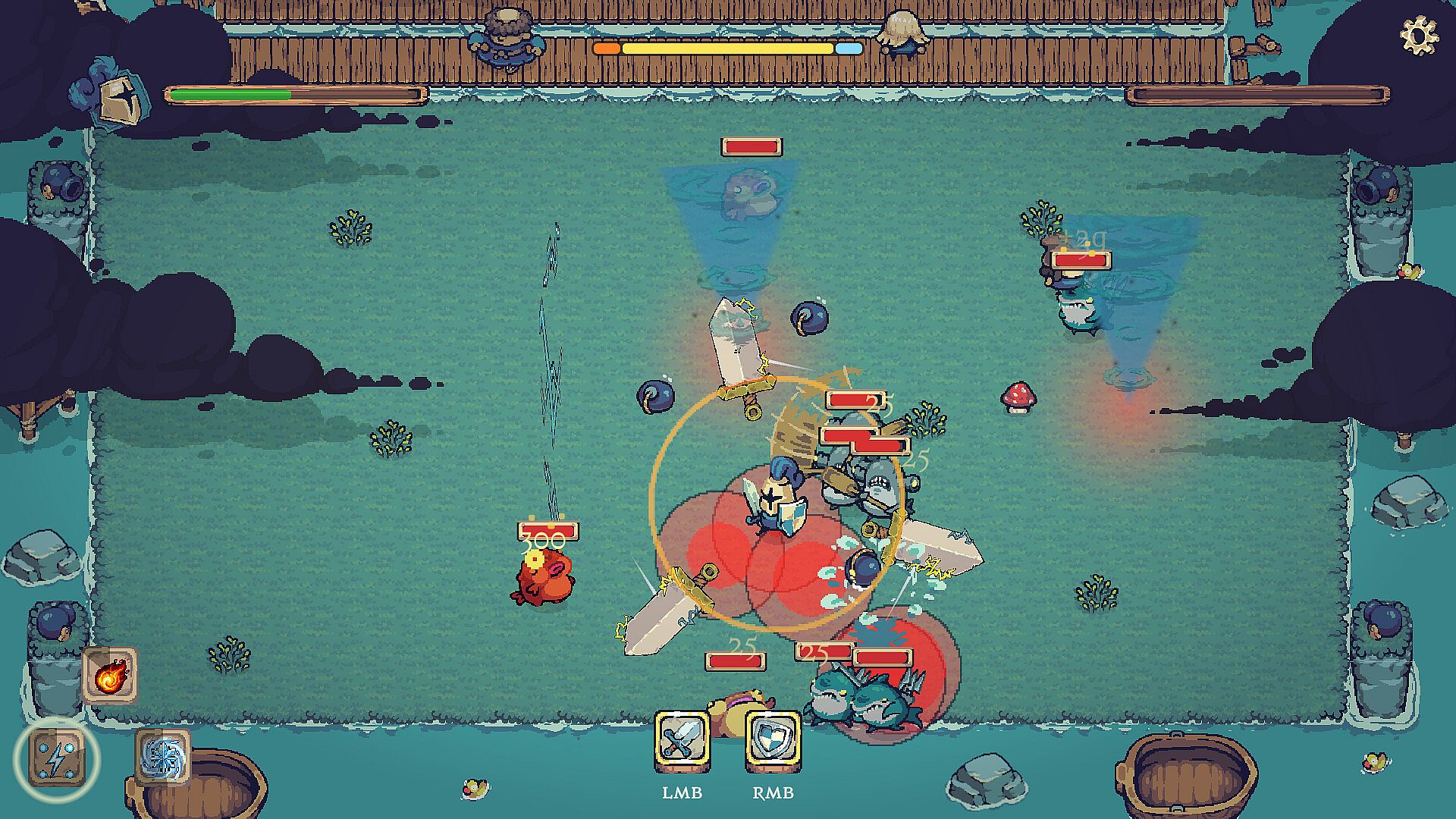
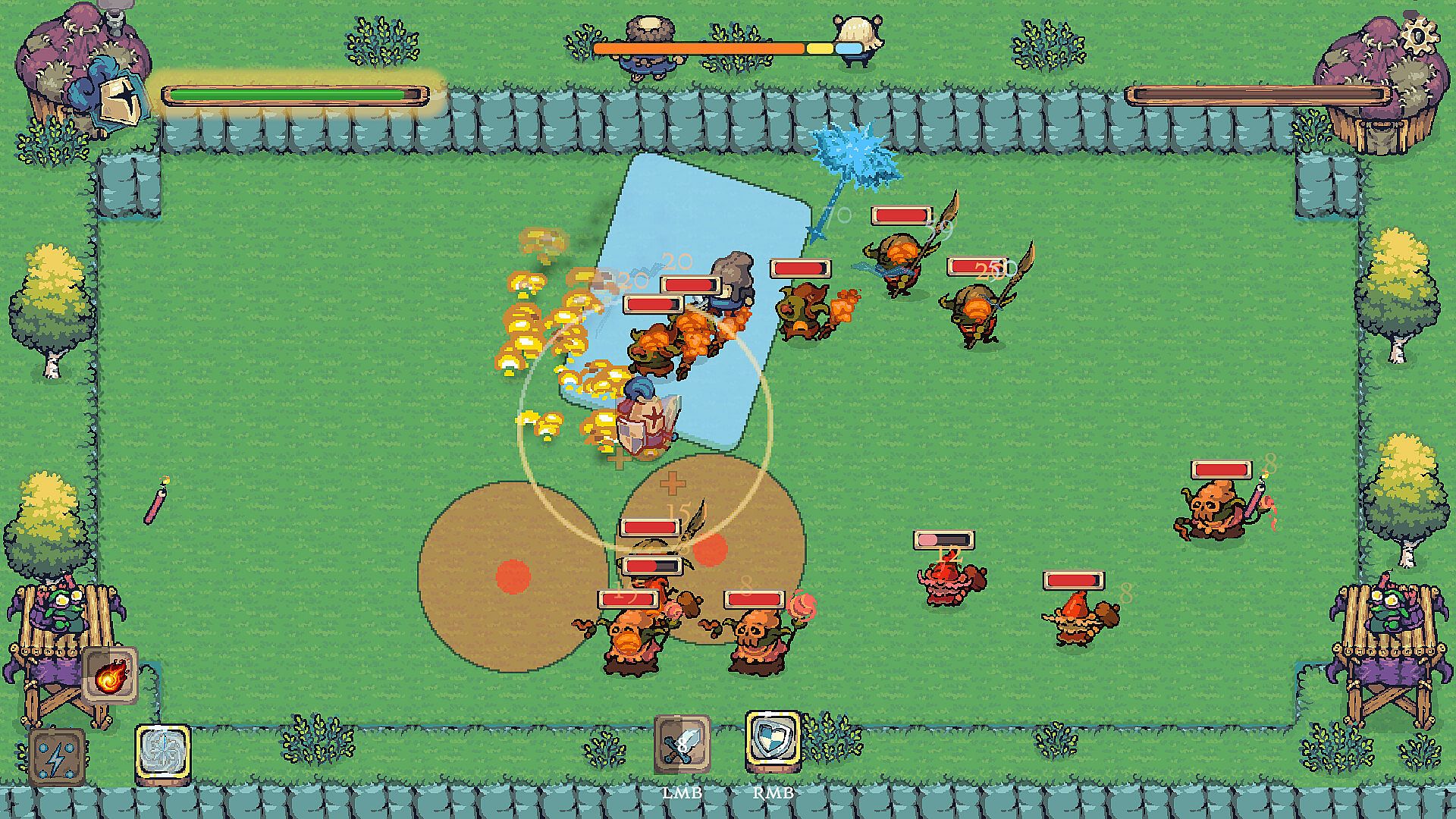
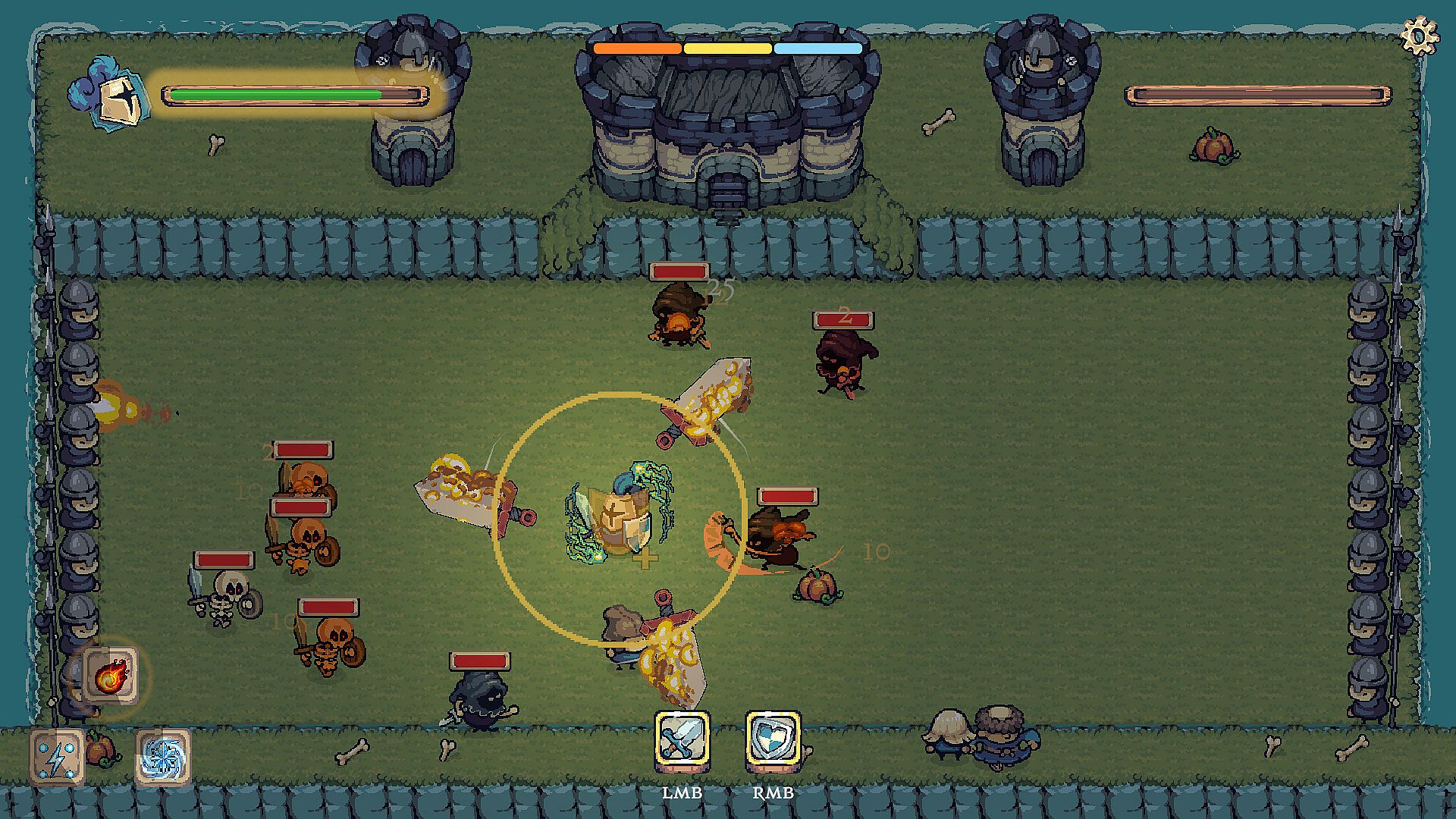
The knight swings automatically in a steady rhythm with no dedicated attack input. Control comes entirely from walking to position enemies inside the swing radius, thread gaps in groups, and anticipate patterns on a fixed camera view that keeps the entire arena visible at all times. This design keeps the action readable while demanding precise positioning as difficulty rises.
Elemental crystals alter the sword over successive runs. Fire applies damage over time, frost slows groups to create openings for circling, and lightning chains through clusters. A slider lets players balance percentages between two elements per run, turning each attempt into a fresh experiment with damage types and crowd control.
Two cooldown abilities handle emergencies. Bulwark plants a shield that repels nearby foes with a brief invulnerability window, while Bladestorm launches the sword to spin through enemies. Timing these tools separates successful runs from quick failures when surrounded.
Companions provide passive support without drawing enemy attention. The Herbalist grants buffs, the Cleric restores health, and the Peasant gathers gold. These helpers expand options without adding targeting complexity.
A persistent corruption effect drains health throughout each outing, encouraging steady forward progress rather than defensive stalling. Max health upgrades therefore extend viable run length more than raw damage increases.
Game Modes
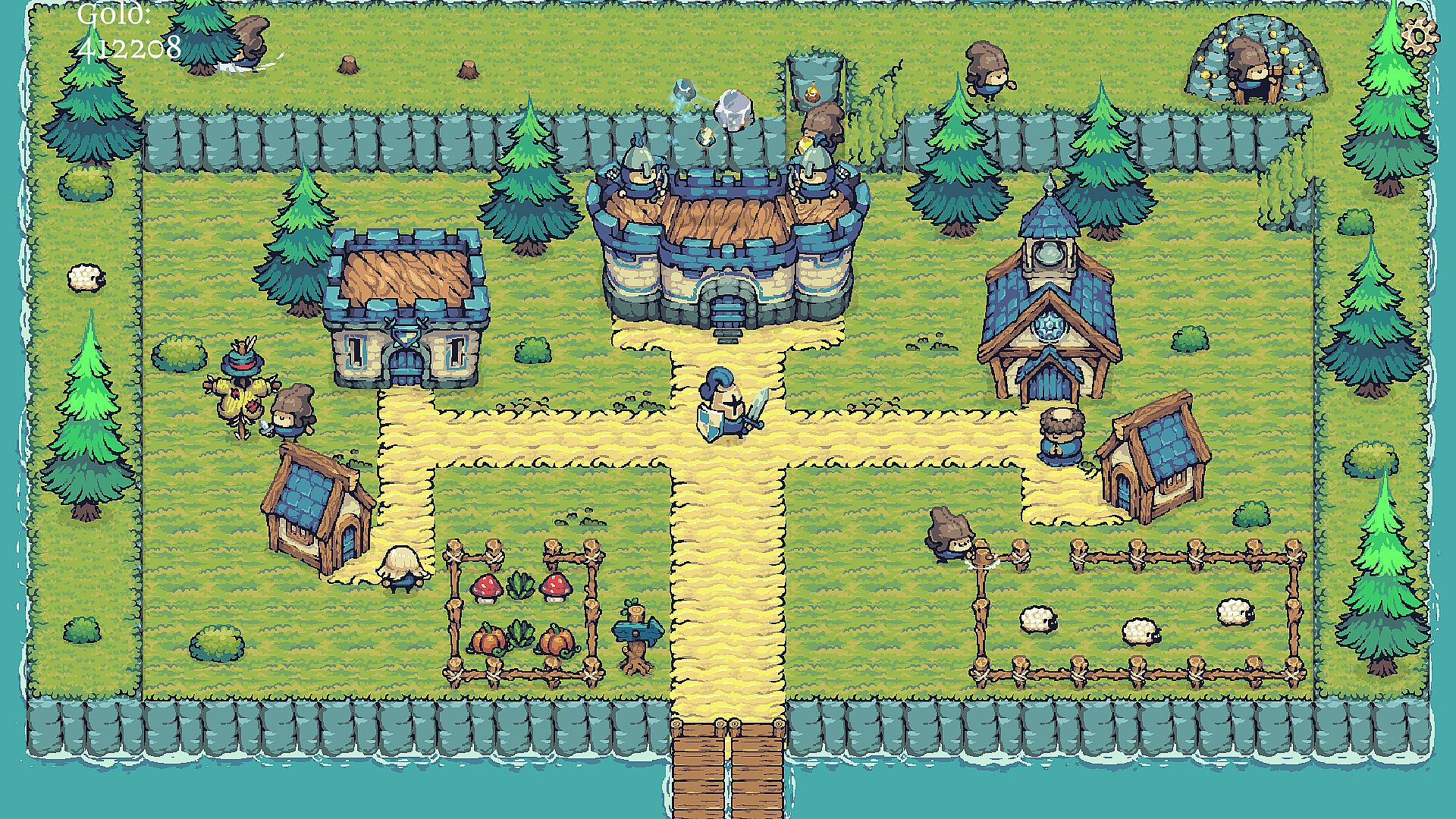
The game structures play around repeated runs through five biomes, each containing five stages that end with a boss encounter. Between runs the player returns to the keep to spend collected gold on permanent upgrades to the sword and shield at the blacksmith. A peasant continues mining gold during absences, so progress accumulates even during breaks from active play.
Gold and purchased upgrades carry over after death, creating steady advancement across failed attempts. The keep functions as a central hub that rewards consistent effort without resetting core improvements.
A corrupted skill tree branch offers stronger replacements for standard abilities at the cost of higher risk. Choosing this path alters the entire run by swapping out normal tools for more powerful but volatile options, adding a high-stakes alternative to standard builds.
Progression and Upgrades
Every death still contributes to long-term power through blacksmith improvements and ongoing gold collection. This system rewards repeated play without punishing early failures harshly, as the keep remembers investments made before each outing.
Elemental blending and companion choices combine with the two abilities to create varied run experiences. Shifting the fire-to-lightning ratio or committing fully to frost changes how the same biomes feel, encouraging experimentation across multiple attempts.
Is It Worth Playing?
Players who enjoy movement-based combat, roguelite progression, and simple yet deep customization will find the systems rewarding. The fixed camera and auto-swing remove common action inputs, shifting focus to positioning and ability timing in a compact arena. Permanent upgrades and gold persistence provide tangible forward momentum even after difficult runs, while the corrupted skill branch introduces meaningful risk-reward decisions.
The brisk pace enforced by health drain keeps sessions focused and prevents drawn-out defensive play. With five biomes and multiple elemental combinations available, the loop supports repeated attempts without immediate repetition. Those seeking a concise indie roguelite centered on deliberate movement and build experimentation rather than complex controls or large-scale campaigns will likely appreciate the design.