


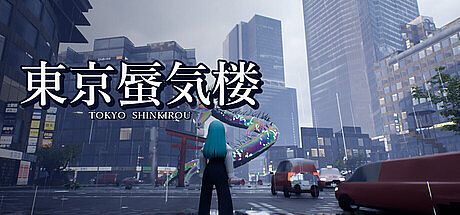


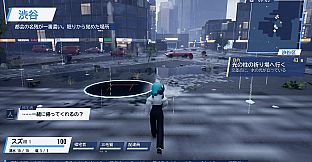



Tokyo Shinkirou is an indie post-apocalyptic JRPG and adventure game developed for PC. Players take control of Suzu, a lone female protagonist who awakens in the ruins of Tokyo long after a catastrophe has wiped out its population. The experience centers on exploration across open fields and districts aboard a Cub motorcycle, combined with turn-based combat and narrative choices that shape multiple endings.
Gameplay
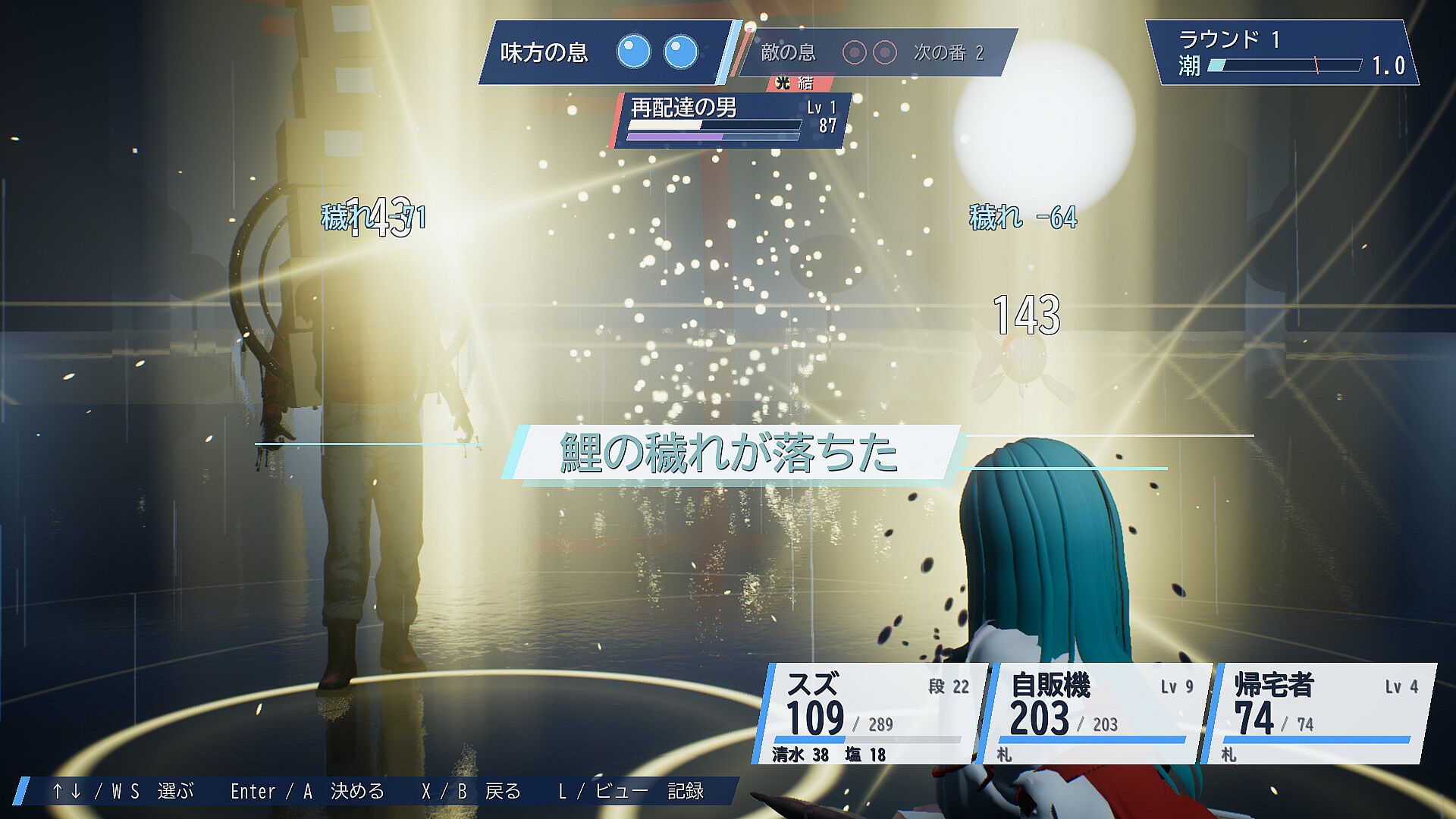
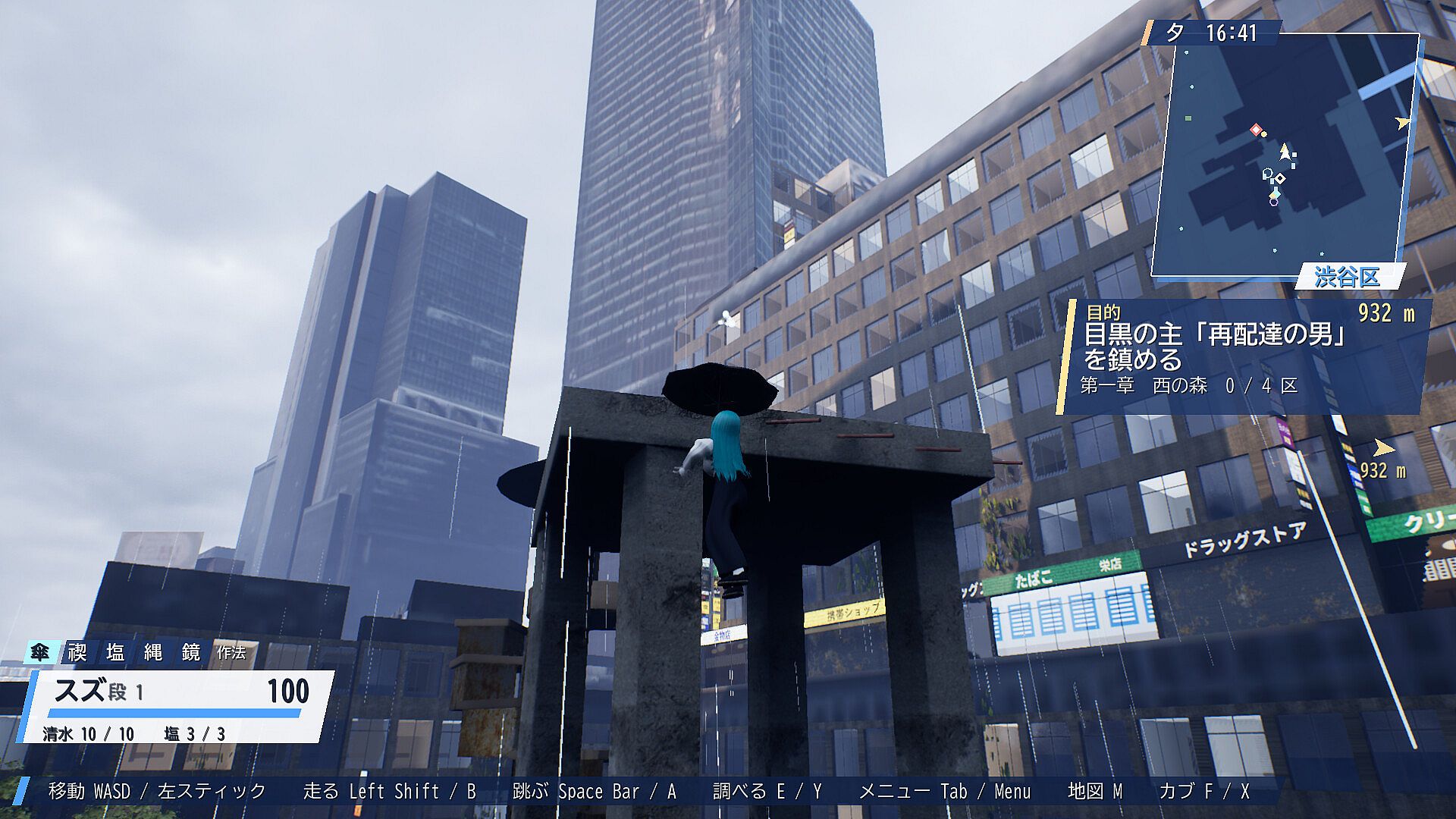
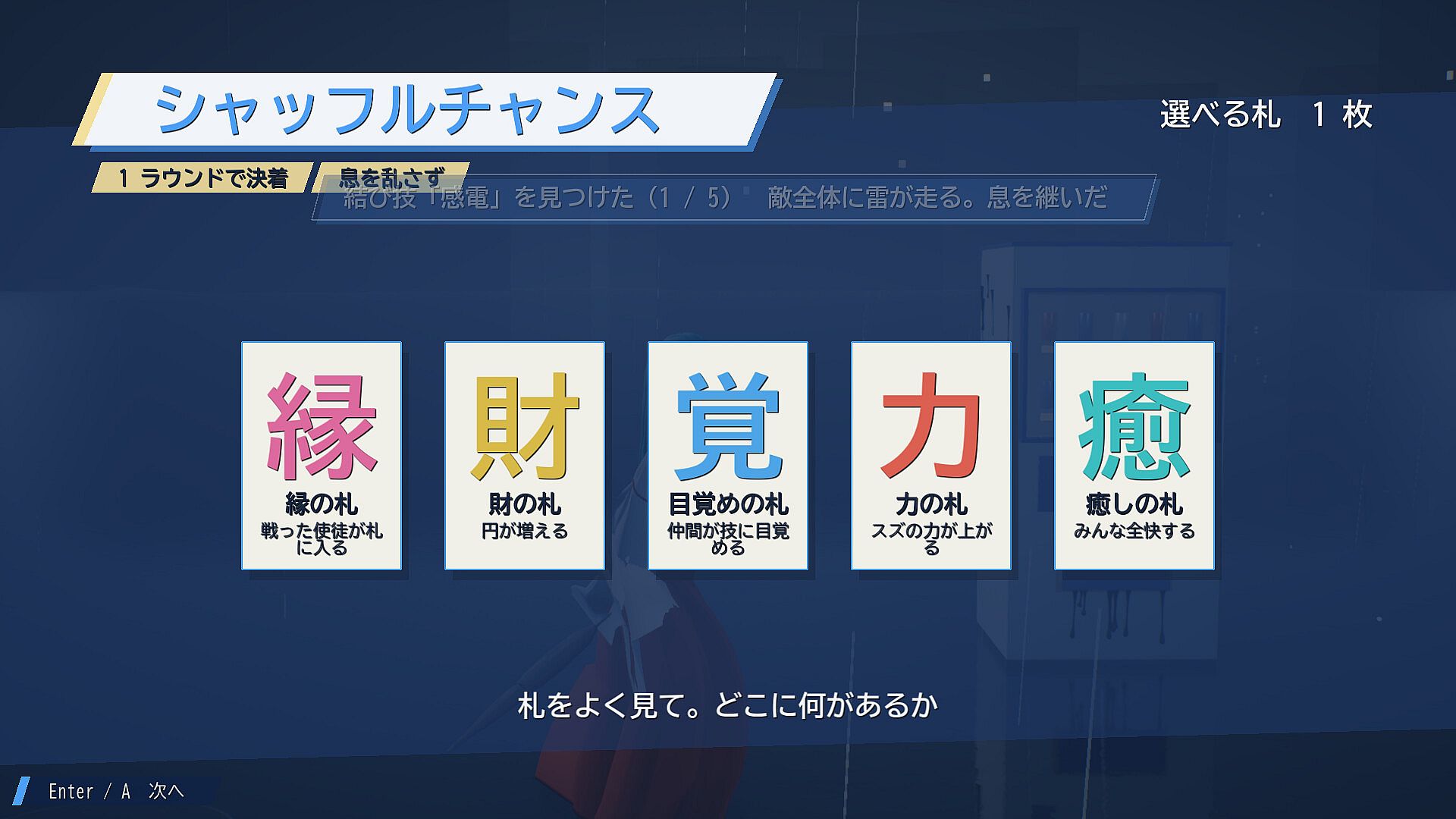
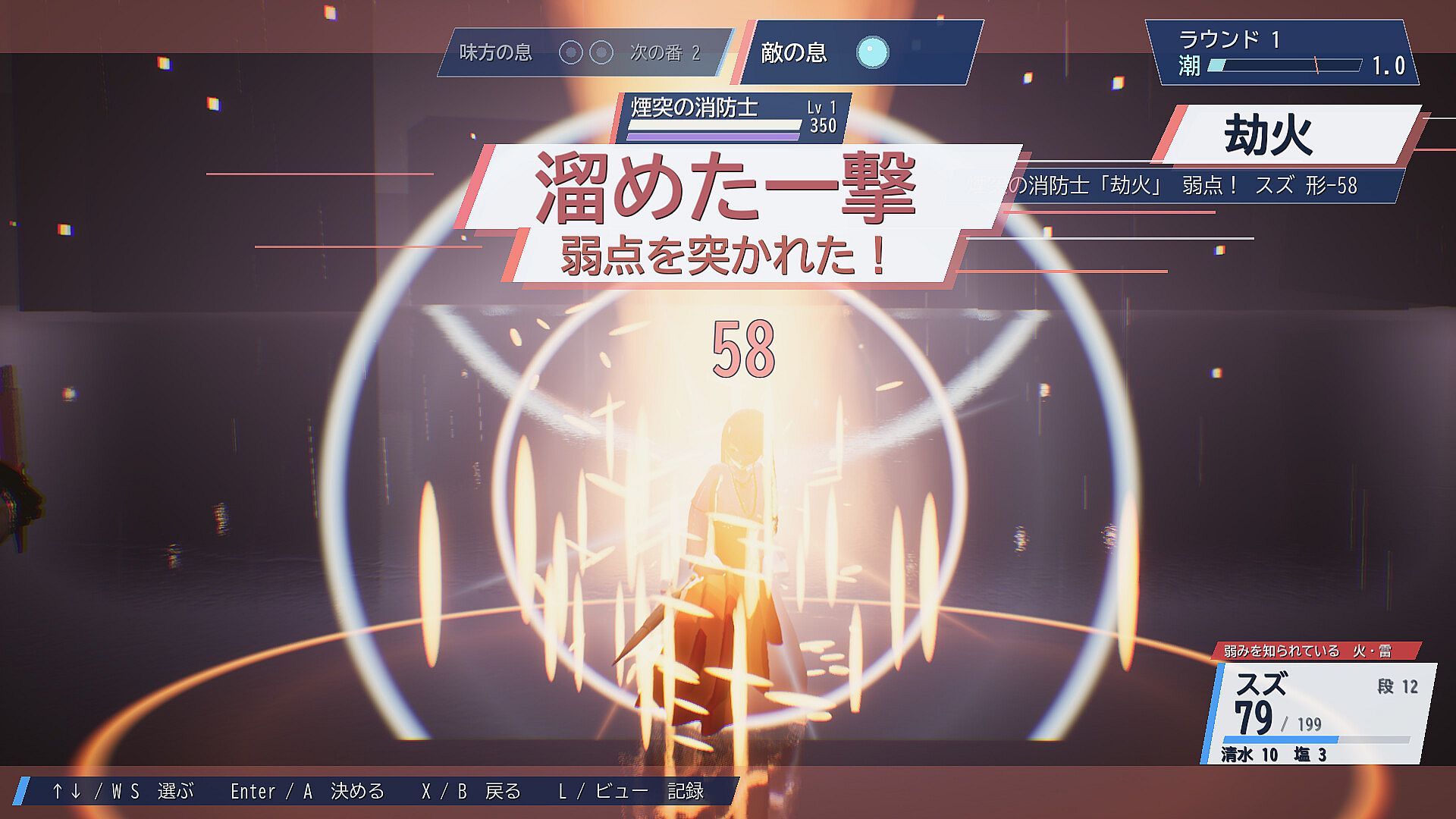
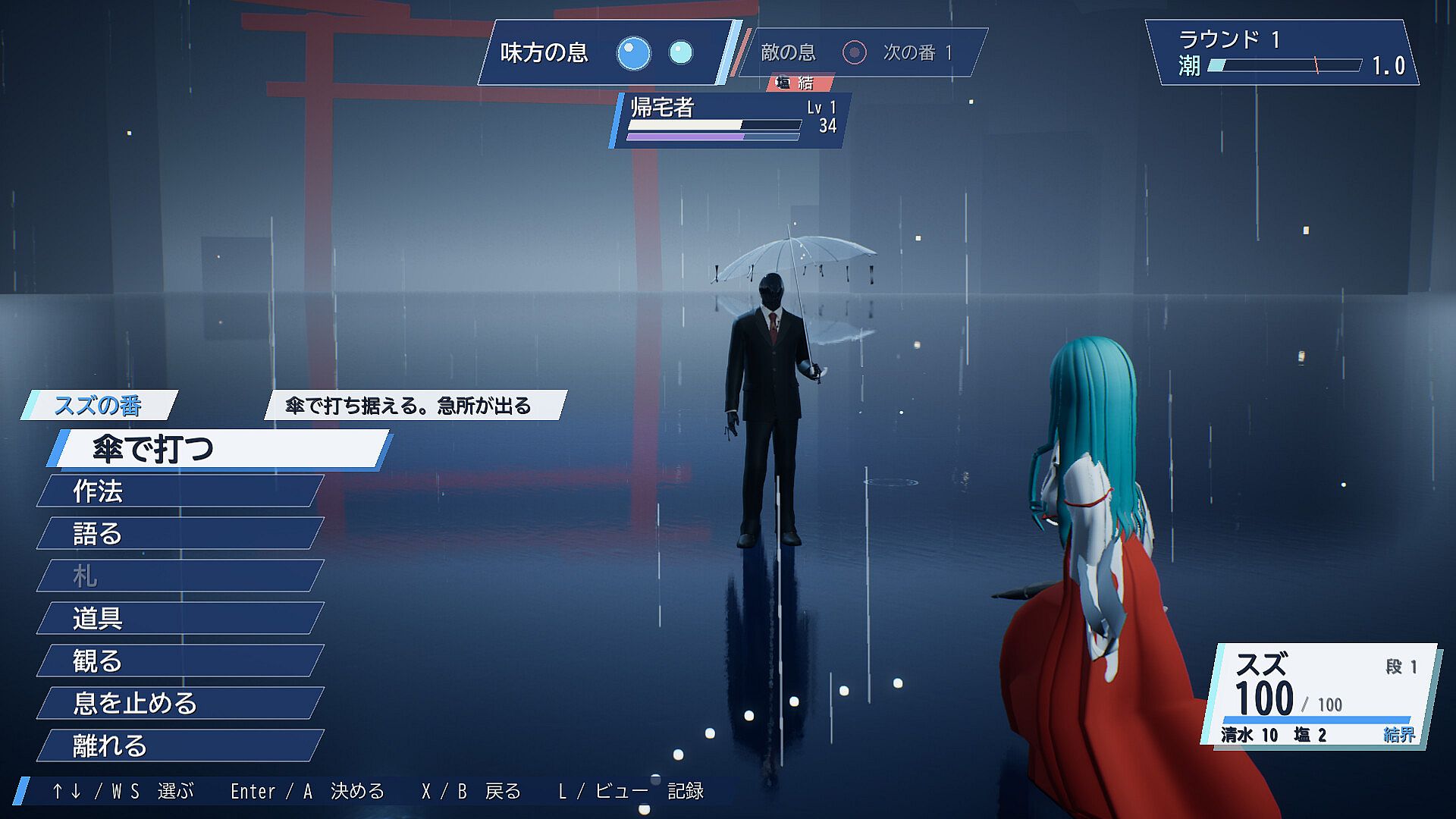
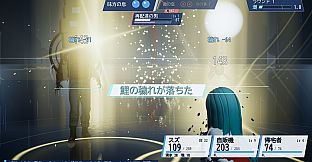
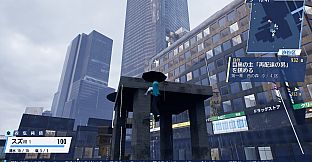
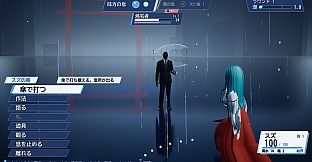
The core loop revolves around riding the Cub through the desolate landscape of Tokyo to reach different districts. Each area features a local lord that must be confronted or bypassed. Combat follows a command-based JRPG structure with a classic pre-turn system. Players analyze enemy weaknesses to knock opponents down and trigger coordinated follow-up attacks from the party. The same system applies in reverse, leaving the player vulnerable if their own team is knocked down during an encounter.
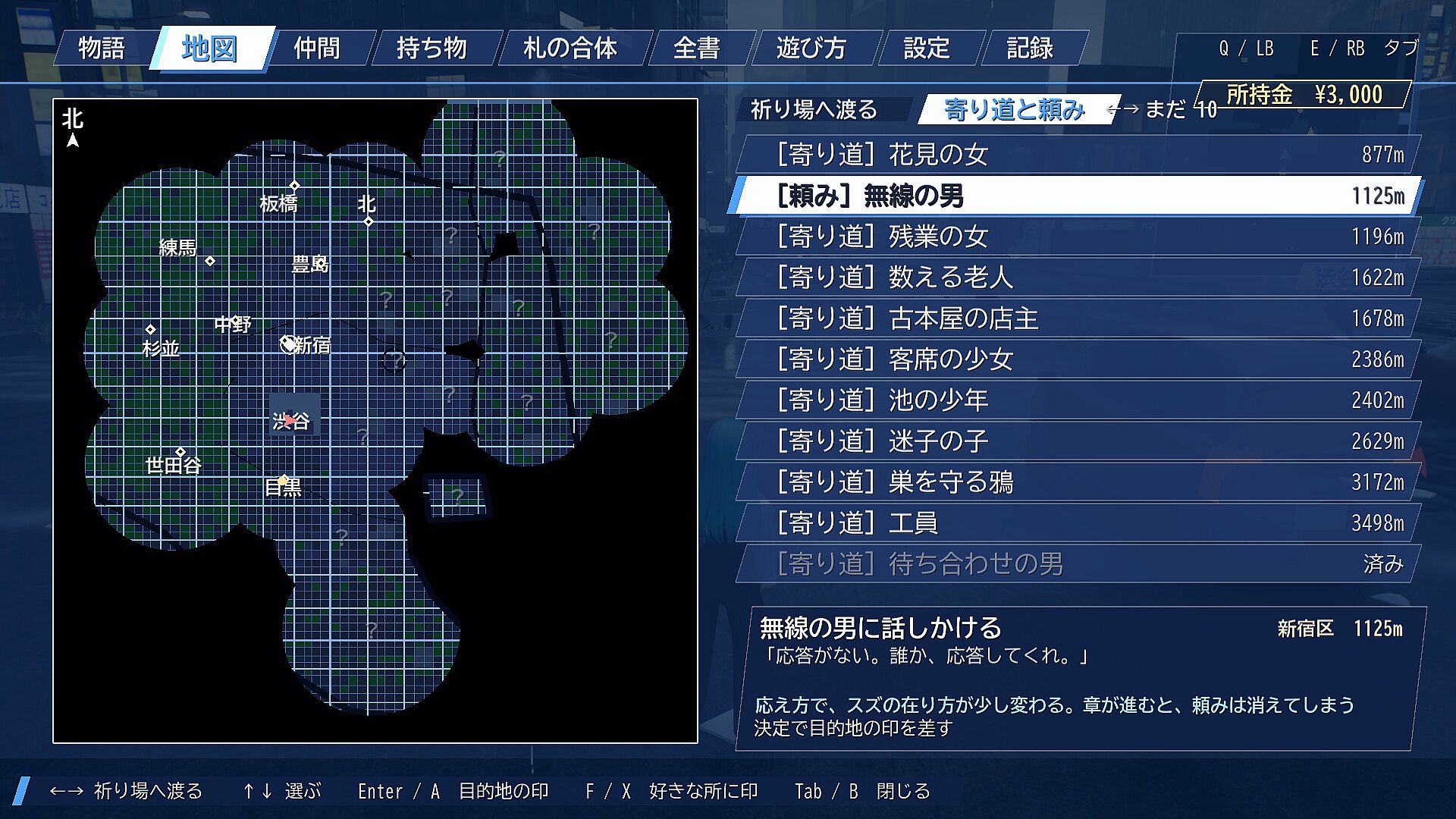
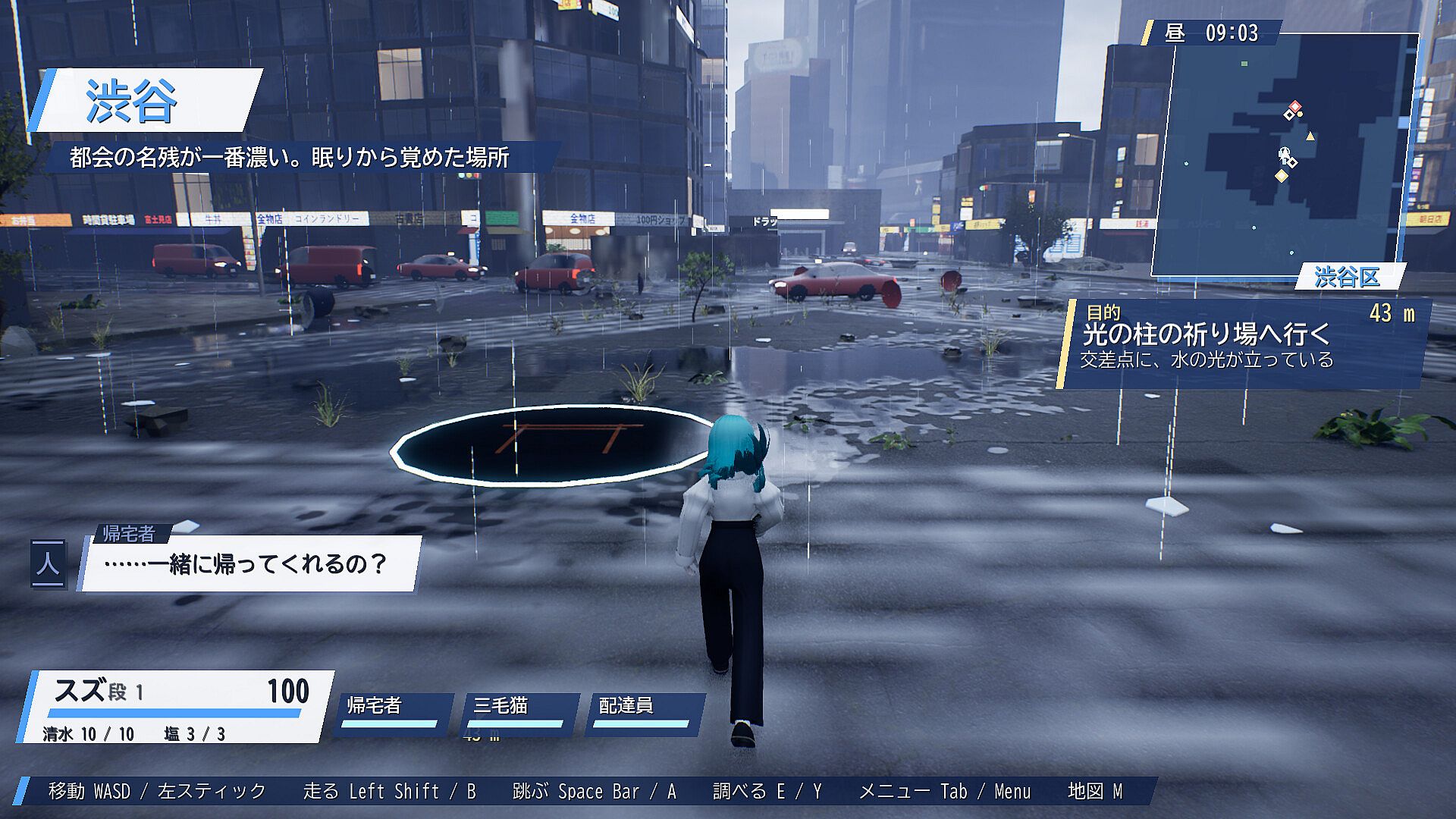
Freedom defines much of the progression. Districts can be tackled in any order, and the map encourages open exploration without strict linear paths. Hidden elements scattered throughout the world add depth, including optional encounters and secret locations that extend play beyond the main path. Character development occurs through roster management and repeated use of battle mechanics, rewarding strategic planning over repeated playthroughs.
Game Modes
The game operates entirely in a single-player format with no separate multiplayer or competitive modes. Progression ties directly to story advancement and exploration choices rather than distinct playlists or ranked systems. The structure supports replay through its branching narrative, where actions and decisions determine which of the three available endings the player reaches. Hidden dungeons and additional content further encourage multiple runs to uncover everything the world offers.
Story and Exploration
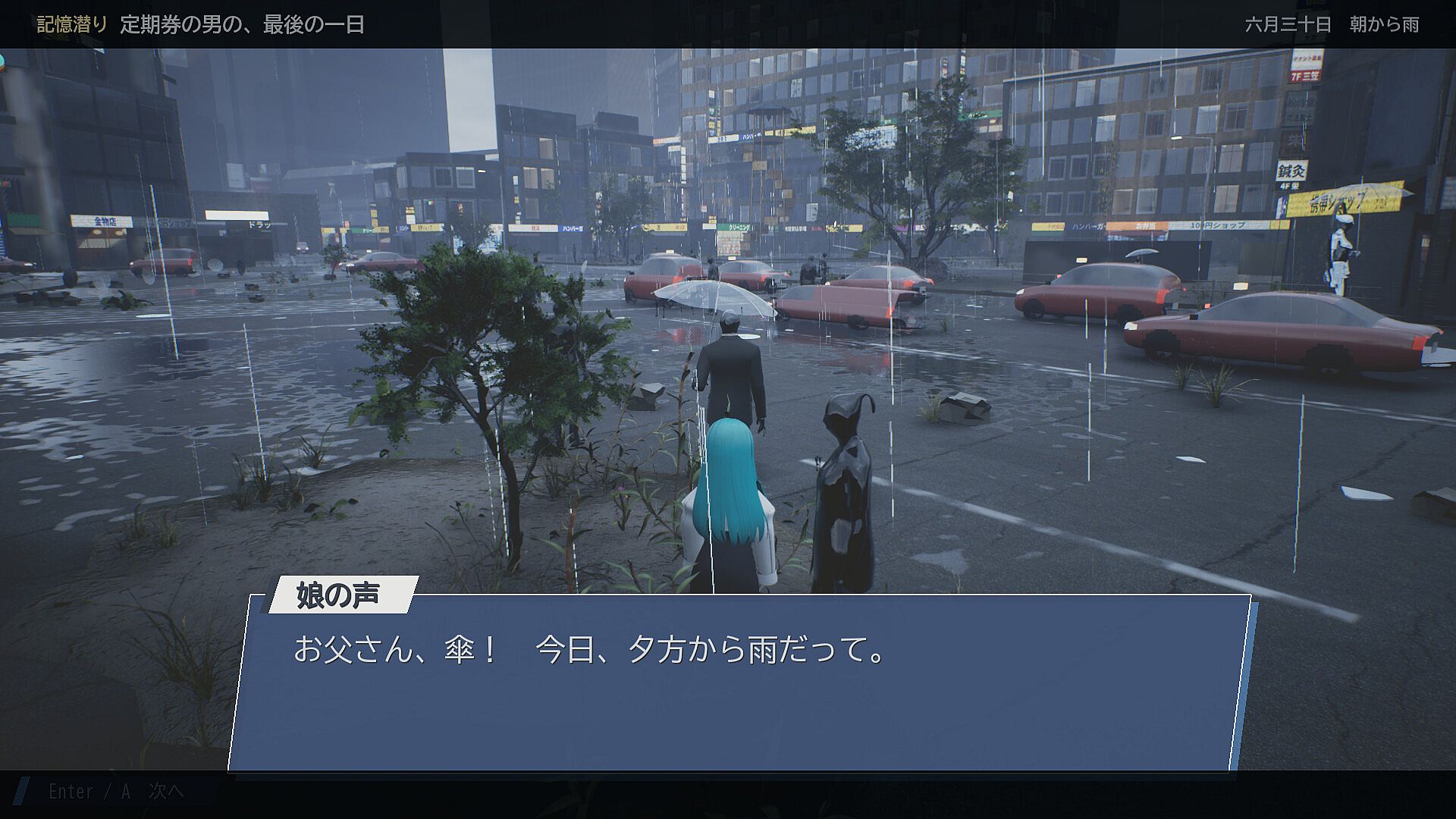
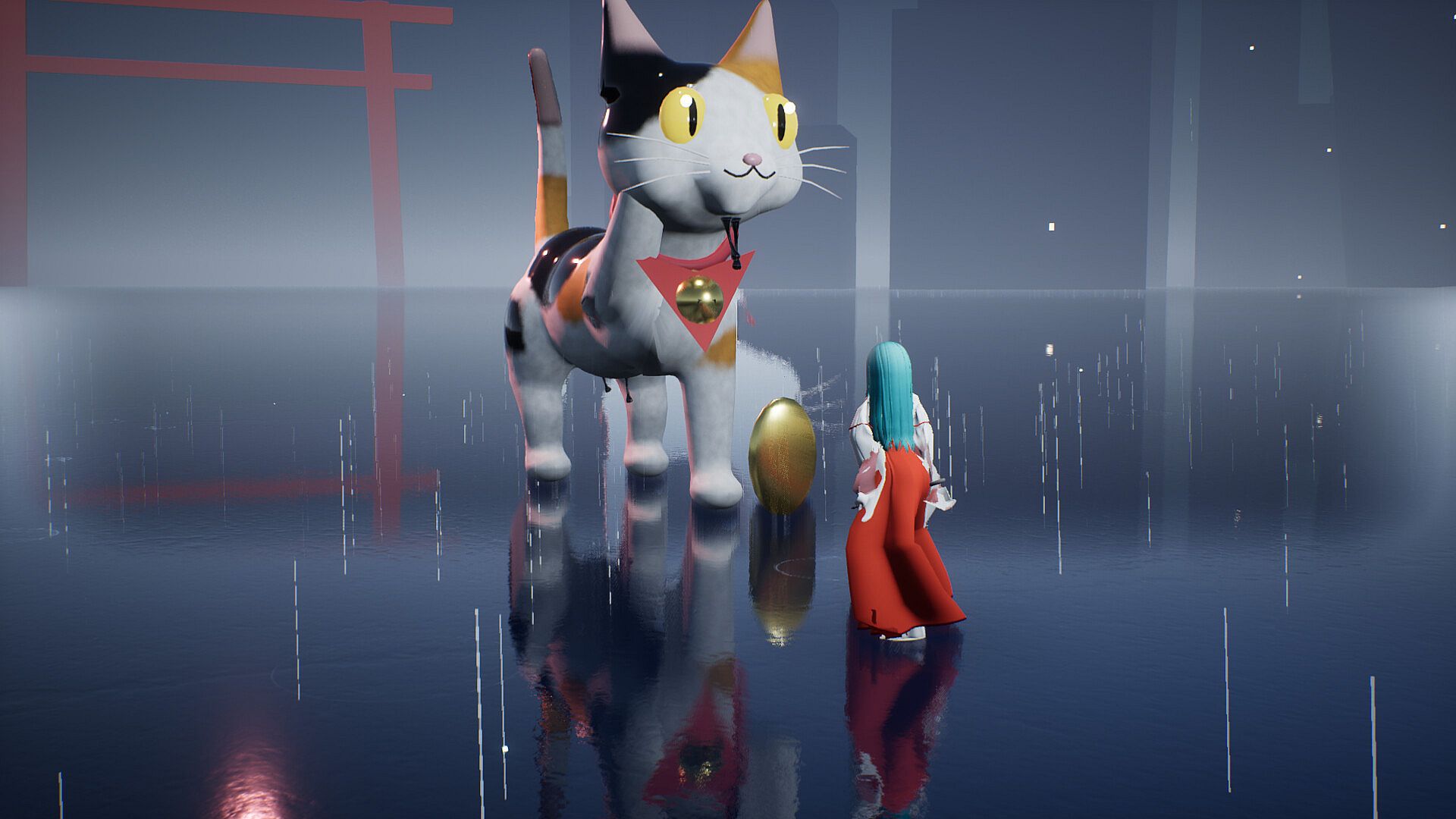
Suzu begins with questions about her identity and place in the empty city. The narrative follows her efforts to liberate Tokyo districts while uncovering the force responsible for the original destruction. Interactions extend beyond combat, allowing players to converse with enemies and recruit them to the roster for later summoning in battles. This recruitment system integrates with the freedom of movement, letting players build a personalized team while traveling freely across the map.
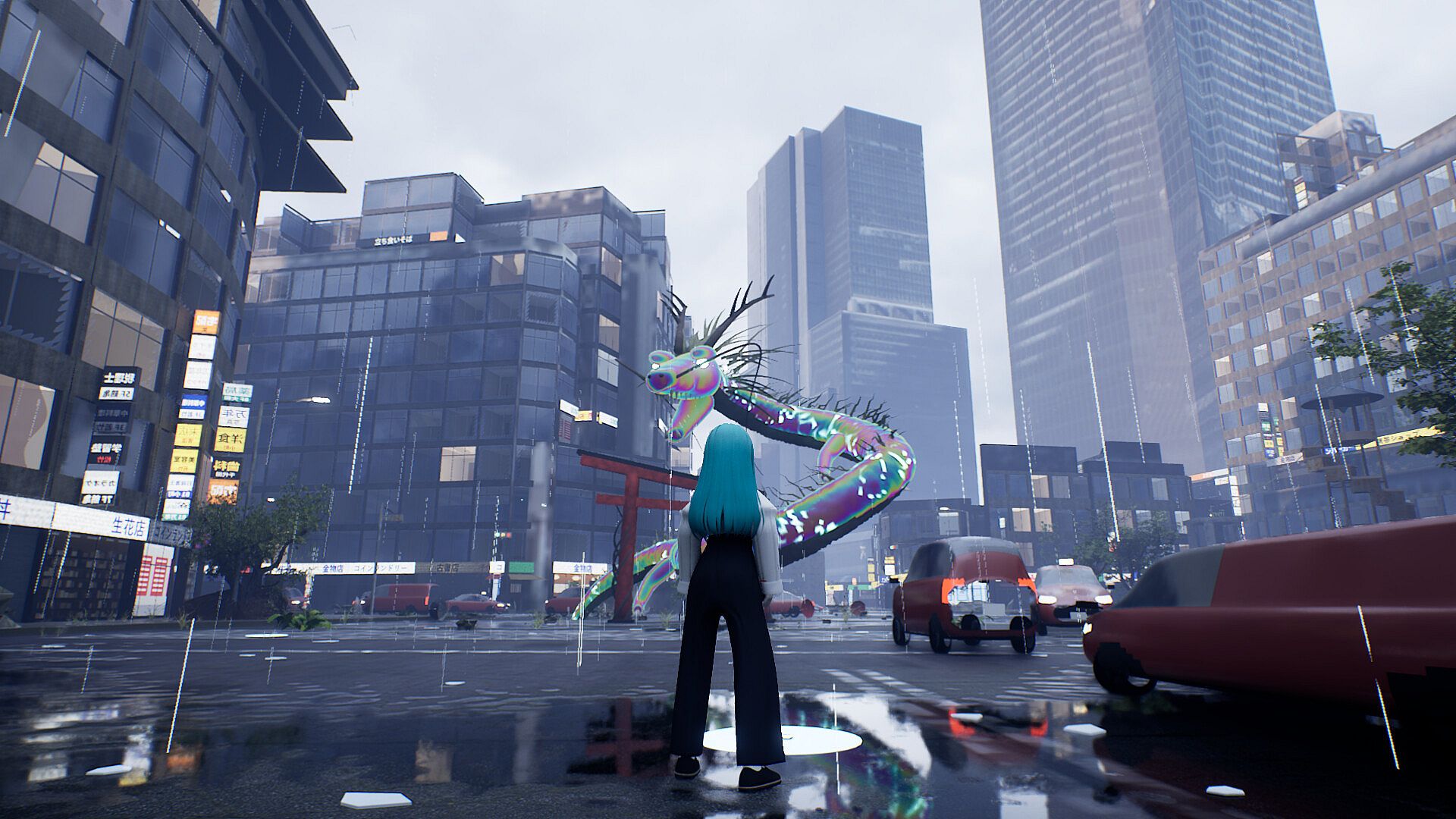
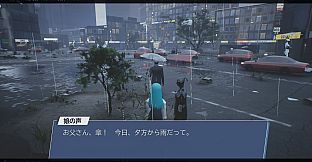
World-building emerges through environmental details and the consequences of player choices. The post-apocalyptic setting emphasizes isolation and survival, with the motorcycle serving as the primary means of traversal between points of interest. Multiple endings arise from cumulative decisions about how to handle lords and the central antagonist, creating distinct conclusions based on confrontation or avoidance paths.
Is It Worth Playing?
Tokyo Shinkirou suits players who enjoy indie JRPGs that prioritize exploration freedom and choice-driven stories over high production values or lengthy campaigns. The estimated playtime reaches five hours for a standard ending, ten hours when pursuing all three endings, and around twenty hours when including hidden content and deeper roster experimentation. Its debut status shows in focused mechanics that emphasize accessibility alongside challenge through the knock-down combat system. Those drawn to post-apocalyptic settings, motorcycle traversal, and recruitable enemy mechanics will find a compact experience that rewards experimentation without requiring hundreds of hours. The combination of district liberation, summon-based battles, and variable conclusions provides solid replay value for the genre audience.











