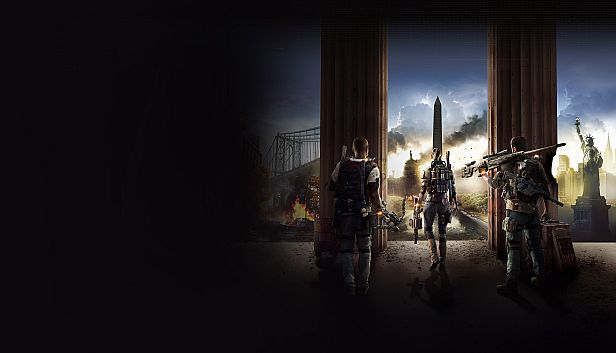


Tom Clancy's The Division 2 is a tactical open-world third-person shooter with strong RPG and looter shooter elements. Players step into the role of a Strategic Homeland Division agent tasked with restoring order in a pandemic-ravaged Washington, D.C. The game blends cover-based gunplay, gear progression, and cooperative play in a persistent city environment that continues to receive seasonal updates years after launch.
Gameplay
Combat revolves around cover mechanics and precise positioning. Agents engage factions such as the Hyenas, True Sons, Outcasts, and the more advanced Black Tusk forces in firefights that reward smart use of skills and positioning. Players select two active skills from a range of options including turrets, drones, seeker mines, and riot shields, then combine them with weapons that feature talents and attributes.
Gear acquisition drives progression. Loot drops from enemies and activities, and players craft or optimize pieces to create builds focused on damage output, survivability, or utility. At higher levels, specializations become available. These include the Sharpshooter for long-range precision, the Demolitionist for explosive firepower, and the Survivalist for versatile support roles, each unlocking a signature weapon and unique talents.
The open world features dynamic events, control points that factions contest, and settlements that serve as hubs. Weather and time of day affect visibility and tactics, while the city layout encourages exploration of landmarks and side activities. Up to four agents can team up seamlessly, with difficulty scaling to match group size.
Game Modes
The core campaign delivers a series of story-driven missions across Washington, D.C. These missions introduce the main factions and teach core systems while advancing the narrative of rebuilding government infrastructure.
Cooperative play extends beyond the story into repeatable missions, strongholds, and larger raids that demand coordination. Players can drop in or out of sessions and request backup from others when needed.
PvP options center on the Conflict mode, which includes Skirmish for straightforward team deathmatch and Domination for objective-based map control. Separate from these are the three Dark Zones, contested areas where agents hunt contaminated loot while facing both AI enemies and other players in a PvPvE environment. Recent updates have introduced rotating variants, including purely cooperative PvE versions of these zones.
Open-world activities such as bounties, territory control, and world events provide additional variety. These feed into the broader loop of leveling, gear hunting, and preparing for tougher challenges.
Endgame and Ongoing Content
Reaching the level cap marks the beginning of deeper systems. World Tiers increase enemy difficulty and loot quality, while specializations and gear optimization become central. Seasonal content refreshes the experience with new modifiers, exotics, gear sets, and events that alter gameplay across the map.
Expansions such as Warlords of New York and Battle for Brooklyn have added new regions, storylines, and mechanics, expanding the playable areas beyond the original Washington, D.C. map. The game maintains an active development cycle with regular seasons that introduce fresh rewards and challenges, keeping the endgame loop engaging for dedicated players.
Is It Worth Playing?
The Division 2 maintains a Mostly Positive rating on Steam based on tens of thousands of reviews, with players frequently praising the gunplay, build variety, and long-term support. It suits those who enjoy methodical tactical shooters combined with loot progression and cooperative or competitive multiplayer elements.
Players who value cover-based combat, experimentation with skills and gear, and a living open world will find substantial content here. The ongoing seasons and upcoming additions ensure regular updates rather than a static experience. Those seeking fast-paced action without heavy emphasis on optimization or group coordination may prefer other titles, but the game rewards investment in its systems and has sustained a dedicated audience through consistent content delivery.