


Tonald Dump: Make News Fake Again is a turn-based strategy simulation game centered on managing a presidential campaign through control of media and public perception. Players shape headlines, edit opponent footage, and navigate reactions from distinct voter blocs while balancing alliances that carry both benefits and ongoing costs.
Gameplay
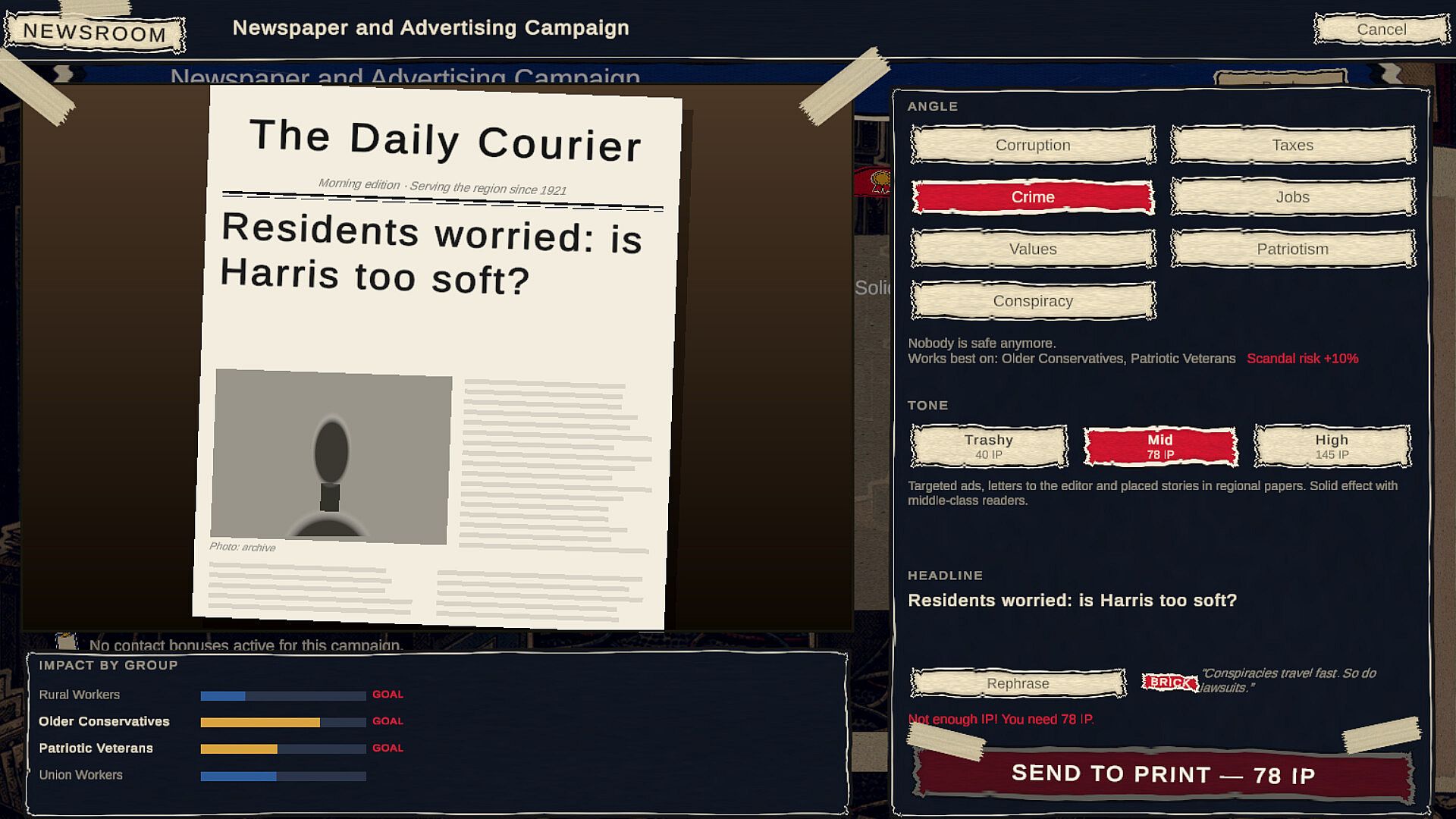
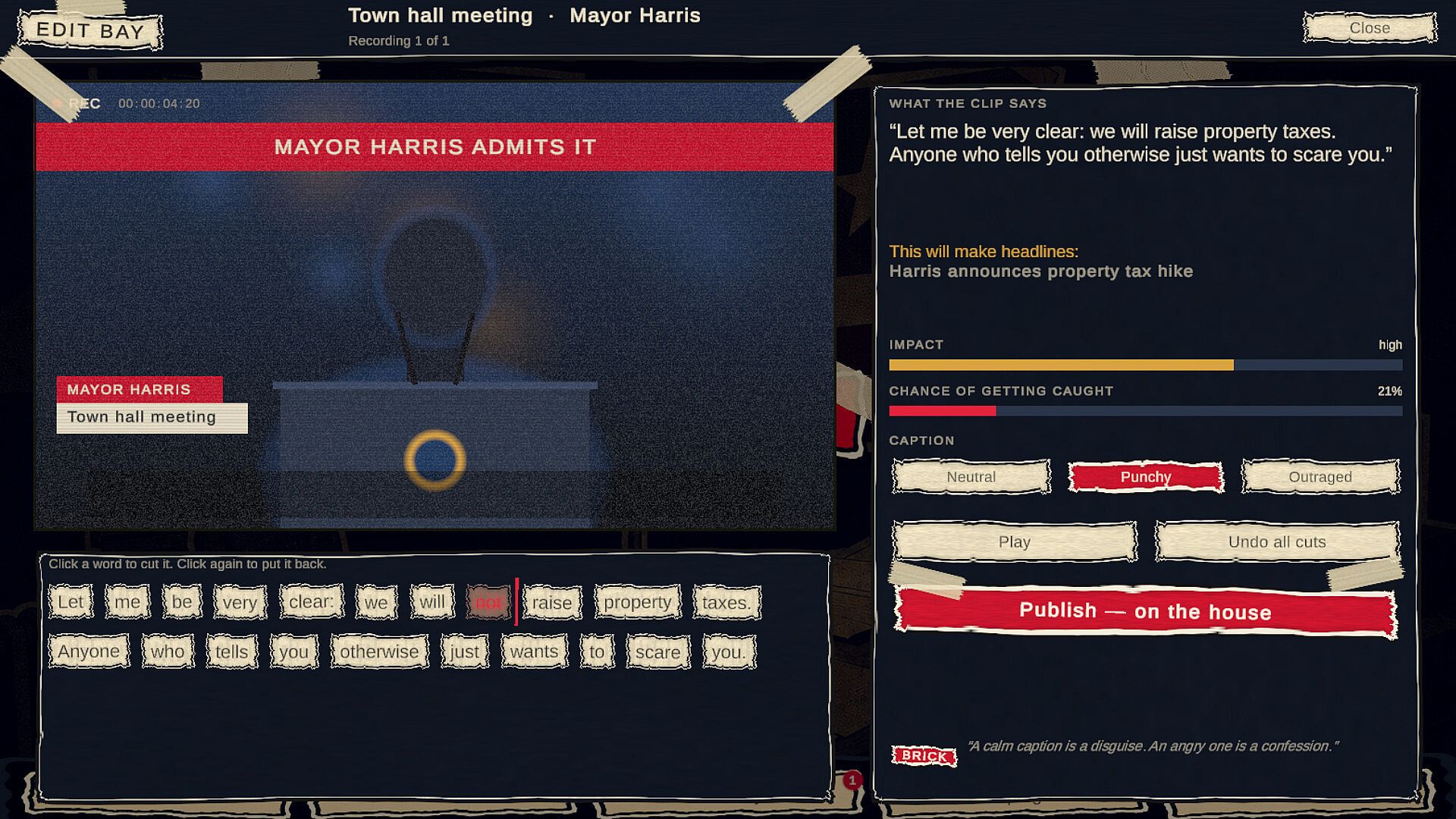
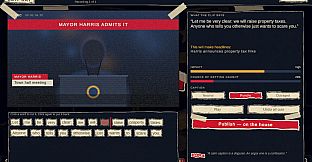
The core loop revolves around the Newsroom, where players select angles, tone, and specific headlines before sending stories to print. The Edit Bay allows precise manipulation of opponent clips, such as altering a single word in a town hall statement to shift its meaning entirely. These actions generate immediate impact on voter sentiment but carry risks of exposure that can damage credibility.
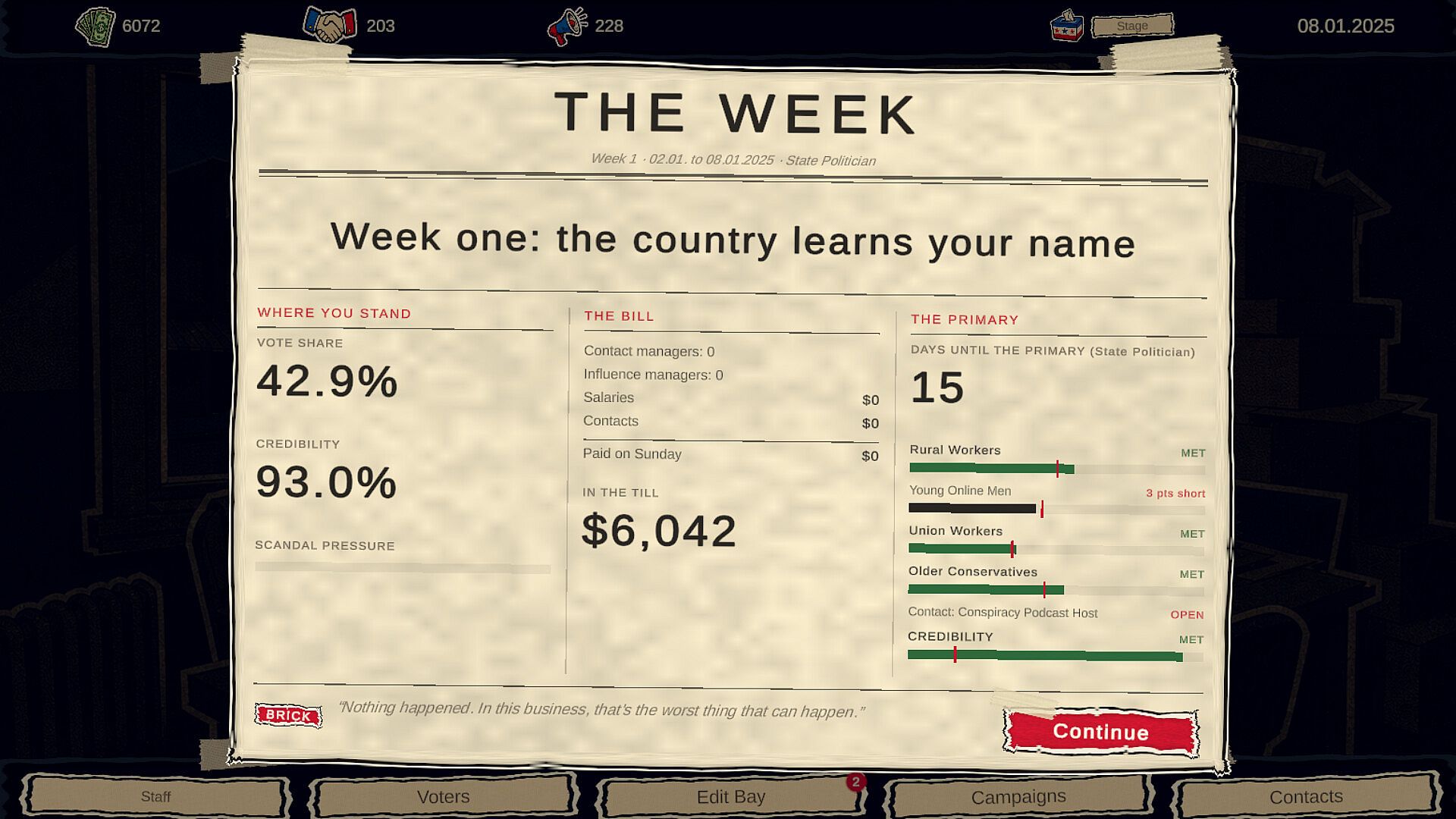
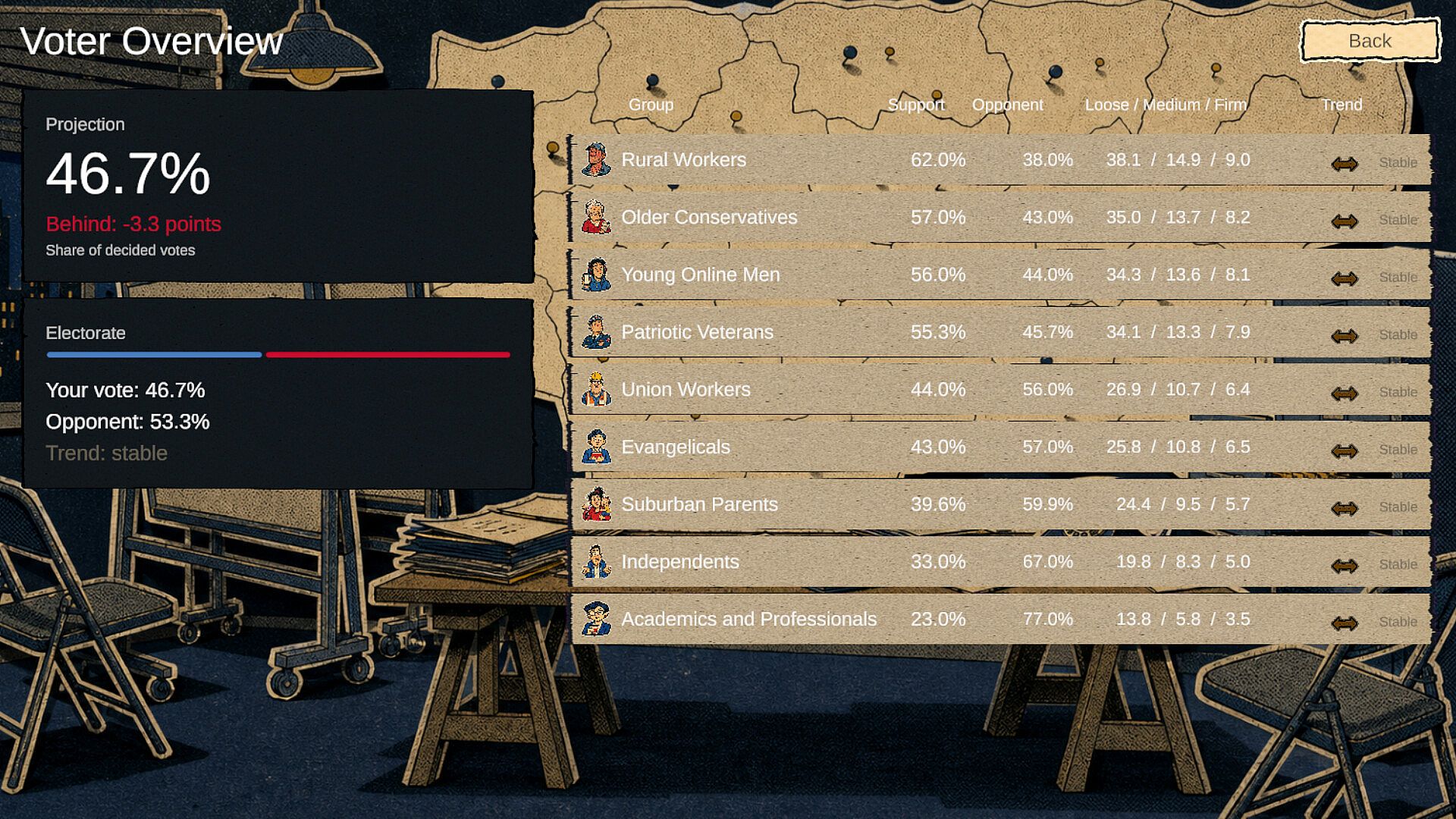
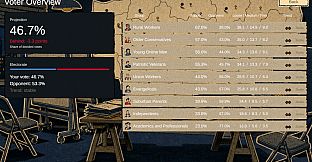
Nine voter groups respond individually to every decision. Rural Workers, Evangelicals, Young Online Men, Suburban Parents, and Independents, along with four additional blocs, each maintain unique priorities. Support from one group often reduces favor with another, requiring careful calibration across the entire electorate.
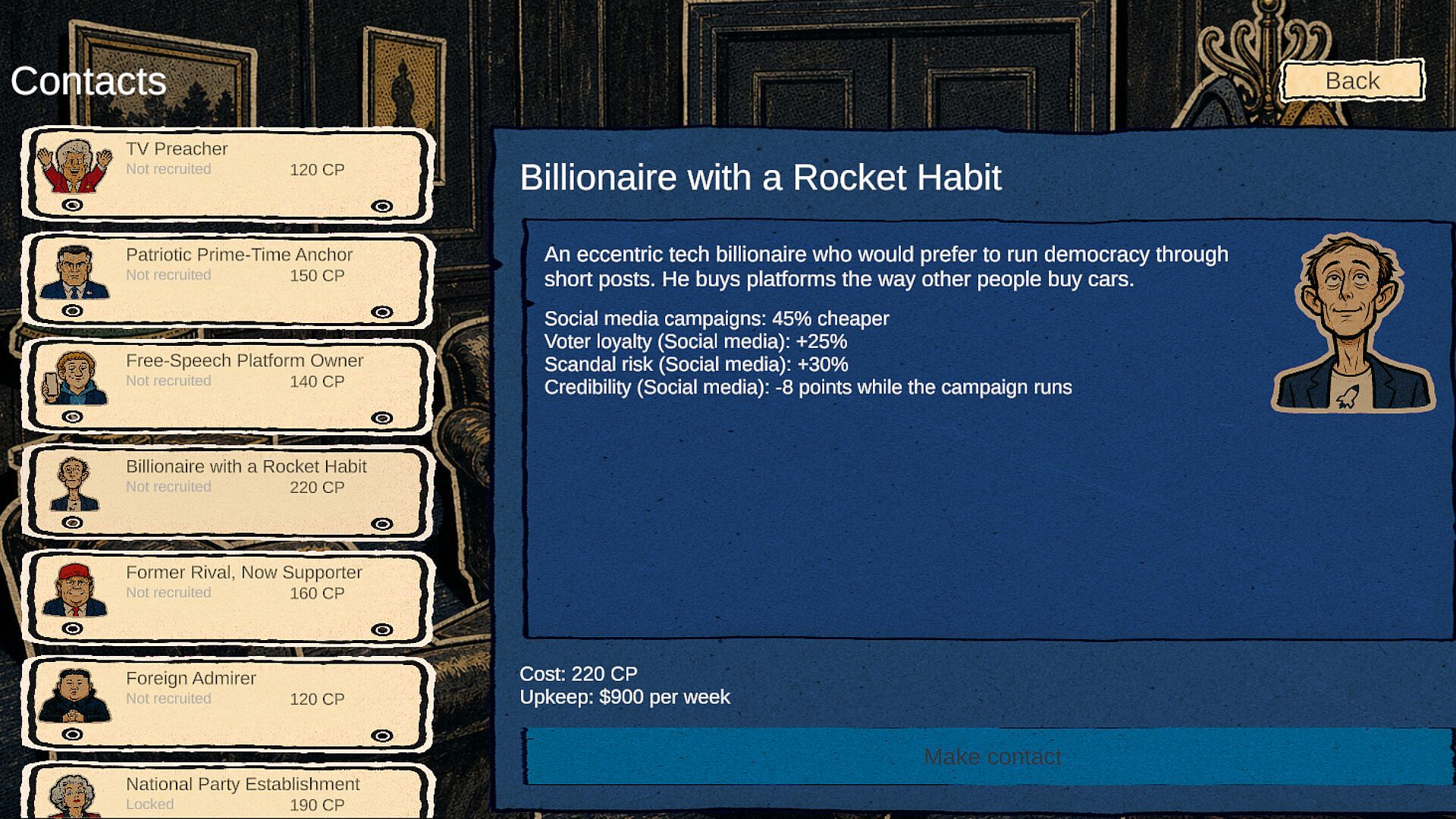
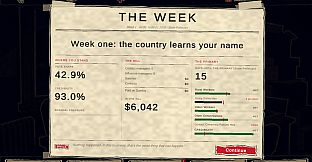
Political contacts provide targeted bonuses during campaigns. These allies, ranging from media figures to wealthy donors, deliver advantages alongside side effects and a recurring weekly upkeep expense. Players must weigh these relationships against long-term sustainability.
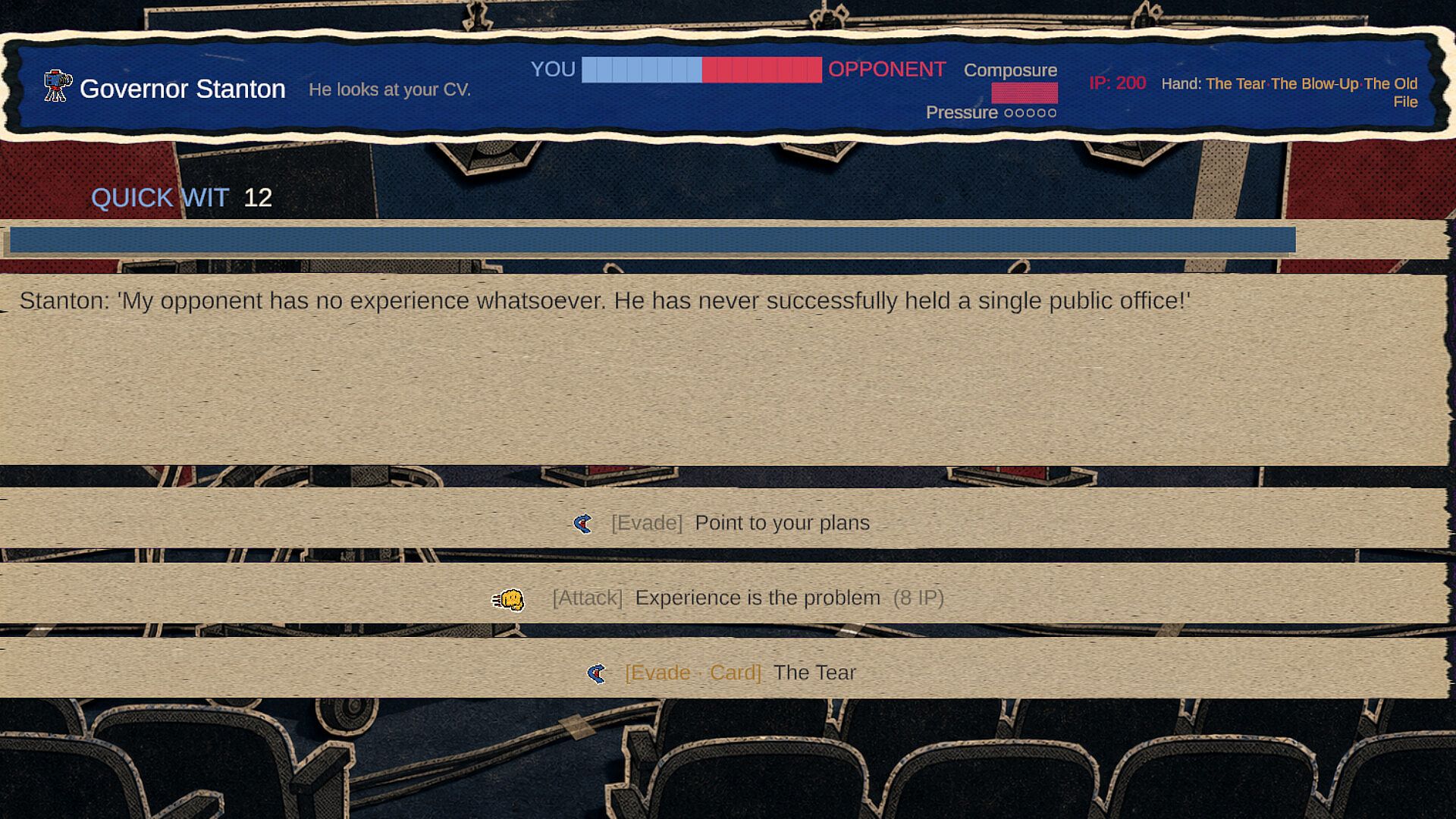
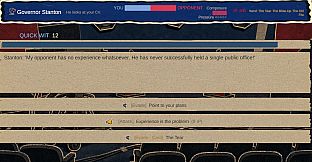
Card-based debates form a key tactical layer. Players read the opponent, build a hand, and choose responses such as evasion, direct attack, or revelation. Losing composure shifts momentum against the player. Election night resolves with fixed vote totals that cannot be altered, though players retain influence over narrative framing of the outcome.
Game Modes
The experience unfolds across four distinct campaign stages that progress from local small-town politics to the high-stakes final stretch. Each stage introduces escalating demands on media operations and alliance management.
Three difficulty settings adjust the overall challenge. Tailwind provides a more forgiving environment for learning systems, Headwind introduces moderate pressure, and Storm demands precise resource and credibility management. The game supports full playthroughs in both English and German.
Campaign Systems and Events
Over 600 events and scenarios populate the campaign, with some branching from choices made during the opening interview. These can reappear later, creating chain reactions that affect scandals and overall credibility levels.
Fake news operations span multiple channels including press, radio, television, and social media. Players adjust the polish and style of campaigns to match the target audience and current stage of the race. Credibility acts as a depletable resource that limits aggressive tactics if allowed to run too low.
Is It Worth Playing?
The game suits players who enjoy satirical strategy simulations focused on narrative control and voter psychology rather than traditional policy mechanics. Its systems reward experimentation with media angles and alliance timing while punishing overreach through exposure risks and shifting voter reactions.
Multiple endings emerge from the combination of credibility management, debate performance, and event resolutions. The structure supports repeated playthroughs via different difficulty levels and the variety of voter group interactions.
- Turn-based decisions in the Newsroom and Edit Bay
- Card-driven debate resolution
- Progressive campaign stages with escalating complexity
- Dynamic credibility and scandal systems