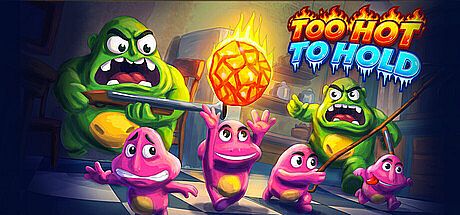


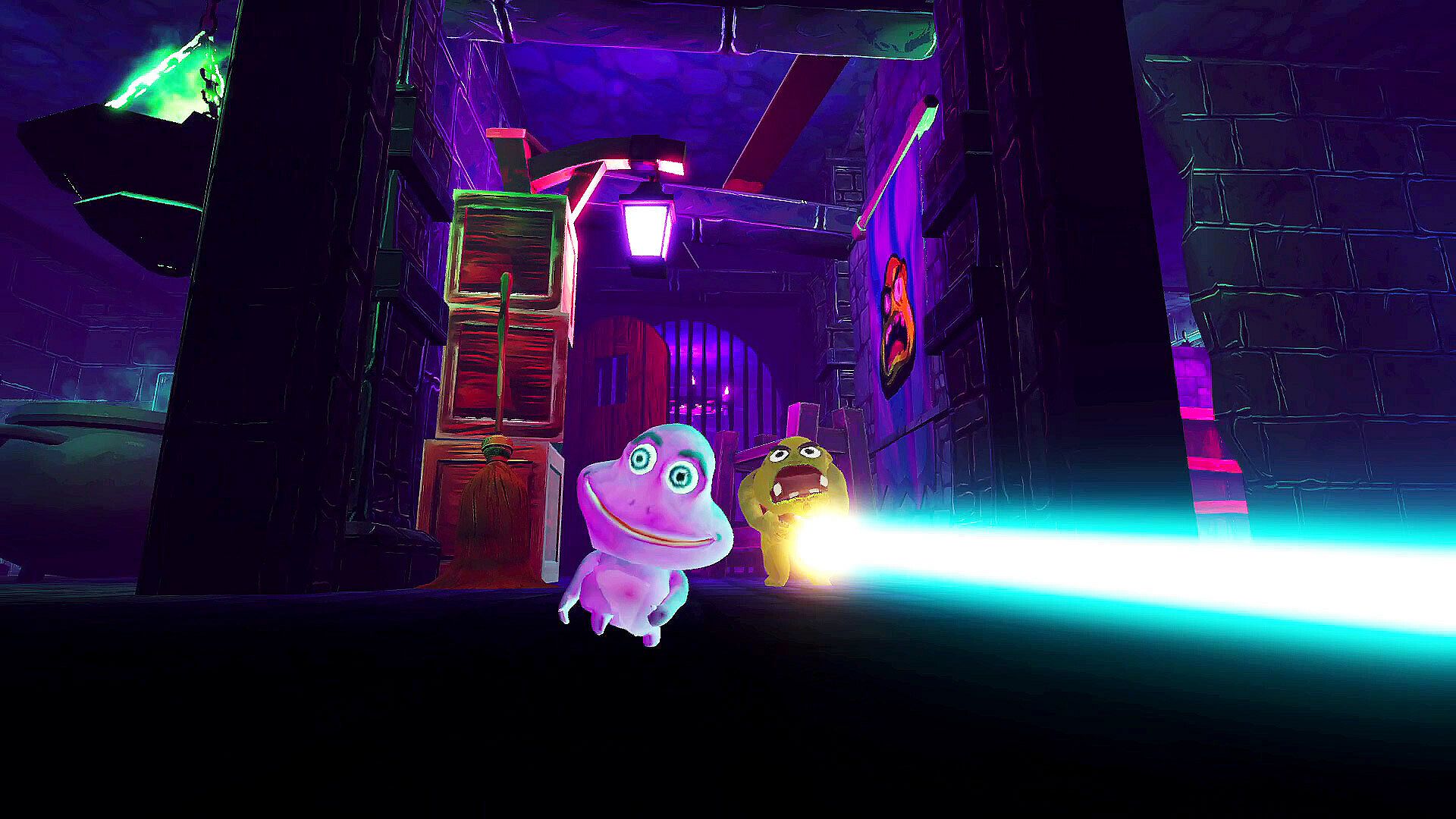
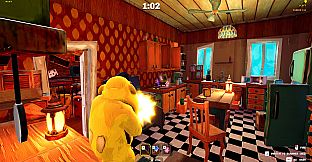
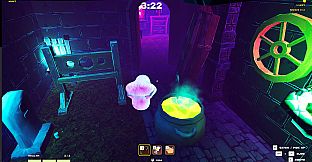
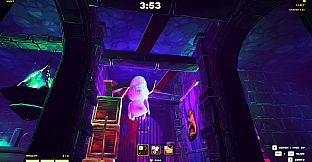
Too Hot To Hold is an asymmetric multiplayer party game built around a simple but chaotic core loop of passing a burning Ember before it explodes. Players divide into Tricksters and Wardens on oversized, hand-painted maps where tiny characters navigate furniture, hidden passages, and interactive objects. The experience emphasizes quick decisions, betrayal among friends, and creative use of movement tools and traps in sessions that last just a few minutes each.
Gameplay
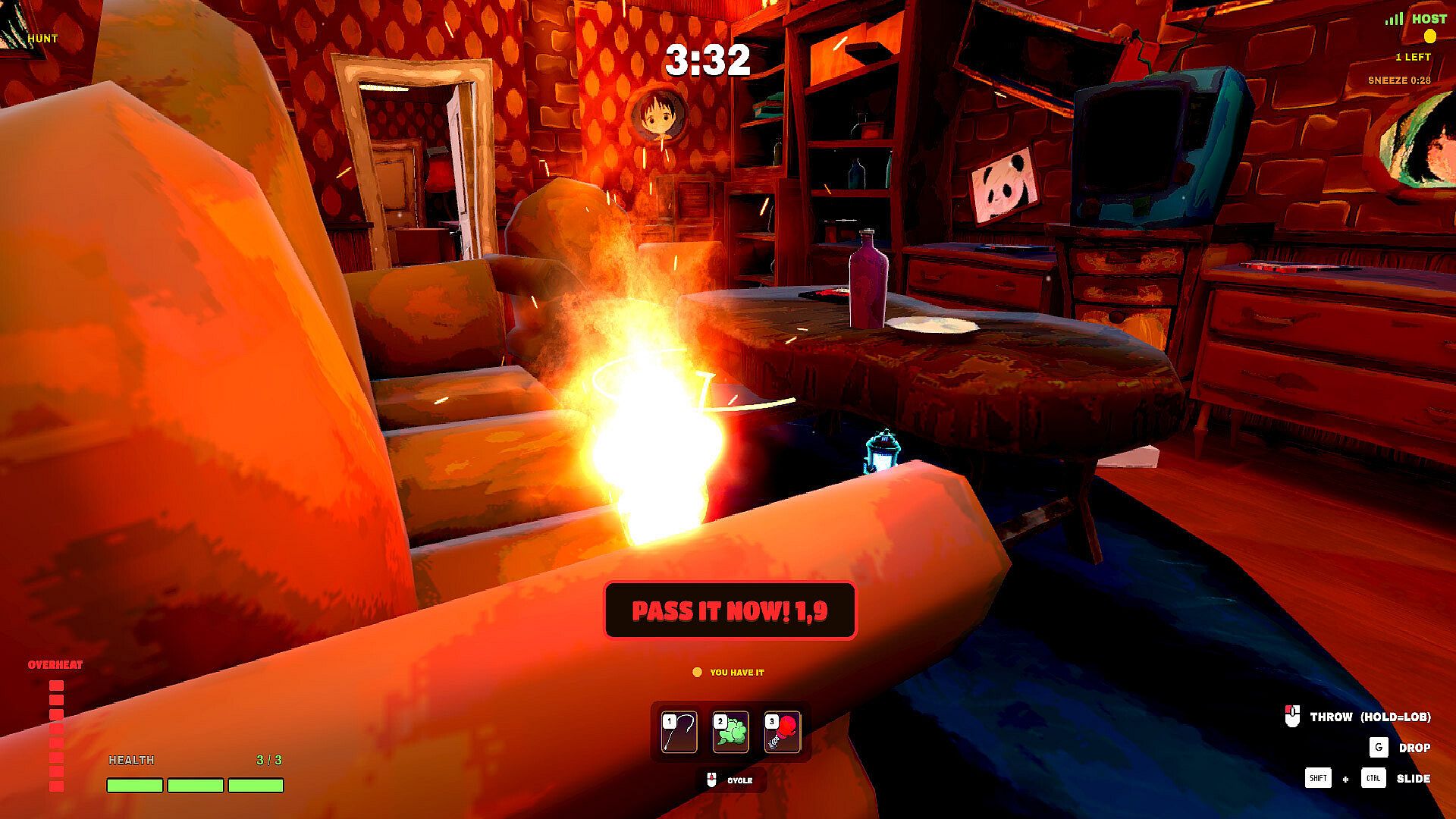
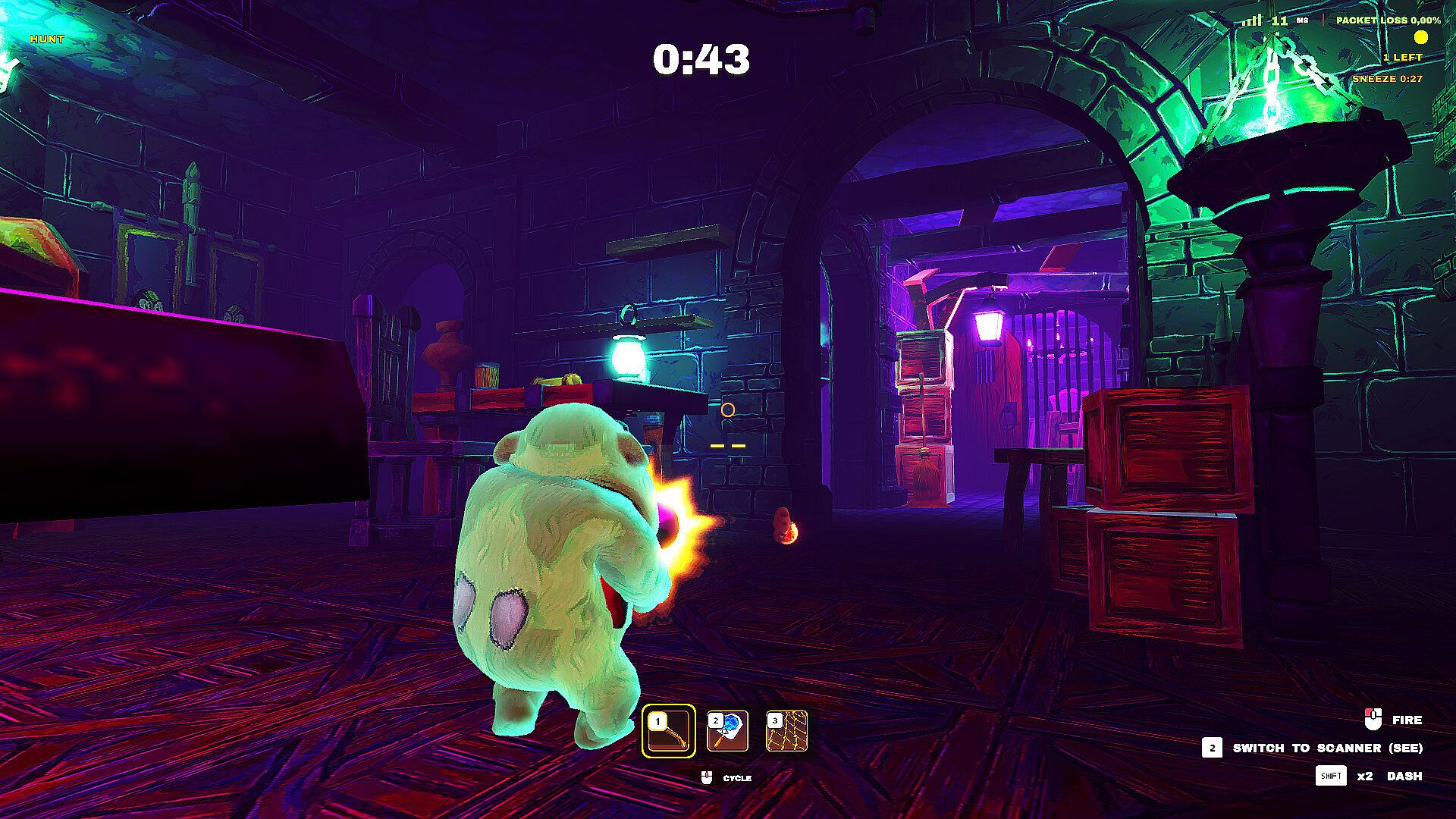
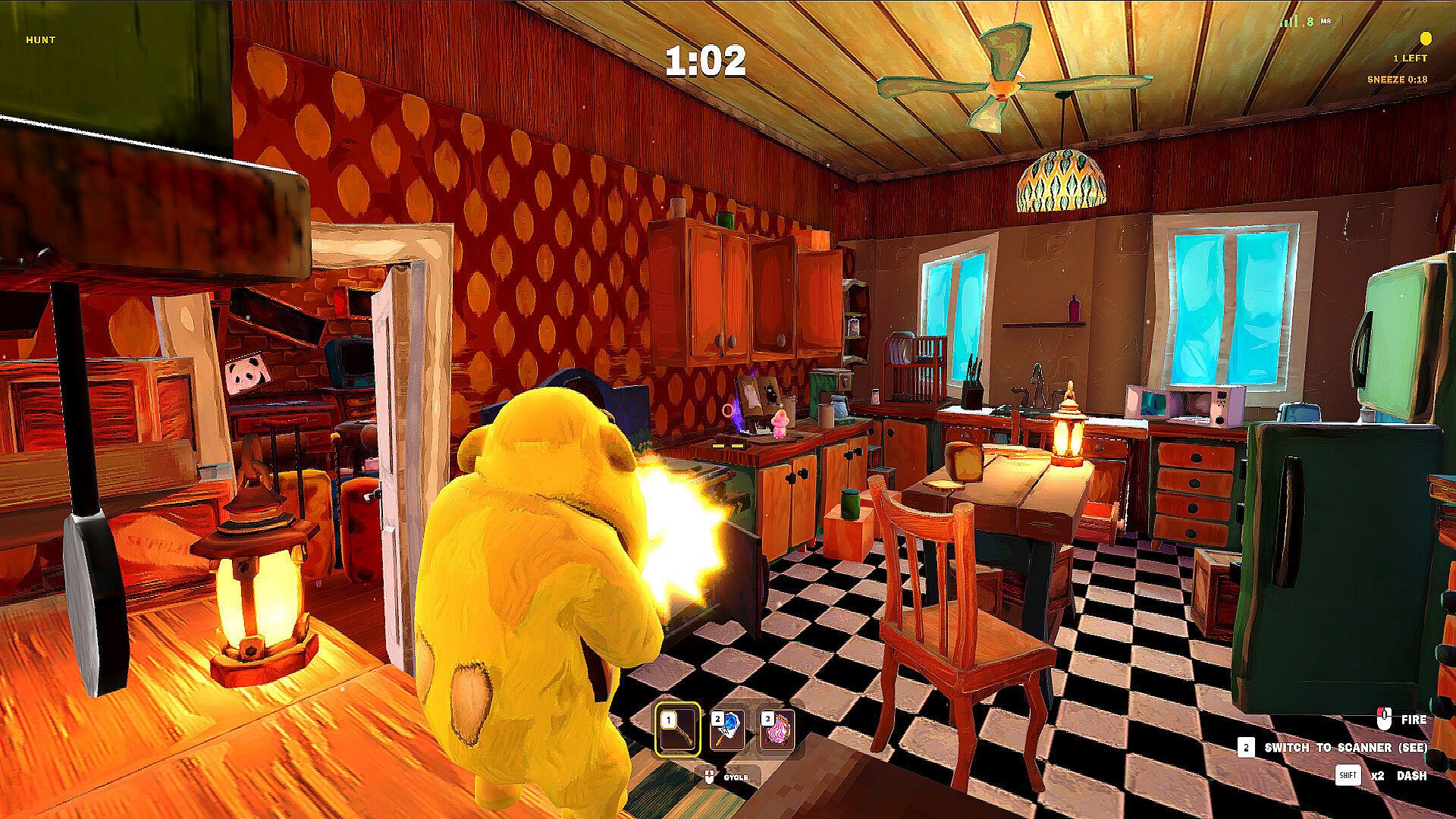
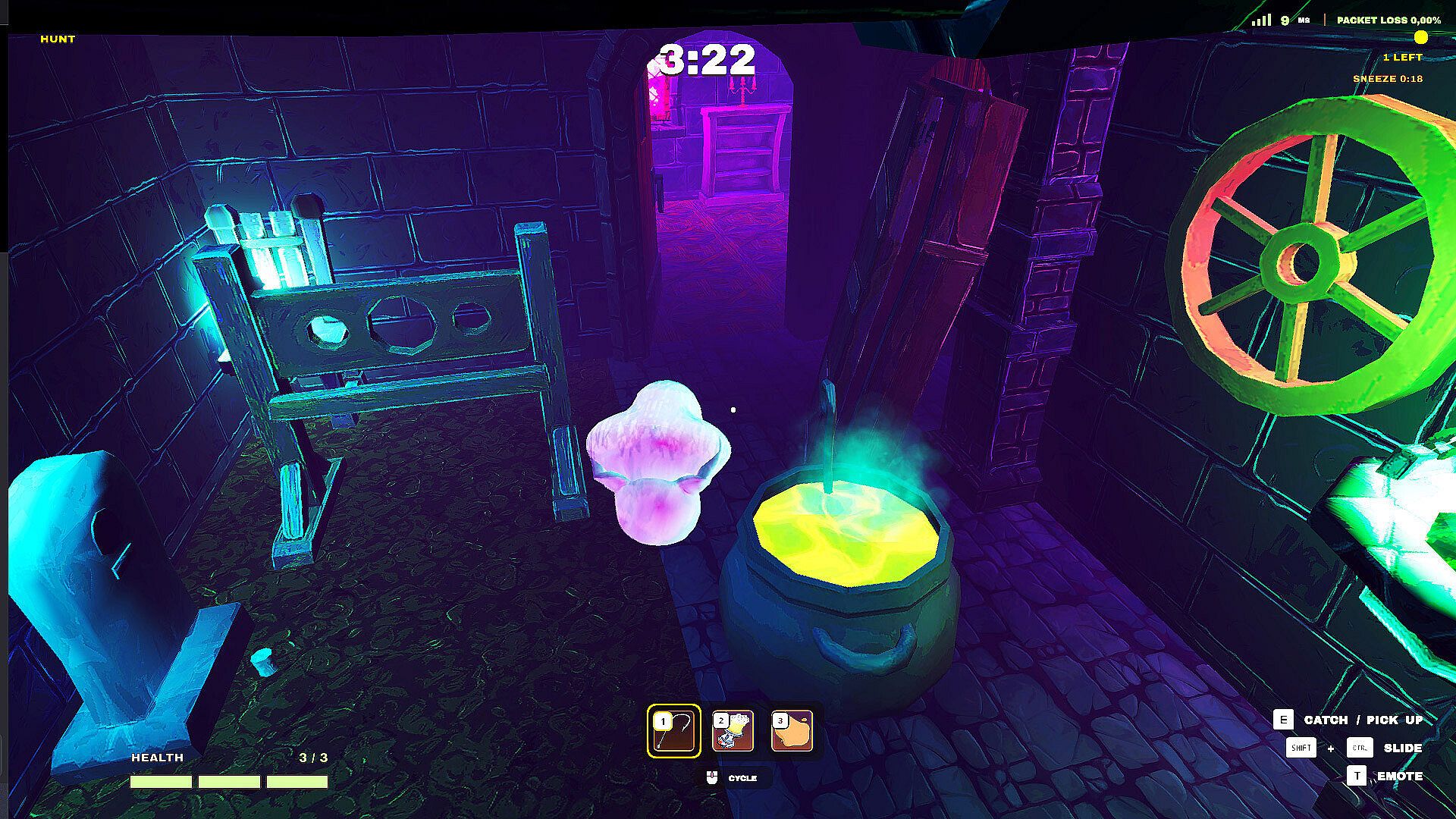
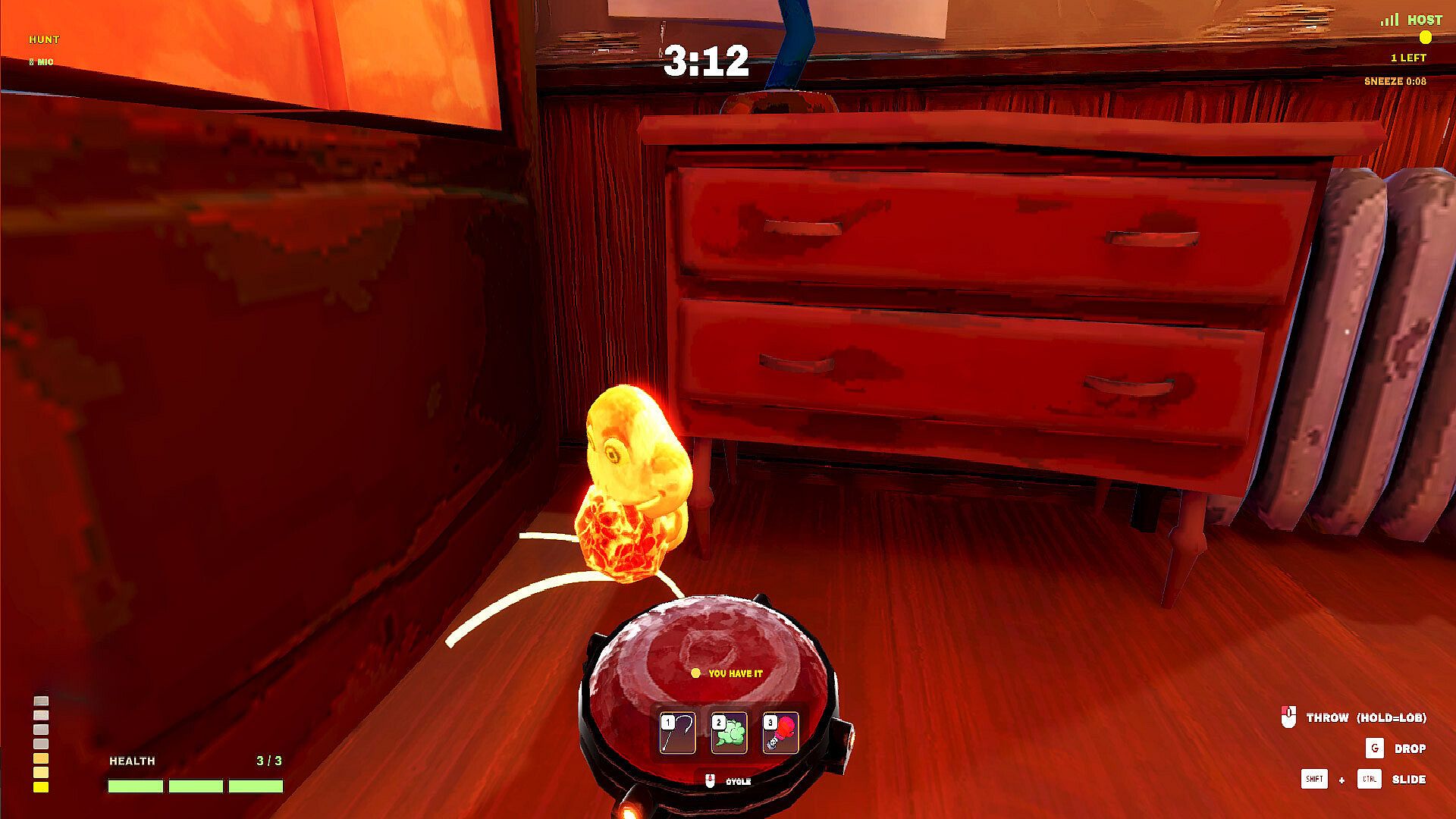
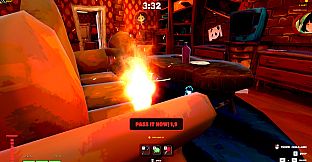
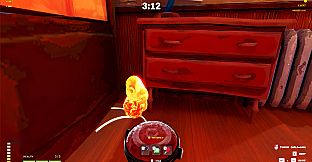
The central mechanic requires Tricksters to keep a glowing Ember moving at all times. Anyone holding it has only ten seconds before it detonates and stuns the carrier. Passing, tossing across rooms, or deliberately handing it off creates constant tension as the group works to survive a five-minute round. Wardens join the hunt after a short delay and must land seven accurate shots on the Ember using a scanner to track its location.
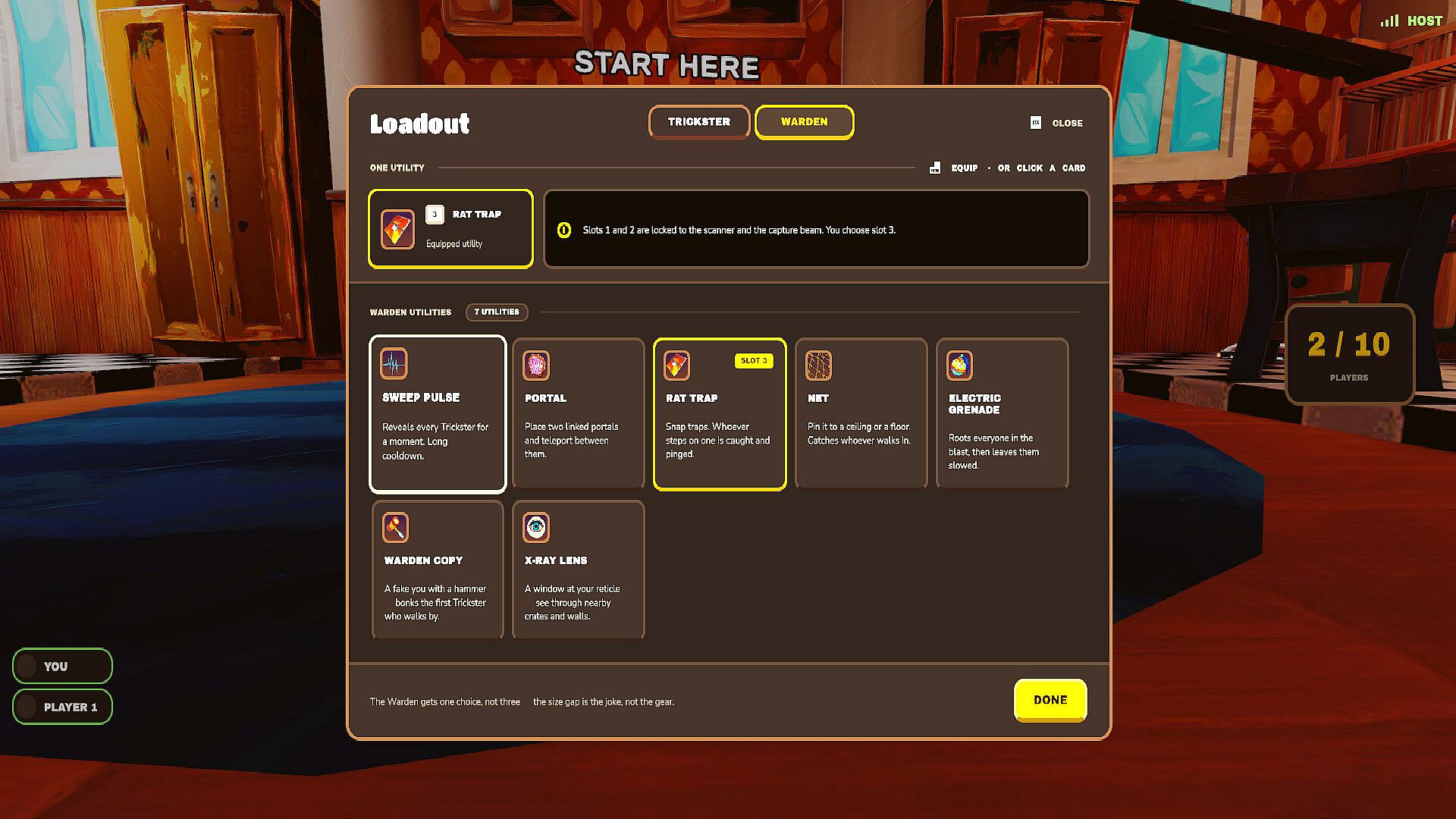
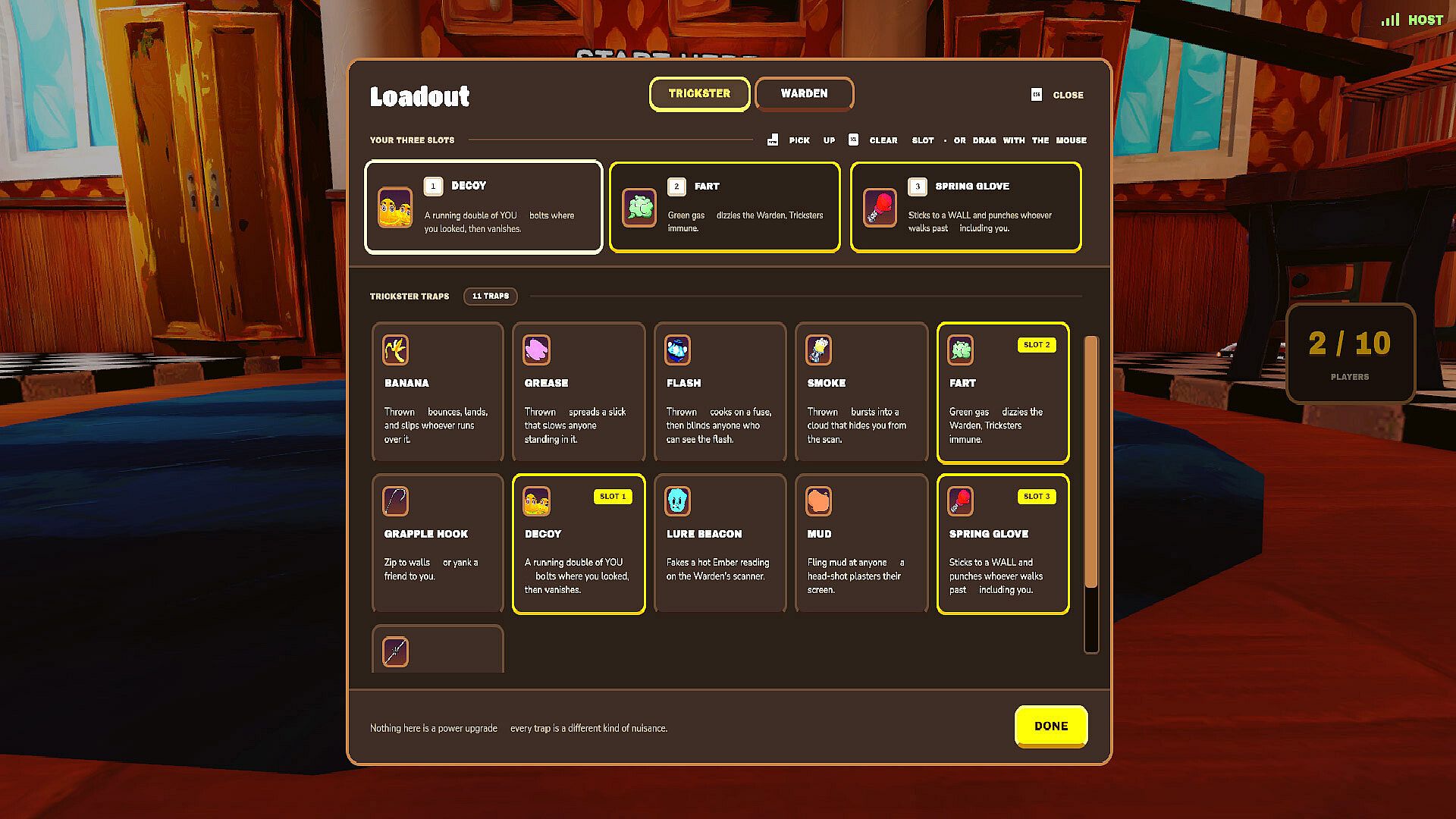
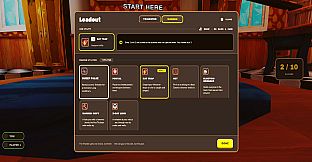
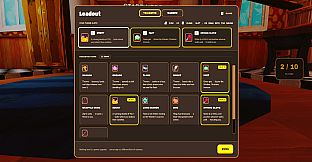
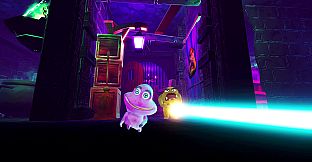
Before each round participants select abilities that shape their approach. Tricksters gain options such as grappling hooks for quick escapes, mud throws to blind pursuers, banana peels for tripping, and tripwires for area denial. Wardens counter with portals for teleportation, rat traps, electric grenades, and illusory hammers that mislead opponents. Environmental tools add another layer: bounce pads launch players across gaps, cooling vents reduce Ember heat, and heatsinks freeze it temporarily to buy extra time.
Proximity voice chat amplifies the disorder. Voices grow louder when players draw near and fade when teammates scatter, turning coordination attempts into frantic shouting matches. Up to ten participants join customizable lobbies where the number of Wardens can be adjusted to shift the balance toward defense or pursuit.
Game Modes
Three distinct modes expand the basic hot-potato concept. Hot Potato follows the core rules of keeping the Ember alive for the full timer. Infection introduces spreading effects that turn eliminated Tricksters into additional threats. Mole, also called Impostor, hides one or more players among the group with secret objectives that disrupt the main goal without immediate detection.
Each mode retains the same map layouts and ability system while altering win conditions and team dynamics. Players rotate roles across rounds, learning both sides of the conflict to anticipate enemy tactics. The short round length encourages repeated matches with different ability combinations and map routes.
Maps and Progression
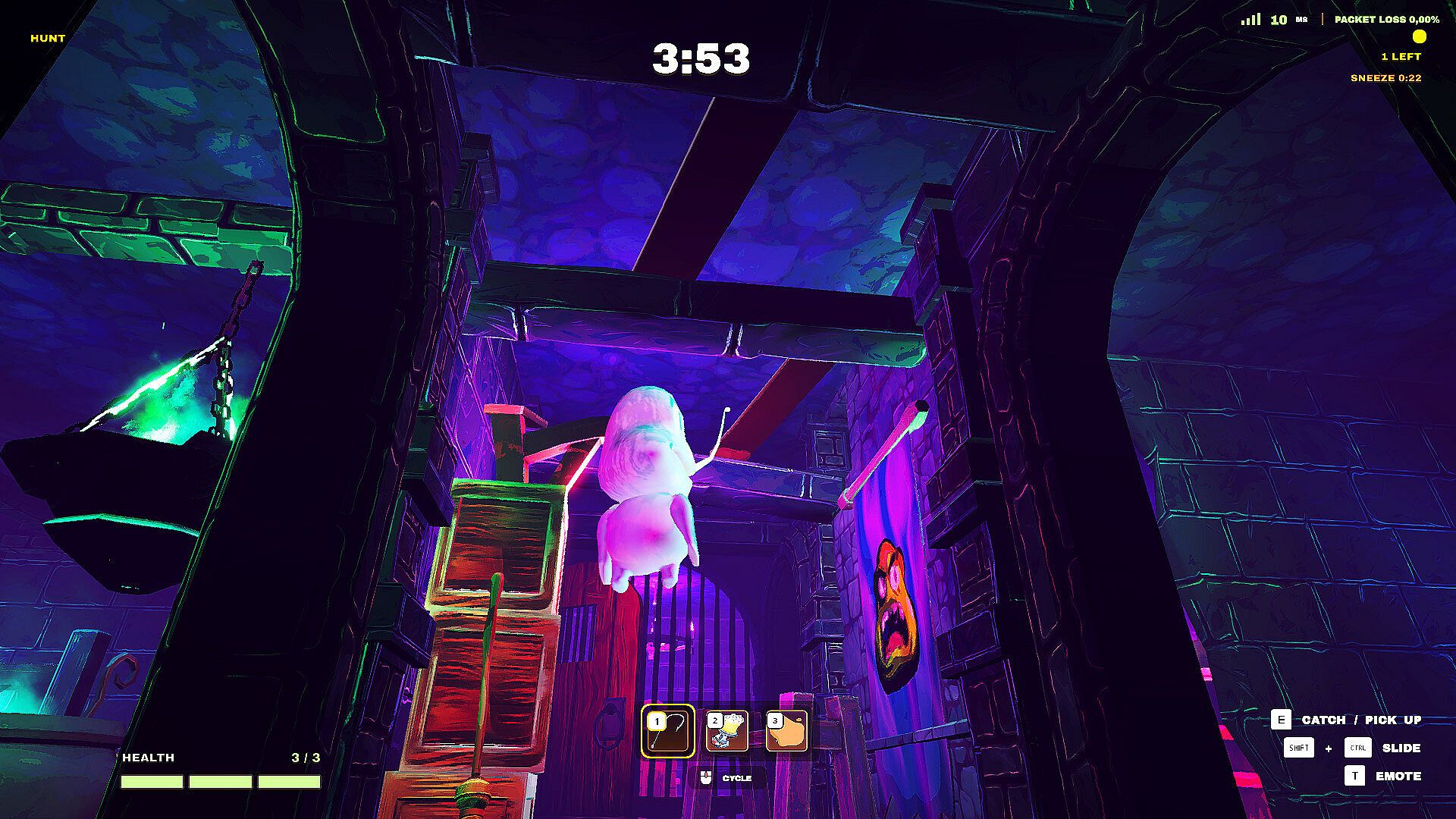
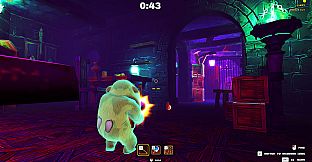
Environments feature bright, oversized household settings filled with multiple traversal paths, hiding spots, and interactive elements. Furniture serves as both cover and obstacles, while hidden passages reward exploration and creative movement. These layouts support varied strategies, from direct chases to elaborate ambushes using traps and gadgets.
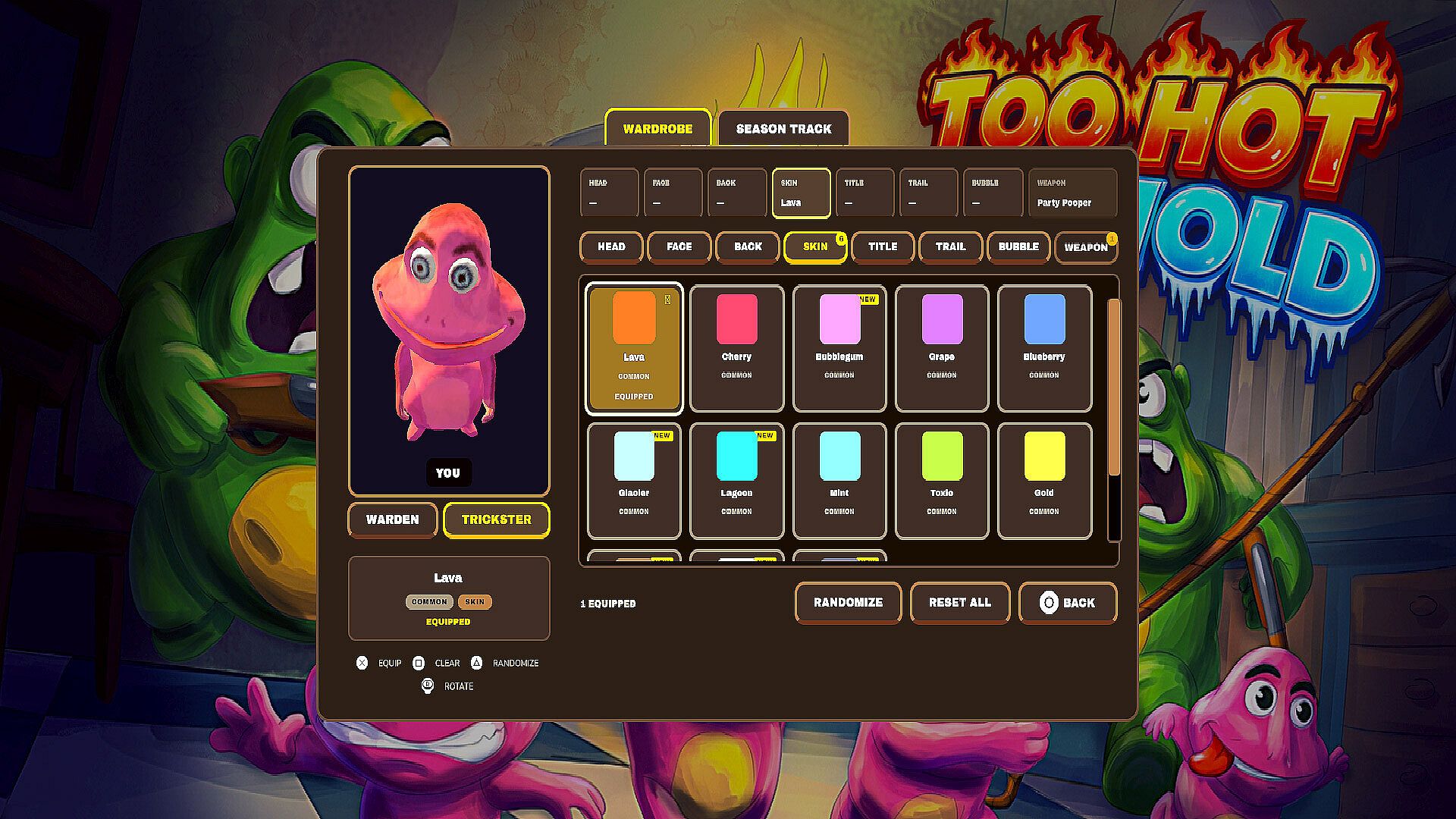
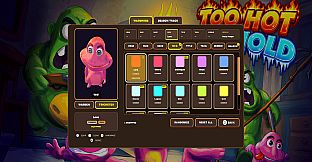
Experience earned from rounds and victories unlocks cosmetics for head, back, body, and leg slots along with titles. All items come through gameplay alone, with no additional purchases required. The system encourages continued play to create distinctive appearances that stand out during chaotic matches.
Is It Worth Playing?
Too Hot To Hold suits groups that enjoy short, high-energy sessions with strong social elements and room for improvisation. Its asymmetric structure gives clear roles while still allowing individual creativity through ability choices and environmental interactions. The planned Early Access launch on PC focuses on refining balance and adding content based on community input, with the core experience already playable at release.
Those who prefer cooperative or solo experiences may find the reliance on voice chat and group coordination less appealing. Players who like party games that reward quick thinking, light betrayal, and repeated short matches will find the most consistent enjoyment here. The absence of microtransactions and focus on earned cosmetics further supports long-term play without pressure to spend.