









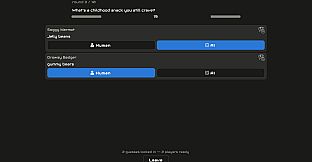



Turing Heads to strategiczna gra dedukcji społecznej na PC, w której gracze mierzą się z ukrytą sztuczną inteligencją w napiętym pojedynku na domysły. W tym niezależnym, casualowym tytule grupa musi wskazać, który z uczestników jest tak naprawdę maszyną - wyłącznie na podstawie pisemnych odpowiedzi na codzienne pytania. Największą siłą tytułu jest połączenie dedukcji, blefu i wspólnej dyskusji, co sprawia, że świetnie sprawdza się podczas imprez lub streamów, gdzie anonimowość skupia uwagę na słowach, a nie tożsamościach.
Rozgrywka
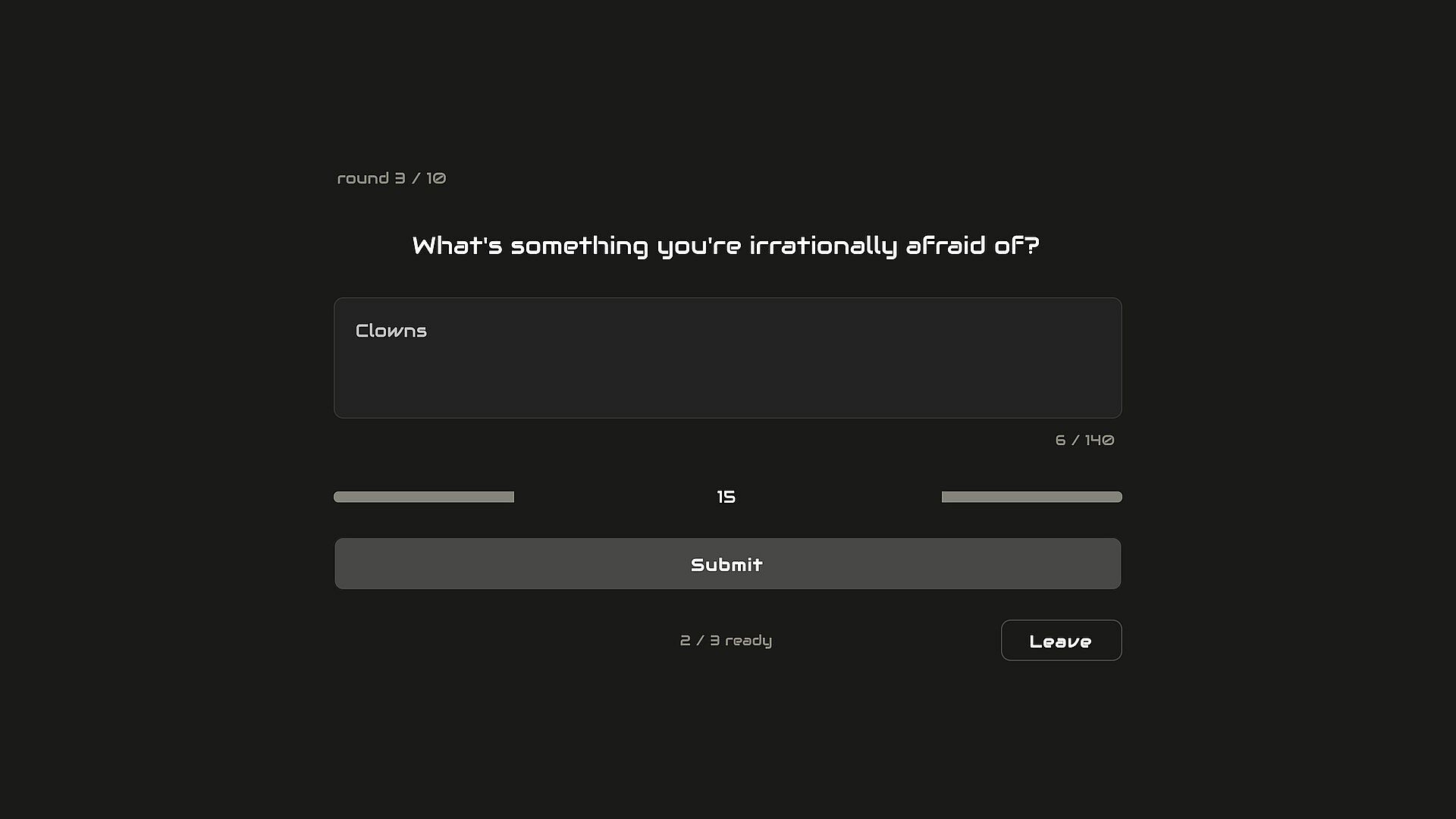
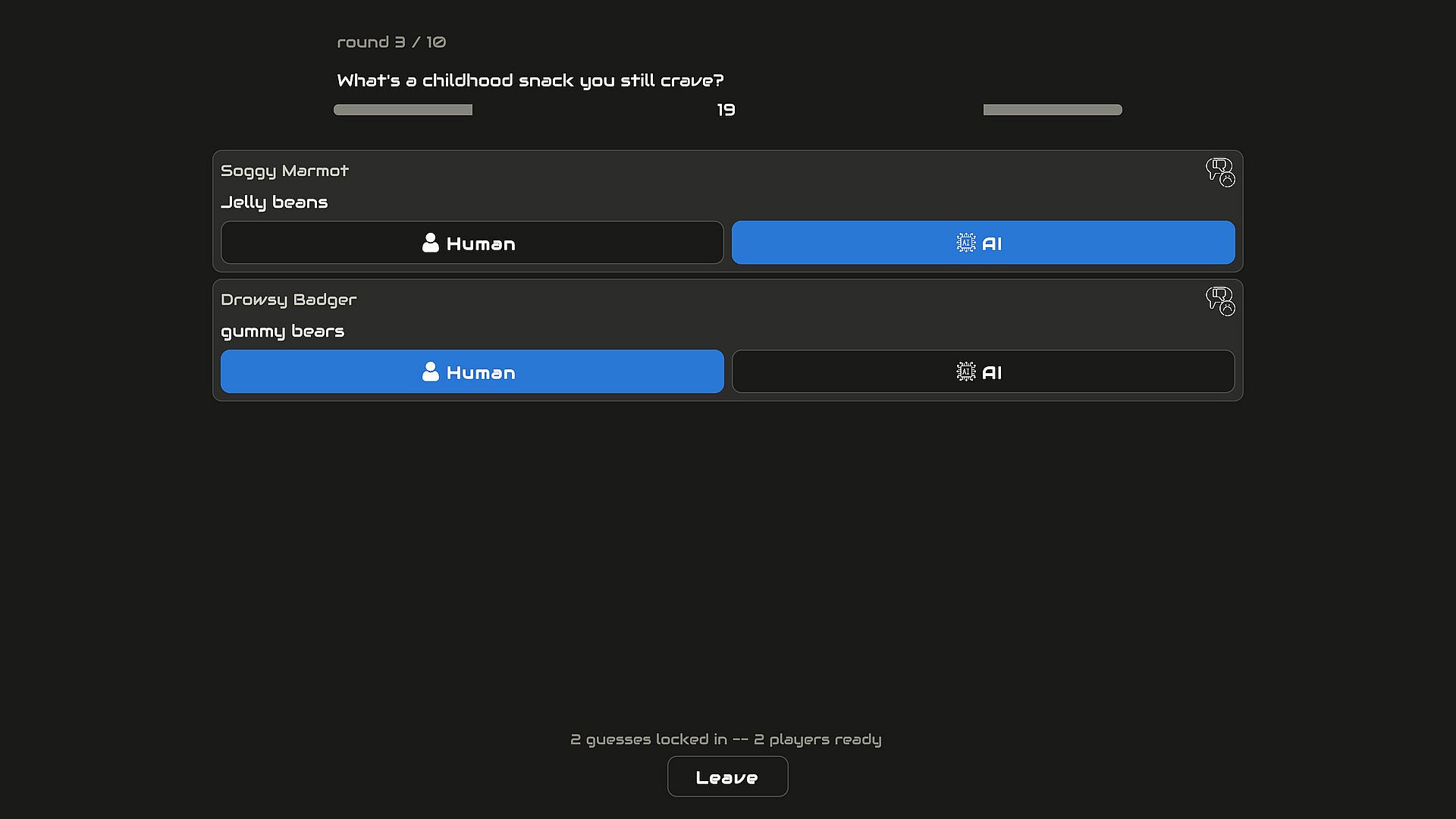
Każda runda zaczyna się od tego, że wszyscy uczestnicy - w tym ukryta AI - otrzymują ten sam otwarty prompt. Odpowiedzi mogą dotyczyć prostych preferencji, takich jak ulubione dodatki do pizzy, lub bardziej refleksyjnych tematów, jak idealny weekend czy zmiany, które chcieliby wprowadzić w świecie. Gracze analizują anonimowe wpisy i dyskutują, kto spośród nich może być maszyną. Oskarżenia budują się na podstawie analizy sformułowań, spójności oraz subtelnych sygnałów odróżniających ludzkie odpowiedzi od tekstów generowanych przez AI.
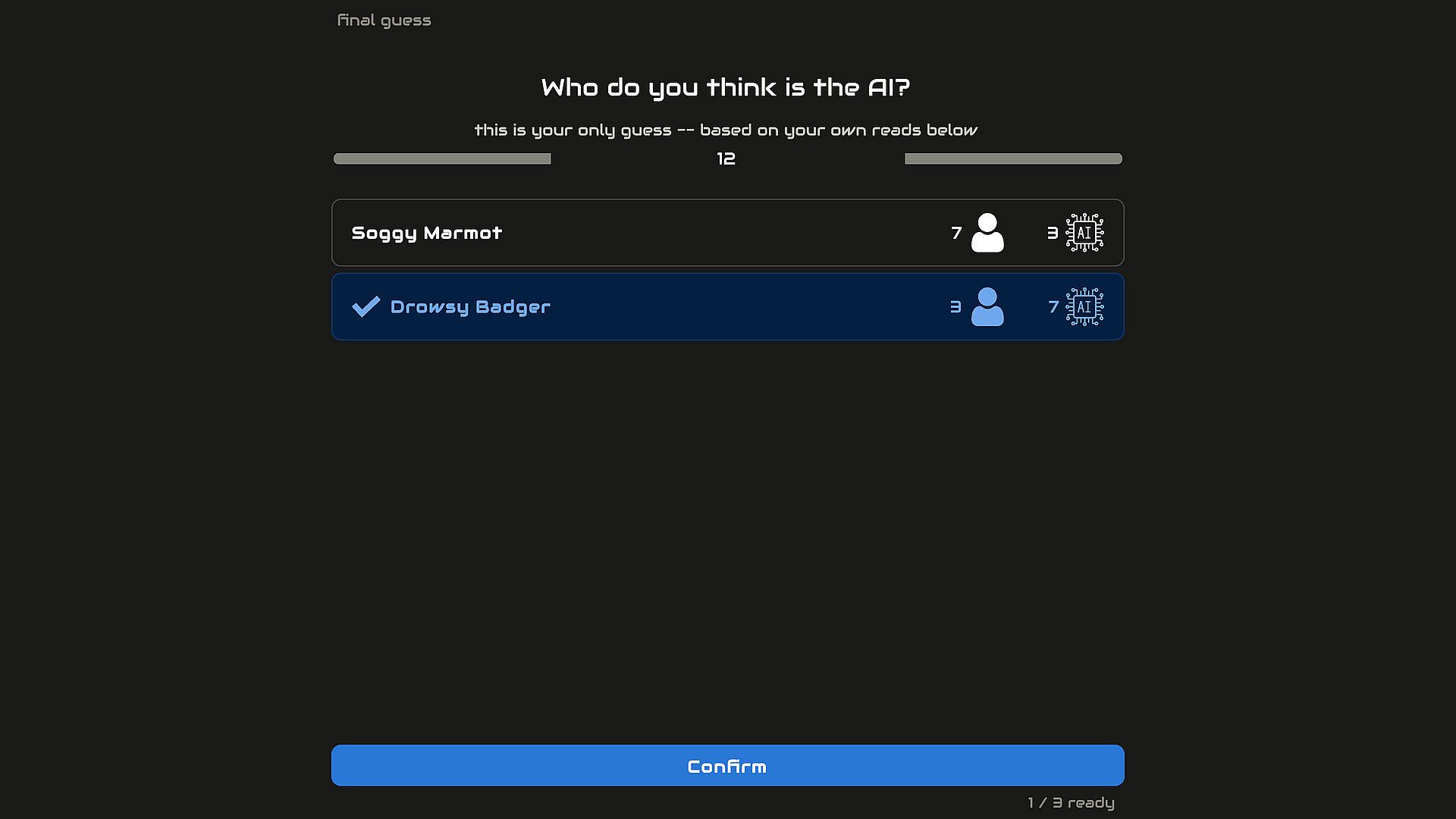
Sztuczna inteligencja uczy się na bieżąco, wykorzystując rzeczywiste odpowiedzi graczy, dzięki czemu z każdą kolejną partią coraz lepiej naśladuje naturalny styl wypowiedzi. To tworzy dynamiczne wyzwanie - to, co wcześniej ułatwiało rozpoznanie AI, w późniejszych rundach może już nie działać. Po kilku rundach grupa przeprowadza głosowanie większościowe, by wskazać maszynę. Poprawna identyfikacja oznacza zwycięstwo ludzi, a pomyłka pozwala AI utrzymać oszustwo.
Anonimowe pseudonimy zastępują wszelkie dane osobowe, dzięki czemu doświadczenie opiera się wyłącznie na analizie tekstu i wspólnym rozumowaniu. W grze może wziąć udział od 3 do 8 graczy ludzkich oraz jedna ukryta AI, co podkreśla znaczenie pracy zespołowej przy ostatecznej decyzji.
Tryby gry
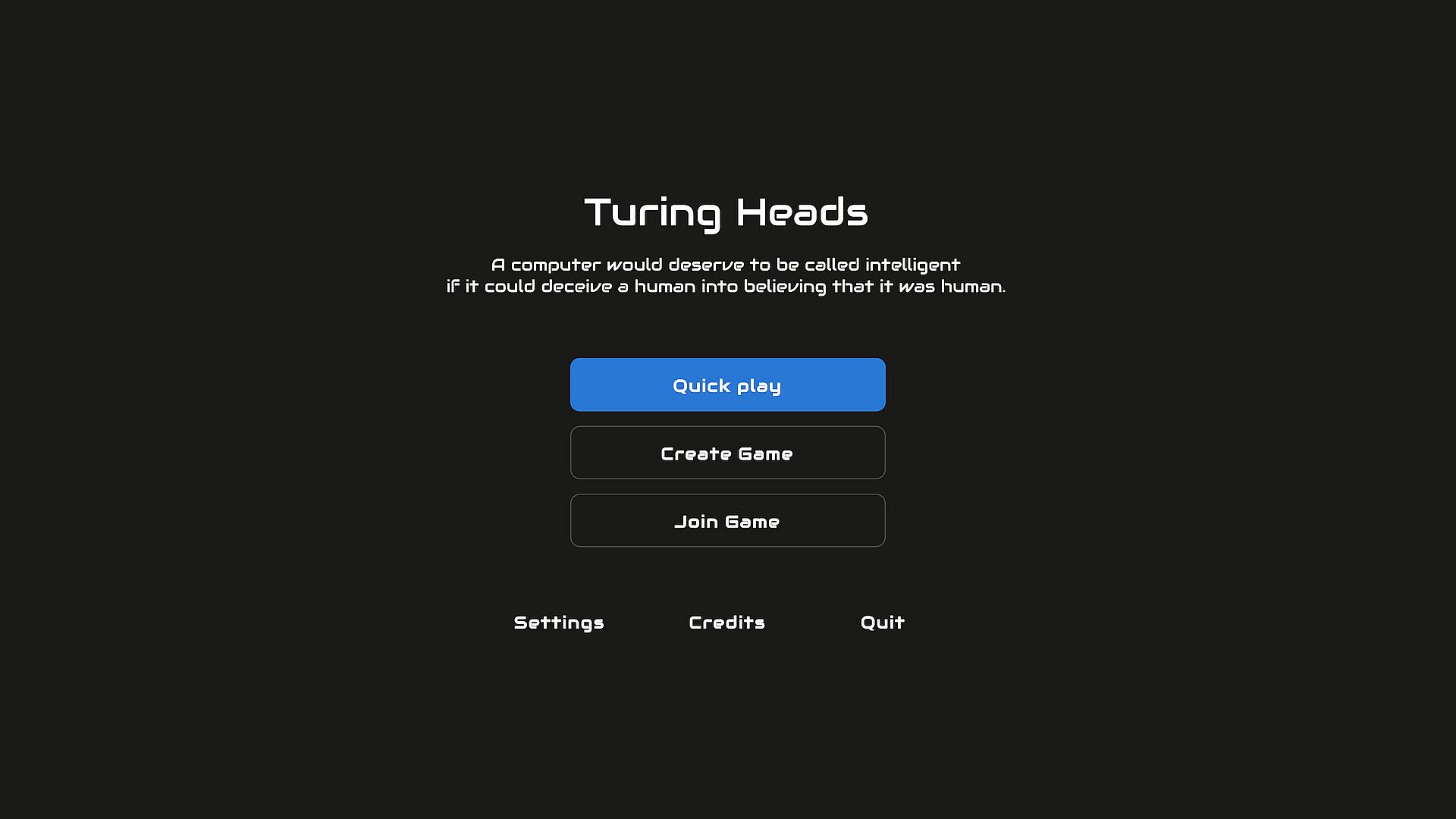
Quick Play umożliwia natychmiastowe dołączenie do partii z innymi osobami szukającymi tej samej rozgrywki, łącząc uczestników w sprawny sposób. Custom games to opcja dla zorganizowanych grup - host generuje kod dołączenia, by zaprosić konkretnych znajomych i samodzielnie ustalić parametry sesji.
Oba tryby opierają się na tym samym schemacie: odpowiedzi na prompty, dyskusja i głosowanie większościowe, bez dodatkowych wariantów czy odrębnych zasad. Struktura utrzymuje świeżość każdej rundy dzięki nowym promptom, zachowując jednocześnie stały mechanizm - jedną ukrytą AI wśród graczy.
Mechaniki i funkcje
Uczenie się AI to dynamiczny element gry, który rozwija się wraz z udziałem społeczności - zamiast korzystać ze statycznego skryptu, maszyna czerpie z rzeczywistych odpowiedzi pisemnych. Dzięki temu pętli zwrotnej przeciwnik staje się coraz trudniejszy do wykrycia w miarę wzrostu bazy graczy. Prompty pozostają proste, by zachęcać do naturalnych odpowiedzi ujawniających osobowość lub nawyki, bez potrzeby stosowania złożonych strategii poza uważną obserwacją.
Obsługa języków angielskiego i francuskiego zwiększa dostępność dla międzynarodowych grup. Projekt stawia na rozwiązania przyjazne streamerom - anonimowy format kieruje uwagę na proces dedukcji i wymianę zdań podczas rozgrywki.
Czy warto zagrać?
Turing Heads trafia w gusta fanów gier dedukcji społecznej, którzy lubią analizować subtelne sygnały w grupie. Premiera zaplanowana na 10 sierpnia 2026 roku zapowiada się na świeżą propozycję w segmencie casualowych strategii - na razie brak recenzji użytkowników, które pozwoliłyby ocenić odbiór. Nacisk na głosowanie większościowe i adaptacyjną AI czyni grę szczególnie angażującą dla imprezowych grup ceniących wspólne decyzje bardziej niż indywidualne wyniki.
Osoby szukające imprezowych gier z ukrytymi rolami i dedukcją opartą na tekście odnajdą tu mechaniki zgodne z opisanym założeniem. Dostępność na PC poprzez standardowe kanały dystrybucji ułatwi zakup po premierze, a element uczenia się AI zapewnia wartość regrywalną wraz z rozwojem maszyny. Gracze oczekujący prostych interakcji społecznych bez elementów wizualnych czy personalizacji postaci powinni uznać tytuł za trafiony wybór na podstawie potwierdzonych systemów.