




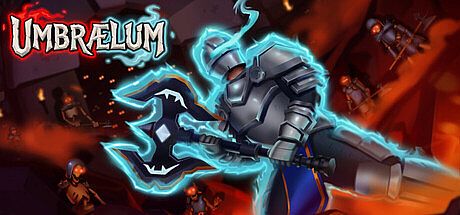


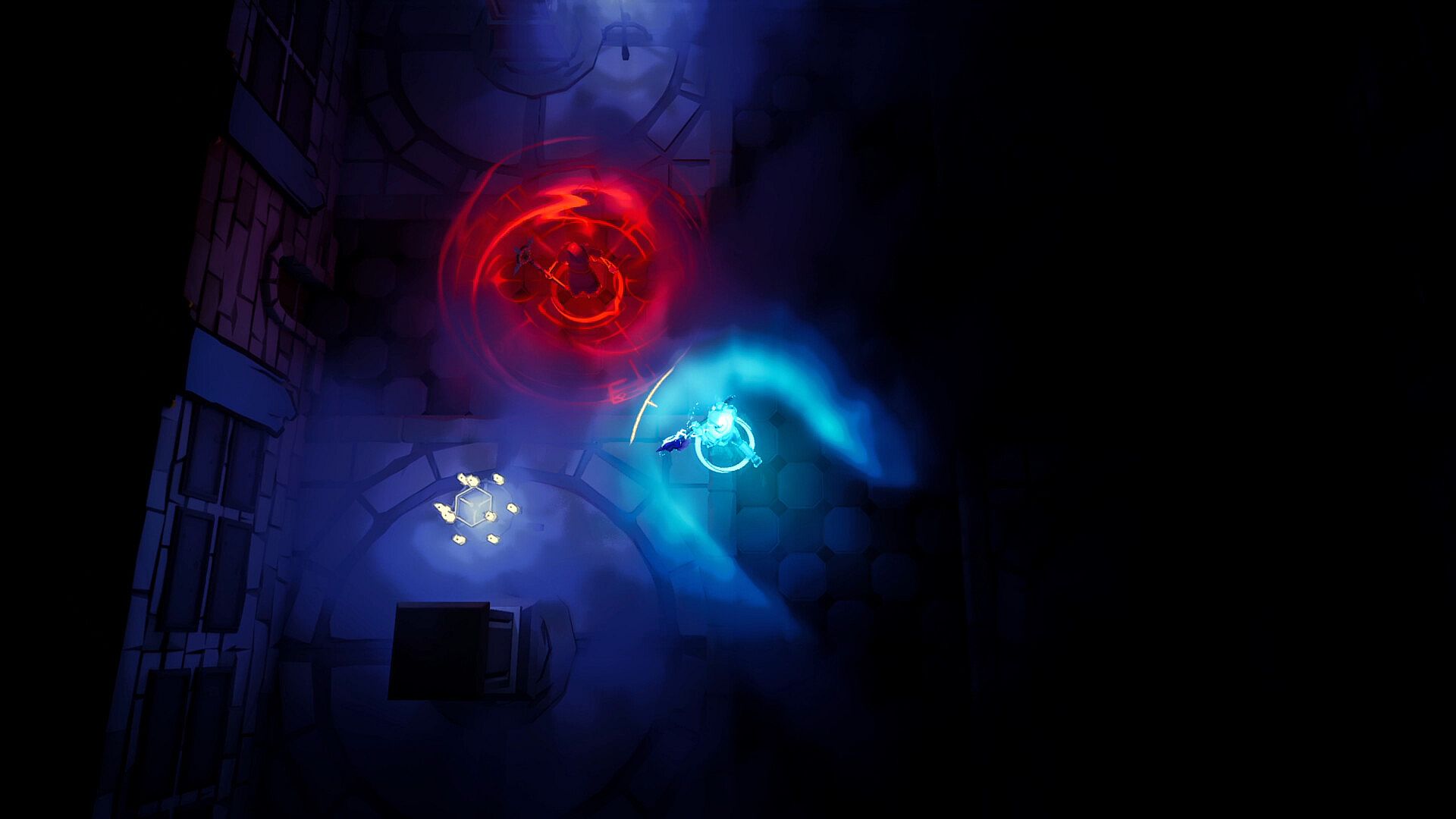
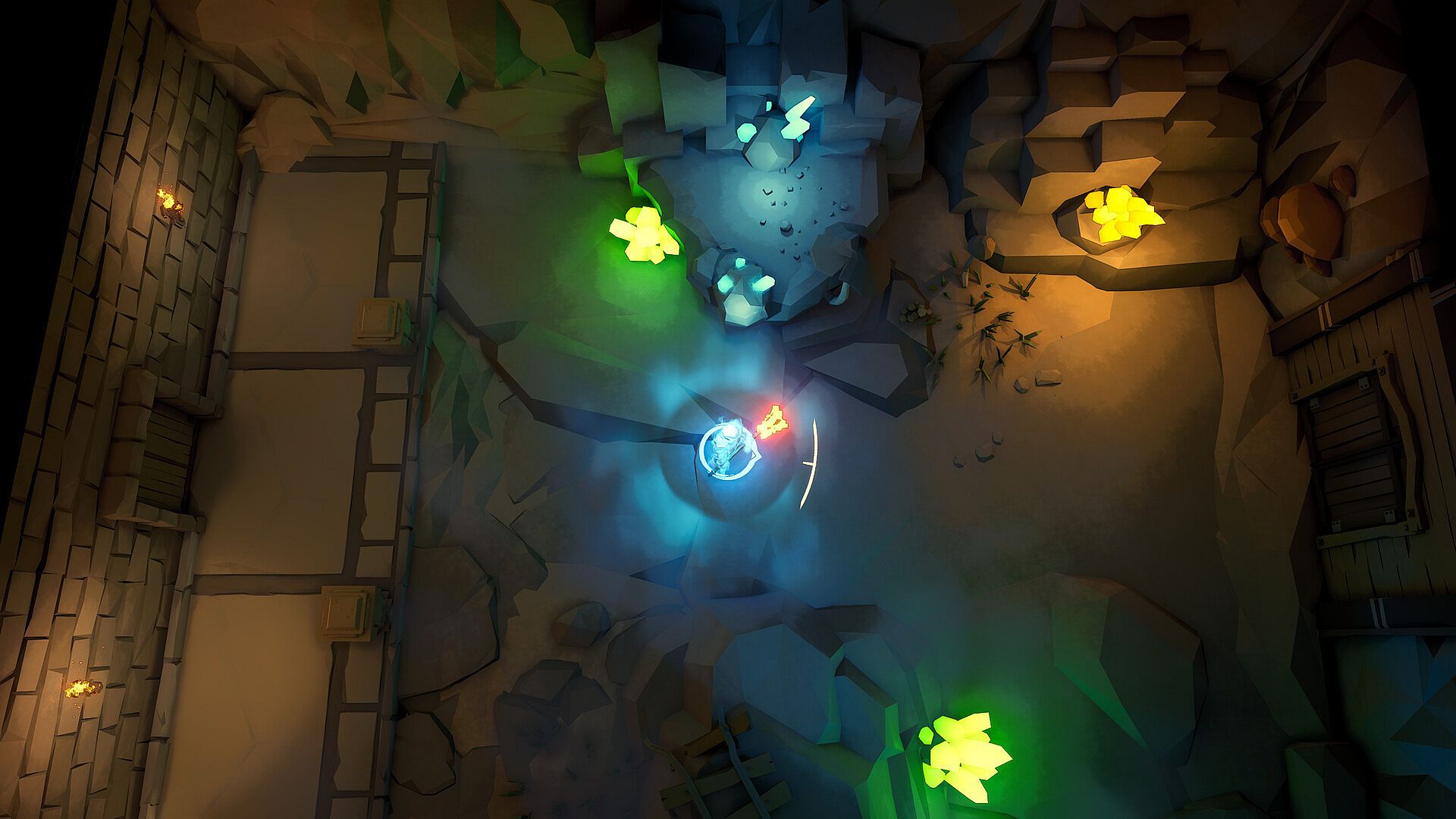
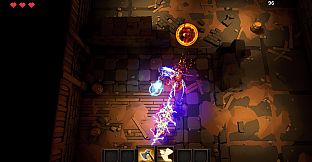
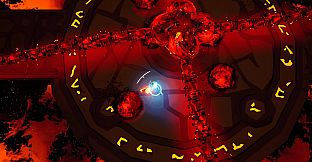
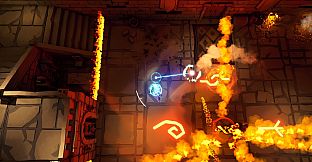
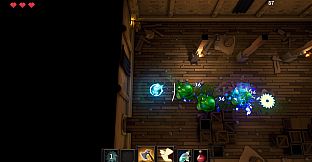
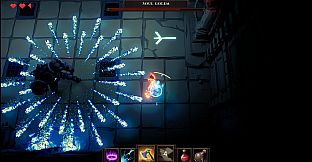
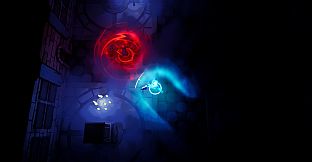
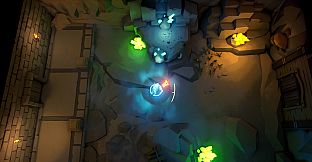
Umbraelum is an isometric action roguelite that blends physical combat with spectral abilities in a dark fantasy setting. Players control a fused human and specter entity, using strikes and magic to navigate procedurally varied levels while managing a growing risk of corruption.
Gameplay
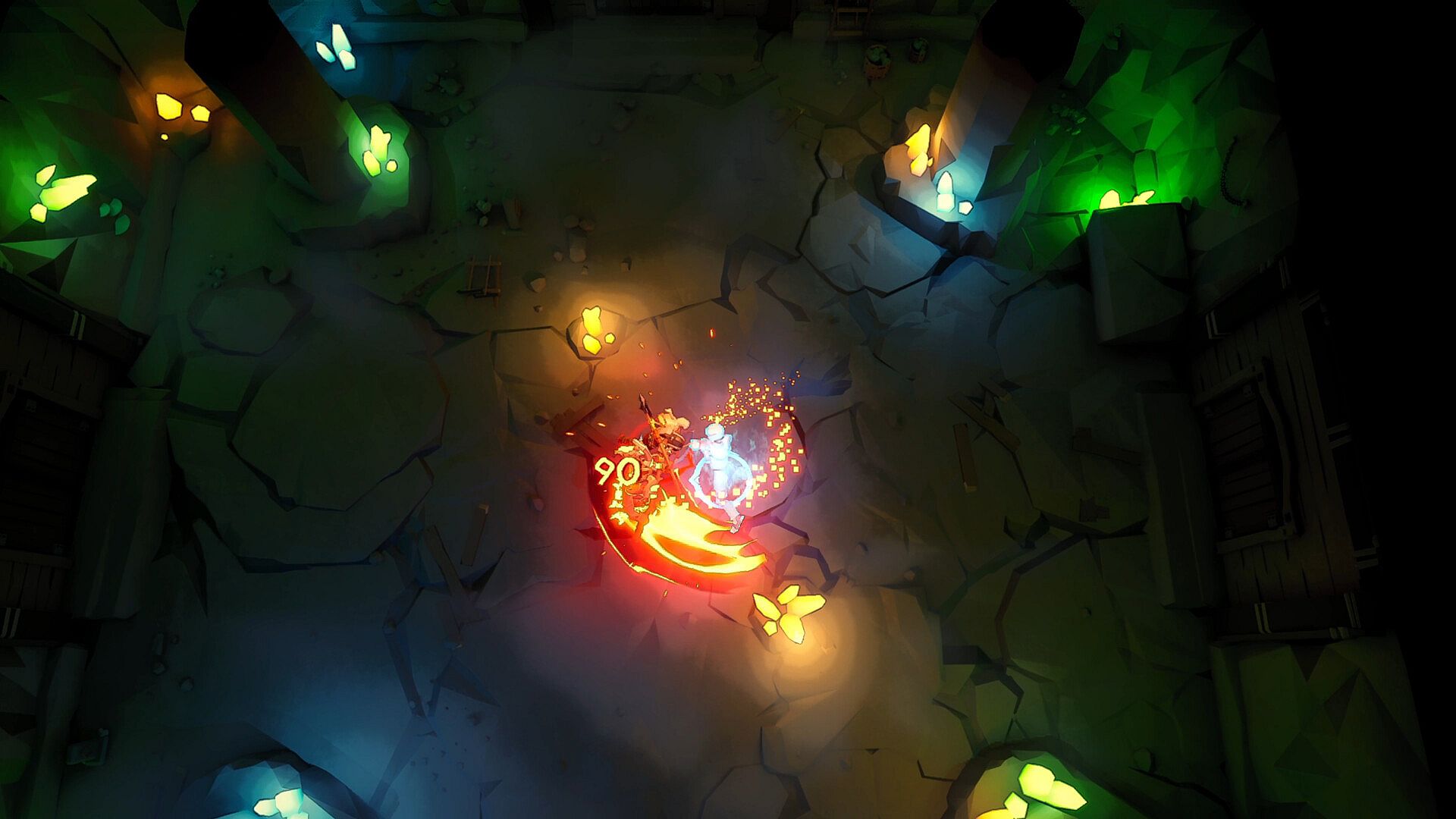
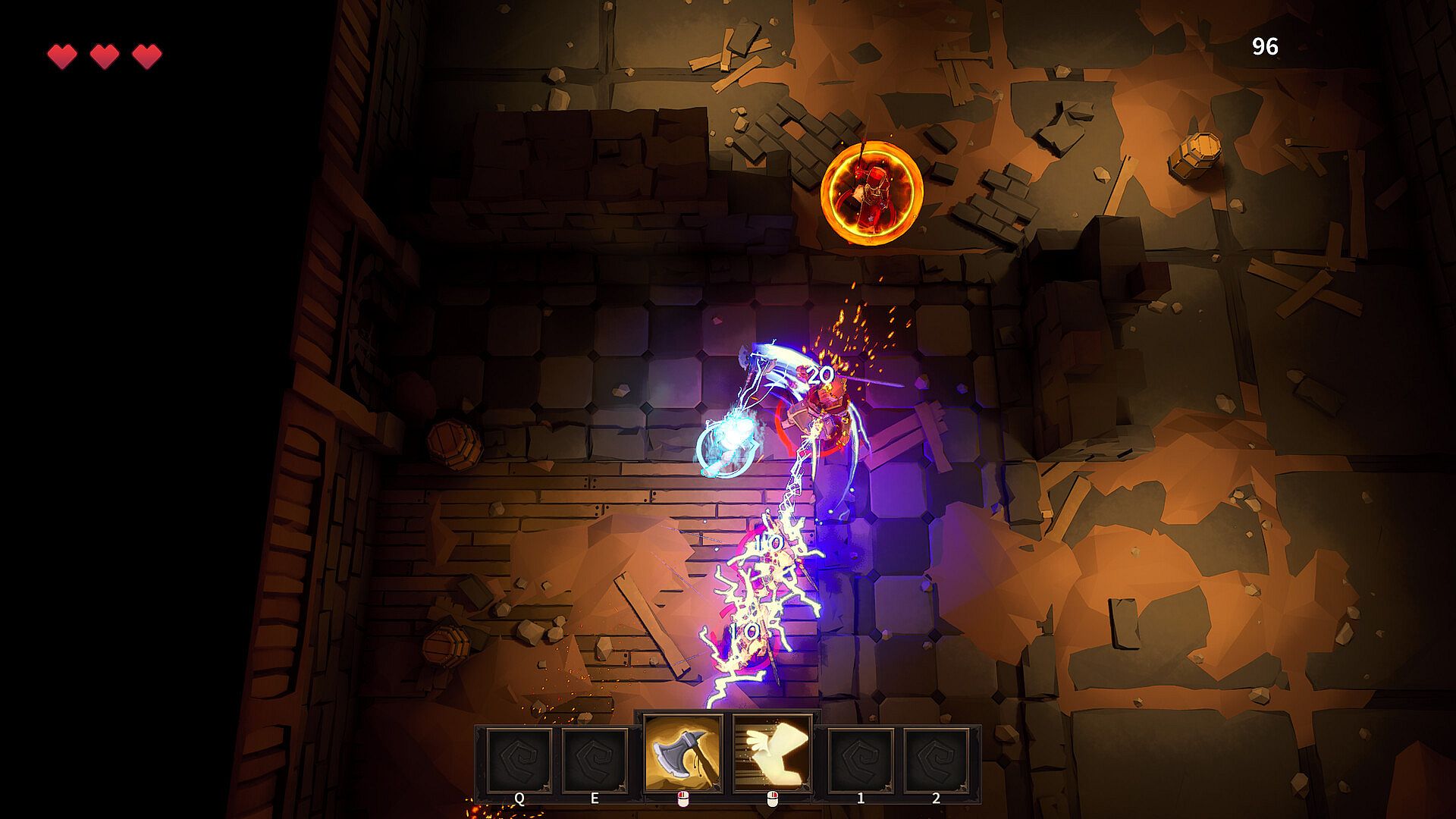
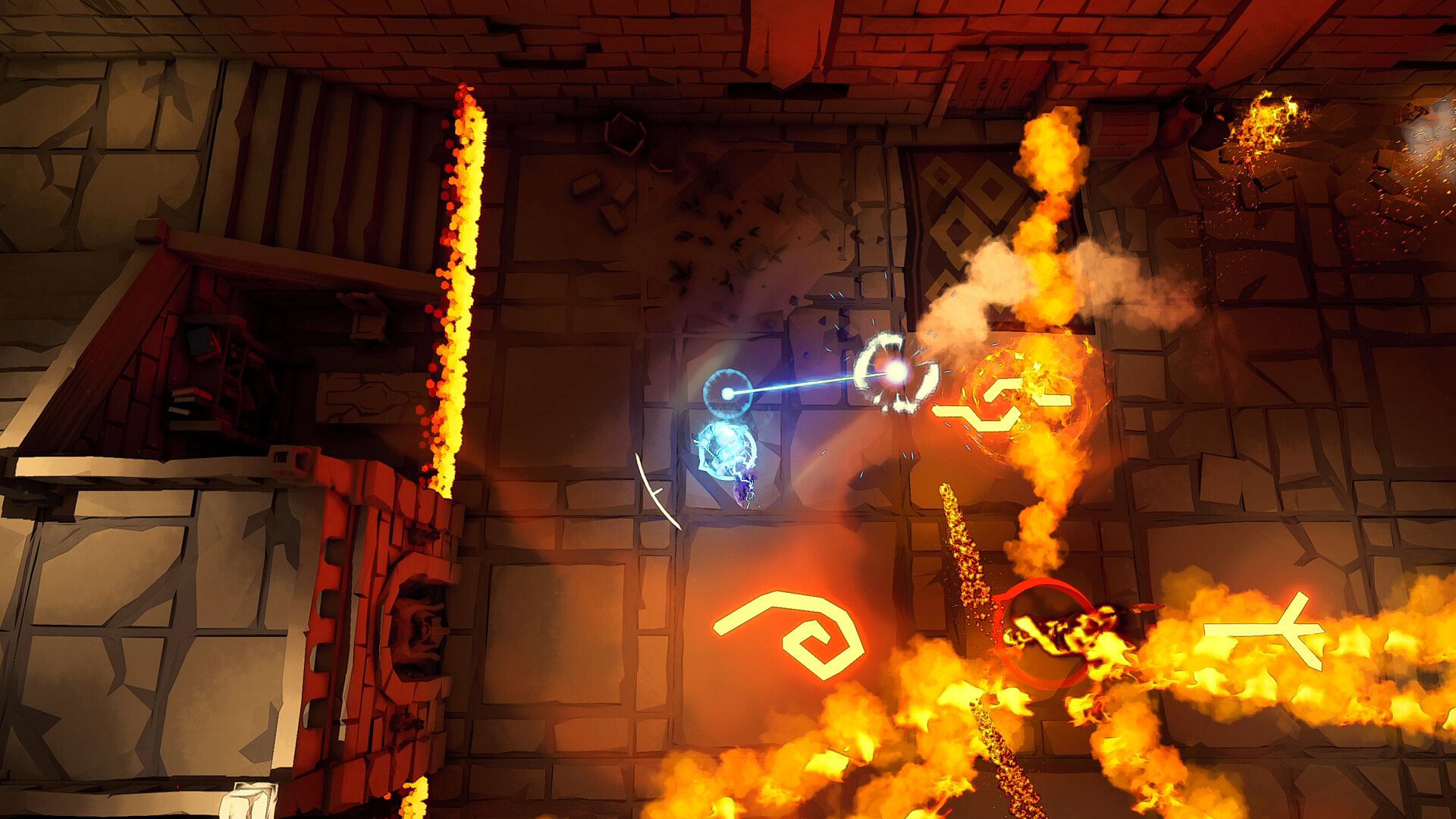
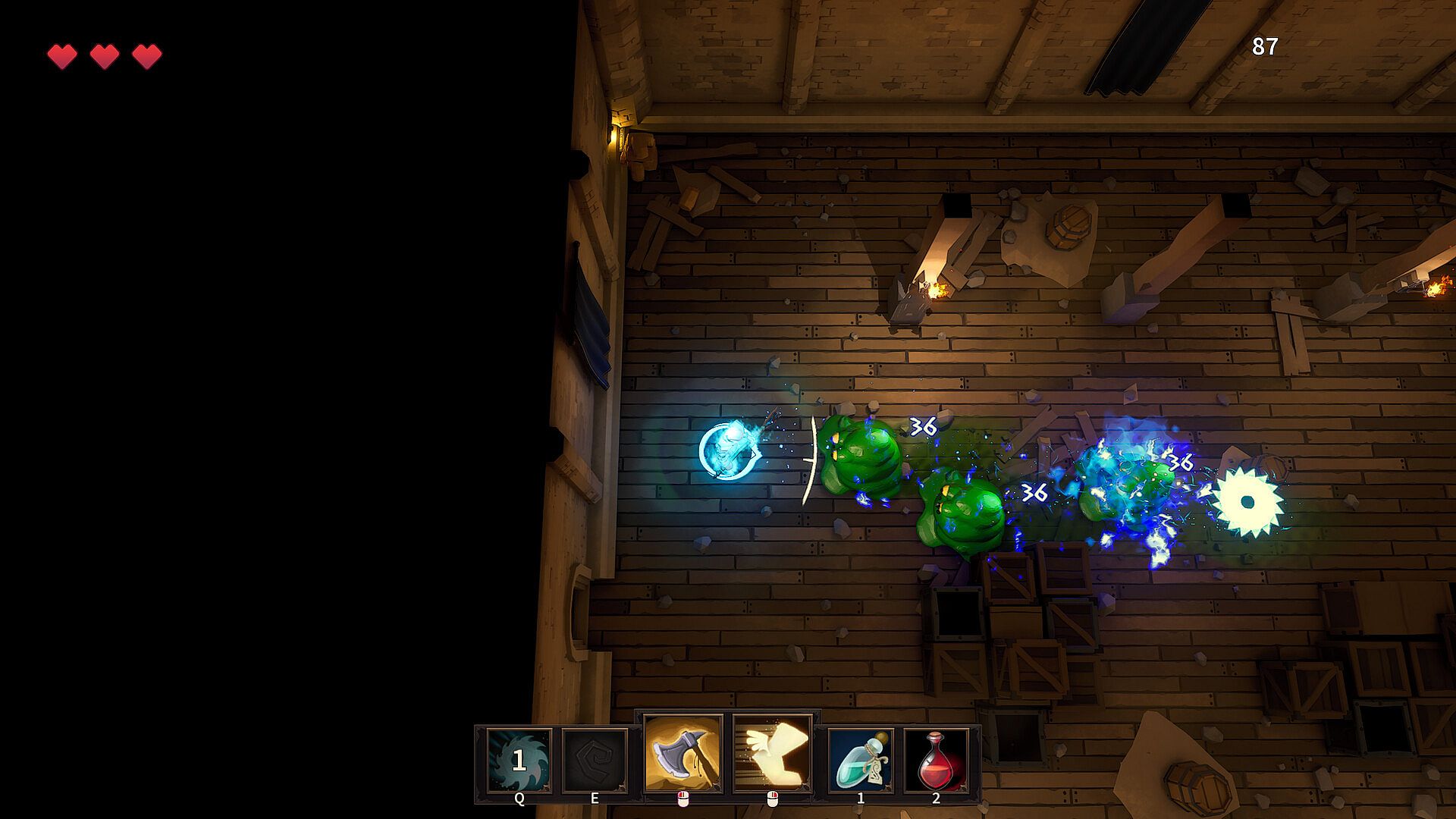
The core loop centers on chaining melee attacks, dodging threats, and layering spectral magic onto physical strikes. Movement and positioning matter in the top-down view, where enemies pressure the player through direct assaults and area effects. Each run encourages experimentation with different combinations of abilities drawn from the human and specter sides of the character.
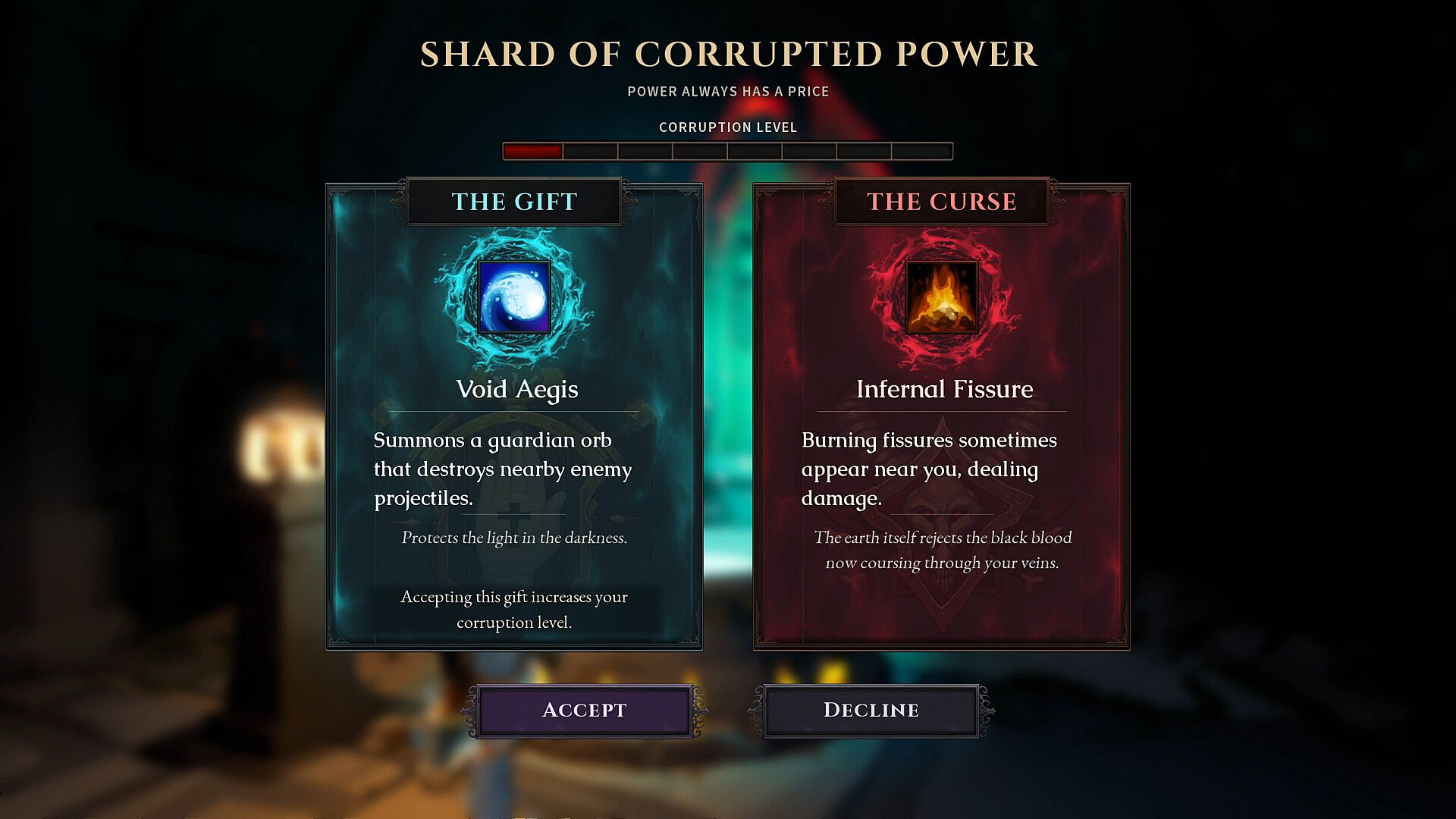
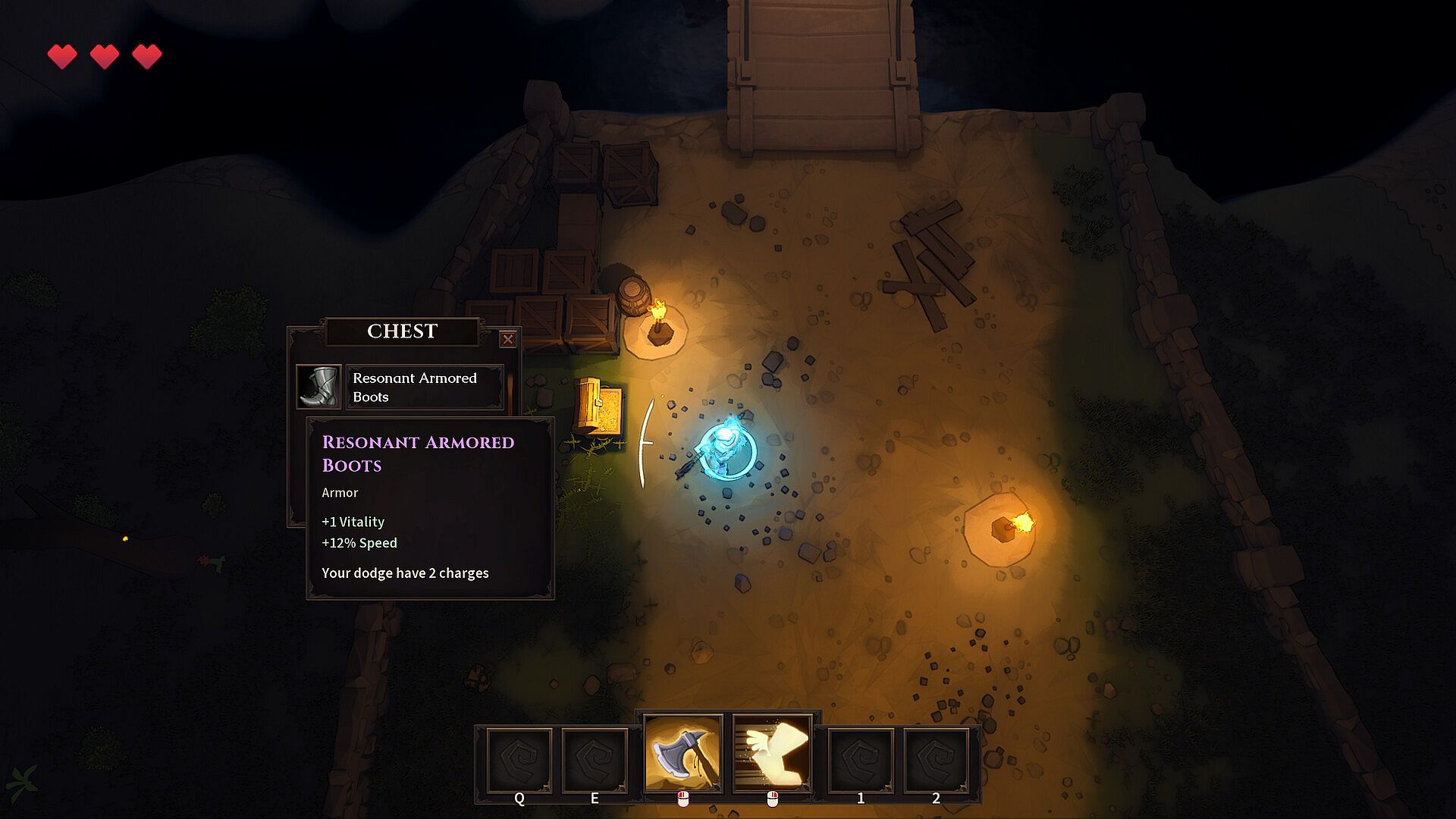
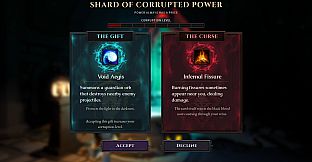
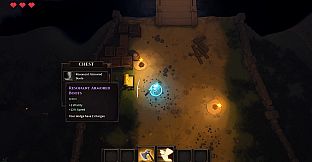
Corrupted power shards appear in every level. Early shards grant straightforward boosts without drawbacks, but additional ones introduce stacking negative effects that alter combat rules, such as changed enemy behavior or restricted player options. These effects intensify over time, pushing players to decide whether extra power justifies the mounting complications. Armor drops provide randomized stats and passive bonuses that reinforce the human aspect, while corruption strengthens spectral capabilities.
Artifacts add another layer. Up to two can be equipped per run, each with active abilities that interact with both the base moveset and any active corruption. Synergies emerge when artifact effects amplify corrupted mechanics or when armor passives support aggressive playstyles. Builds evolve run by run as loot and shards reshape available options.
Game Modes
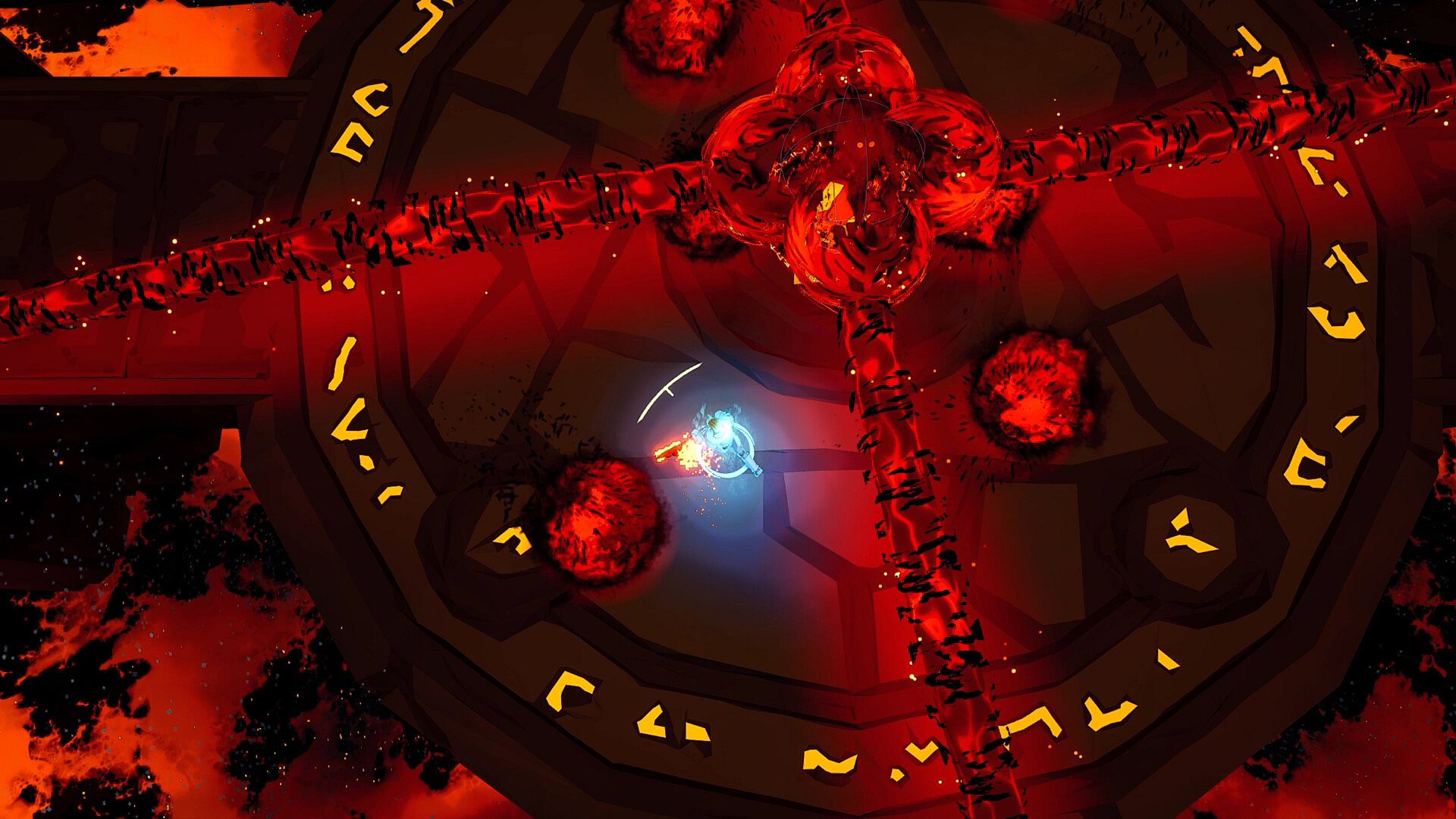
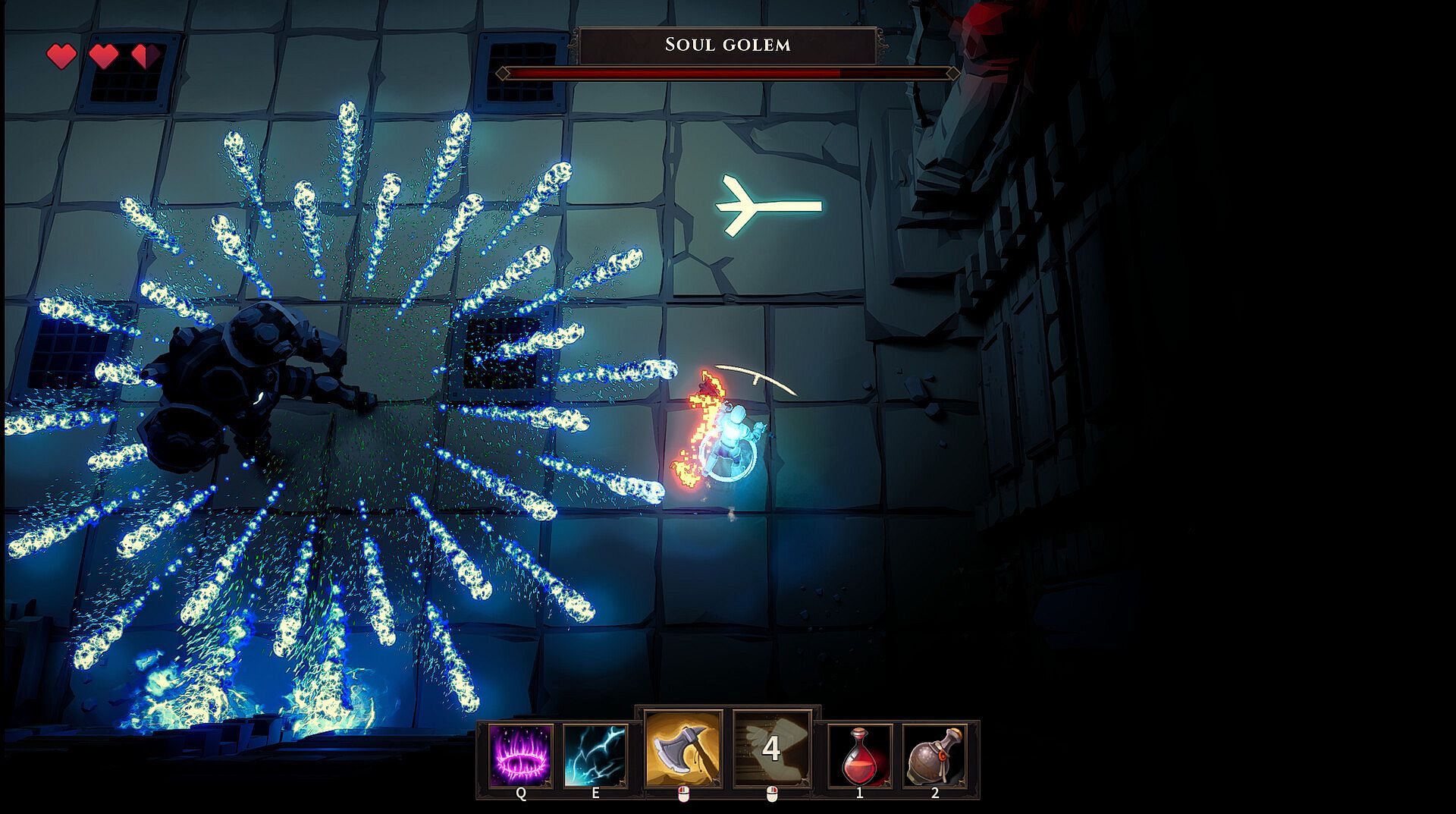
Umbraelum operates entirely through repeated runs in a single-player format. Each attempt generates new level layouts and item placements, requiring adaptation to whatever gear and shards appear. Progression focuses on reaching deeper stages, where bosses test the accumulated build and player skill with patterns that demand precise timing and ability use.
There are no separate competitive or cooperative modes. The experience stays centered on solo roguelite runs that grow more demanding as corruption accumulates and encounters scale in complexity. Players refine their approach across attempts by learning enemy behaviors and experimenting with different artifact and shard combinations.
Core Mechanics and Progression
Levels follow a linear structure within each run, culminating in a boss fight. Exploration branches appear through new paths that open based on the current build, rewarding players who adjust tactics on the fly. The corruption system serves as the main risk-reward driver, forcing constant evaluation of whether to accept another shard for short-term gains.
Loot collection emphasizes variety. Randomized armor pieces fill out defensive and utility options, while artifacts deliver targeted active powers. The interplay between these systems and the dual human-specter identity creates distinct playstyles that shift dramatically depending on which shards are taken.
Is It Worth Playing?
Umbraelum targets fans of isometric action roguelites who appreciate deliberate risk management and build experimentation. The corruption mechanic adds tension absent from many similar titles, turning every shard decision into a meaningful choice that affects the rest of the run. Those who enjoy adapting to changing rules and discovering synergies between limited artifacts and randomized gear will find the loop engaging.
Because the game remains unreleased with a planned 2027 launch and no player reviews available yet, any assessment rests on the described systems. Players drawn to dark fantasy themes and single-player roguelite structure with escalating difficulty should monitor its development for potential alignment with their preferences.











