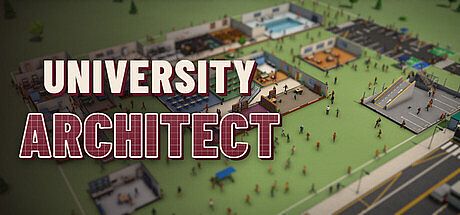















University Architect is a strategy and simulation game focused on building and operating a university campus from the ground up. Players handle every layer of development, from laying out buildings and facilities to shaping academic programs and overseeing the daily lives of students and staff. The experience emphasizes detailed planning and ongoing adjustments to balance financial needs against long-term reputation.
Gameplay
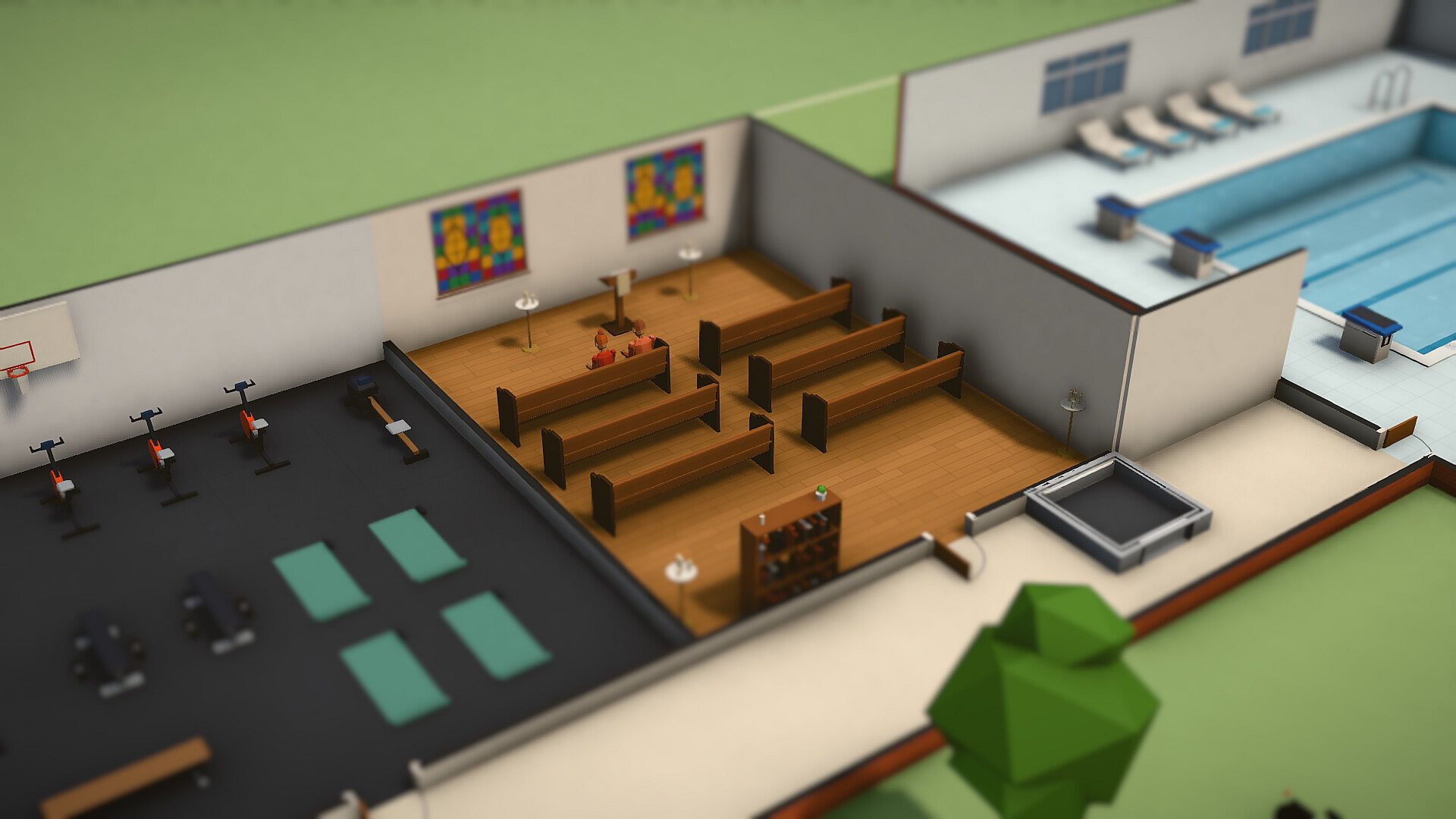
Construction forms the foundation of play. Players place rooms one by one, add floors, and furnish spaces to create classrooms, laboratories, libraries, cafeterias, gyms, pools, chapels, dormitories, parking areas, and additional structures. Each area receives custom layouts and equipment tailored to its purpose.
Academic design requires careful attention. Players create curricula or license existing ones, then assemble full programs ranging from certificates to doctorates. Guidance from an accreditation body shapes these offerings. Courses in fast-moving fields risk becoming outdated, requiring updates or complete redesigns. Professors contribute original materials, while textbooks provide supplementary options.
Simulation of individuals adds depth. Every student carries a personal history with the university, including activity logs, course records, program details, grades, needs, and club involvement. Students pursue hobbies and must meet basic requirements; failure leads to reduced motivation and attendance issues. Faculty and staff have their own demands, including pushes for tenure and influence over projects.
Campus operations extend to transportation and security. Students arrive by foot, bicycle, taxi, car, or bus, so infrastructure must support all options. A custom transit network can ease congestion. On-campus dorms foster community when amenities keep residents satisfied. A dedicated safety department with officers and patrol routes helps deter incidents and maintain a secure environment.
Game Modes
The core experience centers on open-ended campus management without separate named modes. Players progress through layered systems that combine building, curriculum planning, and people management in a single continuous session. Decisions about expansion, program focus, and resource allocation shape the university over time, with no distinct campaign or competitive variants detailed in available information.
Building and Managing the Campus
Expansion happens incrementally. Early efforts concentrate on essential teaching spaces, while later stages incorporate recreational and support facilities. Stacking floors and arranging layouts allow for efficient use of space, and players can revise earlier constructions as needs evolve. Infrastructure choices, such as transit routes and housing options, directly influence student flow and satisfaction.
Staff and student dynamics require ongoing oversight. Meeting employment demands keeps faculty engaged, while addressing student needs prevents drops in participation. These elements interact with academic offerings, as motivated students perform better and contribute to overall reputation.
Is It Worth Playing?
University Architect suits players who enjoy intricate management simulations with strong emphasis on construction and simulation systems. The depth in facility design, course development, and individual tracking provides substantial engagement for those interested in long-term strategy and campus oversight. Without confirmed player ratings or update history, the recommendation rests on the detailed mechanics described: it appeals most to fans of thorough building and operational decision-making rather than action-oriented or multiplayer experiences.