










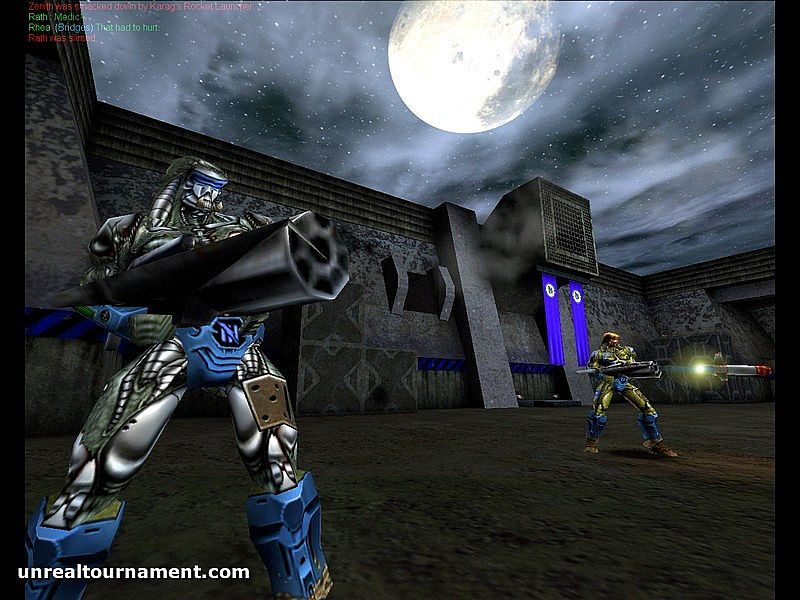
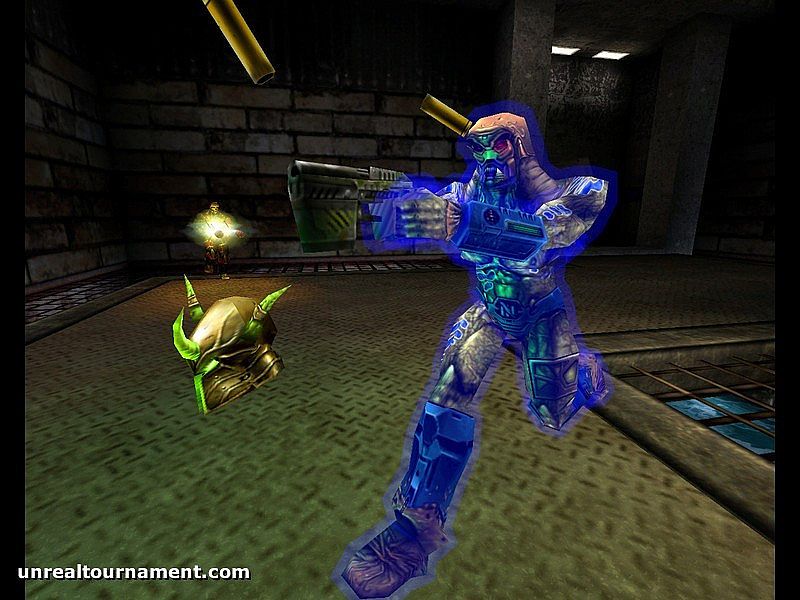
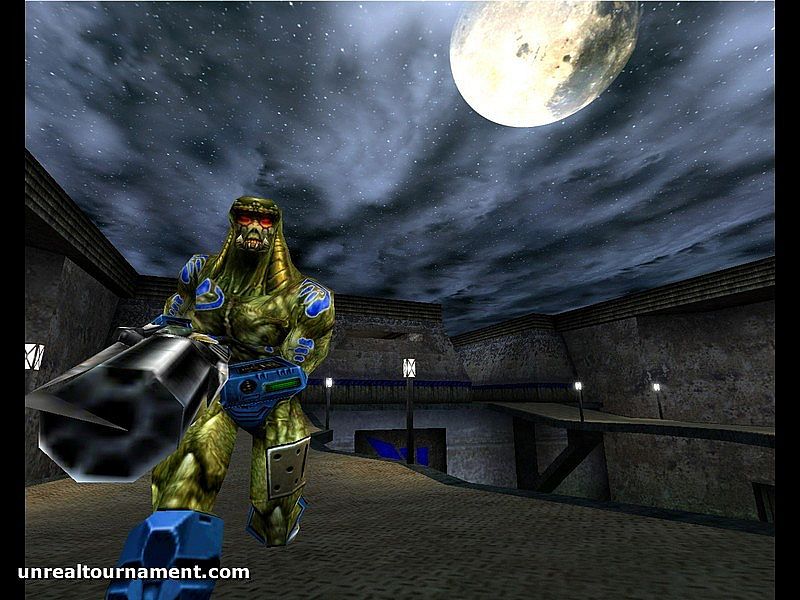
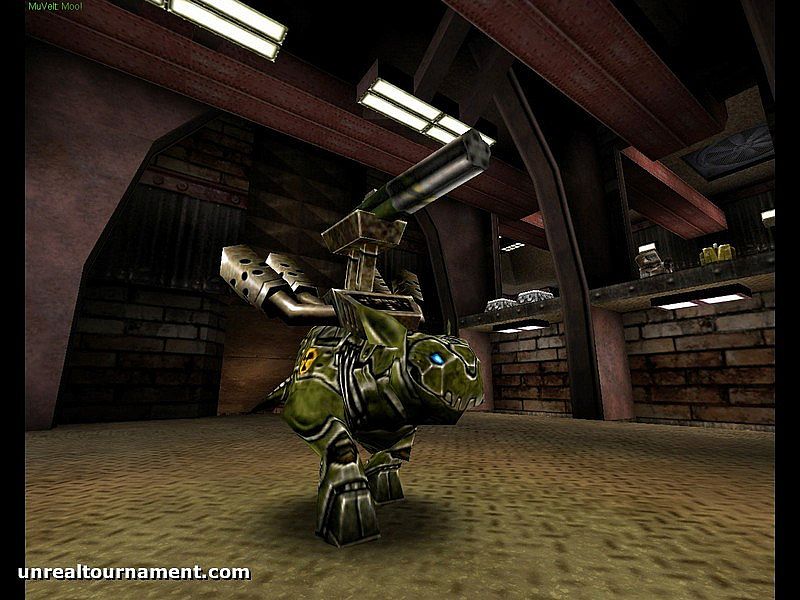
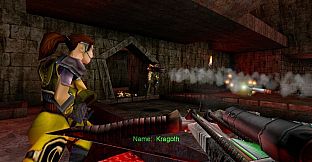
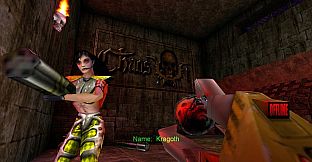
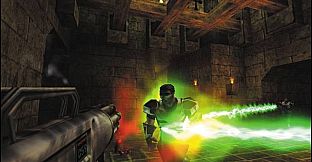
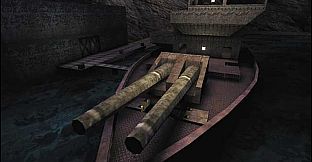
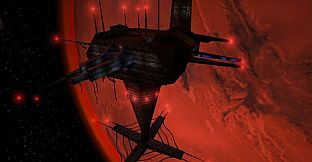
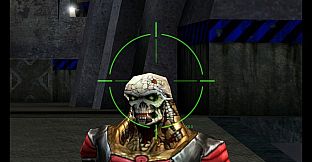
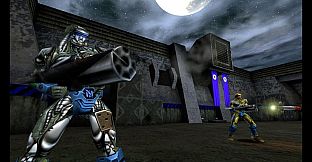
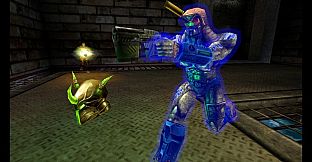
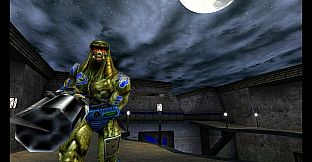
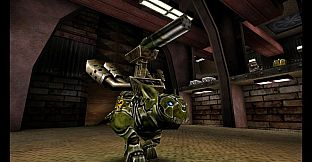
Unreal Tournament: Game of the Year Edition to strzelanka z 1999 roku, w której liczy się przede wszystkim szybka walka na arenach i rywalizacja w trybie multiplayer. Gracze wcielają się w uzbrojonych zawodników i poruszają się po zamkniętych mapach pełnych broni, power-upów i pułapek środowiskowych, starając się eliminować przeciwników lub realizować cele drużynowe przed upływem czasu. Podstawą rozgrywki jest poruszanie się, celowanie i zarządzanie zasobami, a mecze można toczyć zarówno z innymi graczami, jak i z botami o regulowanym poziomie trudności i agresji.
Rozgrywka
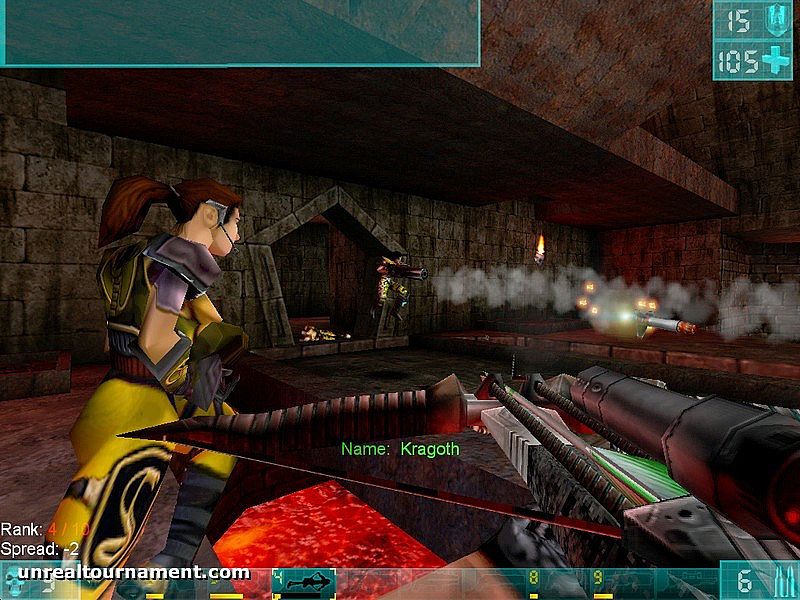
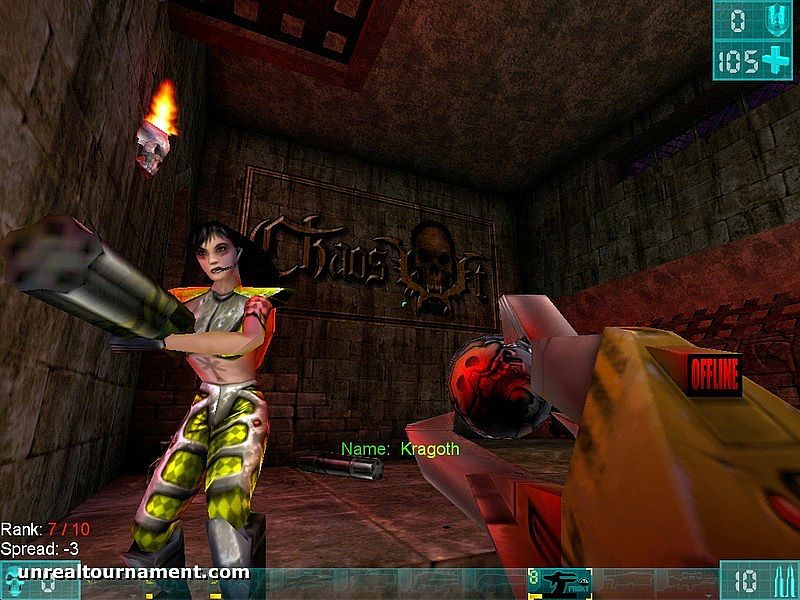
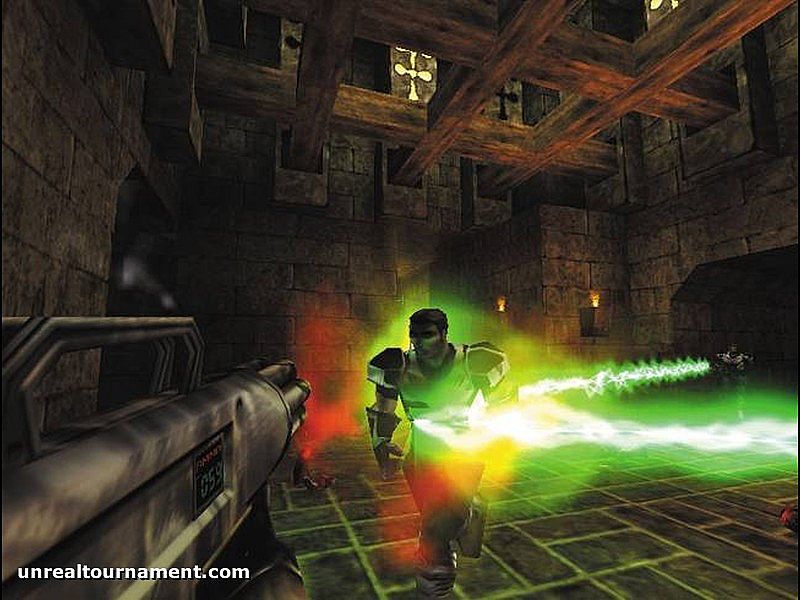
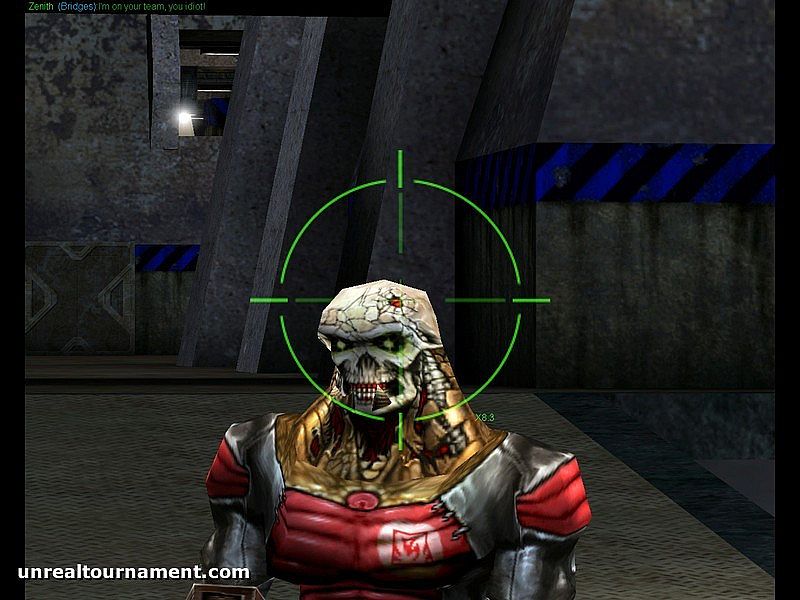
System sterowania zapewnia precyzyjne i responsywne ruchy, idealnie dopasowane do starć w stylu arenowym. W arsenale znajdują się m.in. młot udarowy do walki wręcz, pistolet Enforcer, karabin bio GES do kontroli obszaru oraz karabin ASMD, pozwalający na precyzyjne strzały i efektowne kombinacje. Na mapach rozsiane są pancerze, apteczki i amunicja, a gracze muszą sprawnie poruszać się zarówno w pionie, jak i w ciasnych korytarzach. Boty wyróżniają się dobrą nawigacją i taktycznym myśleniem - potrafią unikać ataków, skakać i koordynować działania. Dostępne poziomy trudności pozwalają początkującym zmierzyć się ze słabszymi przeciwnikami, podczas gdy wyższe ustawienia zwiększają ich szybkość, obrażenia i zdolność uników. Komendy głosowe ułatwiają koordynację drużynową, a tryb widza umożliwia obserwowanie meczu z różnych perspektyw. Interfejs HUD dostosowuje się do każdego trybu, wyświetlając najważniejsze informacje bez zbędnego bałaganu.
Tryby gry
Do dyspozycji graczy oddano kilka zróżnicowanych trybów. W Deathmatchu każdy walczy ze wszystkimi o jak największą liczbę fragów. Capture the Flag dzieli uczestników na dwie drużyny, które muszą przechwycić flagę przeciwnika i dostarczyć ją do własnej bazy. W Domination trzeba przejąć i utrzymać punkty kontrolne na mapie, zdobywając punkty w czasie. Assault to tryb asymetryczny, w którym jedna drużyna atakuje kolejne cele, a druga je broni - po każdej rundzie role się zmieniają. W trybie dla jednego gracza dostępna jest drabinka turniejowa, w której kolejne mapy i tryby odblokowują się wraz z kolejnymi zwycięstwami. Dodatkowo można rozgrywać mecze wyłącznie z botami lub dostosowywać zasady serwerów online.
Tryb dla jednego gracza
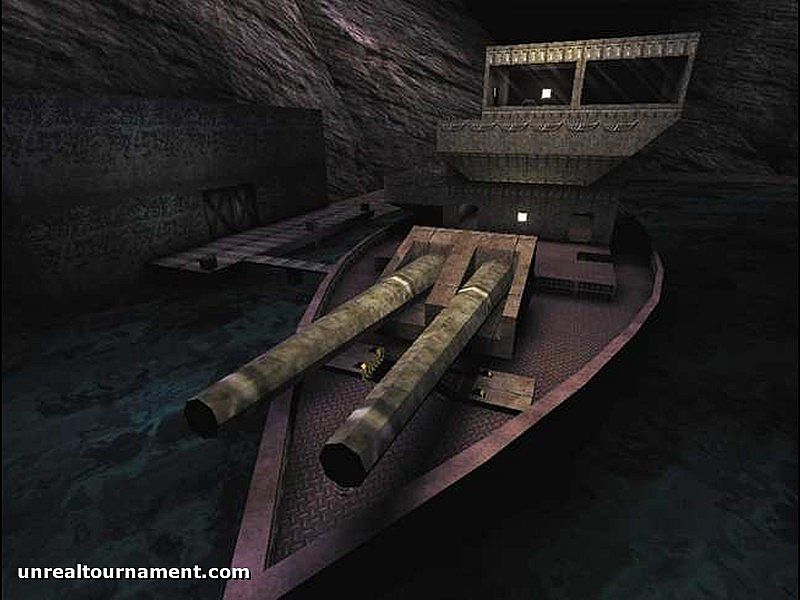
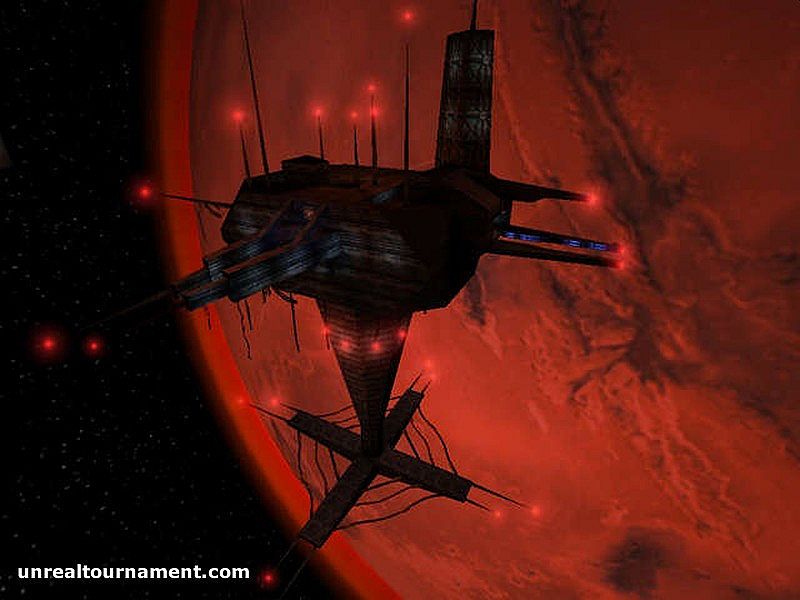
Wersja offline skupia się na strukturze turniejowej - gracz wspina się po rankingach w poszczególnych trybach, a wszystkie miejsca w drużynach przeciwnych zajmują boty o rosnącym poziomie umiejętności. Mapy różnią się układem - od industrialnych kompleksów po otwarte areny - co wymusza zmianę taktyki w zależności od otoczenia. System nagradza regularne postępy, a tryb treningowy pozwala dowolnie wybierać mapy i tryby w celu doskonalenia umiejętności. Zaawansowana sztuczna inteligencja botów sprawia, że samotna gra zachowuje napięcie porównywalne z meczami przeciwko ludziom.
Tryb multiplayer i funkcje online
Do gier online służy wbudowana przeglądarka serwerów, sortująca je według pingu, liczby graczy i obowiązujących zasad. Obsługa sieci lokalnej umożliwia bezpośrednie połączenia dla mniejszych grup. Administratorzy serwerów mogą korzystać z opcji wiersza poleceń, by dostosować limity czasu, cele punktowe czy liczbę botów. Gra skupia się wyłącznie na walce, bez przerywników fabularnych, dzięki czemu kolejne rundy następują po sobie w szybkim tempie.
Czy warto zagrać?
Edycja Game of the Year Edition przypadnie do gustu osobom, które cenią bezpośrednią, opartą na umiejętnościach strzelankę, a nie fabularne kampanie. System botów zapewnia solidnych przeciwników do samotnej gry, a różnorodność trybów pozwala zarówno na szybkie deathmatche, jak i dłuższe, zespołowe starcia. Tytuł działa na współczesnych komputerach dzięki oryginalnej wersji i łatkom społecznościowym, zachowując pierwotne mapy i mechaniki. Fani klasycznych arenowych shooterów nadal znajdą tu satysfakcjonujący ruch, odczucie broni i strukturę rywalizacji, które po latach pozostają wciągające.