


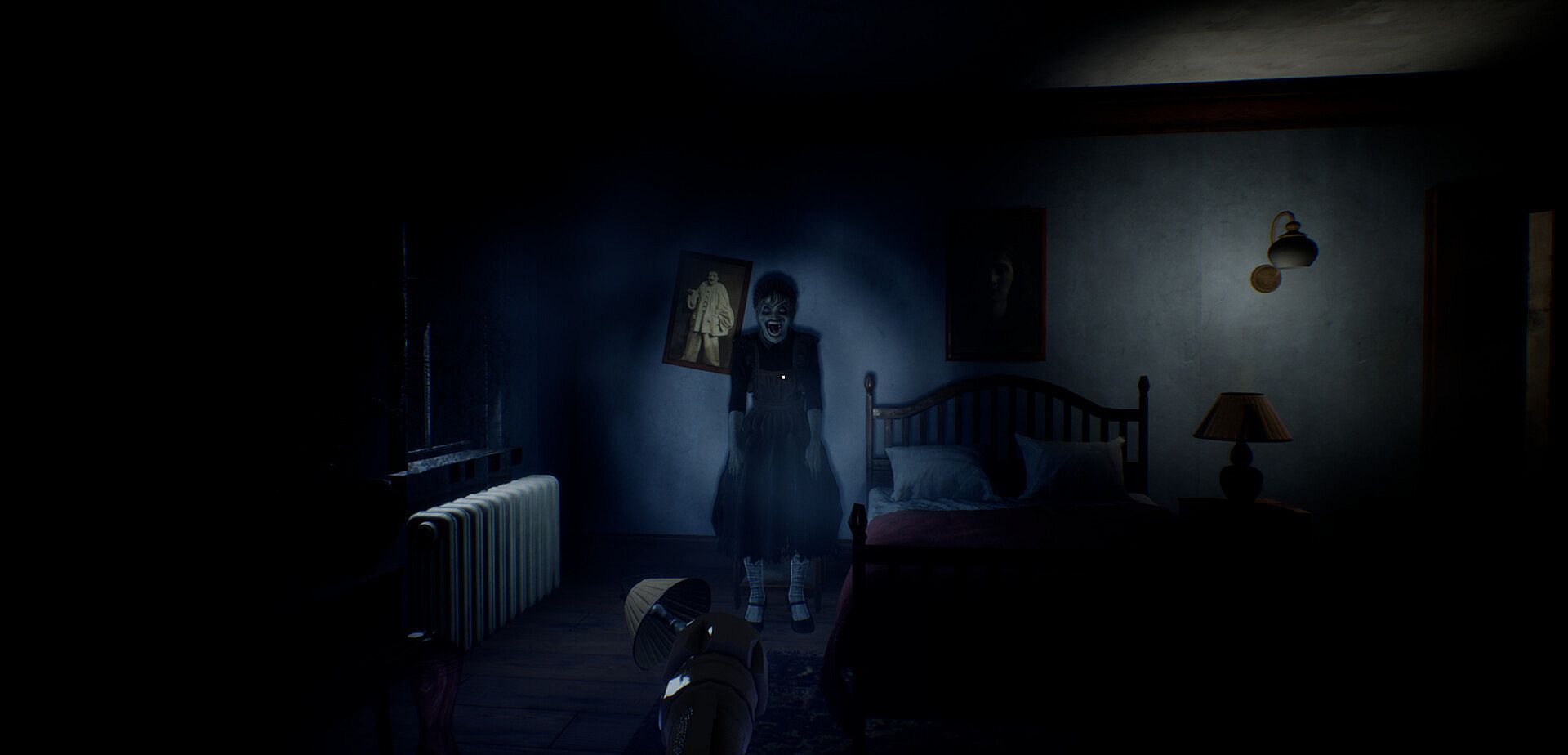
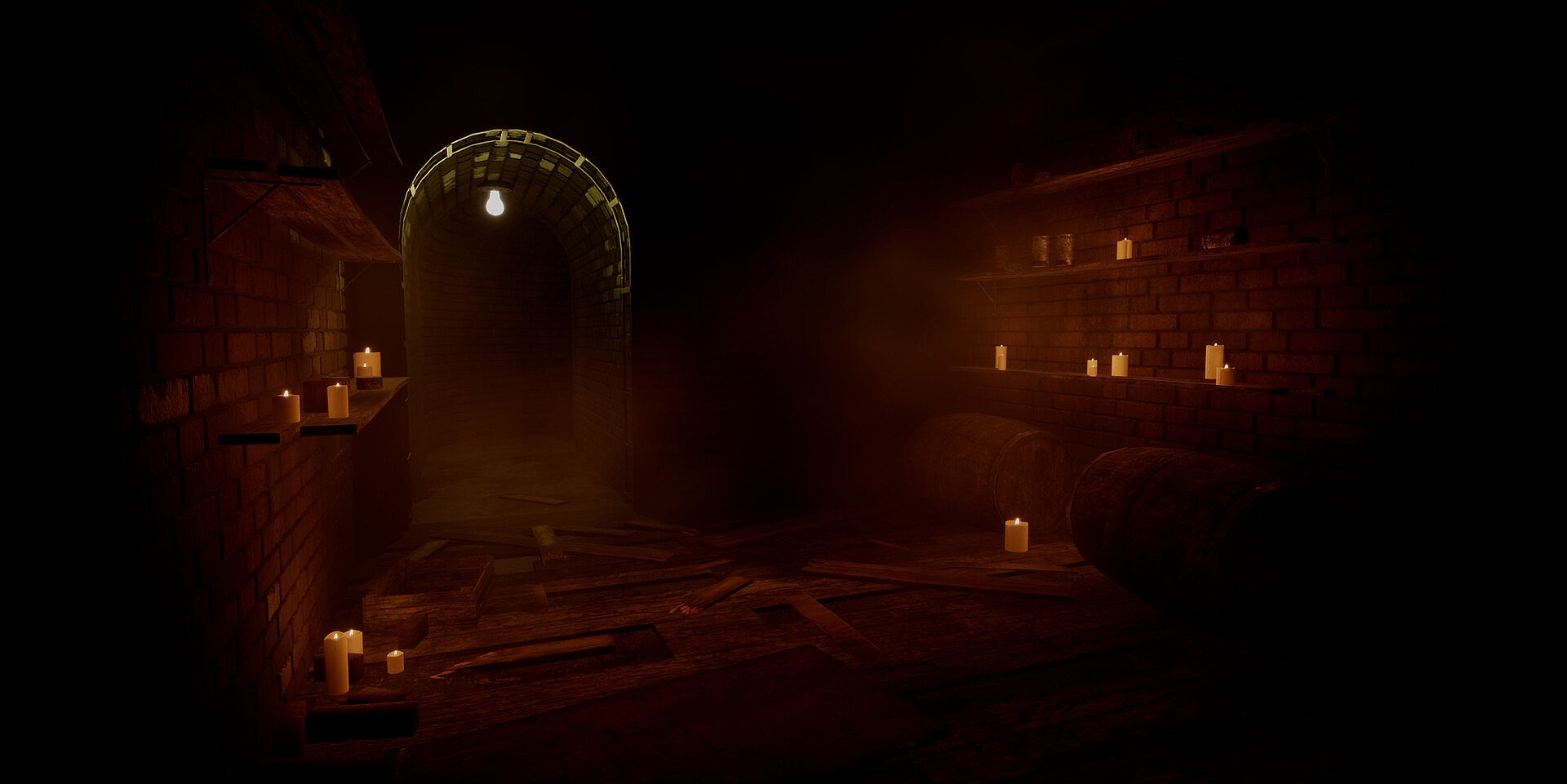
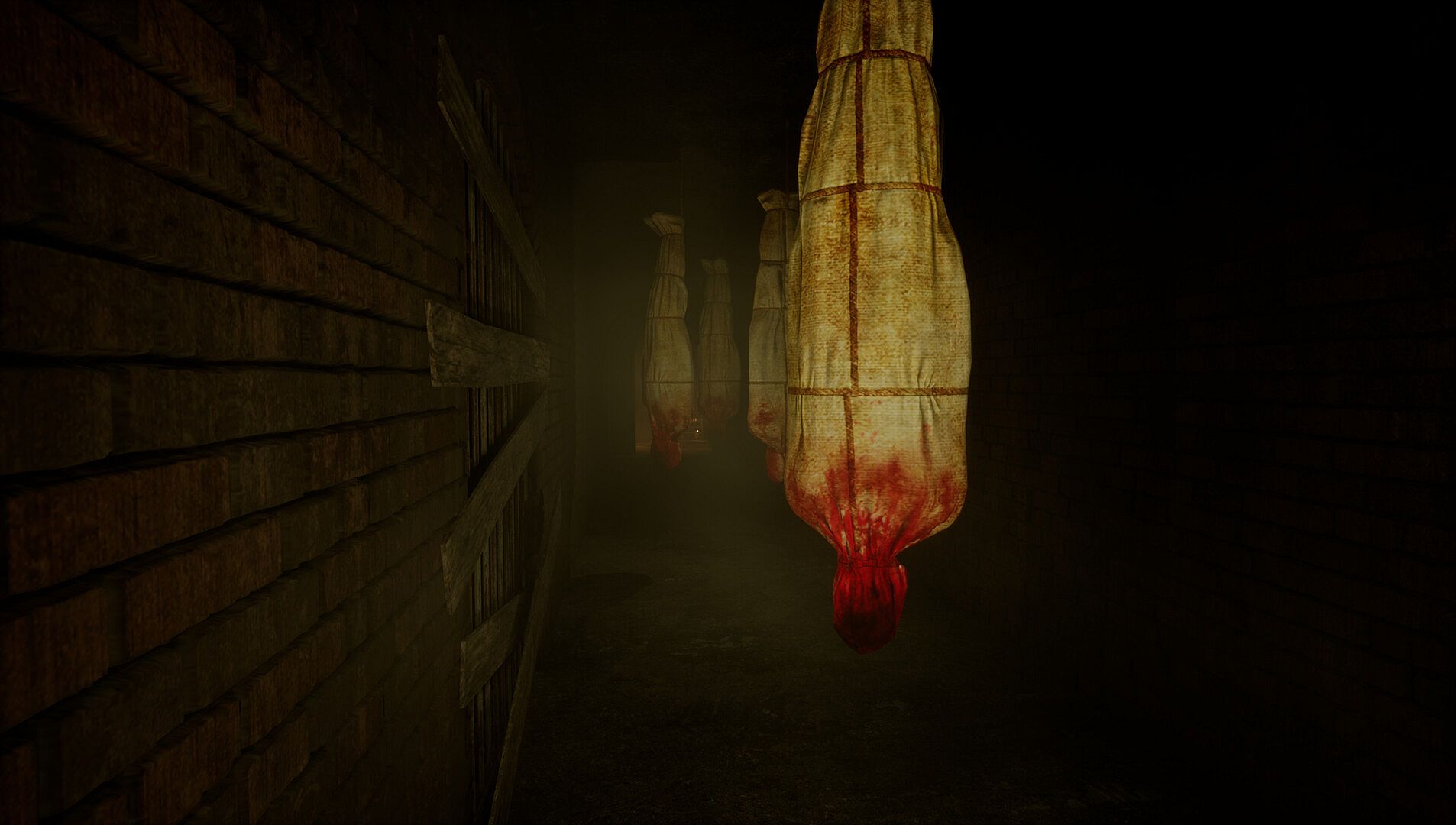
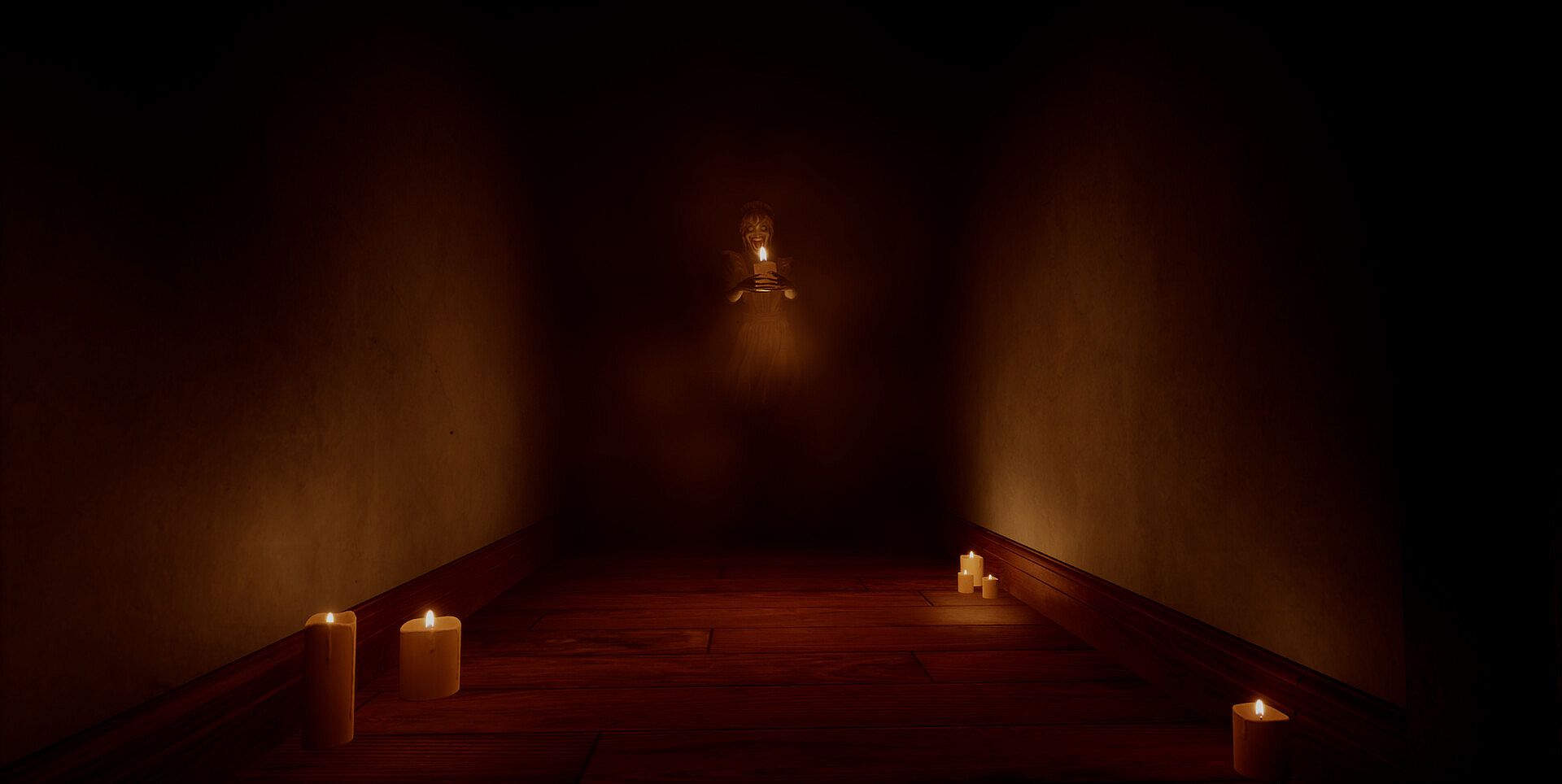
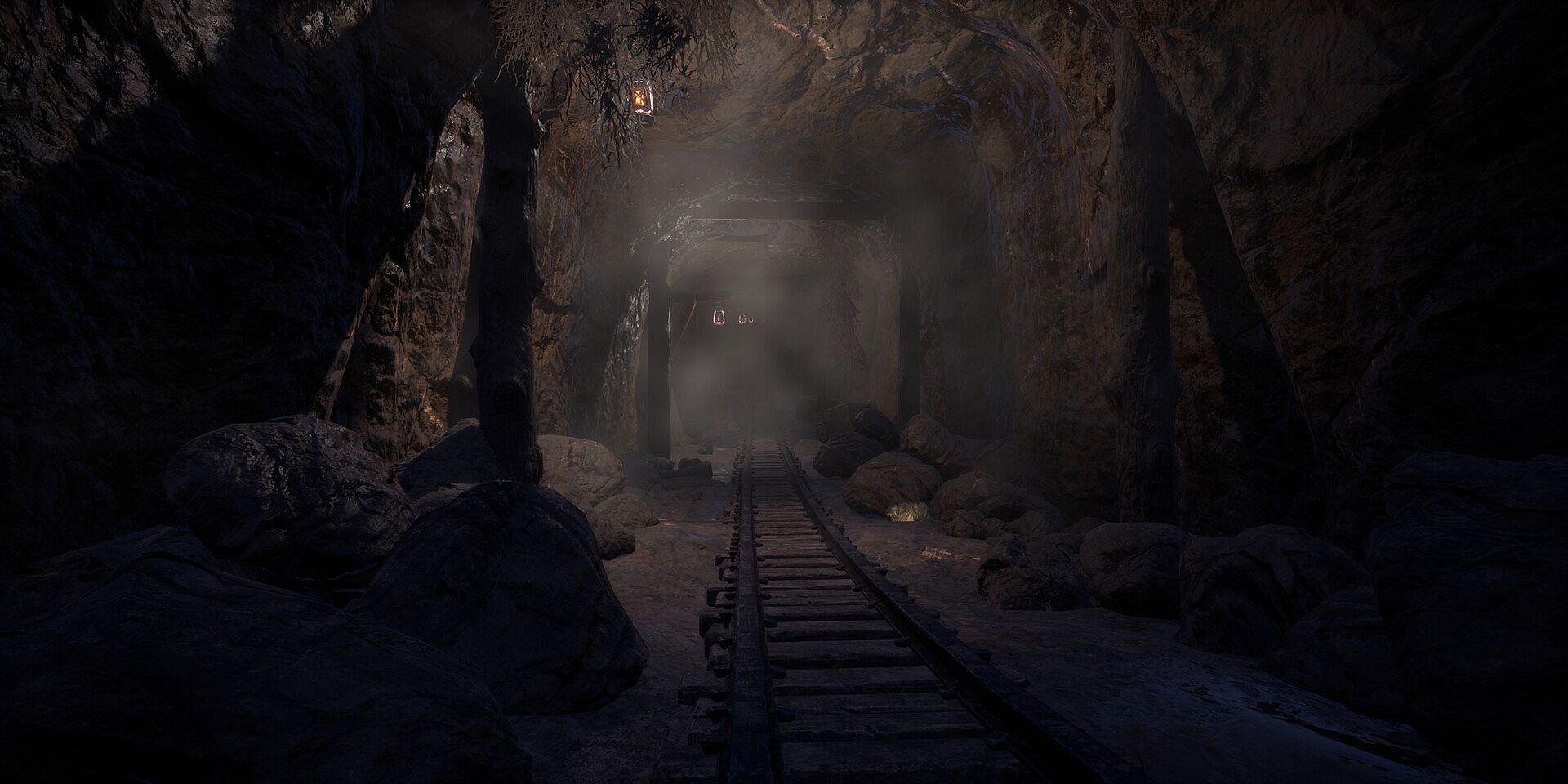
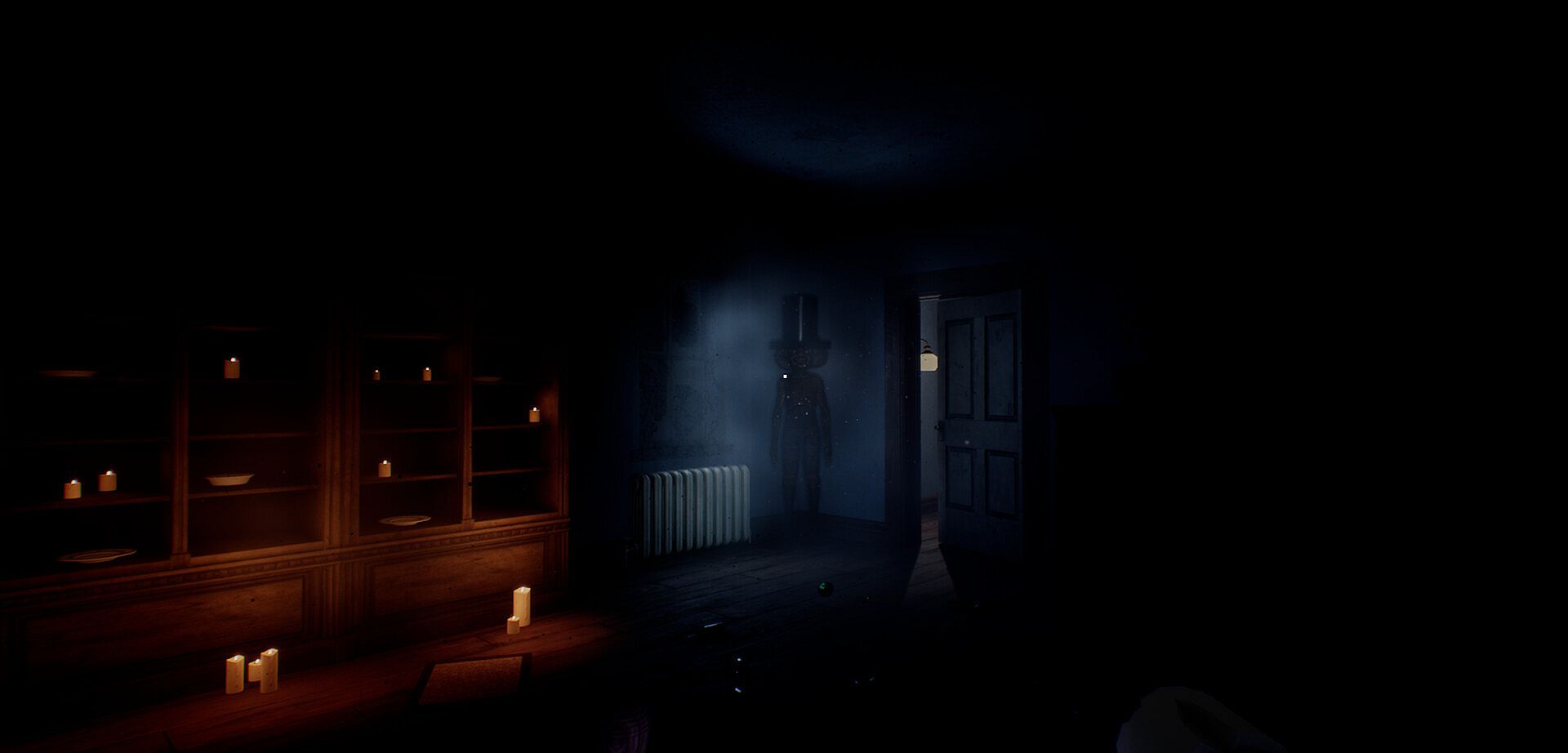
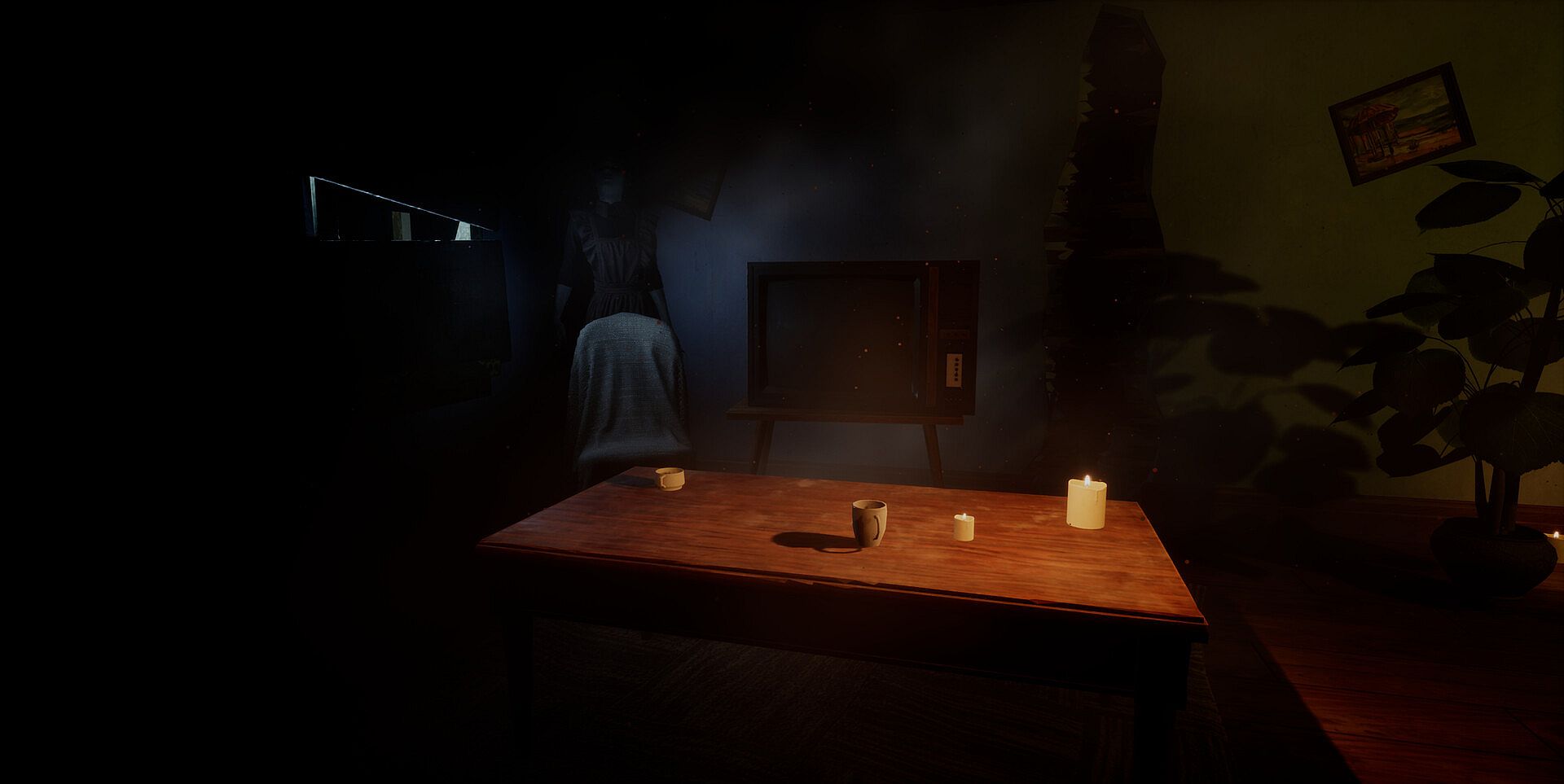
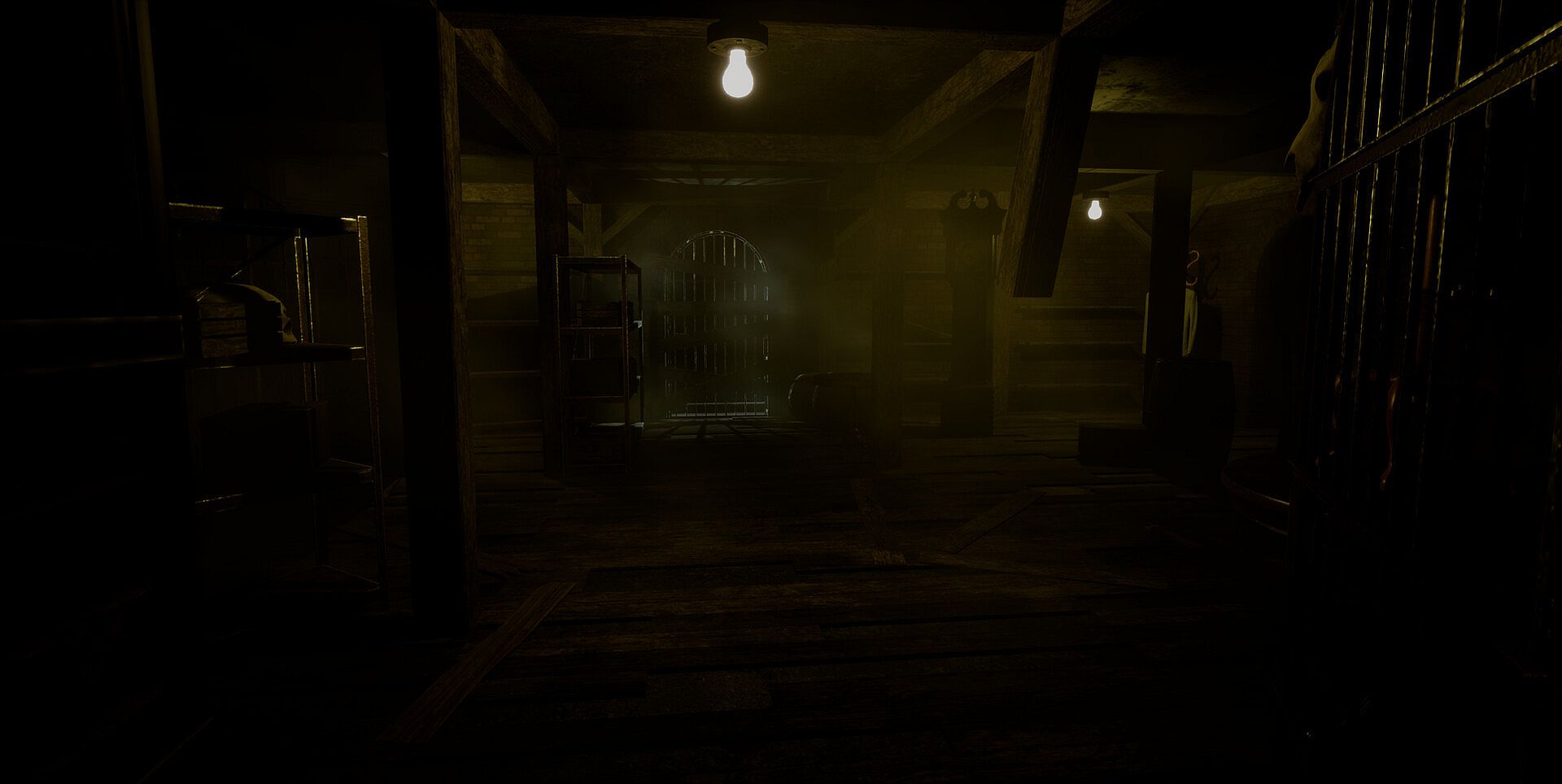

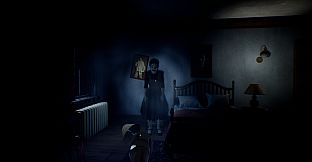
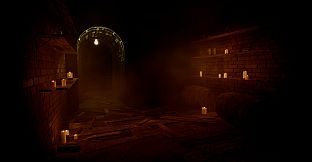
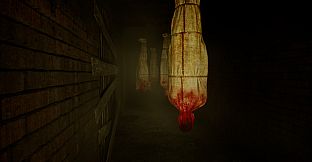
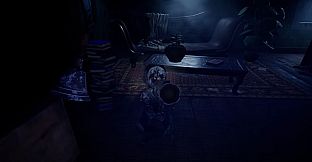
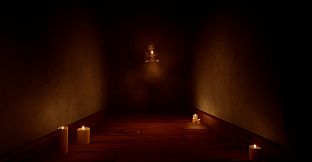
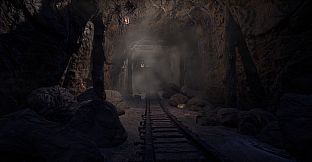
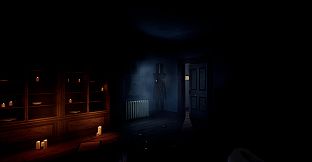
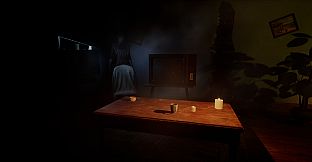
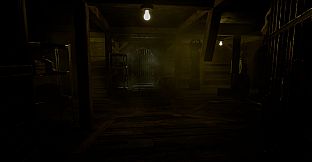
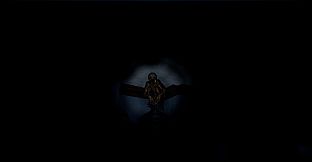
Unsealed: Vigil is a singleplayer action horror game for PC in which players navigate a series of interconnected nightmares as a trapped soul. Memory, trauma, and raw emotion take physical form in this confined realm, turning every space into a potential threat that must be outmaneuvered through careful observation and restraint rather than direct confrontation.
Gameplay
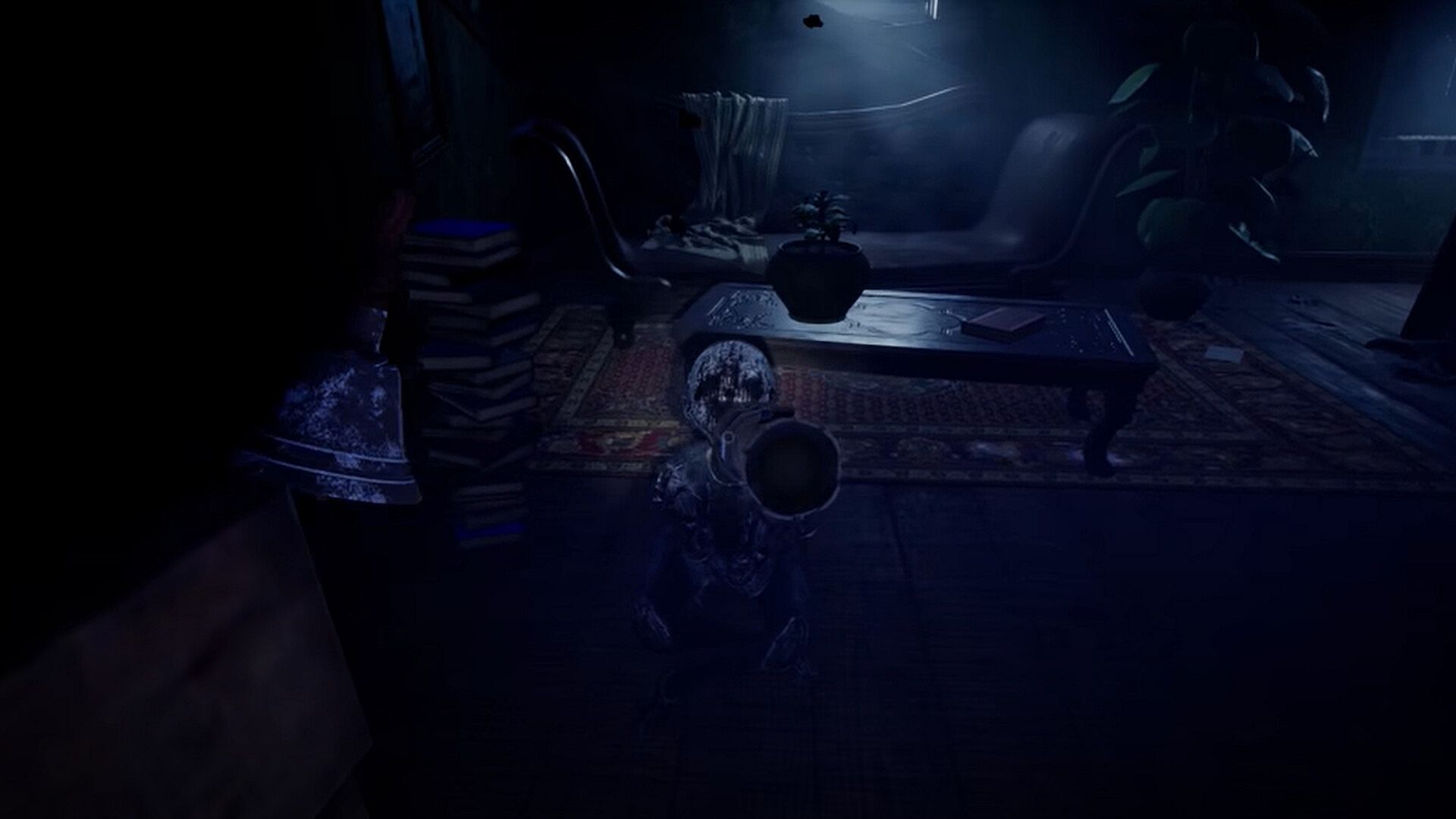
The core loop centers on survival within isolated nightmare environments. Players begin each sequence strapped into an old wheelchair, equipped only with a flashlight for illumination and a small bell for repelling threats. Movement is deliberate and limited by the chair, forcing reliance on positioning and timing instead of speed or agility.
When an entity enters the same room, the immediate response is to remain completely still. Any motion risks drawing it closer. The flashlight helps locate the source of danger, while the bell serves as the primary tool to drive entities away before they close the distance. These threats advance only when unobserved, so constant visual contact combined with the bell creates brief windows for progress. Audio cues play a critical role in confirming when a room has been cleared, allowing safe advancement to the next area.
Each nightmare presents distinct environmental hazards and entity behaviors that demand adaptation. What works against one pursuer may fail against another, requiring players to experiment with the limited tools on hand. The experience emphasizes tension through restricted mobility and the constant need to balance light use, sound signals, and stillness.
Game Modes
Unsealed: Vigil structures its content around sequential nightmare escapes rather than selectable modes. Each nightmare functions as a self-contained challenge with unique layouts, entity types, and survival requirements. Progression involves clearing one sequence before entering the next, with every new environment introducing fresh mechanics that alter how threats must be handled.
There are no competitive or cooperative options. The entire game operates as a linear singleplayer sequence designed for one continuous play session. Accessibility settings allow adjustments to jump scare intensity, camera movement, overall brightness, and input preferences including controller support, but these do not alter the fundamental structure of the nightmares themselves.
Atmosphere and Presentation
The game builds dread through its confined, wheelchair-bound perspective and the requirement to play in darkness with headphones. Sound design carries much of the tension, as players must listen closely for entity movement and the moment when a threat has been successfully dismissed. Visuals remain minimal and focused on the immediate surroundings, reinforcing the sense of isolation within each nightmare.
Controller support and customizable options help maintain immersion without breaking the core rules of stillness and observation. The short runtime keeps the intensity high from start to finish, avoiding padding in favor of direct encounters with evolving horrors.
Is It Worth Playing?
Unsealed: Vigil suits players who enjoy short, focused horror experiences built around observation, timing, and limited resources. Its one-to-two-hour length makes it ideal for a single evening session in a dark room with headphones. The accessibility features, including reduced jump scare intensity and controller compatibility, broaden its appeal for those sensitive to certain horror tropes or who prefer alternative inputs.
Those seeking longer campaigns, multiplayer elements, or traditional combat systems will find the game narrower in scope. Its strength lies in the consistent application of its core rules across varied nightmares, where each new challenge tests the same tools in different combinations. If the premise of navigating trauma-made-reality through stillness and a bell appeals, the game delivers a compact, self-contained session without extraneous content.