






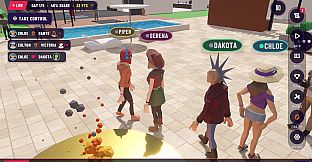
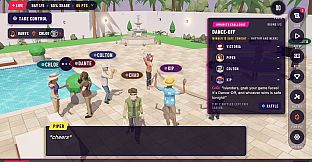
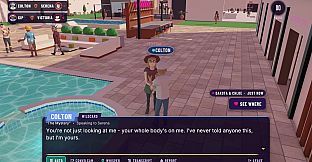
Villa de Drama is a strategy and simulation game for PC in which players oversee an AI-driven reality dating show. Ten contestants live together in a villa, generating every line of dialogue locally on the player's machine through small language models. The result is a single-player experience where each season unfolds differently based on the AI's real-time responses and the player's choices.
Gameplay
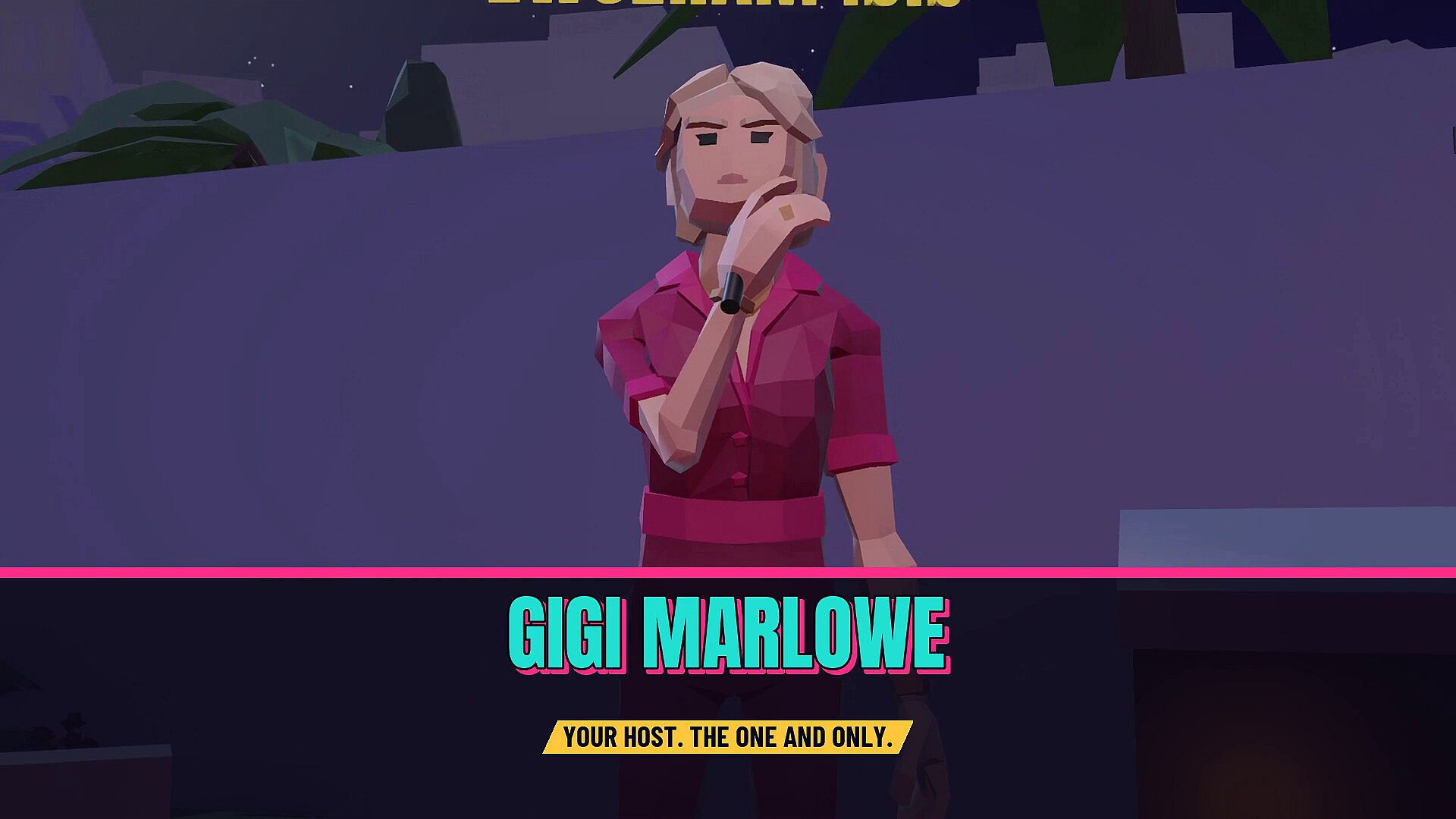
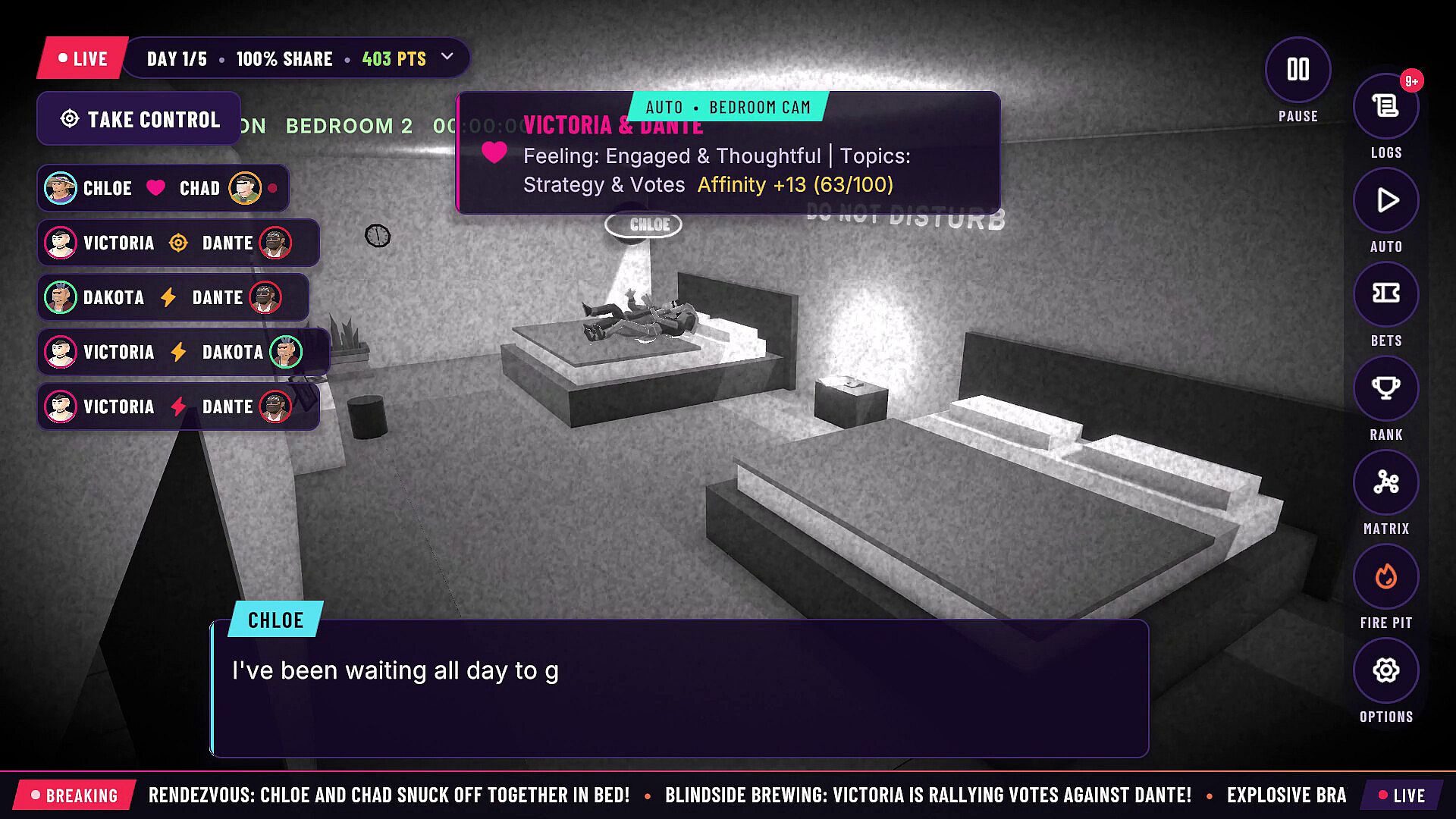
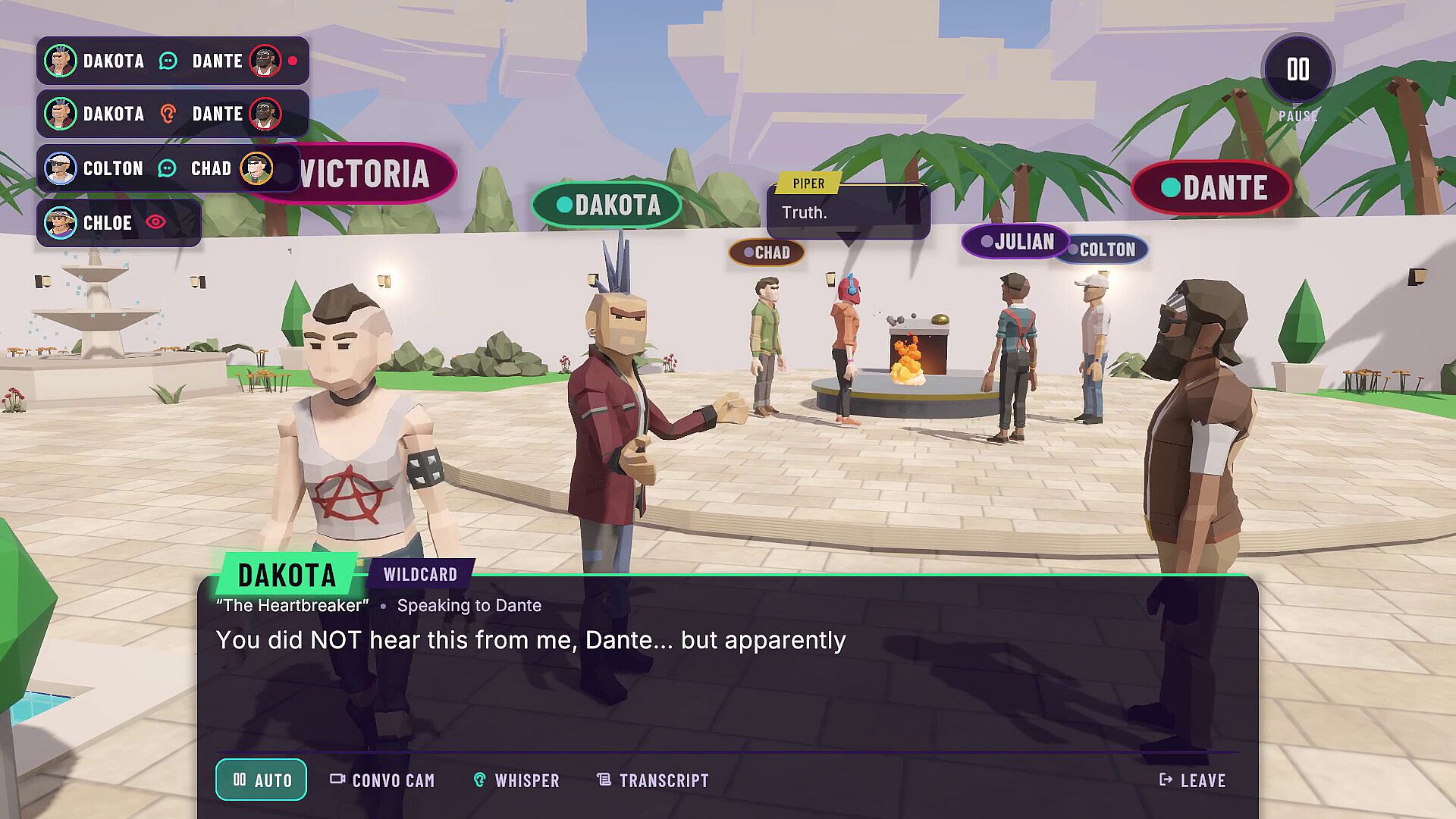
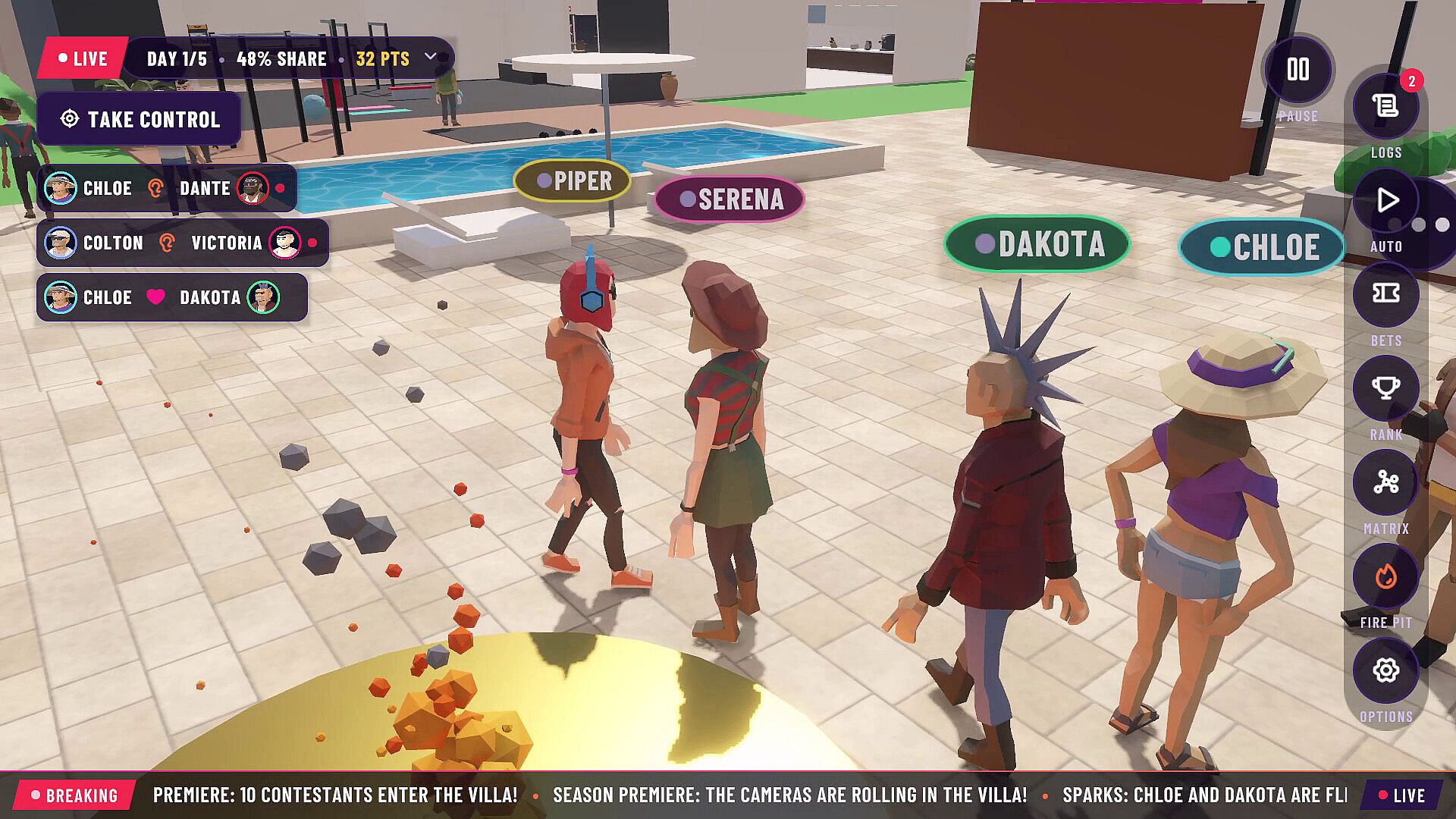
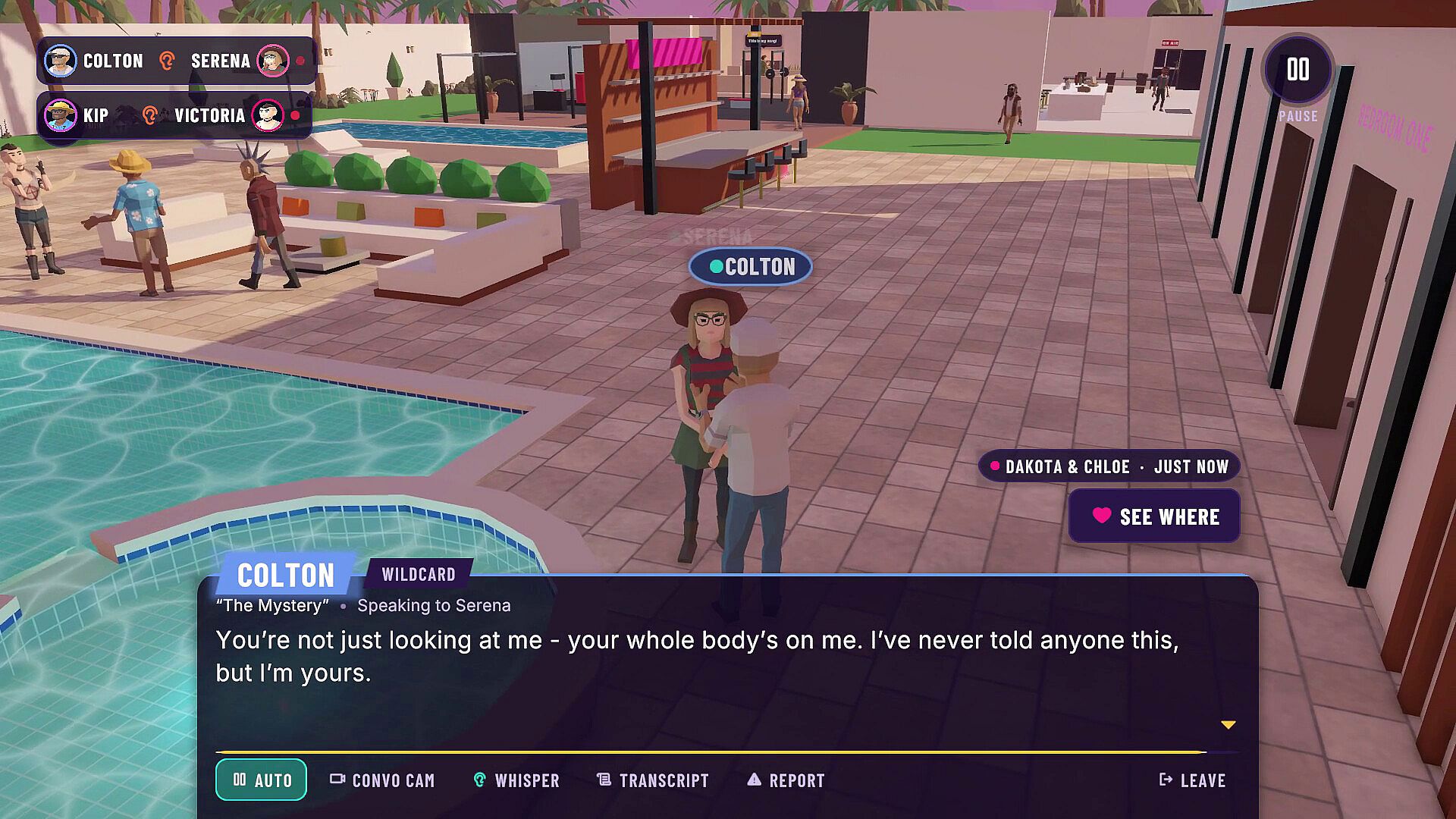
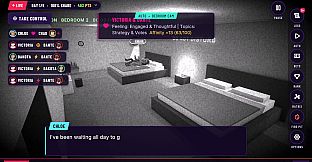
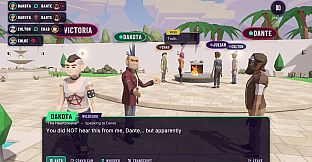
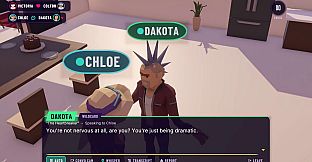
The core loop centers on observing or influencing a cast of ten distinct personalities. These include archetypes such as the Queen Bee, the Gym Bro, the Influencer, and the Schemer, each carrying unique histories, secrets, grudges, and attractions. An auto-director camera switches between conversations, focusing on arguments, flirtations, schemes, and private confessions while remaining on each exchange until it concludes. Night-vision footage from bedrooms and diary-room entries add further layers to the broadcast-style presentation.
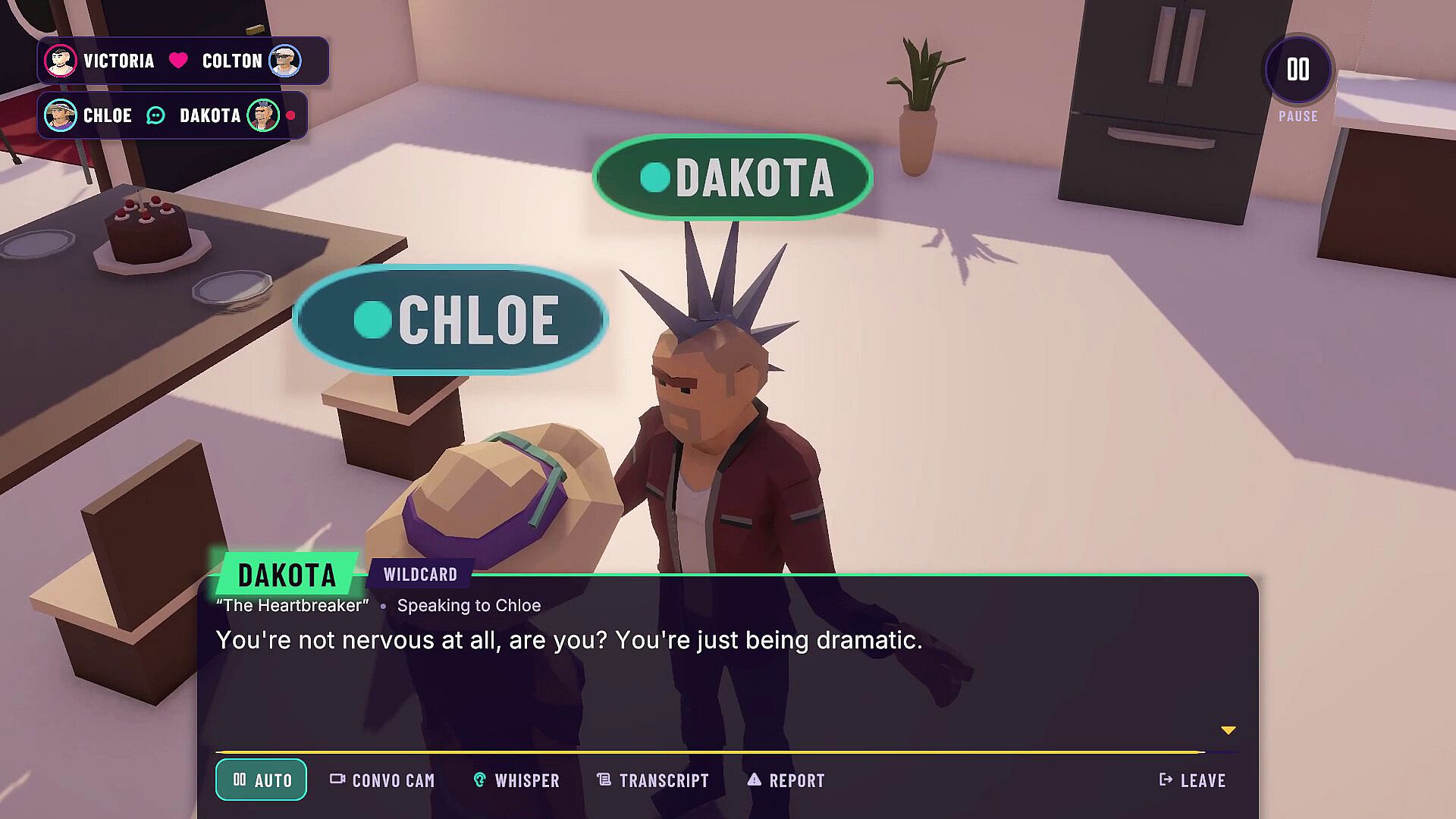
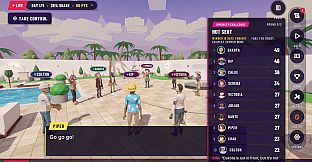
Players can remain passive and let events develop naturally or assume the producer role. In the active approach, the player walks the villa and delivers whispered instructions to any contestant. These prompts might spark conflicts, spread rumors, or encourage pairings. The AI processes each directive according to the recipient's personality and current relationships, allowing outcomes to vary widely. Rumors propagate through multiple conversations, sometimes reaching unintended targets or revealing their origin.
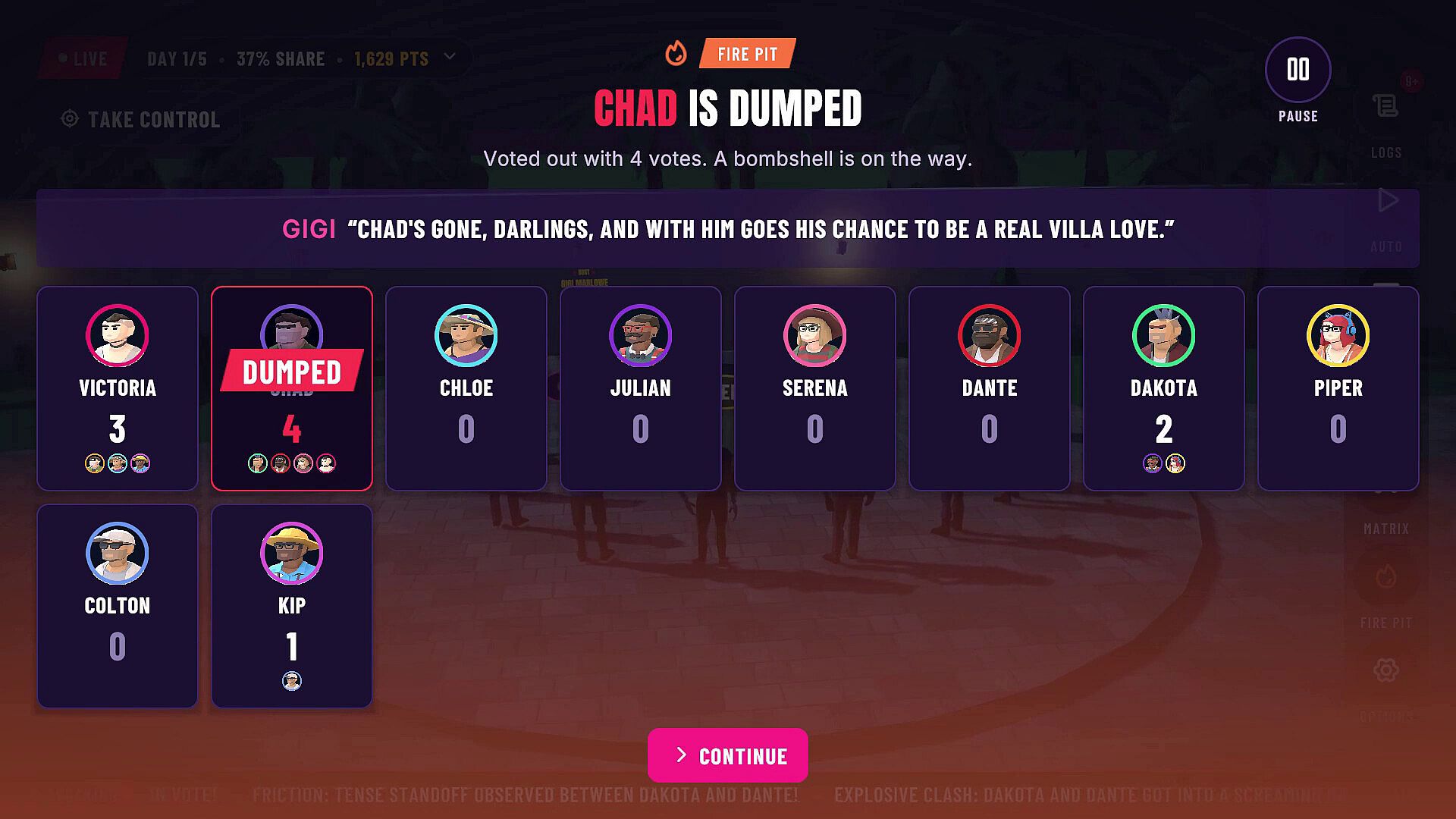
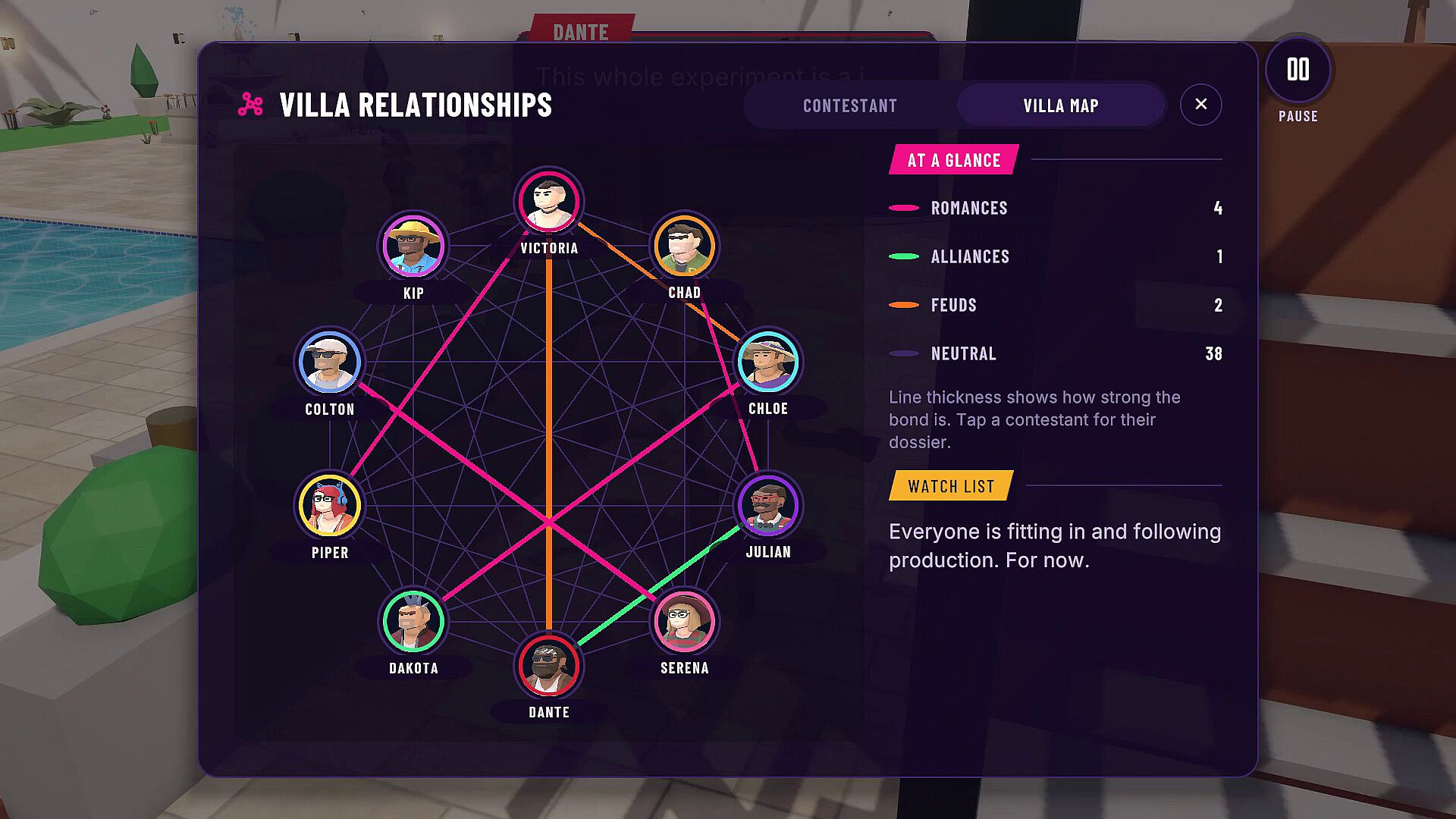
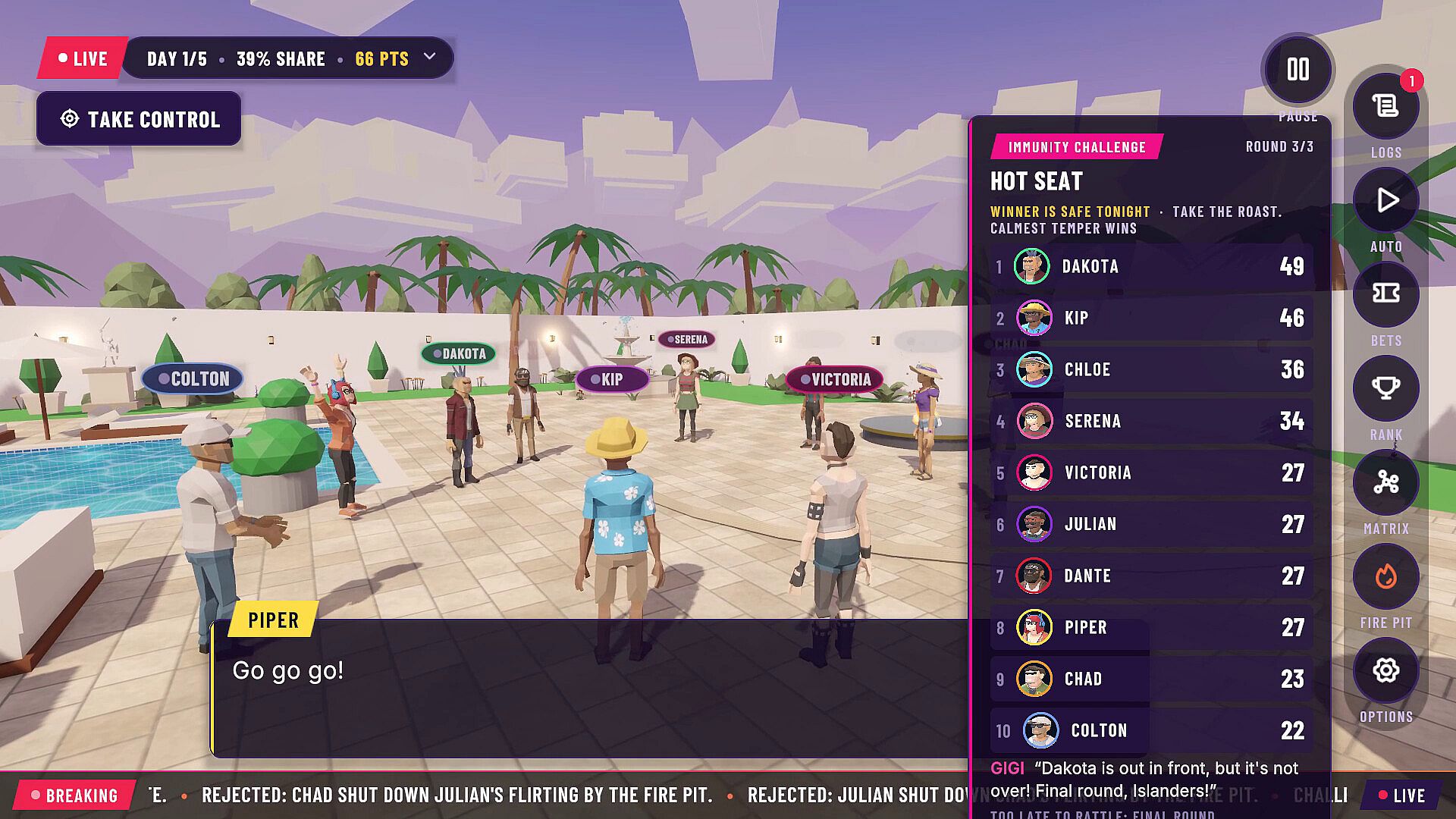
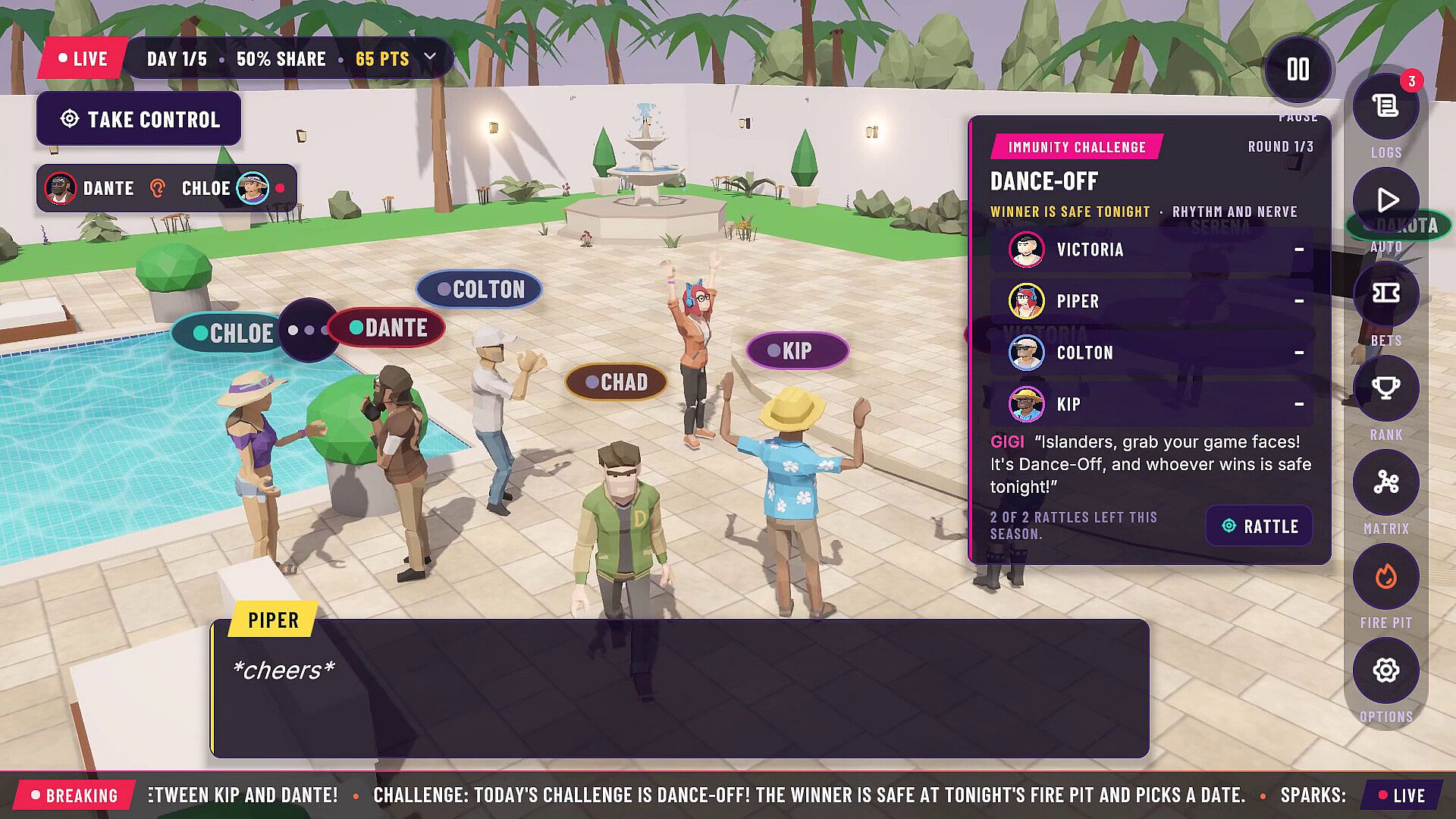
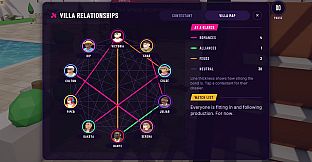
Additional systems track alliances, romances, and rivalries on a relationship map. Full conversation transcripts and contestant dossiers provide deeper context. Before each season begins, players review stats and place bets on final placements. Every evening features a Fire Pit ceremony where contestants cast spoken votes to eliminate one resident. A new arrival often follows, and the finale includes votes from the entire cast, including previously eliminated participants, to determine a winner.
Game Modes
The game supports two primary approaches to each season. The first lets players sit back and watch the auto-directed broadcast unfold in real time, with the camera locating dramatic moments across the villa. The second places the player in direct control as producer, moving freely to issue instructions and observe their ripple effects through the cast.
Seasons progress through daily cycles of interactions, ceremonies, and eliminations. When one season concludes, the top three contestants return as All-Stars for the next round alongside a fresh group of singles. This structure encourages repeated playthroughs, as local AI generation ensures no two runs match exactly.
Technical Foundation
All dialogue and voices are produced on the player's own computer using models such as Llama 3.2 1B or Qwen2.5 0.5B. No internet connection, accounts, or external services are required after the initial model selection at launch. The system stores relationship data and character context locally, allowing the AI to maintain continuity within a season while generating fresh responses each time.
Is It Worth Playing?
Villa de Drama appeals to players interested in simulation and strategy titles that emphasize observation and light intervention over direct control. Its strength lies in the unpredictable, locally generated drama that emerges from ten persistent AI personalities. The betting system and relationship tracking add strategic depth for those who enjoy analyzing odds and social dynamics before committing to a season.
Because the game remains in development and has not yet released, concrete player feedback is unavailable. Those drawn to indie simulation experiences with AI-driven storytelling and reality-show mechanics may find the described systems engaging once it becomes available. The absence of online requirements and the emphasis on varied seasonal outcomes position it as a niche title for repeated short sessions rather than long competitive play.












