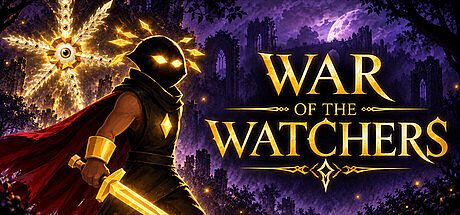


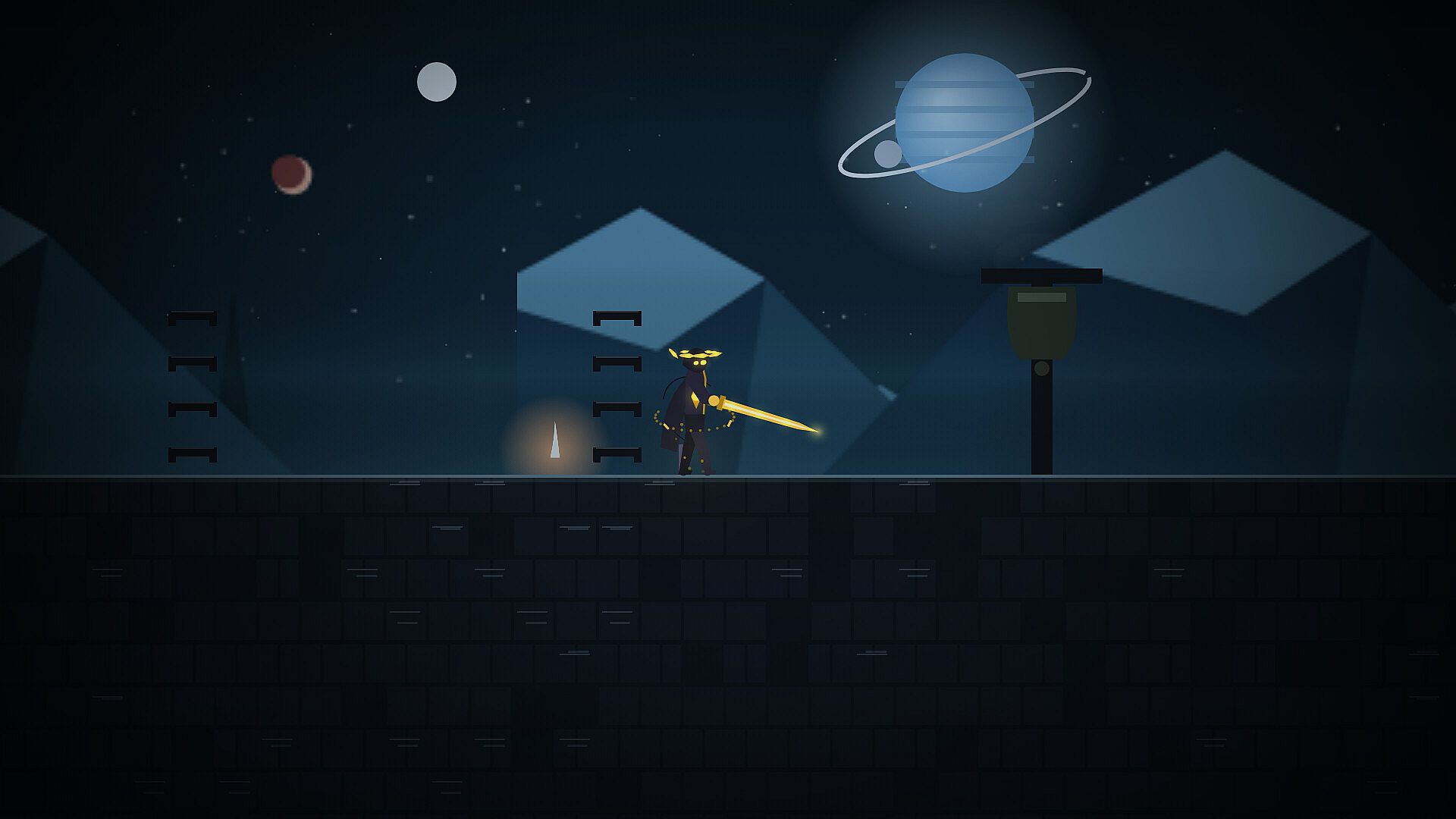
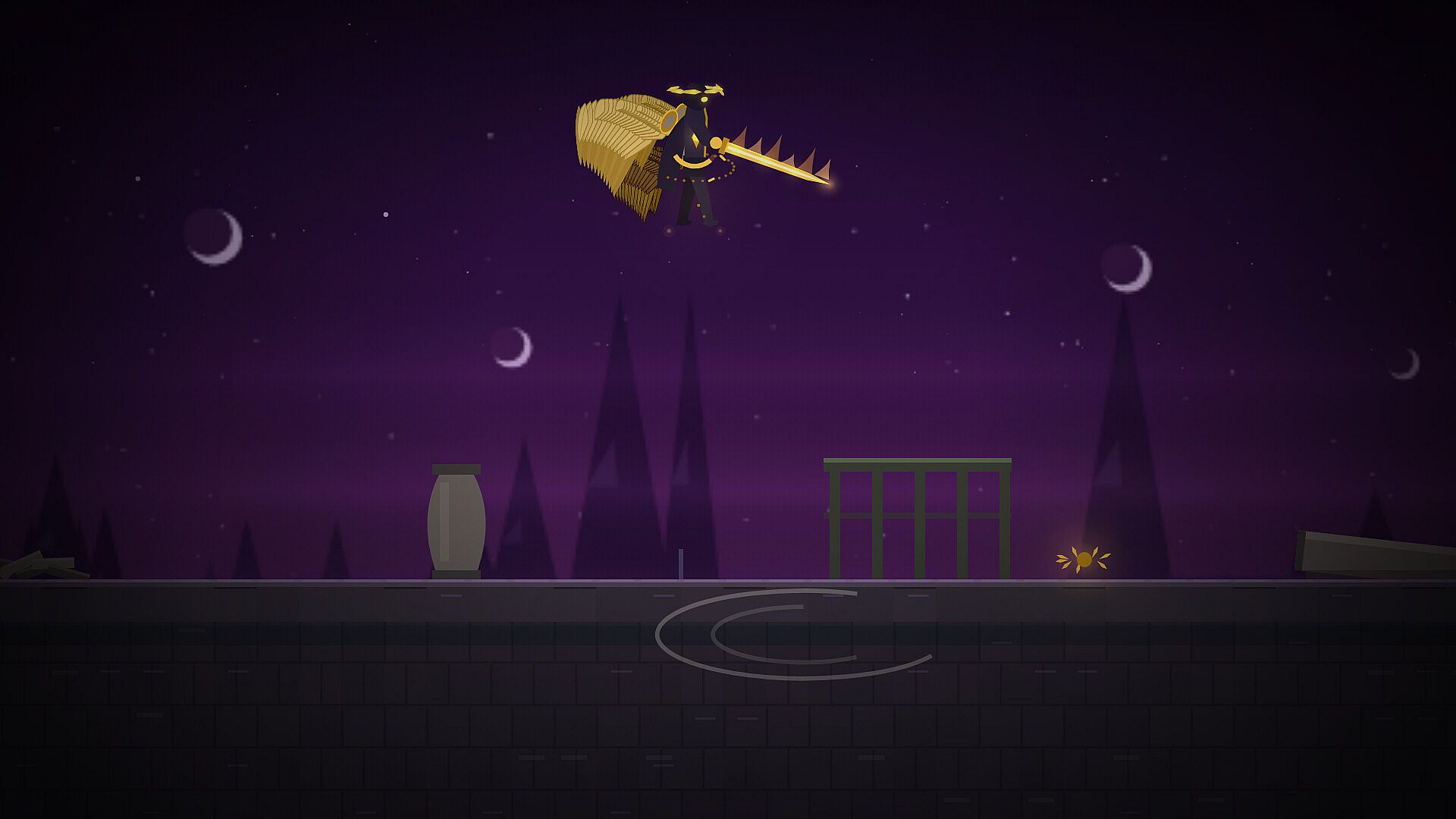
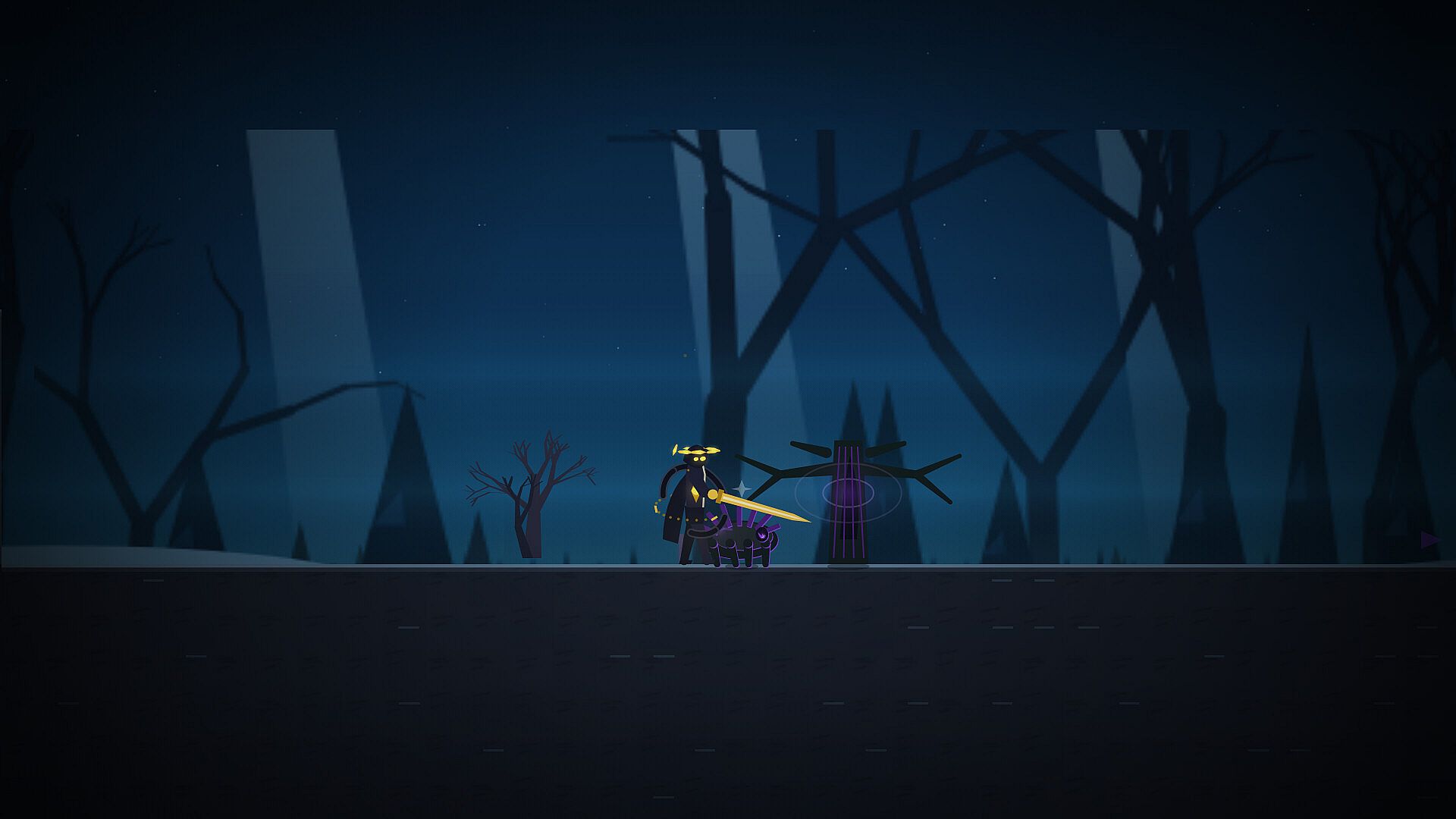
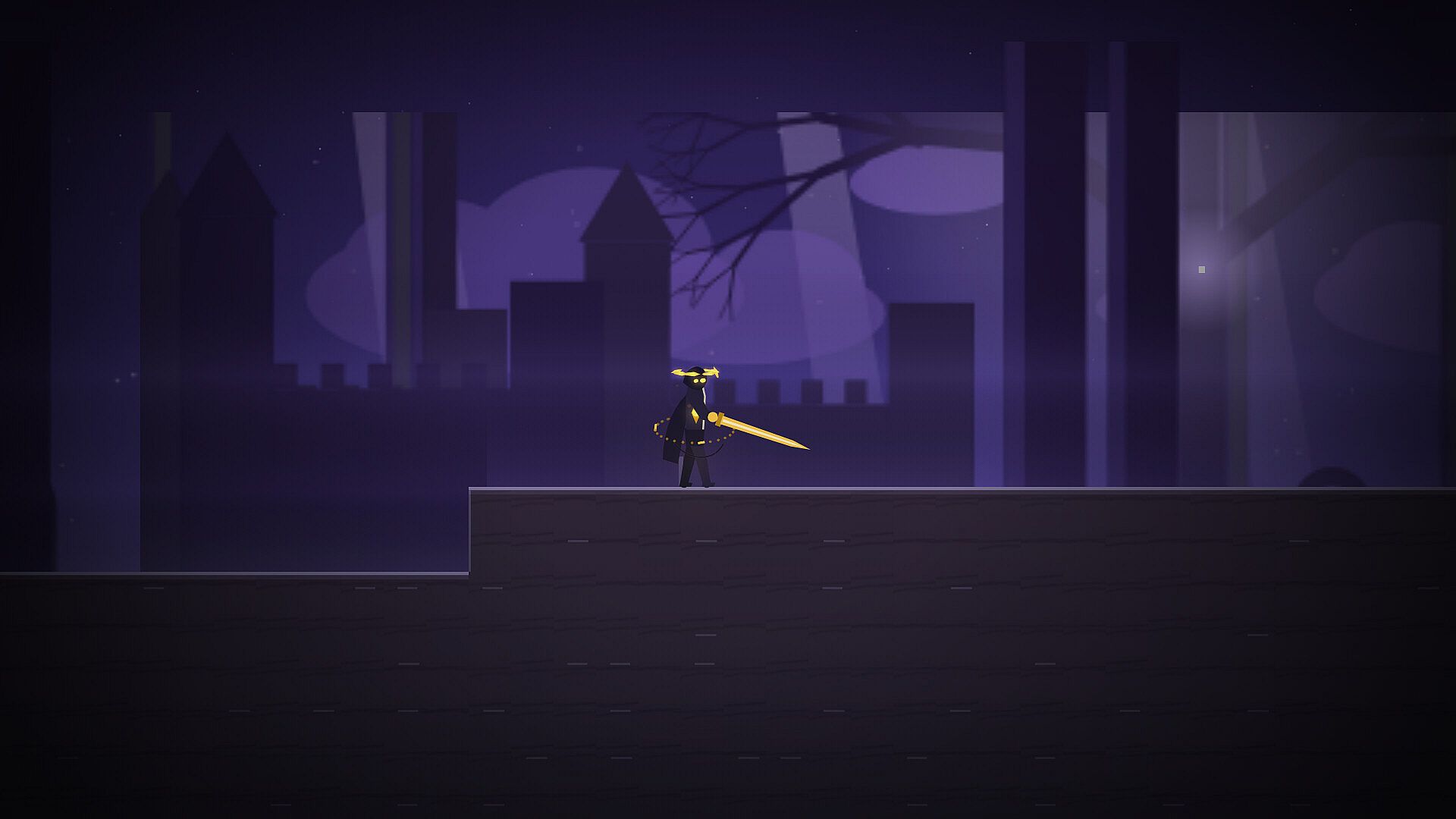
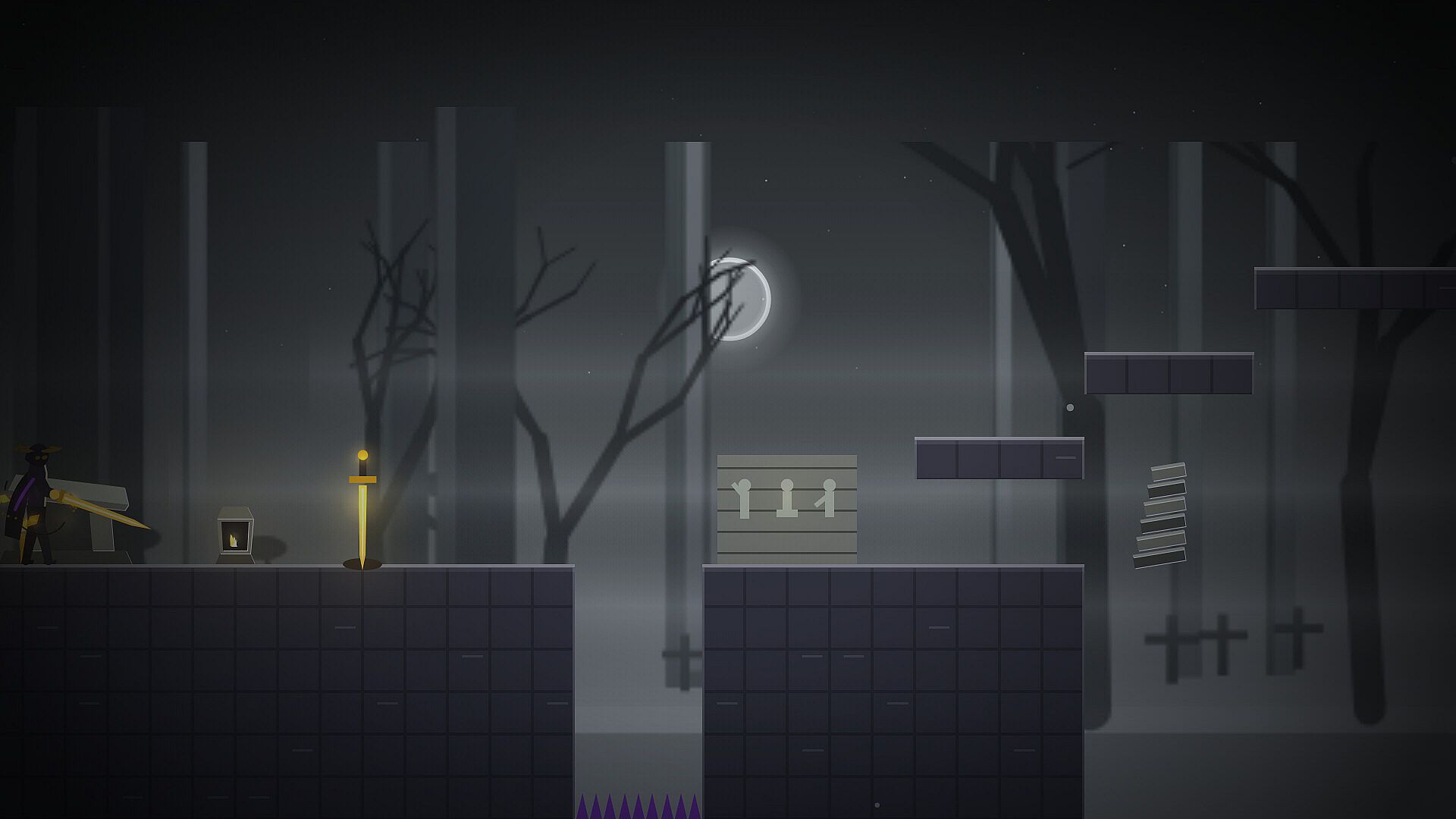
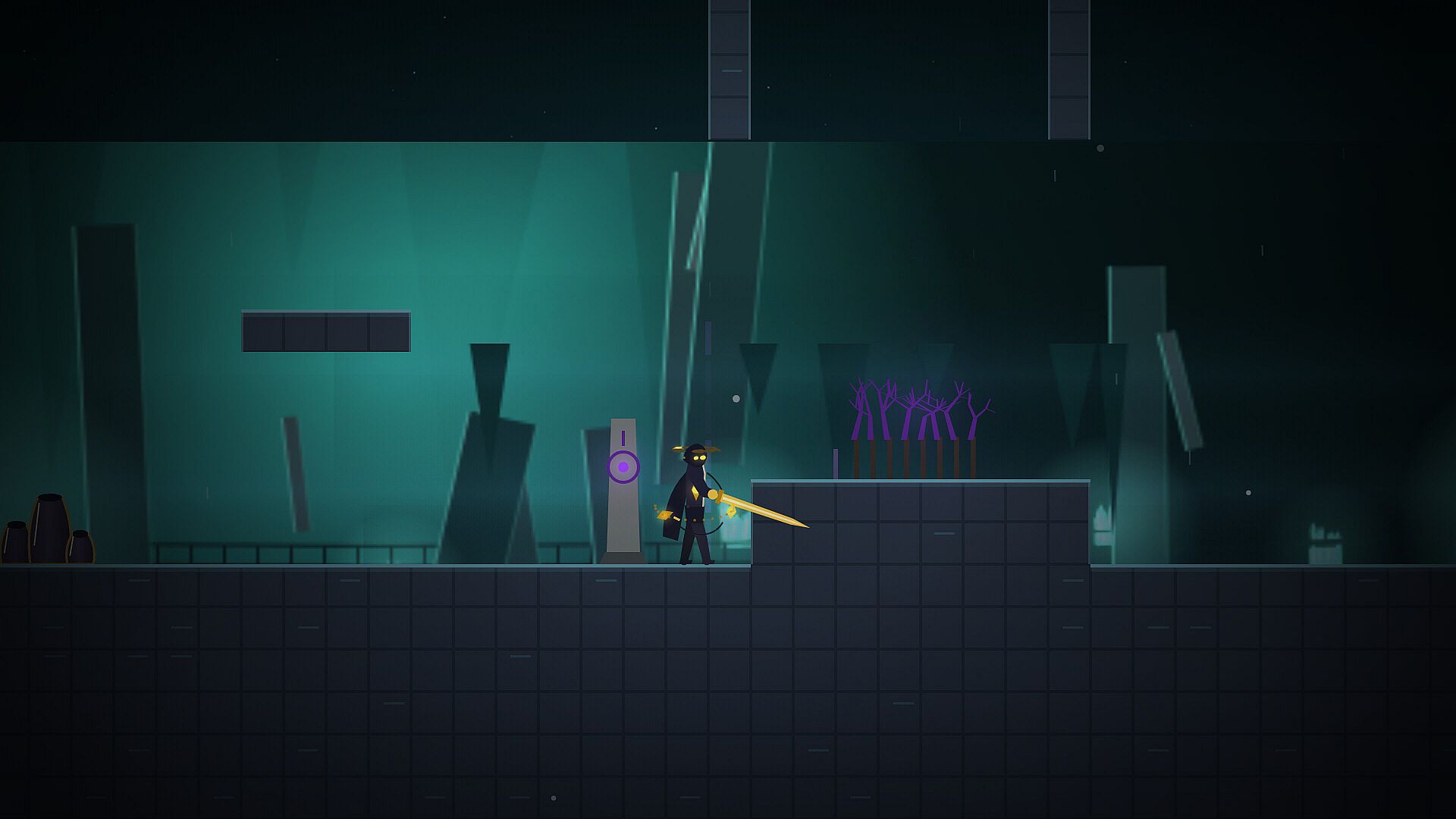
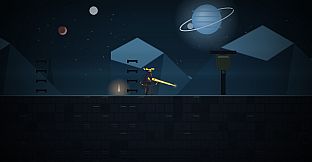
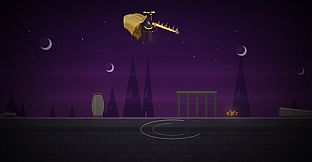
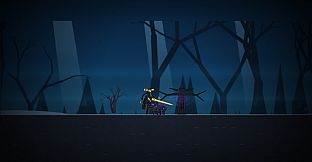
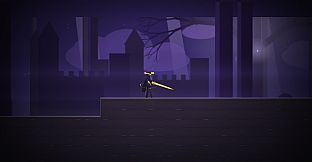
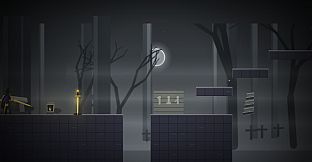
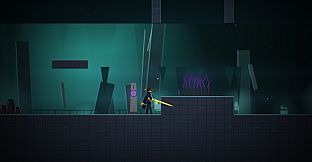
War of the Watchers is a single-player dark fantasy action-adventure Metroidvania set across ten distinct realms connected by a hundred hand-crafted roads. Players awaken on the Thorngate Marches with little more than a fallen blade and no recollection of how they arrived, then press forward through layered environments that range from the tangled roots of the Veilwood to the shadowed halls of the Black Throne.
Gameplay
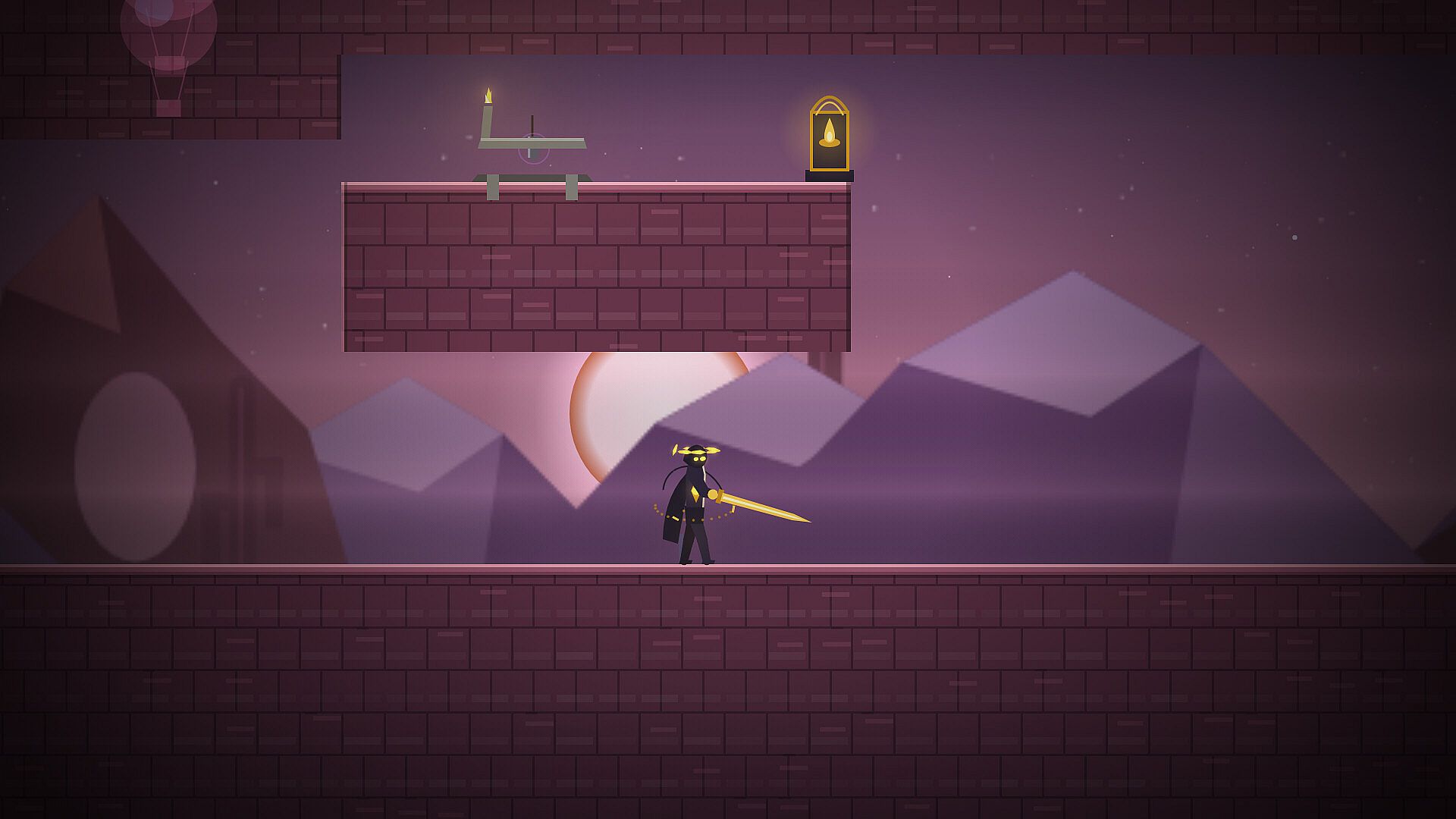
The core loop centers on exploration and deliberate combat within a world where progression depends on learning each road's unique layout and hazards. Every realm features hand-built paths filled with specific obstacles, enemy placements, and environmental details that reward careful observation rather than random discovery. Movement and combat feel responsive, with abilities that evolve over time to open previously blocked routes or alter how encounters play out.
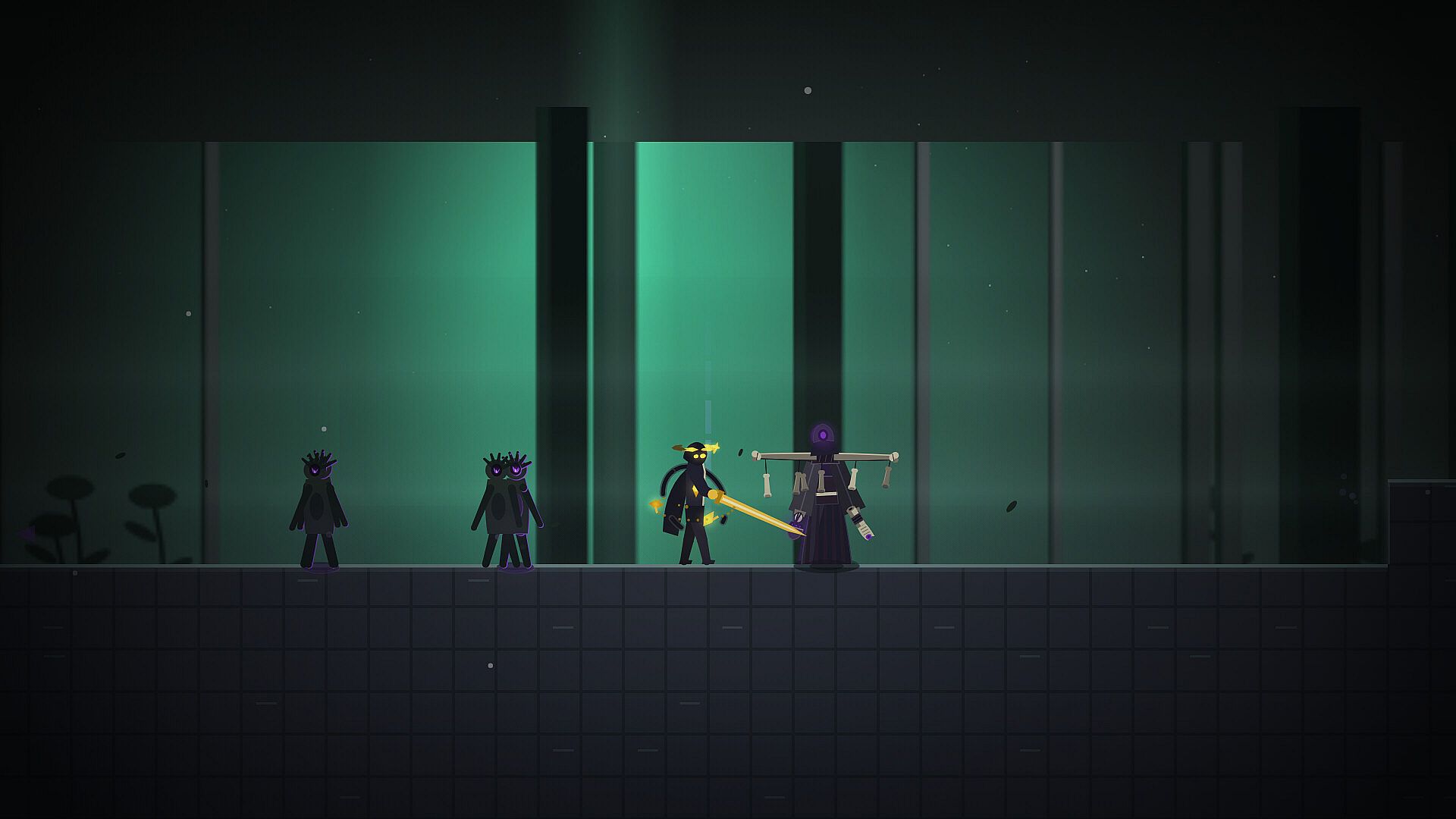
Boss encounters stand out for their choreographed patterns. Each keeper winds up attacks, commits to strikes, and exposes brief windows for counterplay, turning fights into readable exchanges once the timing and positioning become familiar. Rather than permanent defeat, these encounters end in binding rituals that seal the keeper away, leaving the road behind quiet but the threat contained only as long as the player continues forward. This system creates ongoing tension, as sealed foes remain part of the world rather than vanishing entirely.
Two signature abilities, the Halo and the Charge, reshape navigation and combat as the journey advances. What begins as a dead end in an early realm can become a viable shortcut or flanking route once these powers mature. A spoken world adds further depth, with voiced lines from keepers, wanderers, and the dead that respond to the player's presence and choices without requiring pauses to listen. A Codex tracks every keeper encountered, road closed, and fragment collected, providing a running record that fills naturally through play.
Game Modes
War of the Watchers offers a single-player experience built around sequential progression through its ten realms and their branching roads. There are no separate multiplayer or competitive modes; the focus remains on solo traversal and mastery of the hand-authored environments. The structure encourages multiple paths through each realm, with abilities unlocking new routes and revisits that reveal additional details or alternate approaches to previously cleared areas.
Progression ties directly to sealing keepers and advancing the Codex, creating a natural sense of forward momentum without artificial checkpoints or separate difficulty settings beyond the inherent challenge of learning each encounter. Controller support adapts automatically to the connected device, while keyboard and mouse remain fully functional throughout, allowing players to choose their preferred input without additional configuration.
World and Progression
The ten realms each carry a distinct identity and atmosphere, from the plague-touched waters of the Blood Marsh to the gravity-warped expanse of the Starless Void. These settings connect through the hundred roads, which vary in length, density, and lethality while maintaining consistent hand-crafted quality. The narrative emerges through environmental storytelling, voiced dialogue, and the Codex entries rather than cutscenes or exposition dumps.
Sealing mechanics add a layer of consequence to every victory. Because keepers are bound instead of destroyed, the world retains a sense of lingering presence that influences later roads and encourages players to consider the long-term effects of their actions. This design choice reinforces the game's emphasis on persistence and careful advancement over brute force.
Is It Worth Playing?
War of the Watchers targets players who enjoy deliberate single-player action-adventure games with metroidvania-style exploration and challenging, pattern-based combat. Its hand-built roads and evolving abilities reward those who appreciate learning systems through repeated attempts rather than guided tutorials or hand-holding. The absence of online requirements, accounts, or launchers keeps the focus squarely on the offline experience.
With a planned 2027 release and no reviews available yet, the game stands on the strength of its described systems and structure. Fans of precise platforming, readable boss fights, and worlds that feel responsive to player growth will likely find the sealed-keeper loop and Codex progression engaging. Those seeking multiplayer options or procedurally generated content should look elsewhere, as the title commits fully to its authored, single-player design.