


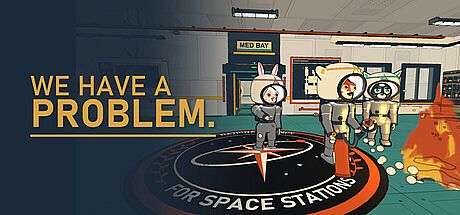


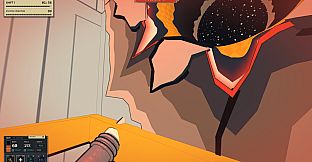
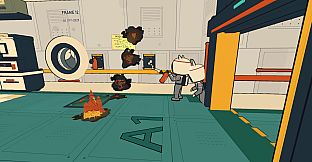
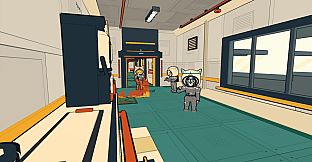
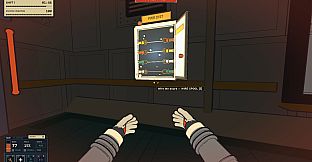
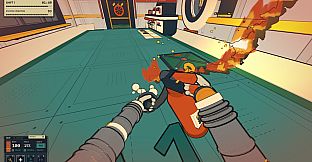
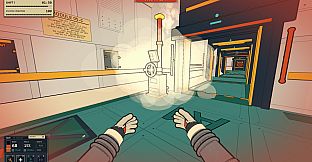
We Have a Problem. is an action strategy indie game set on an aging orbital station managed by a cash-strapped agency that treats its crew as disposable. Players handle a constant stream of station failures while the facility slowly expands and the hazards intensify. The core experience centers on locating tools, applying one approved fix per problem, and surviving until the shift ends, all while low-gravity physics turns every repair into a potential chain reaction.
Gameplay
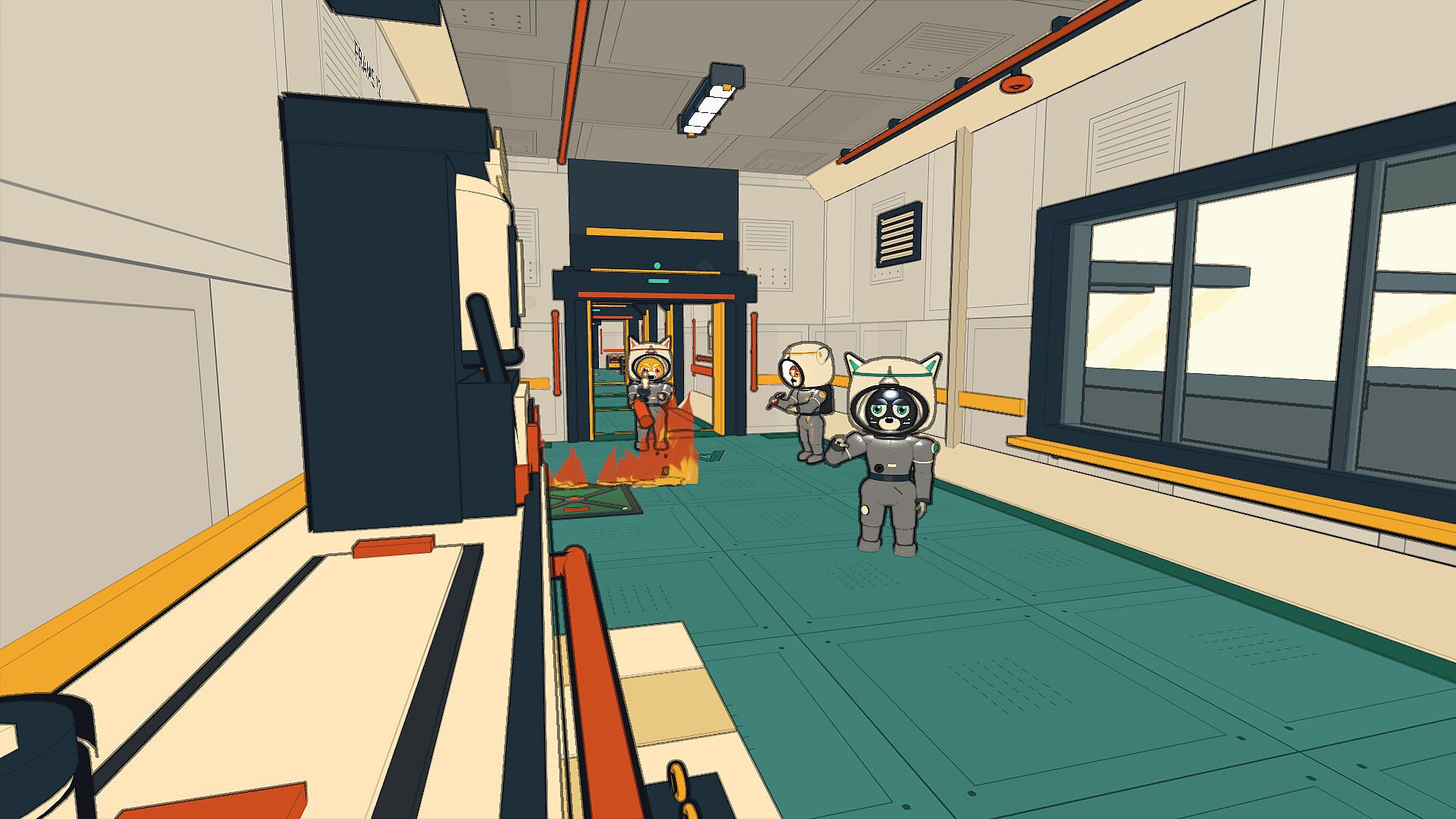
The loop begins in the home cluster, where the crew rests in bunks, visits the med bay, or relaxes in the rec room before a shift call opens the station. Once on duty, problems erupt across modules and begin draining resources. Crew members must track down reissued tools scattered in new locations each time and apply the correct procedure before time expires. Every fix carries risk because the low-gravity environment lets objects and bodies drift, and a single misstep can send gear or teammates floating away.
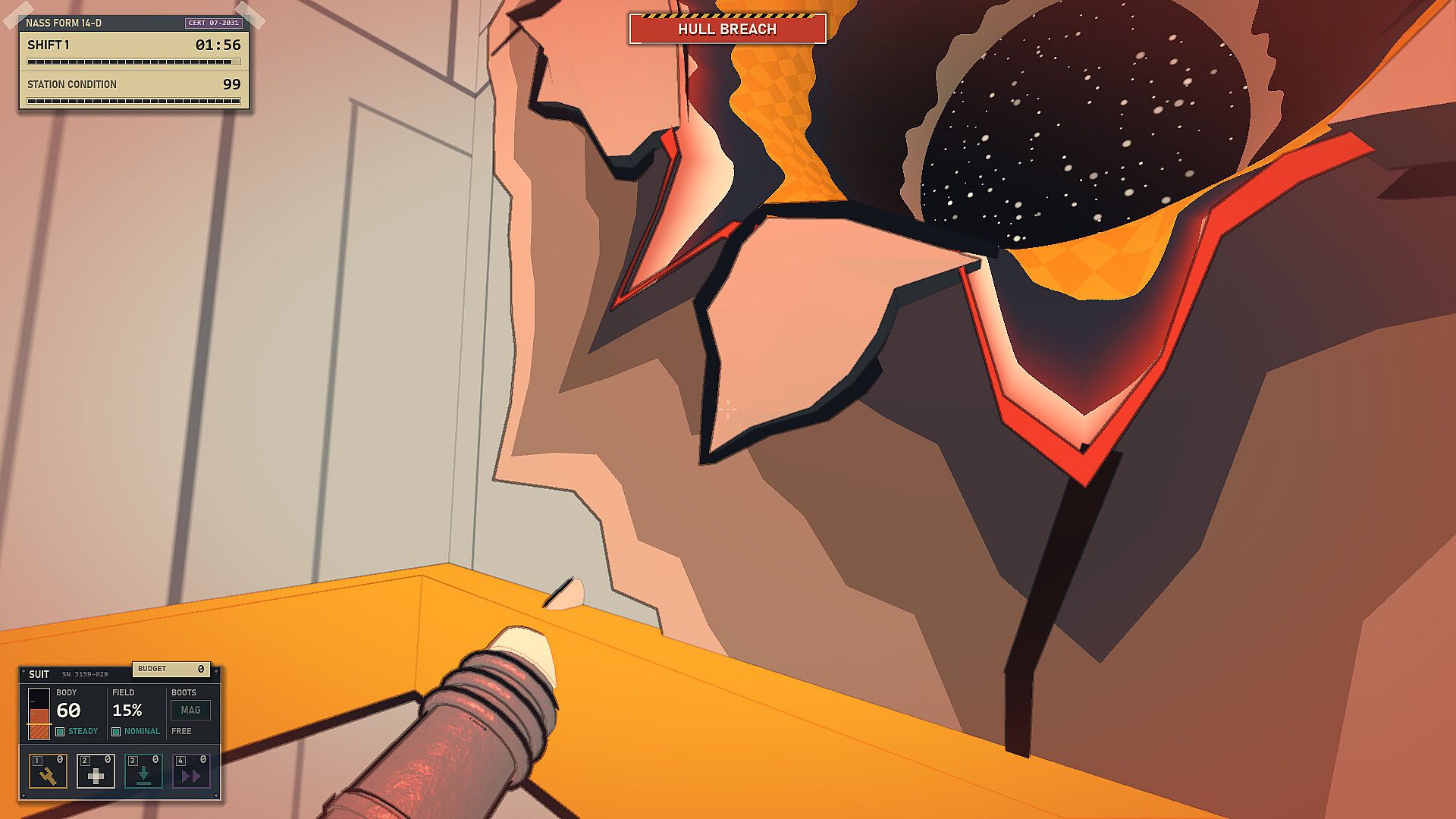
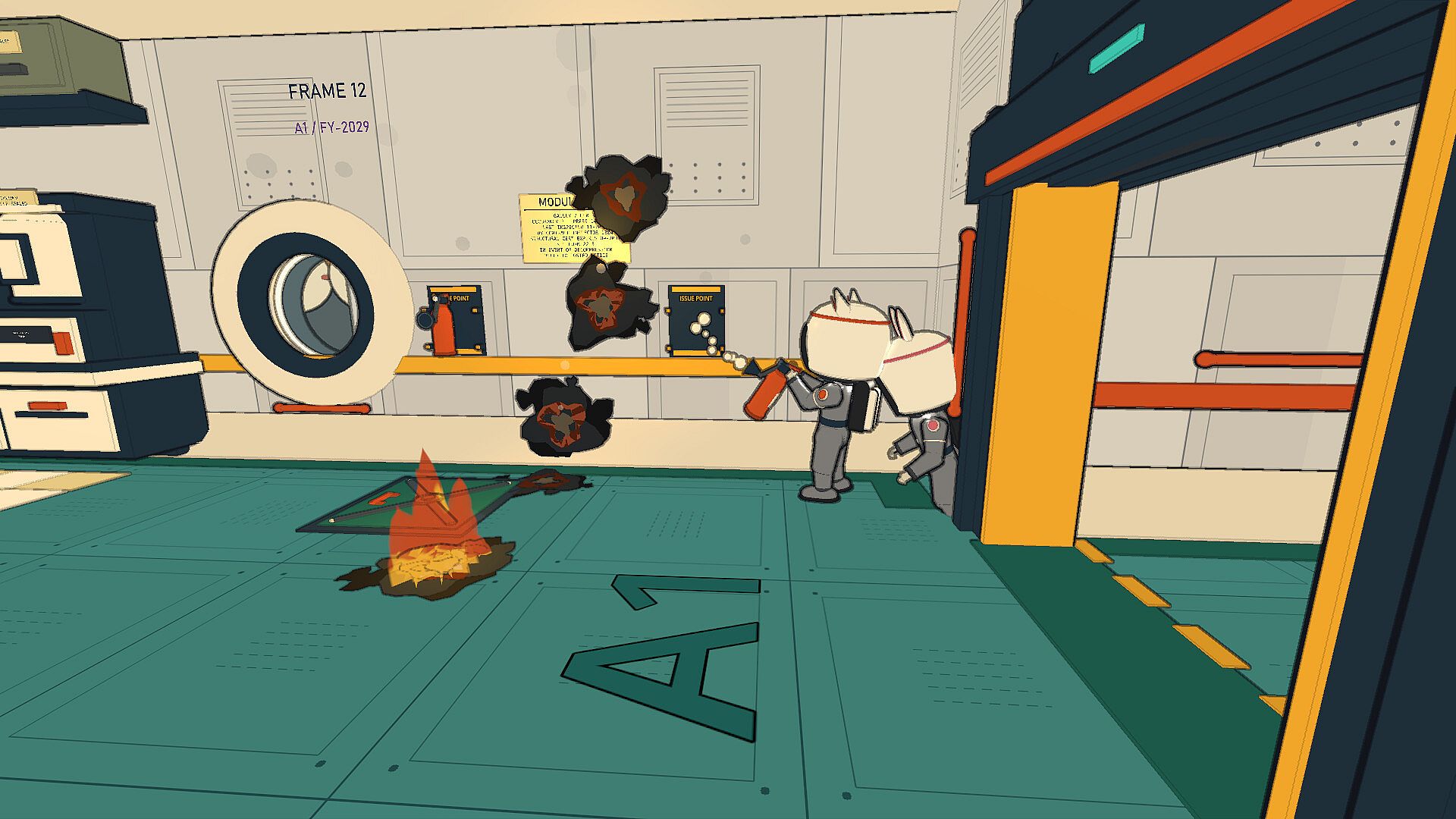
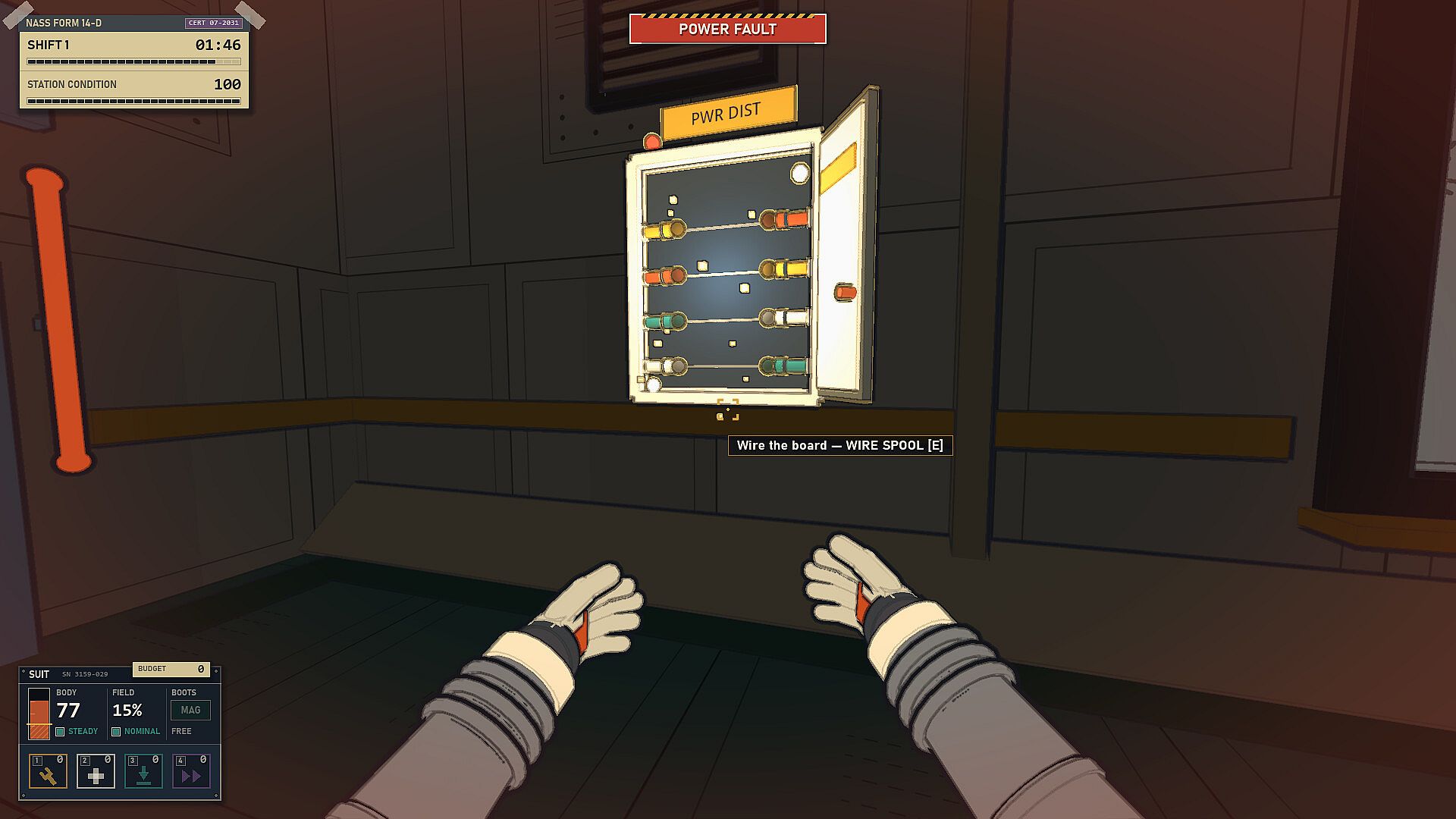
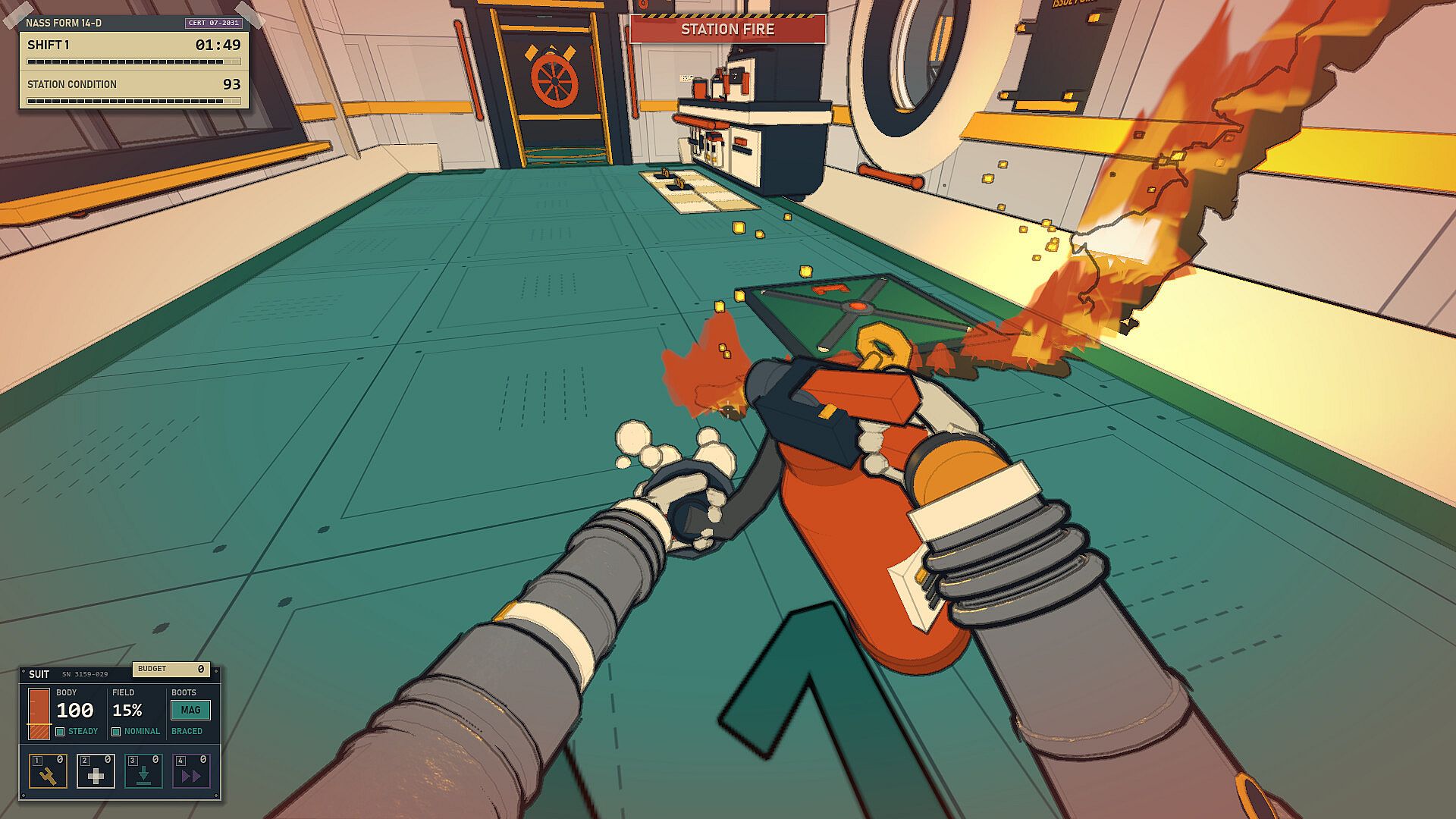
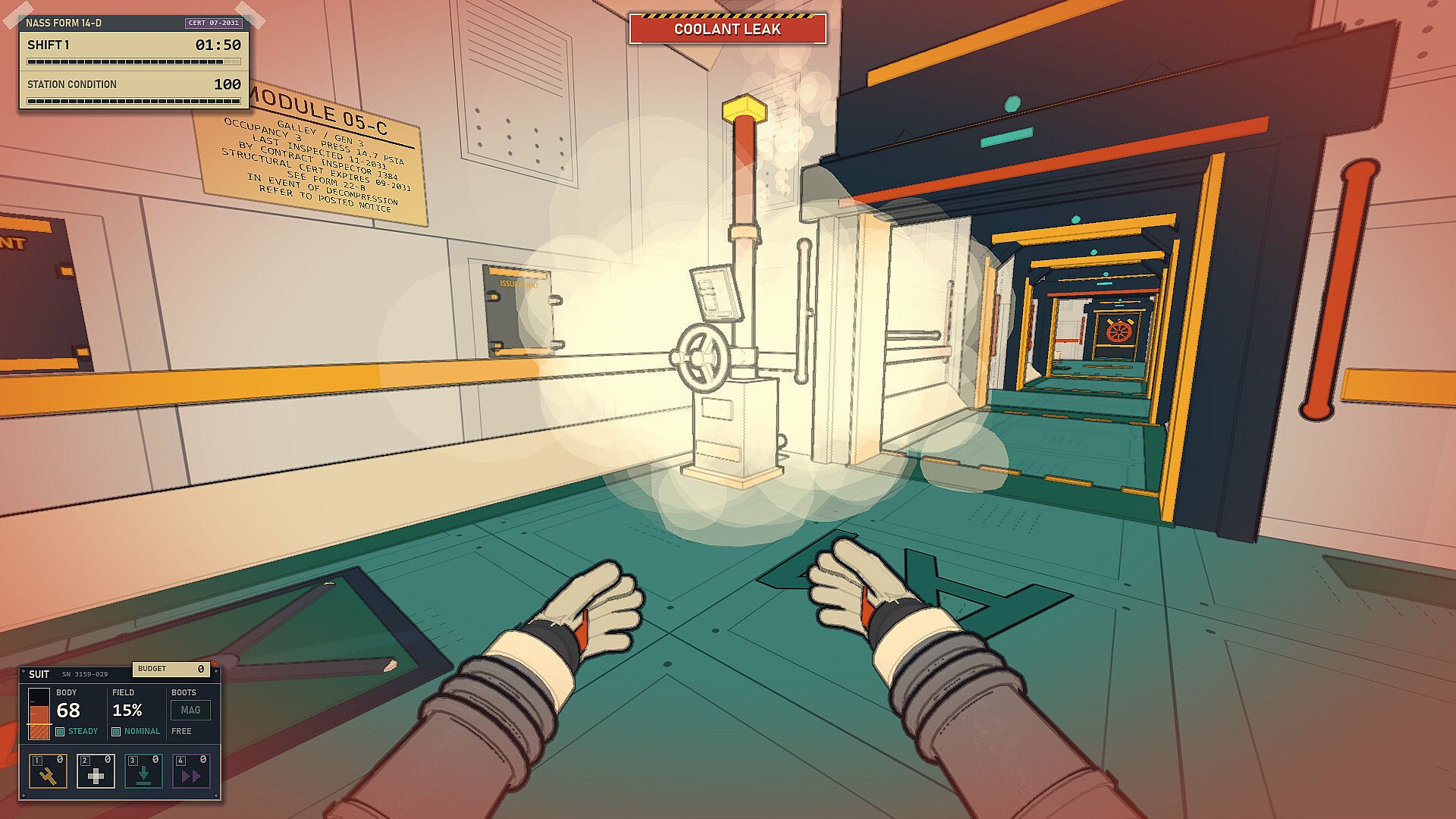
Problems follow a strict set of six core types, each with one sanctioned solution. A hull breach pulls everything toward open space until a hull clamp is braced and cranked shut. Fires, coolant leaks, blackouts, crashed terminals, and radiation leaks each demand their own specific tool, such as a geiger counter for locating invisible hazards. Special shifts introduce additional threats like incoming missiles, failing gravity, an unsuited inspector who wanders into active problems, or an impostor disguised as a crewmate. The station receives welded-on rooms every few shifts, increasing the number and speed of failures while the crew size stays fixed.
Between shifts the crew spends earnings on supplies, station upgrades, or perks from a visiting alien salesman. The rec complex can be expanded one room at a time with activities such as bowling, basketball, dodgeball, laser tag, poker, blackjack, arcade cabinets, beer pong, darts, and checkers. A jukebox adds another layer of crew interaction. Outfits and emotes purchased for the four playable astronauts-Laika, Ham, Félicette, and Marfusha-persist across sessions and stations.
Game Modes
The game supports solo play or online co-op with up to three additional players. Friends can be invited directly, late joins are allowed, and dropped players can rejoin the same shift. All systems run on shared low-gravity physics, so one player's mistake can affect the entire group. When a crew member goes down, teammates can haul the body to the med bay. Permanent death places the name on a memorial wall while the agency issues a replacement. The session ends when the station receives its Notice of Non-Continuance, at which point pay is distributed and the cycle repeats.
Visual Style and Atmosphere
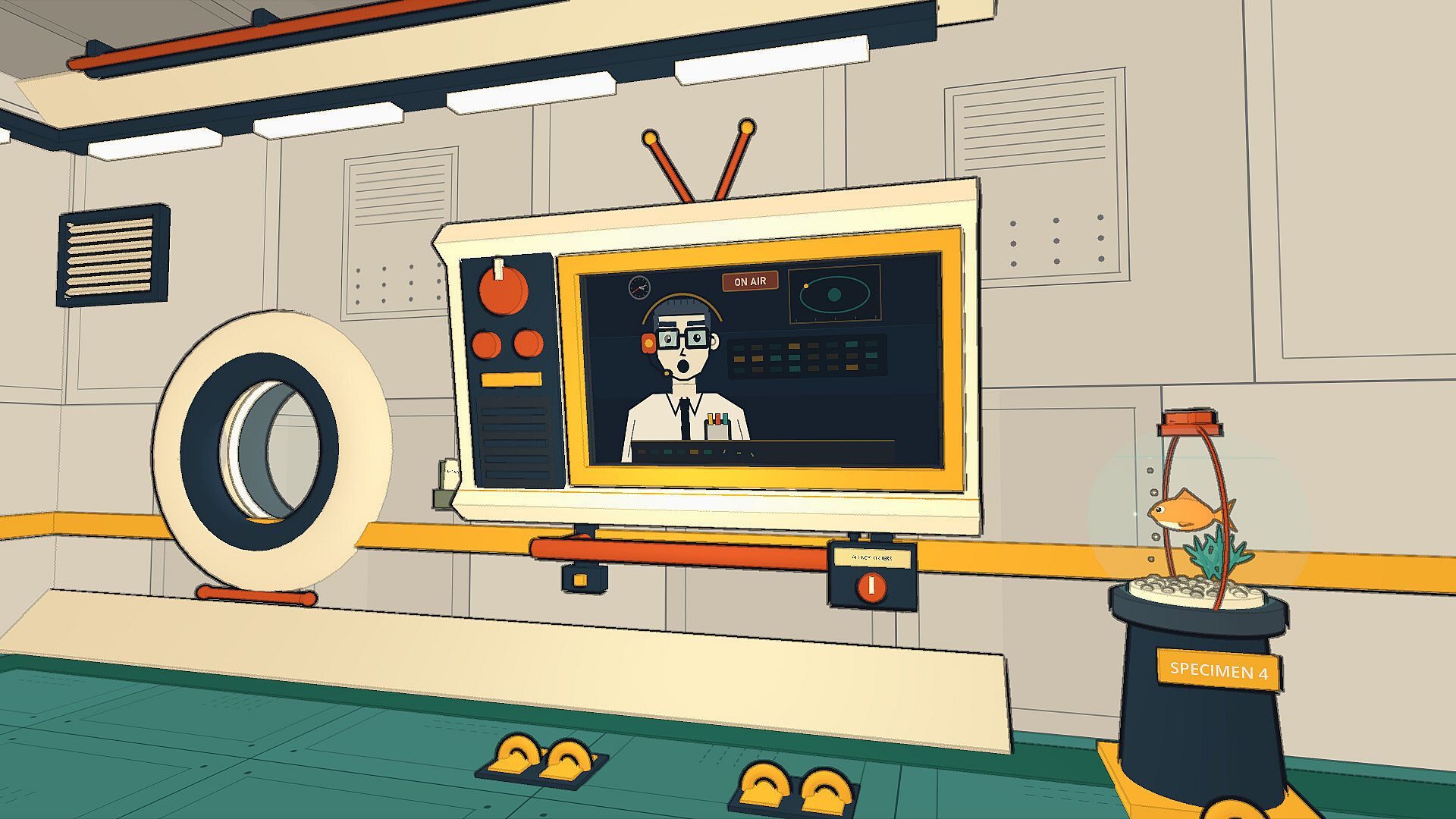
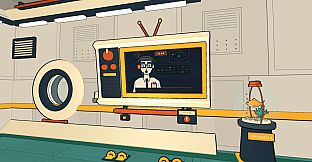
Everything adopts the look of 1960s government pamphlets and internal memos. Orders arrive on CRT monitors, safety films play in the hab module, and supply drops carry credits from unrelated departments. An original soundtrack composed by Andrew "Andy Ashley" Milburn and Carlos Martinez underscores the shifts. The tone mixes bureaucratic absurdity with the constant pressure of keeping a failing station operational.
Is It Worth Playing?
We Have a Problem. suits players who enjoy co-operative problem solving, physics-driven mishaps, and satirical takes on institutional neglect. The fixed crew size against growing station complexity creates natural tension in both solo and group sessions. Those who like short, repeatable shifts with clear objectives and room for creative failure will find the loop satisfying. The game rewards coordination and quick thinking without requiring long sessions or complex progression systems. Availability on PC makes it accessible for groups looking for a focused multiplayer experience centered on repair work and station survival.












