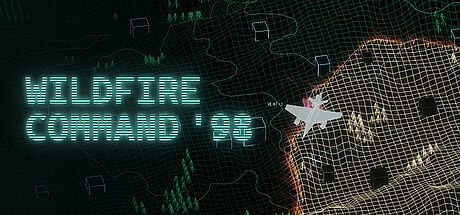


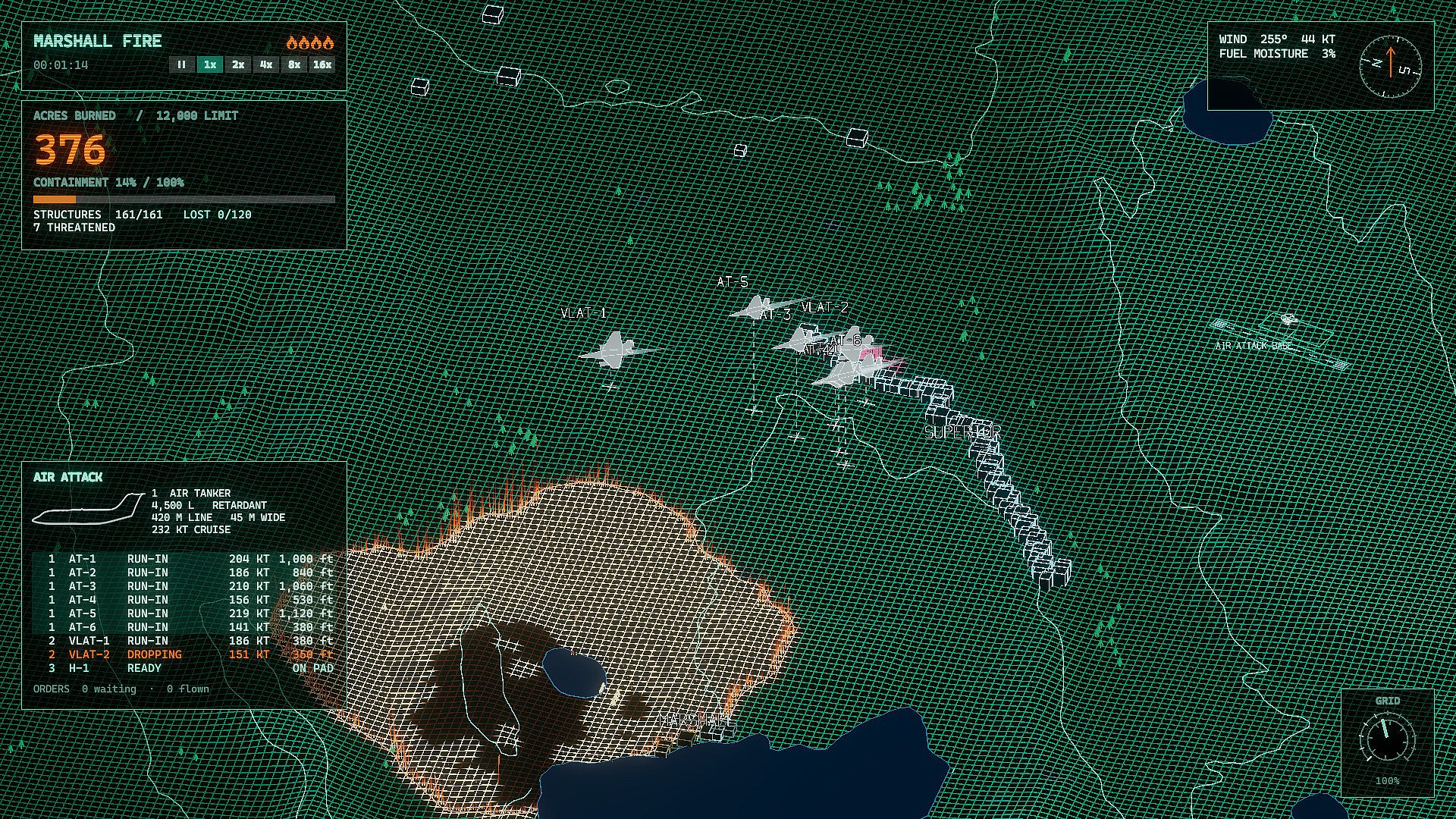
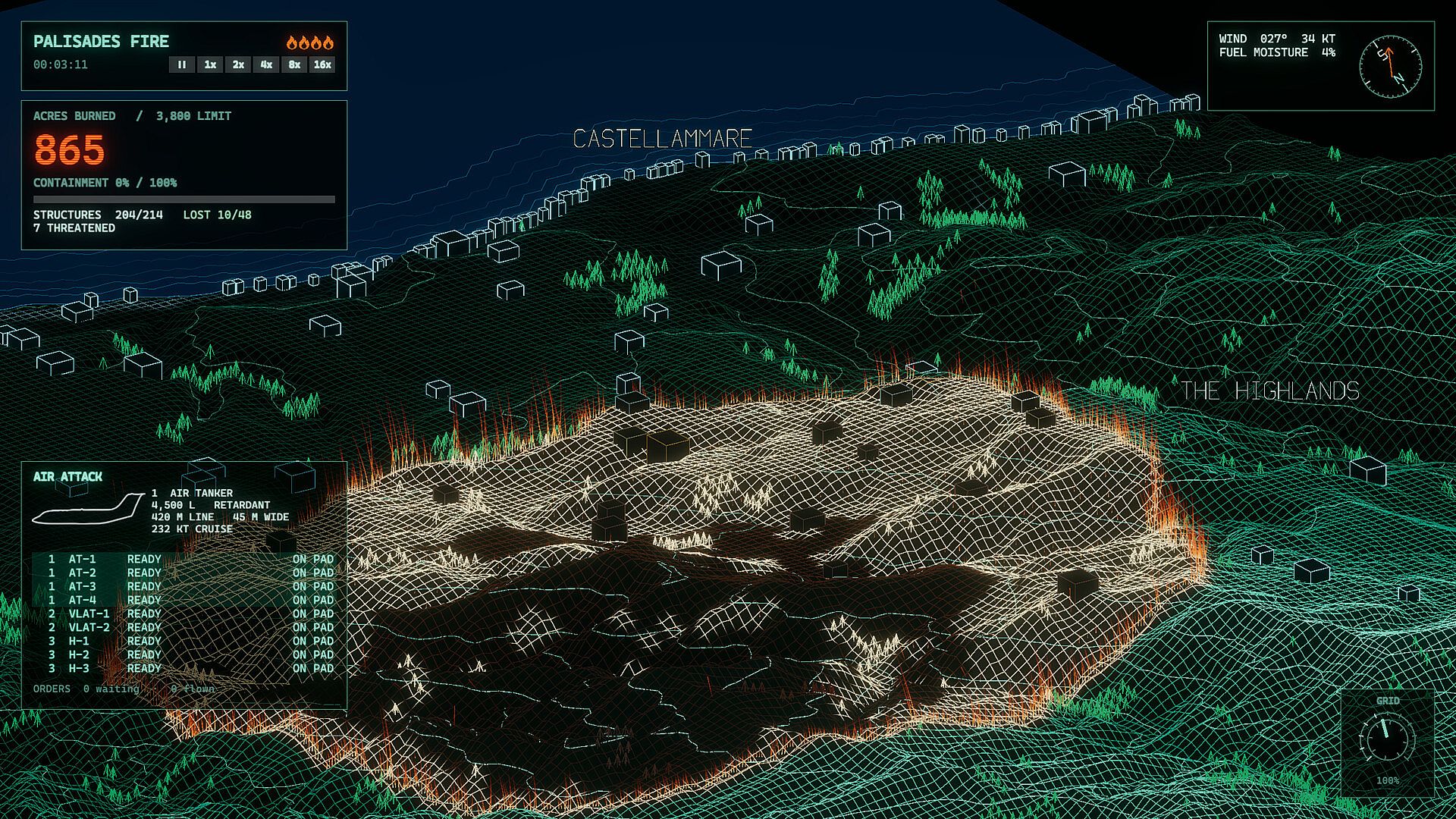
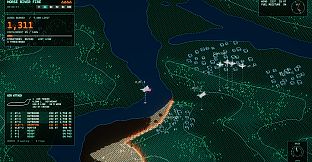
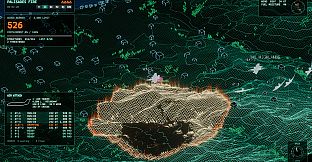
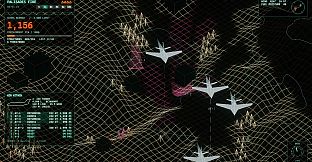
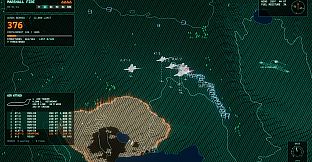
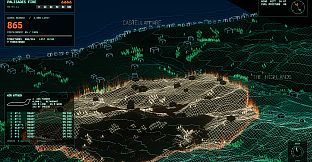
You run the air attack. You guide the planes, you don't fly them.
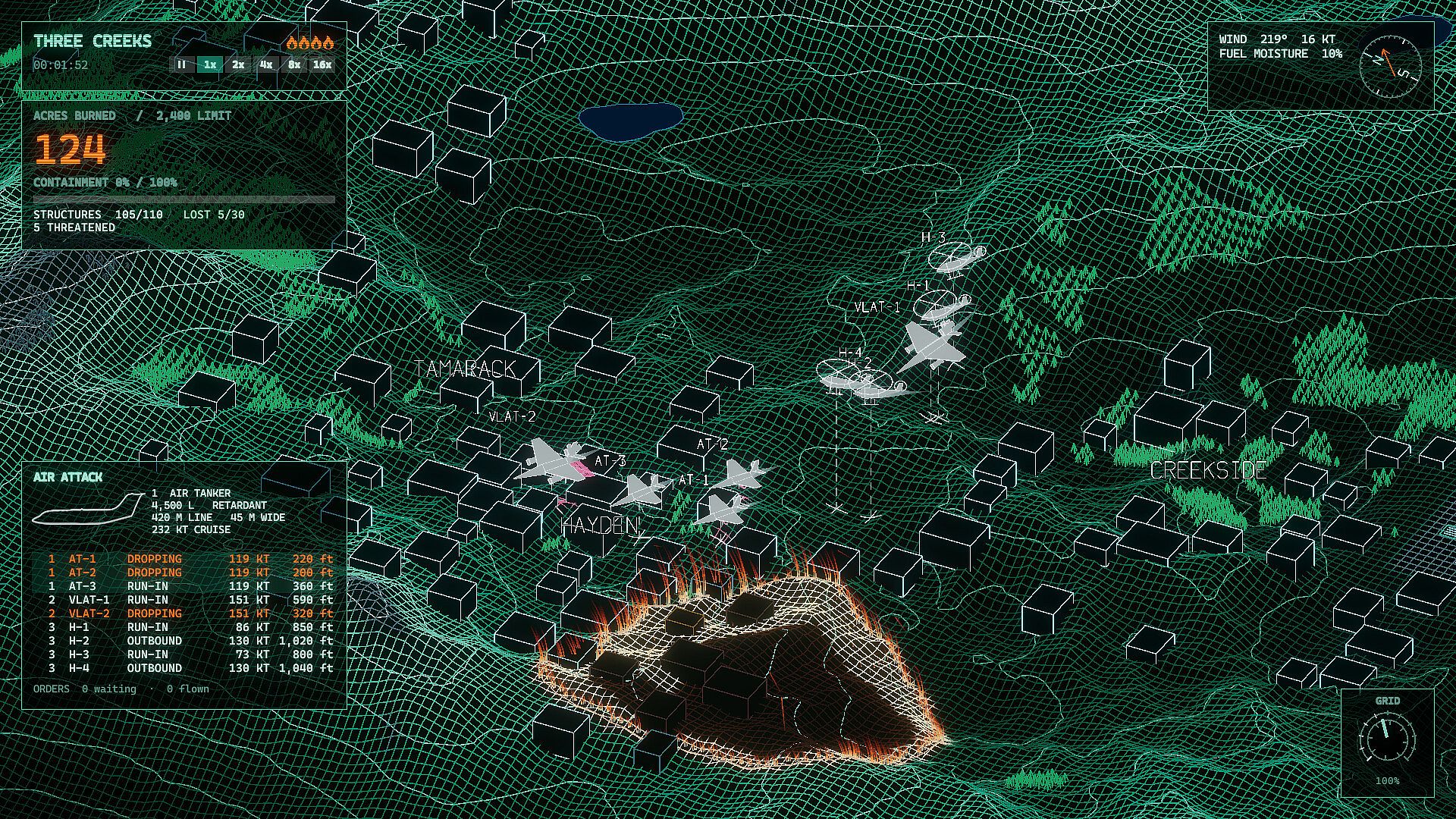
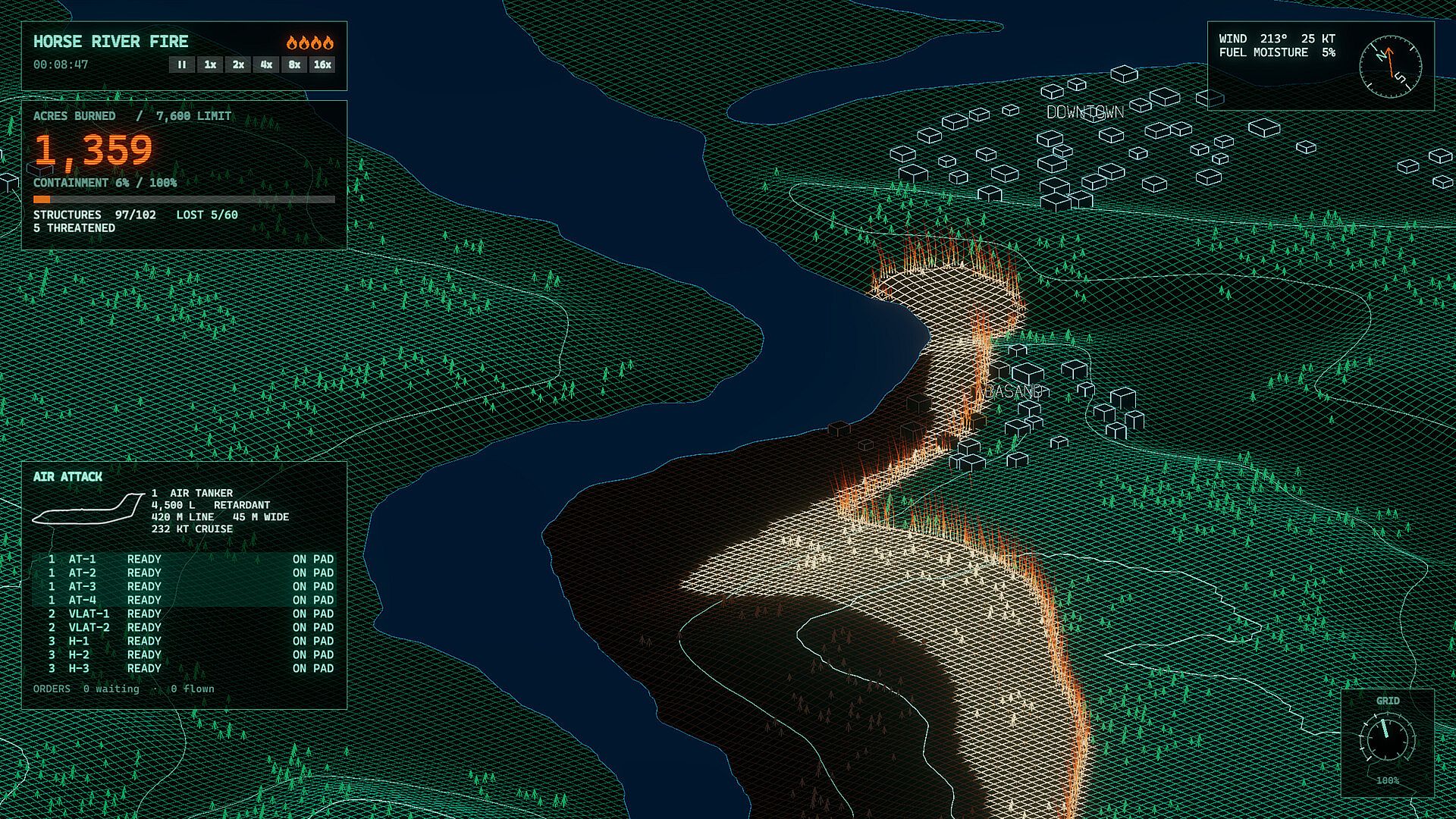
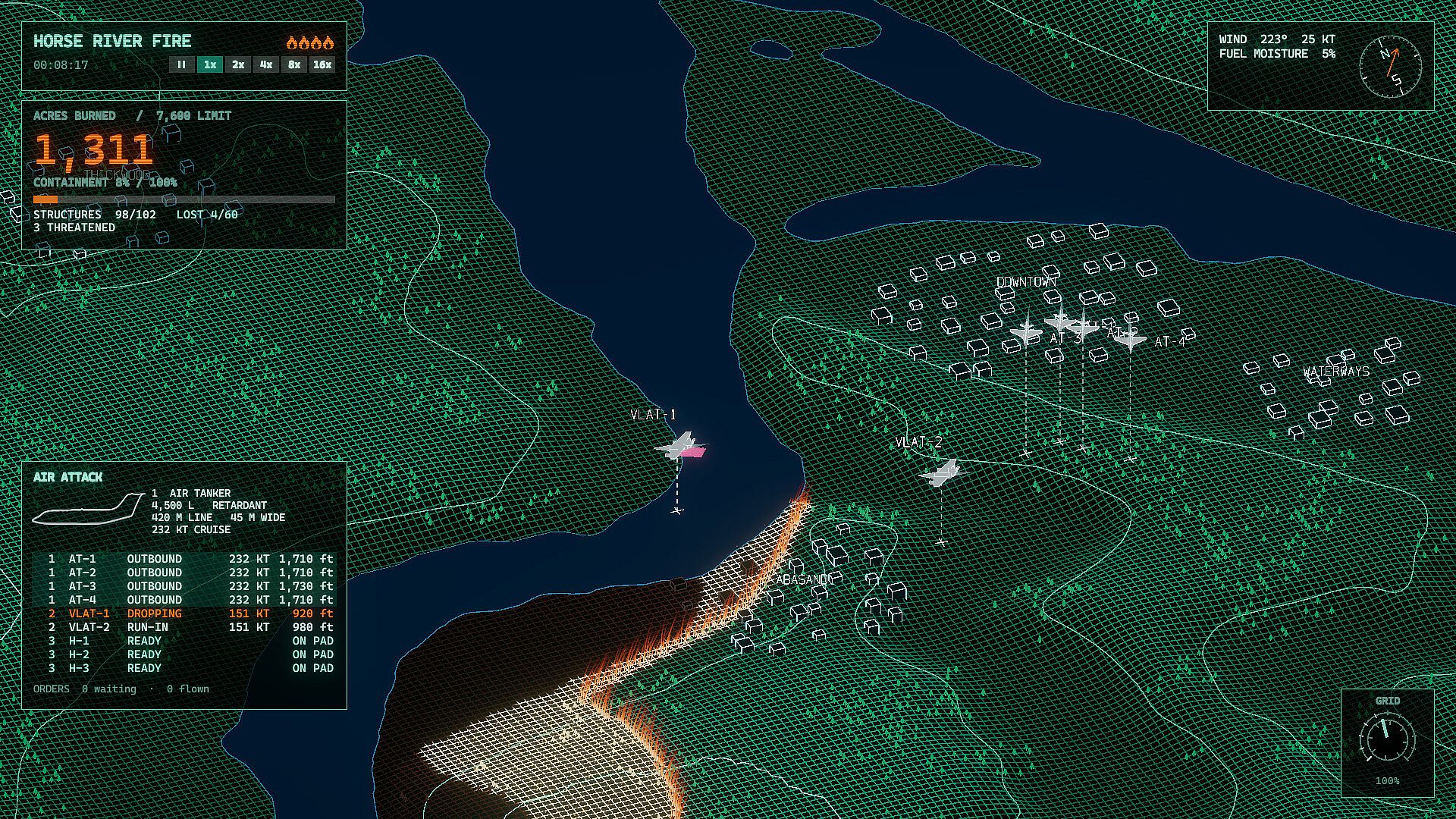
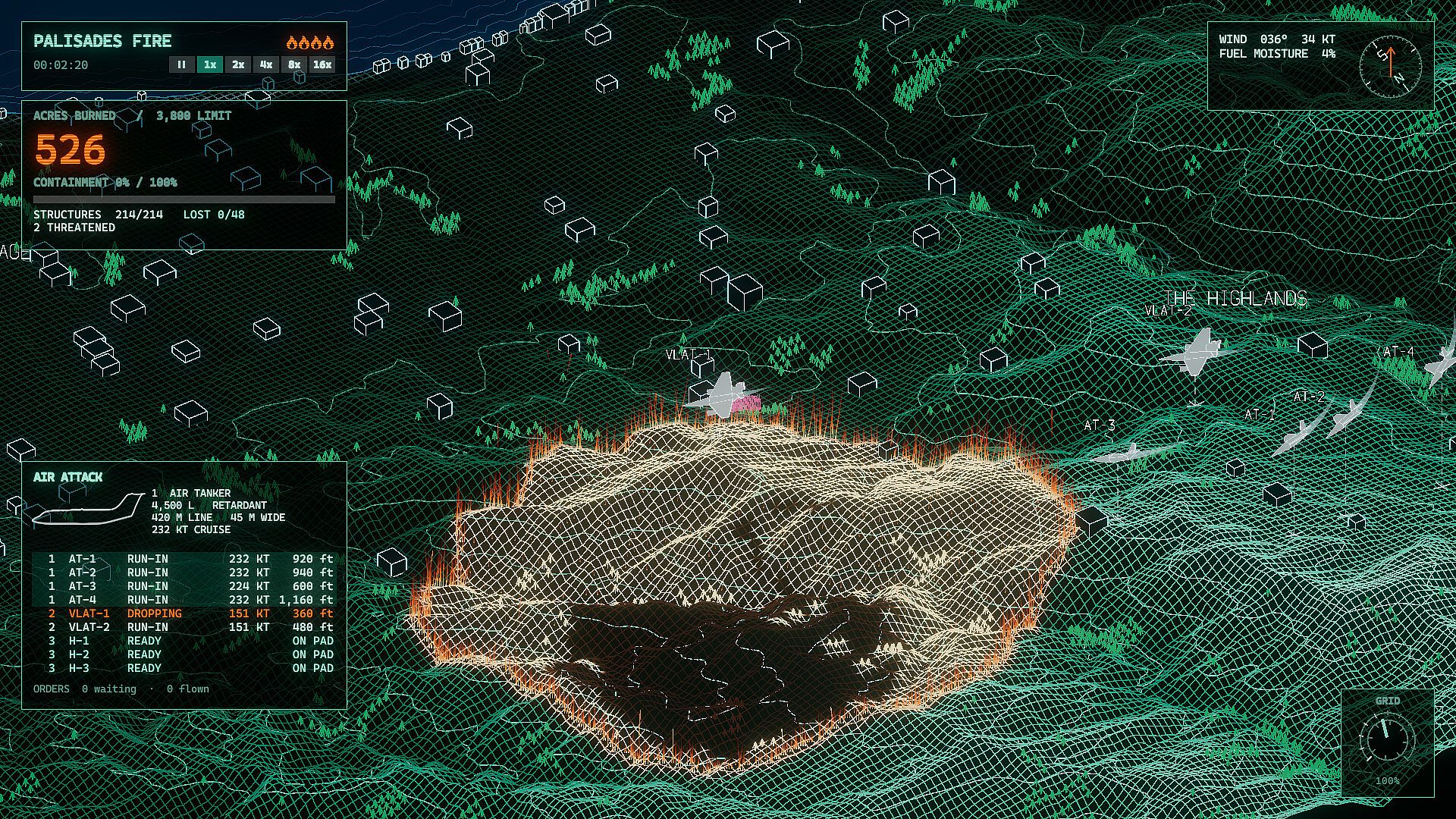
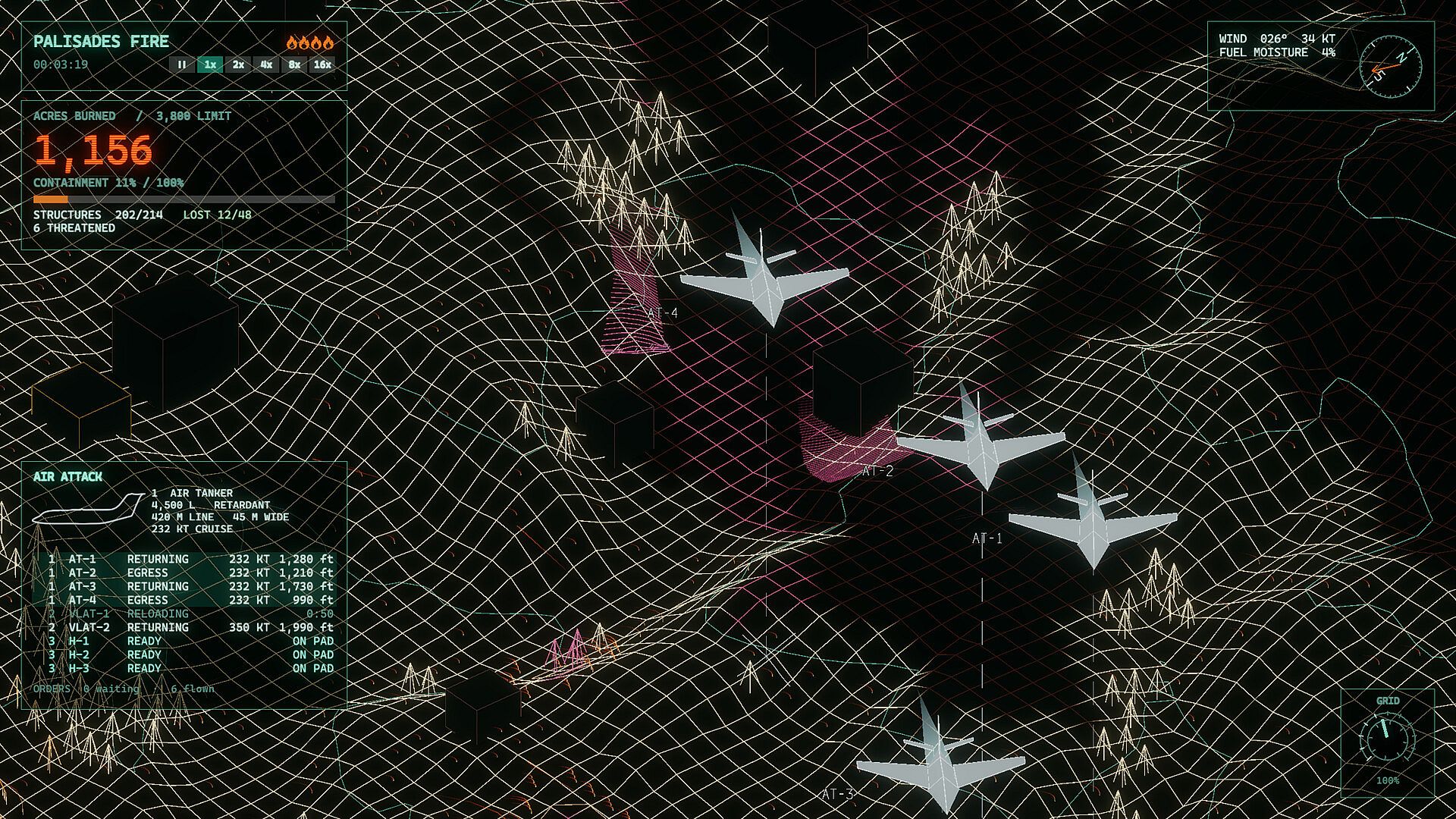
A wildfire is burning and the attack aircraft are yours to direct. You are the air attack supervisor, orbiting above with a radio and a map on a phosphor console. Air tankers, VLATs, and helitack crews check in and wait for your call. Your job is to read the situation, decide where retardant and water will do the most good, draw the lines, and live with how the fire answers.
How It Plays
Drag on the map to lay a drop line. It anchors where you press and runs the way you drag.
Retardant holds ground. It does not put fire out, it makes fuel refuse to burn, so a line laid across the front buys you everything beyond it.
Water puts flames out on contact and then dries. Spend it on what is burning now.
Helitack dip from the nearest water, so how often they come back is determined by where water can be found (lakes and shorelines or the Air Attack Base).
Every airframe has a turnaround time: load, fly, drop, return. The queue is the real constraint, not the map.
Pause whenever you like, and compress time up to 16x while the fire is quiet.
The fire is a simulation, not a script
Fire spreads faster uphill and faster downwind, through fuel that changes across the map. Grass runs and burns out. Timber holds, then throws embers ahead of itself. Wind shifts, and the line you spent four loads on is suddenly the wrong one. Lightning ignites new starts while you are still working the first one. The fire you were sent to is not always the only fire you leave with.
Containment is measured honestly, as the share of the perimeter with nowhere left to burn, and acres burned is a count of what actually burned. The same fire fought differently becomes a different fire.
What's In It
Nine authored fires. Five training fires, each built around an idea, and four drawn from real incidents: the Rim Fire, Horse River, the Marshall Fire, and the Palisades Fire, each with its own weather, fuel, and terrain.
Generated incidents, without end. Every one is rolled fresh and rated for difficulty before you commit to it, from a quiet ridge at dawn to a coastal town under a heavy offshore wind.
Two-player co-op. Two airbases, two rosters, and one mission. You see the other commander's aircraft and the lines they have drawn, and you command only your own. Practice with a bot.
A replay of every run, with a code you can hand to somebody else so they can watch and fly the exact fire you fought. The simulation is deterministic, so what they get is your fire, not just a recording of it.
28 achievements, all earned by flying well rather than by flying often.
A recorded radio net. Your crews call in, read back and report, with voices that change from one mission to the next.
Nine tracks of music.
Plays on a controller or with mouse and keyboard, with on-screen control hints you can hide.
One sitting, not a campaign
Most fires are decided in under half an hour, shorter if you accelerate time. The score at the end says what it cost: acres burned, structures lost, and whether you ever got a line around it. Try it again or save the replay to come back to later.
From The Developer
I was a pilot in the 90s and flew out of an airport that was shared with a CAL FIRE air attack base. My memories of watching the bombers flying their missions inspired this game. The look and feel is inspired by my favorite early arcade vector games as well as the ATC equipment in use at the time.