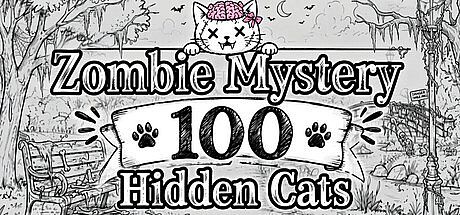


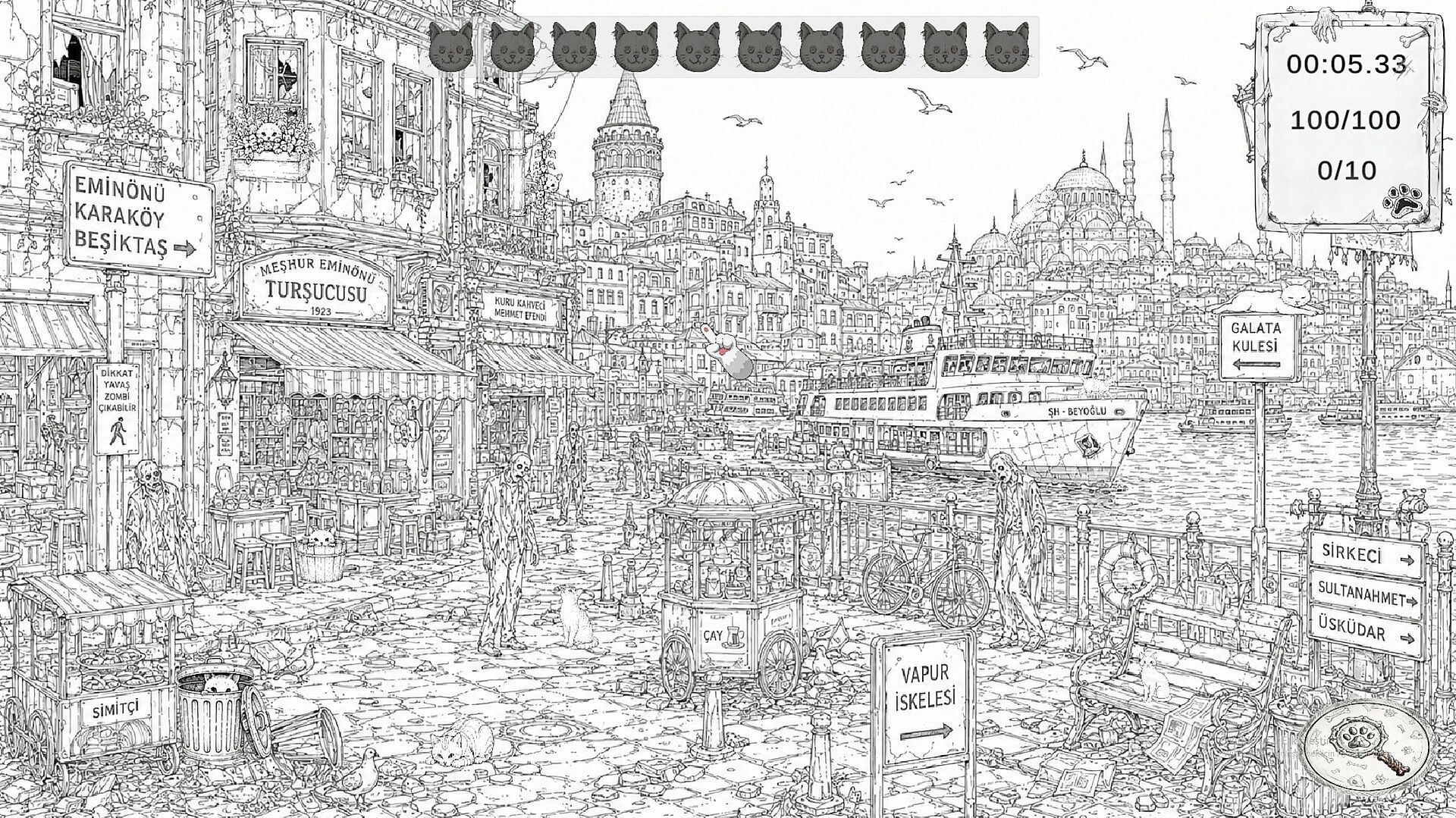
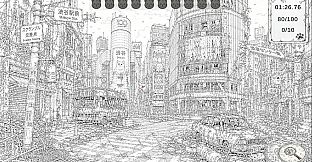
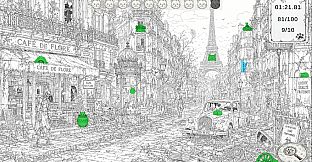
Zombie Mystery: 100 Hidden Cats is a casual hidden object game set in a post-apocalyptic world overrun by zombies. Players search detailed scenes for one hundred cats that have gone into hiding to survive the outbreak. The title blends indie adventure elements with straightforward point-and-click mechanics, emphasizing observation and quick decision making over complex controls or narrative branches.
Gameplay
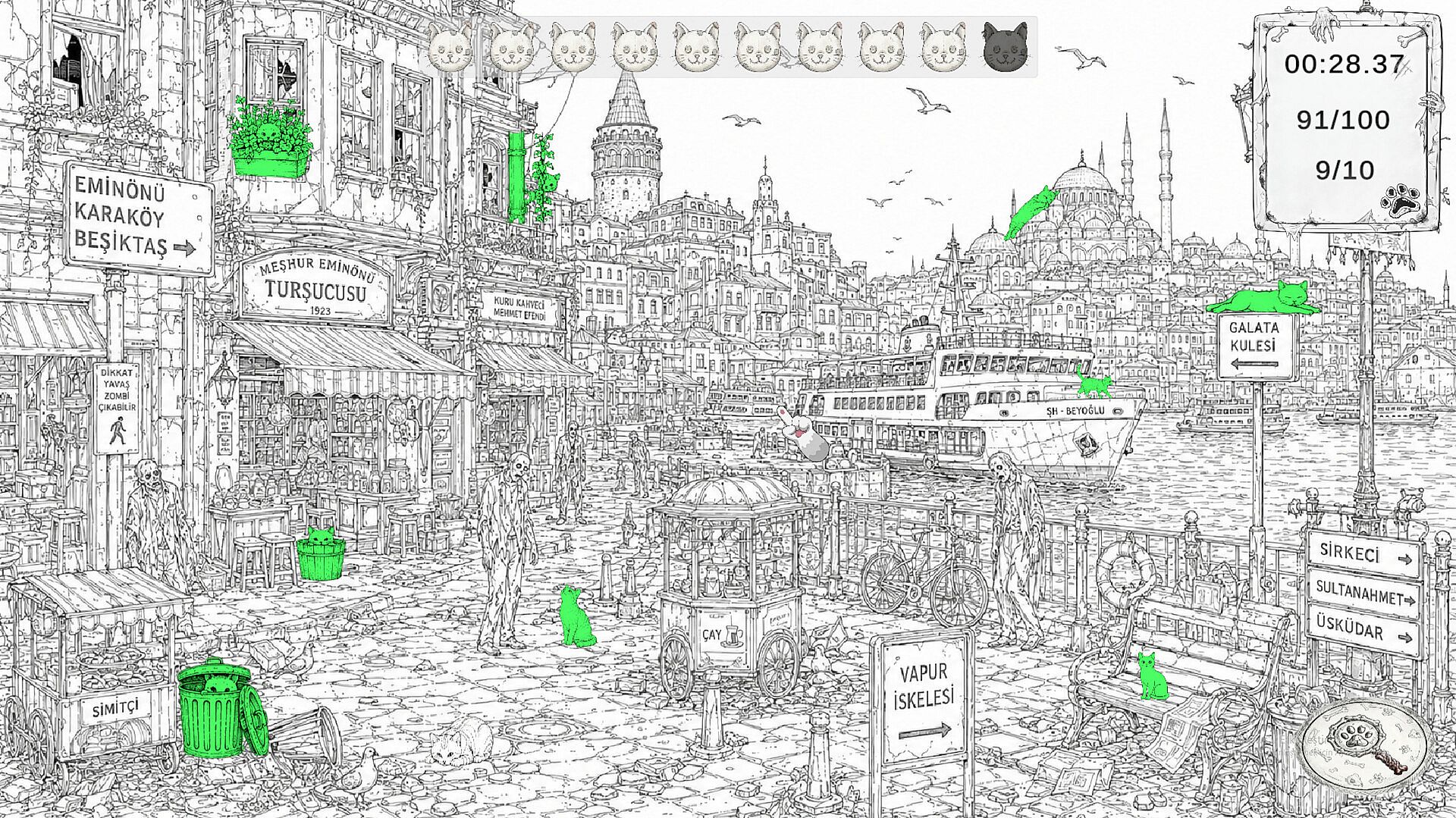
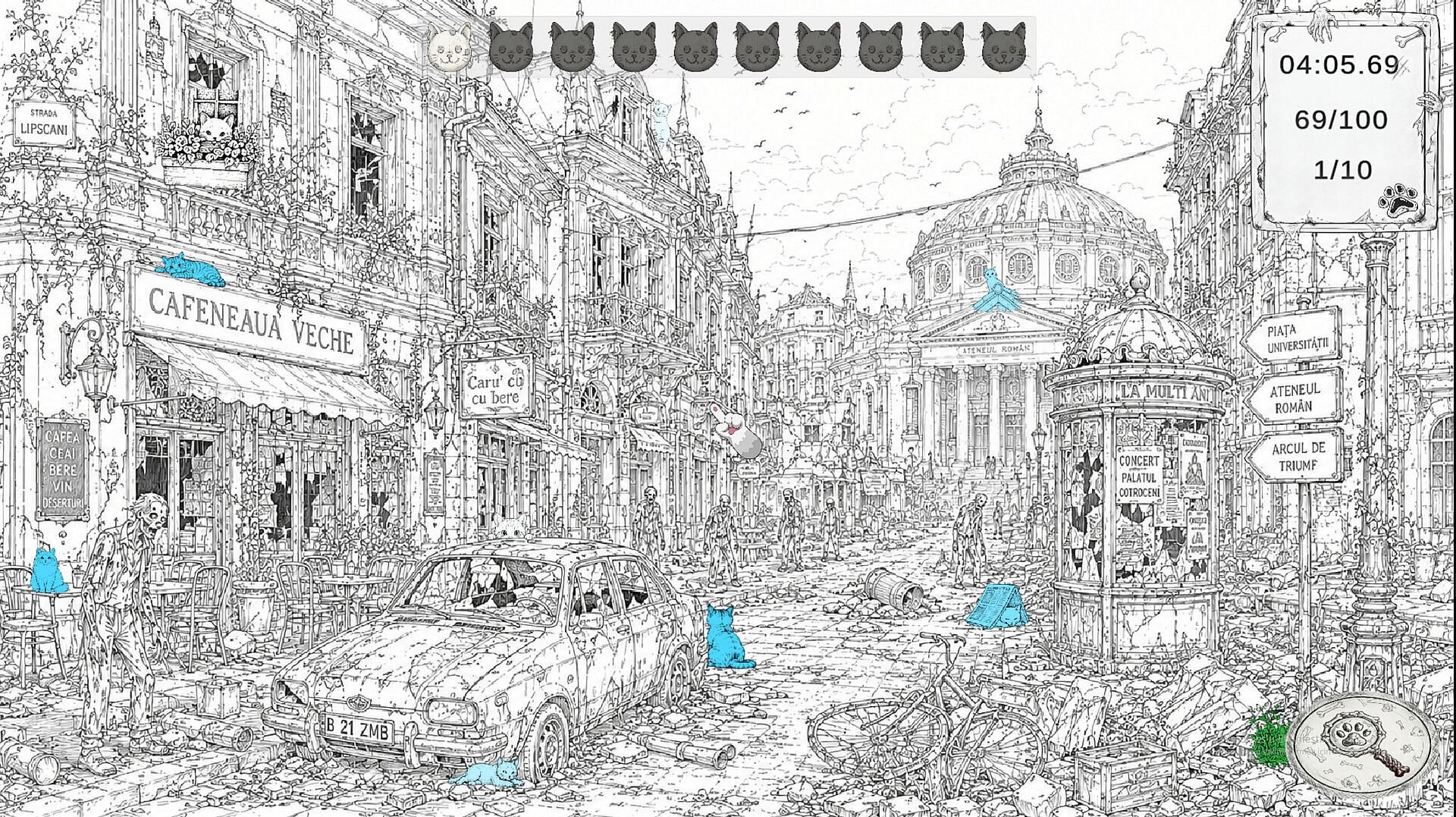
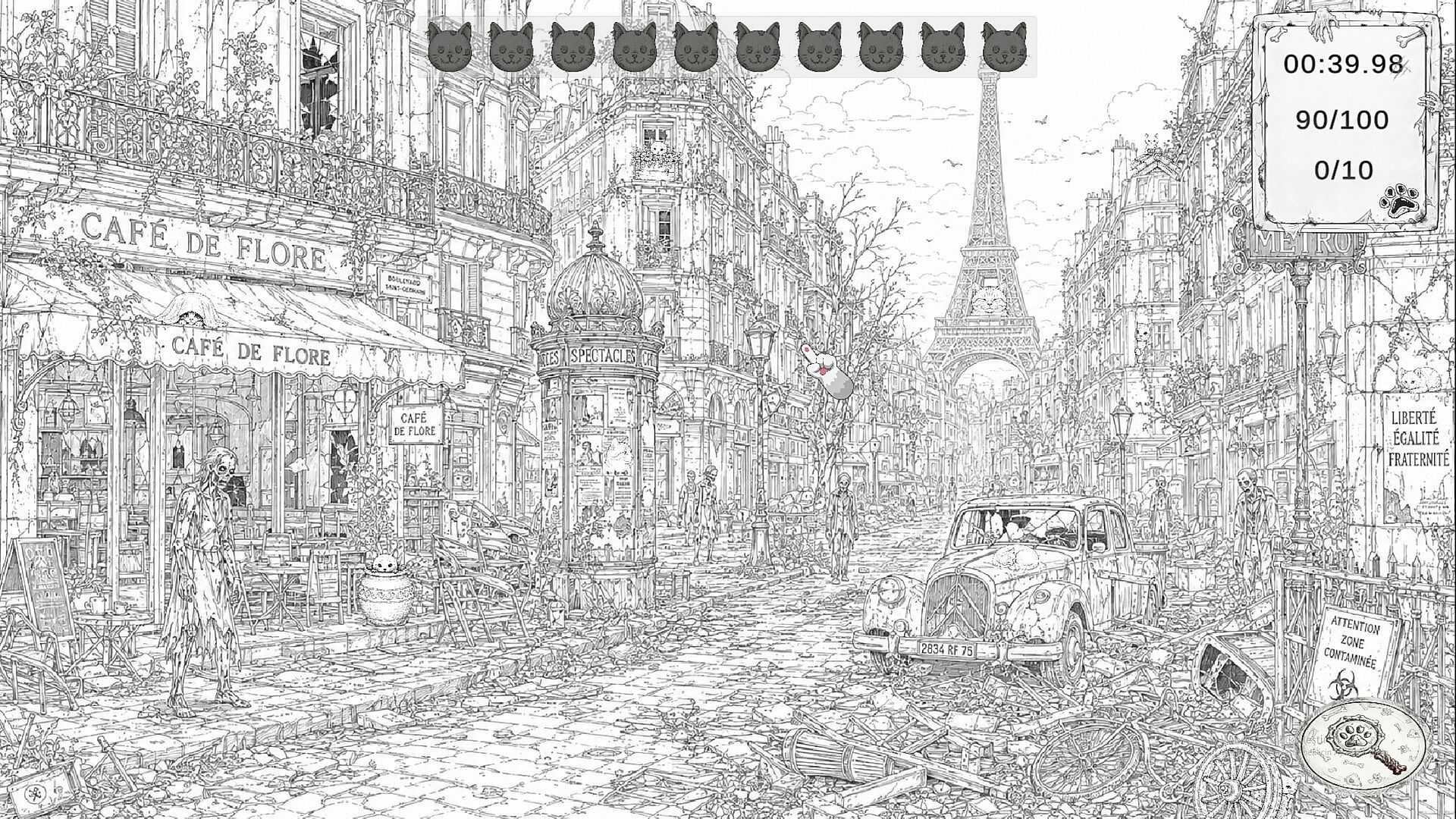
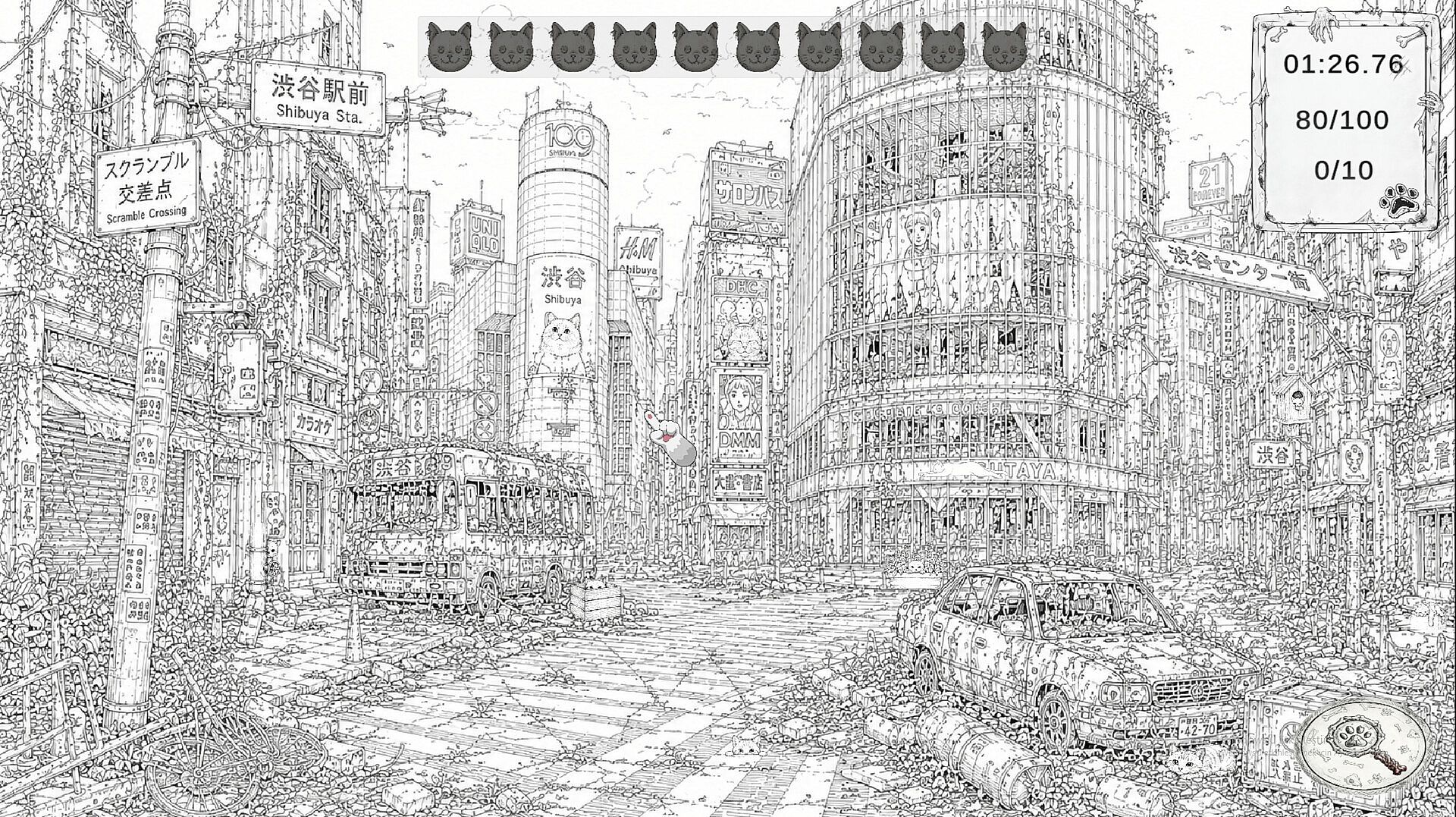
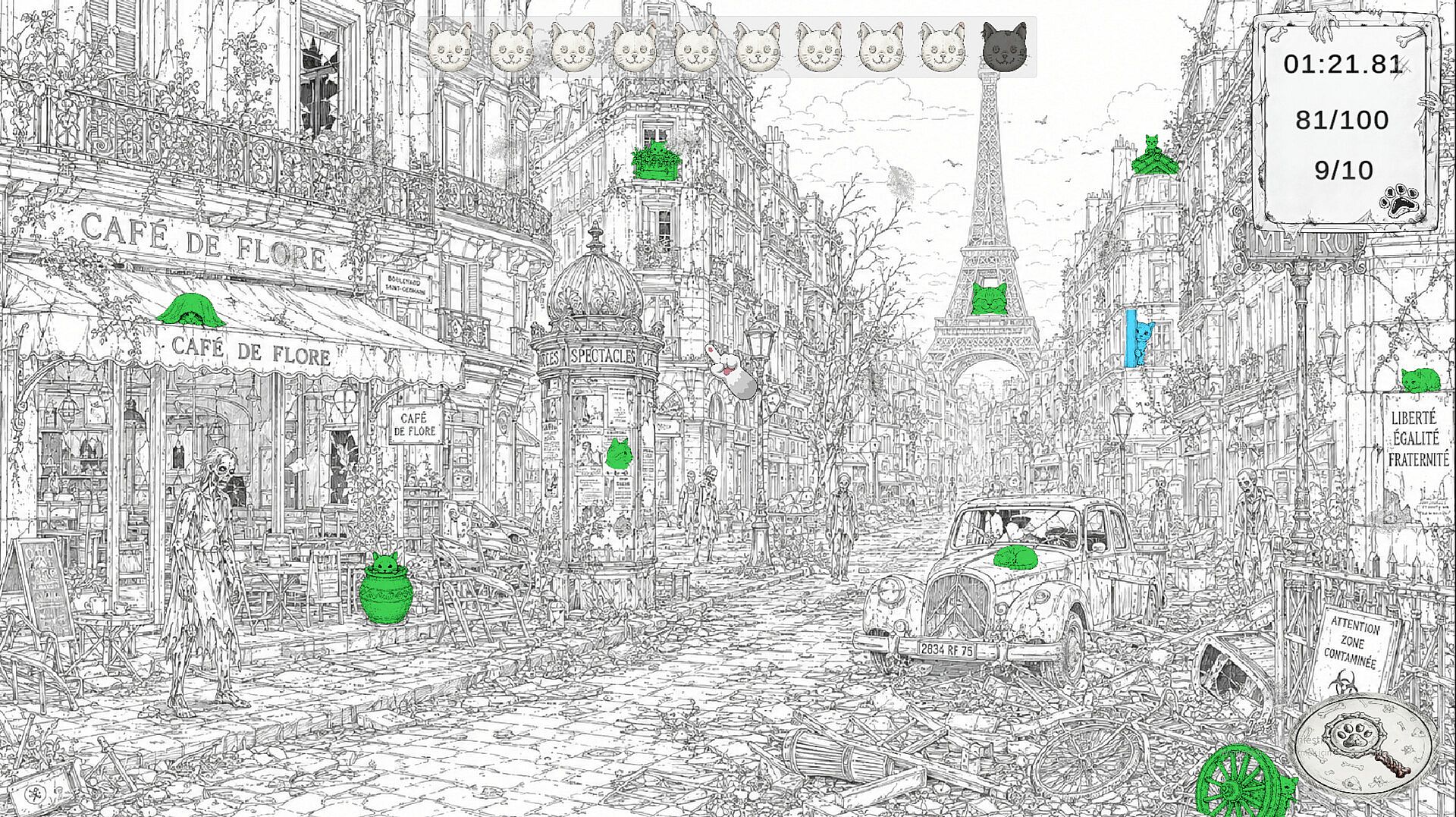
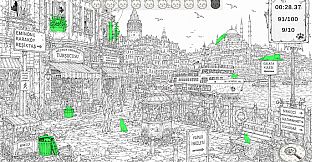
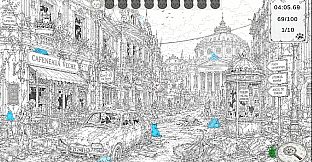
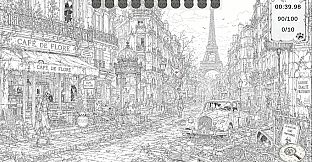
The core loop centers on locating every cat within a single richly illustrated environment filled with abandoned streets and zombie-infested details. Players click directly on the hidden felines to mark them as found, which changes their appearance for easier tracking of progress. A visible counter tracks remaining cats, while the scene supports zooming and panning to examine fine details or shift focus across the wide canvas.
Time pressure defines each attempt. The faster cats are located, the better the final result. Precision plays an equal role because incorrect clicks trigger time penalties that increase with repetition. This system rewards careful scanning rather than rapid guessing. When a cat proves elusive, the hint option reveals its exact position, though each use extends the overall completion time and affects the score.
Sound design includes meow effects on successful finds, and visual feedback highlights discovered cats against the otherwise muted palette. Progress saves automatically, allowing sessions to resume without restarting from scratch. The entire experience stays focused on one primary scene, keeping attention on pattern recognition and spatial awareness within the zombie-themed artwork.
Game Modes
The game operates around a single time-based challenge mode. Every playthrough uses the same core rules: locate all one hundred cats as quickly as possible while managing penalties from misclicks and optional hints. No separate difficulty levels or alternate rulesets appear. The emphasis remains on improving personal times through repeated attempts at the same detailed scene.
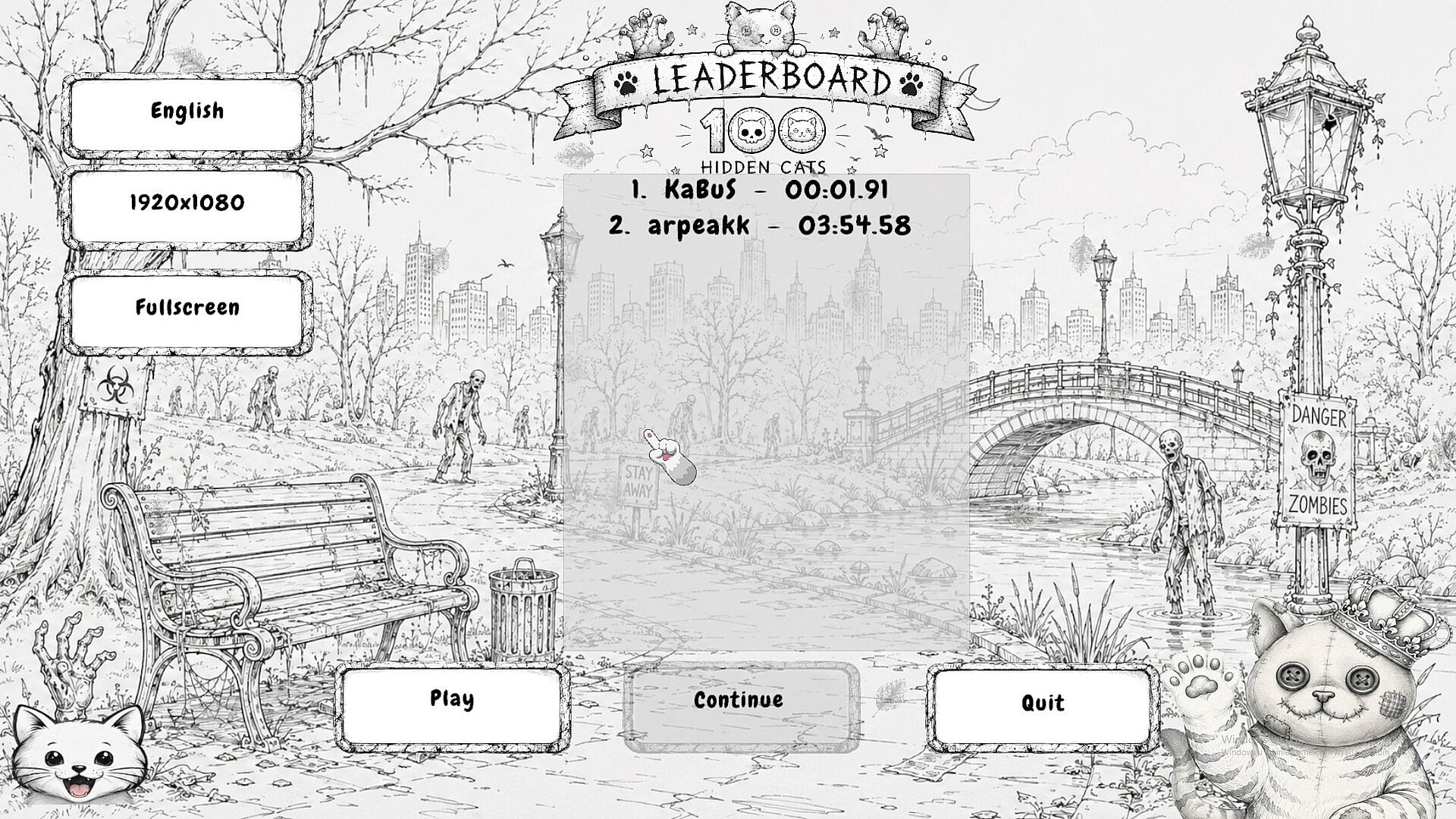
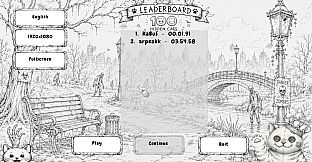
Global leaderboards record the shortest completion times, creating a competitive element for players who return to shave seconds off their best runs. Achievements unlock based on consistent performance, such as finishing without excessive penalties or using hints sparingly. These systems integrate directly into the main loop rather than branching into distinct modes.
Visuals and Atmosphere
Hand-drawn artwork depicts deserted urban environments with layered details that reward close inspection. The zombie apocalypse theme appears through scattered debris, ruined structures, and subtle undead elements that frame the search without overwhelming the central task of spotting cats. Color shifts on found cats provide clear visual confirmation amid the busy composition.
Controls stay minimal, relying on mouse input for clicks, zooming, and dragging the view. This simplicity suits short play sessions where the goal is rapid pattern spotting rather than extended exploration. Brightness adjustments and a black-and-white filter option help players adapt the scene to their preference or reduce visual strain during longer attempts.
Is It Worth Playing?
Players who enjoy hidden object puzzles with added time pressure and penalty systems will find a focused experience here. The single-scene format delivers quick sessions that emphasize skill improvement through repeated runs, leaderboards, and achievement hunting. Those seeking lengthy campaigns or multiple varied levels may find the scope limited, yet the mechanics deliver consistent challenge within their narrow design.
The combination of speed, accuracy, and hint management creates a loop that rewards practice without requiring prior knowledge of similar titles. Short overall length makes it accessible for casual sessions, while the competitive elements encourage return visits. For fans of precise observation games set against a light thematic backdrop, the title offers straightforward entertainment centered on its core finding mechanic.