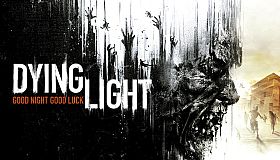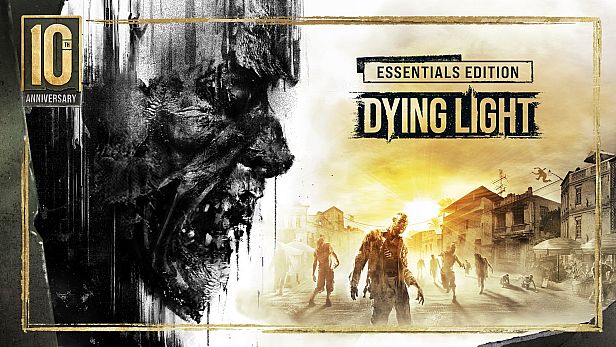







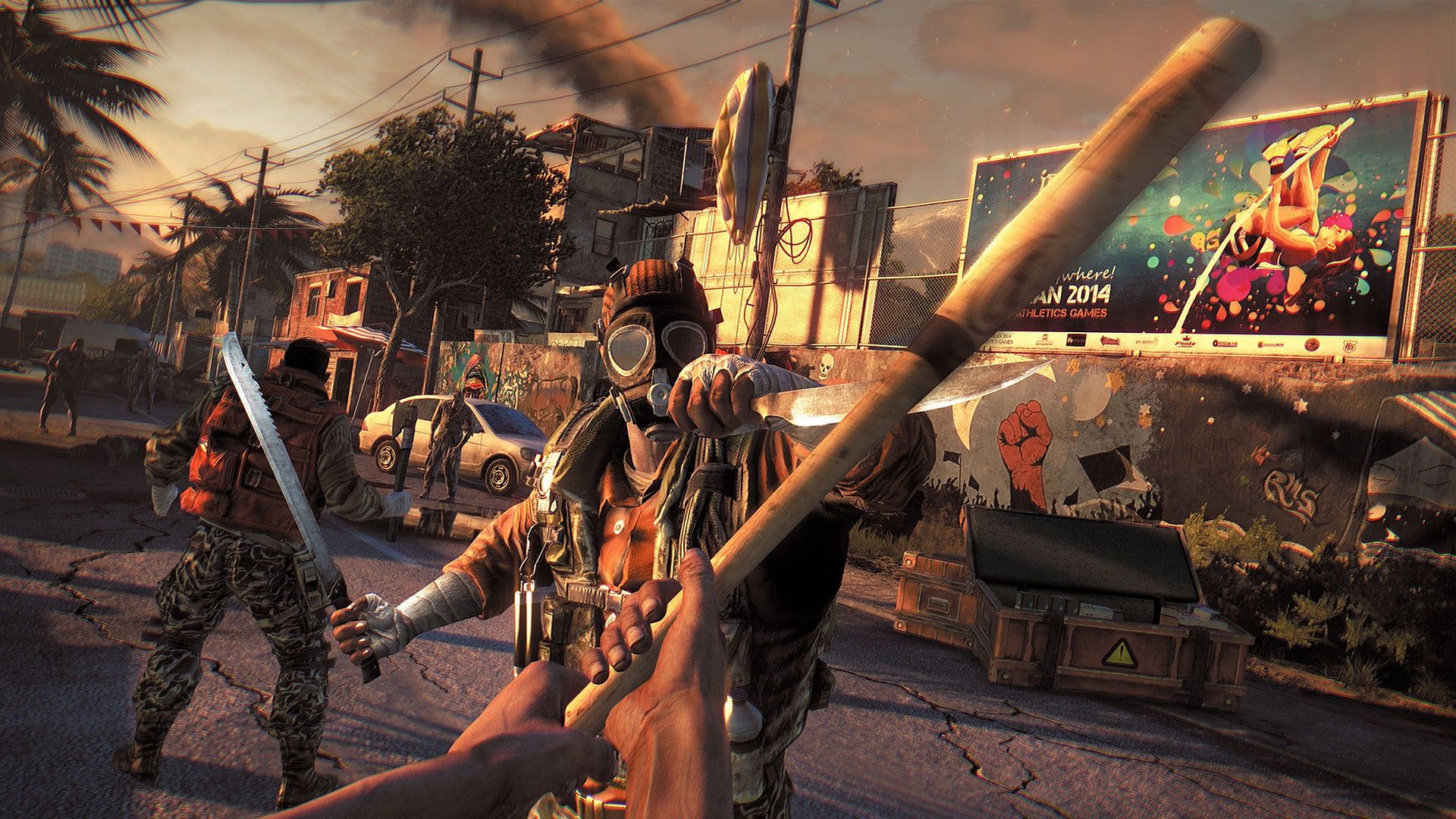
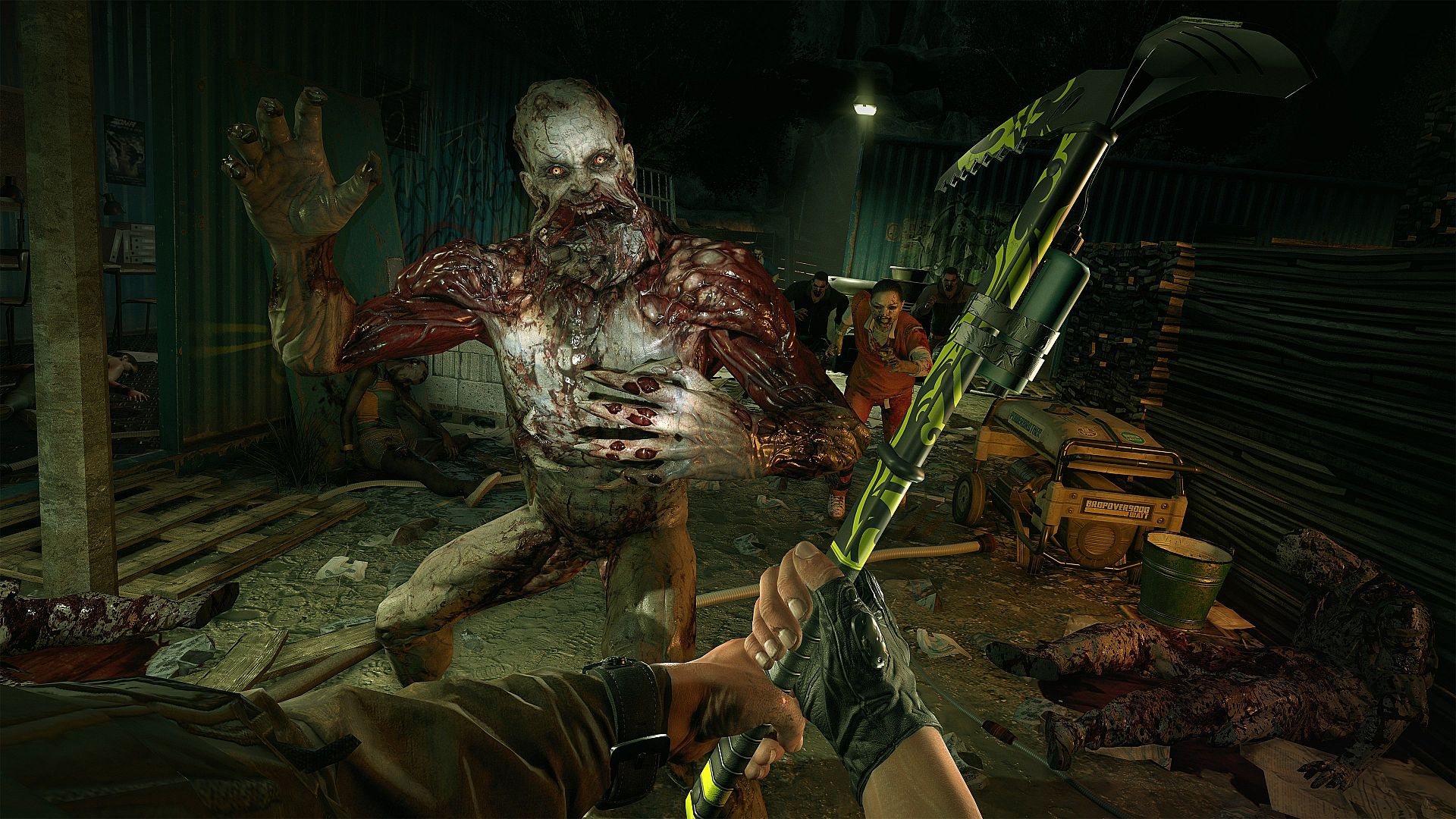
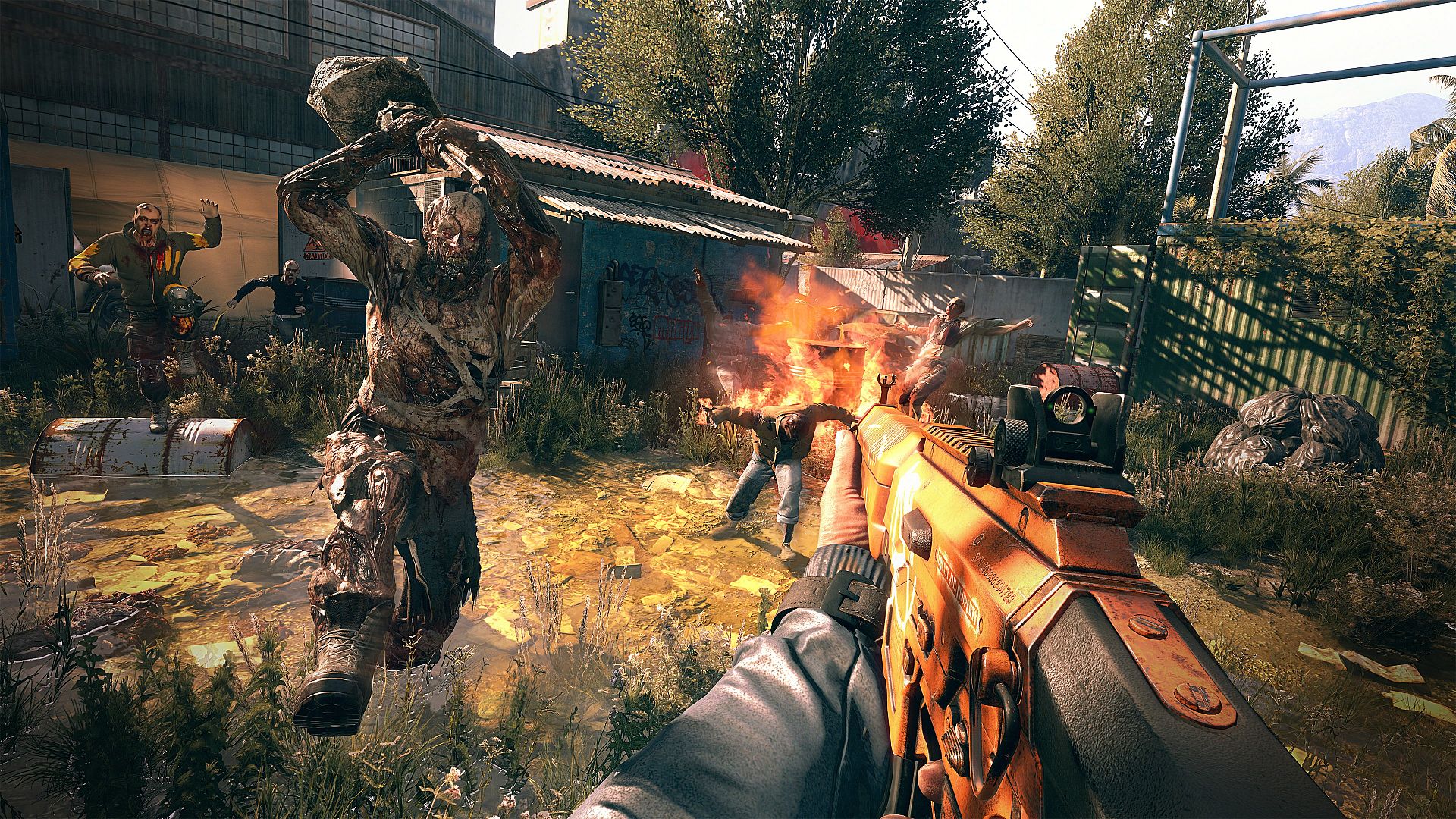
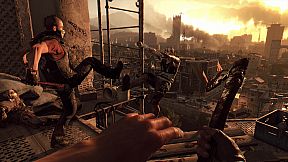
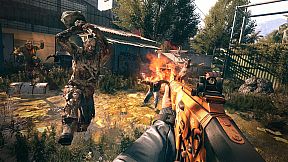
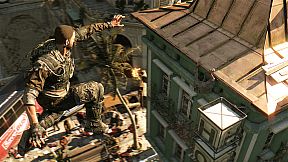
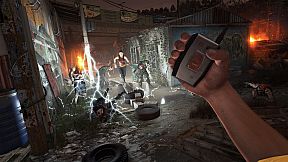
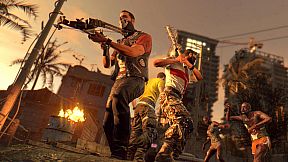
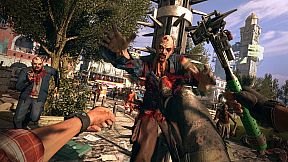
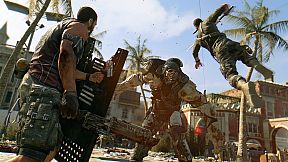
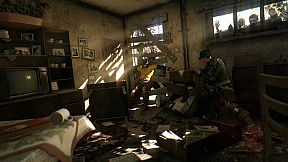
Dying Light is a first-person action survival game set in an open-world city overrun by zombies. Players take on the role of a survivor navigating the streets of Harran while completing a mission that forces difficult choices between duty and helping others. The experience blends parkour movement, melee combat, and resource management in a setting that shifts dramatically between day and night.
Gameplay
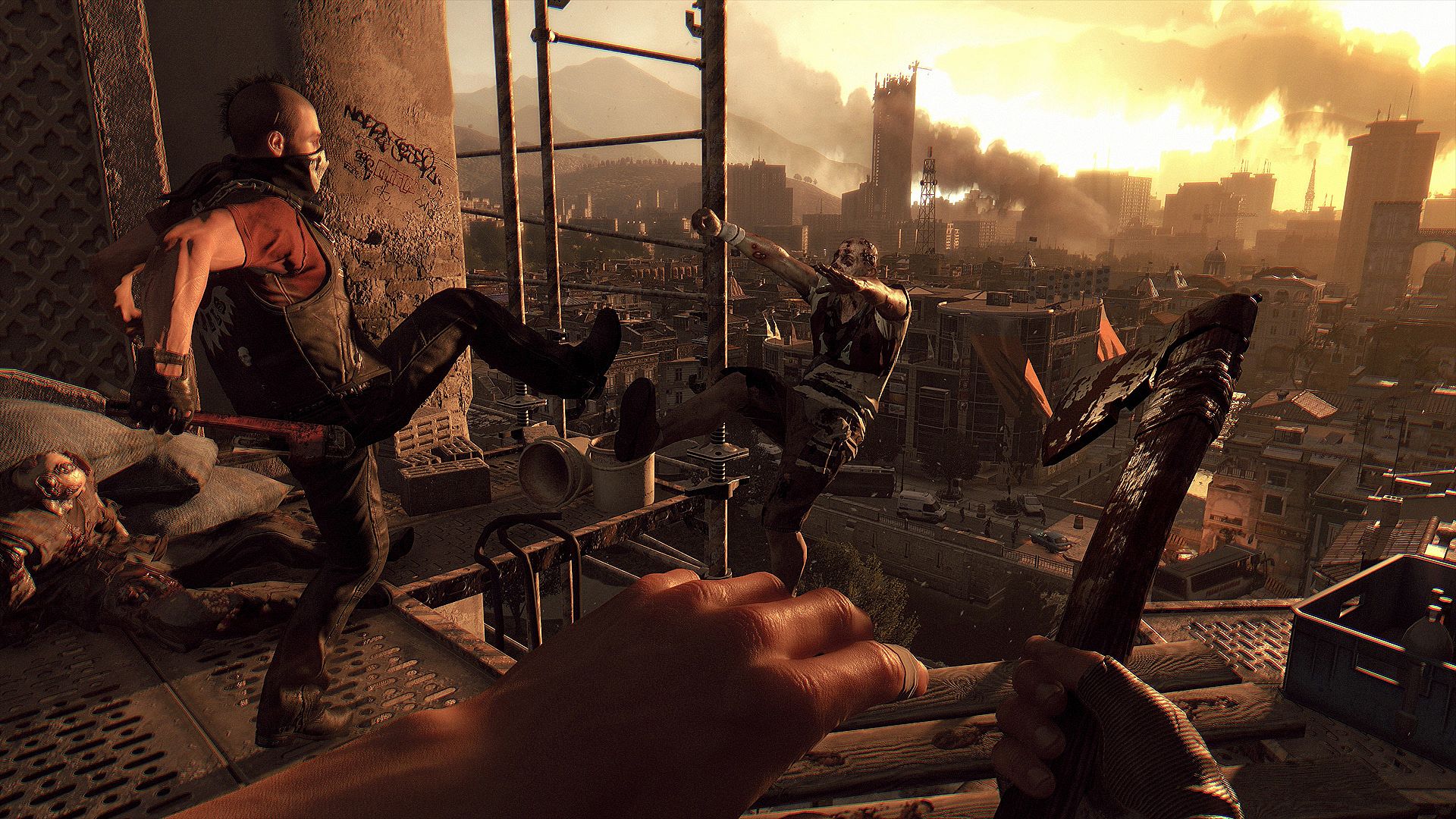
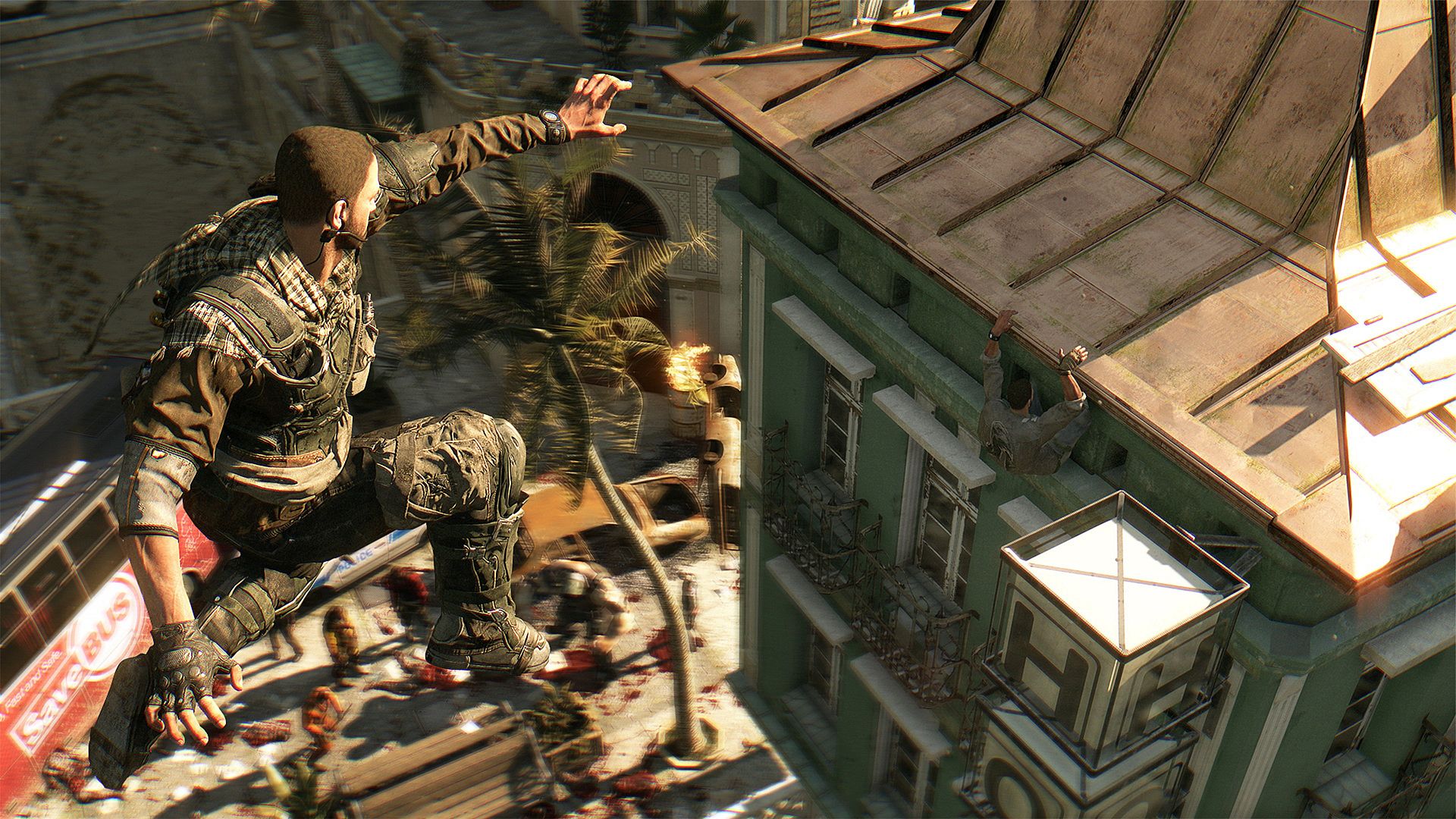
The core loop centers on exploration and survival in a large urban environment. Movement relies on fluid parkour abilities that let players climb buildings, leap across rooftops, slide under obstacles, and use zip lines to reach new areas quickly. These skills improve through dedicated progression, encouraging players to traverse the city vertically and discover shortcuts or hidden supplies.
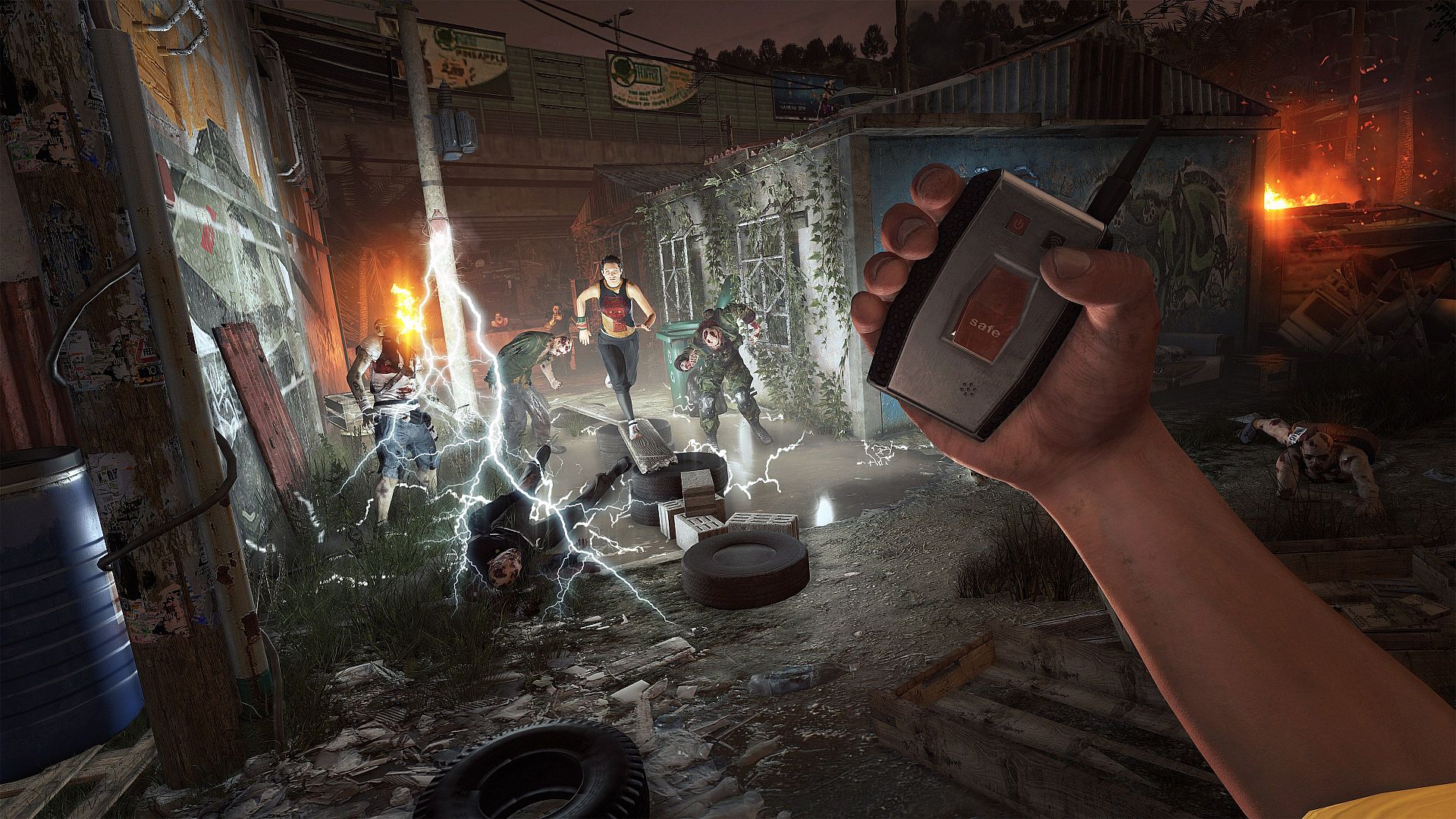
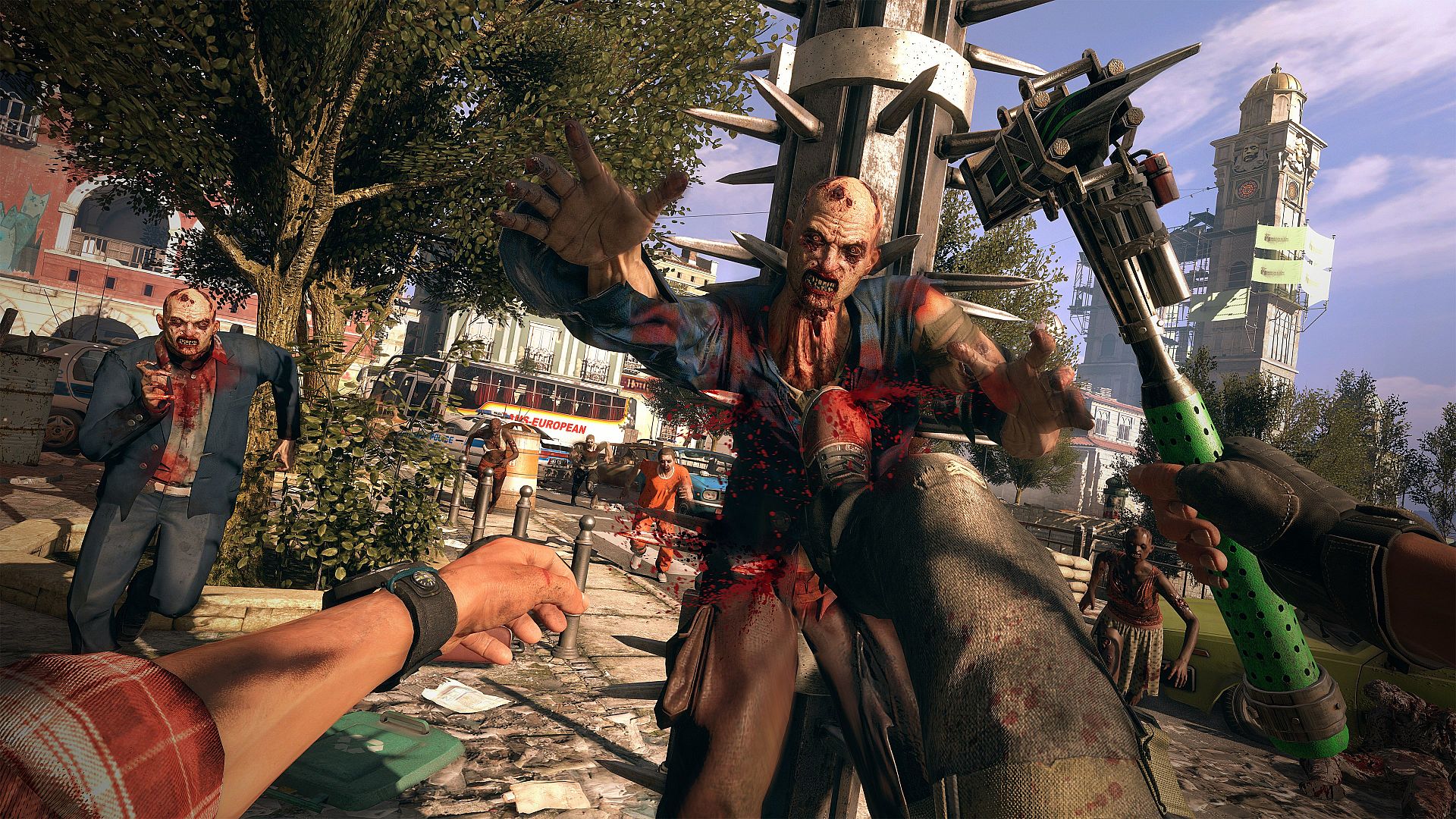
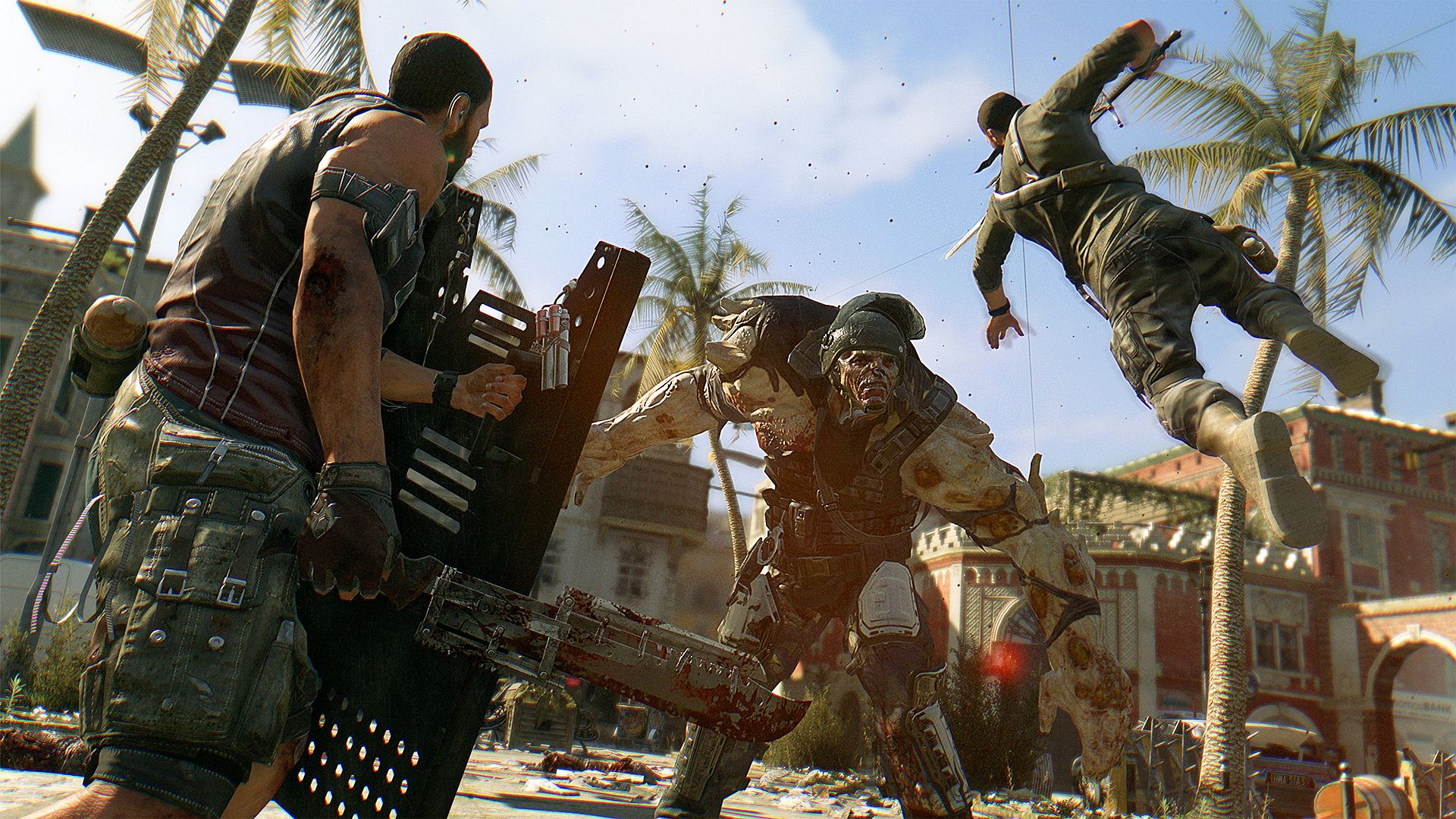
Combat focuses on melee weapons that can be found, crafted, or repaired. Each swing consumes durability, so players must manage limited resources and use the environment for advantages such as drop kicks or environmental hazards. Stamina and fitness stats influence both movement speed and fighting effectiveness, creating a system where constant activity builds character strength over time.
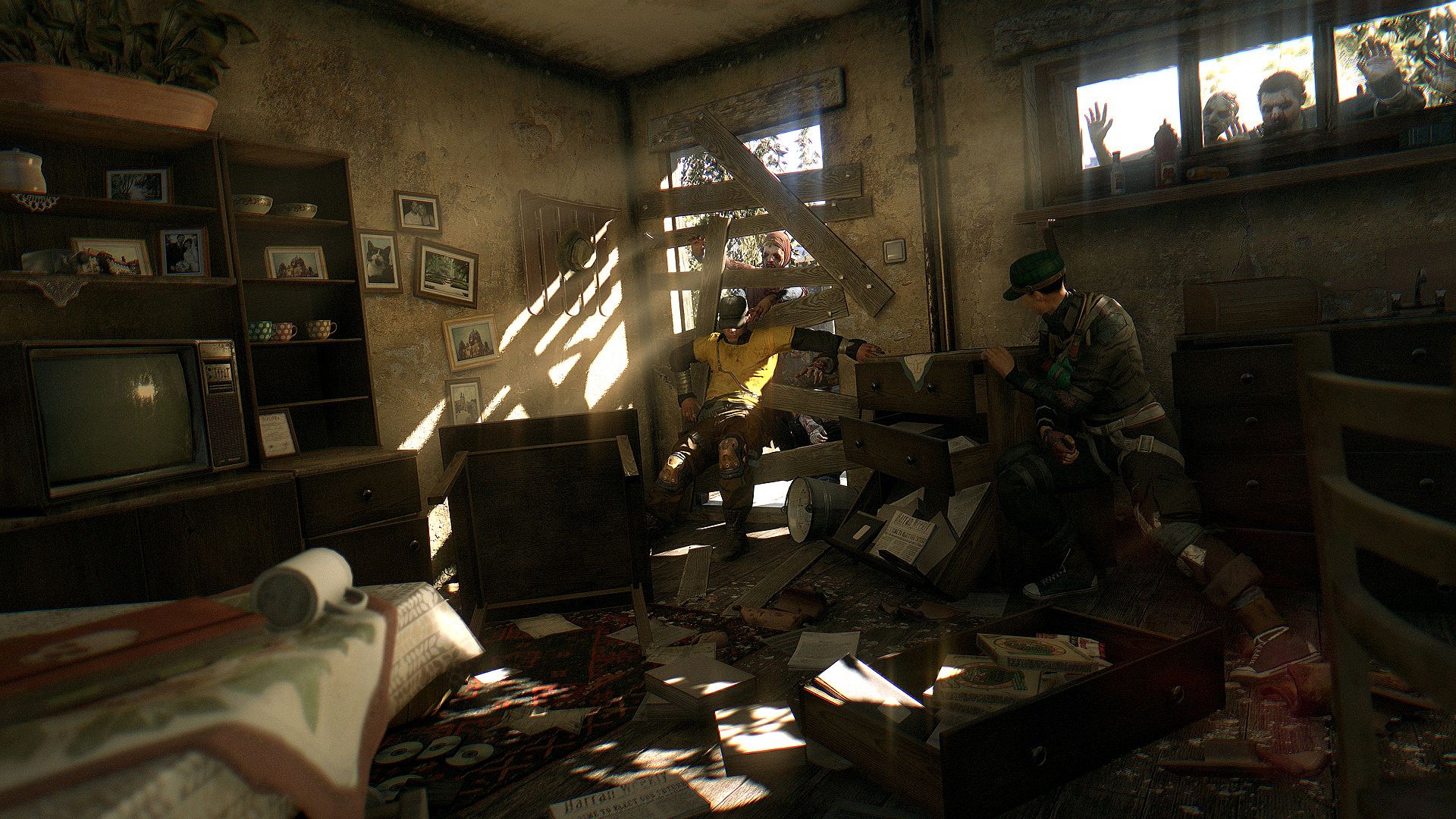
A dynamic day and night cycle changes enemy behavior. During daylight hours the infected move slowly and pose less immediate threat, allowing safer scavenging and story progress. At night the same enemies become far more aggressive and numerous, turning routine travel into a tense escape or fight for survival. Players can choose to face the danger or seek shelter until sunrise.
Game Modes
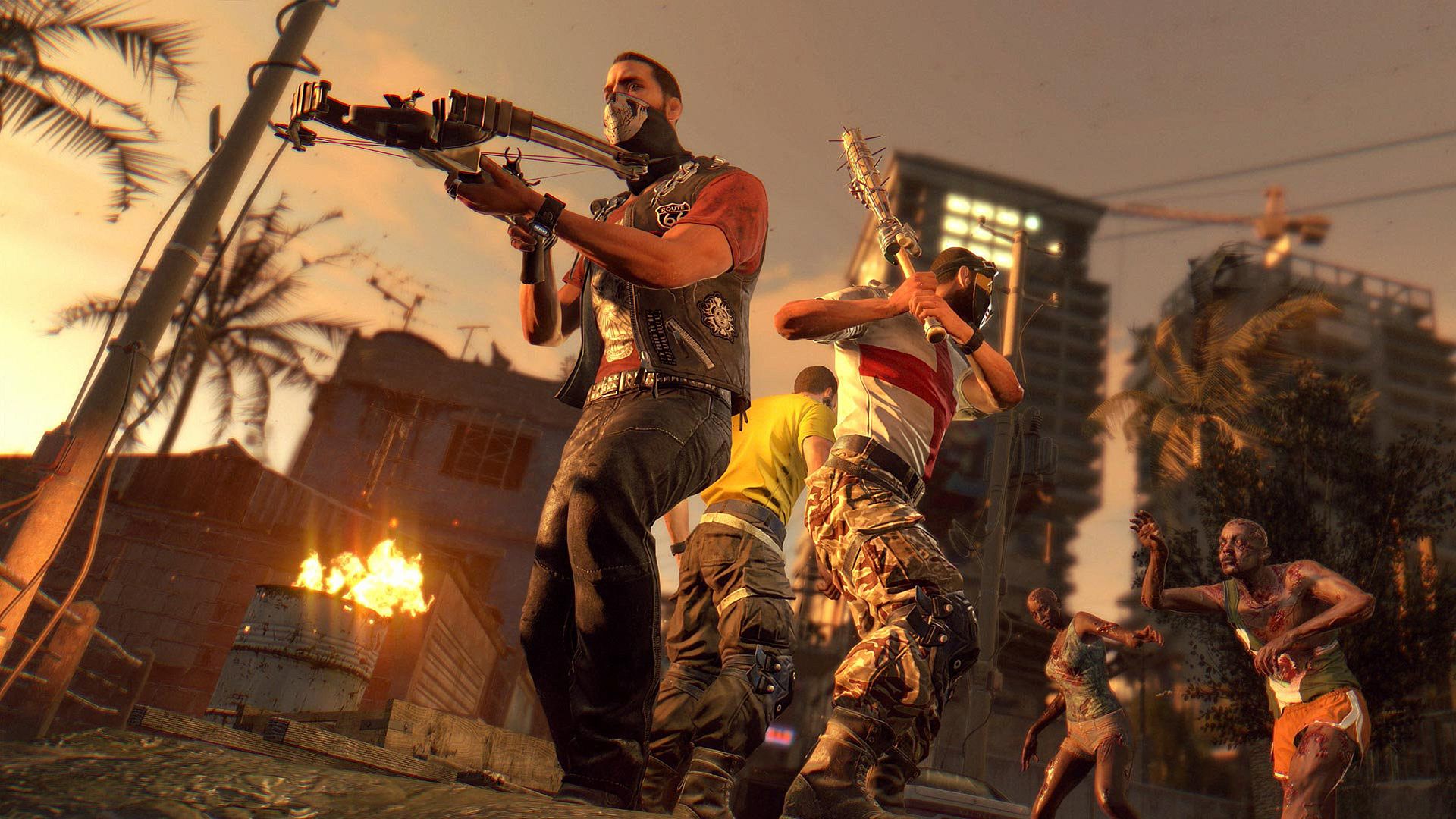
The single-player campaign forms the main experience, guiding players through the story while they scavenge, craft, and improve their skills. Four-player co-operative play lets friends join the same world to tackle missions together, sharing resources and coordinating parkour routes or combat strategies.
An asymmetrical multiplayer option called Be the Zombie lets one player control a powerful infected mutant known as the Night Hunter. This invader enters other players' sessions to hunt them, creating tense cat-and-mouse encounters that contrast with the standard survivor perspective.
Difficulty settings range from Story mode, which reduces survival pressure to emphasize narrative and exploration, through Normal and Hard, up to the recently added Nightmare mode that increases enemy numbers, aggression, and overall challenge for experienced players.
Updates and Current State
The Retouched Update brought enhanced visuals including higher-resolution textures, improved shadows, and upscaled environments along with a fully remastered soundtrack featuring new tracks from the original composer. These changes are available at no extra cost to owners of the base game and apply across supported platforms including Xbox consoles.
Ongoing support continues with patches that refine mechanics and add options such as Nightmare difficulty. The game maintains its original structure while receiving quality-of-life improvements that keep the experience fresh for new and returning players.
Is It Worth Playing?
Reception has remained generally favorable over the years, with praise centered on the satisfying parkour movement and brutal melee combat that set it apart from other zombie titles. Critic scores hovered in the mid-70s range on aggregate sites, while user feedback often highlights the freedom of the open world and the tension of the day-night shift.
The game suits players who enjoy first-person survival action with strong movement systems and co-operative options. Those seeking a focused story or pure horror may find the emphasis on exploration and combat more appealing than atmospheric tension alone. With the Retouched Update improving presentation and recent difficulty additions extending challenge, the title offers solid value for fans of parkour-driven zombie survival on Xbox platforms.