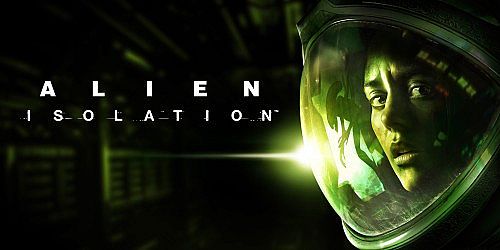



Alien: Isolation is a first-person survival horror action-adventure game set aboard the derelict Sevastopol space station. Players control Amanda Ripley as she searches for answers about her mother Ellen's disappearance fifteen years earlier, only to find herself relentlessly pursued by a single Xenomorph that cannot be killed.
Gameplay
The core loop centers on stealth, resource scarcity, and environmental awareness. Movement stays slow and deliberate because noise draws attention from the Alien and other threats. The motion tracker serves as the primary tool for detecting nearby movement, though its beeps grow faster and more urgent as danger closes in. Players hide in lockers, under desks, or inside ventilation ducts while the Xenomorph patrols independently, reacting to sight and sound with unpredictable timing.
Combat options remain limited and risky. The flamethrower repels the Alien temporarily rather than harming it, while revolvers, shotguns, and bolt guns handle hostile humans and Working Joes, the station's synthetic androids. Ammunition stays scarce, forcing careful decisions about when to engage or evade. Crafting plays a central role through scavenged materials that produce noisemakers, EMP devices, pipe bombs, and medkits. These items create distractions or buy brief windows of safety without guaranteeing escape.
The Xenomorph operates under layered artificial intelligence that observes player patterns and adapts over time. It explores vents and corridors on its own initiative, forcing constant reassessment of routes and hiding spots. Other enemies follow more predictable behaviors but still require attention, as Working Joes prove durable and humans can alert the larger threat.
Game Modes
The main experience unfolds through a linear single-player campaign that emphasizes exploration of the station's interconnected decks. Objectives involve restoring power, accessing restricted areas, and progressing through a narrative tied directly to the 1979 film Alien.
Additional modes expand the challenge. Survivor Mode presents timed objectives across specific maps while the Alien hunts the player. Salvage Mode requires completing ten timed challenges in succession without dying. Nostromo-themed missions recreate scenes from the original movie, placing players in the roles of crew members facing the creature in confined ship interiors.
All of these modes arrive included in the Nintendo Switch version, which also features motion controls for aiming and tracker use along with HD rumble feedback.
Atmosphere and Technical Presentation
Lighting, sound design, and level architecture combine to sustain tension across long stretches. Dynamic shadows and volumetric effects highlight the retro-futuristic corridors of Sevastopol, while spatial audio conveys the Alien's position through distant thuds or vent scrapes. The Switch port maintains a steady 30 frames per second in both docked and handheld modes, with dynamic resolution that preserves the original's moody presentation without major compromises.
Exploration rewards careful observation. Players locate blueprints for new crafting recipes and audio logs that flesh out the station's decline. Backtracking occurs naturally as power failures and locked doors reshape accessible paths, keeping the environment feeling alive and hostile.
Is It Worth Playing?
Alien: Isolation delivers a focused, high-tension survival horror experience built around one persistent predator and limited tools. The Switch edition provides the complete package with every piece of downloadable content integrated from the start. Reception across multiple platforms has remained consistently strong years after the 2014 launch, with the port praised for its faithful recreation of the atmosphere and added portability features.
The game suits players who prefer methodical stealth over direct confrontation and who value atmospheric tension sustained through sound and AI behavior. Those seeking fast-paced action or multiplayer elements will find the design intentionally restrictive. Completion times average around eighteen to nineteen hours for the main story, with additional modes extending playtime for those who want repeated challenges under different constraints.
Its strength lies in the consistent sense of vulnerability and the way every decision carries weight in a confined, dangerous setting. For fans of the Alien franchise or survival horror that emphasizes evasion and improvisation, the Nintendo Switch version offers a complete and accessible way to experience the title.