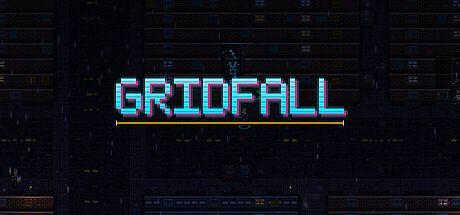



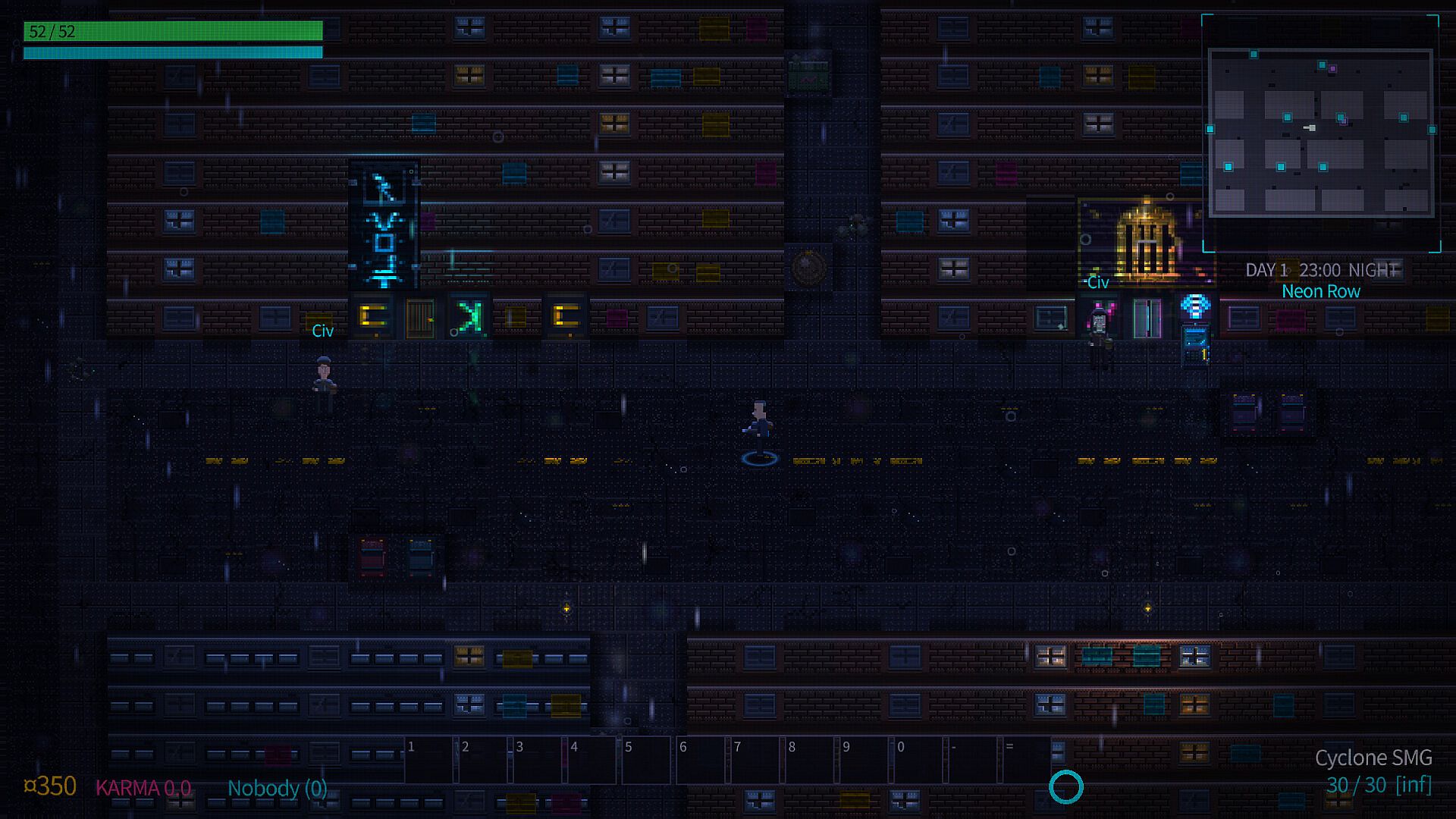
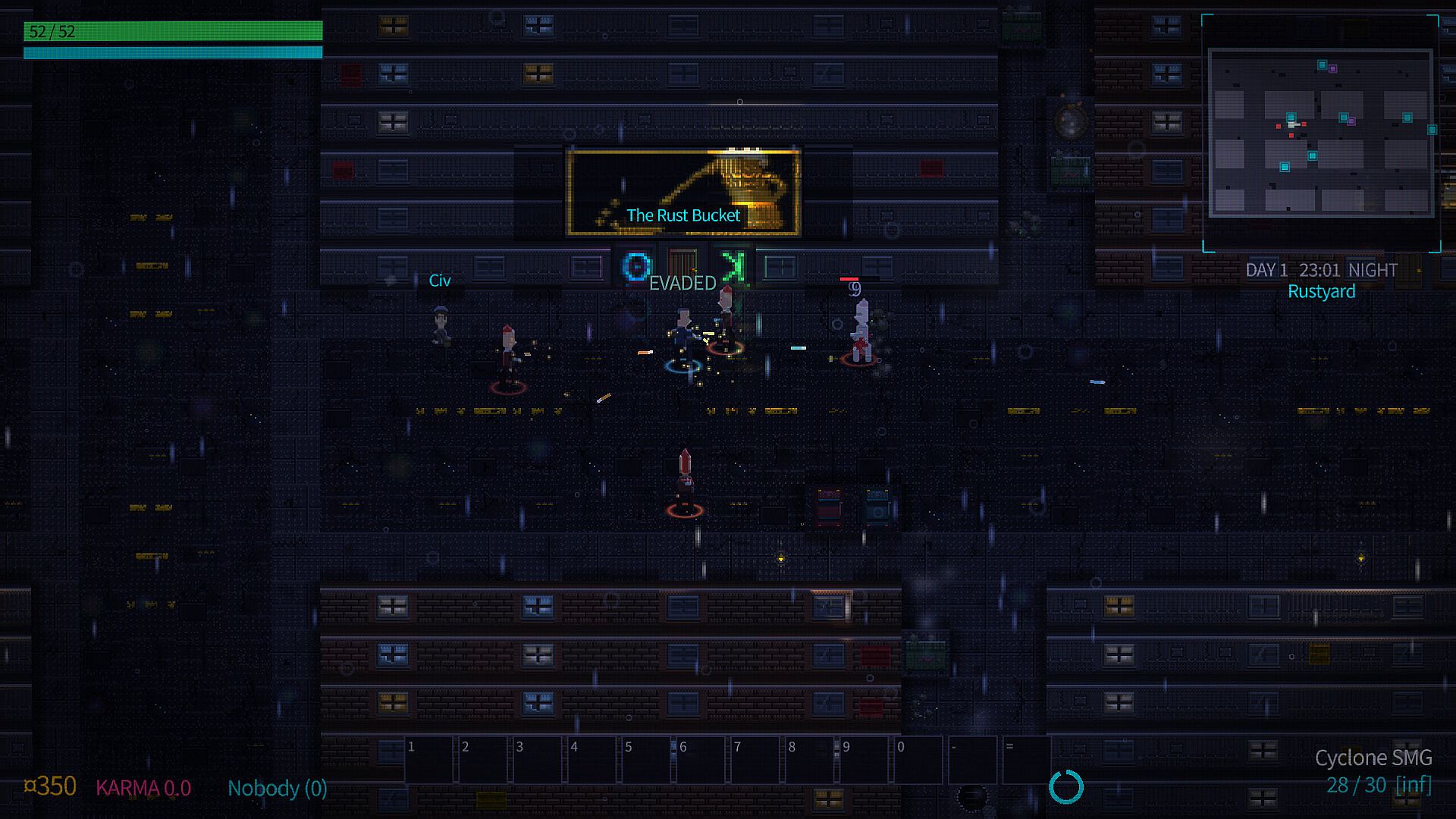
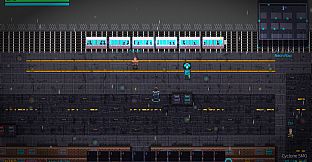
GRIDFALL to jednoosobowa, neon-noirowa akcja-RPG z otwartym światem, utrzymana w klimacie klasycznych gier 16-bitowych. Akcja rozgrywa się w Meridian City w 2058 roku i opowiada historię zemsty, która zaczyna się, gdy brat bohatera wraca z korporacyjnej posady w worku na zwłoki. Gracz porusza się po żywym mieście, wykonując kontrakty, angażując się w walki uliczne i włamania cyfrowe, równoważąc przy tym implanty cybernetyczne z magicznymi zdolnościami.
Rozgrywka
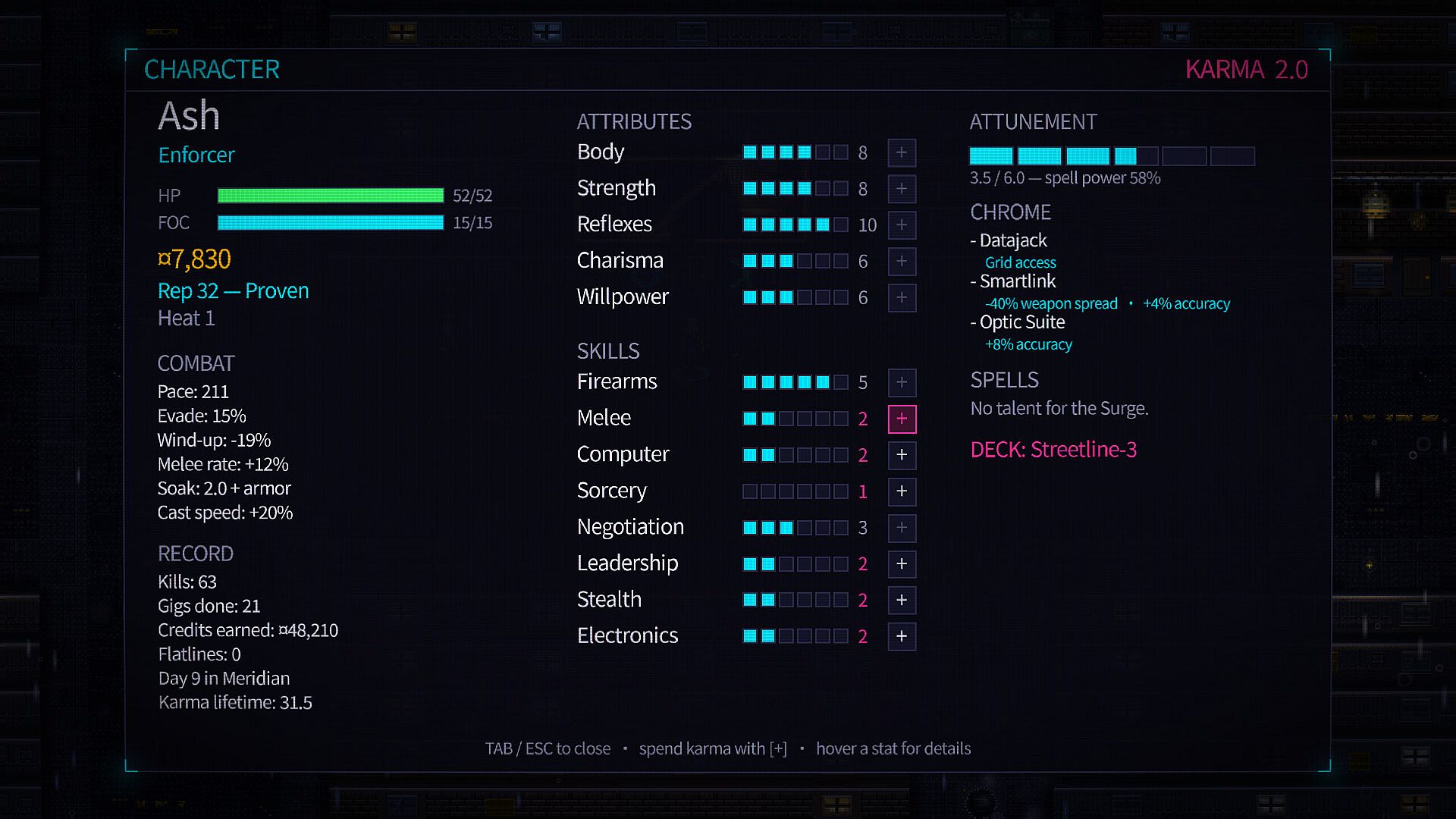
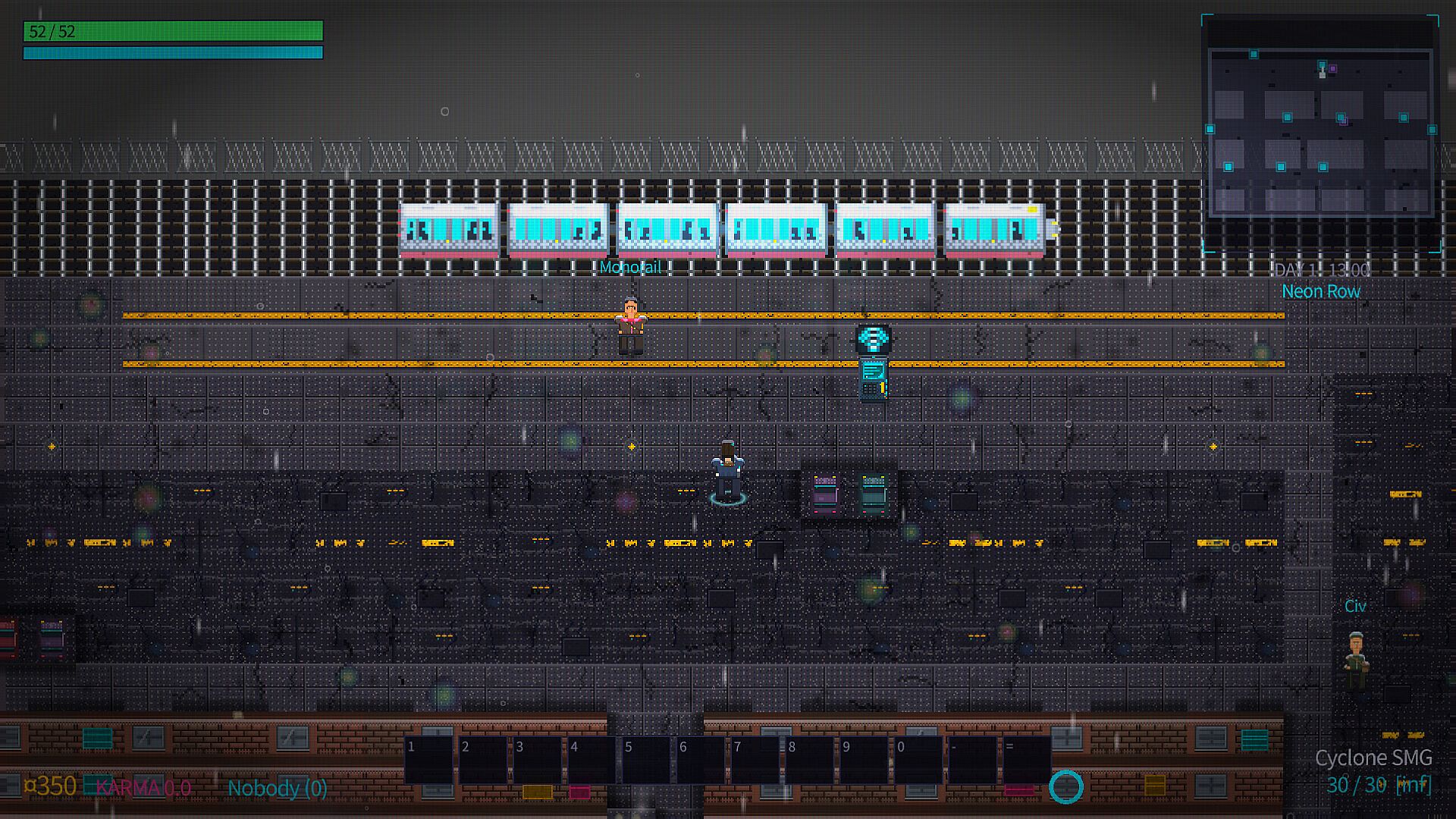
Podstawę mechaniki stanowi walka w czasie rzeczywistym z widokiem z góry, gdzie każdy atak wymaga wcześniejszego przygotowania. Szybkość nacisku na spust zależy od refleksu, a stabilność zaklęć od siły woli. Wrogowie podlegają tym samym zasadom, co prowadzi do napiętych starć, w których liczy się wyczucie momentu, a nie szybkie klikanie. Karma śledzi postępy i wpływa na reputację wśród fixerów oferujących zlecenia.
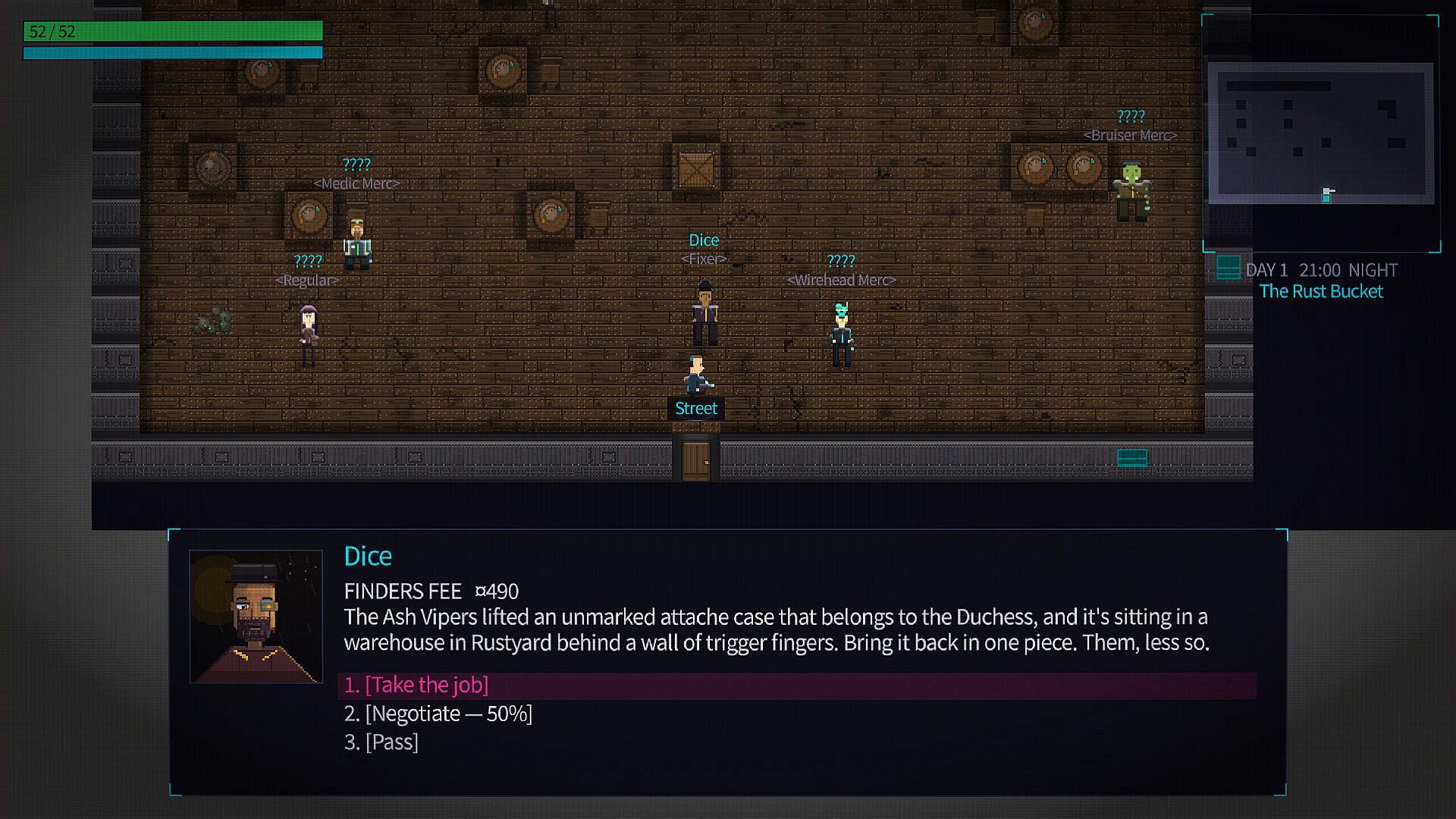
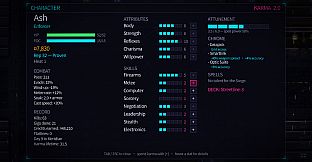
Zarządzanie zespołem dodaje głębi. Gracz rekrutuje nazwanych najemników w barach, przydziela im karmę, wyposaża w zapasowe decki lub chrom i może przejmować nad nimi kontrolę w trakcie walki. Zatrudniony jacker umożliwia pracę w Gridzie bez użycia własnego decku. Cyberware zapewnia stałą przewagę, ale obniża Attunement - wspólny zasób dla Focusu i zaklęć. Totemy takie jak Wilk, Kruk czy Wąż wymagają inwestycji w umiejętności, a między zleceniami można zmienić nastawienie i kierować magię przez rękawicę.
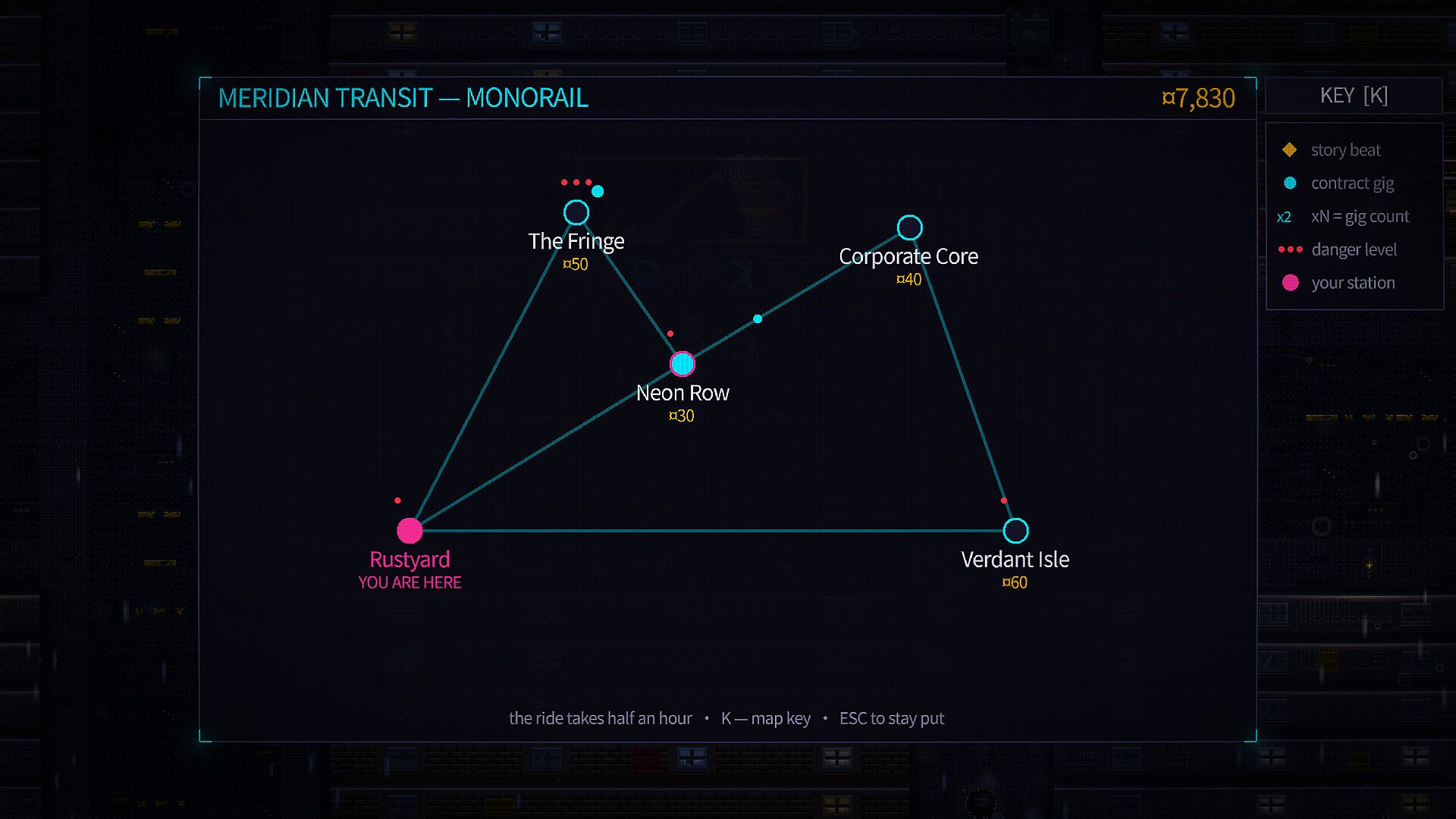
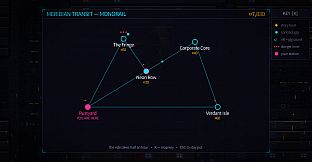
Miasto żyje własnym rytmem. Pięć dzielnic połączonych jest monorailem, a każda ma swój charakter - od rustbeltowych złomowisk po korporacyjne wieżowce. Cykl dnia i nocy oraz warunki pogodowe wpływają na aktywność na ulicach i widoczność. Heat rośnie po skrzywdzeniu cywilów lub funkcjonariuszy Aegis Watch, ghule grasują w kanałach, a plotki prowadzą do nowych kontraktów.
Tryby gry
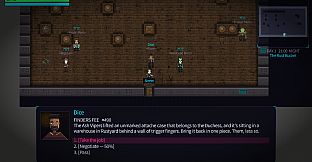
Kontrakty stanowią główną pętlę aktywności. Fixerzy w barach oferują osiem typów zleceń skalowanych do reputacji: kurier, eskorta, ekstrakcja, kradzież danych, biegi w Gridzie, ataki gangów, odzysk i ochrona osobista. Gracz negocjuje wypłatę, a krytyczne niepowodzenie może skutkować anulowaniem oferty. Zadania napędzają progresję i rozwój fabuły w sześcioodcinkowym łuku zemsty oraz w treści pobocznej.
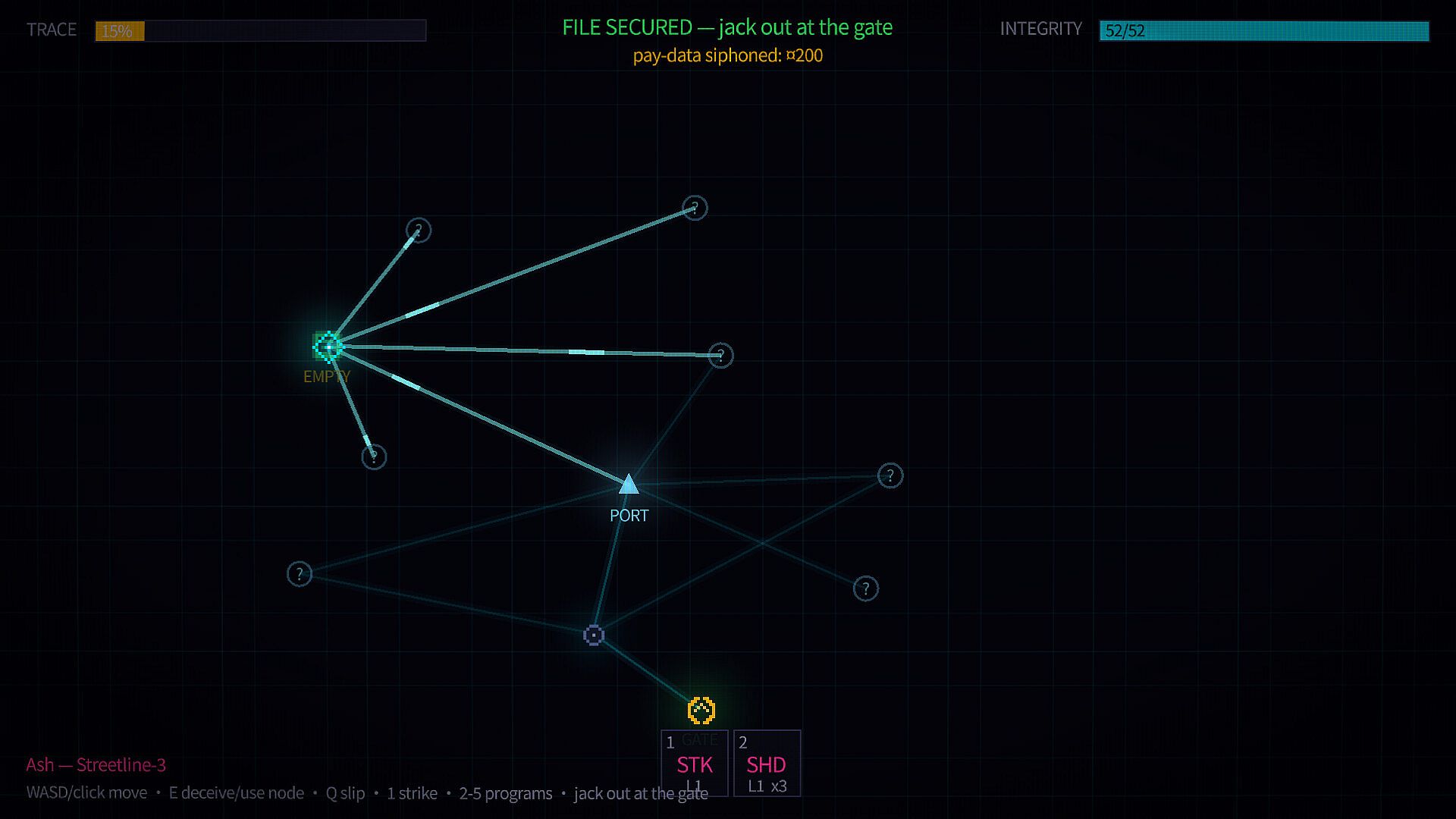
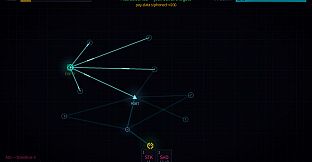
Biegi w Gridzie to osobny system infiltracji. Gracz łączy się z terminali lub budek komunikacyjnych z siecią bram, hubów i rdzeni spowitych mgłą. Systemy zabezpieczeń to nieruchome strażniki, a nie patrole. Sukces zależy od oszustwa, uników lub precyzyjnych uderzeń, przy czym trzeba wyprzedzić sondy śledzące do wyjścia. Dane z korporacyjnych rdzeni i wyłączenie alarmów dają nagrody bez bezpośredniej walki.
Pełne przejście zawiera epilog zamykający otwarte wątki, stację numeryczną oraz stałych bohaterów reagujących na wcześniejsze decyzje. Trzy poziomy trudności pozwalają dostosować wyzwanie, a przełączniki graficzne wspierają różne konfiguracje sprzętowe.
Miasto i jego systemy
Meridian City działa niezależnie od gracza. Dzielnice rozciągają się od bezprawia na obrzeżach po spokojne korporacyjne enklawy, a monorail łączy je w spójną sieć. Zmiany otoczenia wpływają na spotkania i widoczność. Procedurally generowane są wszystkie sprite'y, portrety, kafelki, efekty dźwiękowe i pętle muzyczne - poza licencjonowaną czcionką Noto Sans używaną w interfejsie.
Attunement łączy cyberware z magią. Intensywne korzystanie z chromu ogranicza potencjał zaklęć, skłaniając gracza do hybrydowych lub wyspecjalizowanych buildów. Wybór między implantami a totemami kształtuje styl walki zarówno na ulicach, jak i w operacjach w Gridzie.
Czy warto zagrać?
GRIDFALL kierowany jest do graczy ceniących przemyślaną walkę z widokiem z góry, kontrakty oparte na reputacji oraz wybór między technologią a magią w trybie jednoosobowym. Proceduralne podejście do audio-wizji i trwałe elementy miasta przypadną do gustu fanom retro-RPG z nowoczesnymi mechanikami. Częściowe wsparcie dla kontrolera i cztery wersje językowe zwiększają dostępność. Ponieważ gra jest wciąż w fazie rozwoju i nie ma jeszcze wersji finalnej ani recenzji, decyzja o zakupie zależy od zainteresowania opisanymi mechanikami i gotowości do czekania na premierę. Skupiona struktura jednoosobowa bez elementów multiplayerowych trafia w gusta graczy skupionych na fabule i budowaniu postaci.