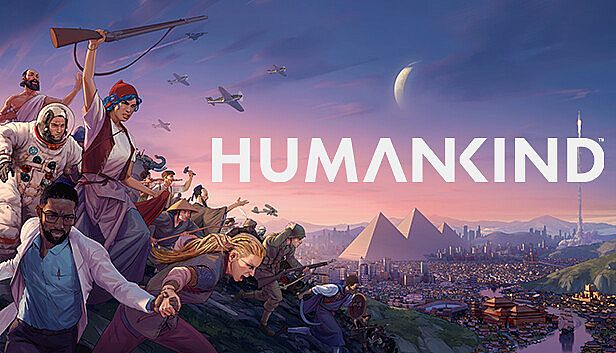




























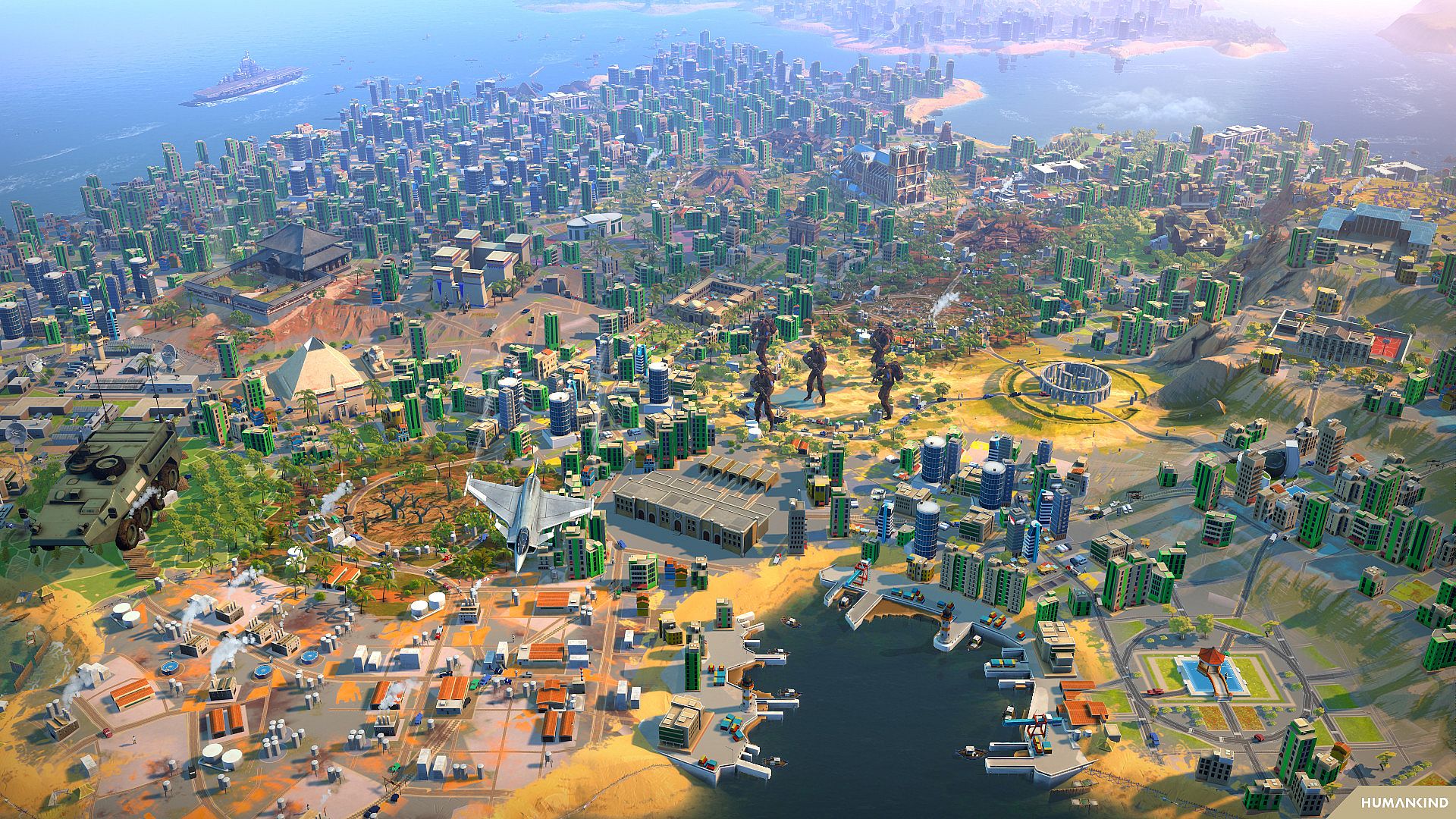
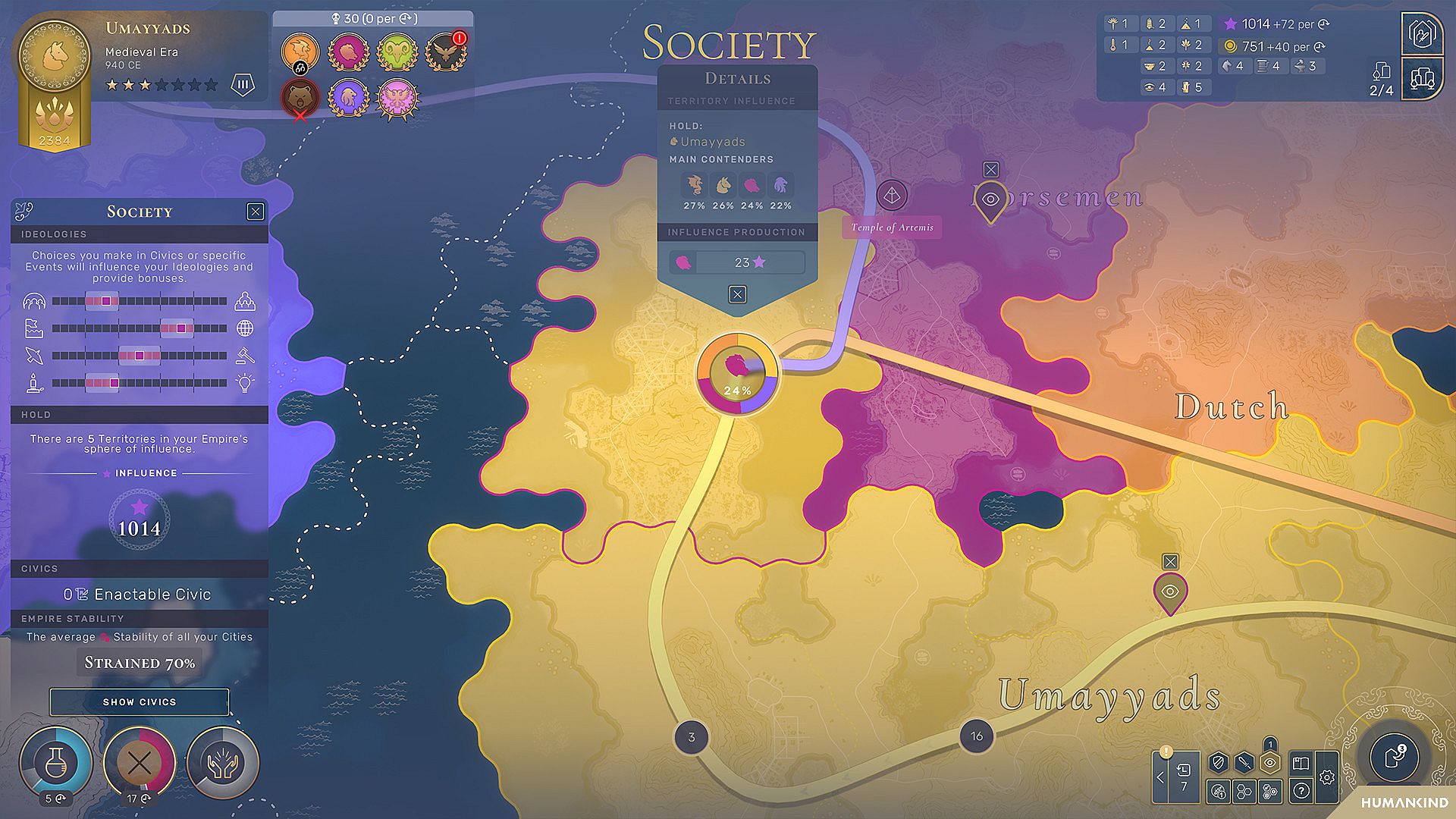
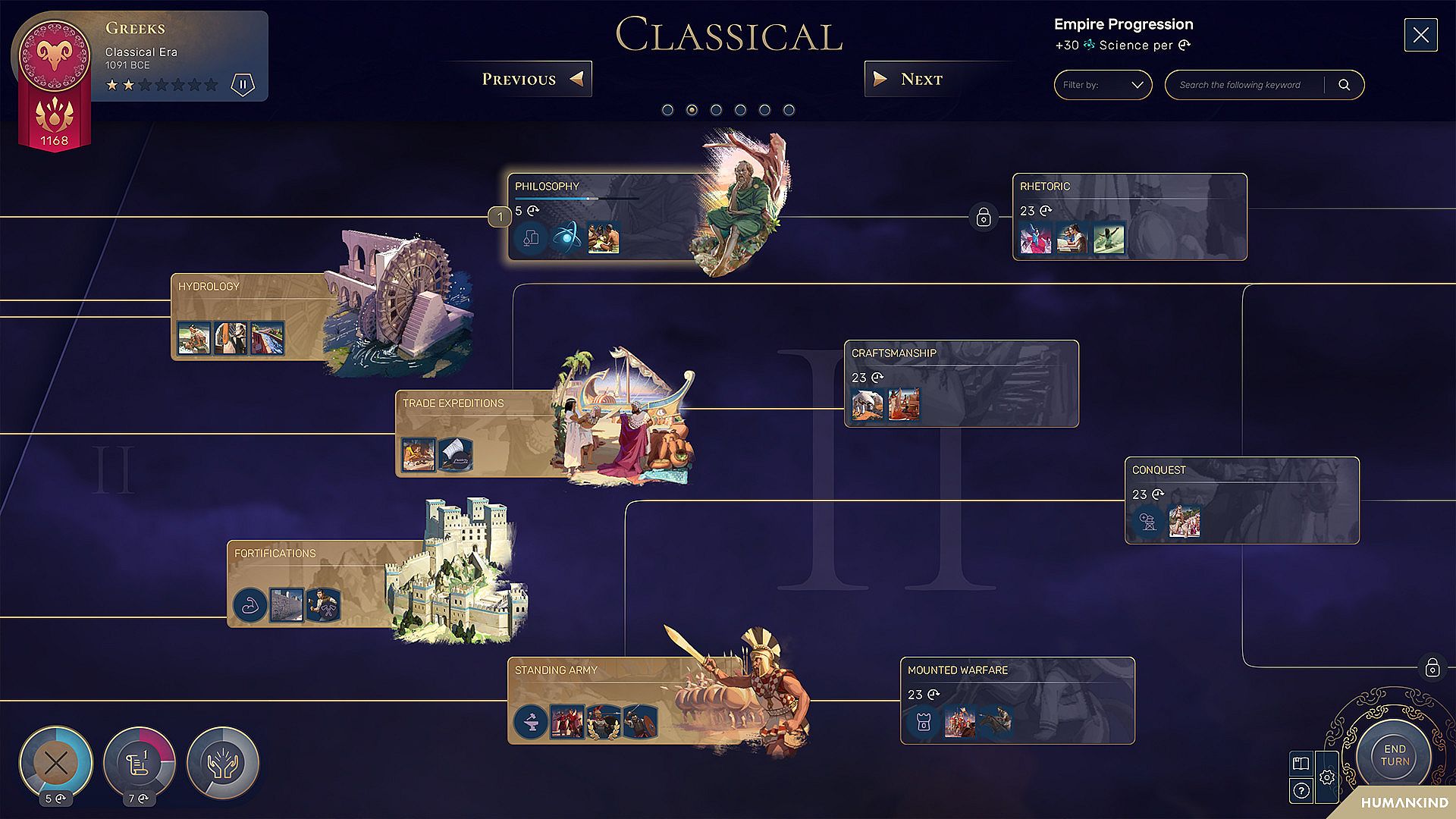
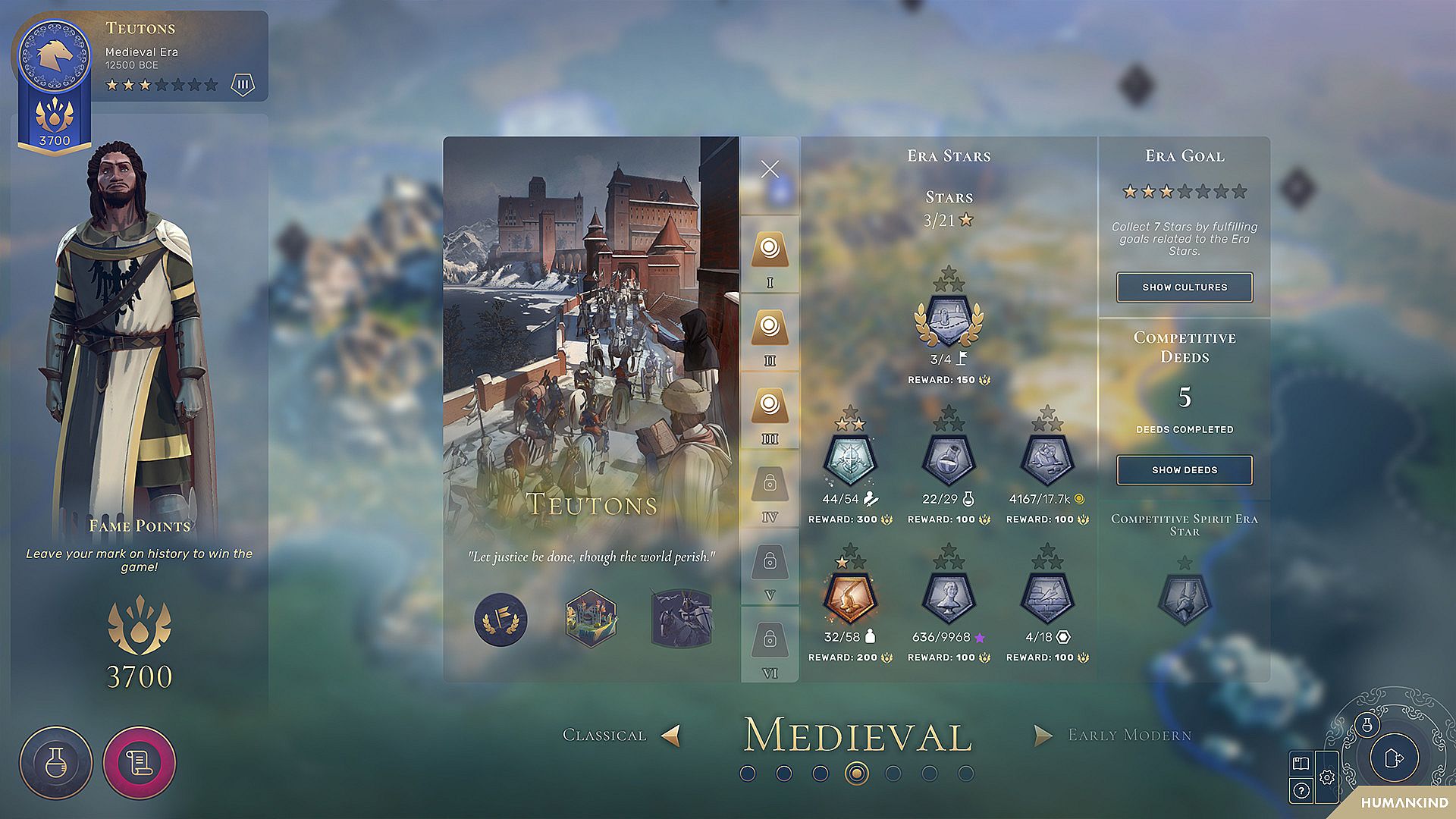
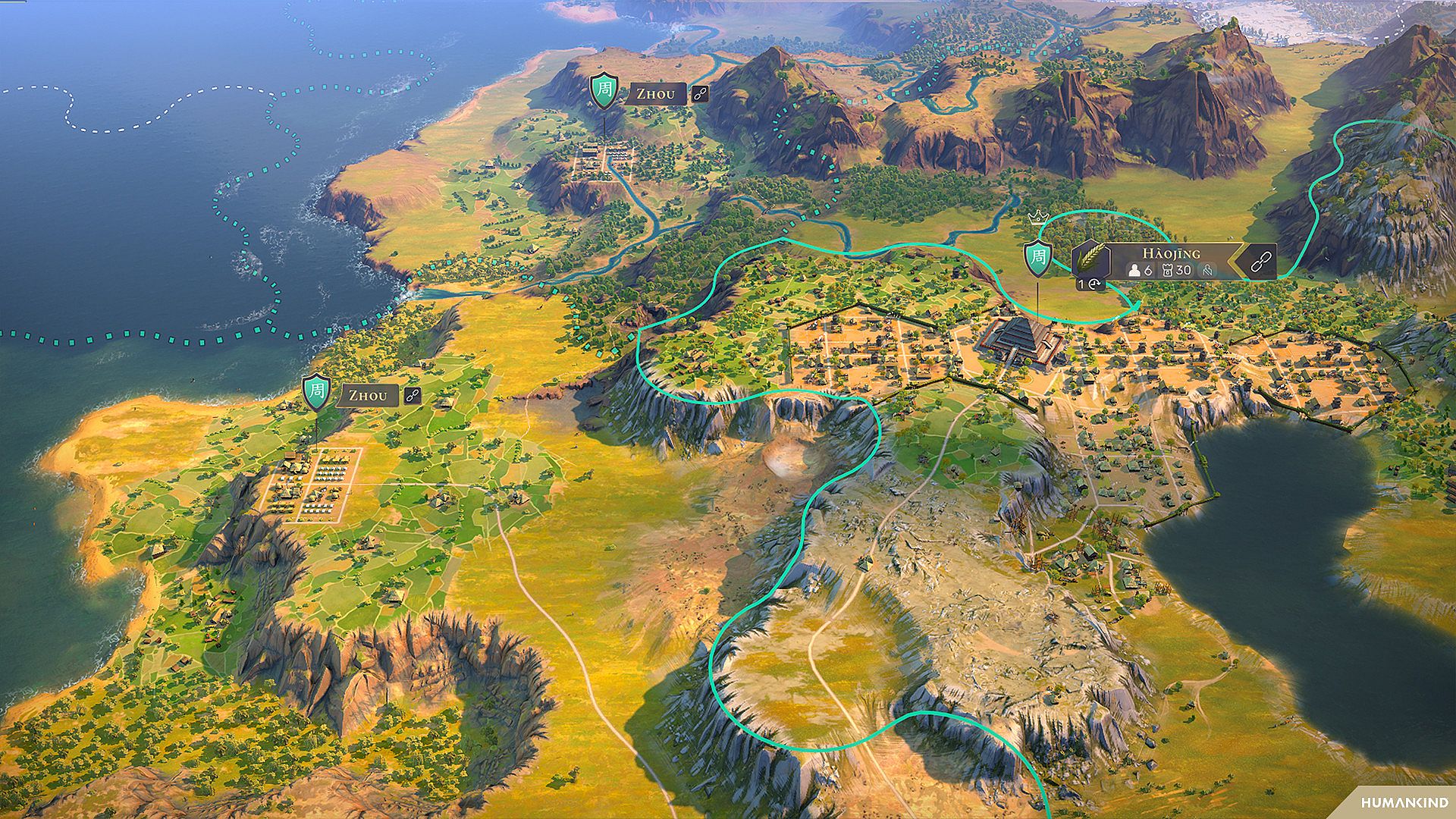
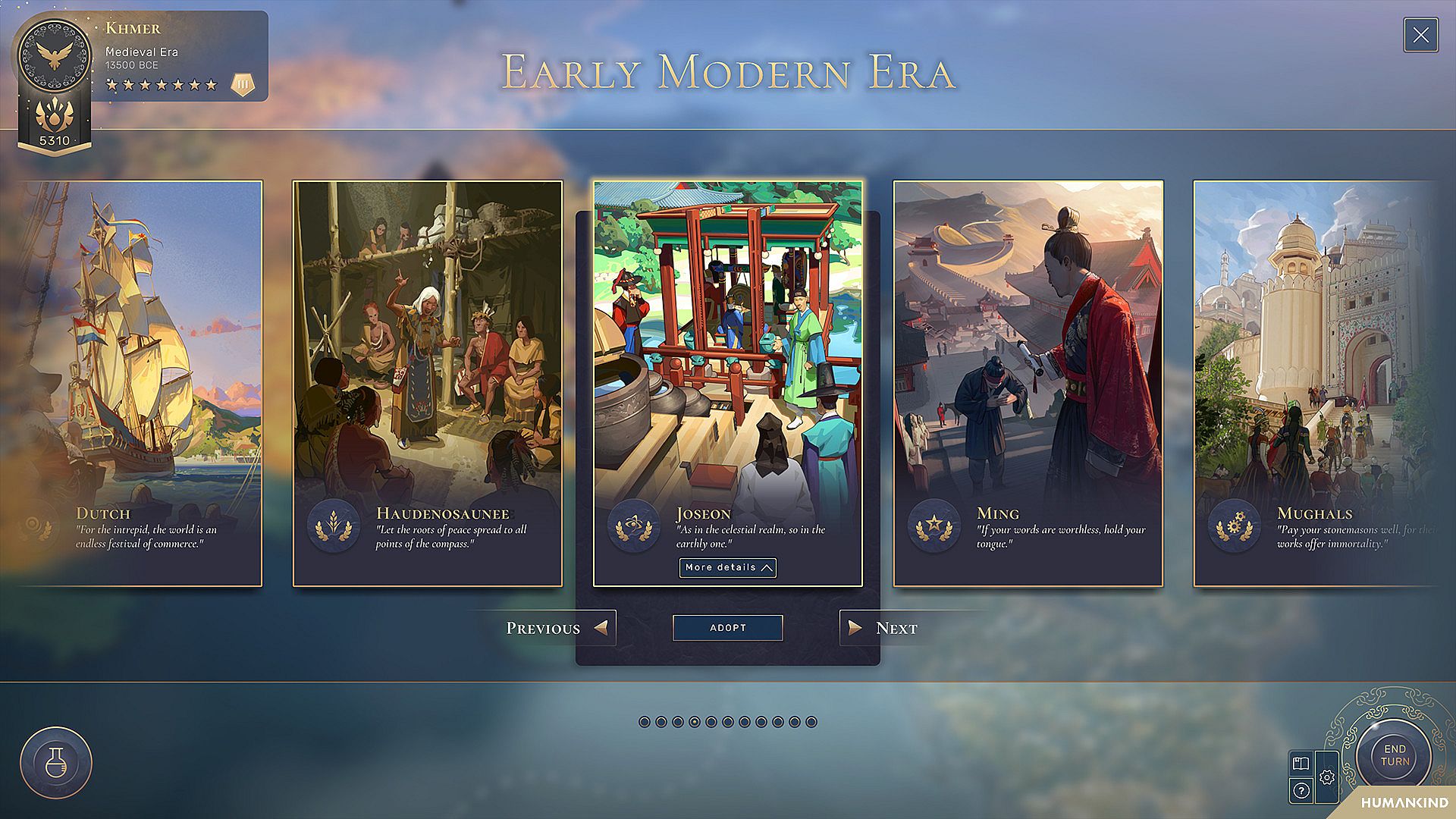
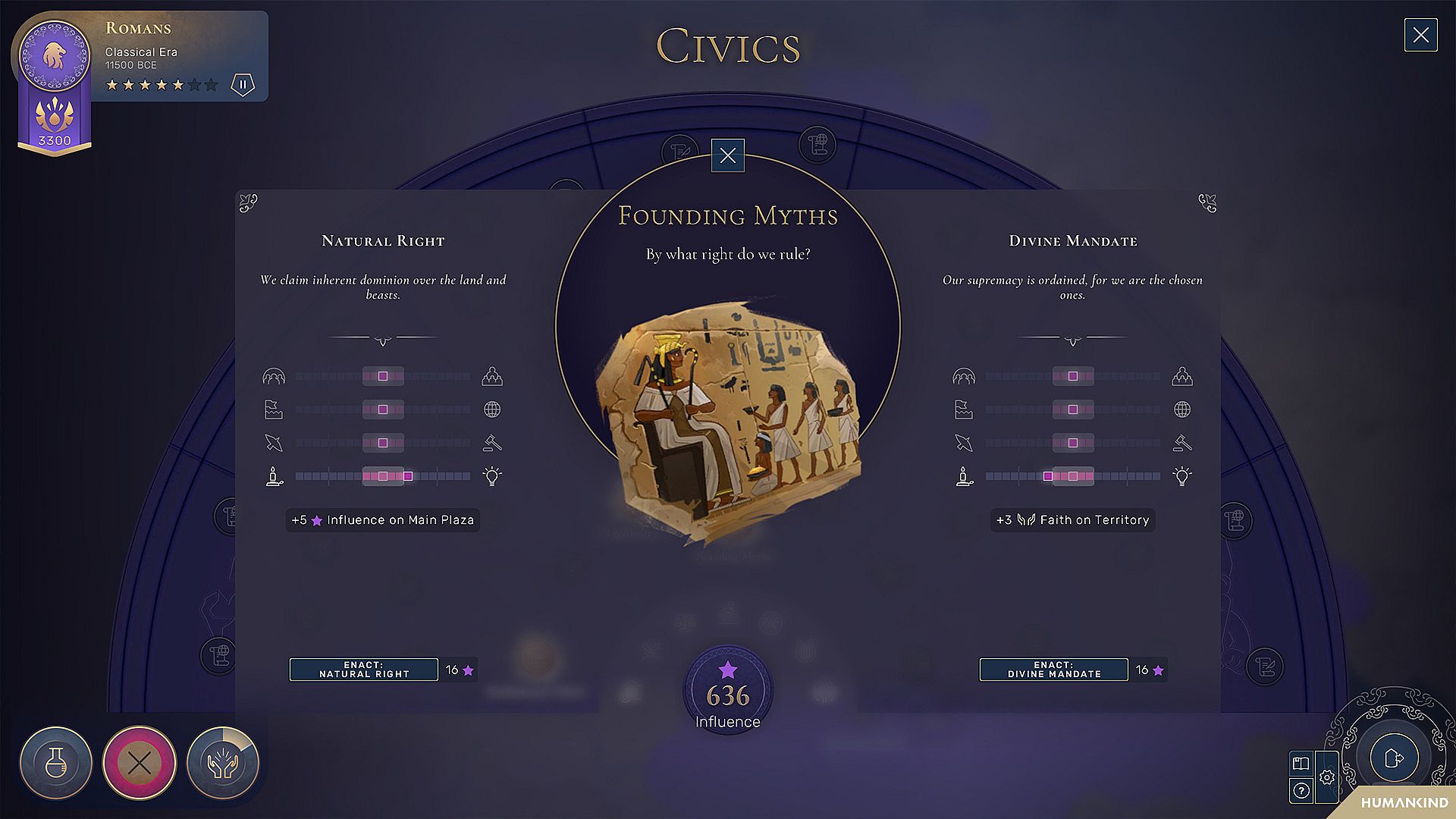
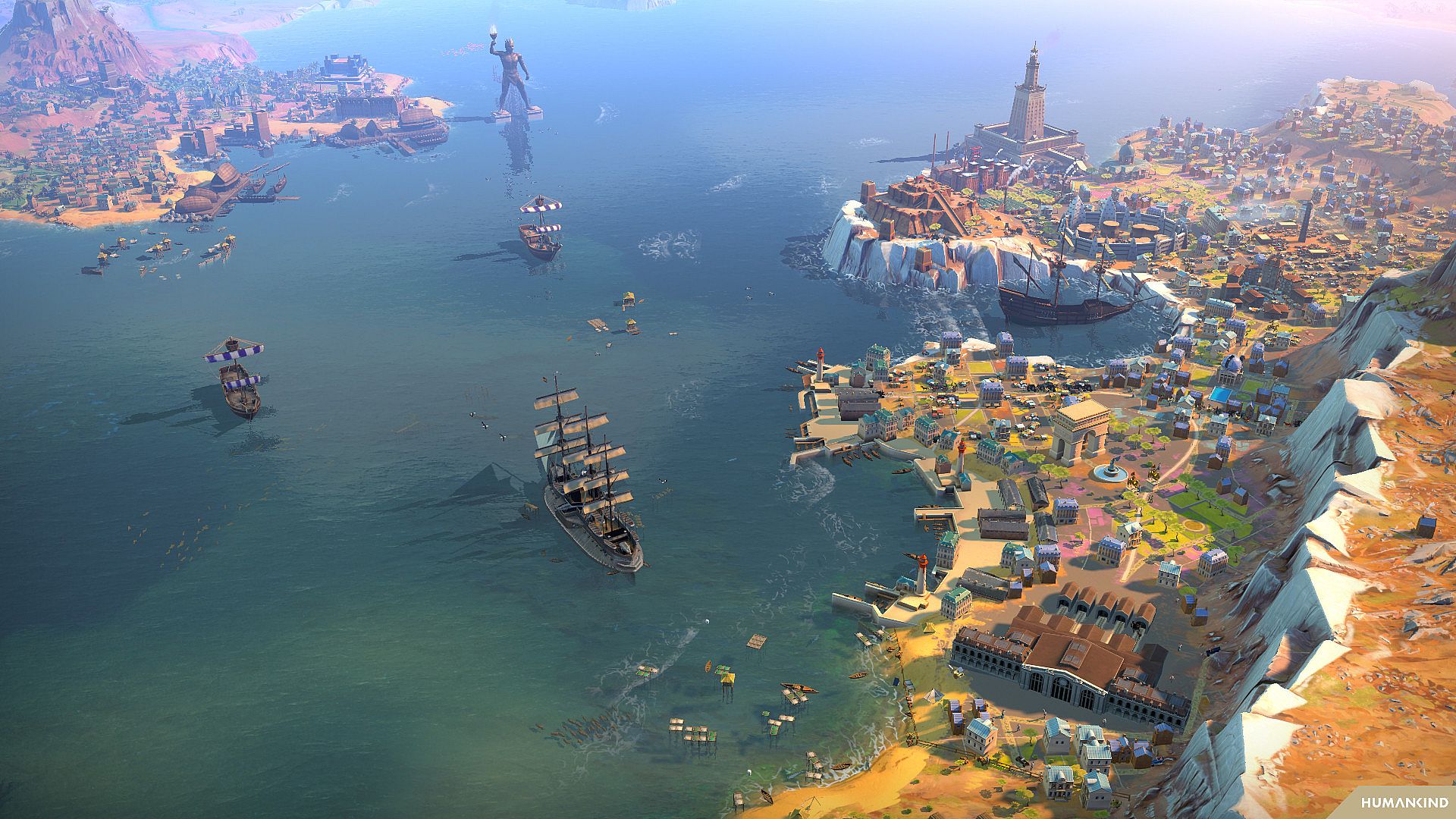
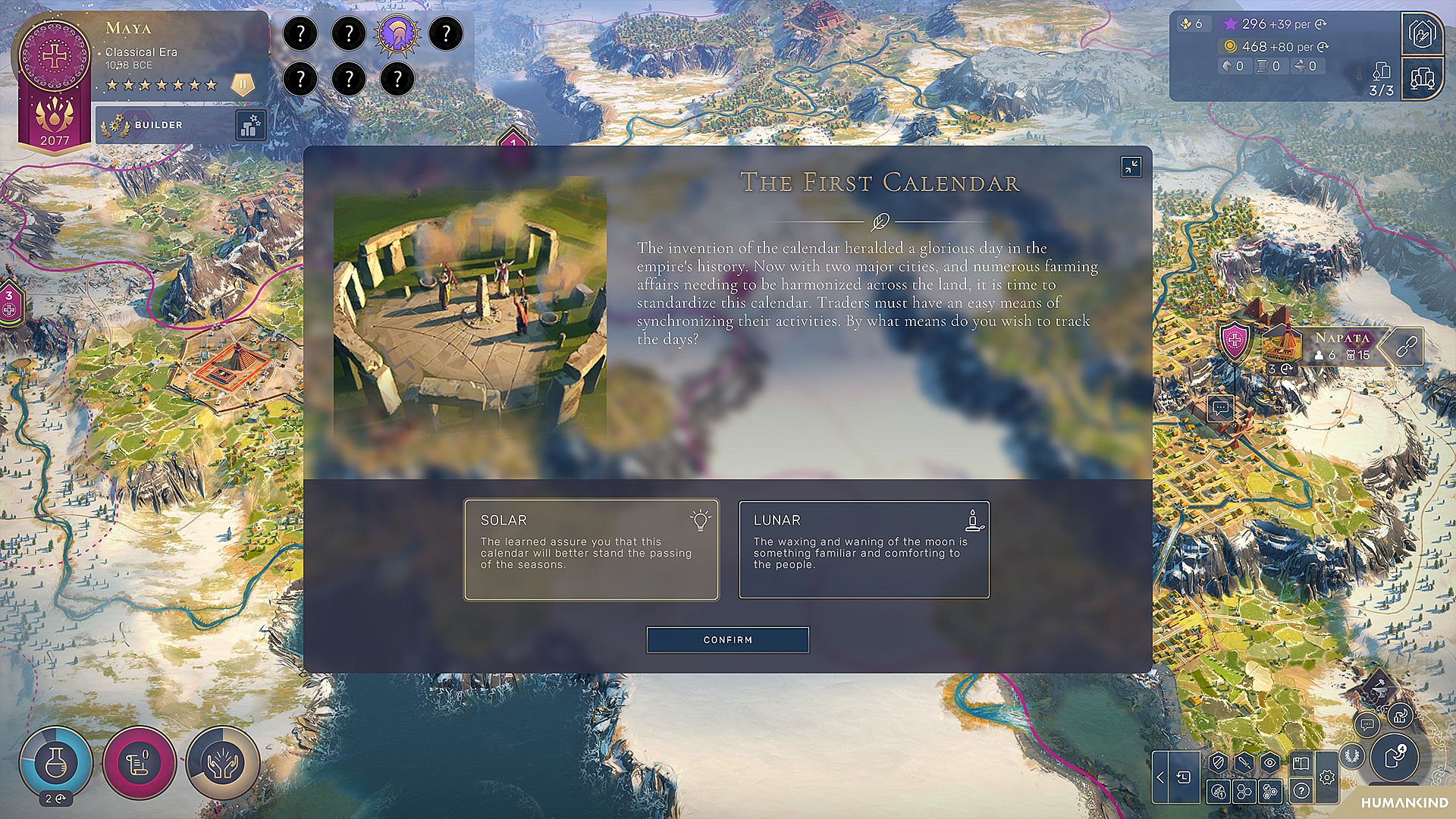
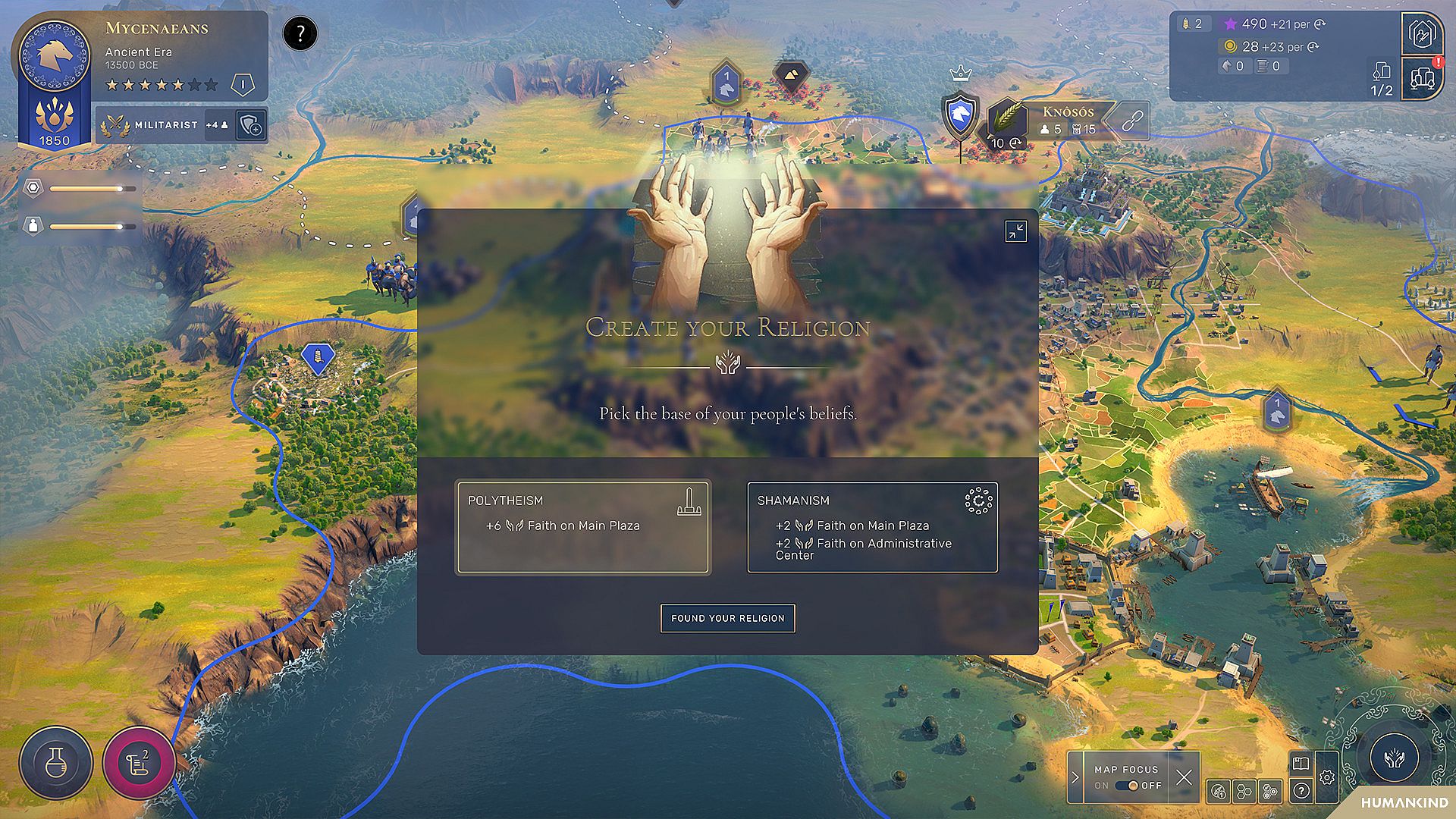
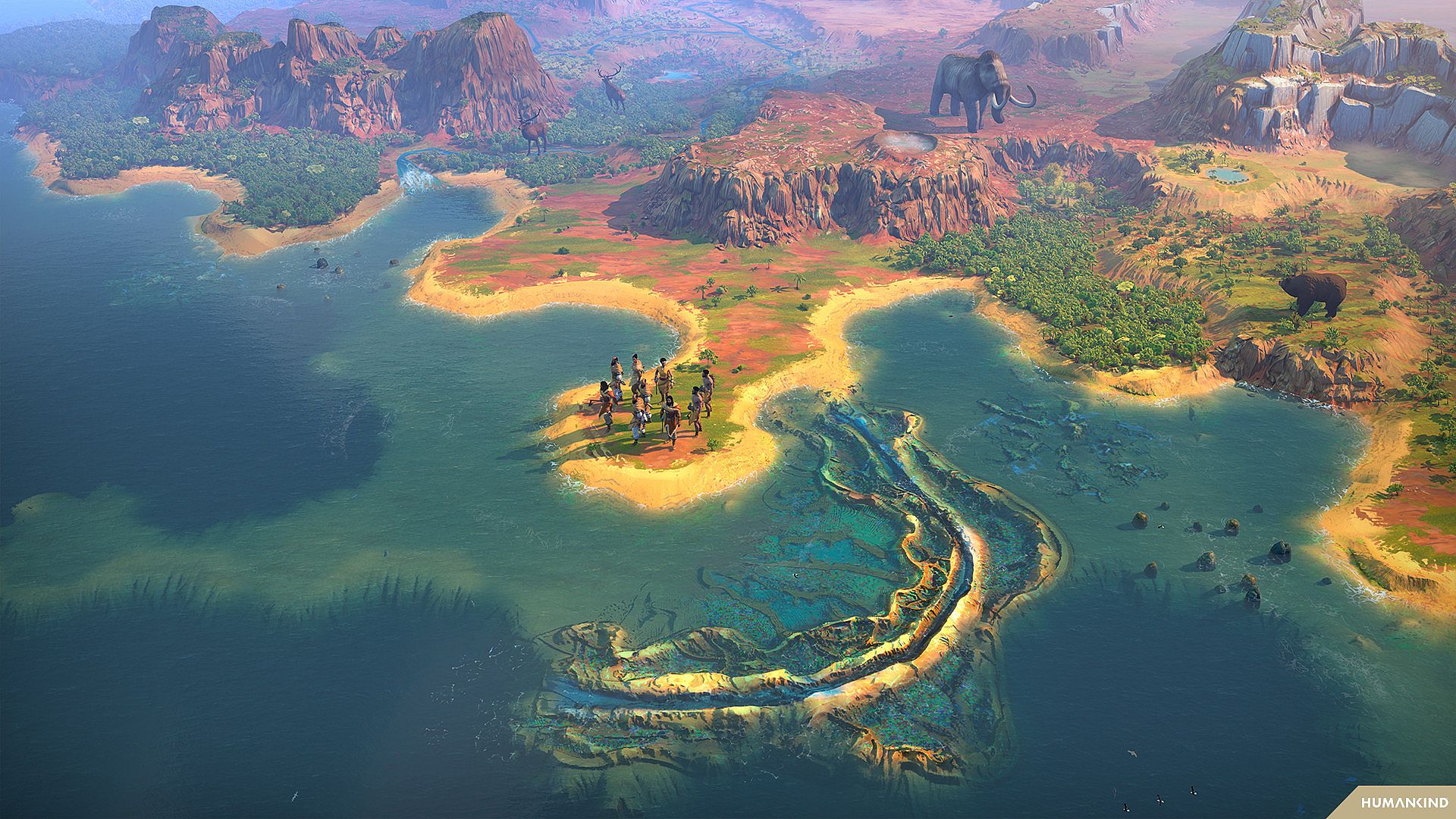
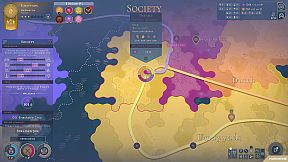
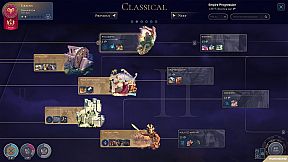
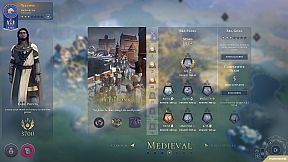
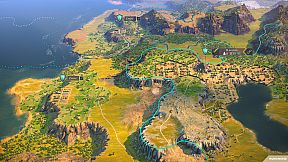
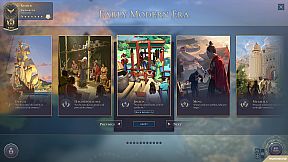
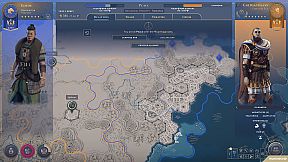
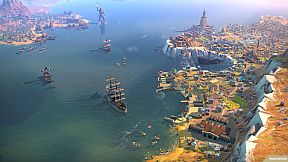
HUMANKIND to turowa strategia historyczna, w której gracze budują cywilizację od neolitu aż po czasy współczesne. Główną atrakcją jest system łączenia kultur - zamiast podążać za jedną, z góry ustaloną ścieżką, gracz wybiera i nakłada na siebie kolejne kultury z różnych epok, tworząc unikalne imperium.
Rozgrywka
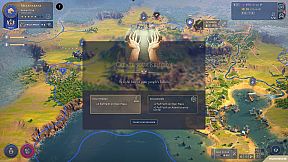
Postęp w grze opiera się na zdobywaniu gwiazd w określonych dziedzinach, takich jak agraryzm, militaryzm czy nauka. Każda wybrana kultura wnosi emblematyczną jednostkę ze specjalnymi zdolnościami, emblematyczną dzielnicę wpływającą na rozwój miasta oraz cechę dziedzictwa, która działa przez całą kampanię. Dzięki temu kolejność wybieranych kultur decyduje o stylu rozgrywki - od wczesnych budowniczych skupionych na infrastrukturze po późniejsze opcje handlowe i dyplomatyczne.
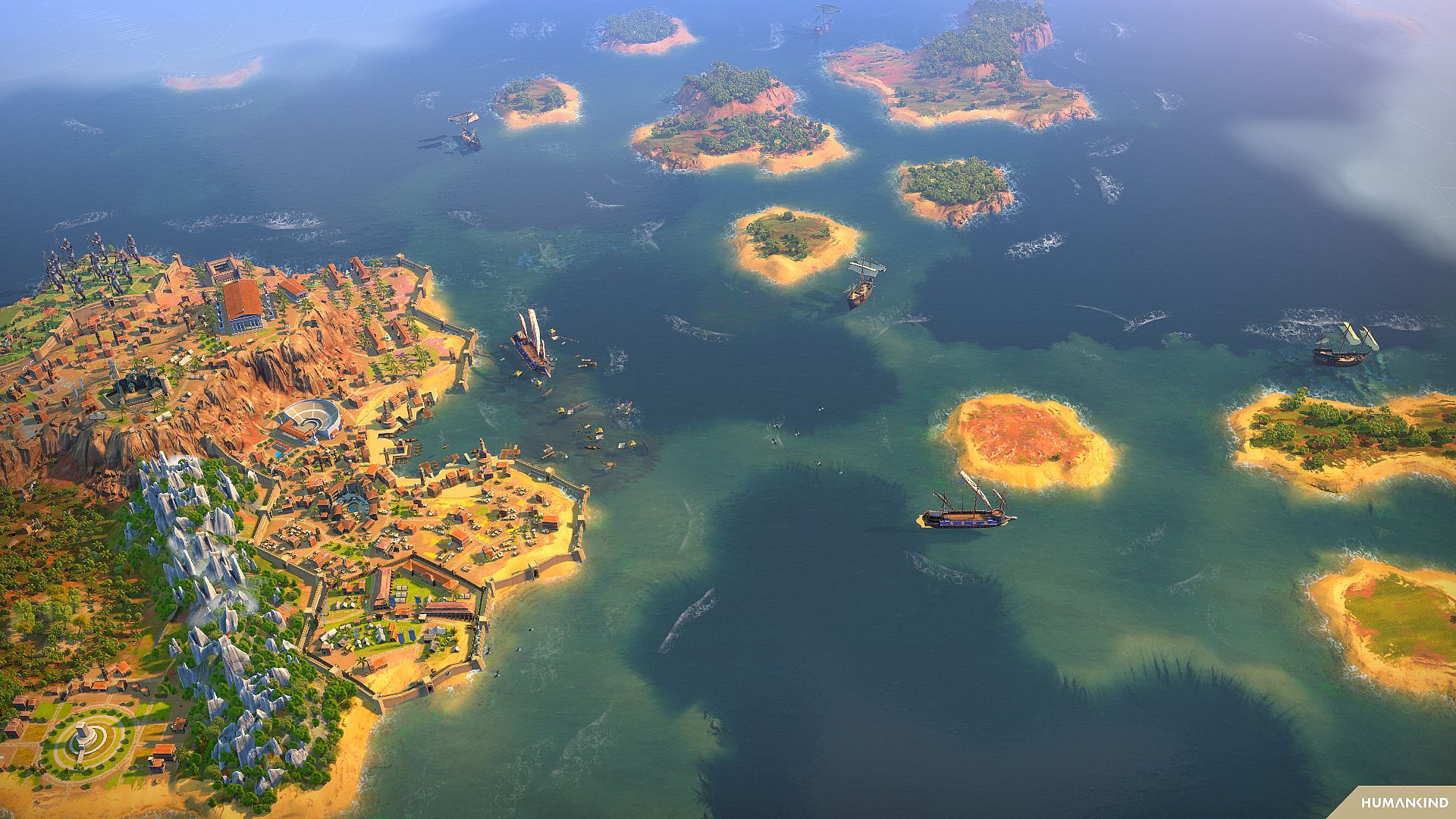
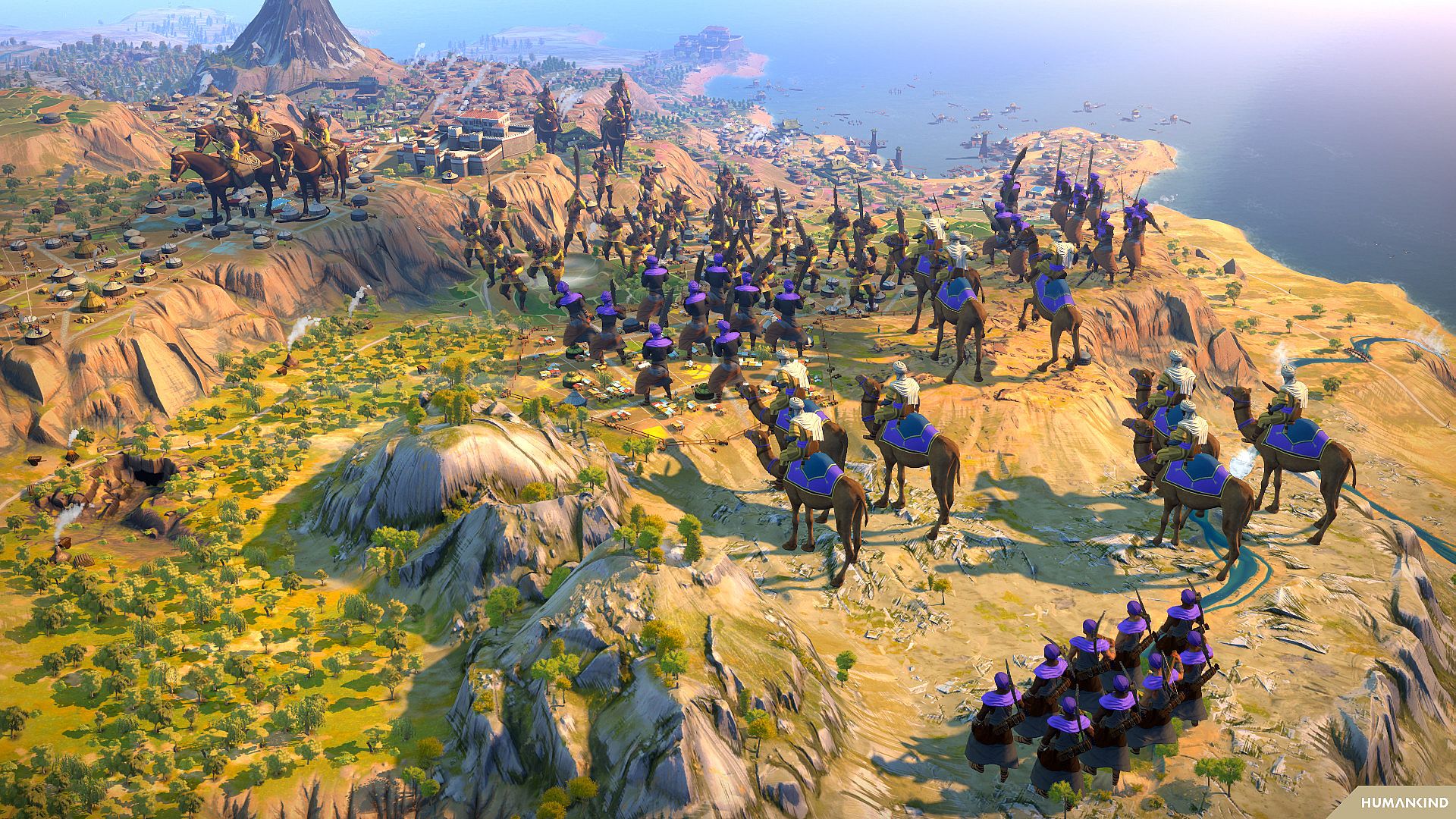
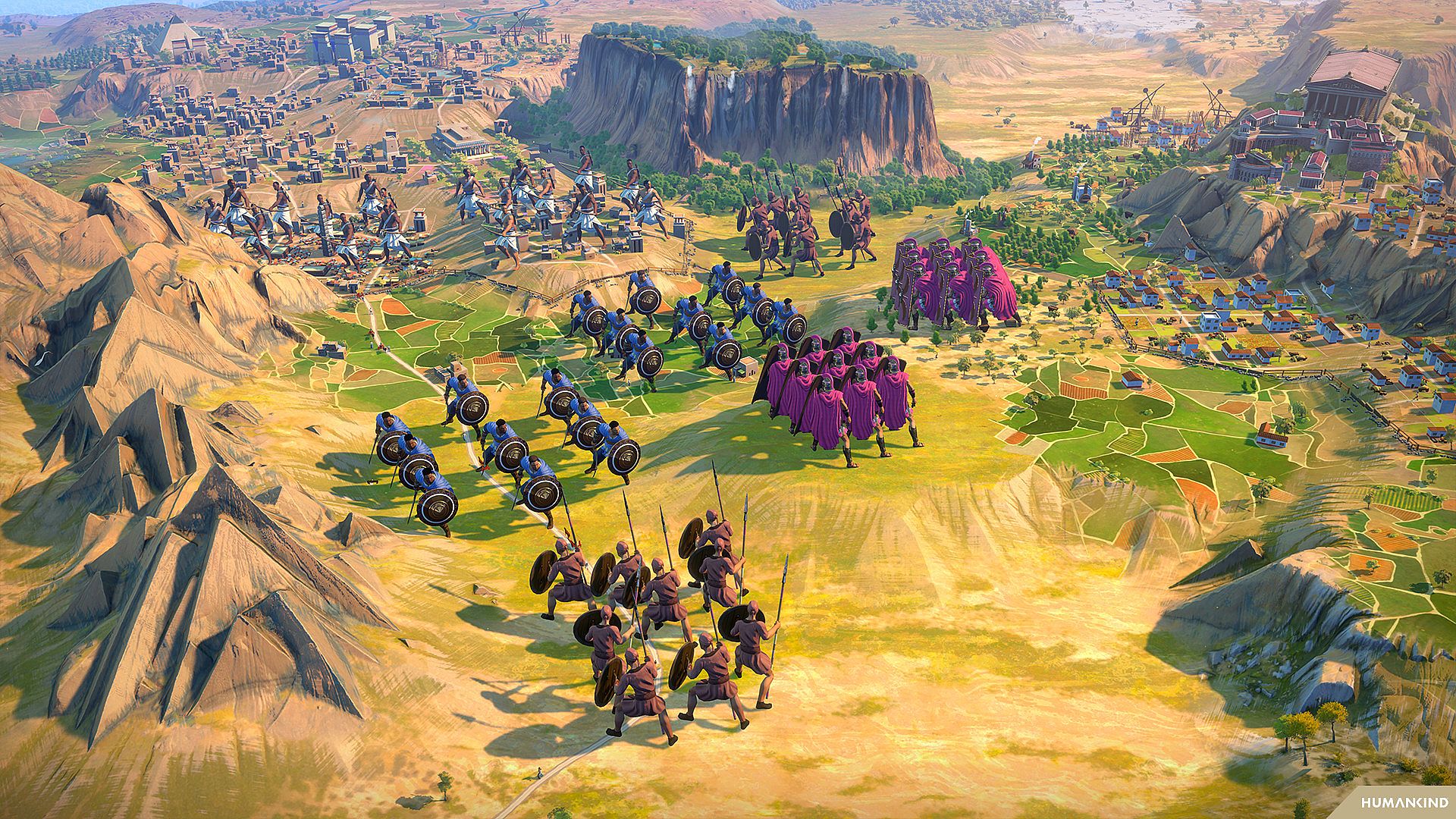
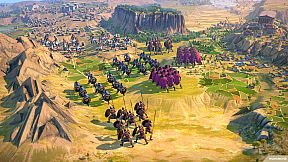
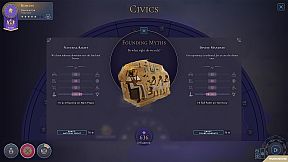
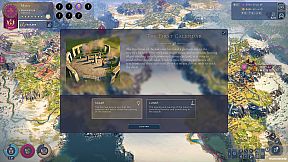
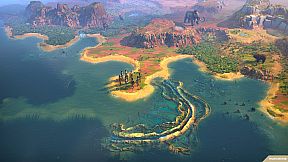
Ekspansja zaczyna się w neolicie od prostych posterunków i zajmowania terytorium. W kolejnych epokach gracz zarządza zasobami, wznosi dzielnice, rozwija technologie i instytucje oraz reaguje na wydarzenia historyczne, podejmując decyzje moralne, które wpływają na stabilność i sławę. Naturalne cuda świata dają premie po odkryciu, a zbudowane cuda zapewniają duże nagrody w postaci sławy. Walki toczą się bezpośrednio na mapie świata - armie można rozdzielać na pojedyncze jednostki, wezwać posiłki w kolejnych turach i używać sprzętu oblężniczego do zdobywania miast.
Personalizacja przywódcy pozwala na wizualny rozwój awatara wraz z postępem cywilizacji oraz odblokowywanie elementów kosmetycznych poprzez metaprogressję, które można wykorzystać w trybie wieloosobowym.
Tryby gry
W standardowej rozgrywce kampania singleplayer trwa od neolitu do czasów współczesnych, a zwycięstwo zależy wyłącznie od łącznej sławy zdobytej za gwiazdy epok, cuda, bitwy i znaczące decyzje. Tryb multiplayer obsługuje do ośmiu graczy, gdzie ta sama punktacja sławy obowiązuje w warunkach rywalizacji.
Dostępne są także krótsze formaty: partie blitzowe ograniczone do ustalonej liczby tur (np. 75) oraz scenariusze, takie jak Wojna stuletnia, skupiające rywalizację na konkretnych celach w ograniczonym czasie. Dzięki temu można poznać mechaniki gry bez konieczności kończenia pełnej kampanii.
Kluczowe mechaniki i funkcje
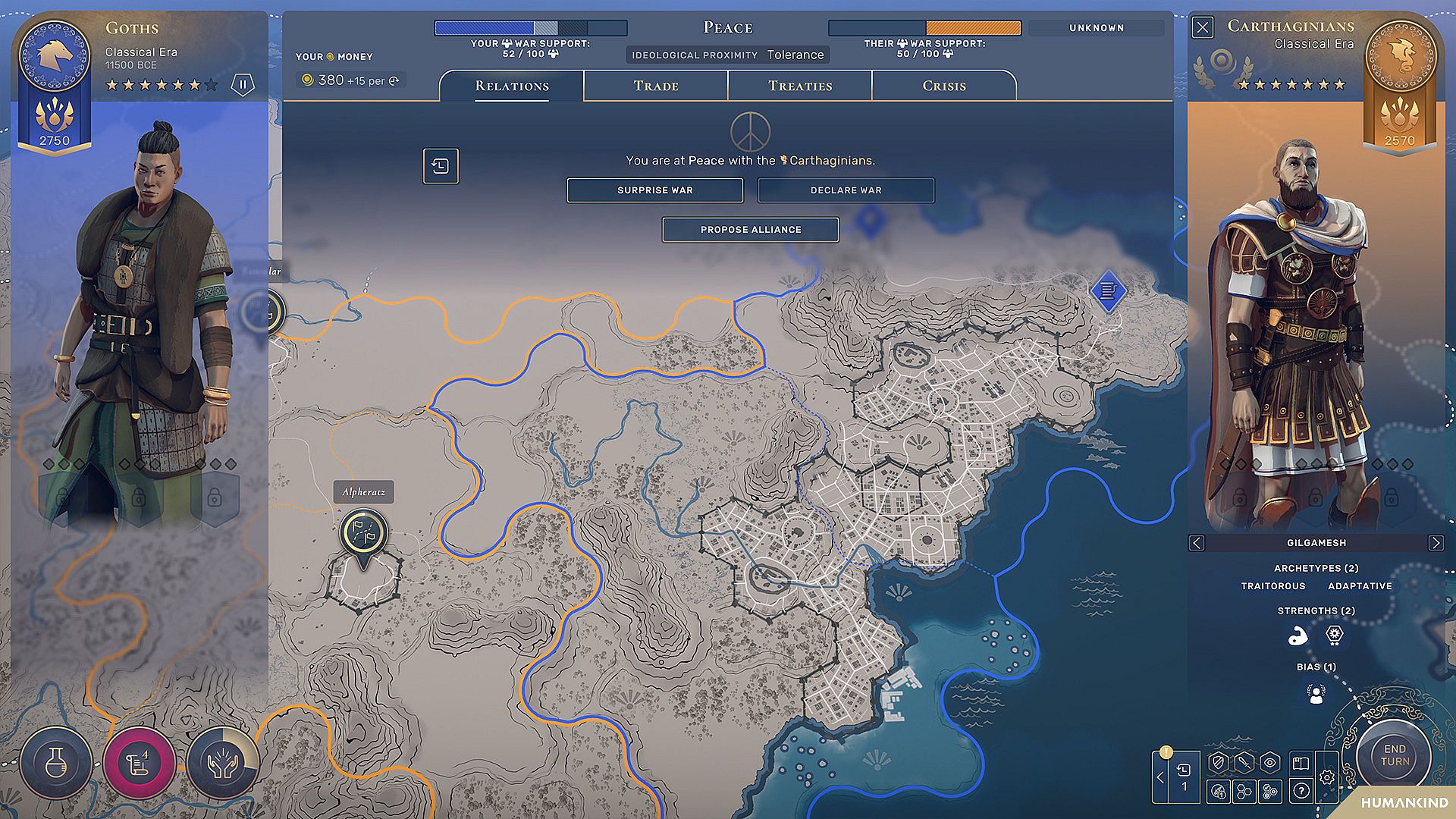
Niepodległe ludy występują na mapie jako mniejsze frakcje, z którymi można nawiązywać kontakty dyplomatyczne lub prowadzić walki, co dodaje głębi ekspansji i kontroli terytorium. System walki kładzie nacisk na pozycjonowanie i różnorodność jednostek - emblematyczne jednostki dają przewagę w starciach lądowych, morskich i powietrznych. System sławy łączy wszystkie działania w jedną metrykę końcową, nagradzając konsekwentne osiąganie wyników na polu militarnym, ekonomicznym i kulturowym.
Kolejne aktualizacje poprawiły tempo walk, mechaniki wsparcia wojennego i zachowanie SI, a także dodały opcje takie jak niestandardowi przeciwnicy sterowani przez SI oraz korekty stabilności. Zmiany te zachowują nacisk na taktyczną głębię i planowanie długoterminowe, jednocześnie zwiększając balans przy kolejnych rozgrywkach.
Czy warto zagrać?
HUMANKIND przypadnie do gustu fanom rozbudowanych strategii 4X z silnym naciskiem na personalizację i powtarzalność dzięki różnorodnym ścieżkom kultur. Taktyczny system bitew oraz progresja oparta na sławie zapewniają istotne decyzje na każdym etapie - od wczesnej ekspansji po konflikty późnych epok. Długoterminowe wsparcie w postaci patchy rozwiązało początkowe problemy z tempem i SI, dzięki czemu gra oferuje dopracowane doświadczenie, które nagradza eksperymentowanie z różnymi kombinacjami kultur.
Osoby szukające alternatywy dla klasycznych budowniczych cywilizacji docenią przełączanie kultur między epokami oraz walki toczące się bezpośrednio na mapie. Tryb multiplayer wprowadza element rywalizacji dla grup, a kampania solo oferuje rozbudowane, samodzielne partie. Gra pozostaje w pełni grywalna w obecnym kształcie i stanowi solidny wybór dla miłośników strategii ceniących historyczną autentyczność połączoną z narracją kreowaną przez gracza.