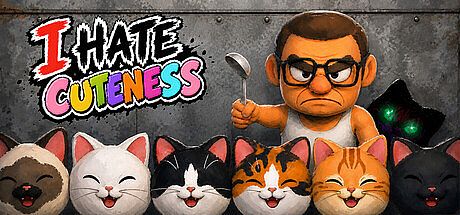


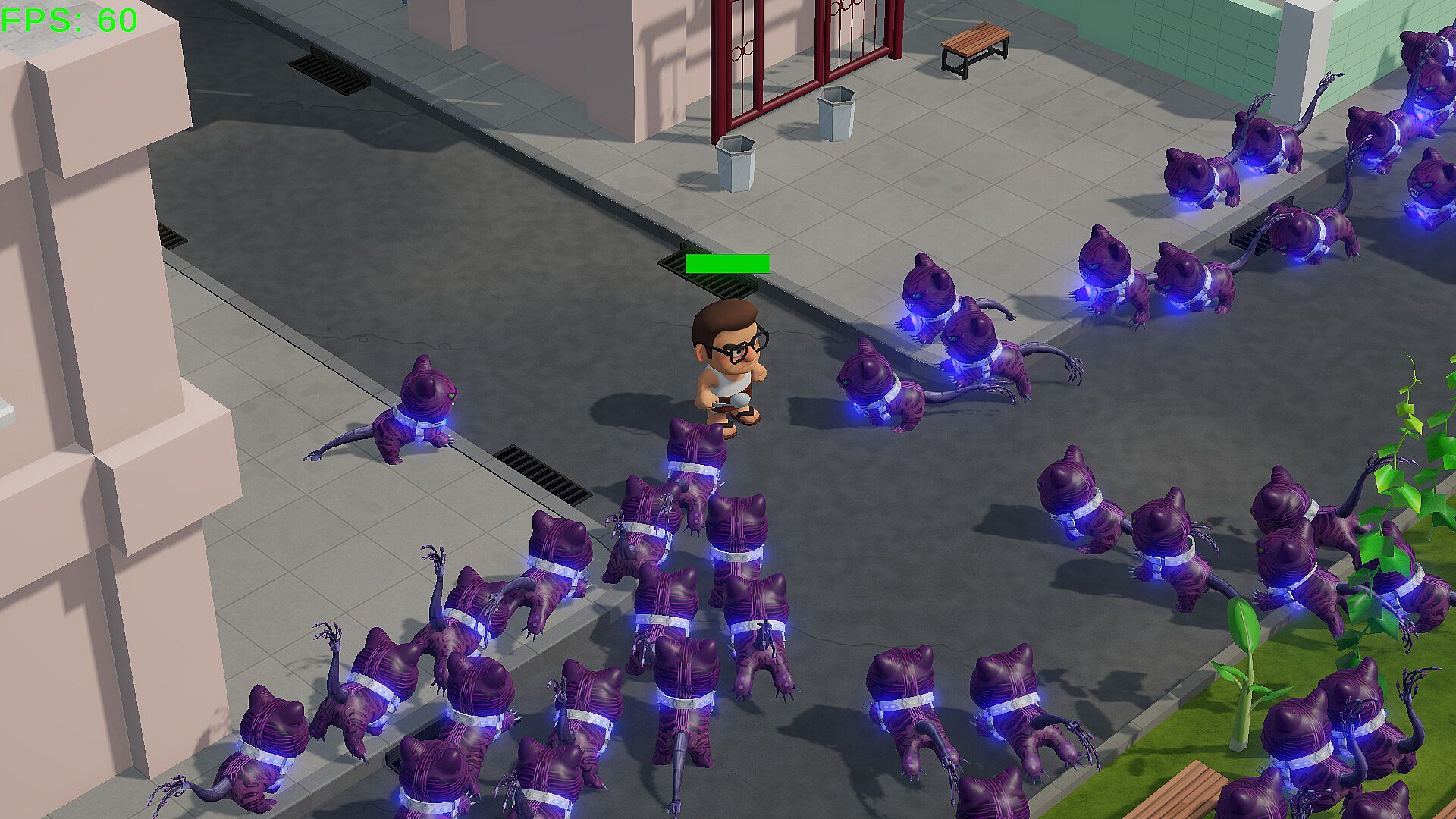
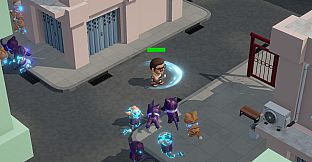
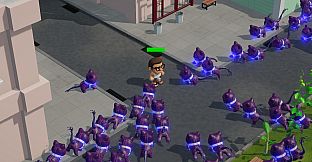
I Hate Cuteness is an action indie game built for PC by a two-person studio. Players take on the role of Pae, a longtime Bangkok noodle shop owner, in a top-down roguelite where everyday animals have turned dangerous due to corrupted collars and expanding towers. The core loop centers on navigating changing city blocks, targeting small collar hitboxes on corrupted creatures, and deciding whether to free an animal or destroy it along with the technology.
Gameplay
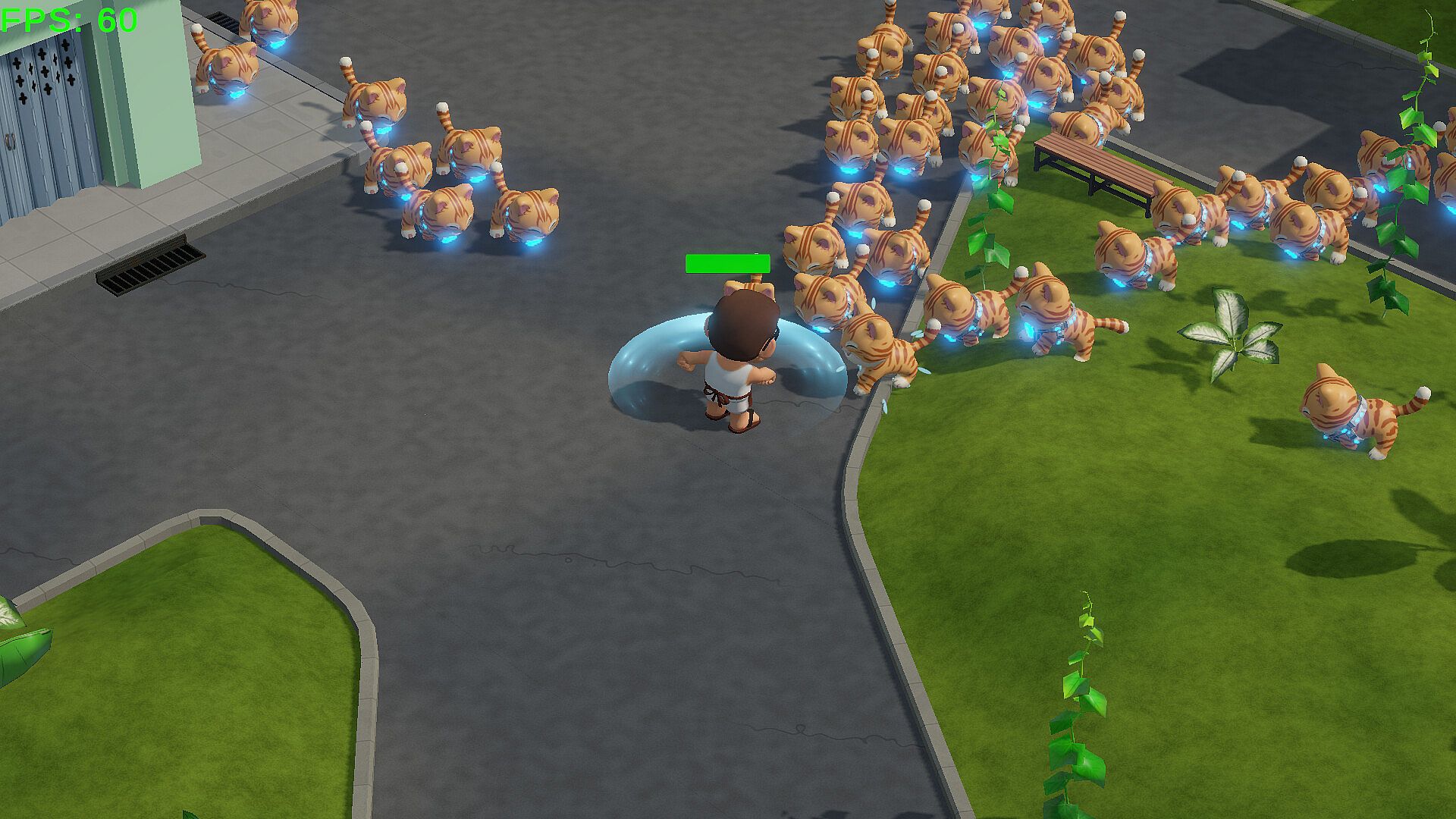
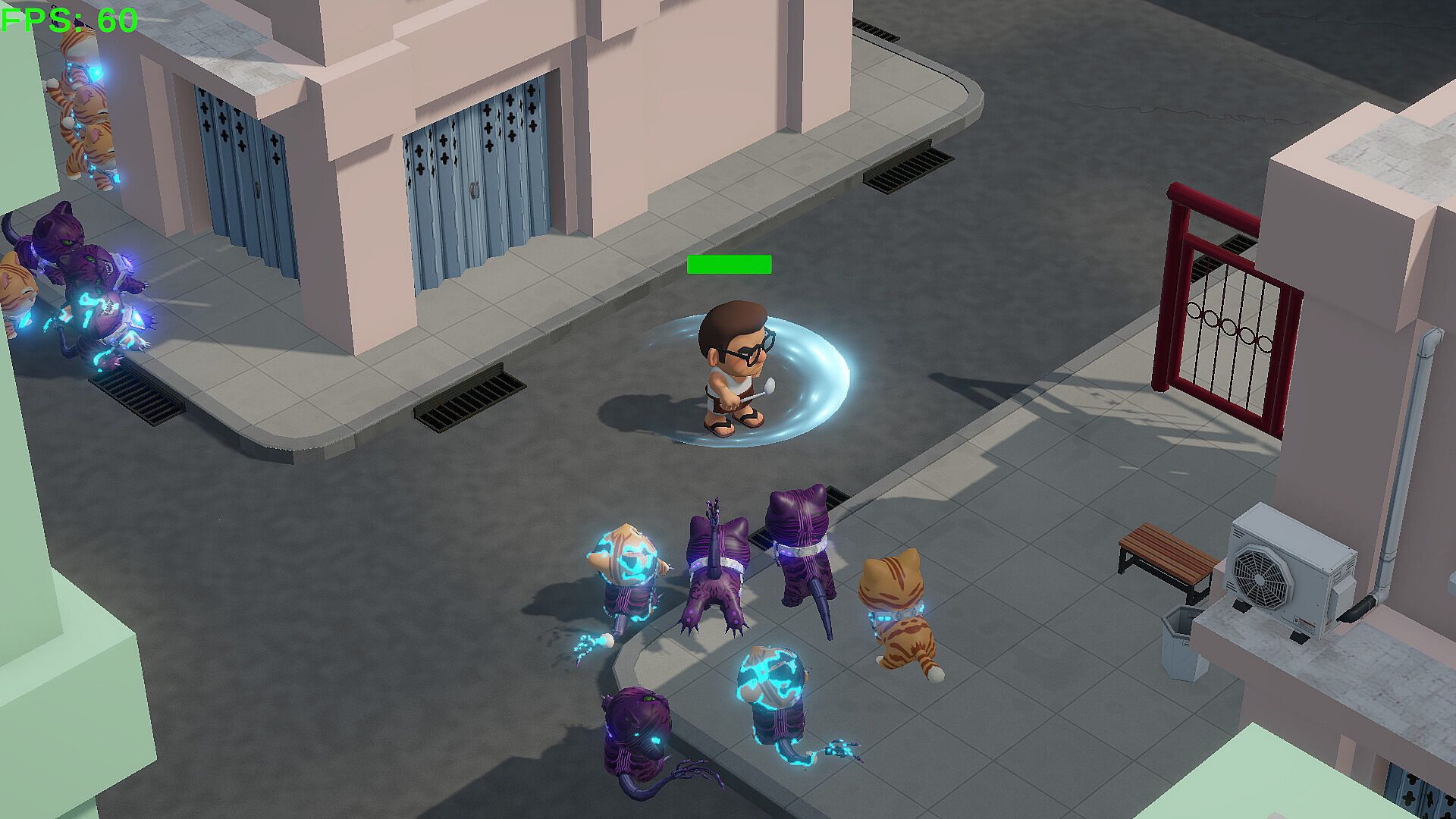
The action plays out in short runs through a district rebuilt from a fixed city map each time. Main roads, waterways, and landmarks remain consistent so players can learn the layout over multiple attempts, while side streets, stalls, and open areas shift. A swing with the ladle must land precisely on the collar to break it cleanly. Missing the mark or swinging too hard kills the animal instead, and the run tracks both saved and killed counts separately. The district itself records these outcomes and carries forward scars or stability levels.
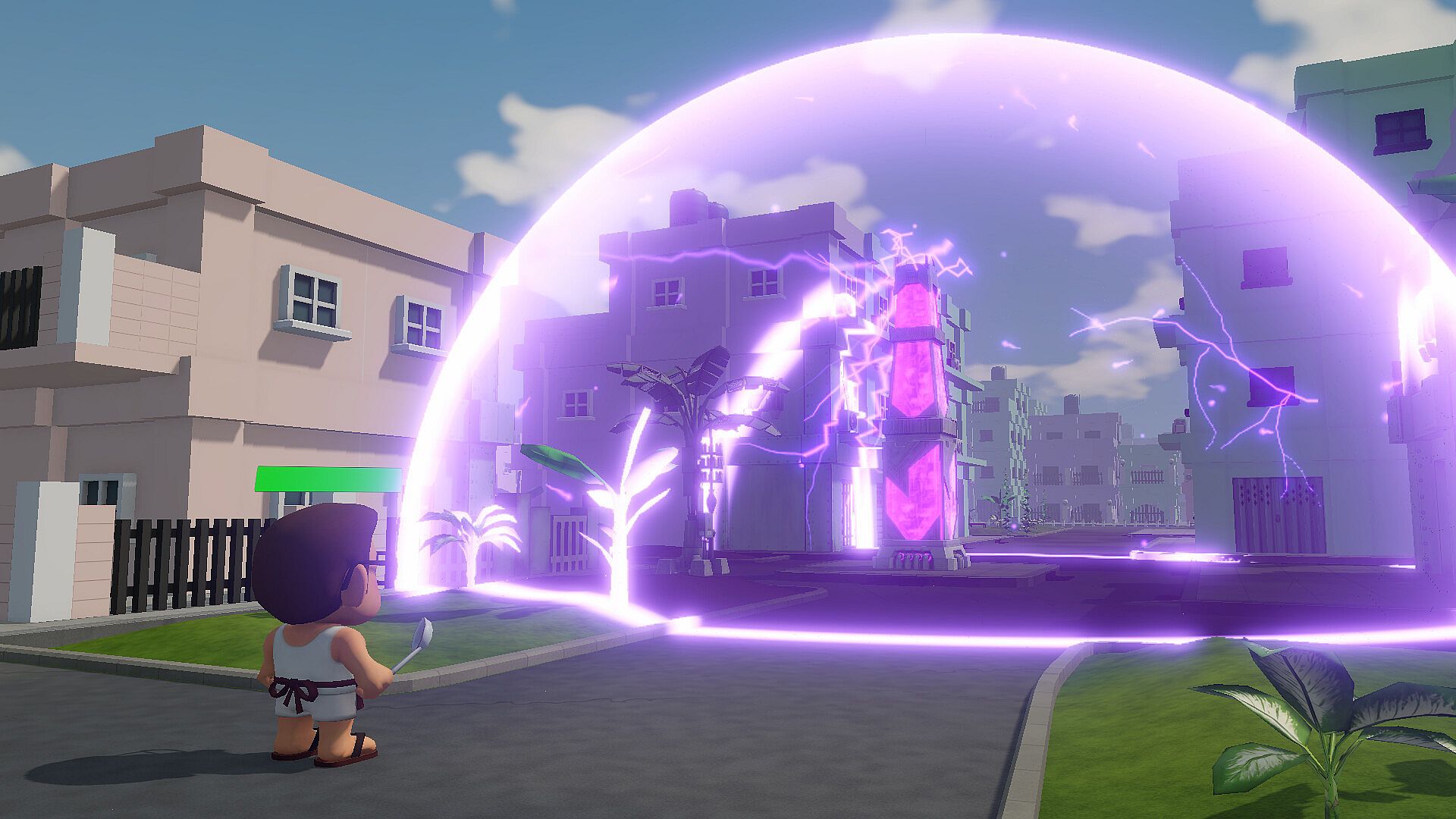
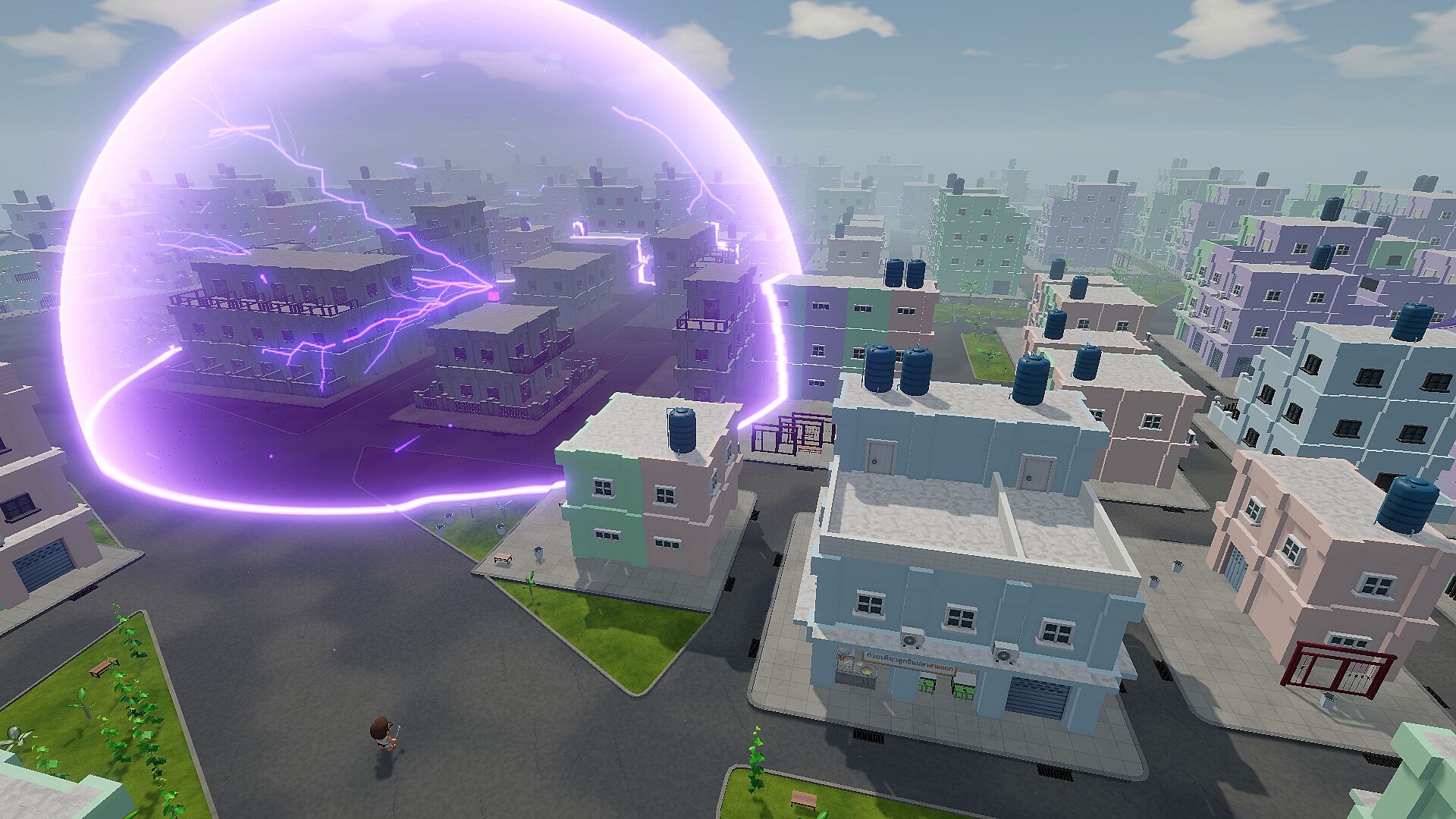
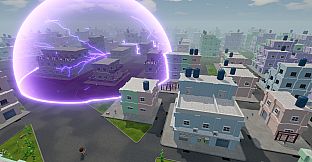
Towers project growing domes of corruption that alter buildings, streets, and animals inside them. Striking a tower shrinks the dome, and destroying it restores the block. Ignoring one lets the corruption spread further and claim more ground. Between runs the Sanctuary holds freed animals while a memorial tracks those lost, giving a sense of ongoing city management rather than isolated sessions.
Districts settle into Stable, Strained, or Critical states that alter the balance of risk and reward. Pushing escalation can trigger a Surge with more towers and faster spread, but successful defense brings greater returns. Permanent losses can remove certain species from future runs if a district falls badly.
Game Modes
The game runs as a single-player experience focused on repeated district runs. Each attempt generates a fresh layout within the fixed city framework, and reaching a checkpoint locks that version into the persistent map with its own corruption level and history. There are no separate named modes or multiplayer options at this stage. The emphasis stays on learning neighborhood patterns, managing tower domes, and balancing saved versus killed outcomes across successive runs.
Setting and Development
The world begins in Bangkok, the studio's home city, with districts drawn from real neighborhood elements like shophouse rows and noodle stalls. Future areas are planned to reinterpret other places the developers have lived, rendered in the same hand-built art style. The two-person team has outlined additions such as more playable characters with distinct fighting styles, additional weapons, and varied tower behaviors before the 1.0 release. Post-launch plans include co-op district defense and new cities, though these remain scheduled rather than available now.
Is It Worth Playing?
The game is listed as coming soon on its Steam page with no user reviews available yet. Its appeal lies in the precise collar-breaking combat, the tension between saving and killing, and the way individual runs shape a growing city map. Players who enjoy roguelite structure combined with persistent world changes and careful aim-based decisions may find the loop engaging once it launches. Those seeking immediate co-op or a wide variety of modes should wait for further updates. The stylized combat against corrupted animals carries no blood or gore, keeping the focus on the mechanical choice of precision versus overkill.