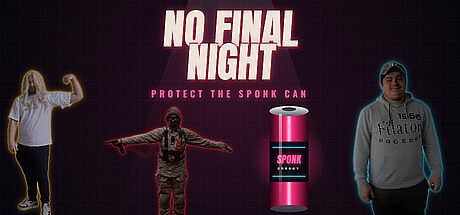



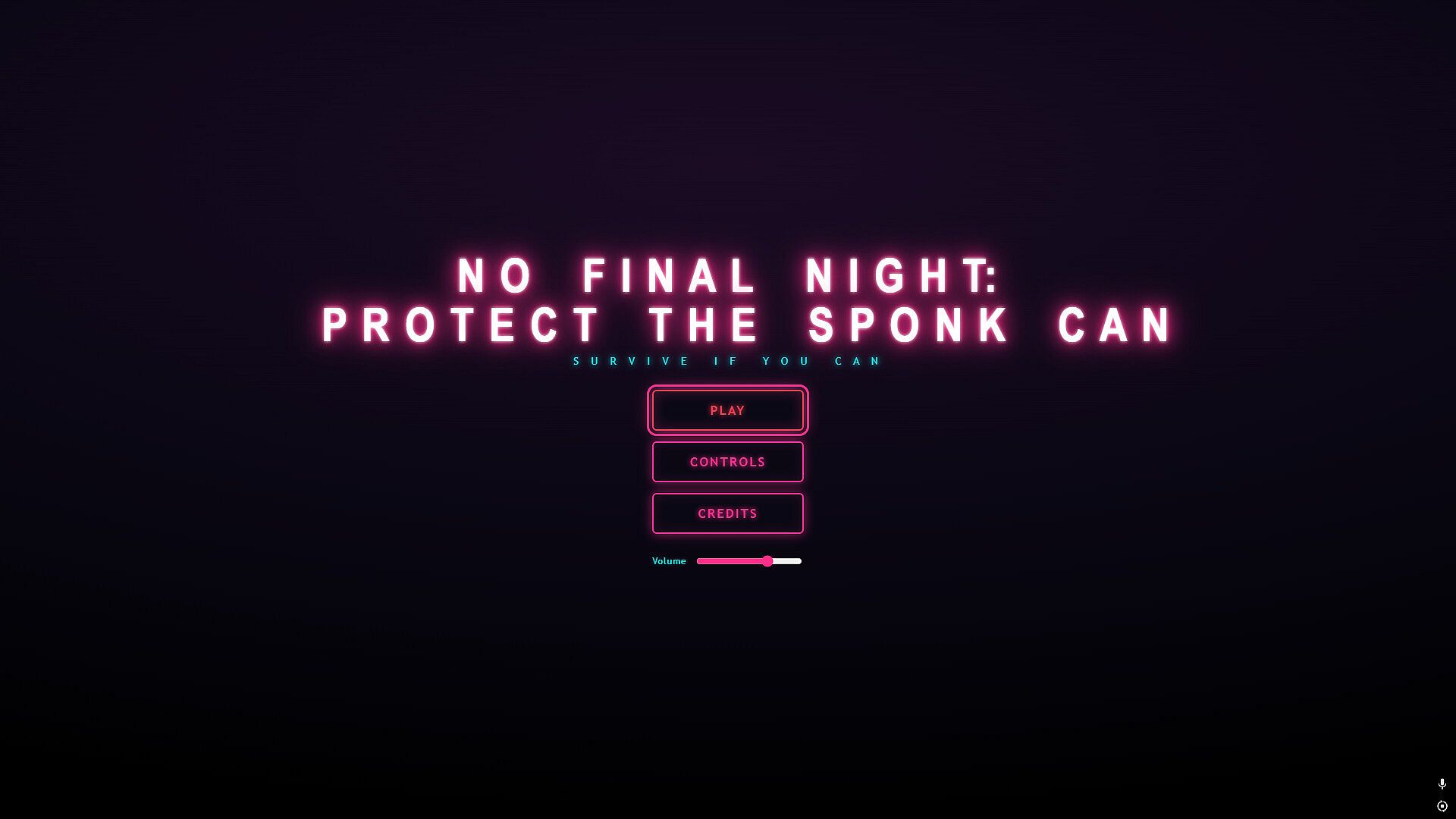
„No Final Night: Protect The Sponk Can" to darmowa indie strategia łącząca elementy survival horroru z zarządzaniem zasobami na PC. Gracz wciela się w strażnika nocnego, którego zadaniem jest obrona ostatniej puszki Sponk Energy przed trzema intruzami w opuszczonej fabryce miedzi. Cała rozgrywka skupia się na przetrwaniu kolejnych nocy, podczas których presja stale rośnie, a dostępnych narzędzi jest niewiele.
Rozgrywka
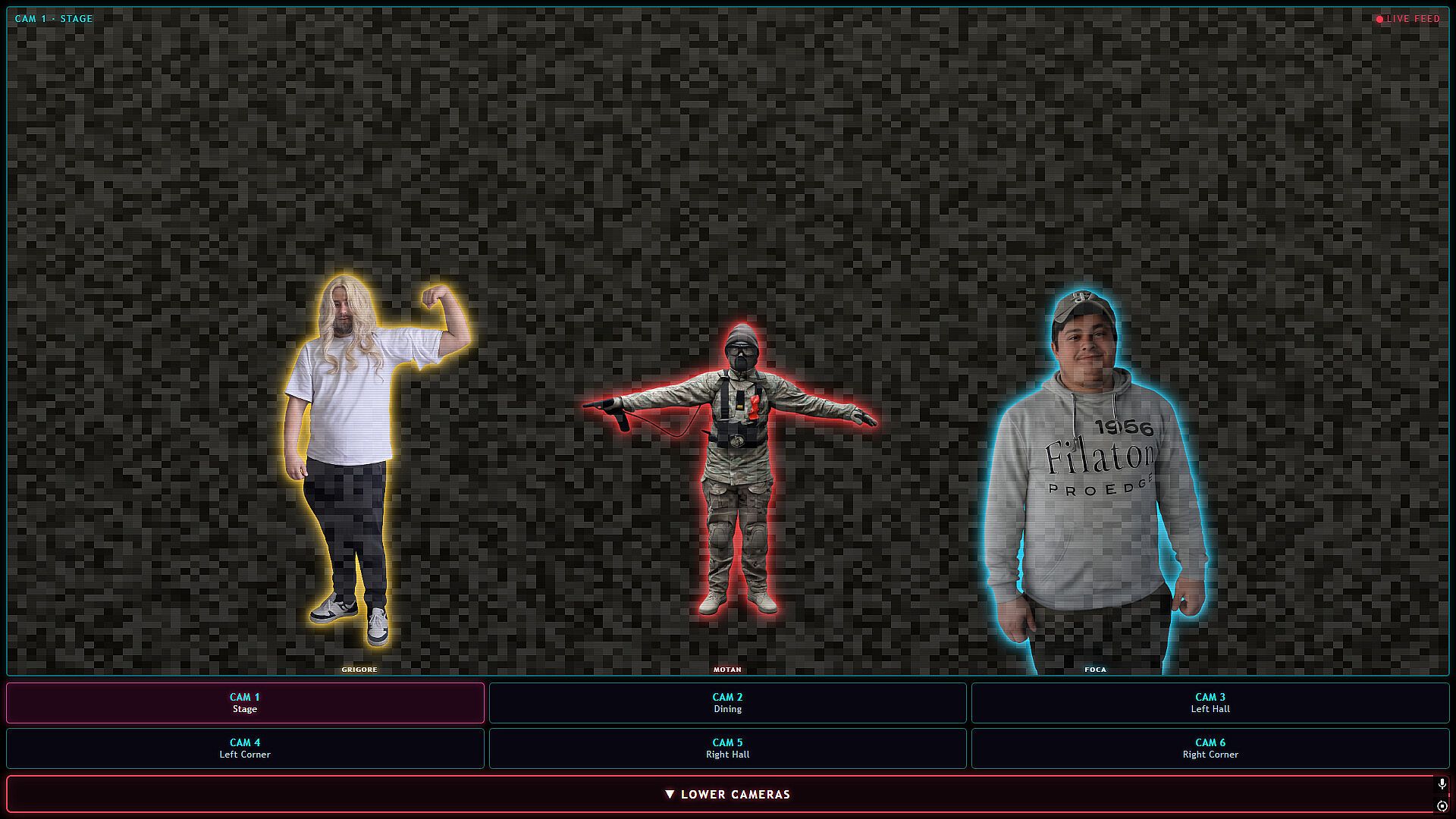
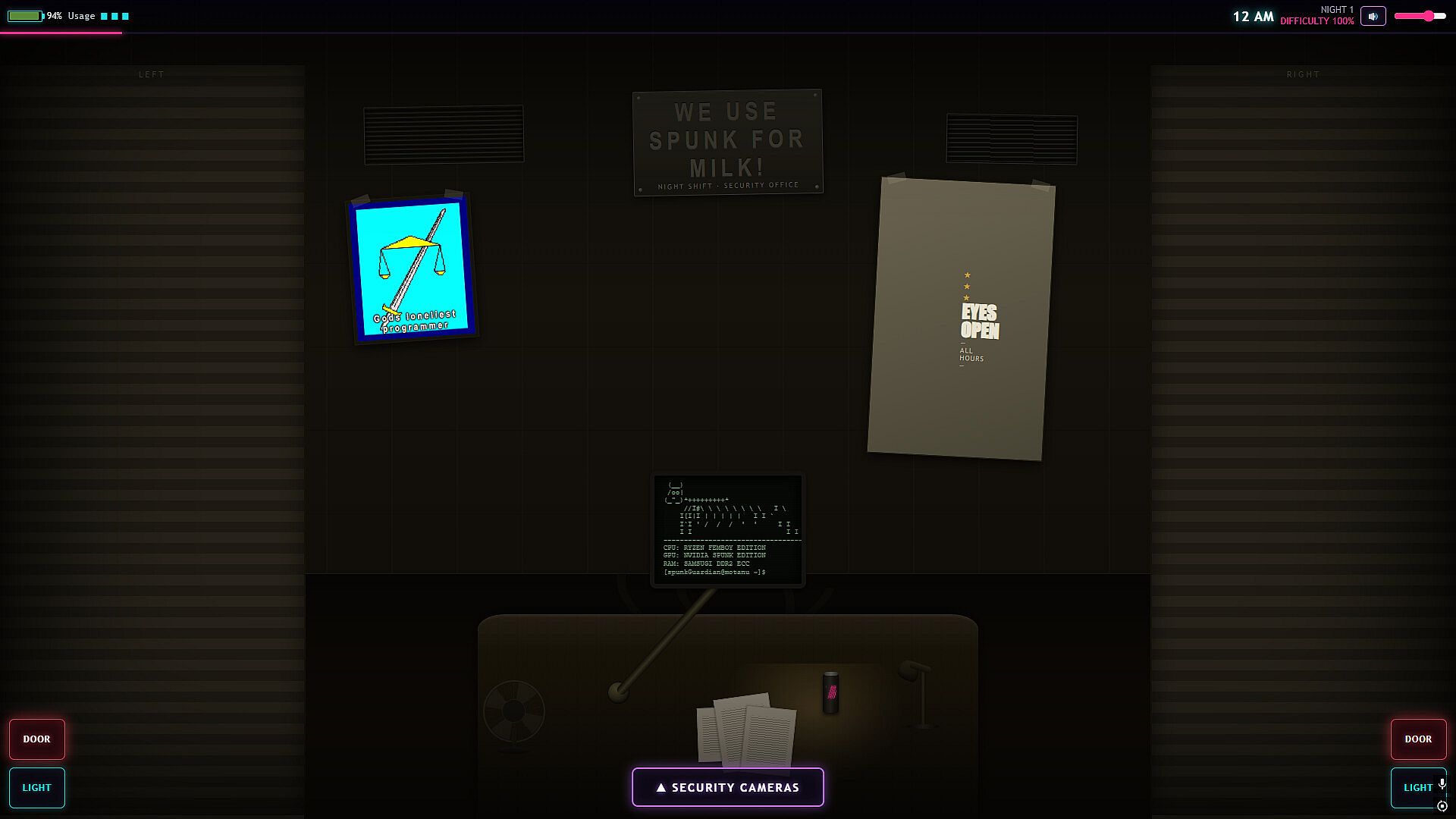
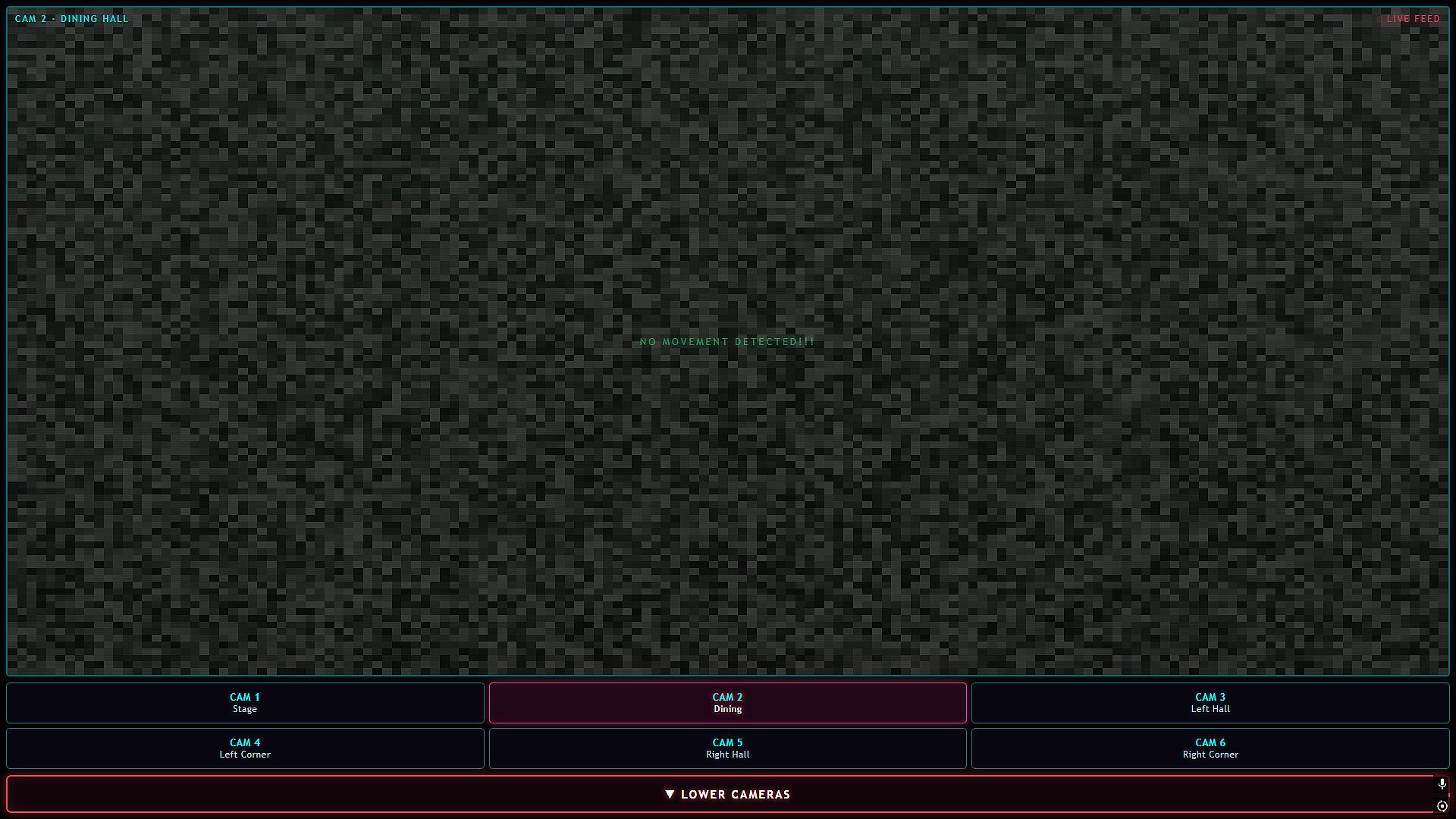
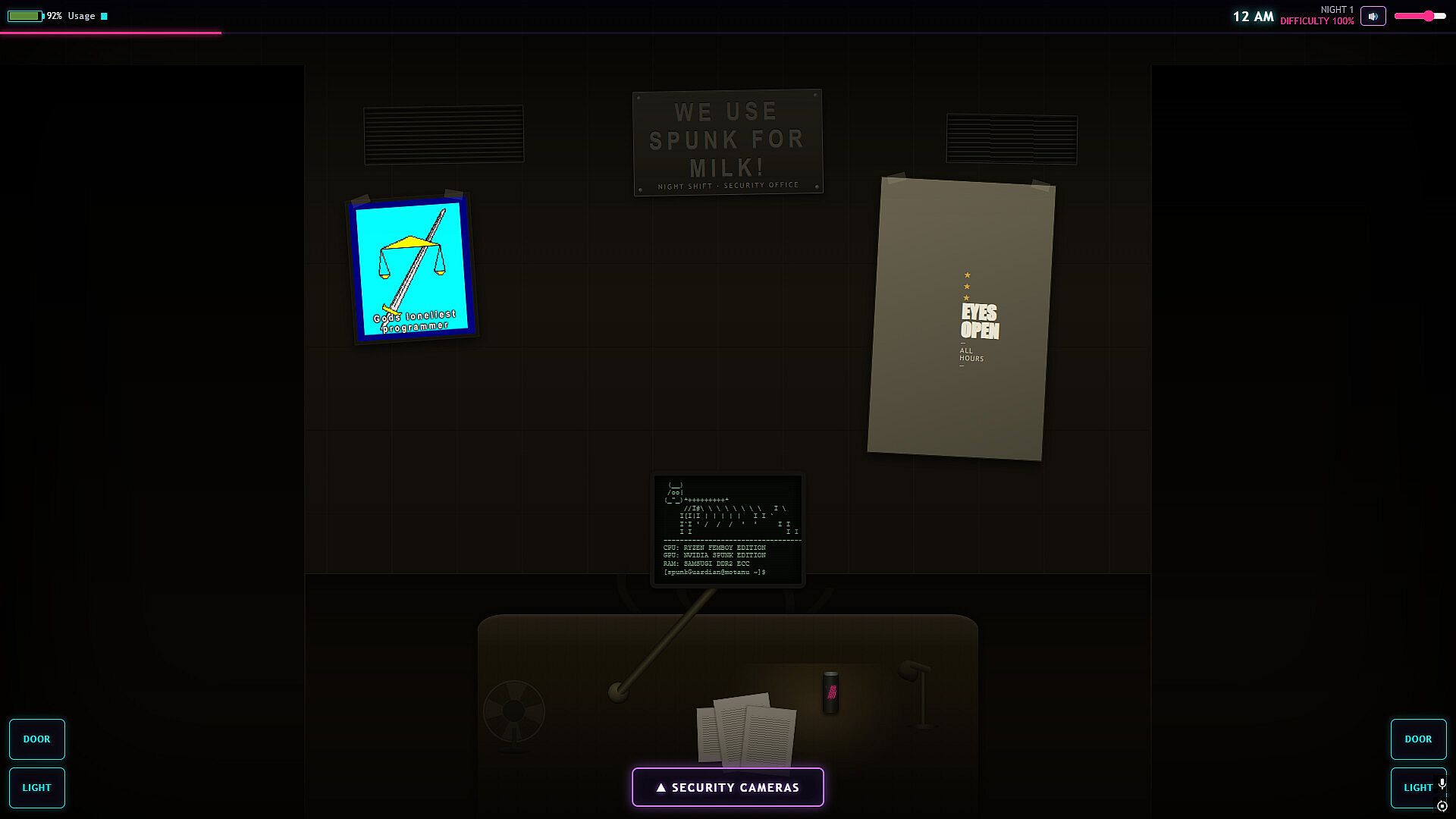
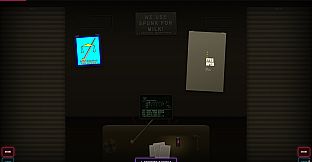
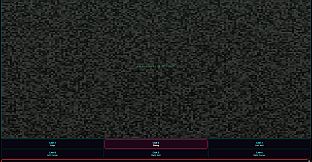
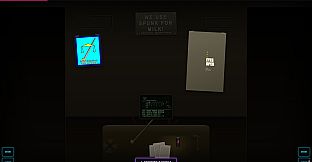
Podstawą jest przetrwanie zmiany od północy do szóstej rano w małym biurze z dwójką drzwi, monitorami i oświetleniem. Każdej nocy zaczyna się z pełnym zapasem energii, która zużywa się przy każdym działaniu. Gracz musi nieustannie decydować, czy poświęcić prąd na obserwację zagrożeń, czy oszczędzać go na kluczowe momenty. Kamery pozwalają śledzić pomieszczenia, lecz nie wskazują automatycznie, który intruz się pojawił - trzeba uważnie obserwować obraz i nasłuchiwać dźwięków. Drzwi można zatrzasnąć, by zablokować wejście, ale przytrzymanie ich szybko wyczerpuje baterię. Światła dają szybki podgląd na korytarze i pomagają zauważyć bezpośrednie zagrożenie. Gdy prąd się skończy, strażnik zostaje bez żadnej ochrony.
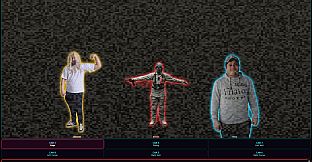
Każdy z trzech intruzów porusza się inaczej. Grigore zawsze atakuje od lewej, Foca od prawej, a Motan zachowuje się nieprzewidywalnie i przyspiesza, gdy gracz straci czujność. Sukces zależy od śledzenia pozycji przeciwników, odpowiedniego czasu zamykania drzwi oraz rozsądnego gospodarowania energią. Jedna chwila nieuwagi może zakończyć noc w kilka sekund.
Tryby gry
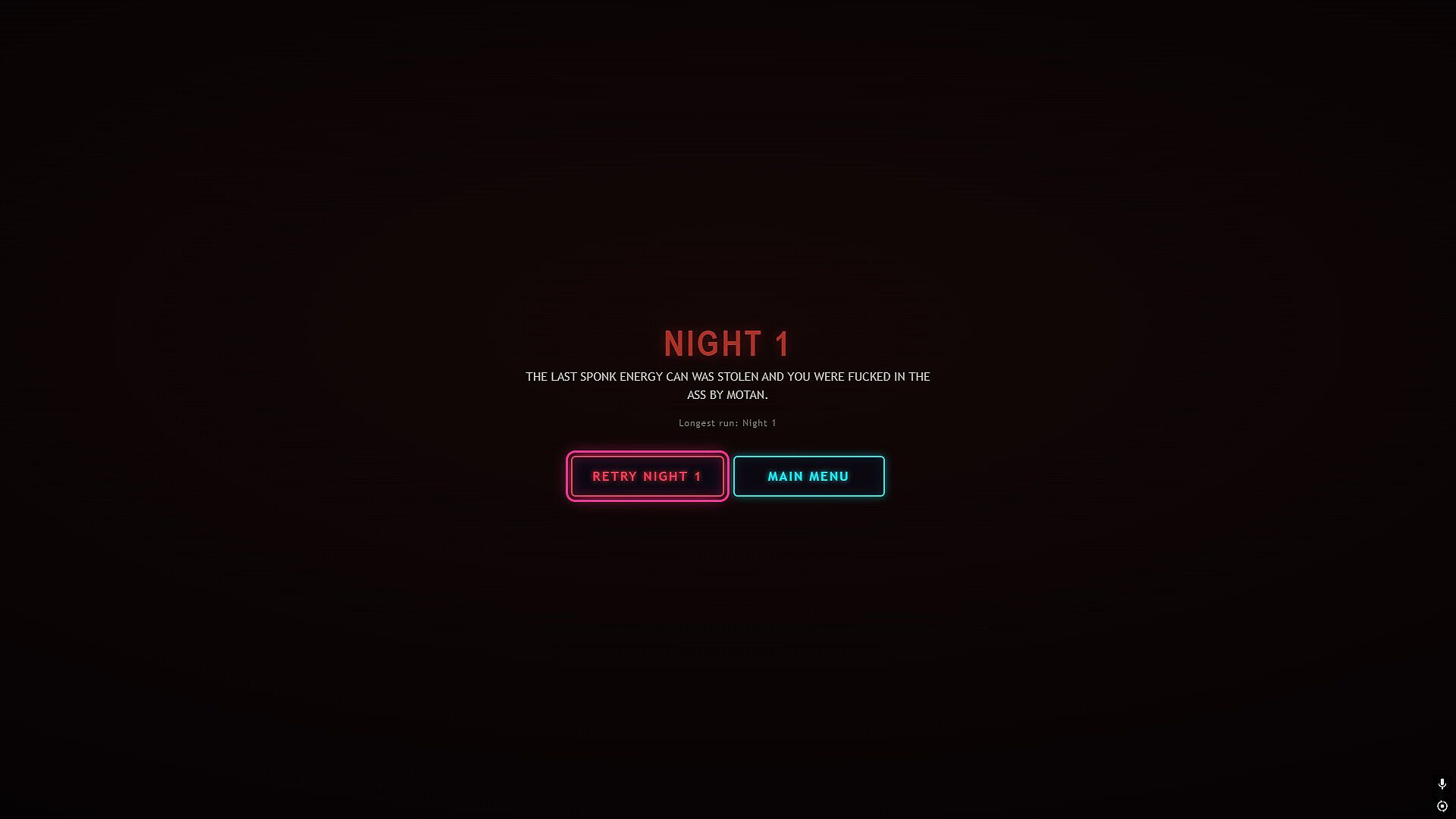
Gra oferuje jedną, nieprzerwaną kampanię przetrwania bez dodatkowych trybów. Noce następują po sobie, a z każdą kolejną intruzi poruszają się szybciej, stają się bardziej agresywni i lepiej planują swoje ruchy. Nie ma końca ani ekranu podsumowania - liczy się wyłącznie liczba przetrwanych nocy. Trudność rośnie o stały procent za każdym razem, bez możliwości obniżenia poziomu czy powrotu do wcześniejszych etapów. Całość skupia się na pobijaniu własnego rekordu.
Mechaniki i rozwój
Zarządzanie energią to kluczowy element strategii - drzwi, światła i kamery korzystają z tej samej baterii. Gracz musi w czasie rzeczywistym wybierać, czy utrzymywać podgląd z kamer, czy oszczędzać prąd na obronę. Dźwięki pomagają w wykrywaniu zagrożeń, a trzy różne zachowania intruzów zmuszają do ciągłego dostosowywania taktyki. Efekty świetlne i nagłe dźwięki zwiększają napięcie podczas bliskich spotkań.
Gra obsługuje kontrolery, w tym tryb przenośny, choć niektóre przyciski mogą wymagać ręcznego przypisania. Tytuł działa na słabszym sprzęcie, jest w pełni offline i nie zawiera mikropłatności ani funkcji sieciowych.
Czy warto zagrać?
Tytuł przypadnie do gustu osobom, które lubią precyzyjne zarządzanie zasobami i rozpoznawanie schematów w zwartej, jednoosobowej formie. Rosnąca z każdą nocą trudność daje poczucie realnego wyzwania bez sztucznych ograniczeń. Jako darmowa produkcja z prostymi sterowaniem i niskimi wymaganiami sprzętowymi stanowi dobry punkt wejścia dla fanów mechanik opartych na oszczędzaniu energii i obserwacji wrogów. Brak trybu wieloosobowego i sezonowych aktualizacji skupia uwagę wyłącznie na głównej pętli rozgrywki. Osoby wrażliwe na nagłe głośne dźwięki lub intensywne efekty świetlne powinny zachować ostrożność. Dla odpowiedniej grupy graczy gra stanowi solidny test wytrzymałości.