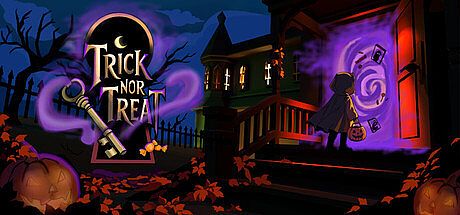


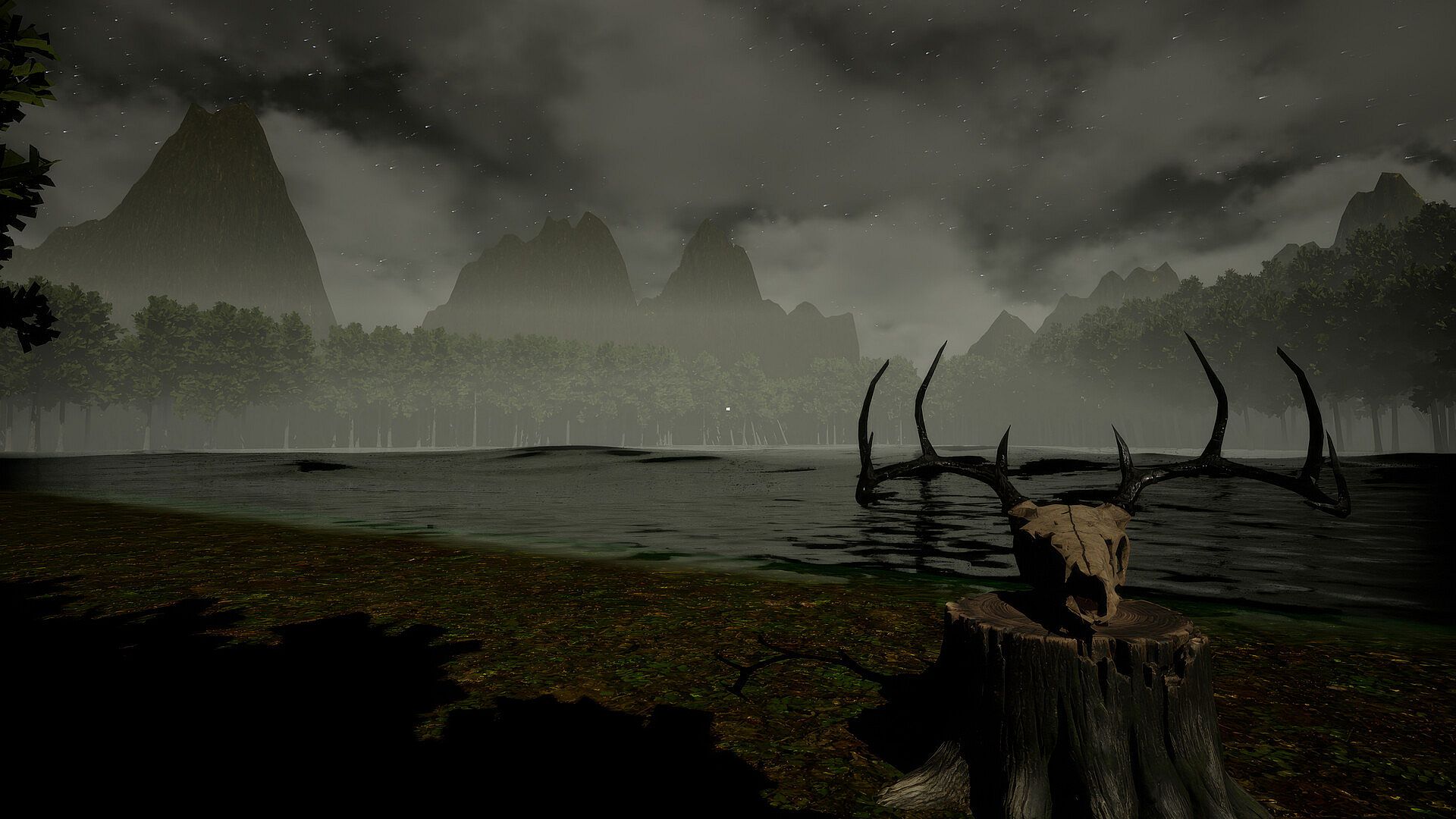
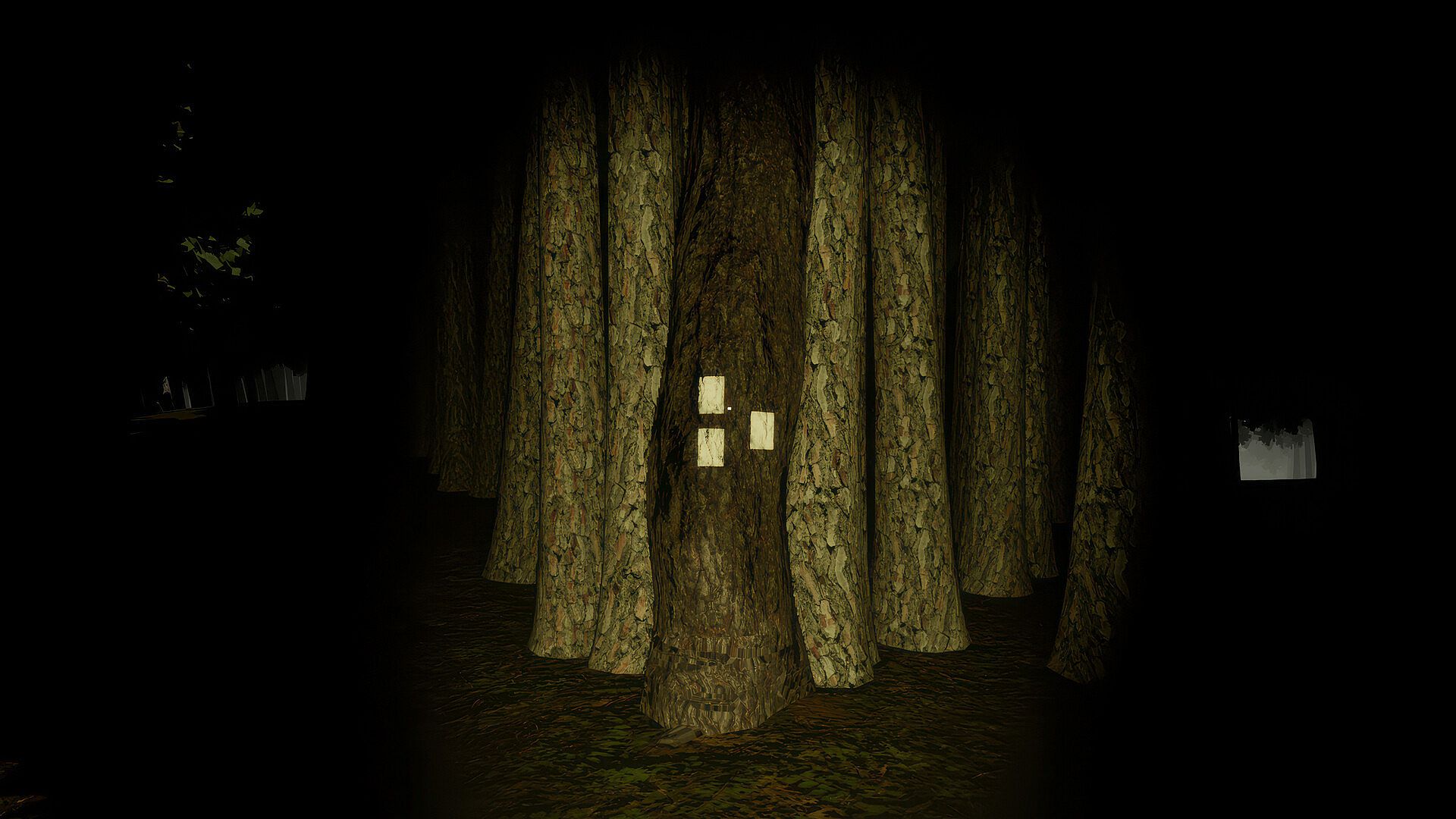
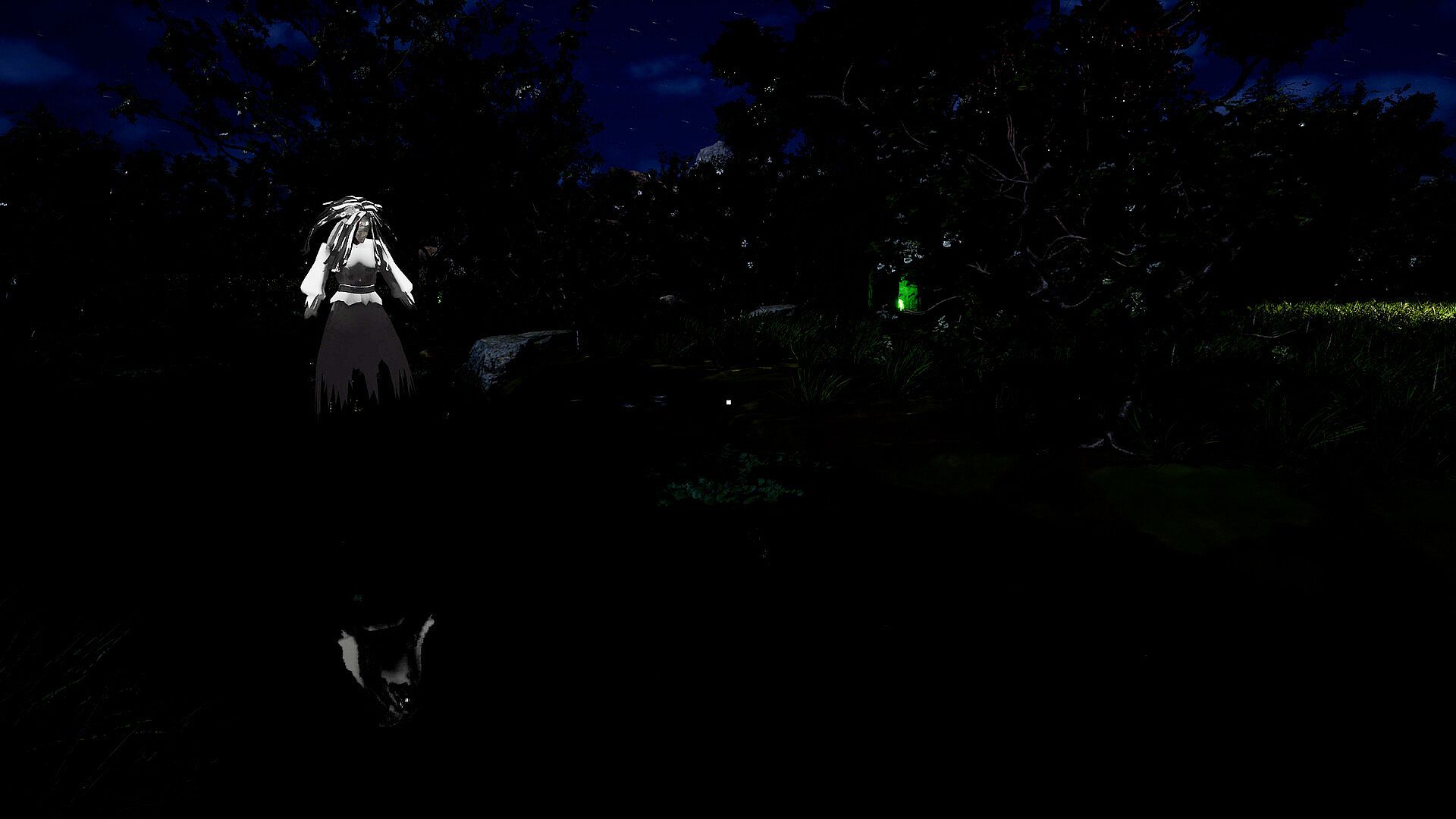
Trick Nor Treat is a free to play first person survival horror adventure game available on PC. The story follows a child whose Halloween candy hunt leads into a run down house and a trapdoor that drops them into a strange realm of locked doors and folklore based threats. Survival depends on careful exploration, clue gathering, and smart use of limited resources rather than combat.
Gameplay
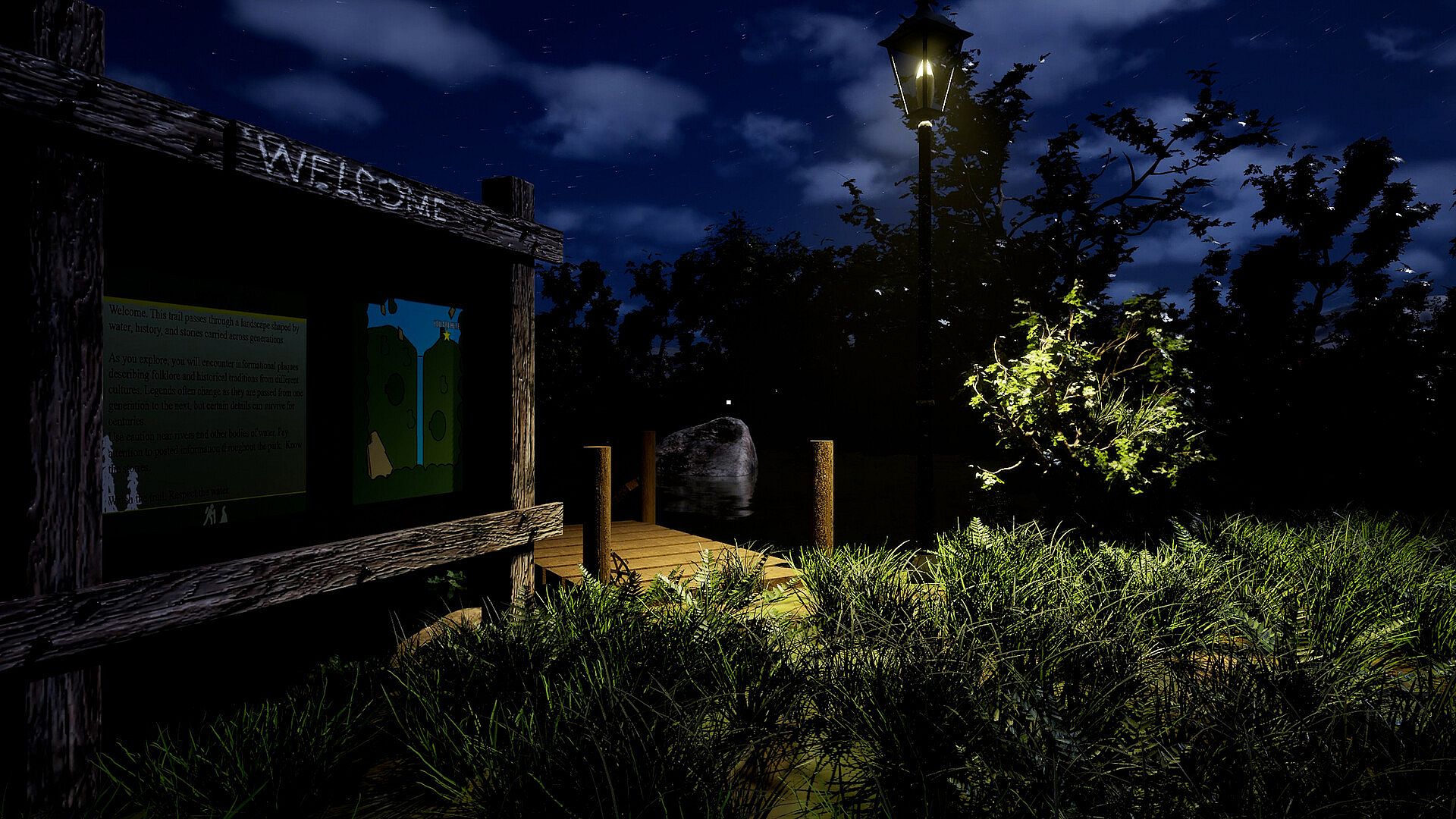
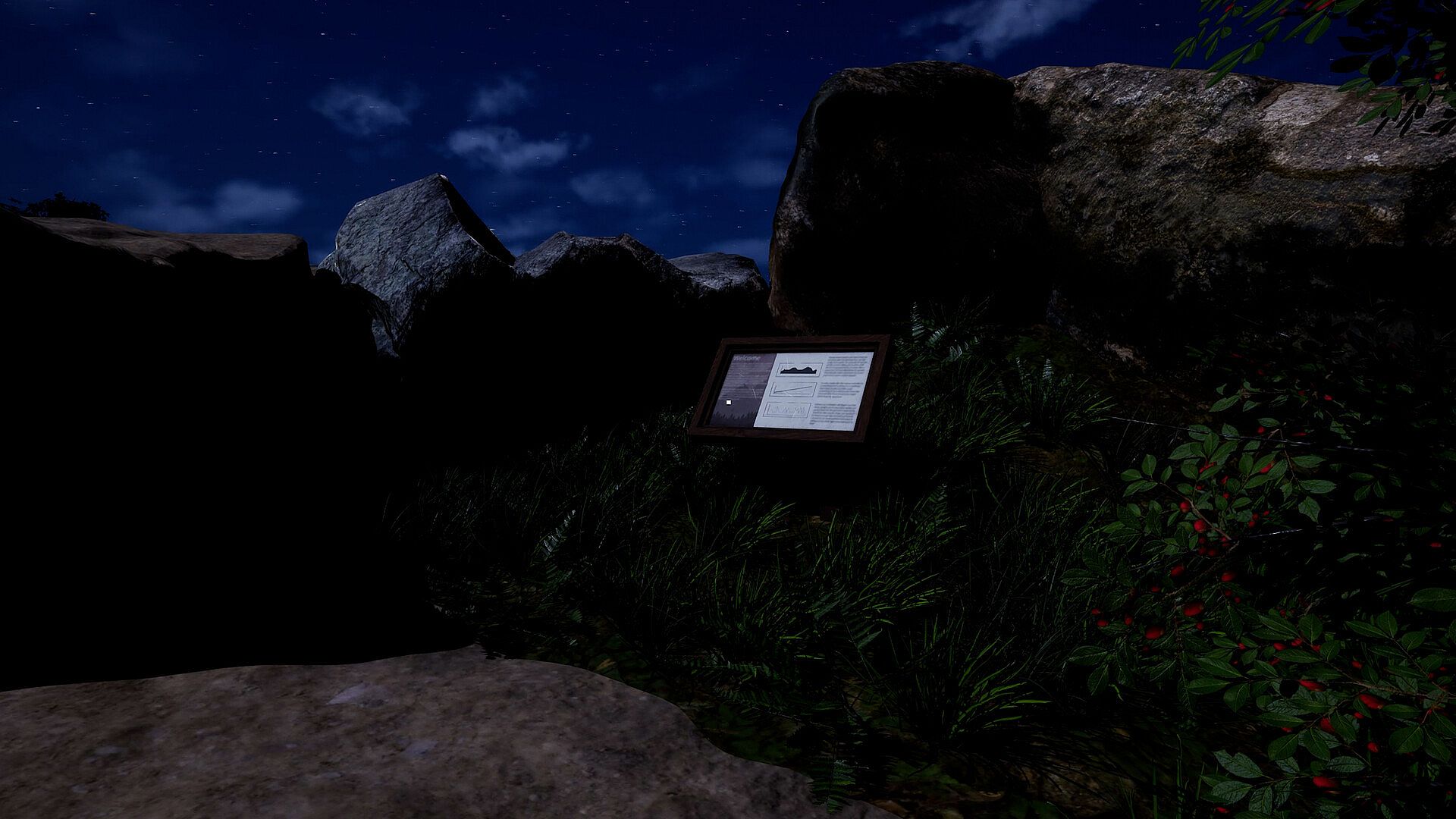
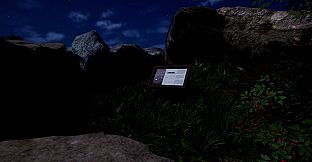
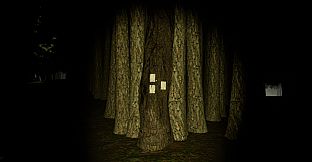
The core loop centers on moving through unsettling environments connected by a central hallway. Each area contains environmental details and information plaques that provide facts about ghosts and cryptids drawn from folklore. Players read these details to learn identifying traits, histories, and behaviors that help distinguish one entity from another.
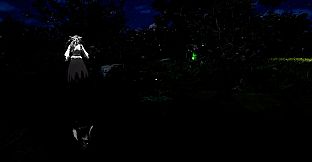
The flashlight serves as the main defensive tool. It repels approaching threats but drains its battery over time. Replacement batteries must be found scattered throughout the levels, forcing players to weigh when to use light and when to move in darkness. Sound design plays a key role in building tension, with audio cues such as footsteps, whispers, crying, or breaking branches signaling nearby danger before any direct encounter occurs.
Progress requires more than reaching the end of a section. Players must review collected clues and make a deduction about the specific entity that has been pursuing them. A correct identification unlocks additional stories and further doors, while repeated errors allow the threat to close in.
Game Modes
Trick Nor Treat operates as a single player experience built around sequential levels. Players advance by surviving each environment, gathering information, and correctly identifying the entity tied to that section. The progression system rewards accurate deductions with access to new areas and additional narrative content, creating a linear yet investigative structure without separate competitive or cooperative variants.
Exploration and Investigation
Levels emphasize environmental storytelling and quiet discovery. Information plaques function as in game references that teach folklore details and distinguishing features of possible entities. Combining these facts with visual and audio clues narrows down the threat and supports the final identification choice at the end of each section. The design avoids constant action in favor of deliberate pacing that rewards attention to surroundings.
Is It Worth Playing?
Trick Nor Treat suits players who prefer atmospheric horror that mixes deduction and resource management over frequent jump scares. The integration of folklore education into the investigation loop gives the experience a distinct focus, while the flashlight battery system adds meaningful tension to movement and encounters. Those drawn to single player mystery adventures with survival elements will find a consistent emphasis on learning patterns and making informed decisions. The free to play model on PC removes any upfront cost barrier for trying the core loop of exploration, clue analysis, and entity identification.